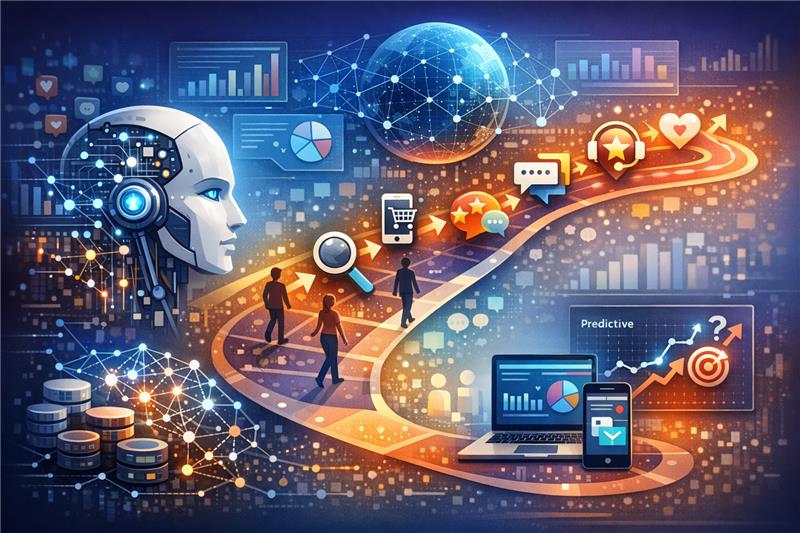

In the highly competitive world of B2B sales, finding and focusing on the right leads can make the difference between missing targets and consistently overachieving them. Traditional lead scoring methods—often based on simple rules or basic demographic data—are no longer enough to capture the complex, dynamic buying behaviors of modern businesses. This is where Artificial Intelligence (AI) steps in, bringing advanced predictive power, automation, and deeper insights that transform how organizations score and qualify leads.
In this blog, we explore how AI elevates B2B lead scoring and qualification, why it matters, and real-world ways companies are already benefiting from intelligent lead prioritization.
What Is Lead Scoring and Why It Matters in B2B
Lead scoring is the process of ranking prospects to determine their potential value to a business. Traditionally, scoring is rule-based—assigning points for attributes like job title, company size, industry, or specific engagement actions (e.g., webinar attendance, email clicks).
But in B2B environments, buying cycles are longer, involve multiple stakeholders, and include nuanced behavior that a simple points system might miss. AI-powered lead scoring goes beyond static rules to uncover patterns in data that signal true purchase intent—even when those signals are subtle.
How AI Enhances B2B Lead Scoring
Here’s how AI brings precision and depth to lead scoring and qualification:
1. Predictive Modeling with Machine Learning
AI systems use historical data about past leads—both converted and unconverted—to train machine learning models. These models identify complex patterns and predict which prospects are most likely to convert, often with much higher accuracy than traditional scoring.
Rather than assigning fixed points, AI evaluates thousands of lead interactions and attributes simultaneously to produce a dynamic likelihood score.
2. Behavioral Analysis Beyond Clicks
AI doesn’t just track whether a lead opened an email—it looks at how they engage over time.
For example:
- Time spent on product pages
- Repeated visits to pricing content
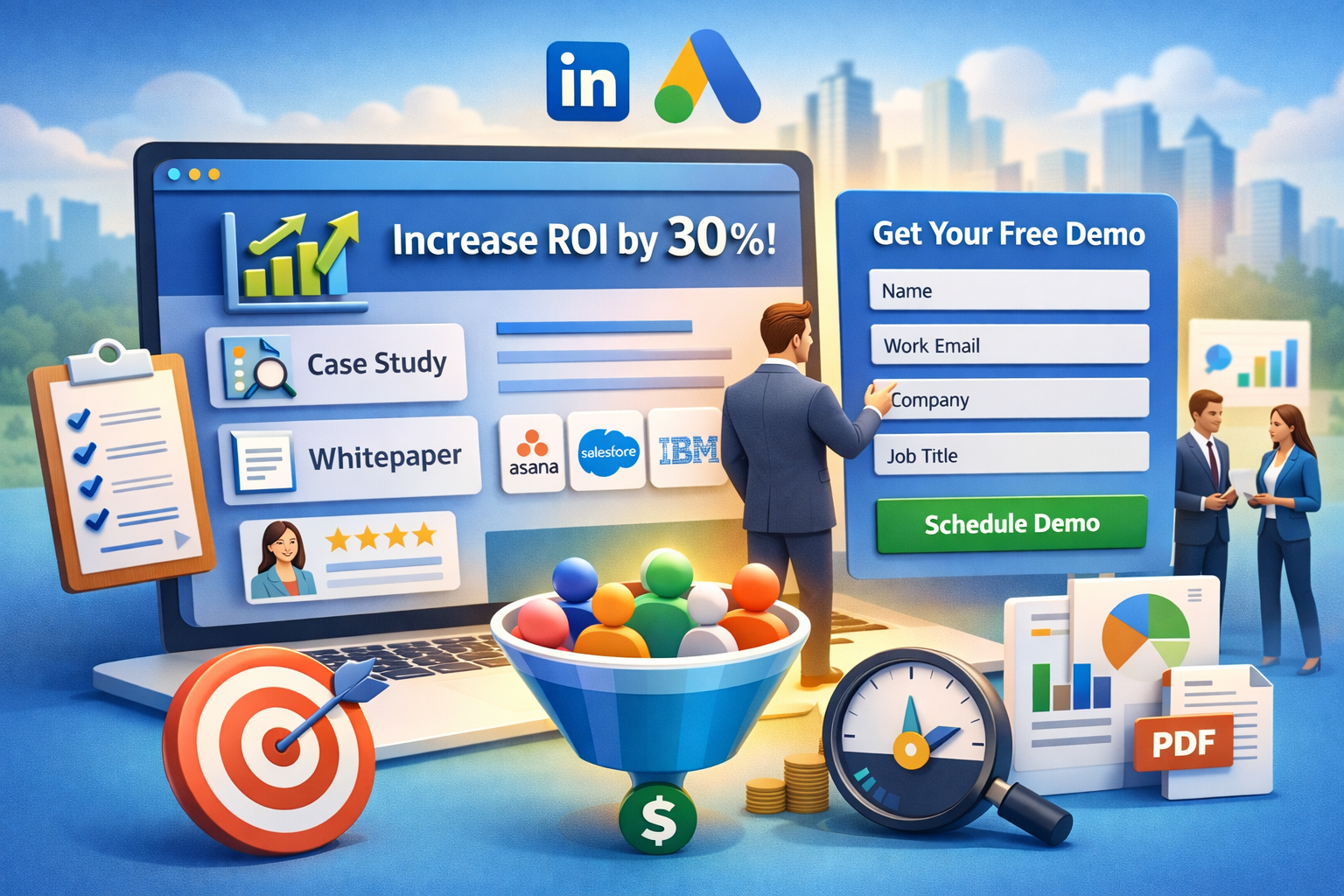
- Downloads of whitepapers or case studies
- Chatbot interactions
These behaviors are weighted intelligently, reflecting real buying intent rather than superficial engagement. The result? No more false positives from low-value interactions.
3. Real-Time Lead Qualification
AI can score leads in real time as new data comes in. If a lead suddenly shows intent signals (like revisiting pricing pages or downloading key content), their score updates instantly and alerts sales teams to act faster.
This real-time capability shortens response times—a key factor in winning B2B deals, where buyers expect speedy, personalized engagement.
4. Contextual and Intent Data Integration
Modern AI systems ingest a wide range of external data sources, including:
- Firmographic data (industry, revenue, employee count)
- Technographic data (tools and systems the company uses)
- First-party behavioral data
- Third-party intent signals (e.g., search activity or intent cloud data)
By fusing these data streams, AI builds a richer, contextual profile of each lead and predicts who’s ready to buy.
5. Natural Language Processing (NLP) for Lead Signals
AI leverages NLP to analyze text-based interactions:
- Emails
- Chat conversations
- Form responses
- Social mentions
NLP identifies subtle indicators of intent, questions that hint at purchasing timelines, or sentiment that suggests readiness to move forward—insights that would be laborious for humans to extract manually.
Real-World Use Cases of AI Lead Scoring in B2B
Case Study: A SaaS Company
A SaaS provider struggled to differentiate between high-volume but low-value leads and fewer but higher-quality ones. After deploying an AI-powered lead scoring model:
- Conversion rates climbed by 35%
- Sales cycle duration decreased because reps focused on better-quality leads
- Marketing ROI improved due to smarter campaign targeting
The AI system helped distinguish between casual website visitors and genuinely interested buyers based on patterns in behavior and firmographic signals.
Case Study: Manufacturing Services Firm
A B2B manufacturer with long sales cycles used AI to score leads based on multi-touch engagement across channels:
- Website behavior
- Email engagement
- Industry event participation
- CRM history
AI identified high-intent patterns that manual systems missed. Sales reps received prioritized leads with contextual insights, such as which products the leads were interested in and their stage in the buying journey.
The result:
- Better alignment between marketing and sales
- Higher-quality conversations
- Increased forecasting accuracy
Benefits of AI-Driven Lead Scoring
Here’s how organizations benefit from using AI to score and qualify leads:
1. Higher Conversion Rates
By prioritizing leads that are truly ready to buy, sales teams spend time where it matters most.
2. Shorter Sales Cycles
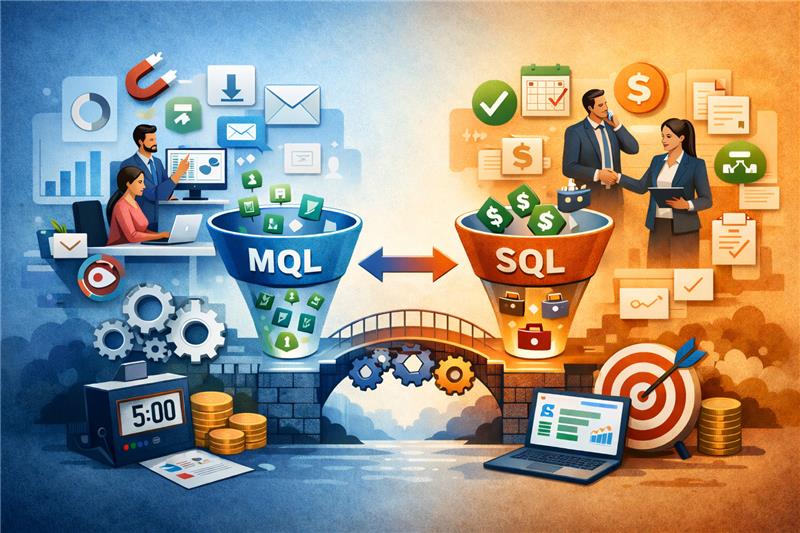
AI accelerates the handoff between marketing and sales and surfaces intent indicators sooner.
3. Better Alignment Across Teams
Marketing gains clarity on what constitutes a qualified lead, reducing churn and refocusing campaigns.
4. Enhanced Forecasting
With more accurate lead qualification, organizations achieve better pipeline visibility and revenue forecasting.
5. Reduced Manual Effort
Sales and marketing teams no longer rely on guesswork or manual datapoints—AI automates and scales lead evaluation with greater precision.
Challenges and Considerations
While AI offers transformative potential, successful implementation demands:
- High-Quality Data
Garbage in, garbage out! AI models perform best when fed clean, integrated data.
2. Cross-Team Collaboration
Marketing, sales, and data teams must align on goals, definitions, and what success looks like.
3.Continuous Learning
AI models require regular retraining with fresh data to maintain accuracy and relevance.
4. Explainability and Trust
Sales teams must understand why leads are scored high or low to build trust in AI recommendations.
Read Also: How B2B Companies Can Implement Responsible AI Without Slowing Down Innovation