Lead magnets are everywhere—ebooks, checklists, templates, webinars. But most of them don’t convert well.
Why?
Because they’re built around what the company wants to promote—not what the audience urgently needs.
A high-converting lead magnet does one thing exceptionally well:
It solves a specific, high-value problem fast.
Here’s how to build one that actually drives qualified leads—not just downloads.
- Start With a Pain Point, Not a Topic
The biggest mistake marketers make is choosing a broad topic.
❌ “Digital Marketing Guide”
❌ “The Ultimate Social Media Ebook”
These are too generic.
Instead, focus on a sharp, outcome-driven problem:
✔ “How to Reduce Customer Churn by 20% in 90 Days”
✔ “The 5-Step LinkedIn Outreach Script That Books B2B Sales Calls”
✔ “Website Conversion Checklist for SaaS Landing Pages”
The more specific the promise, the higher the conversion rate.
Ask yourself:
- What urgent problem keeps our audience awake at night?
- What quick win can we deliver?
- What decision are they trying to make right now?
- Align the Lead Magnet With Buyer Intent
Not all lead magnets attract the right leads.
If your offer is too broad, you’ll generate volume—but not quality.
Match your magnet to your target stage:
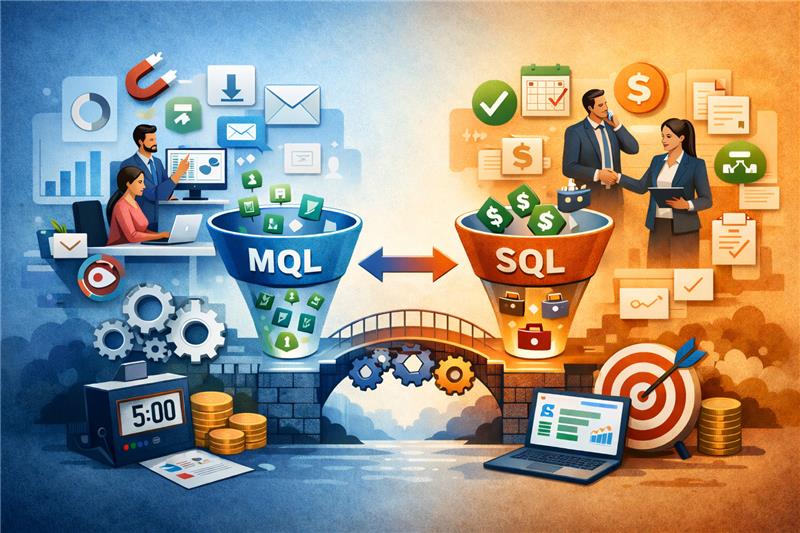
Top-of-Funnel (Awareness)
- Educational guides
- Industry trend reports
- Beginner checklists
Goal: Attract new audiences.
Middle-of-Funnel (Consideration)
- Templates
- Case studies
- Comparison guides
- ROI calculators
Goal: Move prospects toward buying decisions.
Bottom-of-Funnel (Decision)
- Free trials
- Product demos
- Consultations
- Pricing breakdowns
Goal: Convert ready buyers.
If your sales team complains about low-quality leads, the issue is often misaligned intent.
- Focus on One Outcome
High-converting lead magnets are narrow.
Instead of:
“Complete Guide to B2B Marketing”
Create:
“30-Day B2B Email Campaign Template That Generates Qualified Leads”
Clarity increases perceived value.
Think:
- One problem
- One promise
- One result
Specificity drives conversions.
- Choose the Right Format
The format should match the problem you’re solving.
Here are high-performing formats:
Checklists
Best for: Process clarity
Fast to consume and highly actionable.
Templates
Best for: Implementation
Very high perceived value.
Swipe Files
Best for: Copy, messaging, outreach
Easy and practical.
Mini-Courses
Best for: Education-heavy niches
Build authority and trust.
Calculators
Best for: ROI-focused buyers
Strong conversion for B2B and SaaS.
Case Studies
Best for: Proof-driven audiences
Great mid-to-bottom funnel asset.
Choose format based on speed and usability—not trend.
- Craft a Compelling Value Proposition
Your headline determines conversion.
Strong formula:
Result + Timeframe + Specific Audience
Examples:
- “How HR Leaders Can Cut Hiring Time by 30% in 60 Days”
- “The 10-Step Landing Page Framework for SaaS Founders”
- “Customer Onboarding Template for B2B Startups”
Make the benefit obvious and measurable.
Avoid vague words like:
- “Ultimate”
- “Complete”
- “Comprehensive”
Clarity converts. Hype doesn’t.
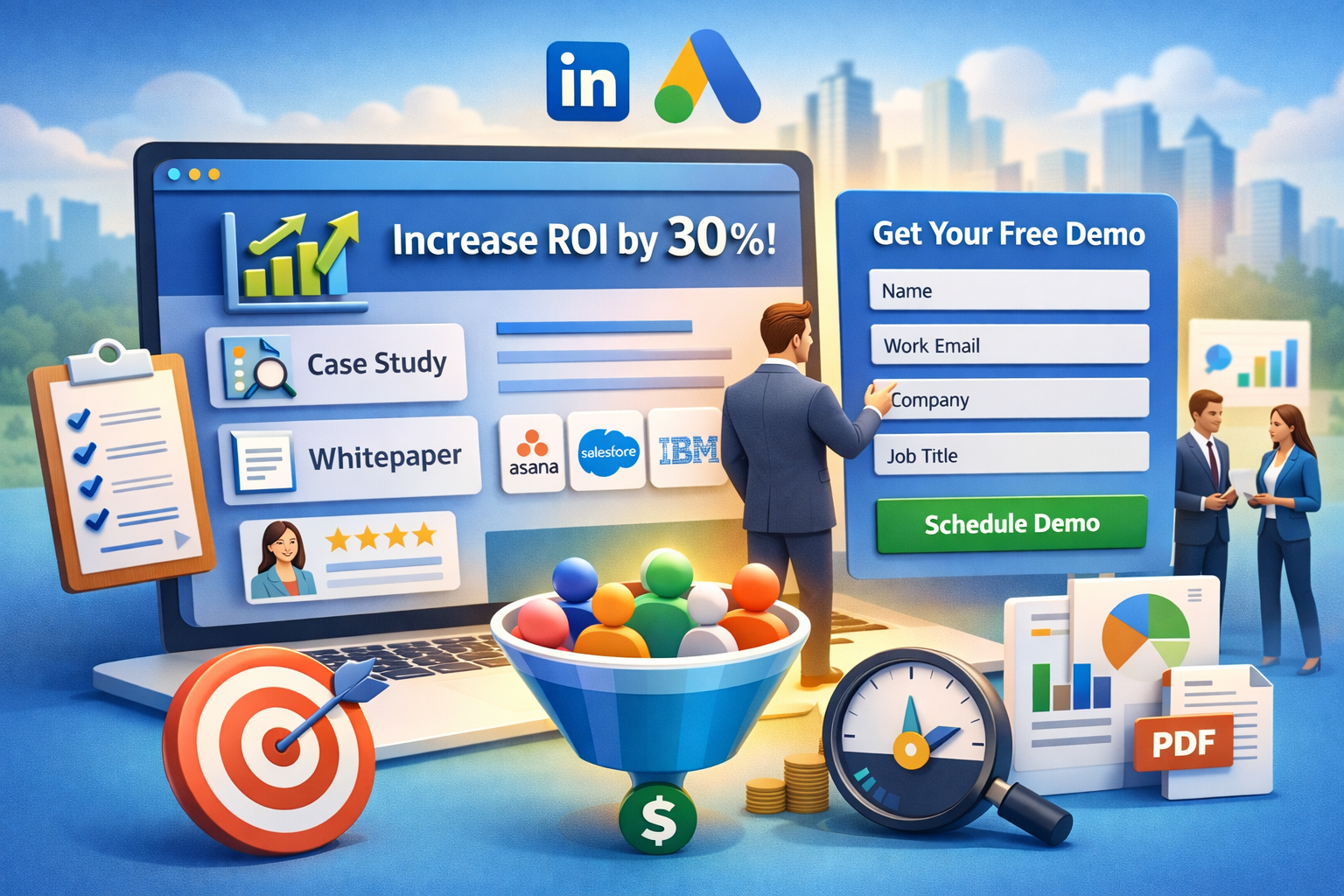
- Reduce Friction on the Landing Page
Even the best lead magnet fails if the landing page is weak.
Optimize:
- Clear headline (focused on outcome)
- 3–5 benefit-driven bullet points
- Minimal form fields
- Strong call to action
- Social proof (if available)
If possible, only ask for:
- First name
More fields = lower conversion rate (unless qualification is necessary).
- Deliver Immediate Value
The moment someone downloads your lead magnet, they should feel:
“This was worth giving my email.”
Avoid fluff.
Include:
- Actionable steps
- Clear frameworks
- Real examples
- Tools or templates they can immediately use
High-quality delivery increases trust—and future conversions.
- Build a Follow-Up Sequence
The lead magnet is the entry point—not the end.
Create an automated email sequence that:
- Delivers the resource
- Expands on the topic
- Shares case studies
- Addresses objections
- Introduces your product or service
Without a nurture sequence, you’re leaving revenue on the table.
- Measure What Actually Matters
Track:
- Landing page conversion rate
- Cost per lead
- Lead-to-customer conversion rate
- Revenue per lead
- Engagement with follow-up emails
A lead magnet that converts at 40% but produces no customers isn’t successful.
Quality beats quantity.
- Optimize Through Testing
Small improvements compound.
Test:
- Headlines
- CTA button text
- Form length
- Visuals
- Offer positioning
- Audience targeting
Read Also: Using Data to Improve Campaign Performance: A Practical Guide for Modern Marketers