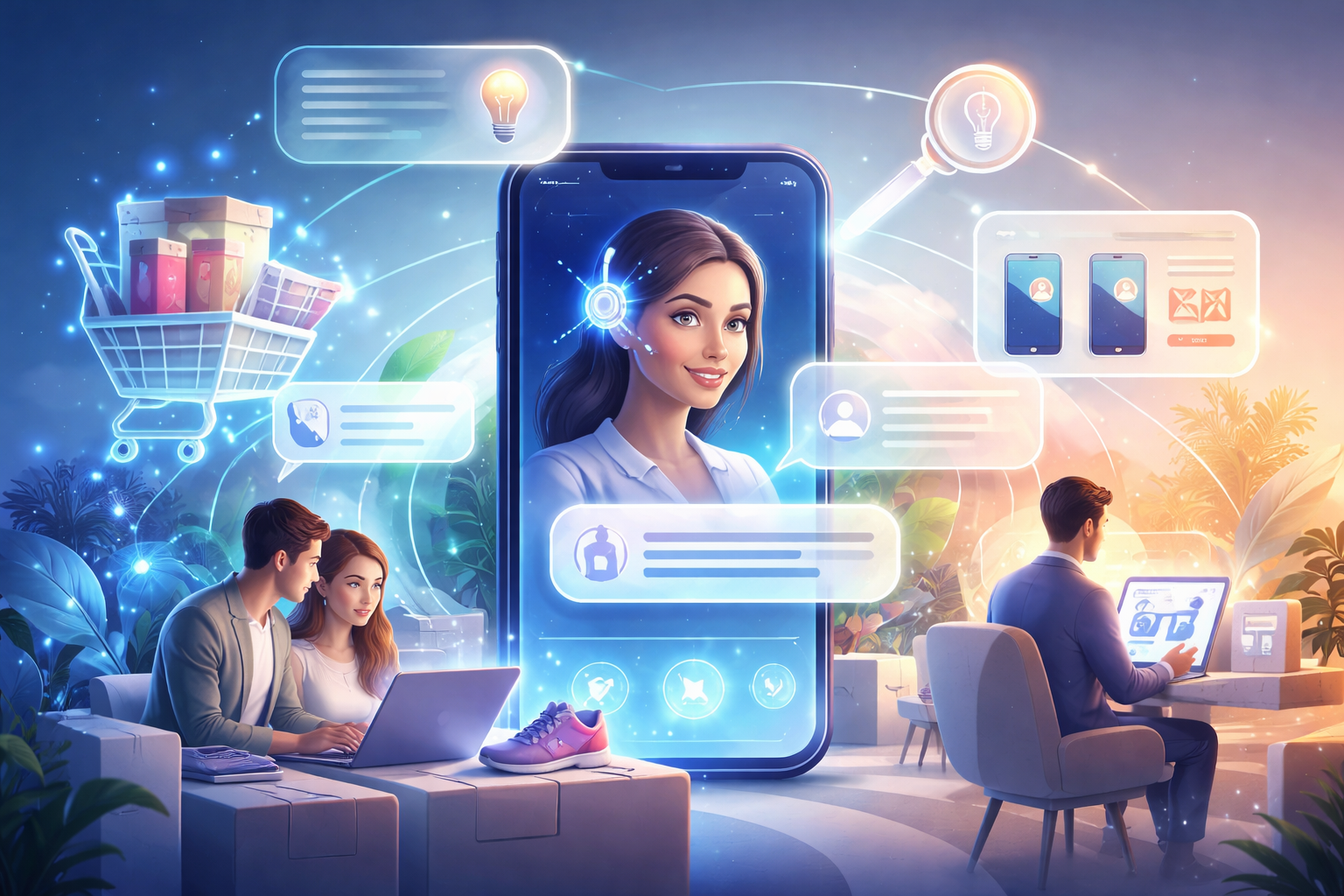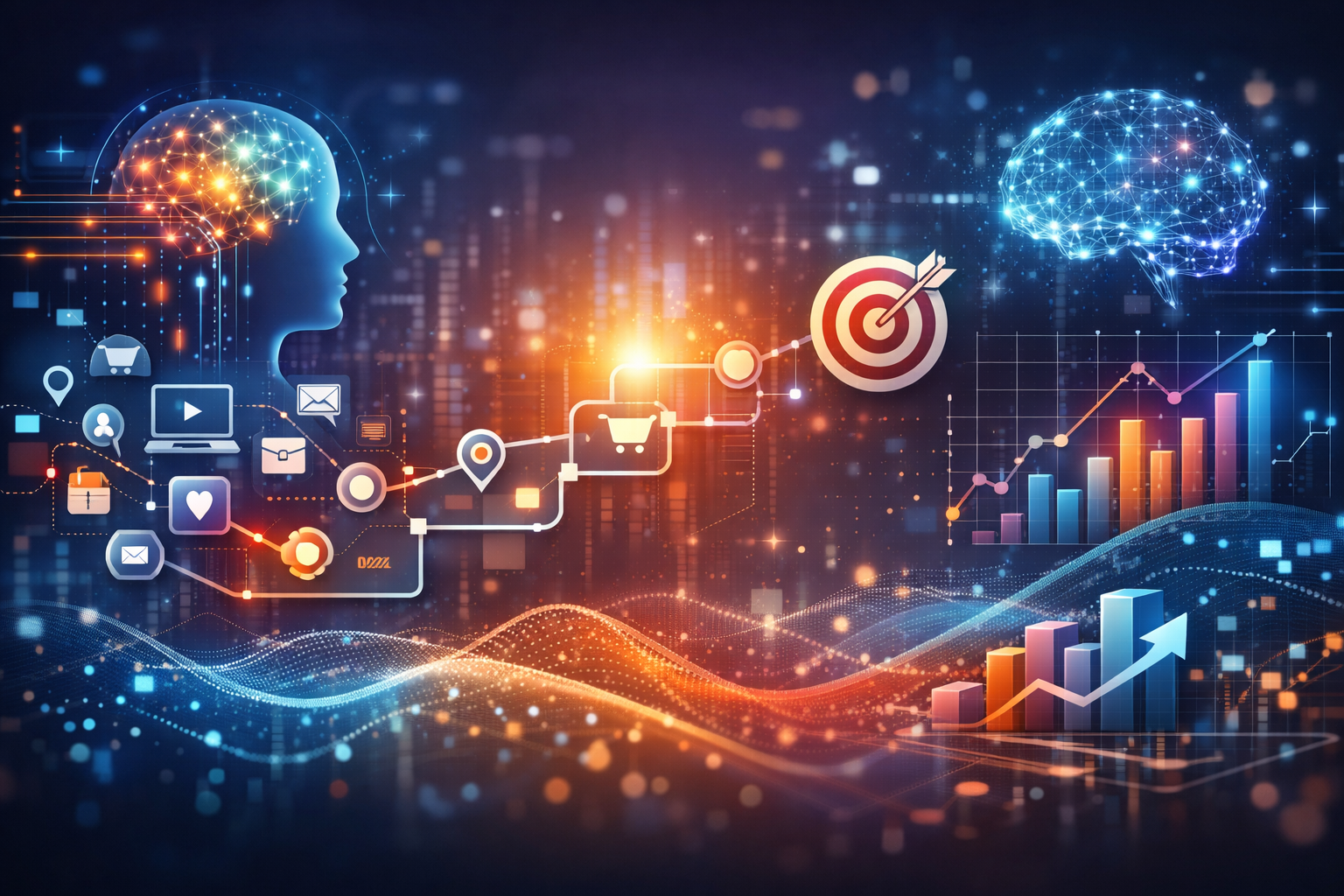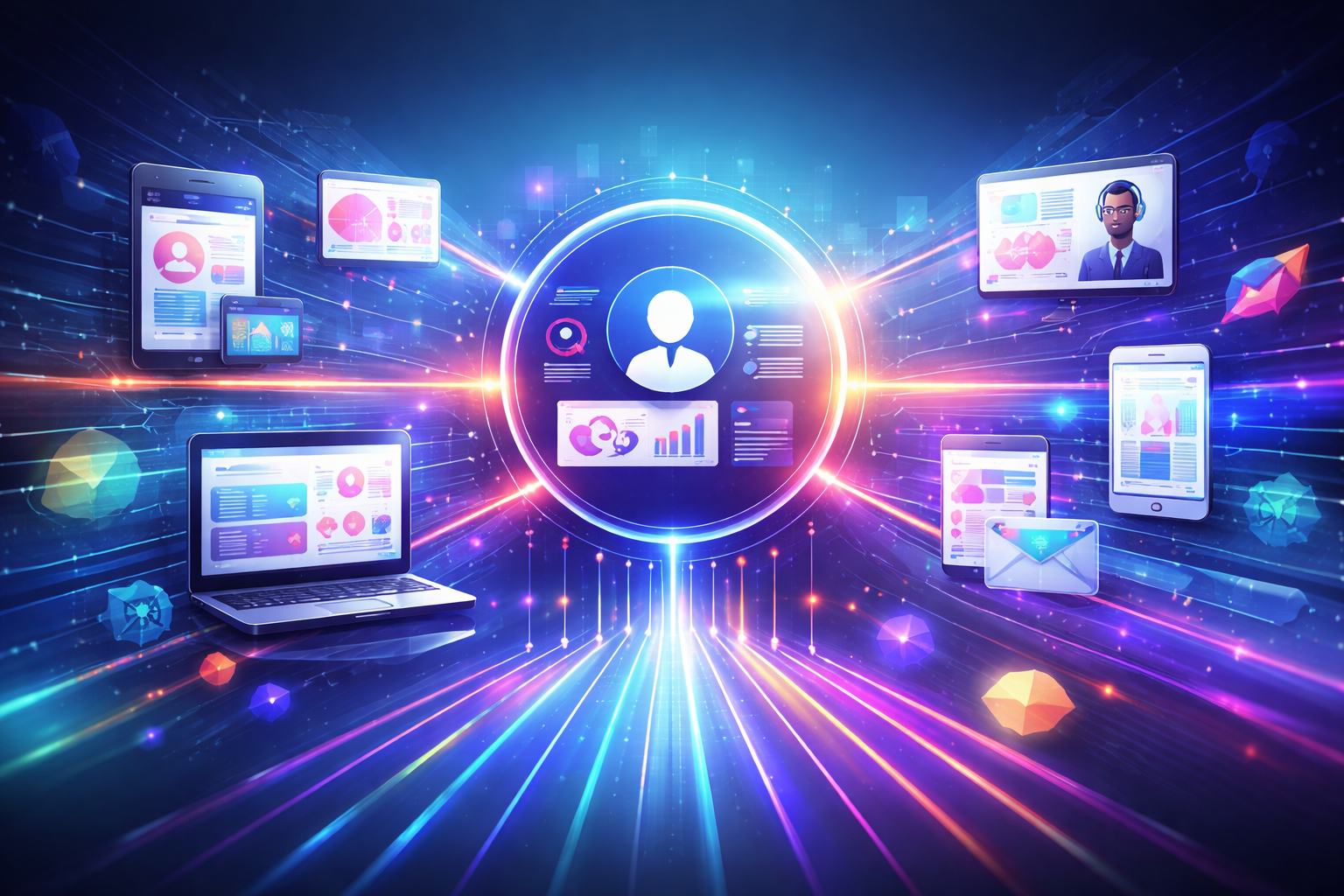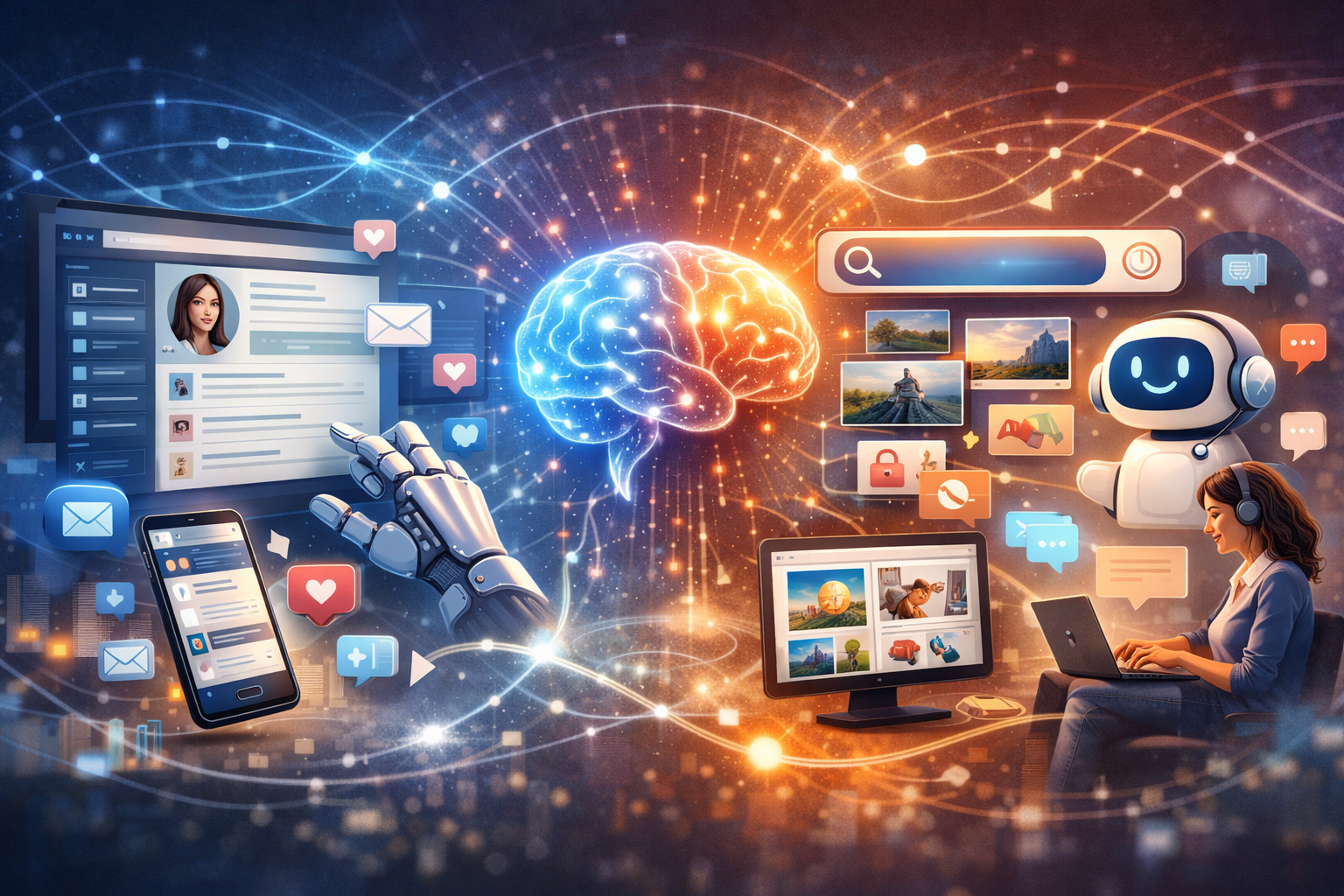
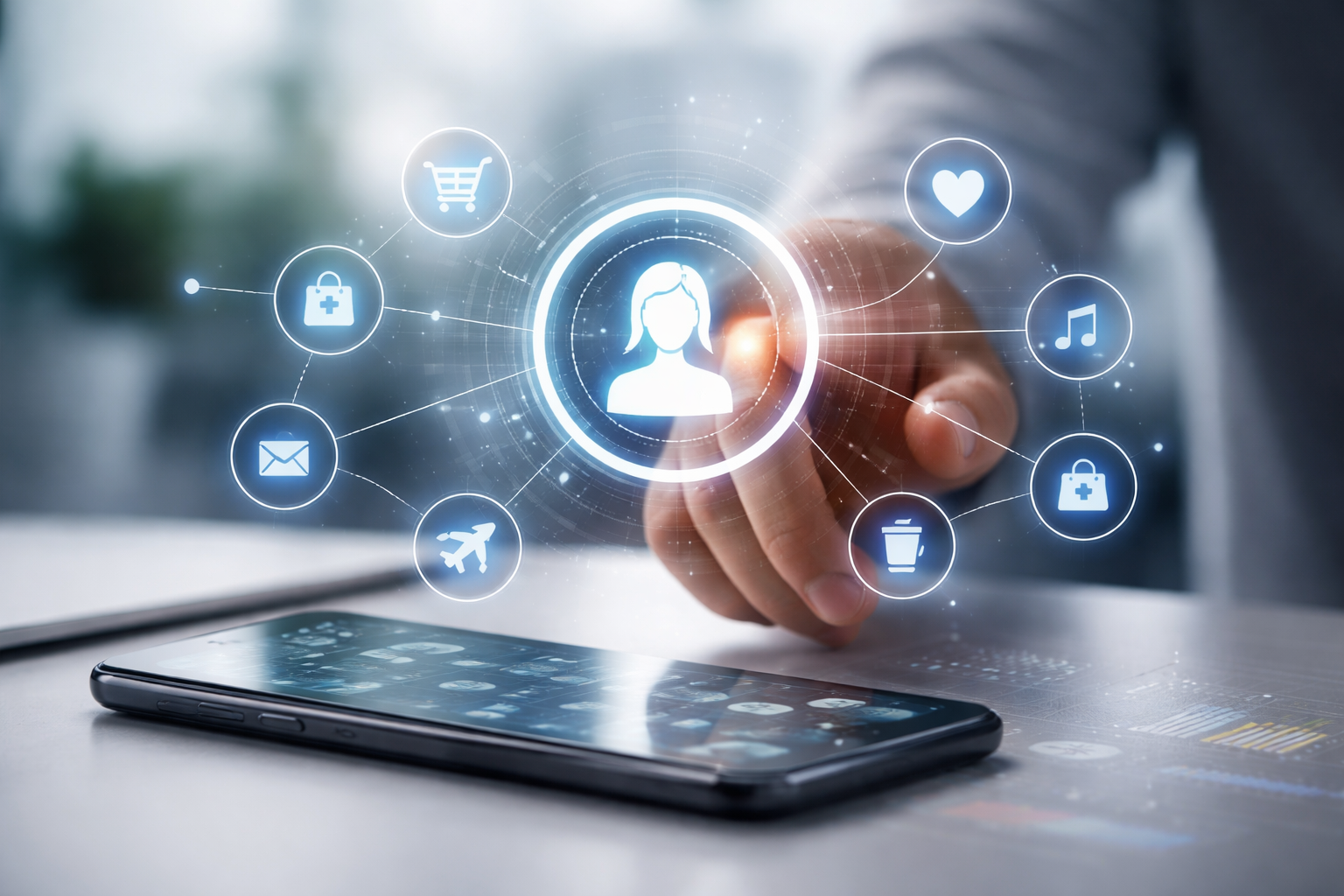
In today’s digital economy, customers no longer respond to generic messaging. They expect brands to understand their needs, anticipate their preferences, and deliver experiences that feel uniquely tailored. This shift has given rise to hyper-personalization—a strategy that goes far beyond traditional personalization to create deeply individualized customer experiences in real time.
What is Hyper-Personalization?
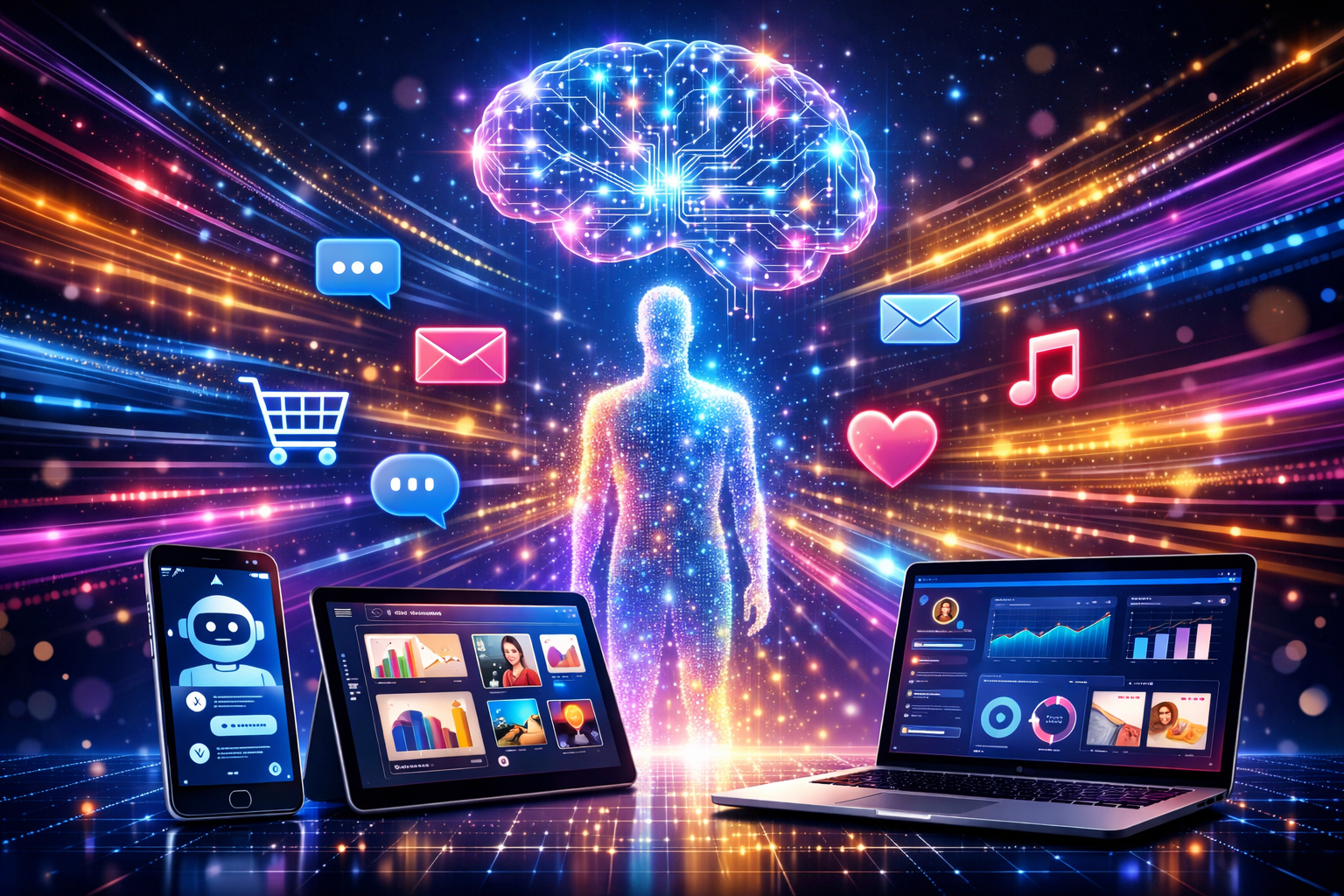
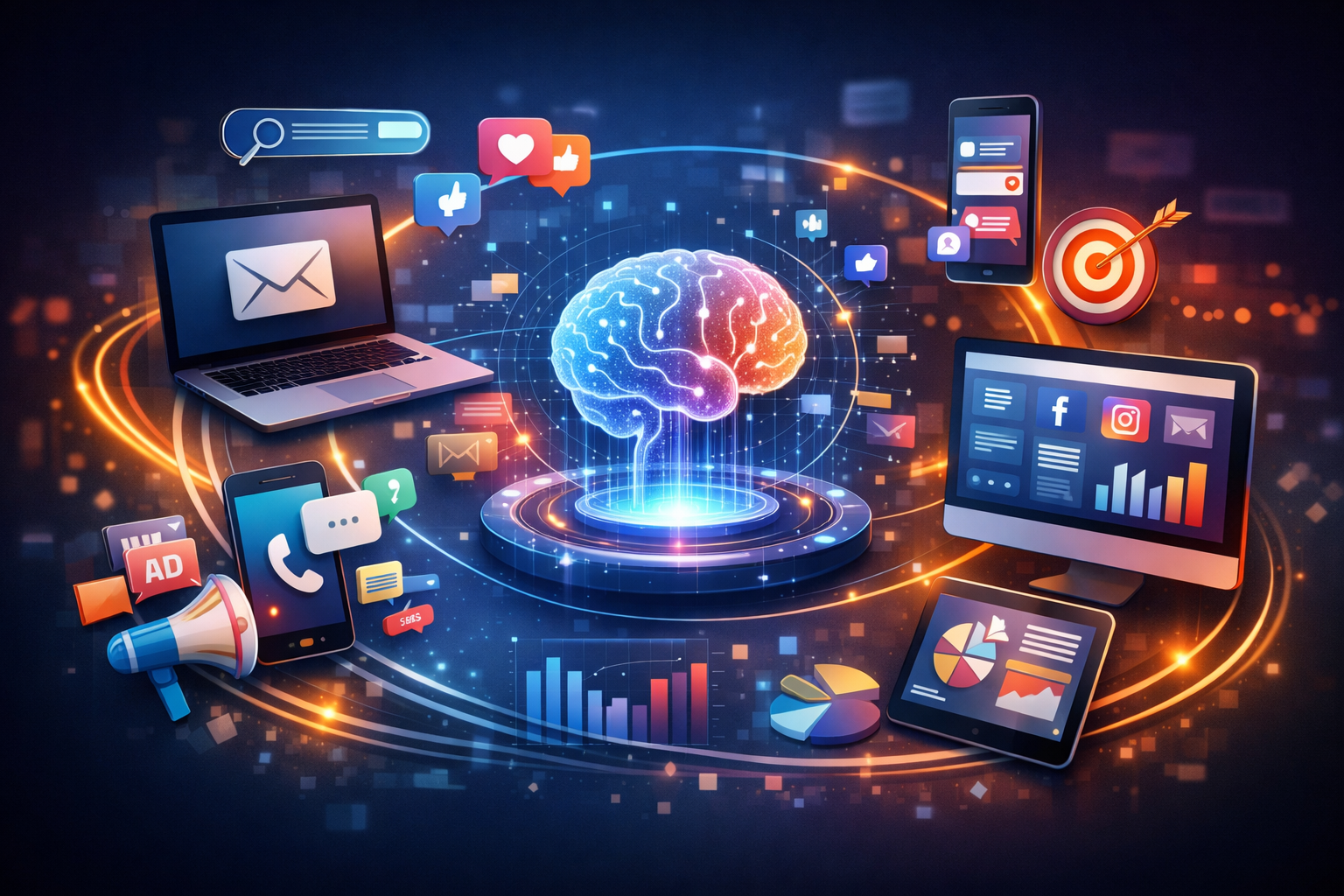
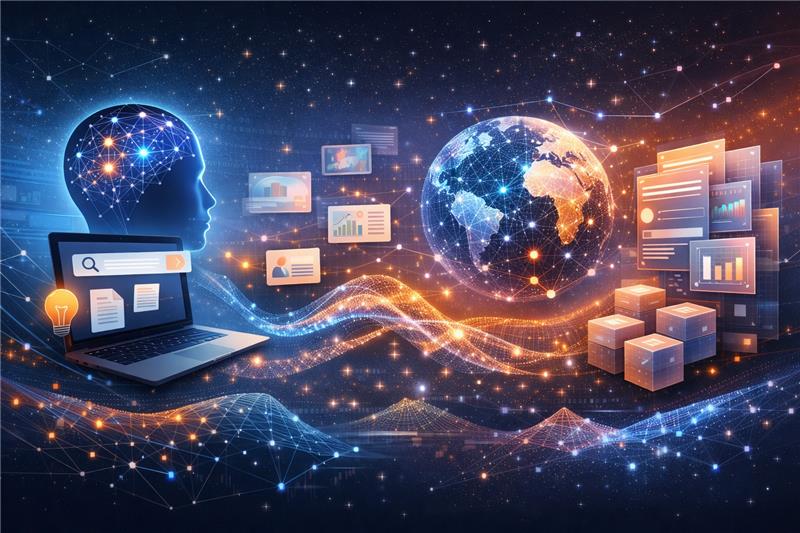
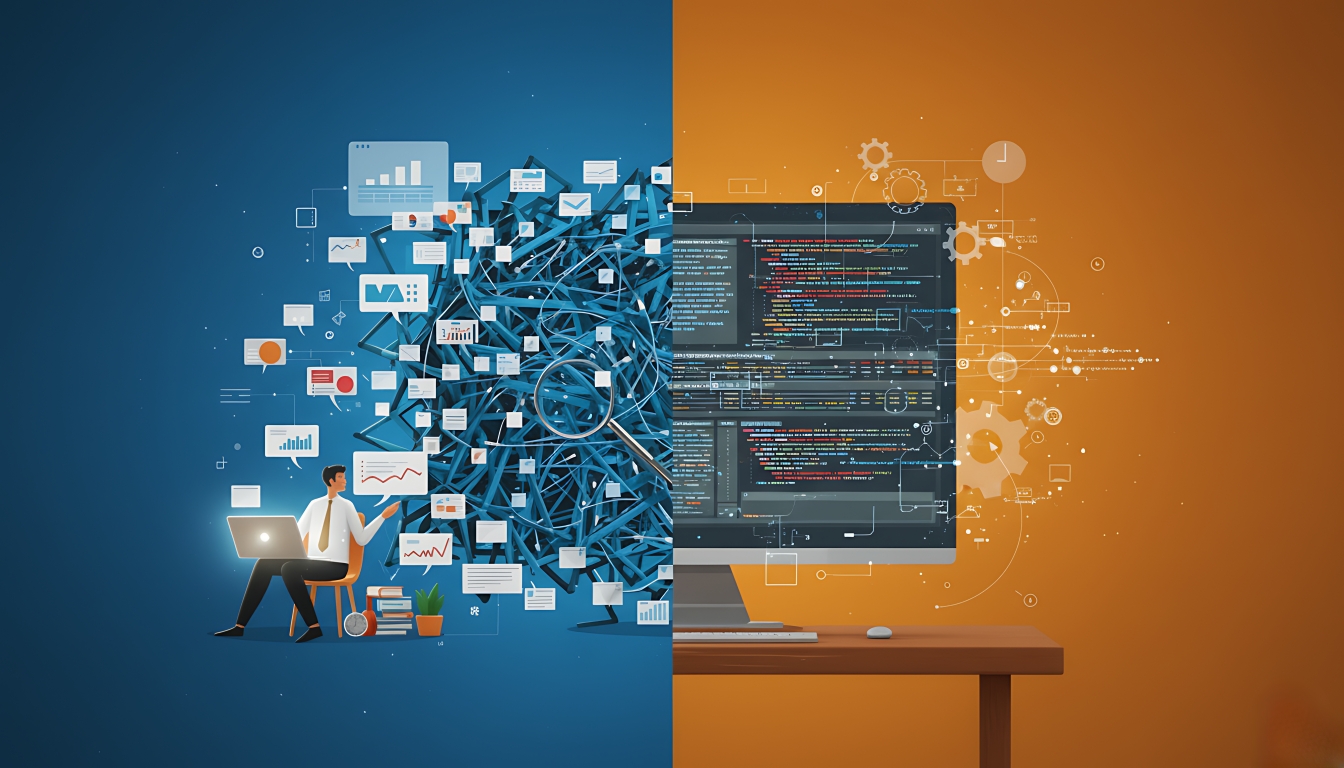
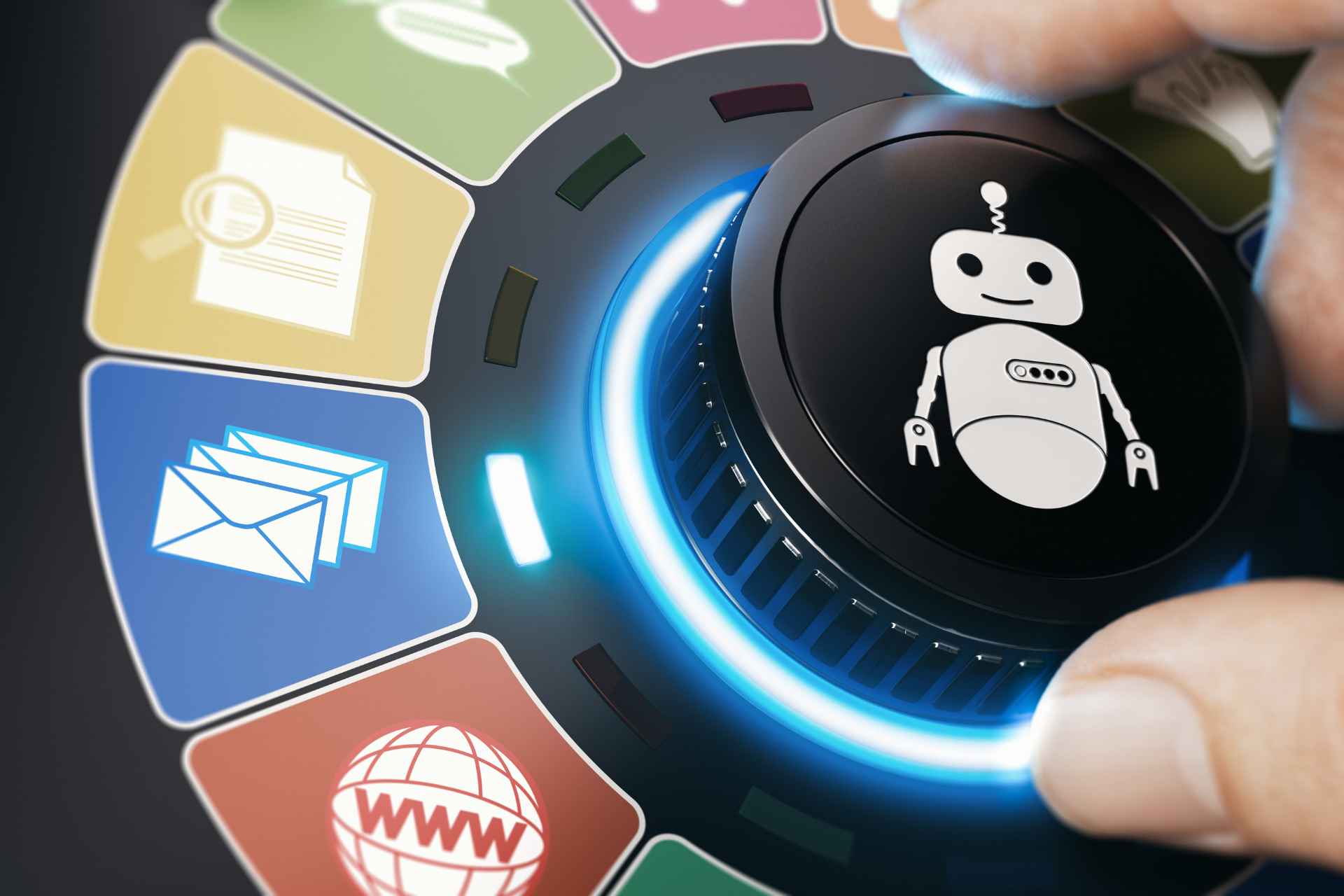
Hyper-personalization uses advanced technologies such as artificial intelligence, machine learning, real-time data analytics, and behavioral tracking to deliver highly relevant content, products, and services to each individual customer. Unlike basic personalization (like using a first name in an email), hyper-personalization leverages dynamic data—browsing history, purchase patterns, location, device usage, and even contextual signals—to shape every interaction.
Why Hyper-Personalization Matters
Customers are overwhelmed with choices and information. In this crowded landscape, relevance is the key differentiator. Businesses that implement hyper-personalization effectively can:
- Increase customer engagement: Tailored recommendations capture attention and encourage interaction.
- Boost conversion rates: When customers see what they actually want, they’re more likely to buy.
- Enhance customer loyalty: Personalized experiences foster emotional connections and trust.
- Improve customer lifetime value: Relevant interactions keep customers coming back.
The Technology Behind It
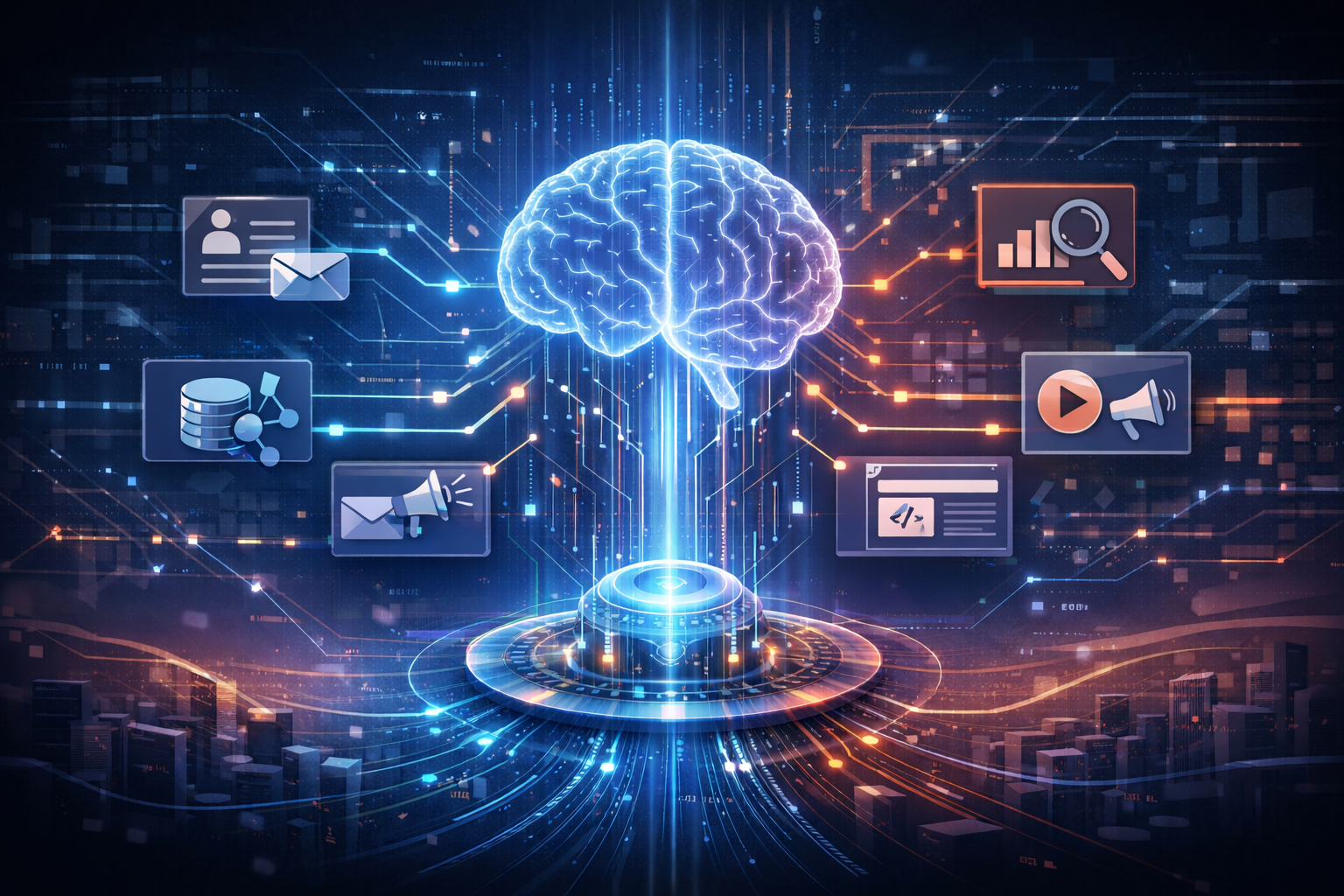
Hyper-personalization is powered by a combination of technologies:
- Artificial Intelligence (AI): Predicts customer behavior and preferences.
- Machine Learning (ML): Continuously improves recommendations based on new data.
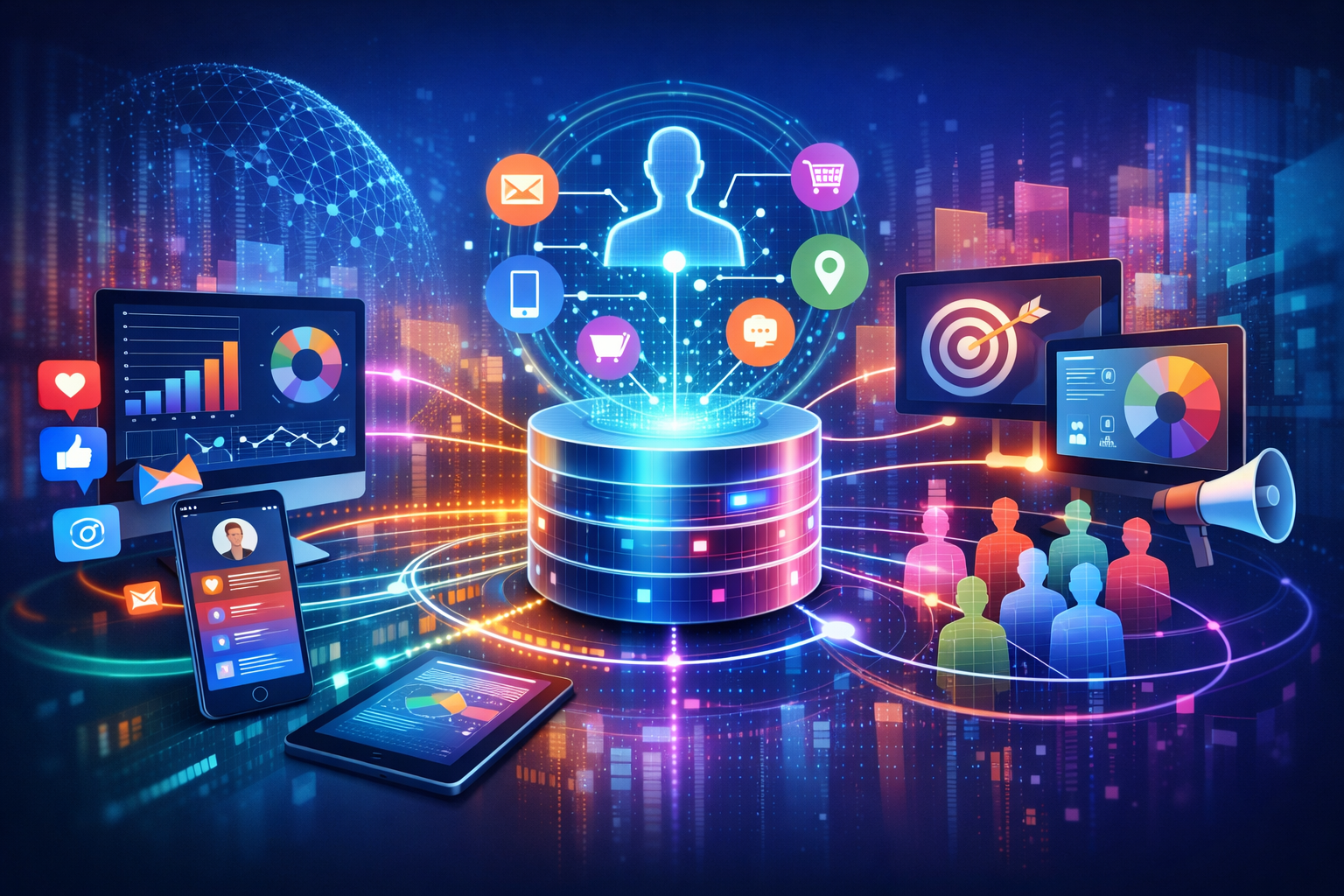
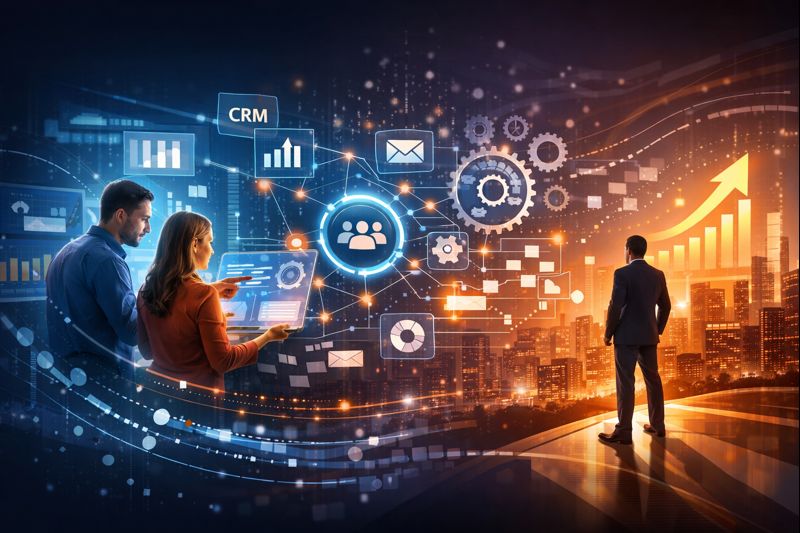
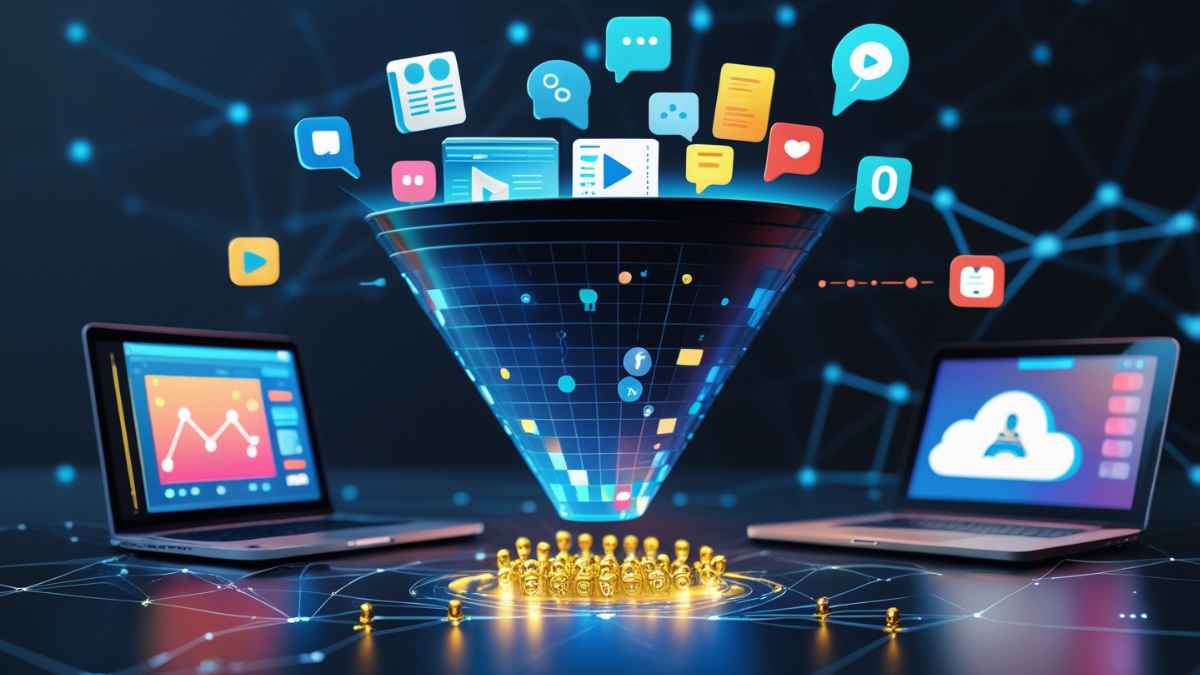
- Customer Data Platforms (CDPs): Aggregate and unify customer data from multiple sources.
- Real-Time Analytics: Enables instant decision-making for personalized experiences.
Together, these tools allow businesses to move from reactive to proactive engagement.
Real-World Applications
Hyper-personalization is already transforming industries:
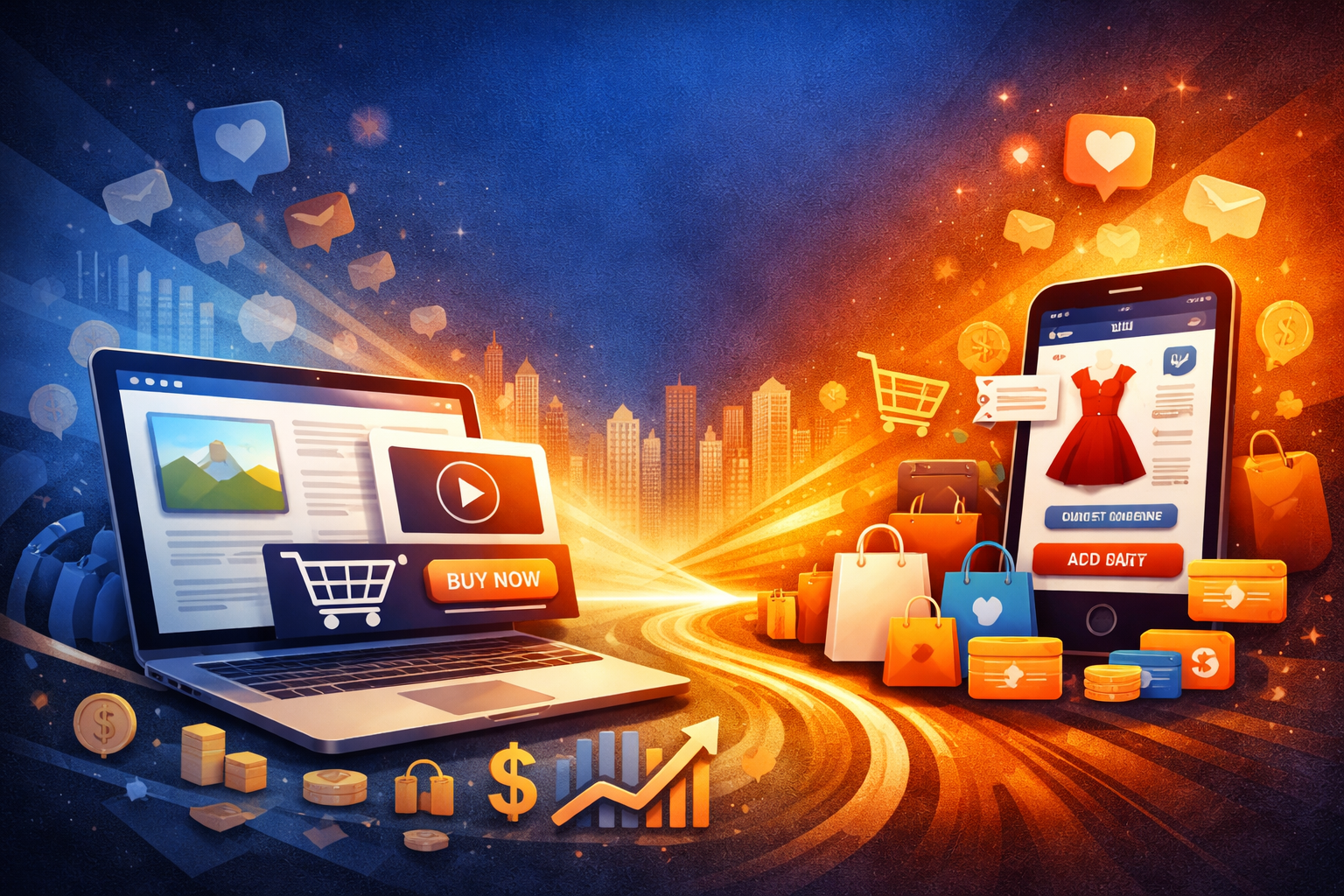
- E-commerce: Product recommendations based on browsing and purchase history.
- Streaming services: Curated content suggestions tailored to viewing habits.
- Banking and fintech: Customized financial advice and product offerings.
- Healthcare: Personalized treatment plans and wellness recommendations.
Each of these examples demonstrates how data can be turned into meaningful, individualized experiences.
Challenges to Consider
Despite its benefits, hyper-personalization comes with challenges:
- Data privacy concerns: Customers are increasingly aware of how their data is used. Transparency and compliance are essential.
- Data integration: Consolidating data from multiple sources can be complex.
- Technology investment: Implementing AI-driven systems requires significant resources.
- Avoiding over-personalization: Excessive targeting can feel intrusive and damage trust.
Striking the right balance between personalization and privacy is critical.
Best Practices for Implementation
To successfully adopt hyper-personalization:
- Start with quality data: Ensure your data is accurate, relevant, and ethically sourced.
- Invest in the right tools: Choose platforms that integrate well and scale with your business.
- Focus on customer value: Personalization should enhance the customer experience, not just drive sales.
- Be transparent: Clearly communicate how customer data is used.
- Continuously optimize: Use insights and feedback to refine your approach.
The Future of Competitive Advantage
Hyper-personalization is no longer optional—it’s becoming a necessity. As customer expectations continue to rise, businesses that fail to deliver relevant, individualized experiences risk losing ground to competitors who do.
The future belongs to organizations that can combine data, technology, and human insight to create seamless, meaningful interactions at every touchpoint. In this new era, the most successful brands won’t just know their customers—they’ll understand them on an individual level.
Read Also: Building Lean Martech Stacks for Startups