
In B2B marketing, generating leads is only half the battle. The real challenge is moving those leads through the funnel without losing them along the way. Many companies invest heavily in marketing campaigns but still experience poor conversion rates because prospects drop off at different stages of the funnel.
This phenomenon is known as funnel leakage—when potential customers exit the sales funnel before converting. Reducing this leakage can significantly improve revenue without increasing marketing spend.
Here’s how B2B organizations can identify and fix funnel leakage effectively.
What Is Funnel Leakage in B2B?
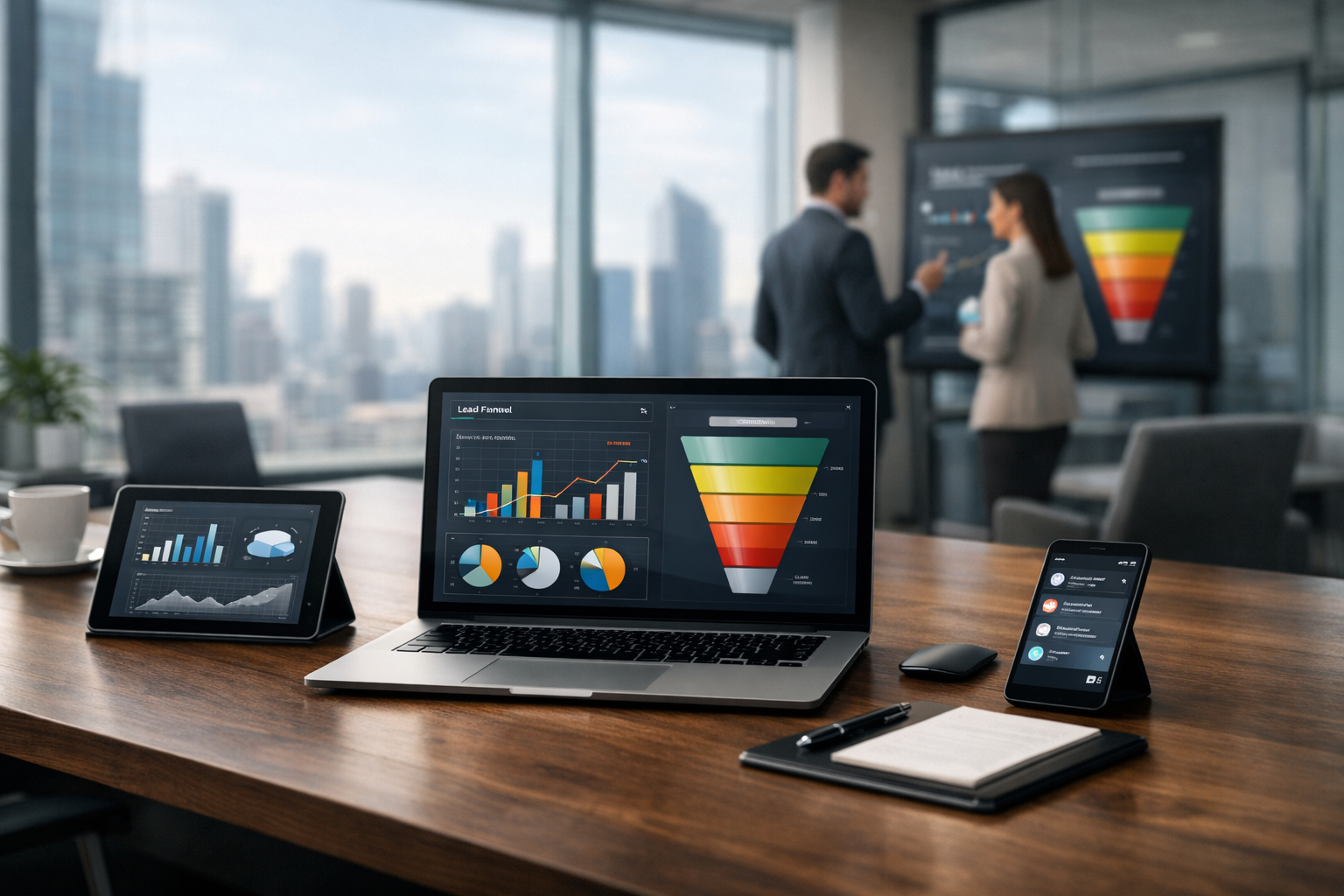
A B2B sales funnel typically includes stages like:
- Awareness
- Interest
- Consideration
- Evaluation
- Purchase
Funnel leakage occurs when prospects enter the funnel but fail to progress to the next stage. For example:
- Website visitors who never become leads
- Leads who never become qualified prospects
- Prospects who never convert into customers
The longer and more complex the B2B sales cycle, the greater the risk of leakage.
Common Causes of Funnel Leakage
Before fixing the problem, businesses must understand why prospects drop off.
1. Poor Lead Qualification
Many marketing teams focus on lead quantity rather than lead quality. This results in unqualified leads entering the funnel who are unlikely to convert.
2. Slow Lead Response
Speed matters in B2B sales. If a prospect downloads a resource or requests a demo but receives a response days later, they may already be engaging with a competitor.
3. Lack of Personalization
Modern buyers expect tailored experiences. Generic emails and irrelevant content often fail to keep prospects engaged.
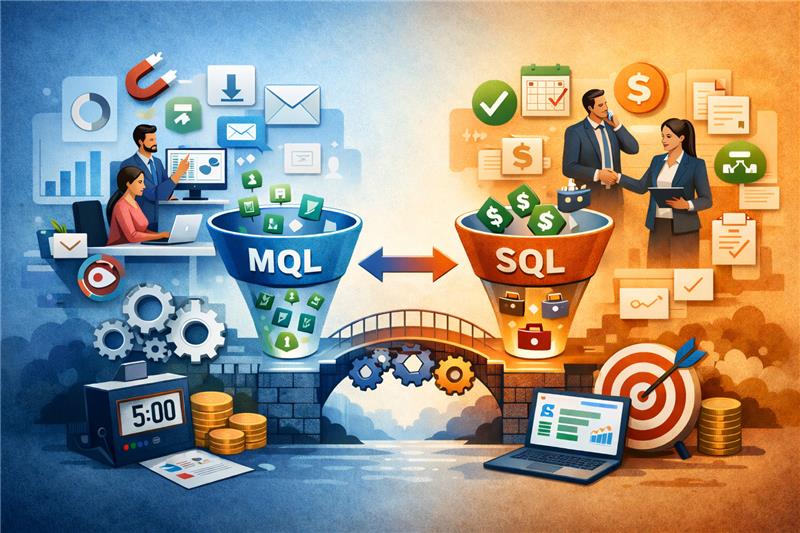
4. Misalignment Between Marketing and Sales
When marketing and sales teams operate in silos, leads often fall through the cracks. Marketing may generate leads that sales teams consider unqualified.
5. Complex Buying Processes
B2B decisions typically involve multiple stakeholders, making the buying journey longer and more complicated.
Strategies to Reduce Funnel Leakage
1. Improve Lead Qualification
Implement a lead scoring system to prioritize prospects based on their likelihood to convert.
Factors to consider include:
- Company size
- Industry
- Job role
- Engagement with content
- Website activity
By focusing on high-intent leads, sales teams can allocate their time more effectively.
2. Respond to Leads Faster
Studies consistently show that quick responses significantly improve conversion rates.
Best practices include:
- Automated follow-up emails
- Chat support on landing pages
- Real-time lead notifications for sales teams
Faster engagement keeps prospects interested and increases the chances of moving them further down the funnel.
3. Align Marketing and Sales Teams
A strong partnership between marketing and sales is critical to reducing funnel leakage.
This alignment can be achieved through:
- Shared revenue goals
- Clear definitions of marketing-qualified leads (MQLs) and sales-qualified leads (SQLs)
- Regular communication between teams
When both teams work together, leads receive consistent messaging and smoother handoffs.
4. Personalize the Buyer Journey
Personalization helps maintain engagement throughout the funnel.
Examples include:
- Sending targeted content based on industry
- Customized email sequences for different buyer personas
- Personalized product recommendations
By delivering relevant information at the right time, businesses can nurture prospects more effectively.
5. Optimize Landing Pages and Content
Many prospects leave the funnel during the awareness and interest stages because landing pages fail to convert.
To improve performance:
- Simplify forms
- Use clear value propositions
- Add testimonials and case studies
- Optimize pages for mobile devices
Small improvements in conversion rates at the top of the funnel can significantly reduce leakage later.
6. Use Marketing Automation
Marketing automation tools can nurture leads through the funnel automatically.
Automation can help with:
- Email drip campaigns
- Behavioral triggers
- Lead scoring updates
- Sales notifications
These systems ensure that no lead is forgotten or ignored.
7. Track and Analyze Funnel Metrics
The first step to fixing funnel leakage is identifying where it happens.
Key metrics to monitor include:
- Lead-to-MQL conversion rate
- MQL-to-SQL conversion rate
- Opportunity-to-close rate
- Sales cycle length
By analyzing these metrics, businesses can pinpoint weak stages and improve them.
The Role of Data and Analytics
Data-driven insights are essential for reducing funnel leakage. Modern analytics tools allow companies to track how prospects interact with content, emails, and websites.
This data helps teams:
- Identify high-performing channels
- Understand buyer behavior
- Optimize campaigns for better conversions
Companies that rely on data rather than assumptions are more likely to improve funnel efficiency.
Read Also: B2B Email Segmentation Strategies: The Key to Higher Engagement and Conversions