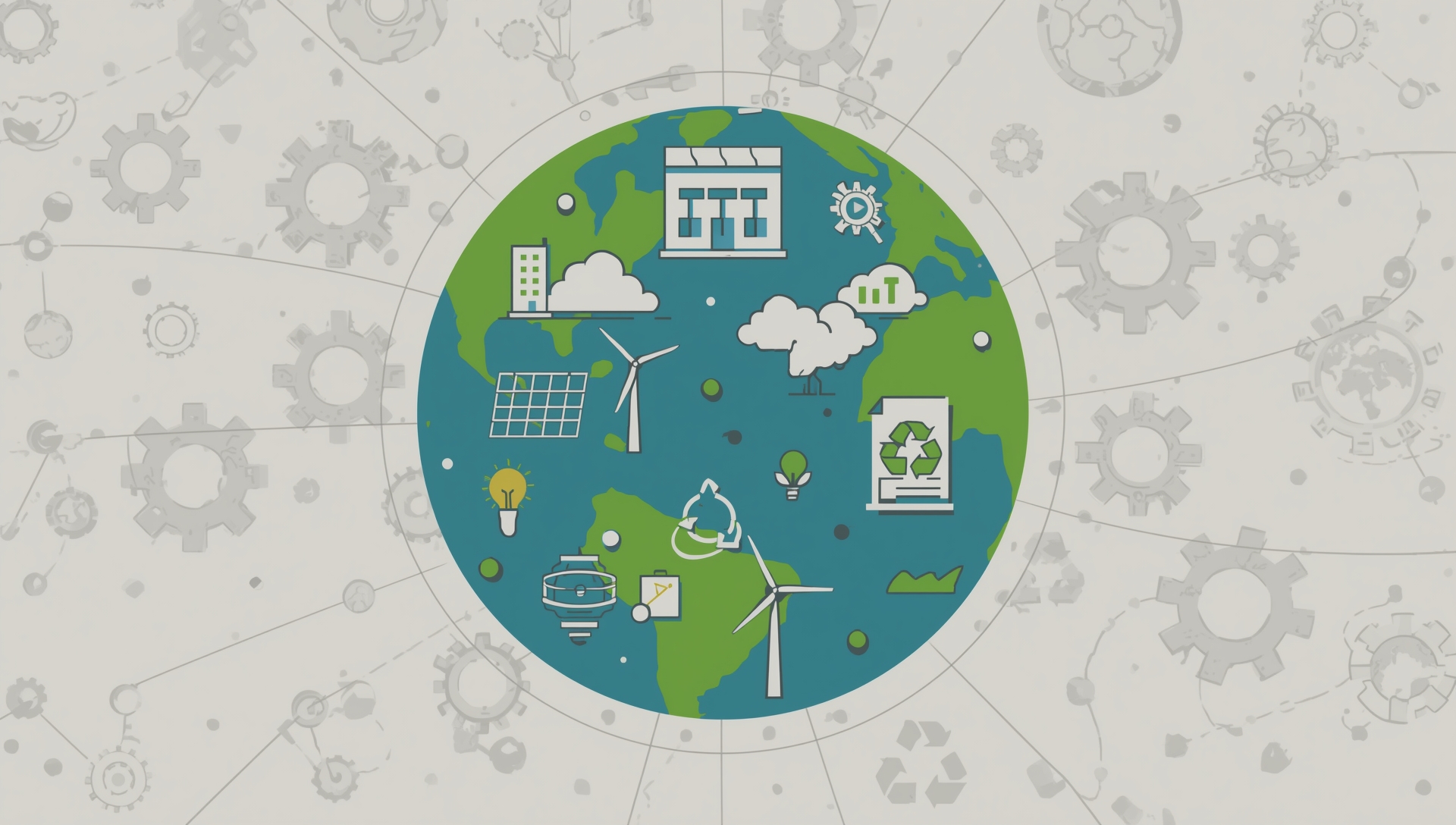

In today’s increasingly conscious business environment, sustainability is no longer a “nice to have”—it’s a critical component of long-term strategy. For B2B companies, integrating sustainability into the supply chain is not just about reducing environmental impact; it’s about enhancing operational efficiency, building resilient partnerships, meeting regulatory requirements, and gaining a competitive edge.
Here’s a guide to help B2B businesses embed sustainability into their supply chain effectively.
1. Conduct a Sustainability Audit
Begin by assessing the current state of your supply chain:
- Map your supply chain: Identify all tiers of suppliers and logistics partners.
- Evaluate environmental and social impact: Look at emissions, water use, energy consumption, labor practices, and waste generation across your supply network.
- Identify hotspots: Focus on the suppliers or processes that have the highest impact or pose the greatest risk.
This baseline will help you prioritize where to take action.
2. Set Clear, Measurable Goals
Establish sustainability objectives aligned with your business strategy:
- Reduce carbon emissions by a specific percentage within a timeframe.
- Achieve zero waste in packaging.
- Source 100% of materials from certified sustainable suppliers.
Make sure these goals are SMART (Specific, Measurable, Achievable, Relevant, Time-bound).
3. Engage and Collaborate with Suppliers
A sustainable supply chain requires strong partnerships:
- Incorporate sustainability into procurement policies.
- Share your goals and expectations with suppliers and provide support for them to improve.
- Develop joint improvement plans or offer incentives for suppliers who meet sustainability targets.
- Use supplier codes of conduct and sustainability scorecards to track compliance.
Open dialogue fosters innovation and joint accountability.
4. Embrace Technology and Data Transparency
Leverage technology to monitor and improve sustainability:
- Use supply chain management software that includes sustainability metrics.
- Track real-time data on energy use, emissions, and material sourcing.
- Implement blockchain or traceability tools for transparency, especially for critical or high-risk materials.
Greater visibility leads to better decision-making.
5. Invest in Circular Economy Practices
Shift from a linear “take-make-dispose” model to a circular one:
- Encourage reuse, repair, and recycling.
- Design products for durability and end-of-life recovery.
- Work with suppliers to reduce packaging waste and explore biodegradable or reusable options.
Circular practices reduce resource dependency and waste.
6. Ensure Compliance with Regulations and Standards
Stay informed about local and global sustainability regulations such as:
- EU’s Corporate Sustainability Reporting Directive (CSRD)
- California Transparency in Supply Chains Act
- ISO 14001 Environmental Management
Also consider voluntary frameworks like CDP, EcoVadis, or Science-Based Targets initiative (SBTi) to benchmark your efforts and demonstrate credibility.
7. Measure and Report Progress
Regularly track and disclose sustainability performance:
- Use key performance indicators (KPIs) such as Scope 1, 2, and 3 emissions, supplier sustainability scores, or waste diversion rates.
- Include sustainability in your annual reports or ESG disclosures.
- Be transparent about both achievements and areas needing improvement.
This builds trust with stakeholders, from customers to investors.
8. Create a Culture of Sustainability
Ultimately, sustainability should be part of your organization’s DNA:
- Educate employees, partners, and suppliers about the importance of sustainability.
- Encourage innovation by recognizing teams that contribute to sustainability goals.
- Align leadership incentives with sustainable performance metrics.
A committed internal culture ensures consistency across the supply chain.
Conclusion
Integrating sustainability into your B2B supply chain is a continuous journey—but one that pays dividends in resilience, cost savings, and brand reputation. By taking strategic, transparent, and collaborative actions, your business can not only meet stakeholder expectations but also lead the way in creating a more sustainable and equitable global economy.