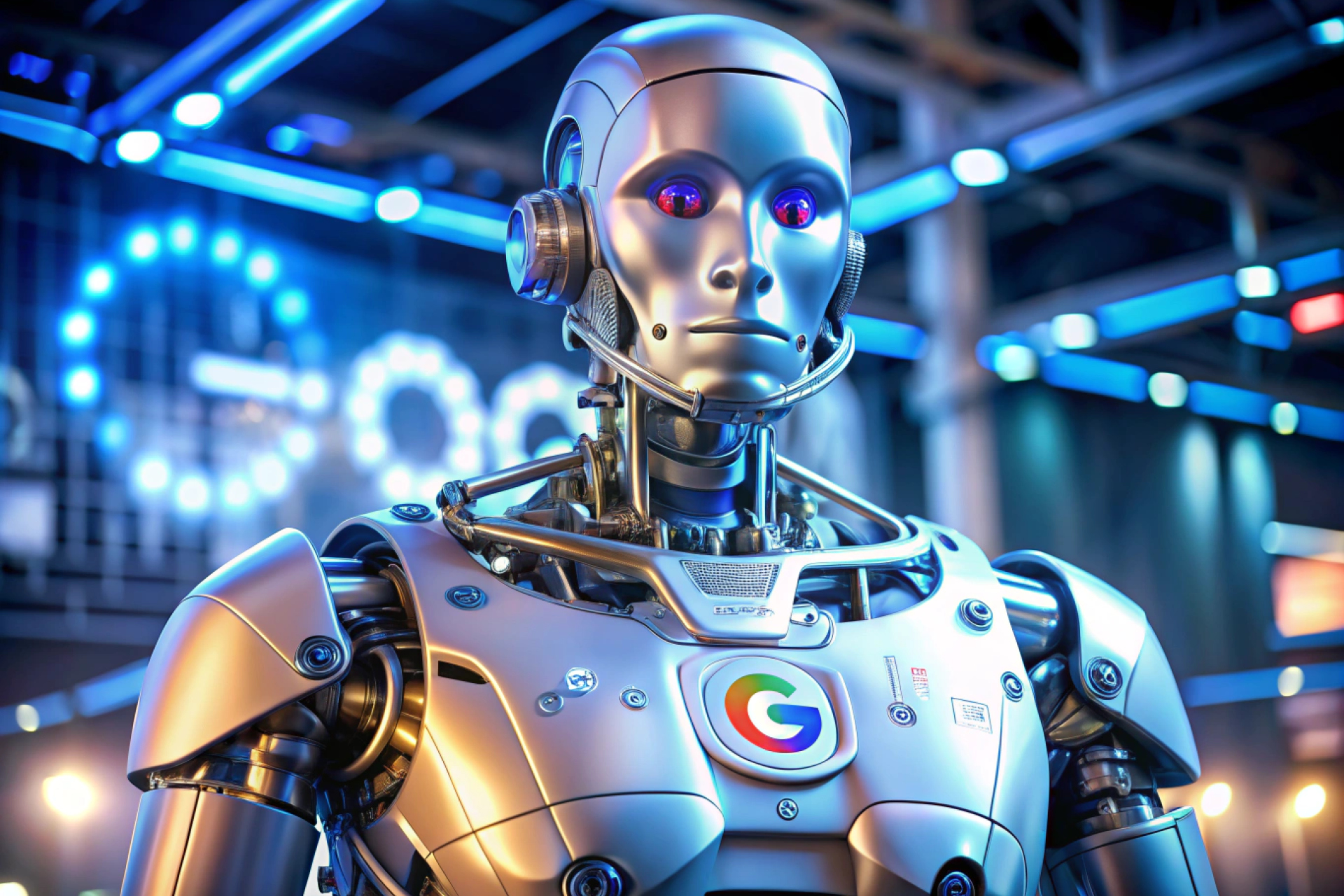

Content marketing has always been about delivering the right message to the right audience at the right time. However, the rise of generative artificial intelligence (AI) is dramatically reshaping how marketers create, optimize, and distribute content. From automated blog writing to personalized marketing campaigns, generative AI is helping businesses produce content faster, smarter, and at a much larger scale.
In this blog, we explore how generative AI is transforming content marketing and why it has become essential for modern marketing strategies.
What Is Generative AI in Content Marketing?
Generative AI refers to artificial intelligence systems that can create new content such as text, images, videos, and audio based on prompts or data inputs. Tools powered by large language models can generate blog posts, social media captions, ad copy, email newsletters, and even product descriptions.
Unlike traditional automation tools, generative AI can analyze data, understand context, and produce human-like content, making it a powerful asset for marketing teams.
Today, AI adoption in marketing is growing rapidly. In fact, 94% of marketers plan to use AI in their content creation processes in 2026, reflecting how quickly the technology has become a core part of marketing strategies.
Key Ways Generative AI Is Transforming Content Marketing
1. Faster Content Creation
One of the biggest advantages of generative AI is speed. Marketers can now produce blogs, ad copy, and social media posts in minutes instead of hours.
AI tools help with:
- Blog writing
- Email marketing campaigns
- Social media captions
- Product descriptions
- Video scripts
Studies show that generative AI can increase content creation speed by up to 67%, allowing marketing teams to focus more on strategy and creativity rather than repetitive writing tasks.
2. Hyper-Personalized Marketing
Personalization has become a key factor in modern marketing success. Generative AI enables brands to create highly personalized content tailored to individual user preferences.
For example, AI can analyze:
- browsing behavior
- purchase history
- demographics
- engagement patterns
Using this data, marketers can generate customized email campaigns, product recommendations, and targeted ads that resonate with specific audiences.
Research shows that 42% of marketers consider enhanced personalization the biggest benefit of generative AI in marketing.
3. Scalable Content Production
Content demand is growing across multiple platforms—websites, blogs, YouTube, social media, and newsletters. Generative AI allows companies to scale their content production without dramatically increasing resources.
AI can generate:
- hundreds of product descriptions
- large volumes of social media posts
- multiple variations of ad copy
By 2025, generative AI is expected to produce more than 10% of all digital content worldwide, highlighting its growing influence across industries.
4. Data-Driven Content Strategy
Generative AI can analyze vast amounts of data to identify trends, keywords, and audience preferences. This allows marketers to create content that aligns with search demand and customer interests.
AI-powered tools can assist with:
- SEO keyword research
- content topic generation
- competitor analysis
- performance prediction
As a result, marketers can make smarter decisions about what content to create and when to publish it.
5. Improved ROI and Efficiency
Generative AI helps businesses reduce production costs while improving marketing efficiency. Early adopters report measurable productivity gains and time savings.
For example:
- Companies report increased operational efficiency after adopting generative AI.
- AI tools can save marketing teams over 11 hours per week by automating content-related tasks.
This allows marketing professionals to spend more time on strategic planning, creativity, and campaign optimization.
6. Multi-Format Content Creation
Generative AI is no longer limited to text. Modern AI tools can generate:
- Images and graphics
- Videos and animations
- Voiceovers and audio
- Infographics
- Interactive media
This enables brands to produce diverse content formats quickly, supporting omnichannel marketing strategies across websites, social media platforms, and digital advertising.
Challenges of Using Generative AI in Content Marketing
Despite its advantages, generative AI also presents challenges that marketers must consider.
Content Quality and Accuracy
AI-generated content may sometimes contain inaccuracies or lack deep expertise. Human review remains essential.
Ethical and Transparency Concerns
Brands must be transparent about AI usage to maintain trust with audiences.
Content Saturation
Since AI makes content creation easier, the internet may experience an oversupply of low-quality content. Marketers must focus on originality and value.
The Future of AI in Content Marketing
Generative AI is still evolving, and its influence on marketing will continue to expand. Future developments may include:
- fully automated marketing campaigns
- AI-powered content strategy assistants
- real-time personalized content experiences
- advanced AI-generated video advertising
As businesses adopt these technologies, content marketing will become increasingly data-driven, scalable, and personalized.
Read Also: The Future of AI in Marketing Automation