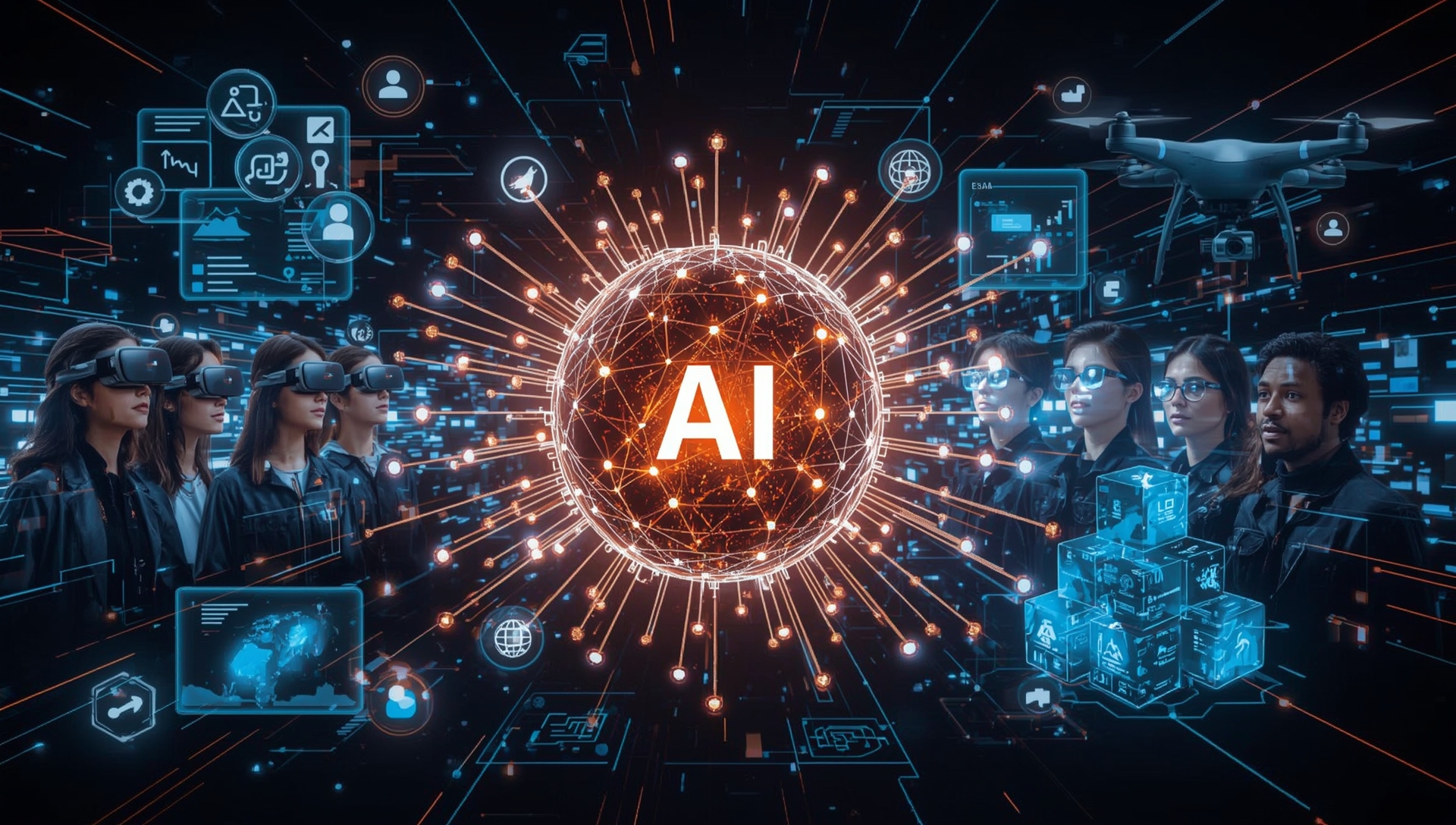

In a crowded SaaS marketplace, acquiring customers is only half the battle — keeping them engaged and loyal is where real business value is forged. Product stickiness — the degree to which users continually return to and rely on a product — has become a defining metric for long-term success. Increasingly, B2B SaaS firms are turning to artificial intelligence (AI) not just as a feature, but as a strategic differentiator that fuels deeper engagement, personalization, and value creation.
But how exactly is AI being woven into SaaS products to make them stickier? Let’s explore the leading approaches and the impact they’re having.
Why AI Matters for Product Stickiness
At its core, AI enables software to adapt, anticipate, and assist user behavior in ways that static rule-based systems can’t. For enterprise buyers and professional users — who often juggle complex workflows, large data volumes, and high expectations — AI can turn a “useful tool” into an indispensable partner.
Here’s the state of play:
- Users expect software to learn from them, not just serve generic workflows.
- Companies want clear ROI and measurable business outcomes from their tech stack.
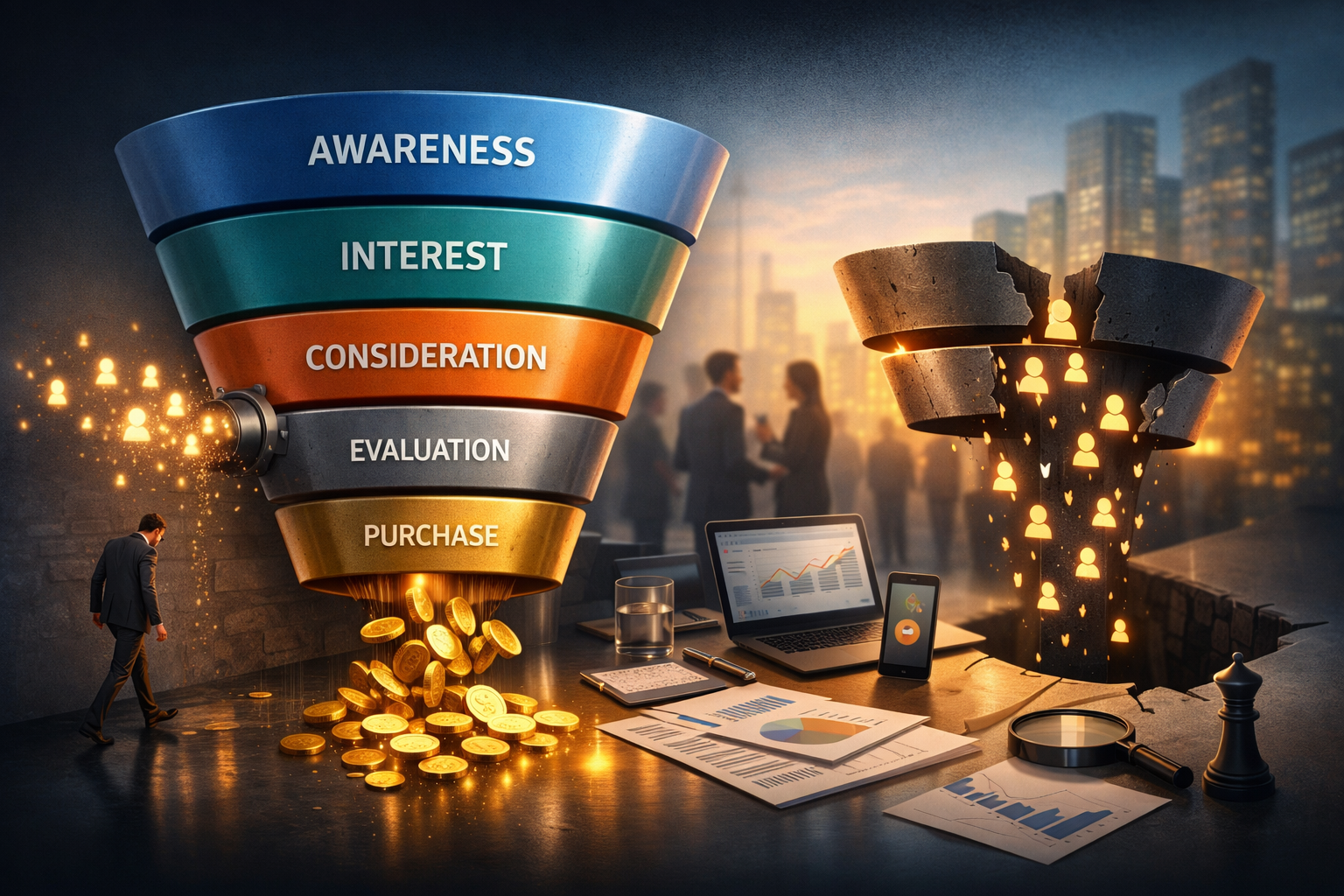
- Stickiness reduces churn — and every percentage point drop in churn has an outsized impact on recurring revenue.
Key Ways AI Is Embedded in SaaS for Stickiness
1. Personalized Experiences That Adapt in Real Time
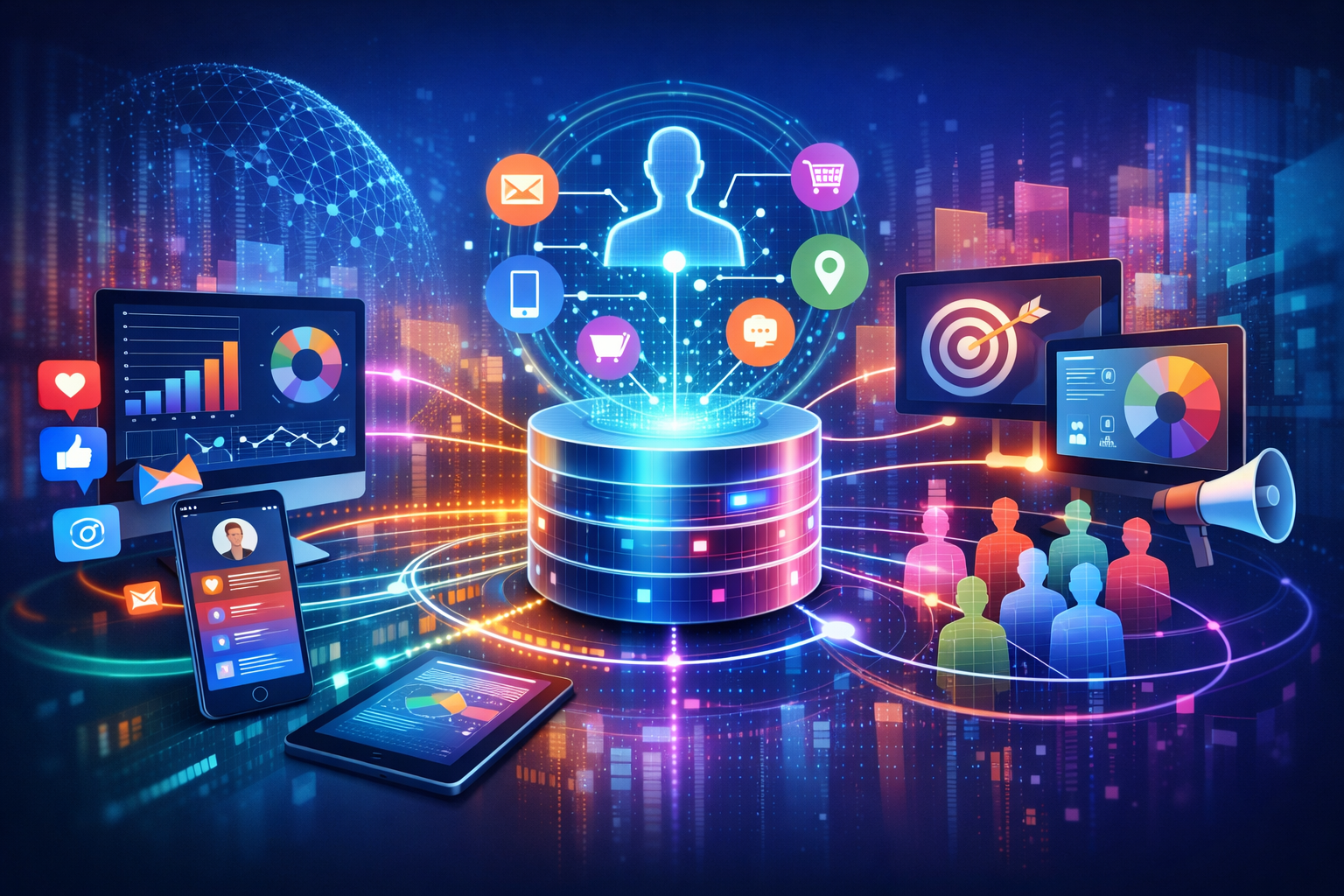
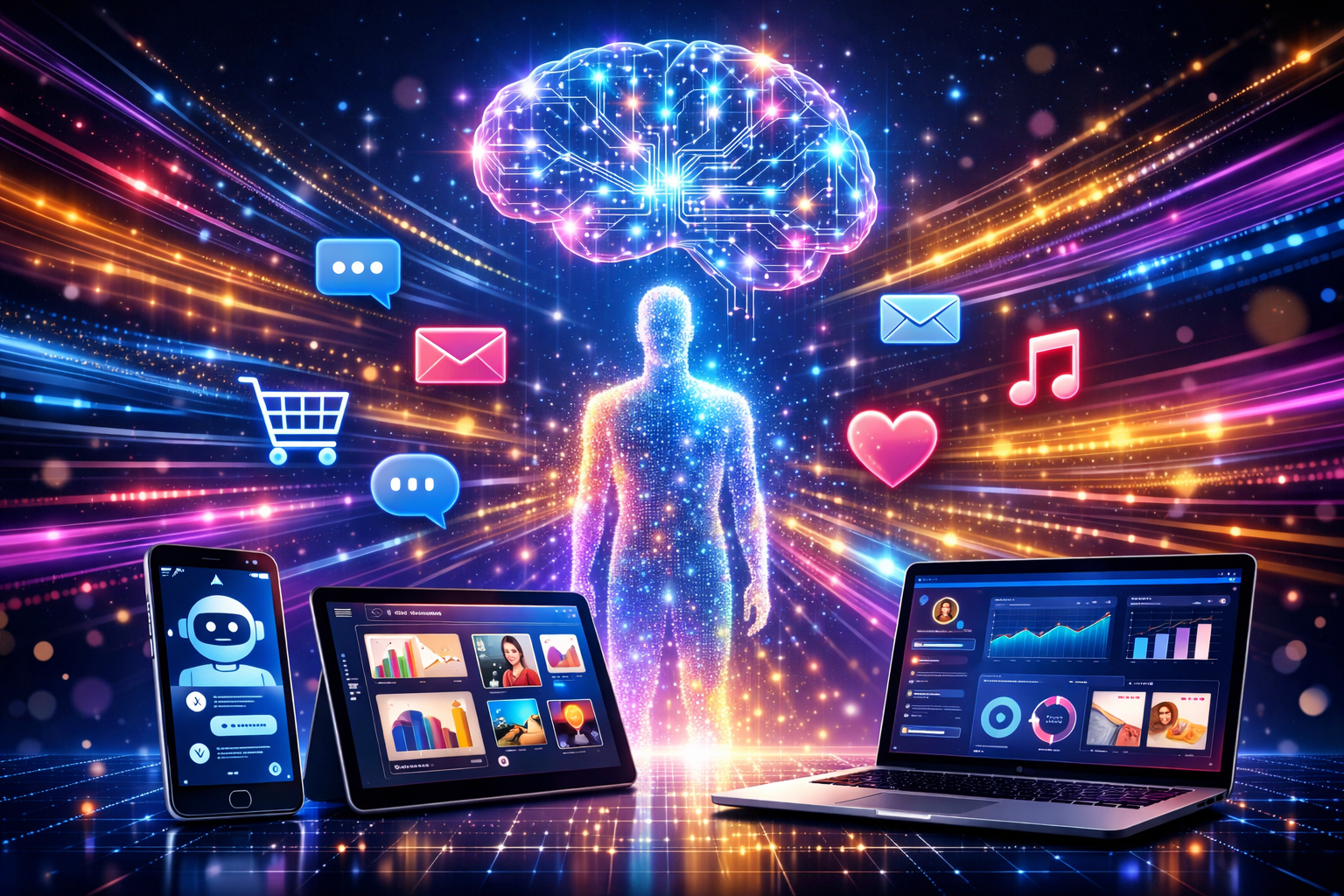
AI enables SaaS platforms to tailor experiences based on individual user behavior and preferences.
Rather than presenting a one-size-fits-all interface, intelligent systems learn what users access most, predict what they’re likely to need next, and surface relevant features proactively. This personalization reduces friction and helps users feel the product understands their role and priorities, which keeps them engaged longer.
2. Intelligent Recommendations That Drive Value Faster
Much like consumer apps that recommend content or products, SaaS platforms use AI to suggest:
- Relevant workflows
- Features or modules a user hasn’t tried but would benefit from
- Suggested actions based on historical success patterns
These recommendations help users achieve an “aha moment” — the instant they see clear benefit — more quickly, which significantly boosts retention.
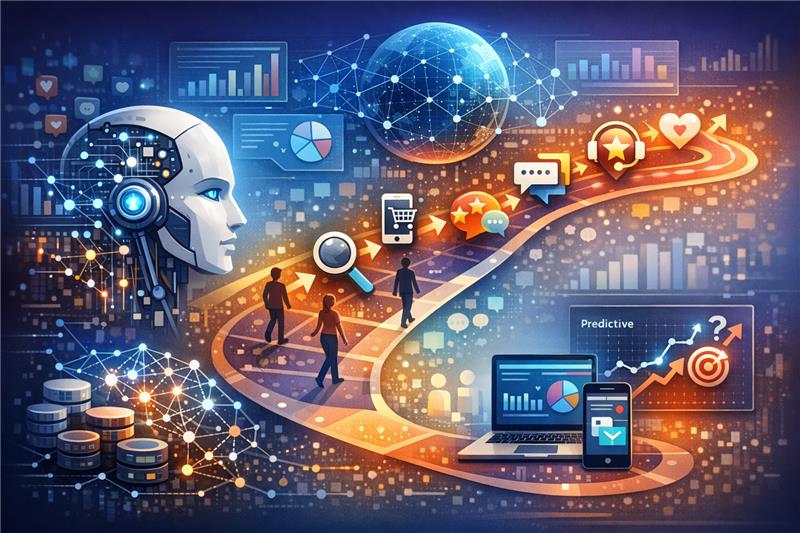
3. Predictive Analytics That Turn Data Into Action
One of the most powerful uses of AI in B2B SaaS is extracting insight from data.
Instead of just presenting dashboards, modern systems can:
- Forecast trends
- Predict outcomes
- Highlight anomalies
- Suggest next steps
For example, an AI-powered customer success module might flag accounts at risk of churn before symptoms become problems, or suggest upsell opportunities with high probability of conversion. This predictive capability makes the software not just a reporting tool, but a strategic decision partner.
4. Conversational Interfaces and Smart Support
AI-driven chatbots and virtual assistants are becoming standard in many SaaS offerings. These tools can:
- Offer contextual help within the product
- Answer queries instantly
- Guide users through complex tasks step by step
- Provide training or onboarding reinforcement
These intelligent support systems reduce time to proficiency and help users solve problems without leaving the interface — a classic driver of stickiness.
5. Automated Workflows and Smart Actions
AI doesn’t just recommend — it can act.
Workflow automation powered by machine learning can:
- Reduce repetitive tasks
- Trigger smart conditional actions
- Sync data across platforms
- Auto-classify items like tickets or leads
When a product helps users achieve more with less effort, engagement deepens because users rely on it to do work for them.
Real Impact: Metrics That Matter
Embedding AI isn’t just an abstract improvement — it drives tangible business results. Top metrics that reflect AI-driven stickiness include:
- Higher Daily/Weekly Active Usage
- Accelerated Feature Adoption Rates
- Lower Time to Value
- Reduced Churn
- Increased Customer Lifetime Value
These outcomes matter to both product teams and revenue leaders because they directly influence expansion revenue and renewal rates.
Principles for Successfully Integrating AI
AI alone doesn’t guarantee retention. Successful integration requires:
Start With User Problems
Embed AI where it solves real pain points — not where it’s just flashy.
Design for Clarity
AI features must be explainable and transparent. Users should understand why the system made a suggestion.
Measure Impact
Track outcomes, not just usage. It’s not enough that AI is used — it must deliver measurable user value.
Iterate Continuously
AI models improve with data. Companies should optimize models based on usage feedback loops.
Looking Ahead: The Future of AI & SaaS Stickiness
As AI technologies continue to evolve — especially with advancements in generative AI and context-aware systems — SaaS platforms will become even more anticipatory and adaptive. The winners will be those that:
- Understand user intent without being prompted
- Provide seamless collaboration through AI augmentation
- Embed learning and optimization into every user journey
In the next decade, AI won’t just be a differentiator — it will be core to how software defines value itself.
Read Also: AI in Account-Based Marketing: Hyper-Personalization at Scale