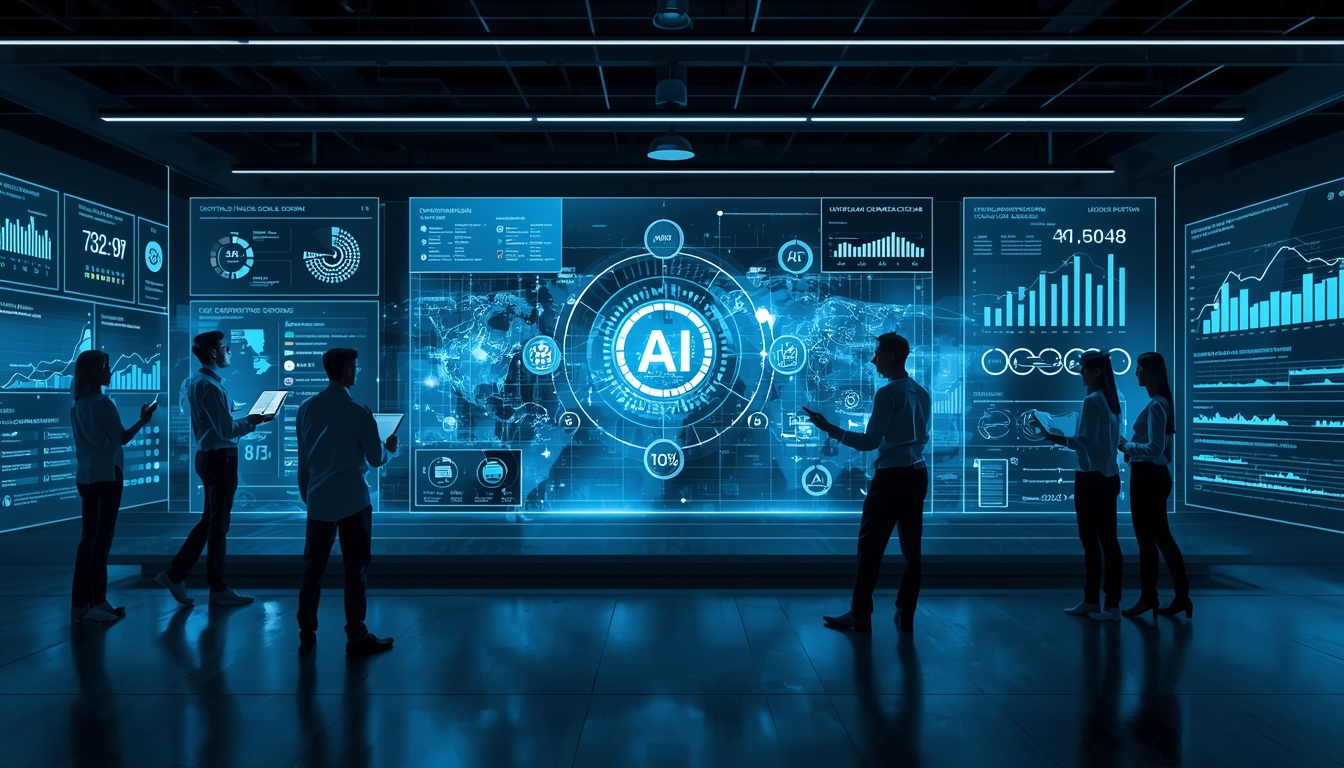

Artificial Intelligence (AI) is no longer an experimental technology reserved for tech giants. Today, it has become a strategic driver for B2B organizations across industries—from manufacturing and logistics to finance, healthcare, and SaaS. Companies that adopt AI effectively are gaining measurable advantages in efficiency, decision-making, and customer experience.
AI in B2B: Beyond Automation
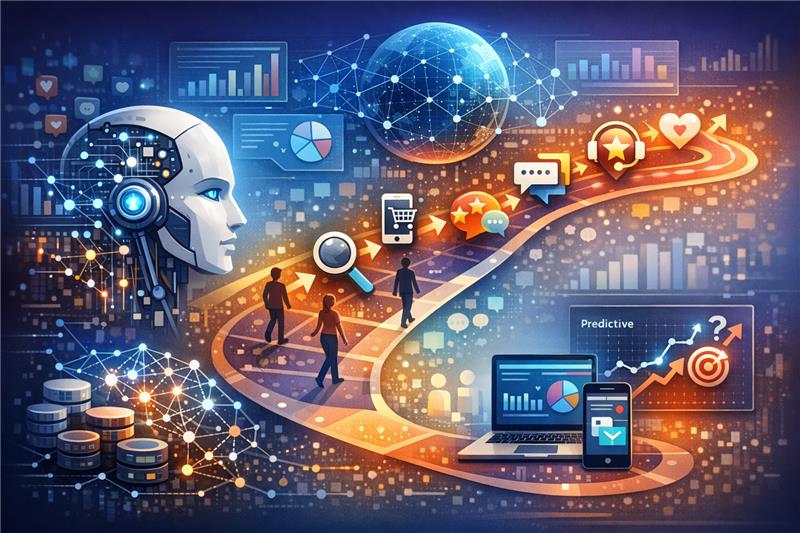
In the B2B landscape, AI goes far beyond simple task automation. Modern AI systems analyze large volumes of data, identify patterns, and generate insights that would be impossible for humans to uncover at scale. This enables businesses to move from reactive decision-making to proactive and predictive strategies.
Key areas where AI is making an impact include:
- Sales forecasting and lead scoring
- Supply chain optimization
- Predictive maintenance
- Customer support and service automation
- Risk management and compliance
Improving Sales and Marketing Performance
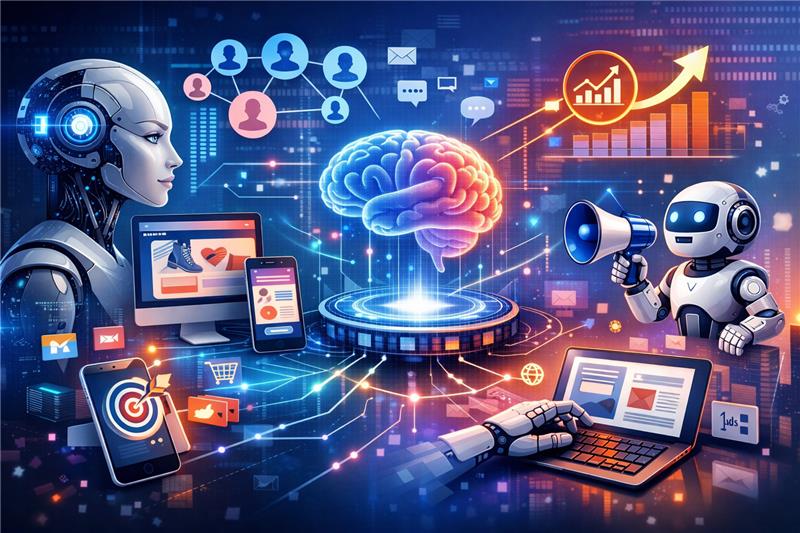
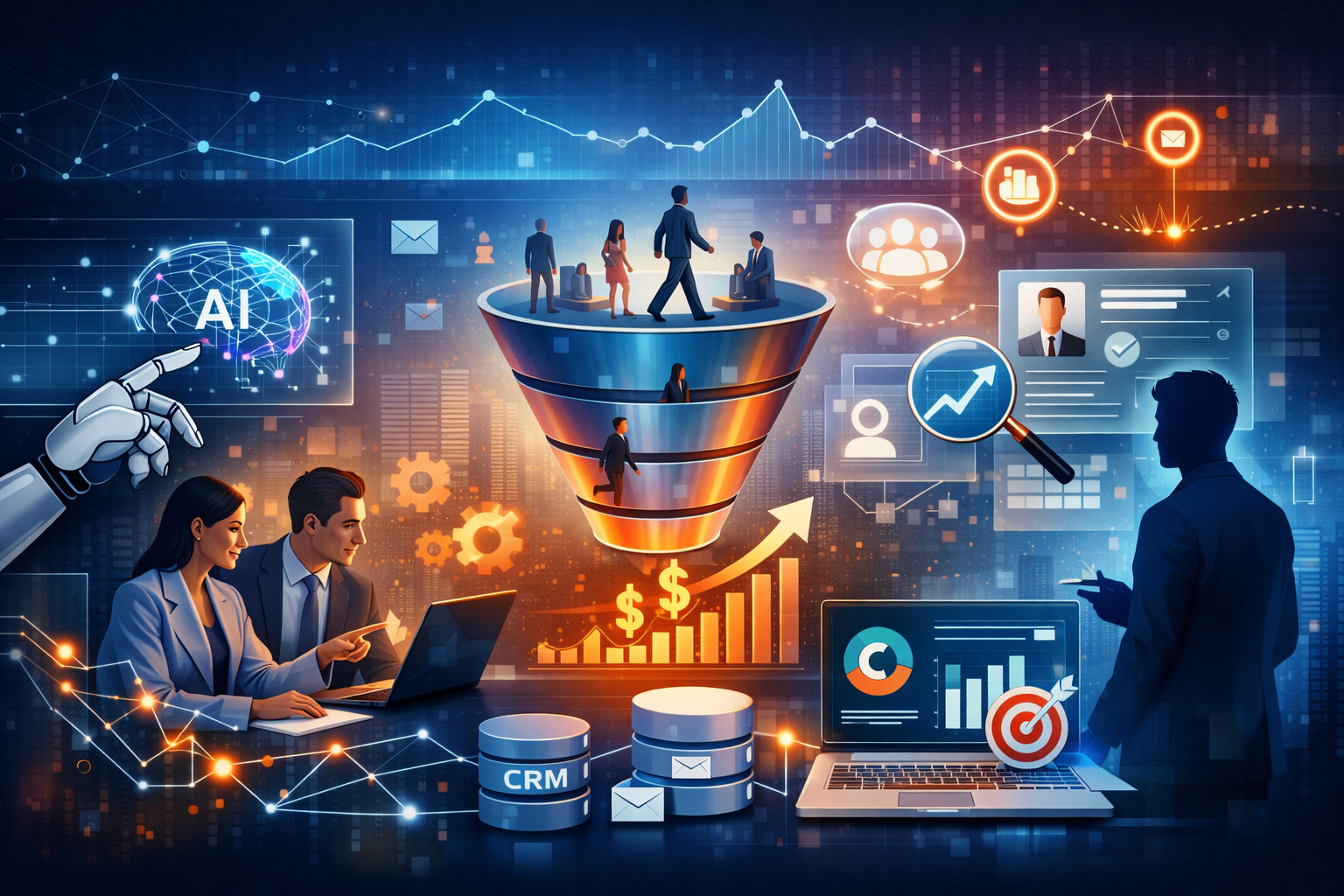
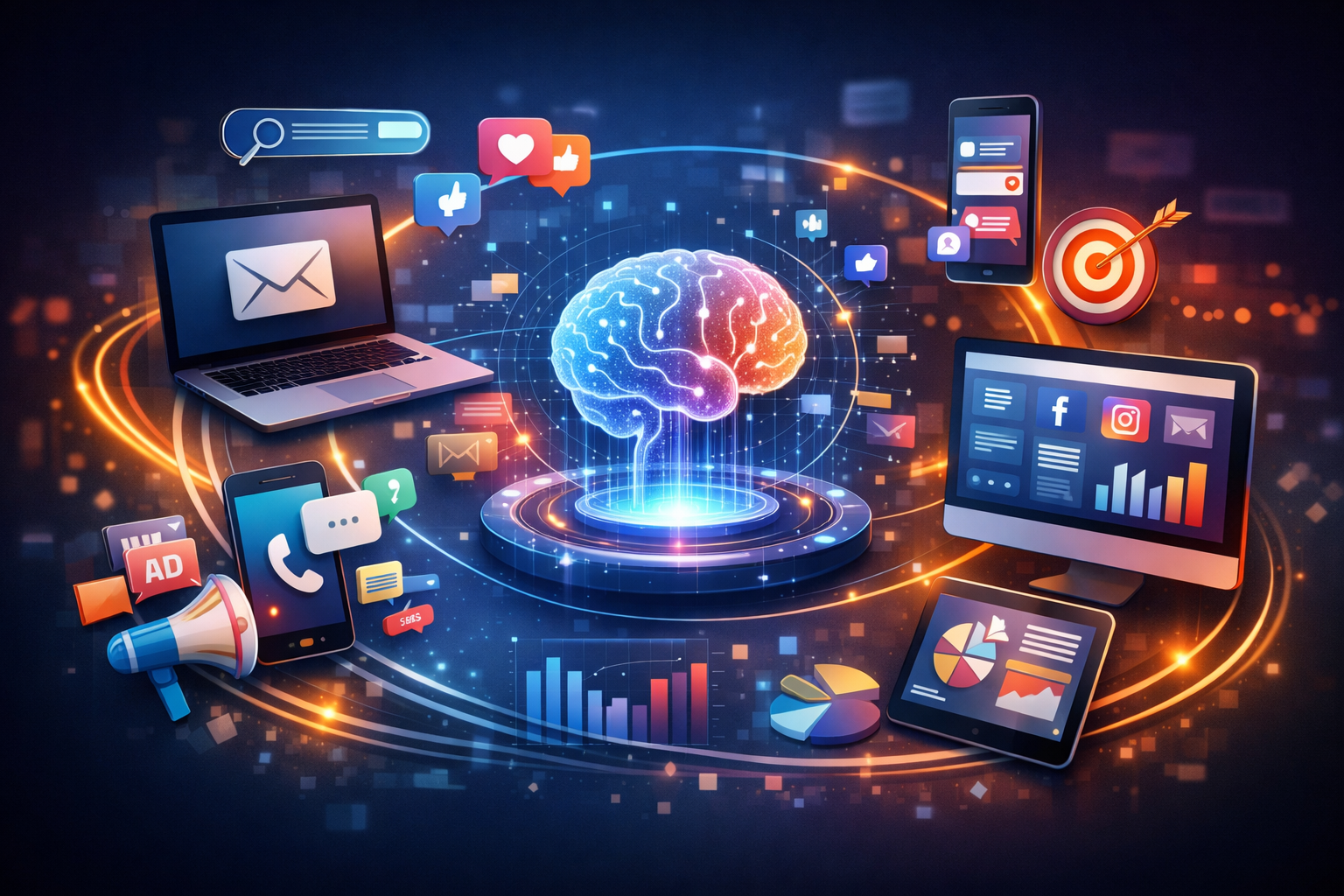
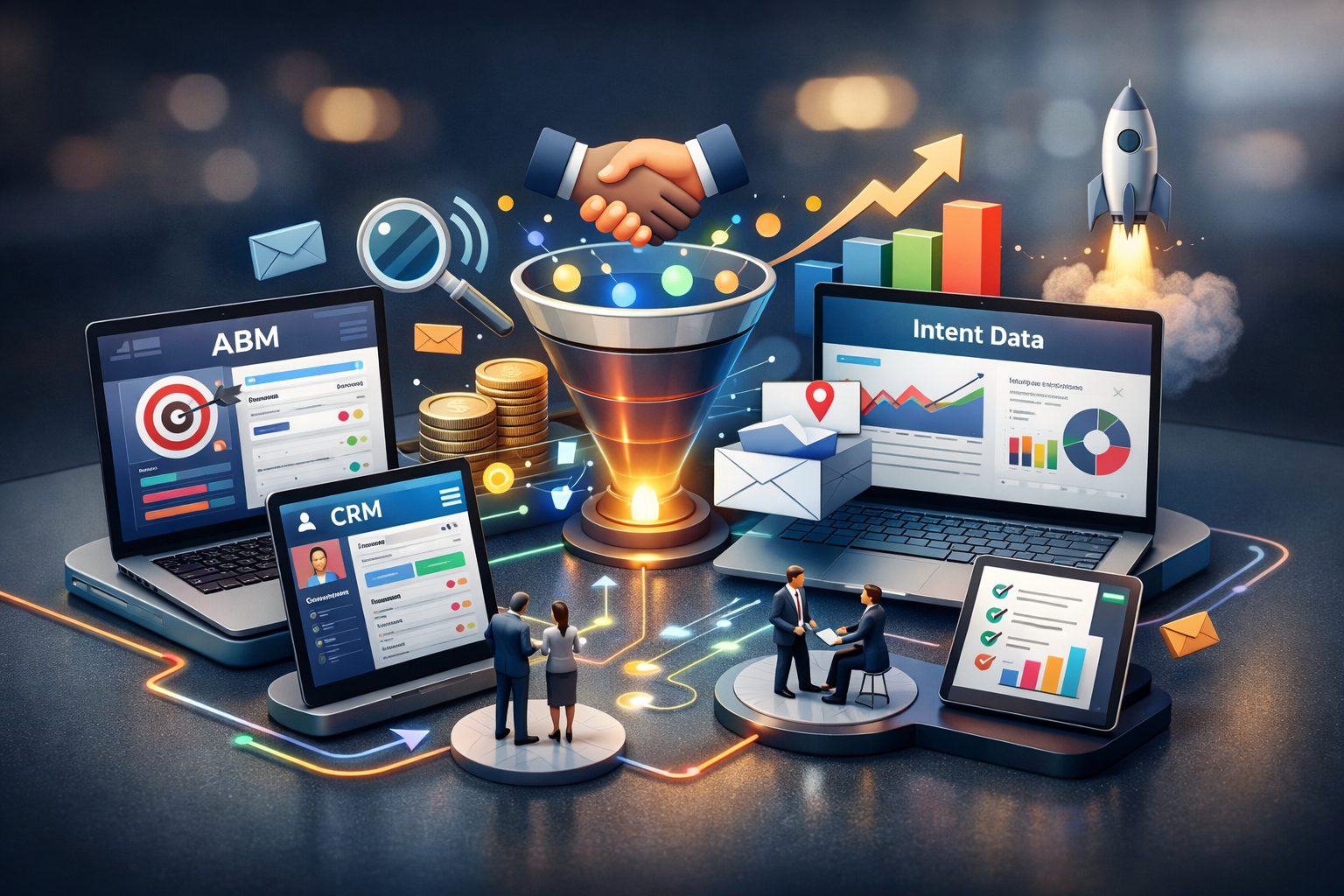
AI is reshaping B2B sales and marketing by enabling data-driven personalization at scale. Machine learning models analyze customer behavior, engagement history, and firmographic data to prioritize high-value leads and predict buying intent.
For example, AI-powered CRM systems can:
- Identify the best time to contact prospects
- Recommend tailored messaging for each account
- Forecast pipeline revenue with greater accuracy
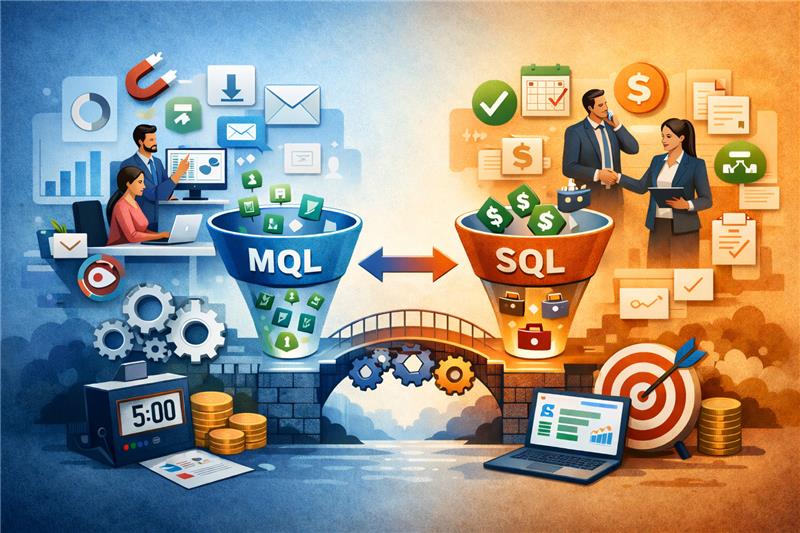
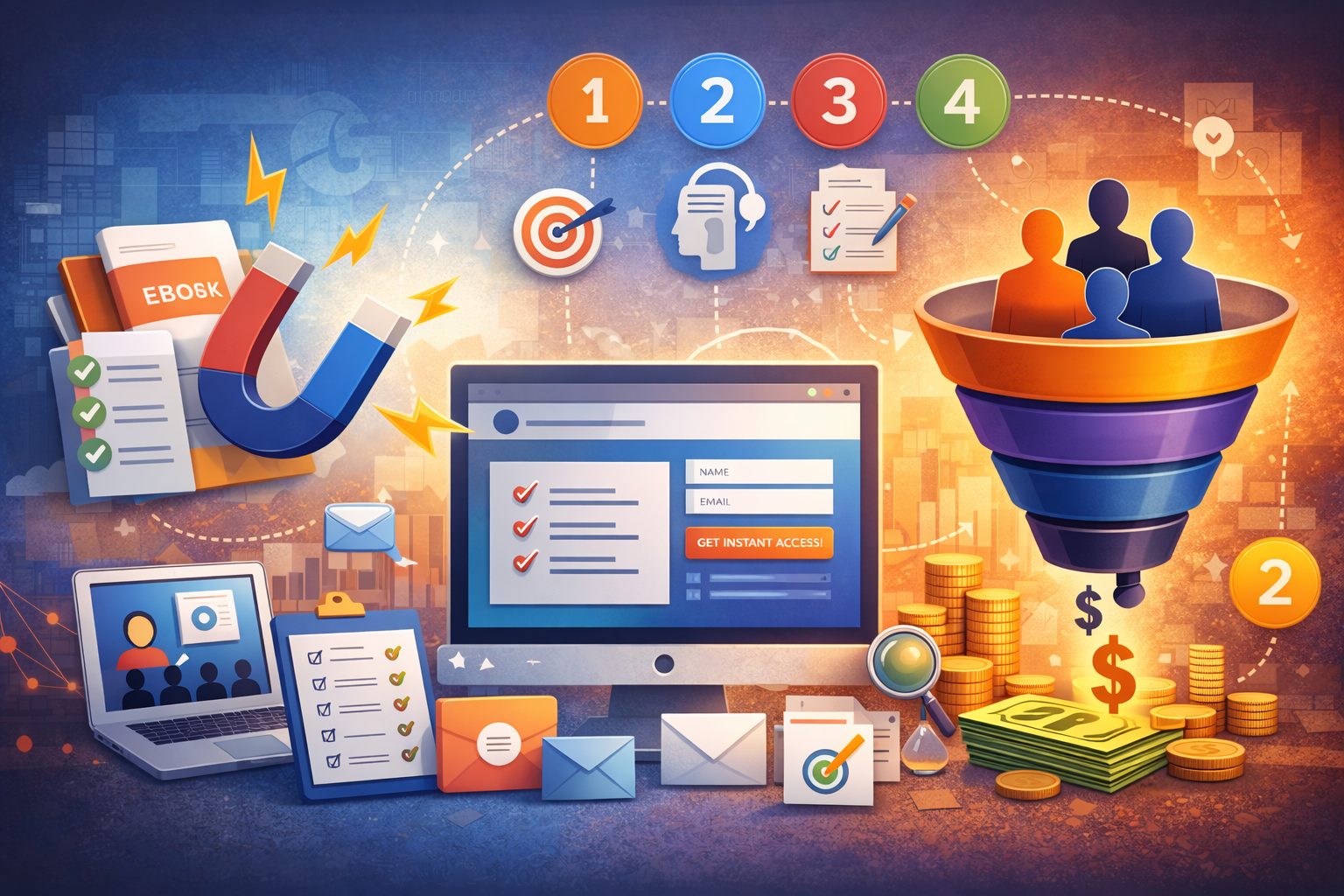
This results in shorter sales cycles, improved conversion rates, and better alignment between sales and marketing teams.
Operational Efficiency and Cost Reduction
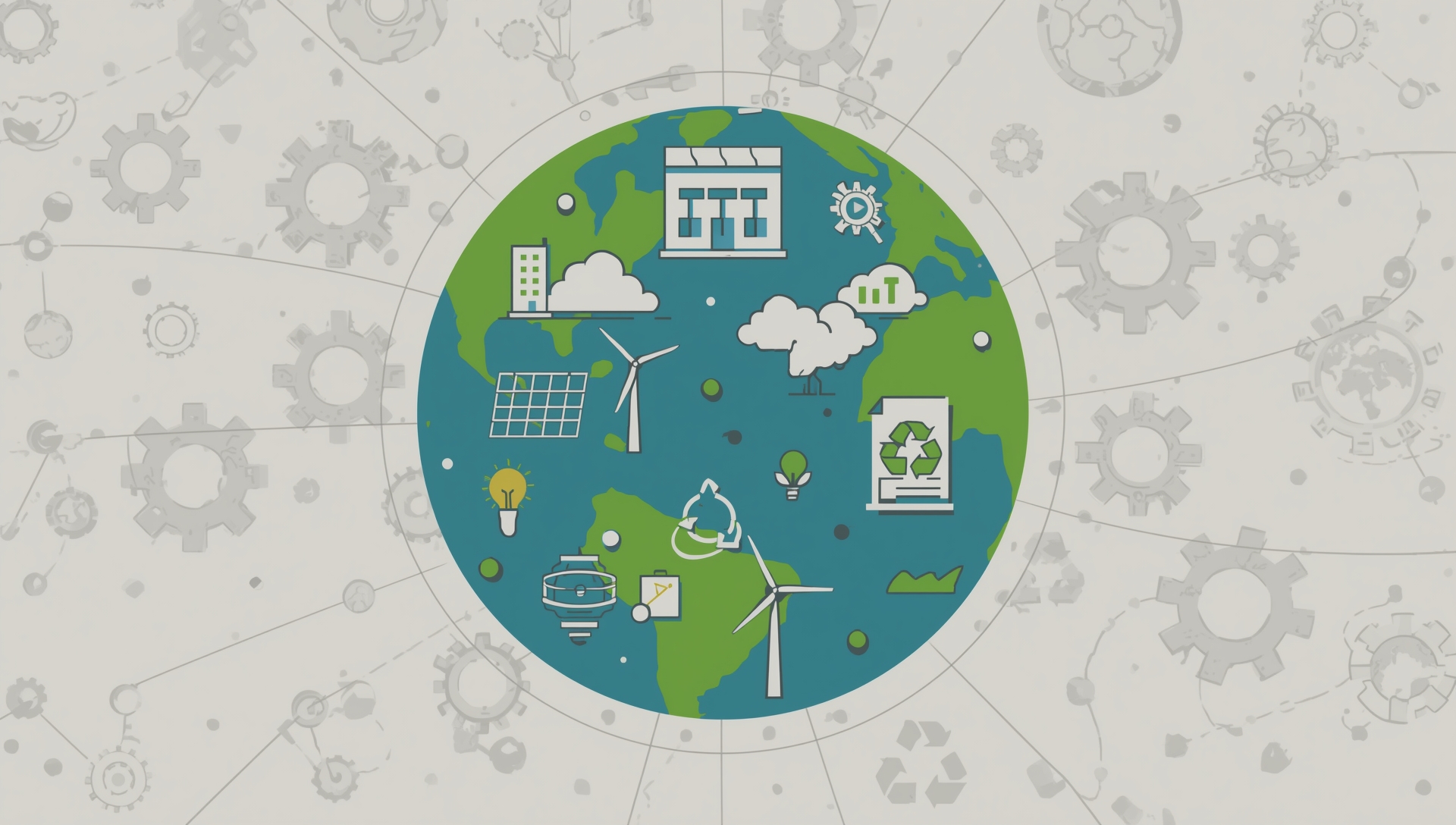
Operational efficiency is a critical competitive factor in B2B organizations. AI-driven automation reduces manual workloads and minimizes errors across processes such as invoicing, procurement, and inventory management.
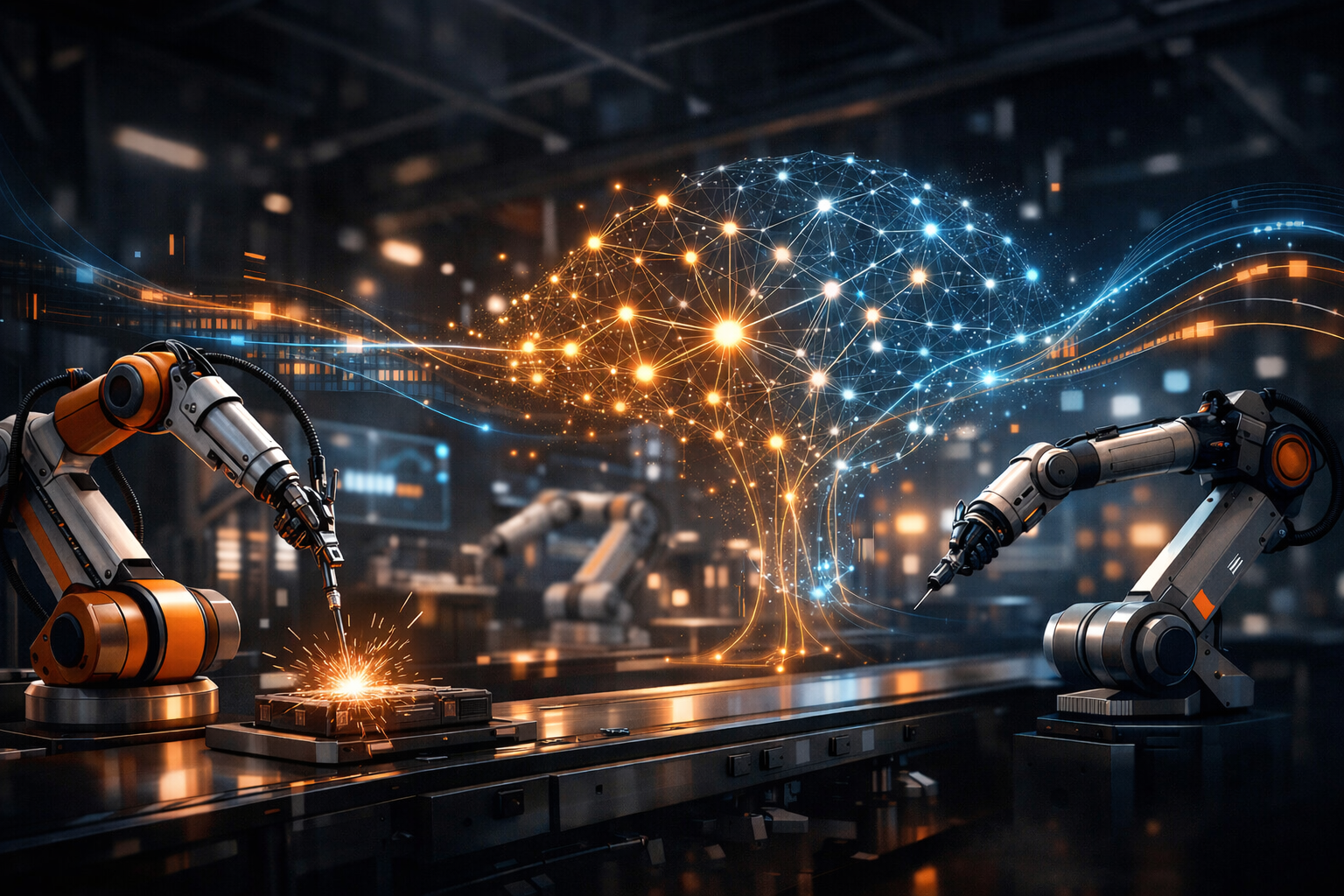
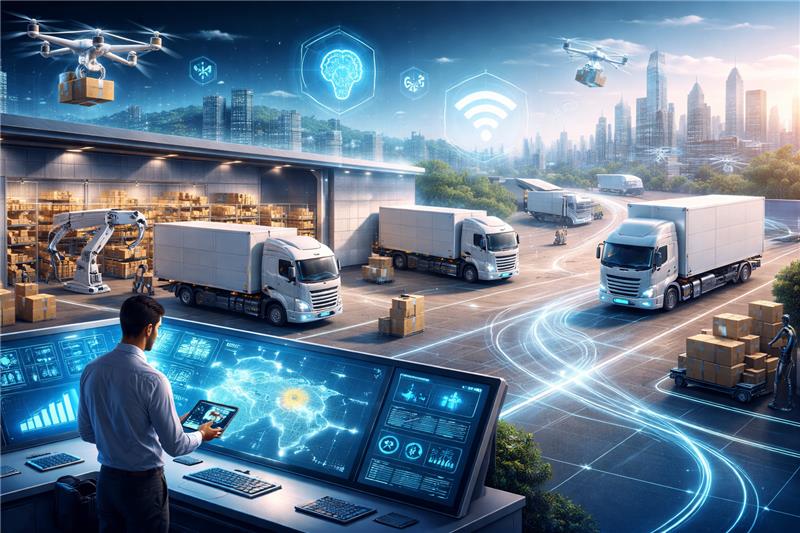
In manufacturing and logistics, AI enables:
- Predictive maintenance to reduce downtime
- Demand forecasting to optimize inventory levels
- Route optimization to lower transportation costs
These efficiencies translate directly into cost savings and improved margins.
Enhancing B2B Customer Experience
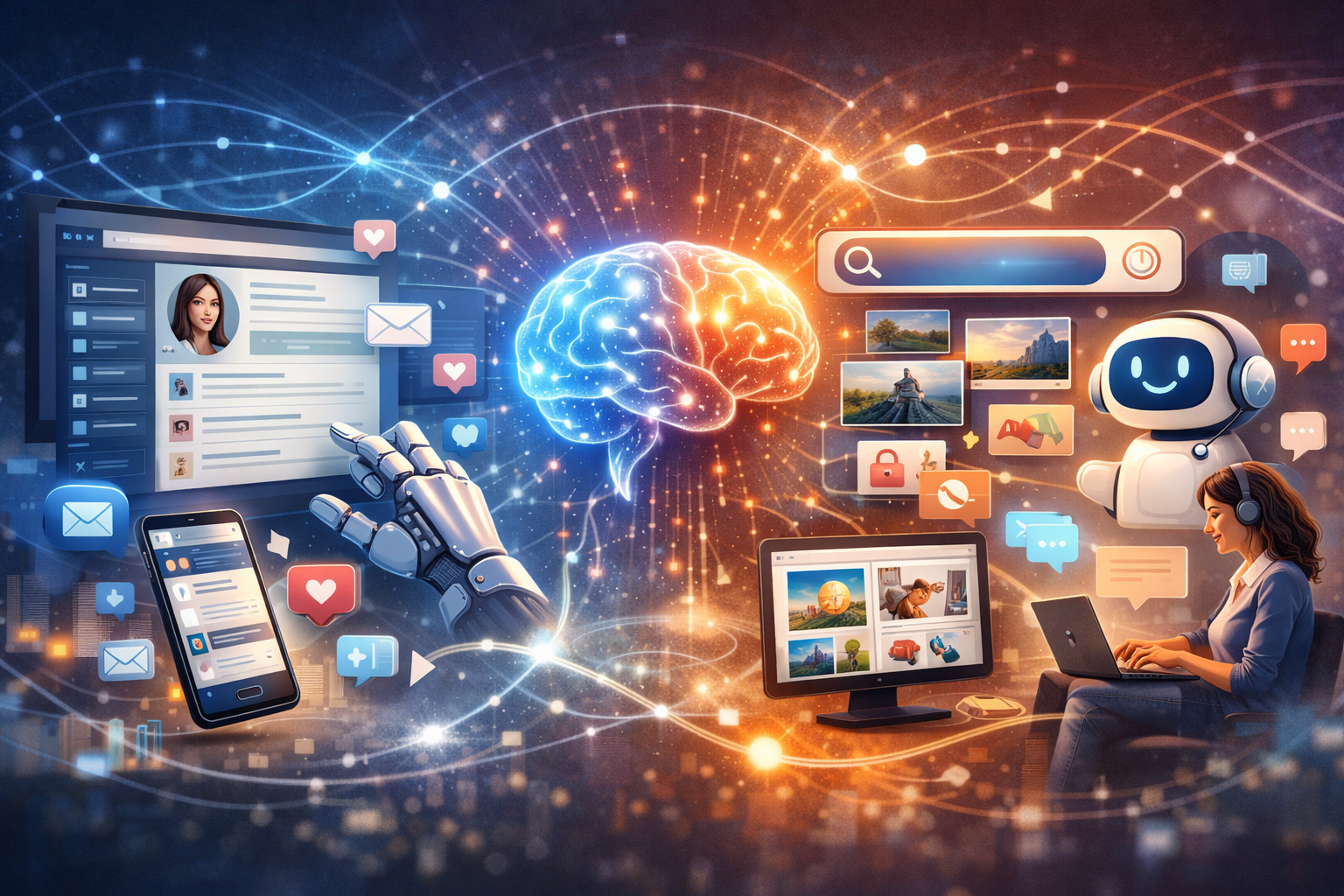
B2B buyers increasingly expect the same level of speed and personalization they experience in B2C interactions. AI helps meet these expectations through intelligent chatbots, virtual assistants, and self-service platforms that provide instant, accurate support.
AI systems can also analyze customer feedback and usage data to identify potential churn risks, enabling proactive engagement and stronger long-term relationships.
Challenges and Responsible Adoption
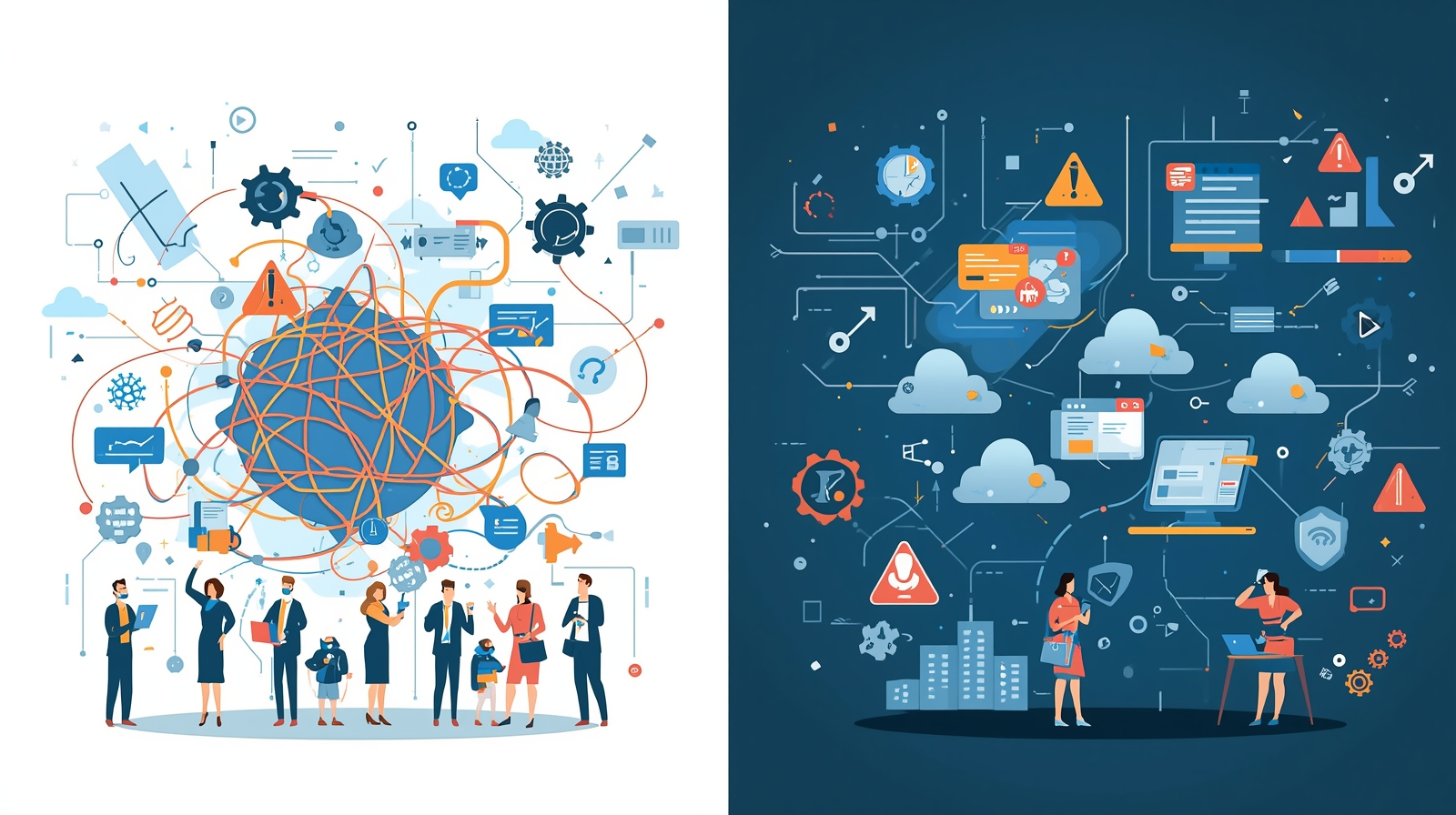
Despite its benefits, AI adoption in B2B comes with challenges. Data quality, system integration, security, and ethical considerations must be addressed to ensure successful implementation. Businesses should focus on transparency, governance, and upskilling employees to work alongside AI tools.
A strategic approach—starting with clear business objectives and scalable use cases—is essential for maximizing ROI.
The Future of AI in B2B
As AI technologies continue to evolve, B2B organizations will increasingly rely on them as core business infrastructure rather than optional enhancements. Companies that invest early in AI capabilities will be better positioned to adapt, innovate, and lead in a rapidly changing market.
AI is no longer a competitive advantage—it is becoming a competitive necessity.
Read Also: The Role of AI in Enabling Global B2B Collaboration