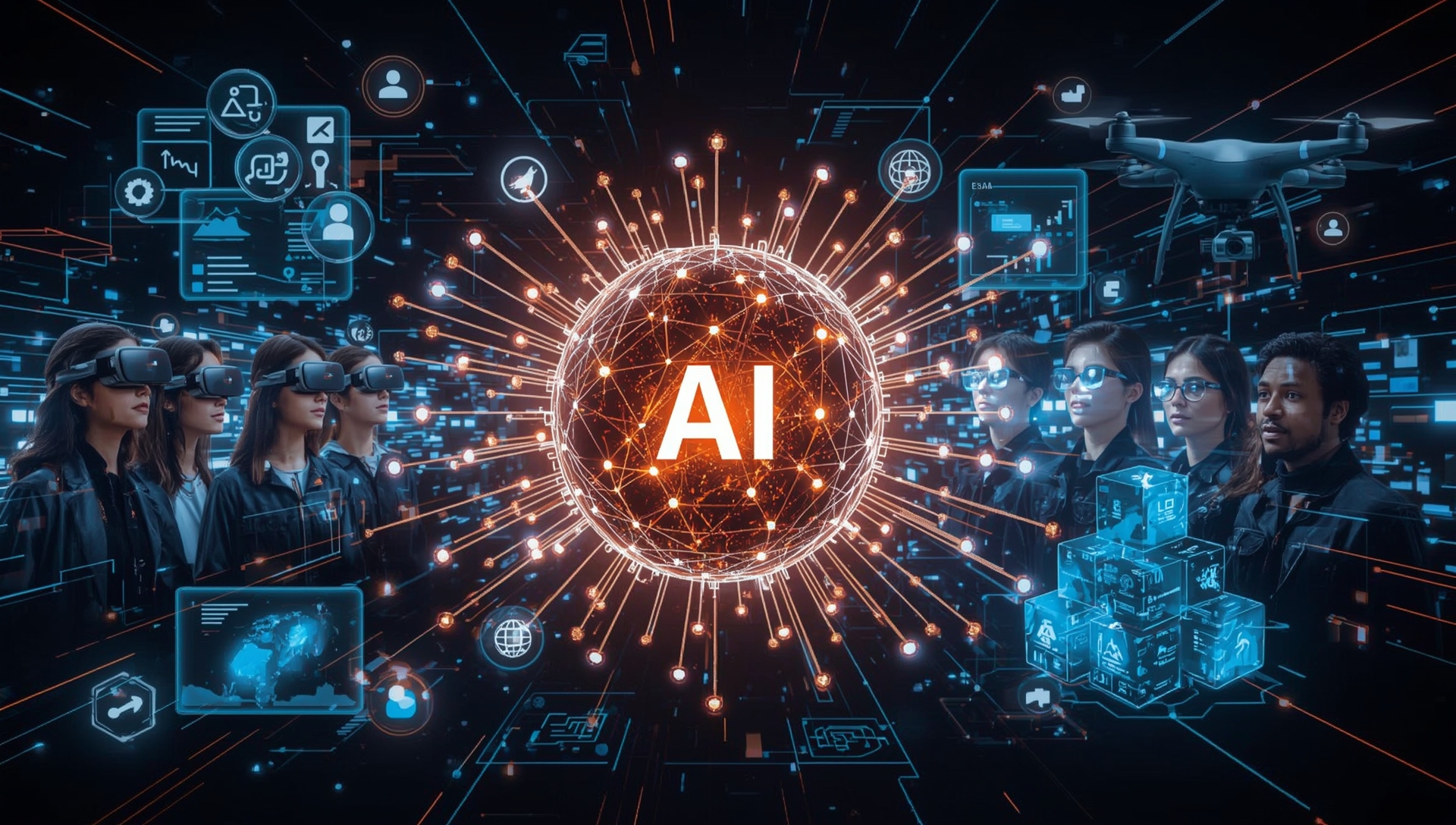

Artificial intelligence has become one of the most transformative forces in modern business, reshaping not only internal operations but also the networks of partners that keep industries running. In the B2B world—where value is often created through complex, interconnected ecosystems—AI is redefining how organizations collaborate, innovate, and grow together.
Below, we explore the key ways AI is changing B2B partner ecosystems and what it means for companies looking to stay competitive.
- AI Is Enabling Smarter Partner Selection
Choosing the right partners has always been crucial—but difficult. Traditionally, partner selection relied heavily on relationships, intuition, and manual research. AI is shifting this dynamic by:
- Scanning massive datasets to identify partners with the right capabilities, market presence, and performance indicators
- Predicting partnership success based on historical patterns
- Highlighting risks such as financial instability or misalignment in values
With AI-driven insights, companies can build stronger, more compatible partner ecosystems from day one.
- AI Enhances Collaboration Through Shared Intelligence
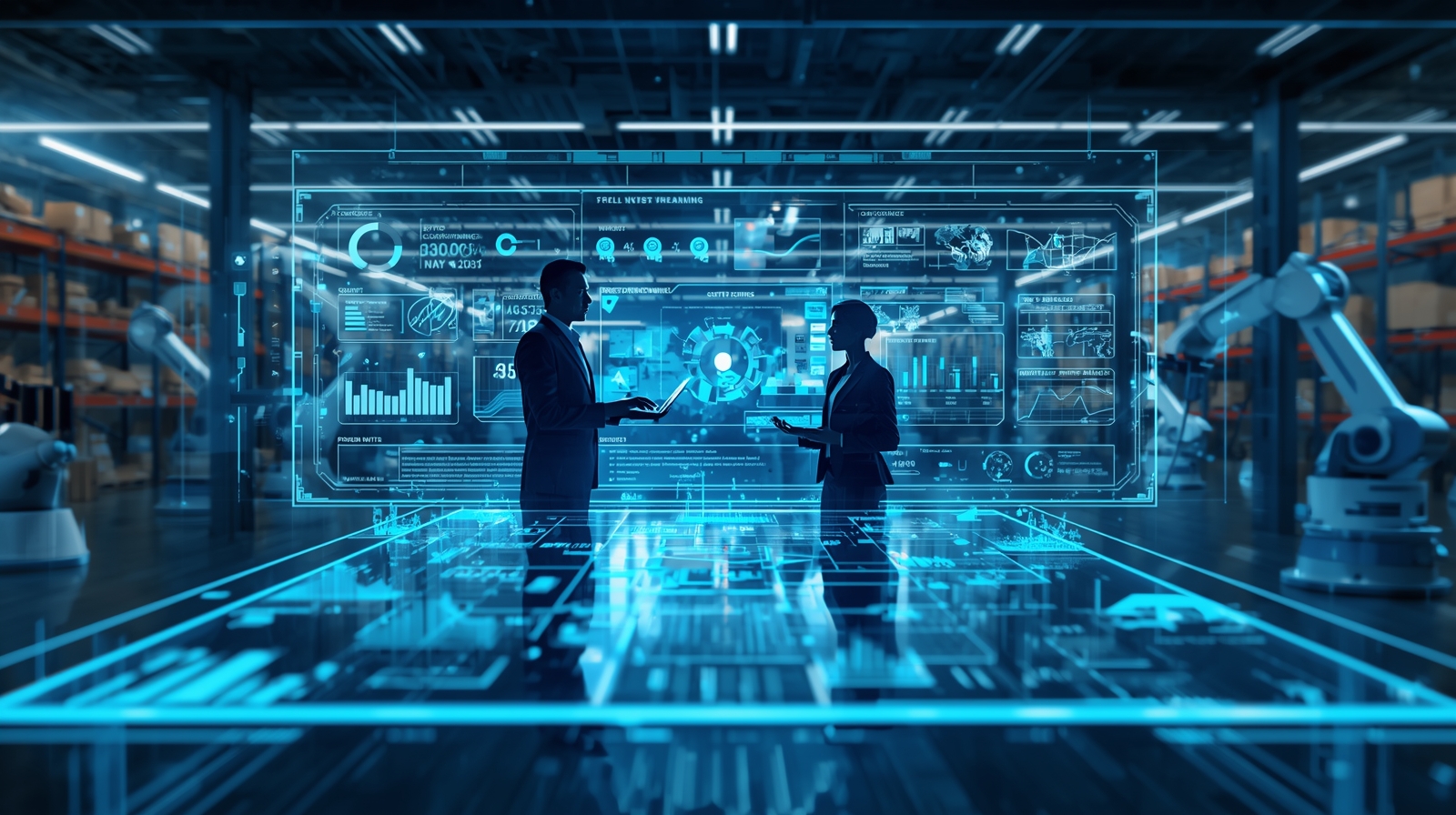
AI-powered collaboration platforms now integrate data from multiple partners—suppliers, distributors, software providers, service teams—and translate it into actionable insights. These platforms:
- Improve real-time visibility across the ecosystem
- Predict supply chain disruptions before they happen
- Identify new revenue opportunities through shared market intelligence
The result is a more synchronized network where all partners benefit from collective intelligence rather than working in silos.
- Automated Workflows Strengthen Operational Efficiency
Within partner networks, tasks like onboarding, compliance checks, order routing, and reporting have traditionally been time-consuming. AI automates many of these activities:
- Automated onboarding reduces setup time from weeks to hours
- Intelligent routing tools ensure orders go to the best-suited partner
- AI-driven compliance systems minimize risk and human error
This increased efficiency frees partners to focus on strategic collaboration rather than administrative work.
- AI Makes Ecosystems More Scalable
Before AI, expanding a partner ecosystem often required significant human resources. Now, AI systems can manage far larger networks by:
- Monitoring performance across hundreds of partners
- Automatically scoring and segmenting partners
- Scaling support through AI chatbots and virtual agents
With the pressure of manual oversight reduced, ecosystems can grow rapidly without sacrificing quality or consistency.
- AI Creates New Partnership Models
AI isn’t just enhancing existing ecosystems—it’s enabling entirely new kinds of partnerships.
Data-as-a-Partnership
Companies now collaborate by exchanging anonymized datasets that help train models or improve insights.
AI-enabled Co-Innovation
Partners jointly develop new AI-driven products, combining strengths to move faster than they could alone.
Platform Ecosystems
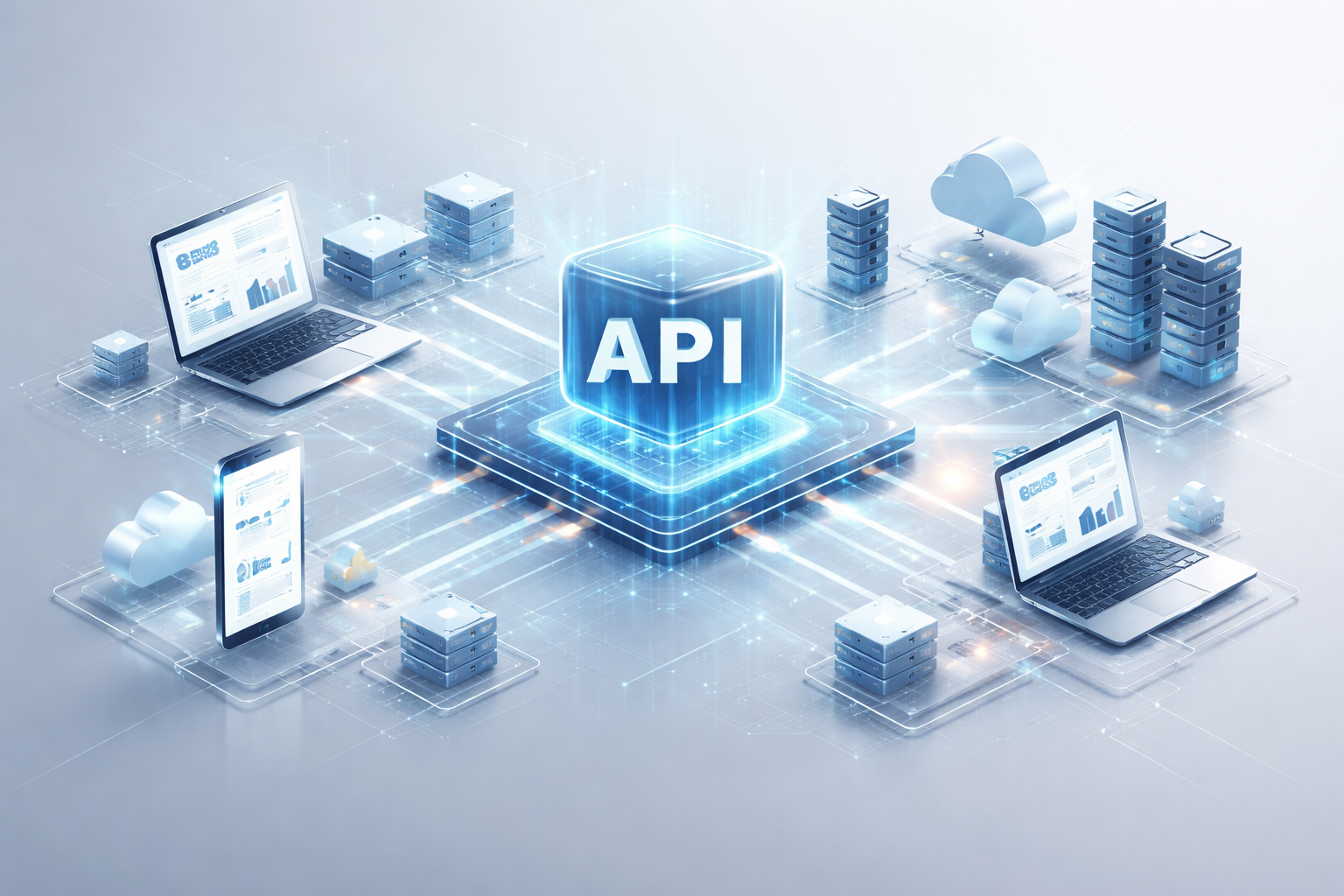
AI-powered platforms act as hubs where vendors, distributors, and solution providers plug in their capabilities to create integrated customer solutions.
These emerging models increase both the complexity and the strategic value of partner ecosystems.
- Personalization Reaches the B2B World
AI has long excelled at personalization in the consumer space. Now, it’s bringing similar capabilities to B2B partnerships. Companies can now personalize:
- Partner incentives
- Training and certification pathways
- Co-marketing strategies
- Product bundles
The result is a more tailored partner experience that increases satisfaction and loyalty—ultimately driving ecosystem growth.
- Trust and Governance Become Even More Critical
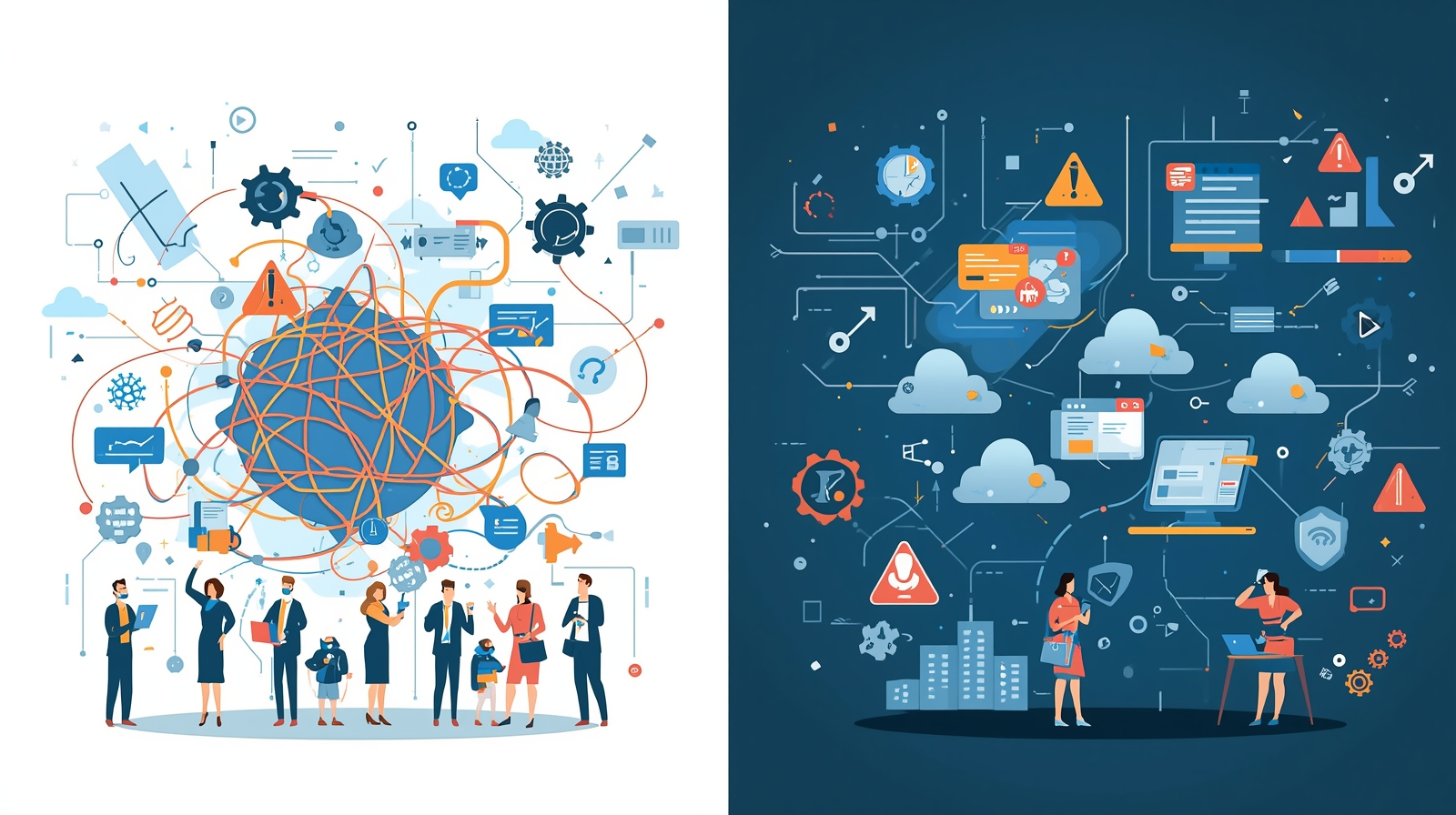
With AI processing shared data and automating decisions, partner ecosystems face new challenges around:
- Data security
- Model transparency
- Compliance with evolving regulations
- Bias and ethical considerations
B2B companies must invest in strong AI governance frameworks that build trust and protect all participants in the ecosystem.
Read Also: The Impact of IoT on Supply Chain Management