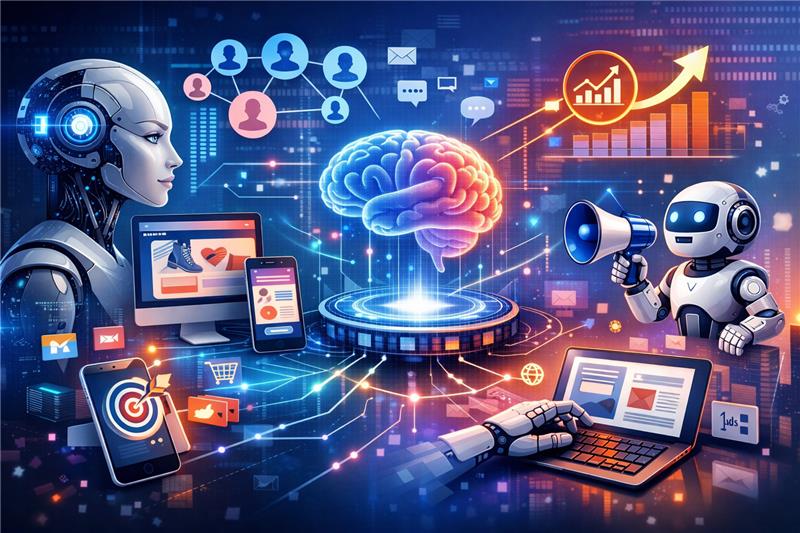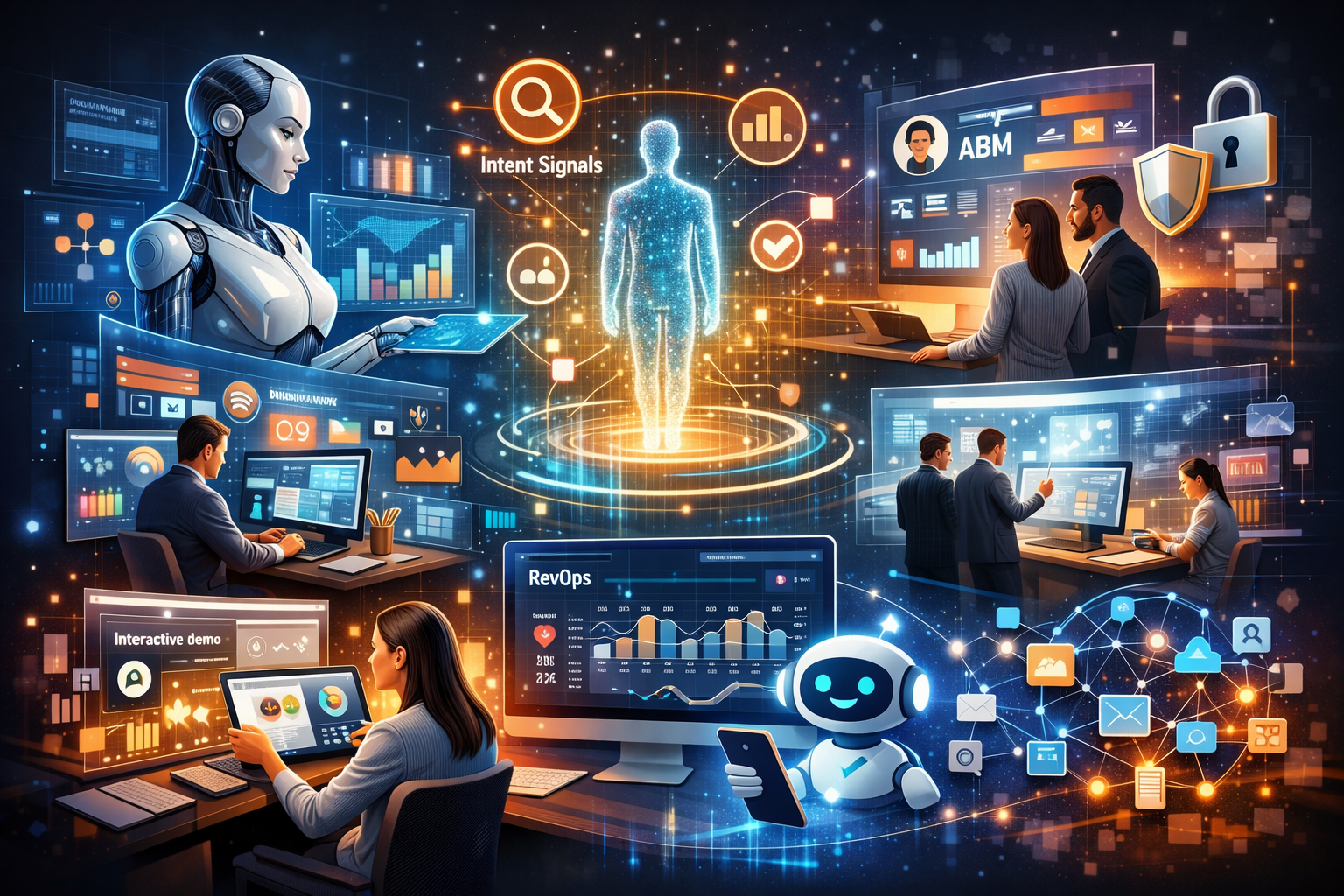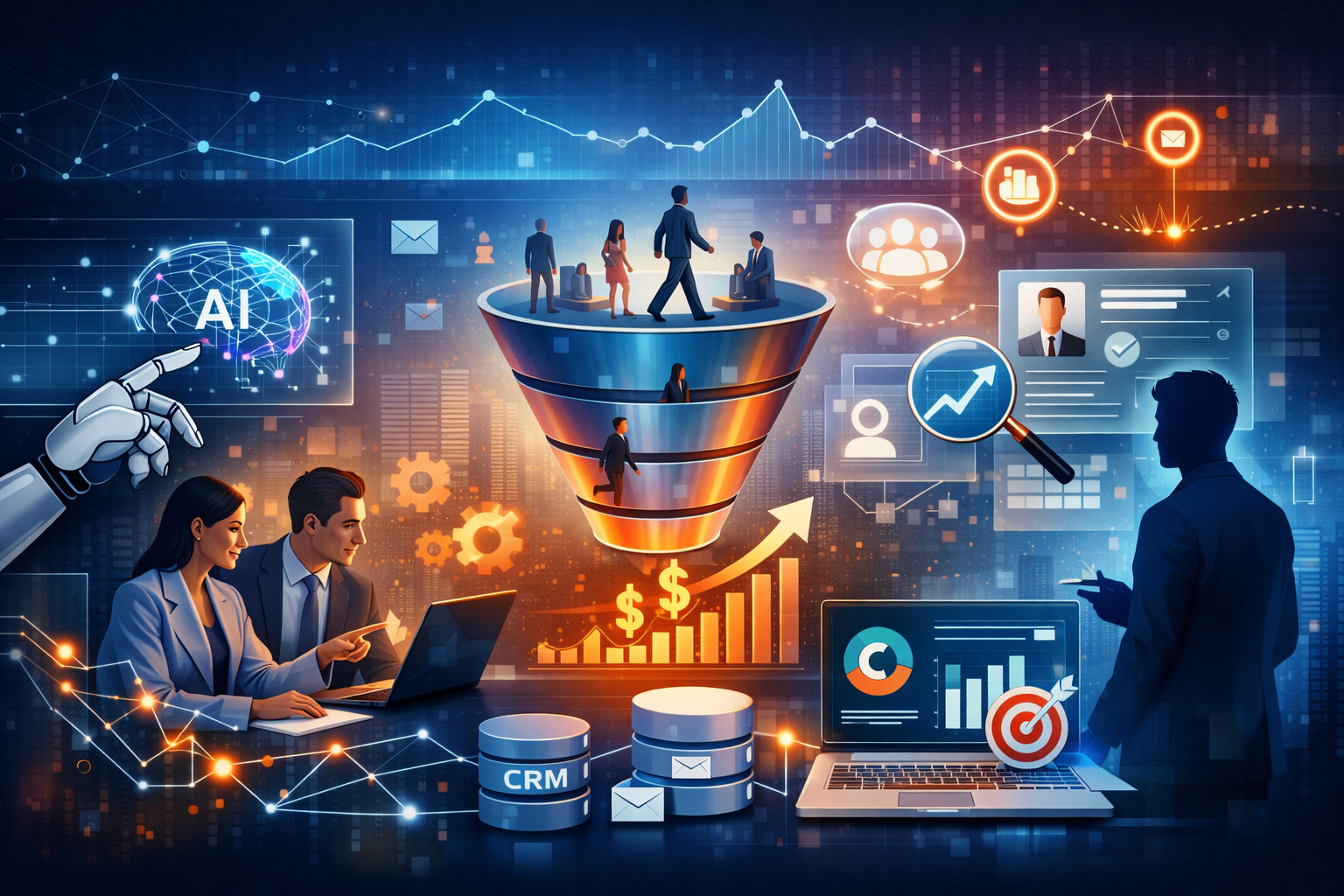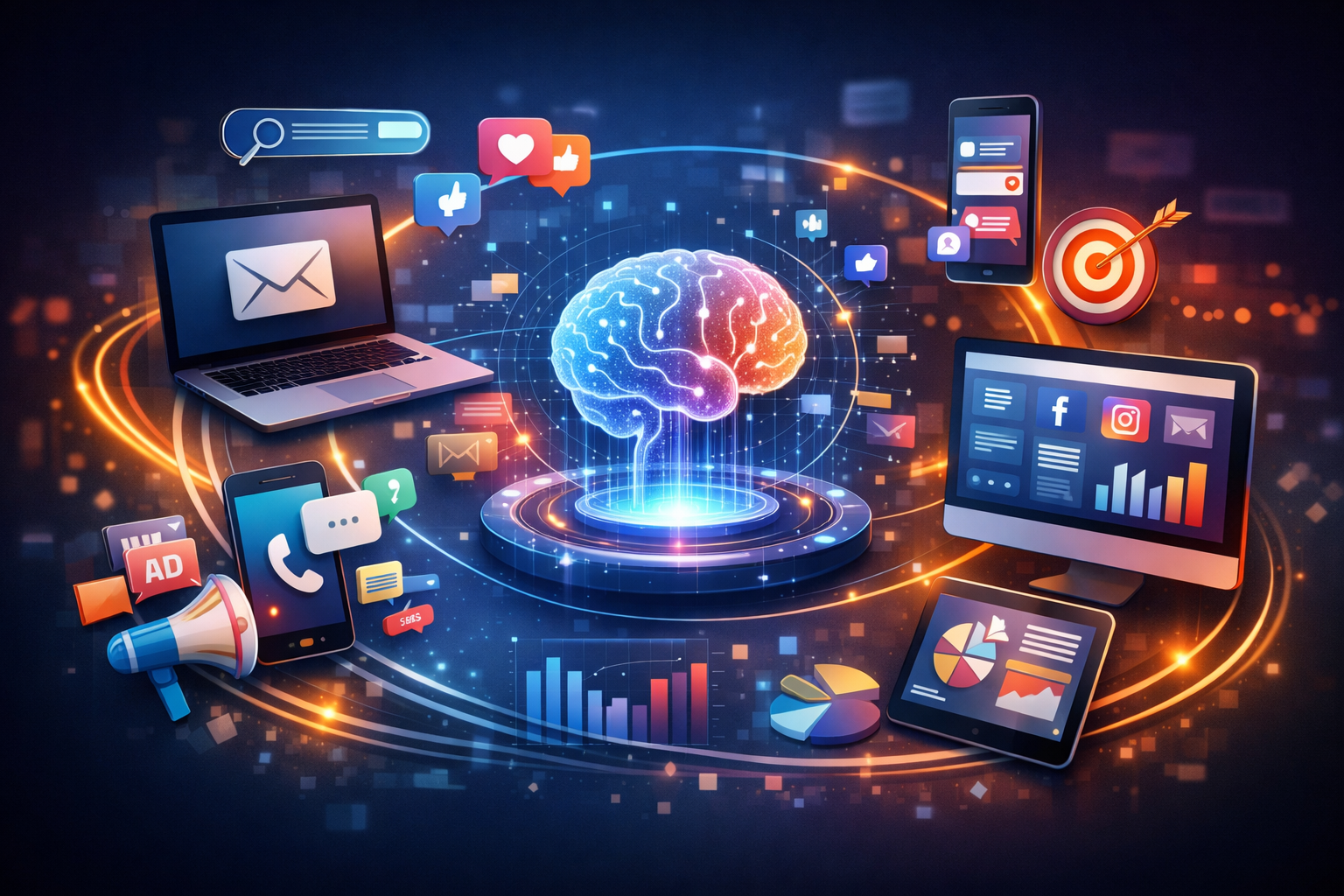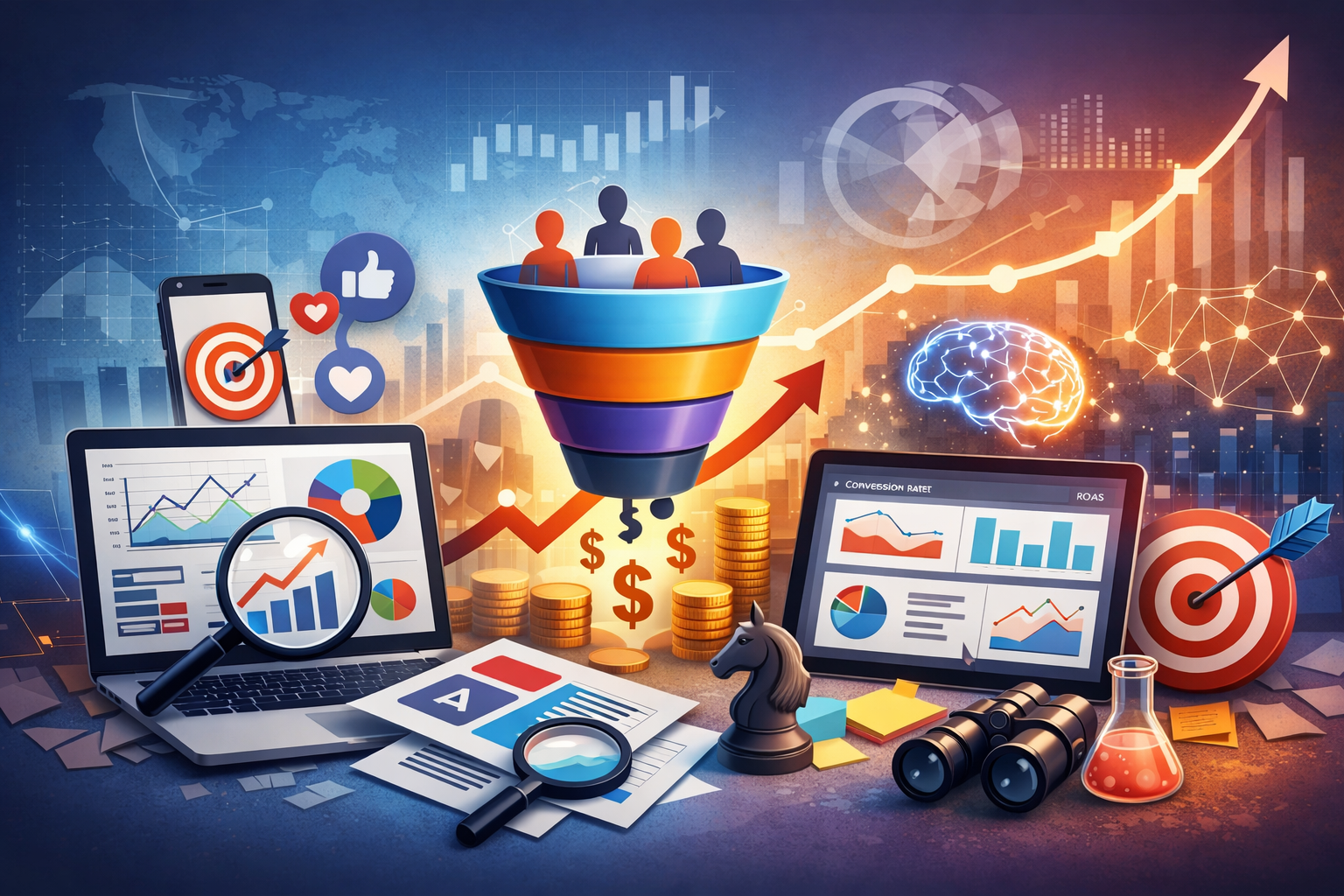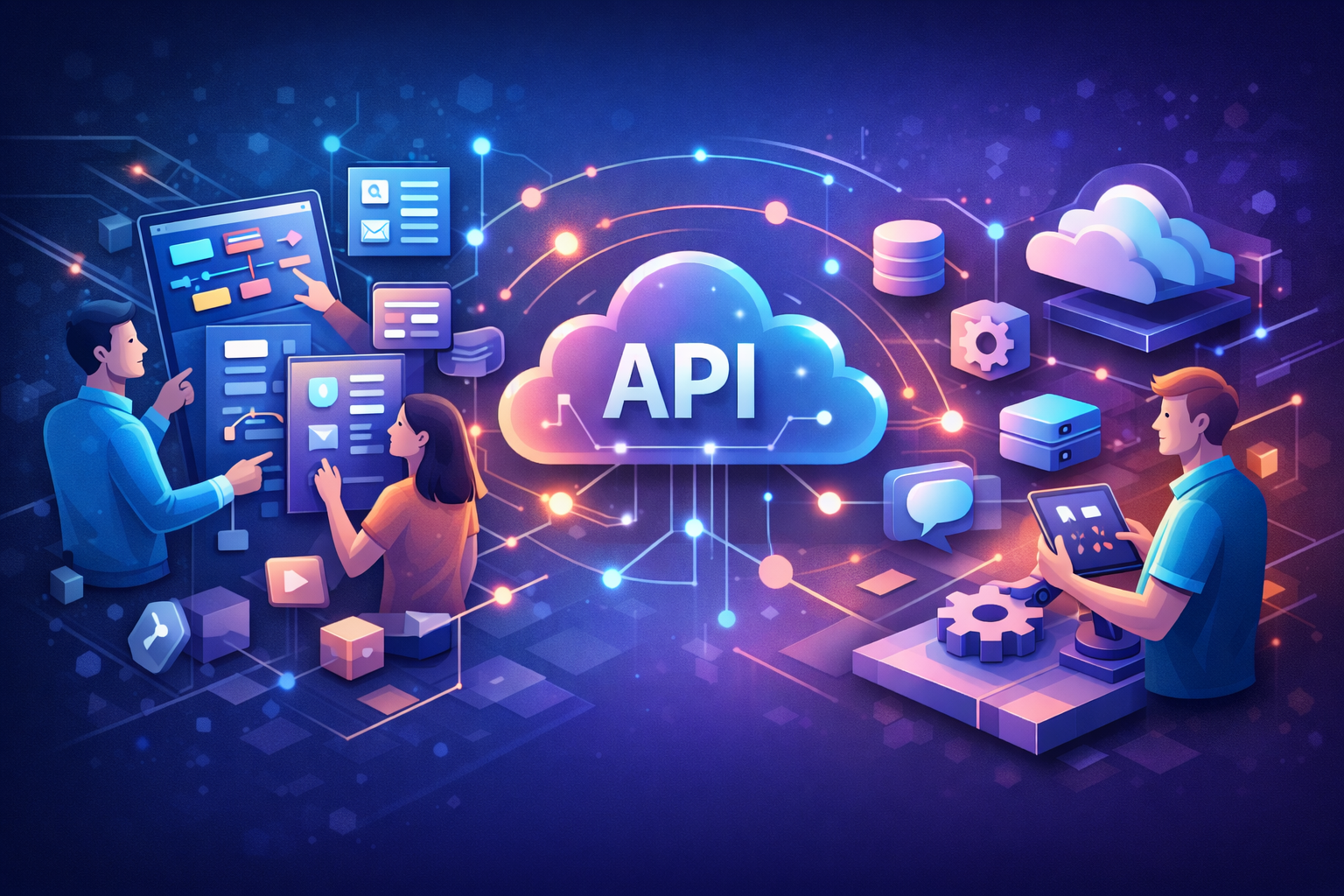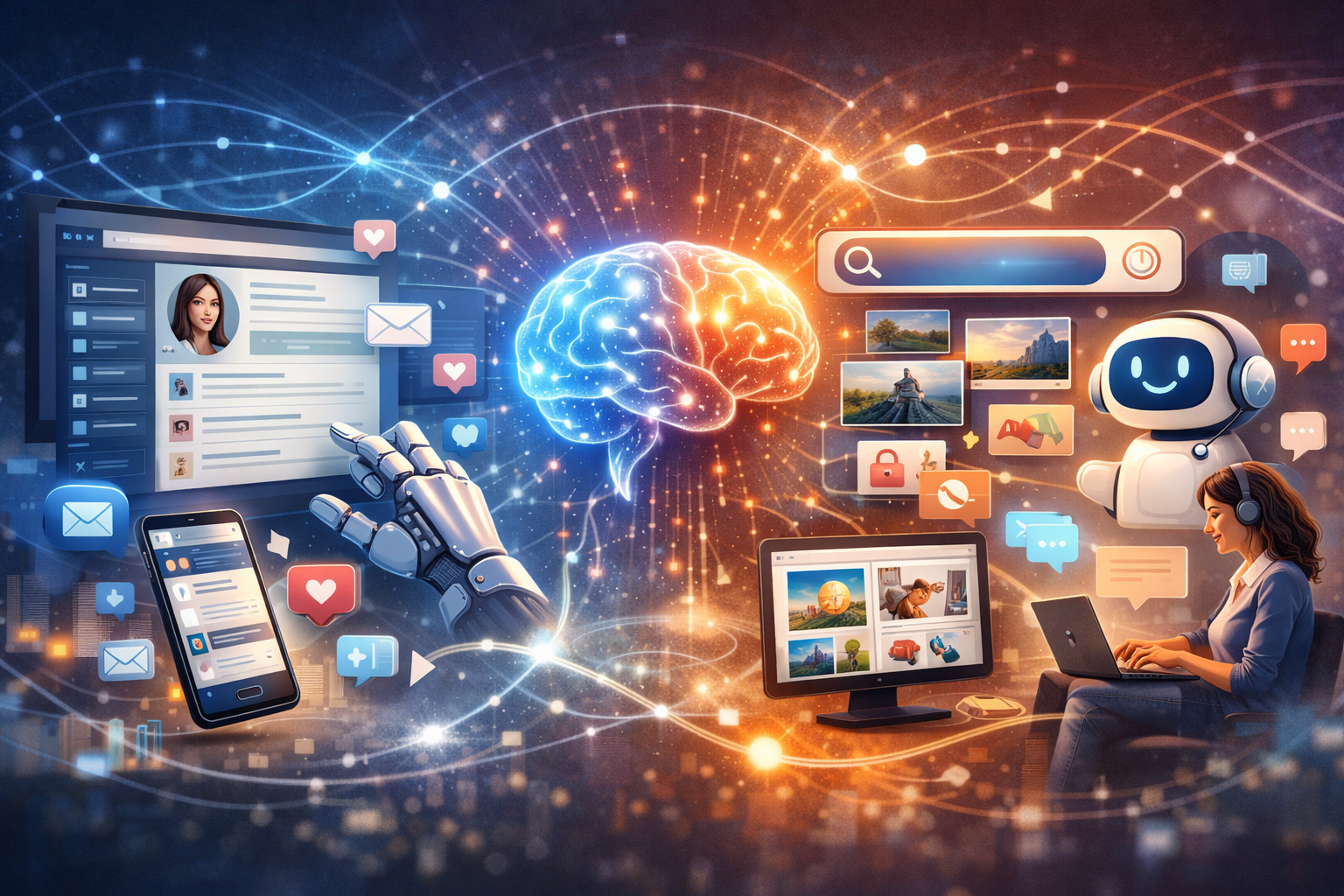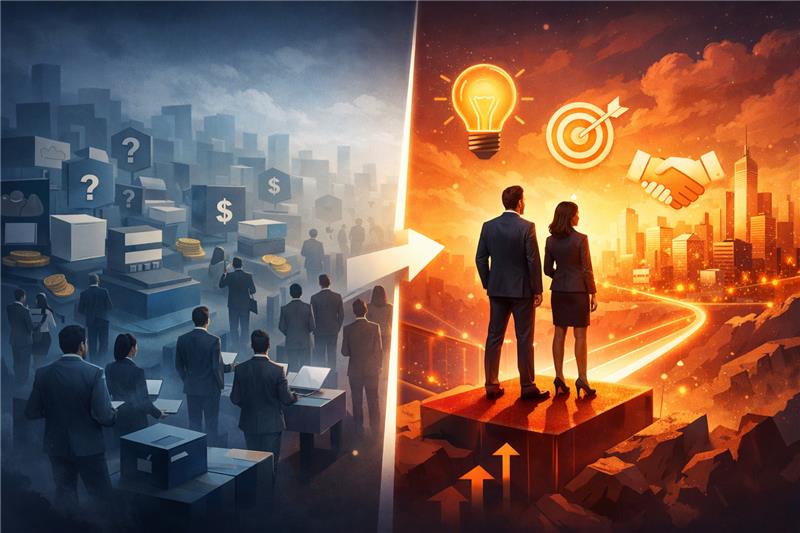

The B2B landscape is undergoing a massive transformation — and at the heart of it lies Artificial Intelligence (AI) and automation. What was once a traditional, relationship-driven marketplace is now evolving into a data-powered, efficiency-focused ecosystem. From smarter decision-making to predictive analytics and hyper-personalized marketing, AI and automation are helping B2B companies reimagine how they operate, engage, and grow.
In this blog, we’ll explore how AI and automation are reshaping B2B industries, and why embracing these technologies is no longer optional — it’s essential for competitiveness.
- Smarter Decision-Making Through Predictive Analytics
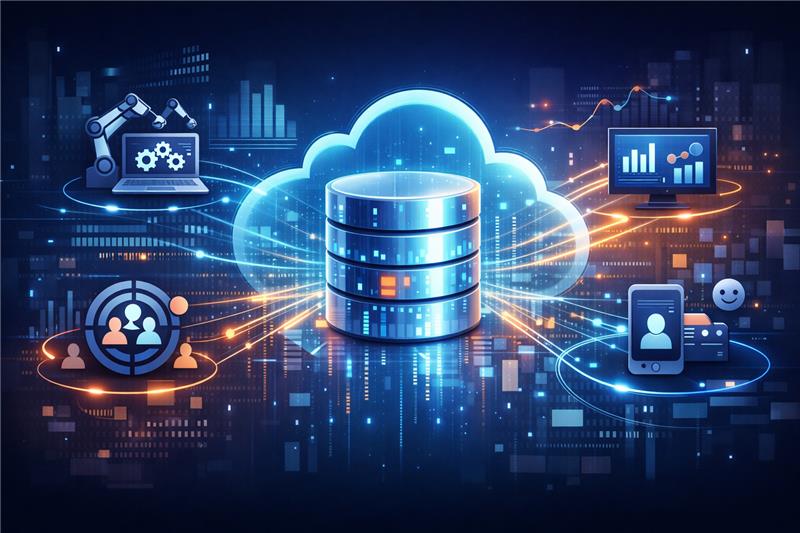
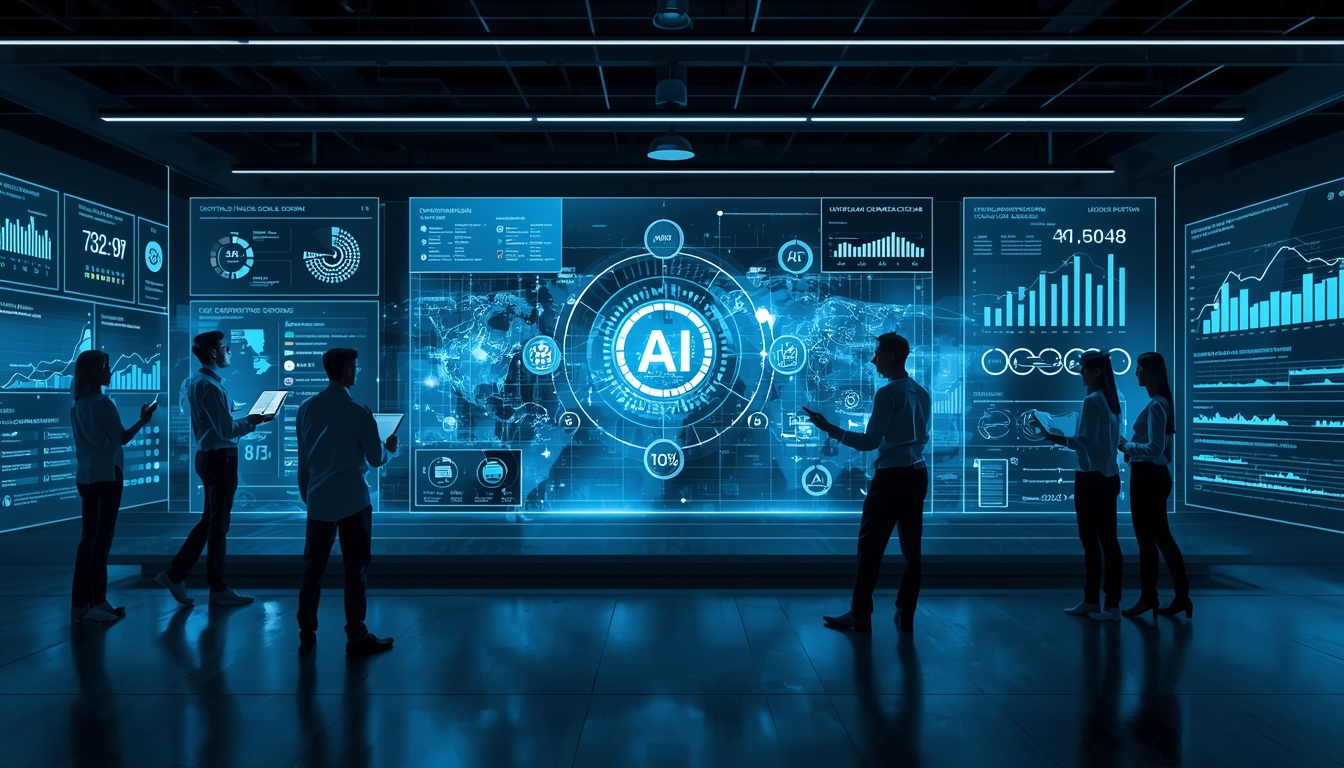
B2B companies generate vast amounts of data — from CRM systems and sales records to supply chain logs and customer interactions. AI-powered predictive analytics can sift through this data to identify patterns, trends, and opportunities that human teams might overlook.
For instance:
- Sales teams can forecast demand more accurately.
- Marketing teams can predict which leads are most likely to convert.
- Procurement departments can optimize inventory and vendor management.
This data-driven decision-making enables B2B companies to reduce risks, improve margins, and act faster in rapidly changing markets.
- Automating Repetitive Processes for Efficiency
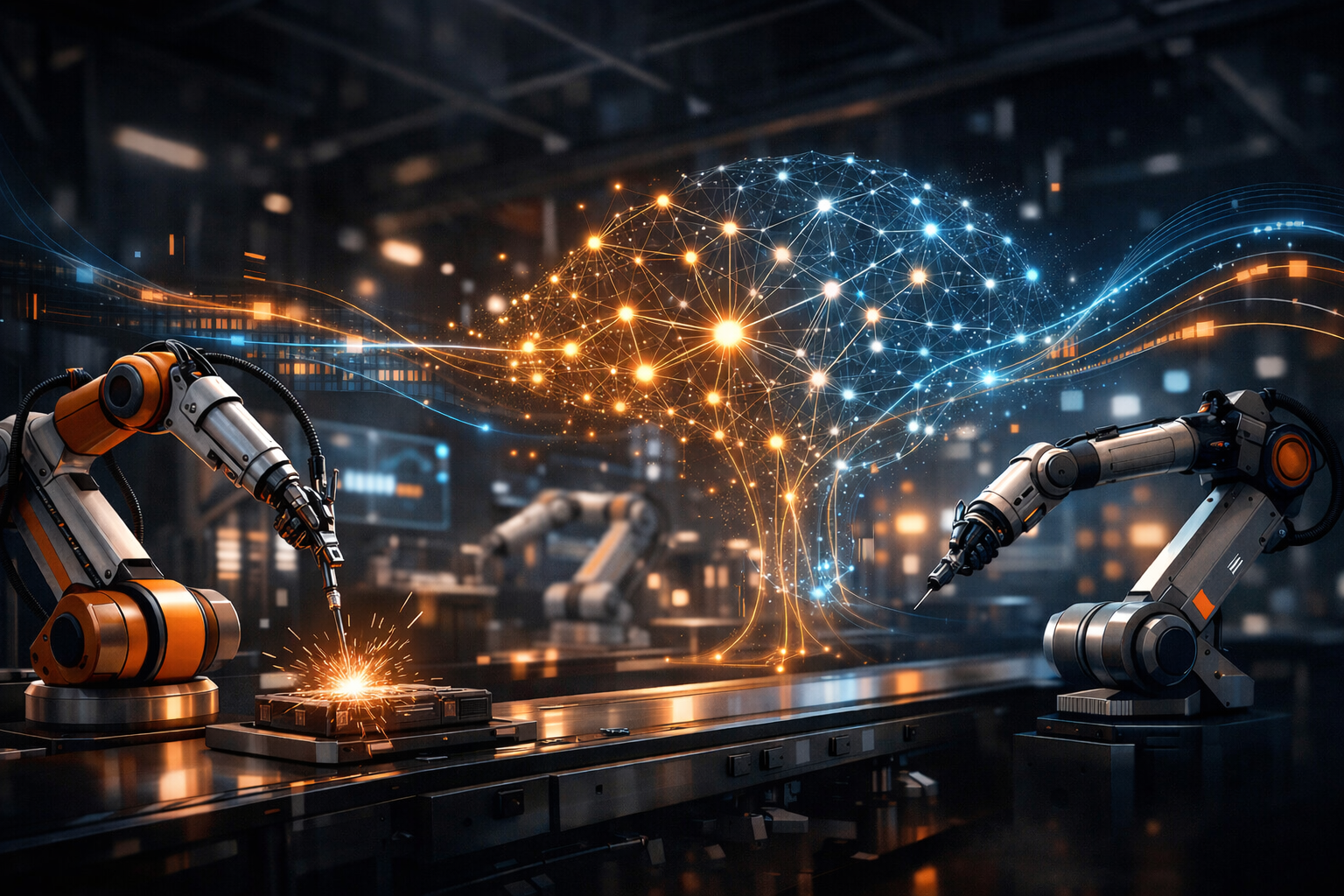
Automation is revolutionizing back-office operations and workflows across industries. Processes that once required hours of manual input can now be executed in minutes through Robotic Process Automation (RPA) and AI-driven bots.
Examples include:
- Automatically processing invoices and purchase orders
- Syncing CRM and ERP systems
- Managing inventory levels in real-time
- Sending personalized follow-up emails or reminders
By automating routine tasks, companies free up employees to focus on strategy, creativity, and customer relationships — the areas where human expertise adds the most value.
- Personalizing the B2B Customer Experience
B2B buyers now expect the same level of personalization they experience in B2C environments. AI enables companies to deliver tailored recommendations, content, and offers based on behavior and data insights.
For example:
- AI-driven platforms can suggest complementary services based on purchase history.
- Chatbots can provide 24/7 personalized assistance.
- Dynamic pricing models can adjust offers based on buyer intent and market conditions.
This kind of hyper-personalization strengthens client relationships and improves conversion rates by delivering exactly what buyers need, when they need it.
- Enhancing Marketing and Lead Generation
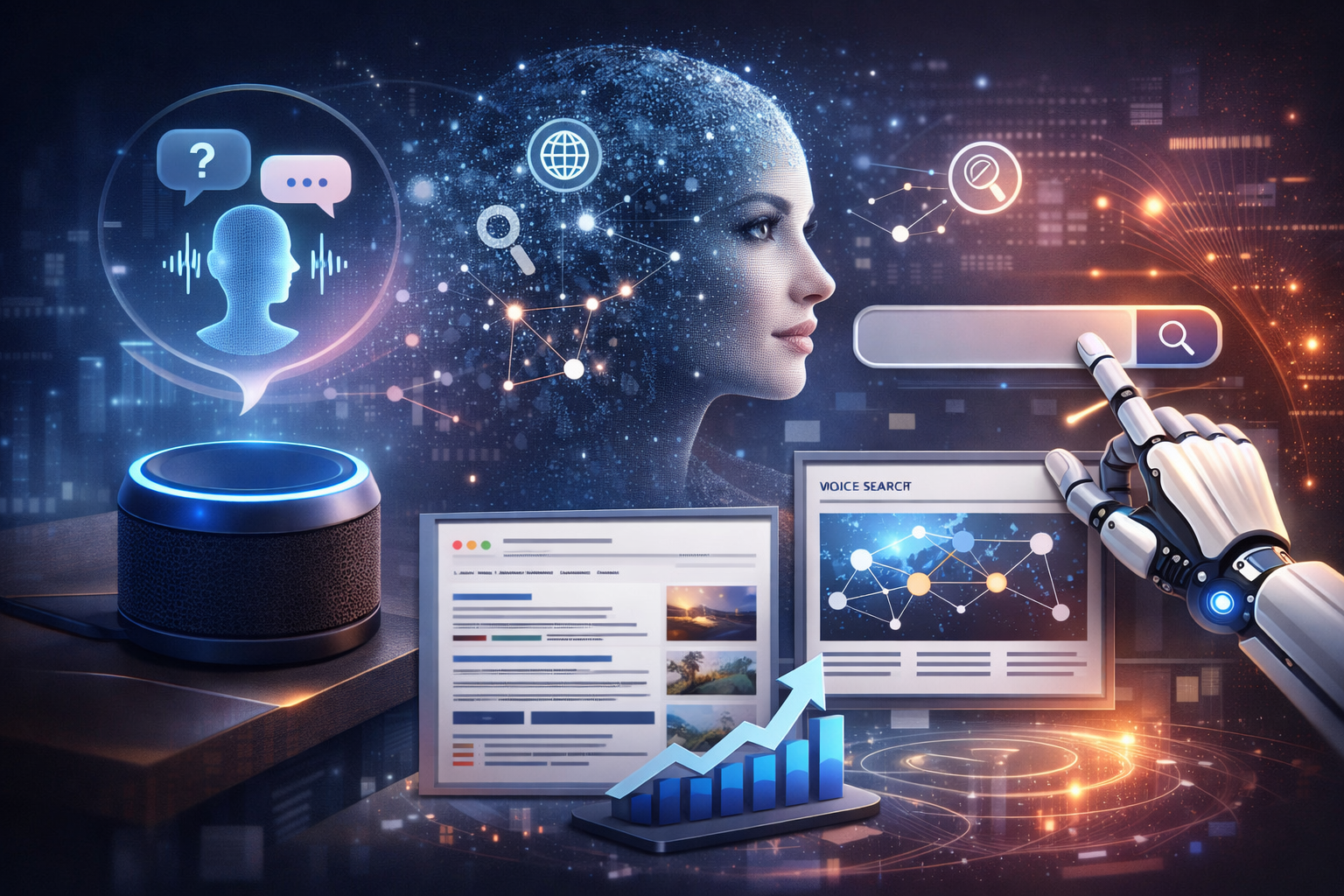
AI and automation have redefined B2B marketing strategies. Marketers can now leverage AI-powered tools to identify high-value prospects, optimize campaigns in real time, and measure performance with unprecedented accuracy.
Applications include:
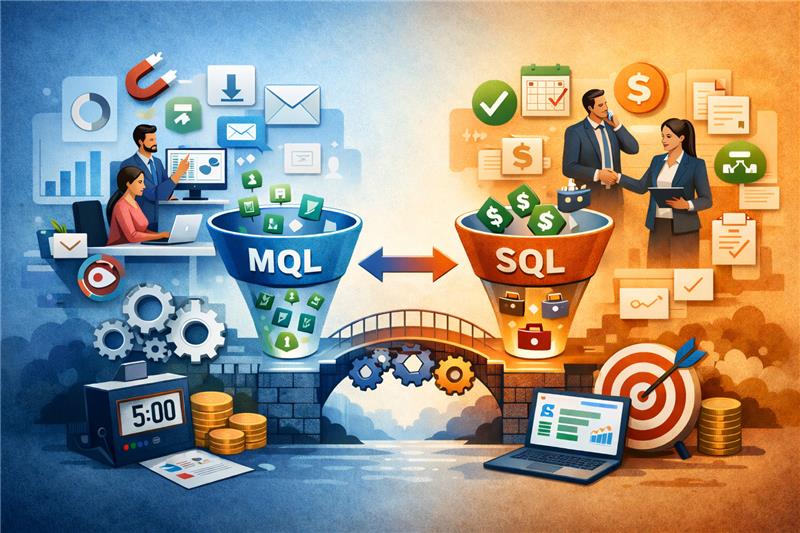
- Lead scoring models that identify sales-ready opportunities.
- Content recommendation engines that tailor insights to each prospect.
- Automated email workflows that nurture leads at scale.
- Chatbots and virtual assistants for instant engagement on websites.
The result? Shorter sales cycles, higher conversion rates, and more efficient use of marketing budgets.
- Strengthening Supply Chain and Operations
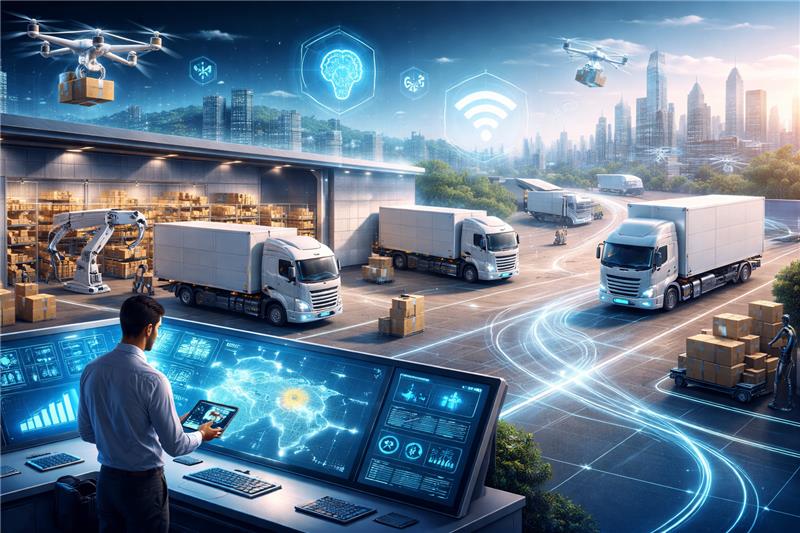
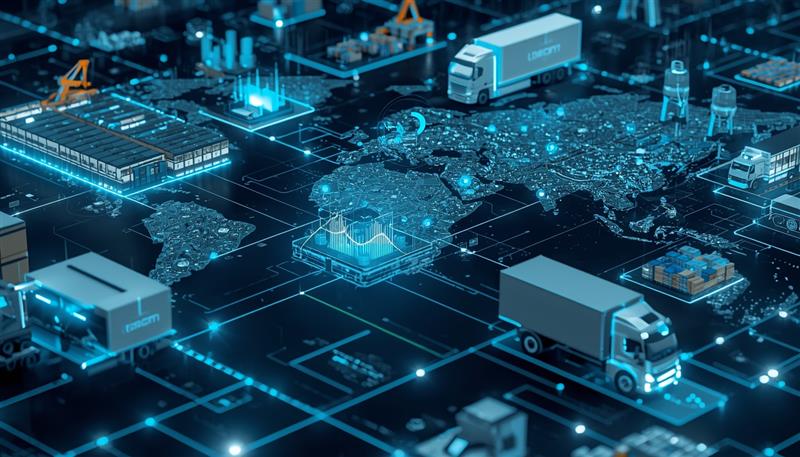
AI and automation are also revolutionizing supply chain management — a critical area for most B2B companies. With AI-driven insights, businesses can predict disruptions, optimize logistics, and reduce waste.
Some real-world applications:
- Predictive analytics to forecast demand and avoid stockouts.
- Automated tracking systems for end-to-end visibility.
- AI-based quality control using image recognition.
- Smart contracts that trigger payments automatically upon delivery confirmation.
This increased transparency, accuracy, and agility make B2B supply chains more resilient and cost-effective.
- Empowering Sales Teams with Intelligent Insights
AI is transforming the role of B2B sales professionals from reactive to proactive. Tools like sales intelligence platforms and AI-driven CRMs provide deep insights into customer intent, behavior, and sentiment.
Sales teams can:
- Identify upsell and cross-sell opportunities faster.
- Use real-time analytics to tailor pitches.
- Predict customer churn before it happens.
In short, AI doesn’t replace salespeople — it empowers them to sell smarter.
- Overcoming Challenges in AI Adoption
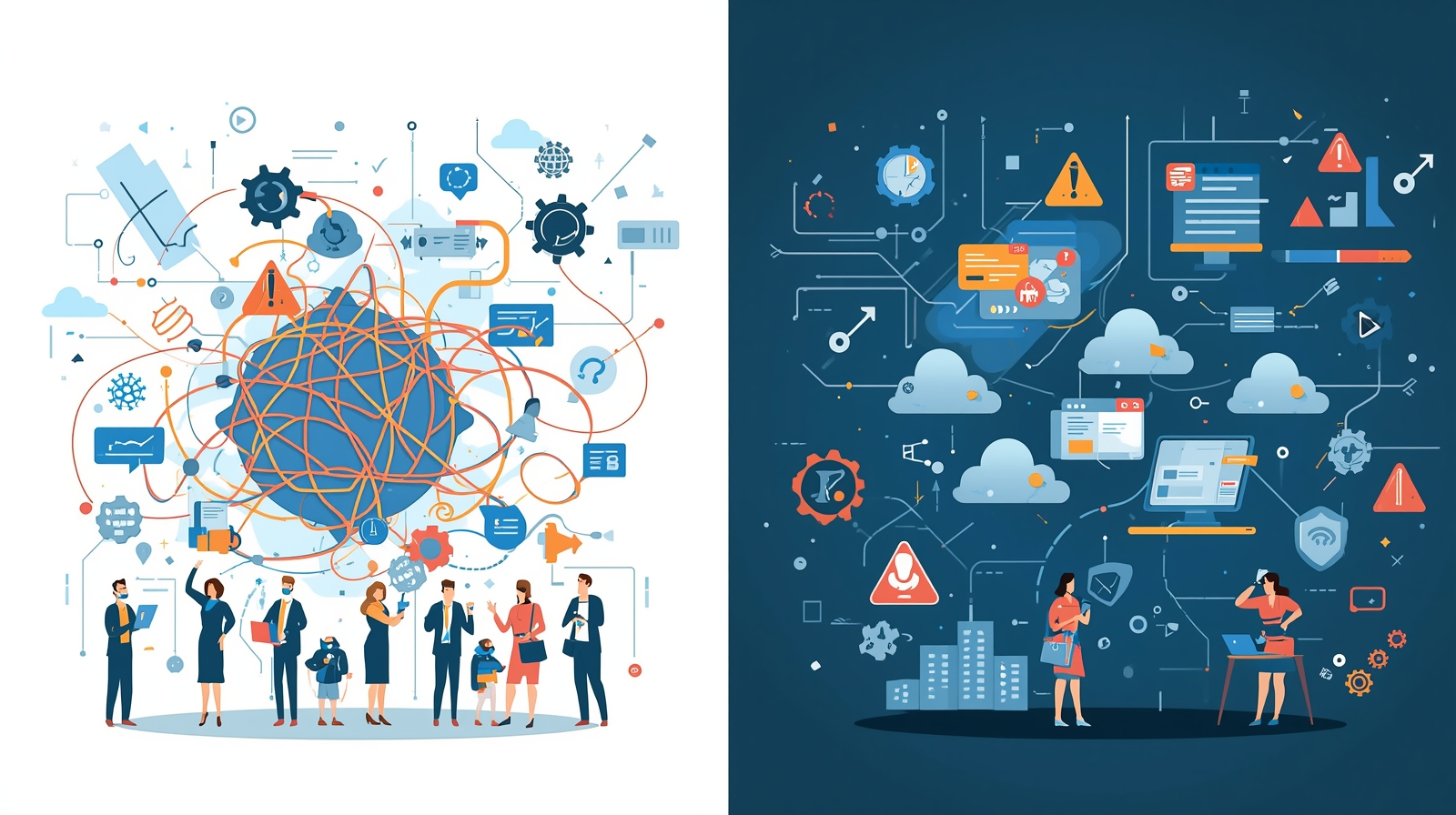
While the benefits are clear, integrating AI and automation into B2B operations isn’t without challenges. Many companies face:
- Data silos that prevent effective analysis.
- Legacy systems that aren’t easily automated.
- Cultural resistance to technological change.
The key is to start small — implement automation in one process, measure the impact, and scale gradually. Partnering with experienced AI solution providers can also help ensure a smoother transition.
- The Future: Human + Machine Collaboration
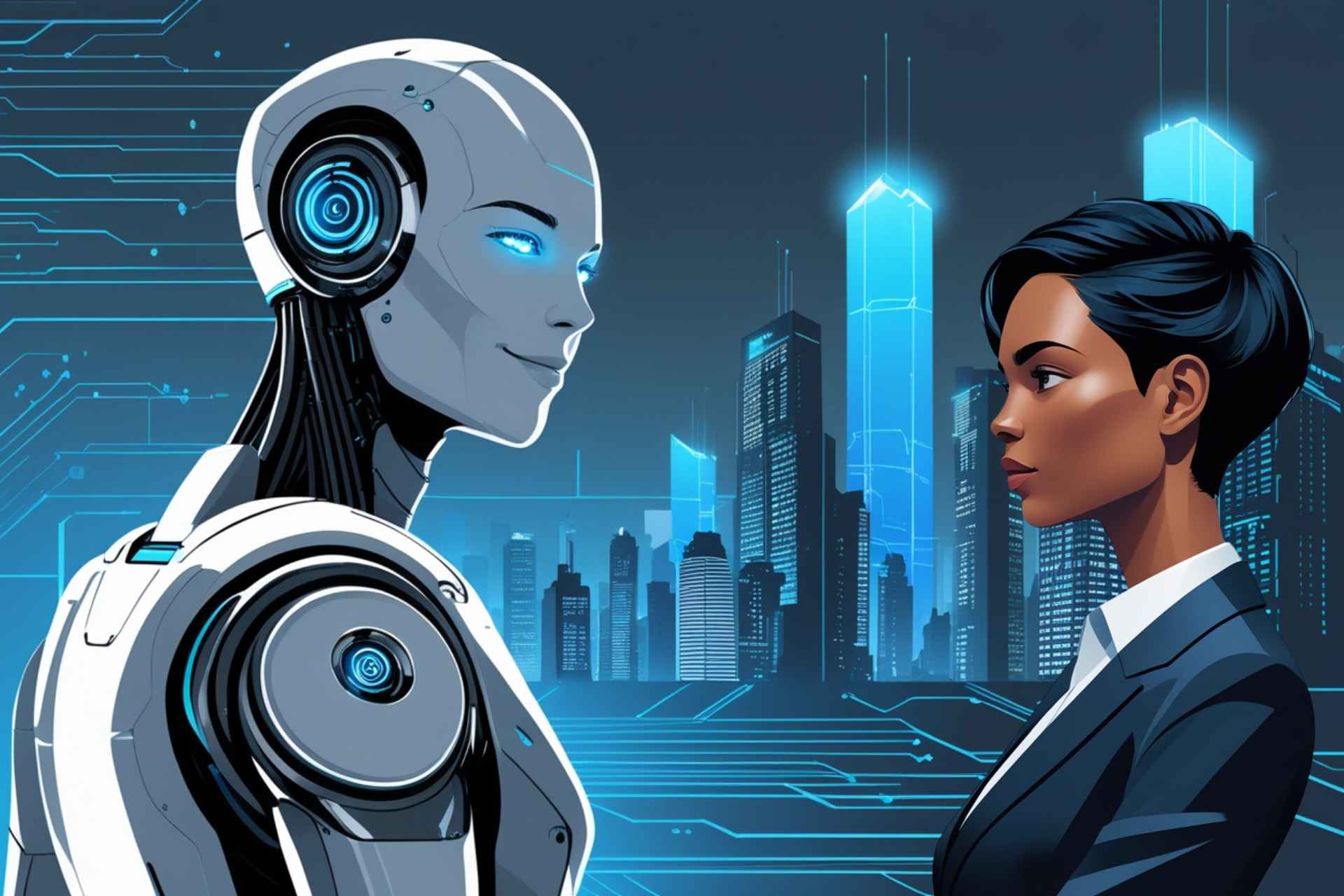
The B2B future isn’t about replacing people with machines — it’s about augmenting human capabilities. AI handles data, automation handles repetition, and humans handle creativity, relationships, and strategic thinking.
Companies that successfully integrate these three pillars will gain a decisive advantage in efficiency, customer satisfaction, and profitability.
Read Also: The Impact of Blockchain on B2B Transactions