
In today’s rapidly evolving technological landscape, software stacks can become outdated in a matter of years—or even months. With emerging frameworks, shifting industry standards, and evolving security threats, companies must strategically design their tech infrastructure to ensure longevity, scalability, and maintainability. Future-proofing your tech stack isn’t about chasing every new trend; it’s about building a flexible, sustainable foundation that can adapt as technologies evolve.
Why Tech Obsolescence Matters
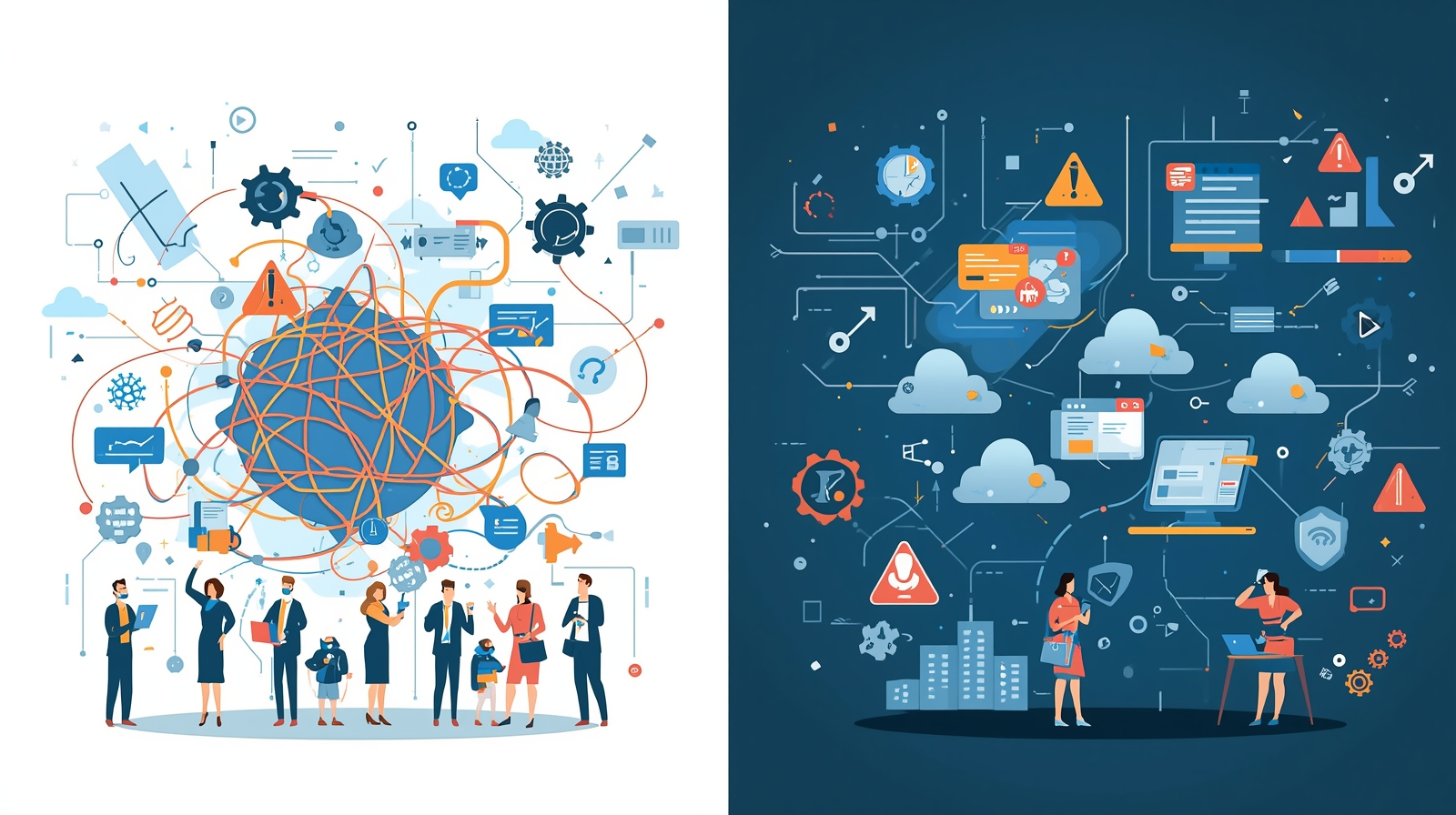
Tech obsolescence leads to a variety of challenges:
- Security vulnerabilities due to unmaintained or deprecated libraries.
- High maintenance costs as fewer developers remain familiar with legacy systems.
- Integration challenges with modern tools and platforms.
- Decreased developer productivity and satisfaction.
Avoiding these pitfalls requires foresight, smart choices, and proactive governance.
1. Choose Open, Well-Supported Technologies
Select tools and frameworks that:
- Have strong, active communities.
- Are backed by reputable organizations.
- Provide clear documentation and update roadmaps.
Avoid niche technologies with small user bases unless they serve a very specific business case. Favor tools with a history of backward compatibility and robust support (e.g., React, Node.js, Python, Kubernetes).
2. Design for Modularity
Monolithic architectures make modernization difficult. Instead:
- Build microservices or modular components.
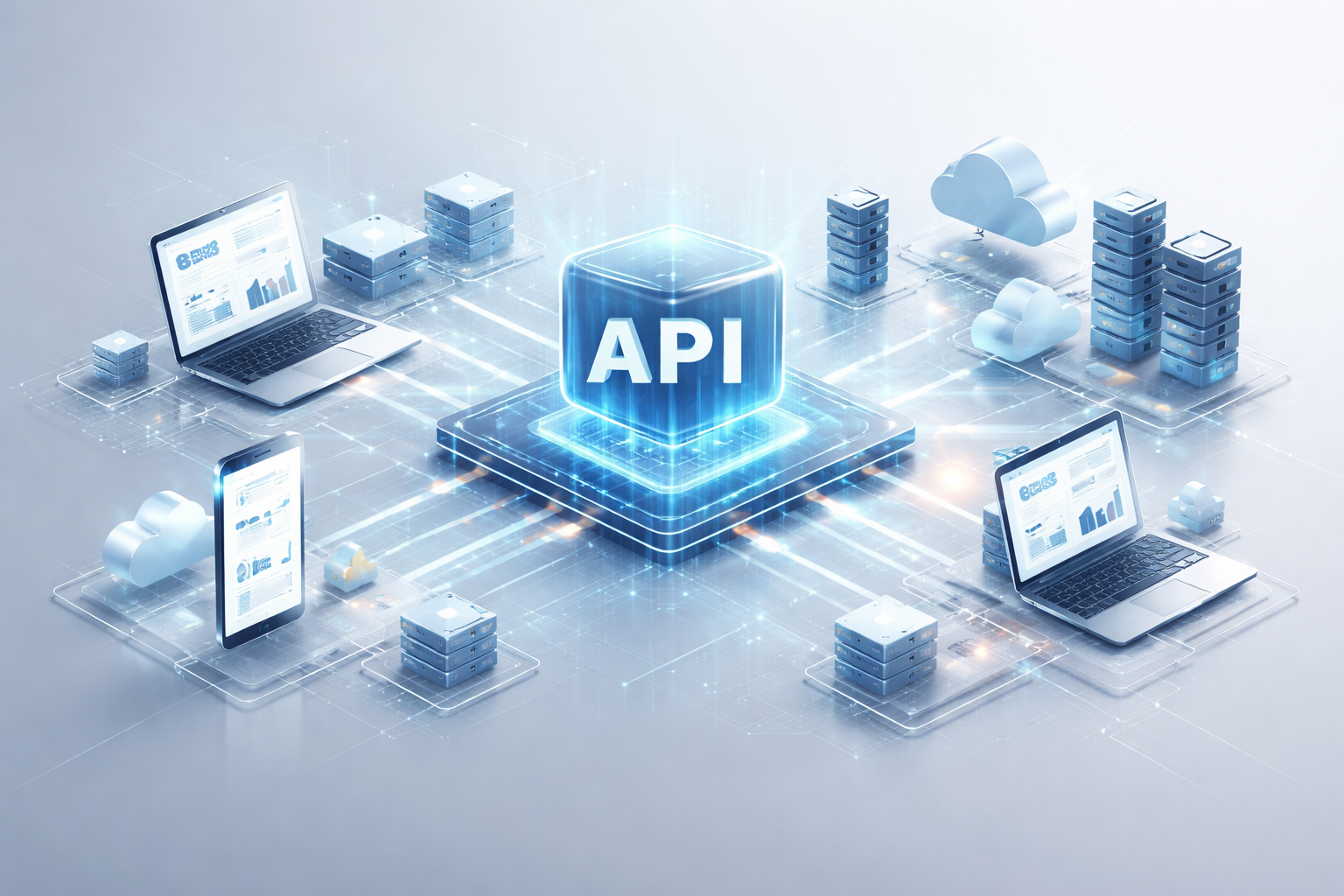
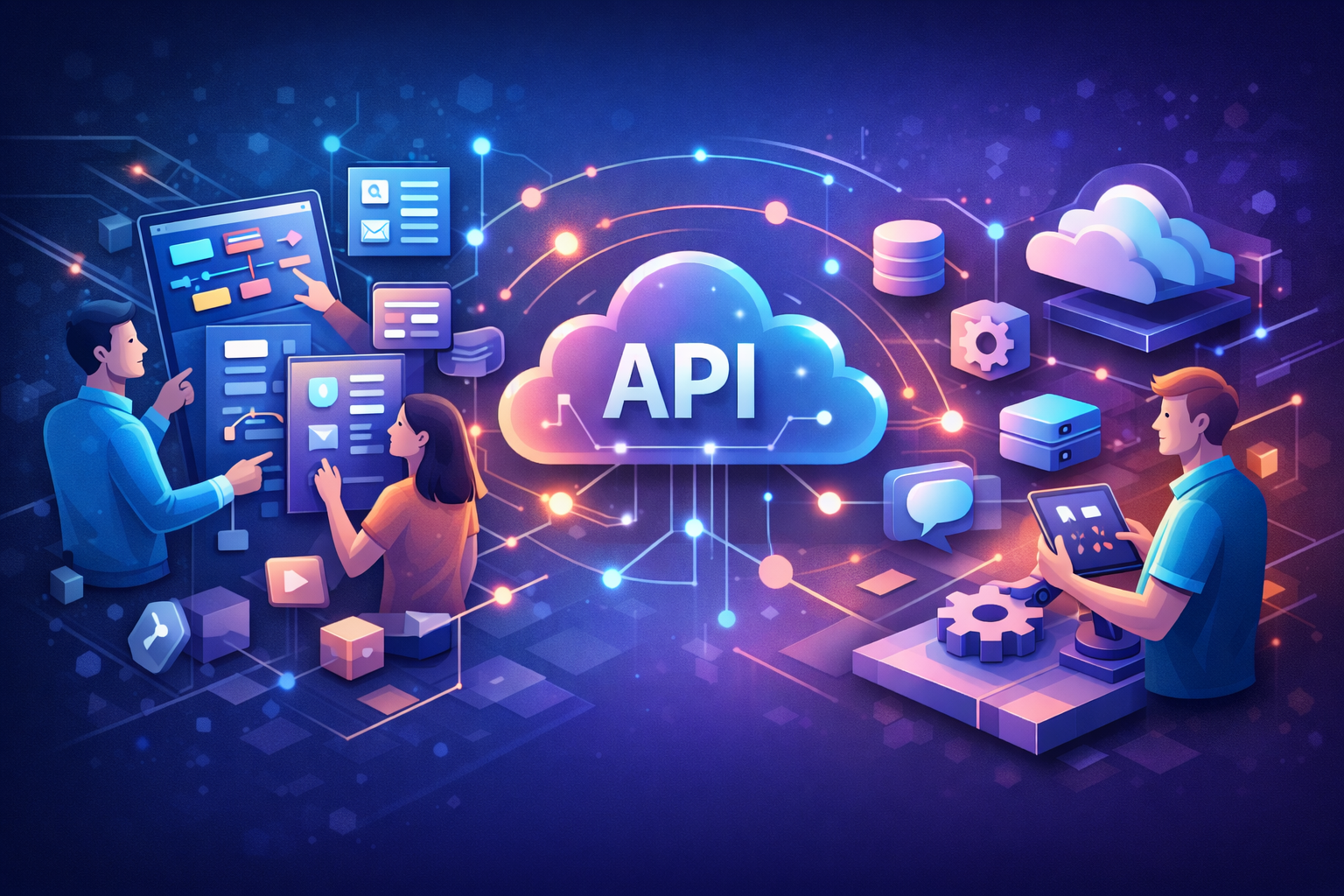
- Use APIs to isolate functionalities.
- Enable individual parts of the stack to be replaced or upgraded without affecting the entire system.
Modularity provides the flexibility to adopt new technologies in phases rather than requiring complete overhauls.
3. Embrace Cloud-Native Principles
Cloud-native stacks promote scalability, automation, and resilience:
- Use containerization (e.g., Docker) and orchestration (e.g., Kubernetes).
- Adopt infrastructure-as-code (IaC) tools like Terraform or Pulumi.
- Implement CI/CD pipelines for continuous delivery and testing.
These practices increase agility and make your stack more adaptable to future infrastructure or hosting changes.
4. Keep Dependencies Up to Date
Outdated libraries and tools become security risks and integration roadblocks. Implement:
- Dependency monitoring tools (e.g., Renovate, Dependabot).
- Regular audits of your tech stack and third-party packages.
- Scheduled upgrades and refactoring cycles.
Proactive maintenance is cheaper and safer than reactive firefighting.
5. Favor Standards Over Proprietary Solutions
Whenever possible:
- Choose open standards (e.g., OAuth 2.0 for authentication).
- Use interoperable formats (e.g., JSON, YAML, RESTful APIs).
- Avoid vendor lock-in by selecting portable solutions and abstraction layers.
Standards ensure that your system can evolve and integrate with future technologies more seamlessly.
6. Invest in Documentation and Knowledge Sharing
Even the best stack fails if nobody knows how to use or maintain it:
- Maintain up-to-date internal documentation.
- Encourage knowledge transfer through code reviews, onboarding guides, and wikis.
- Use architectural decision records (ADRs) to capture the “why” behind tech choices.
Preserving institutional knowledge reduces the risk of expertise loss.
7. Plan for Change
Accept that no stack is immune to obsolescence. What matters is how gracefully you can evolve:
- Create a technology roadmap.
- Evaluate and experiment with new tools in non-production environments.
- Define criteria for when it’s time to deprecate and replace components.
A culture of adaptability is your strongest defense against obsolescence.
Conclusion
Future-proofing your stack isn’t a one-time decision—it’s a continuous strategy. By emphasizing flexibility, maintainability, and openness, you position your organization to thrive in a shifting digital ecosystem. The goal isn’t to predict the future but to build a foundation robust enough to meet it head-on.
Read Also: How to Audit Your MarTech Tools in 30 Days