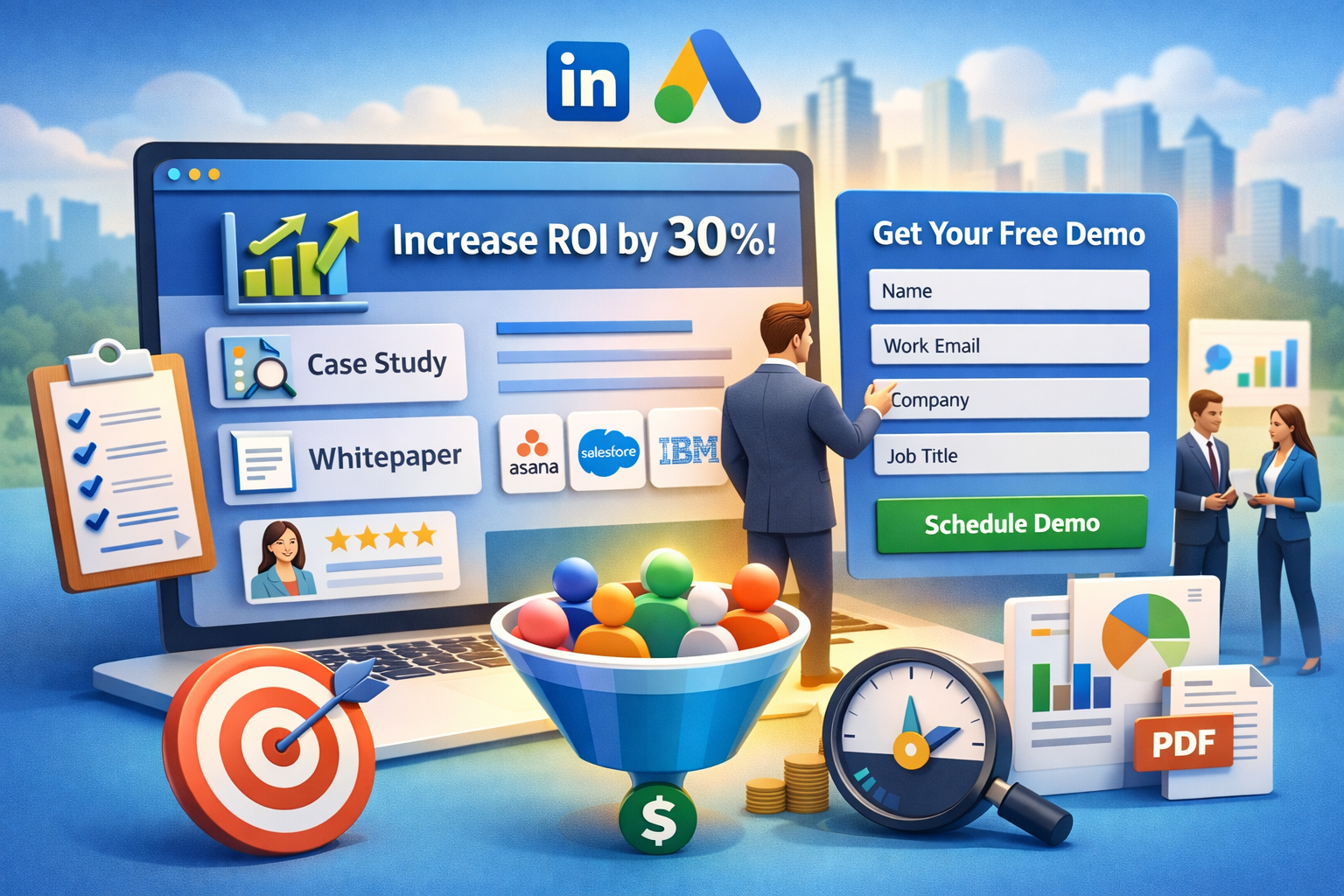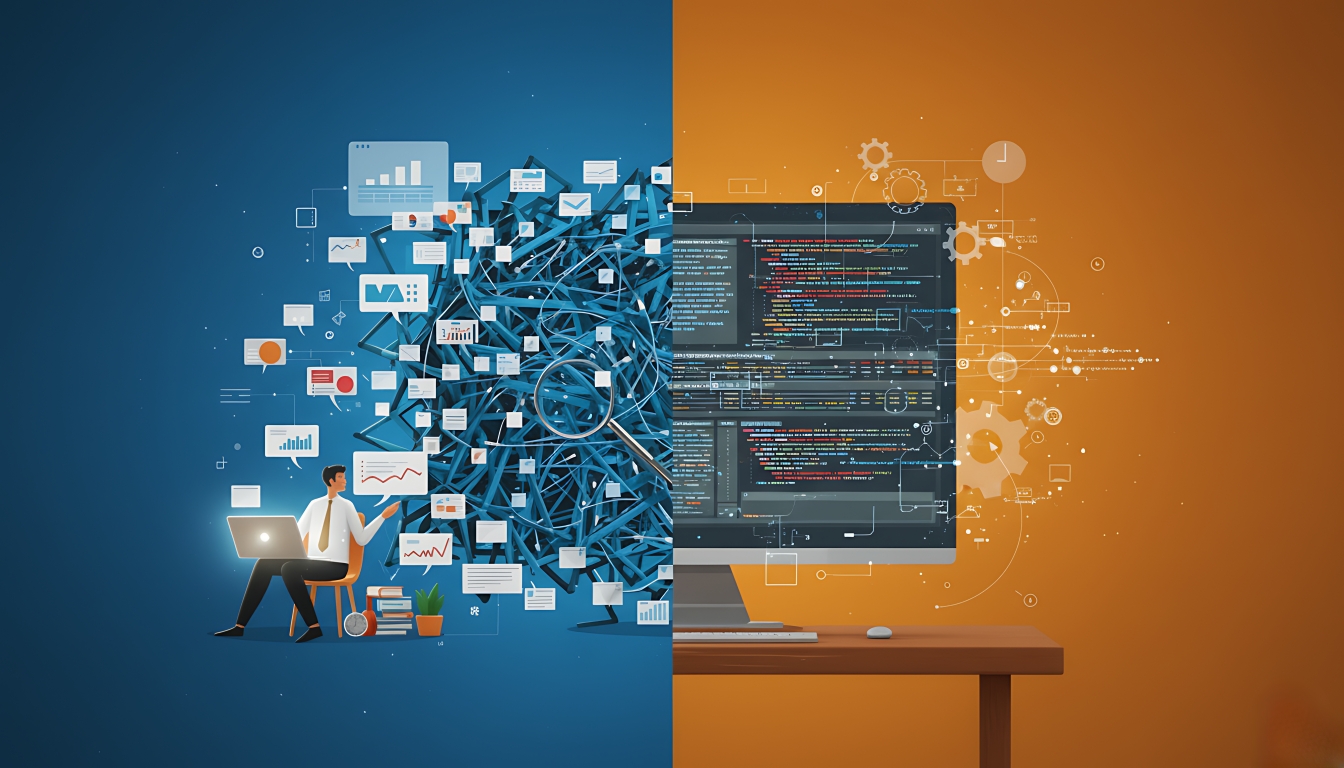
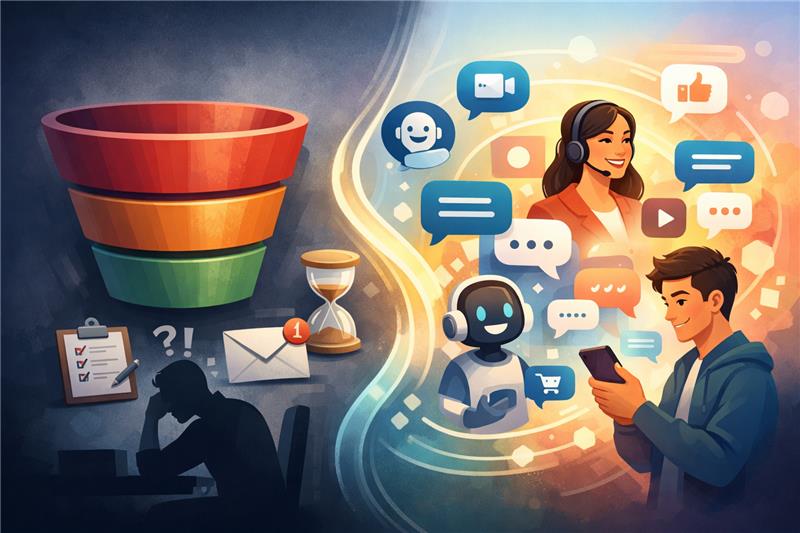
For decades, digital experiences have been built around static forms and rigid funnels. Users land on a page, fill out a form, wait for a response, and are slowly pushed through predefined steps designed more for internal efficiency than human interaction. While this model once scaled well, it no longer matches how people expect to engage online.
Today, real-time interactions are redefining customer experiences—turning one-way data collection into dynamic, personalized conversations.
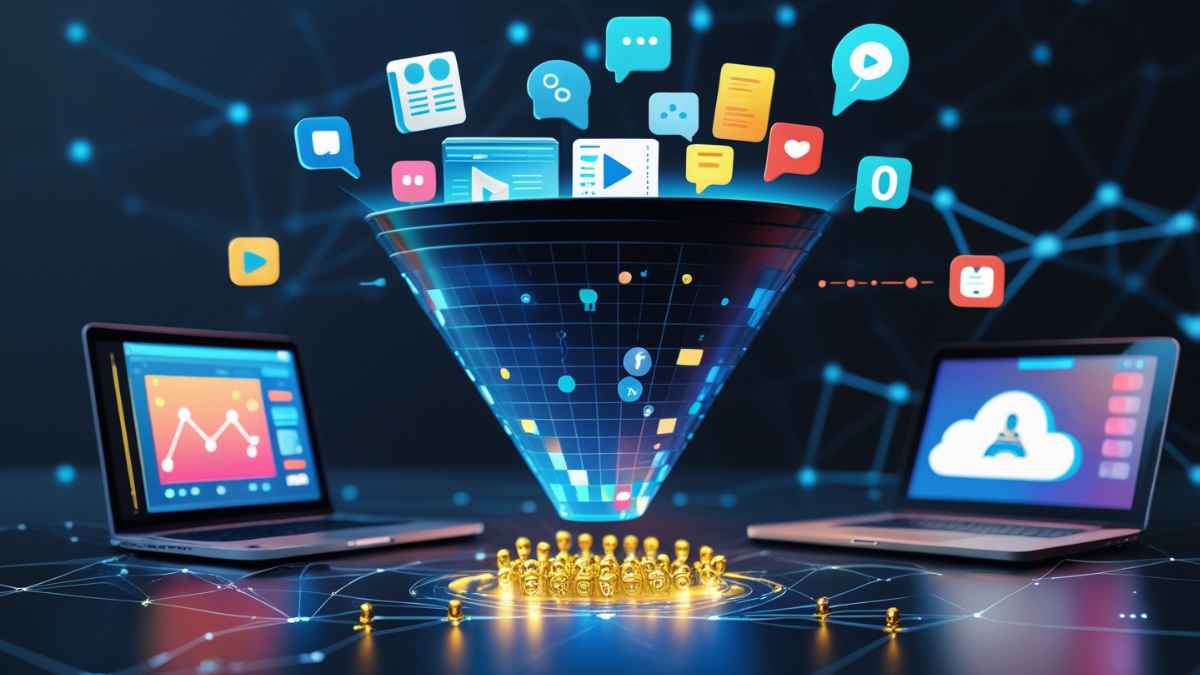
The Problem with Static Forms and Rigid Funnels
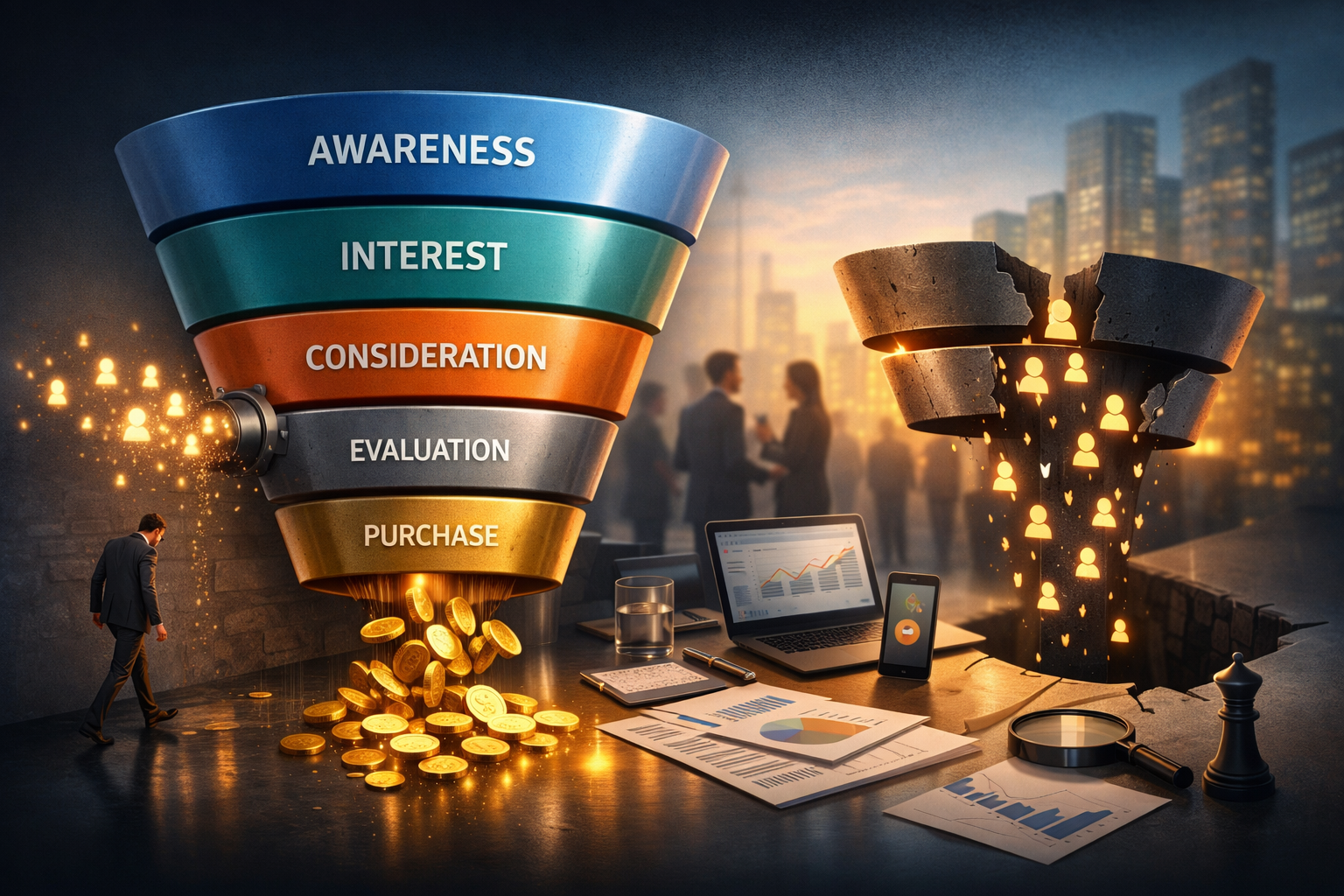
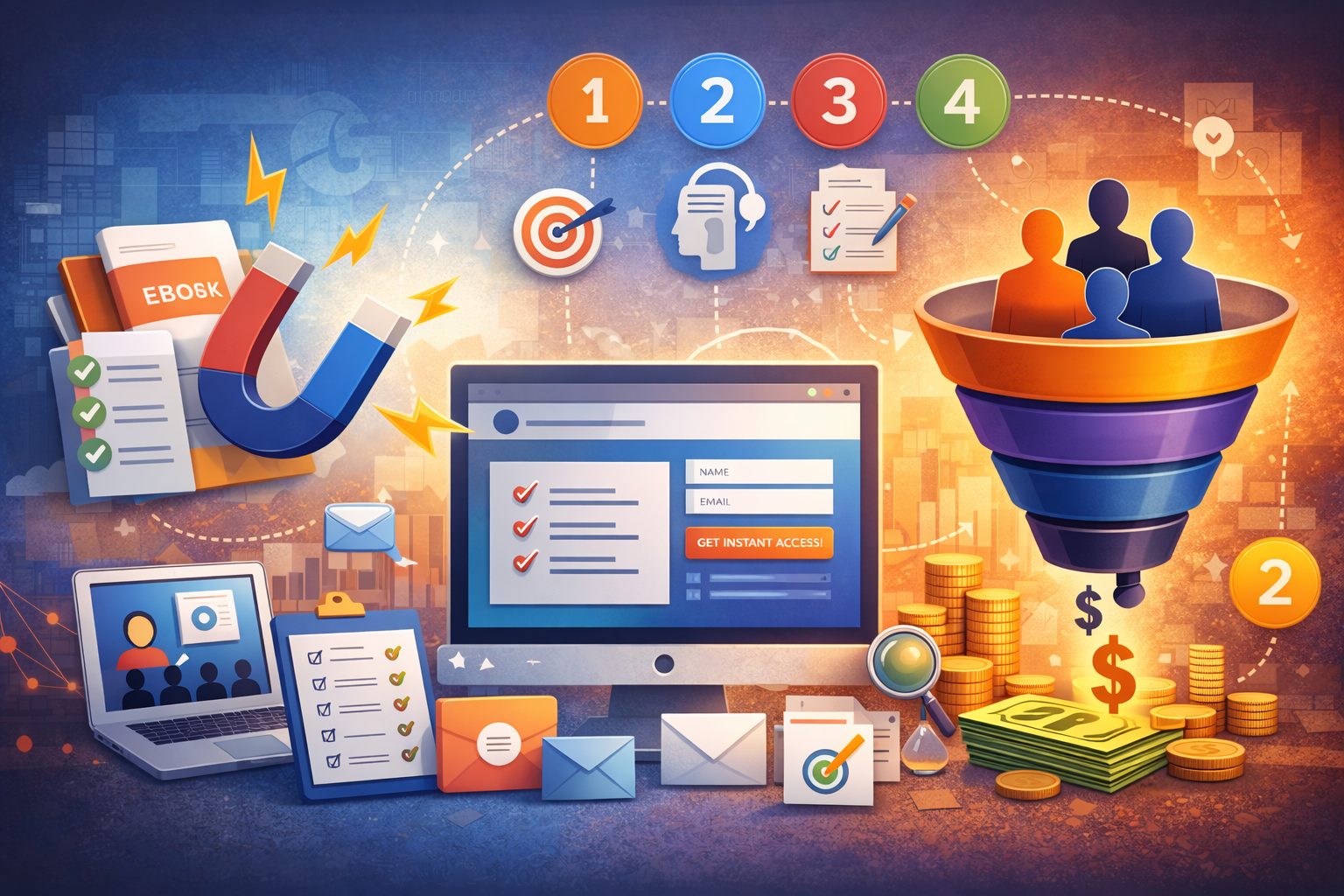
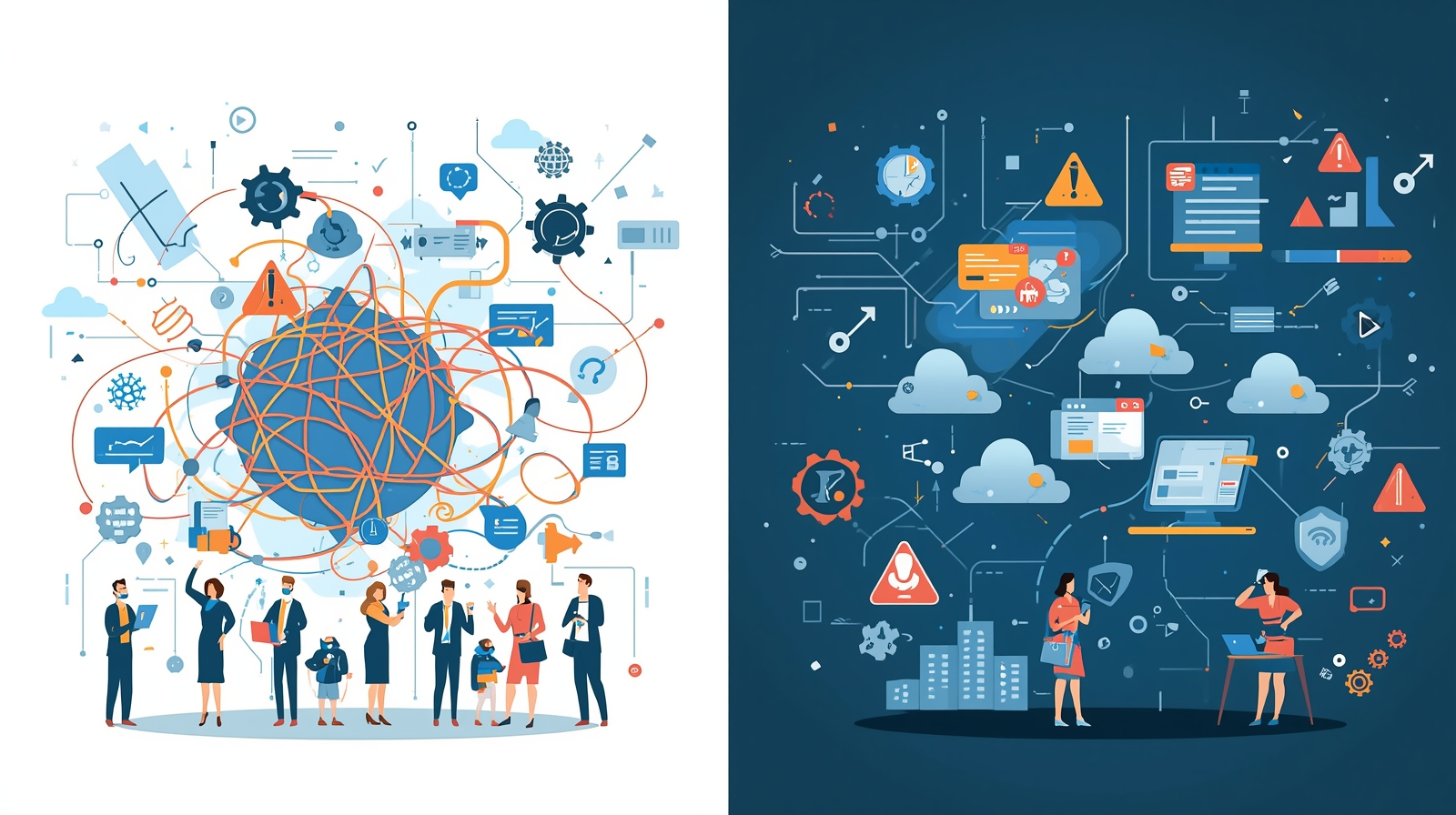
Static forms assume that every user fits neatly into the same journey. They ask the same questions, in the same order, regardless of intent, urgency, or context. This creates friction:
- High drop-off rates due to long or irrelevant forms
- Delayed responses that break momentum
- Poor personalization, as forms capture data but don’t adapt in the moment
- Frustrated users who feel unheard or misunderstood
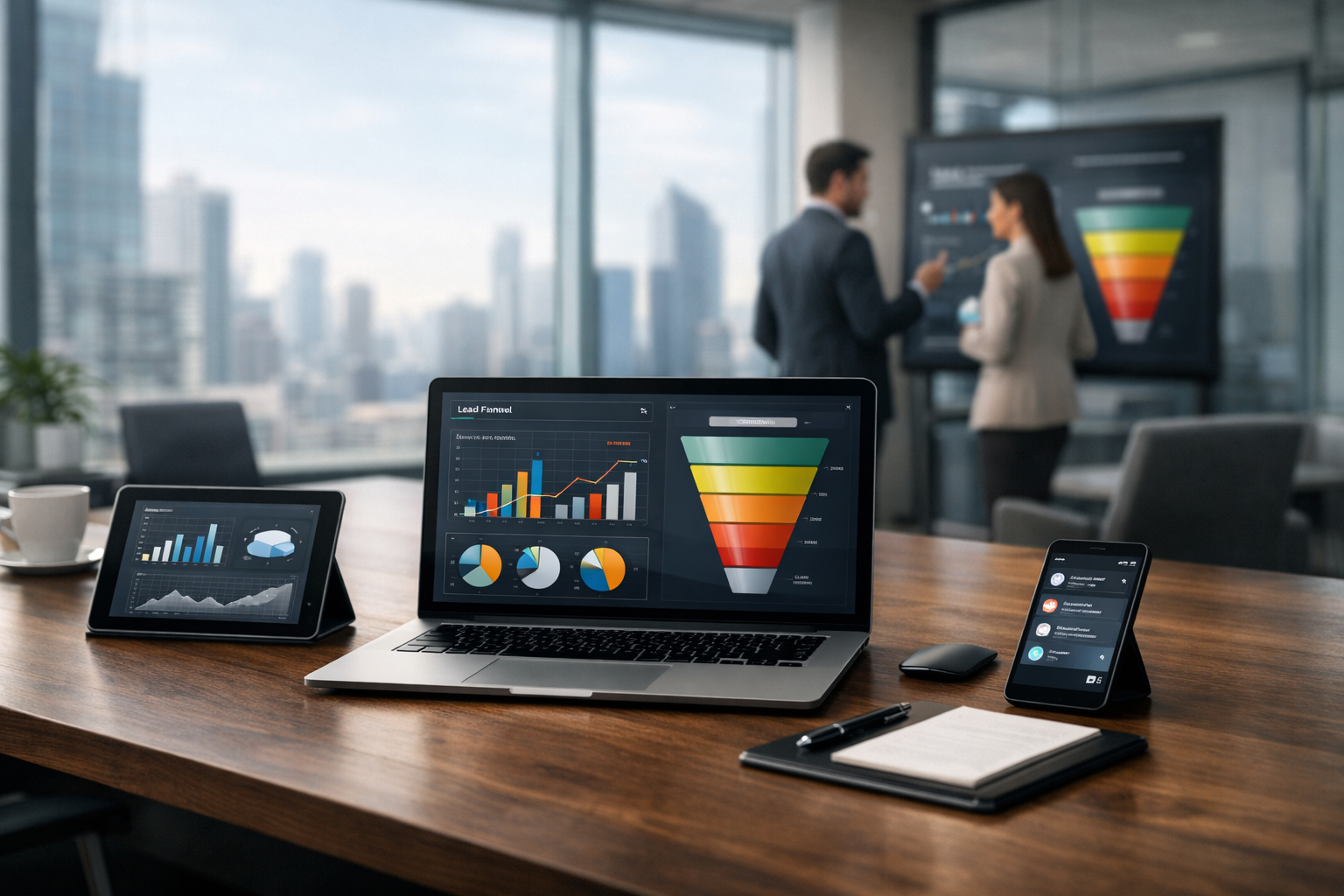
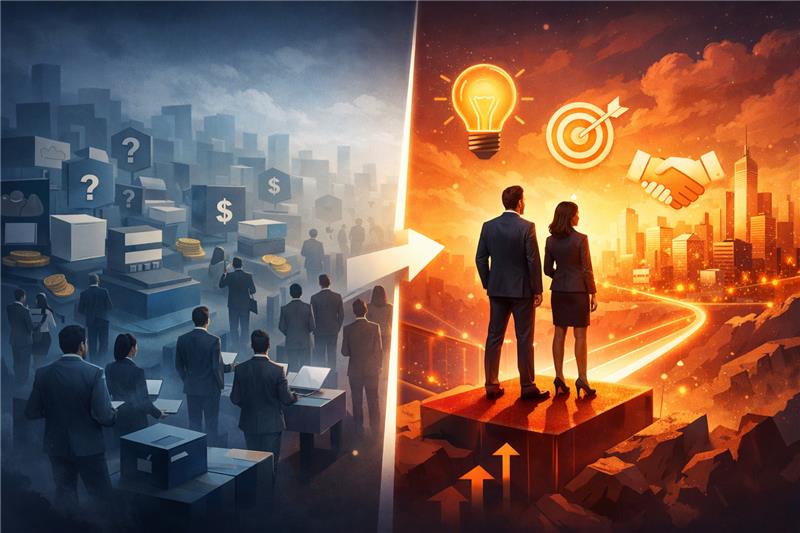
Rigid funnels compound the issue by forcing users down linear paths. Real humans, however, don’t think or behave linearly. Their needs change, questions arise mid-journey, and expectations for instant feedback continue to rise.
The Rise of Real-Time Interactions
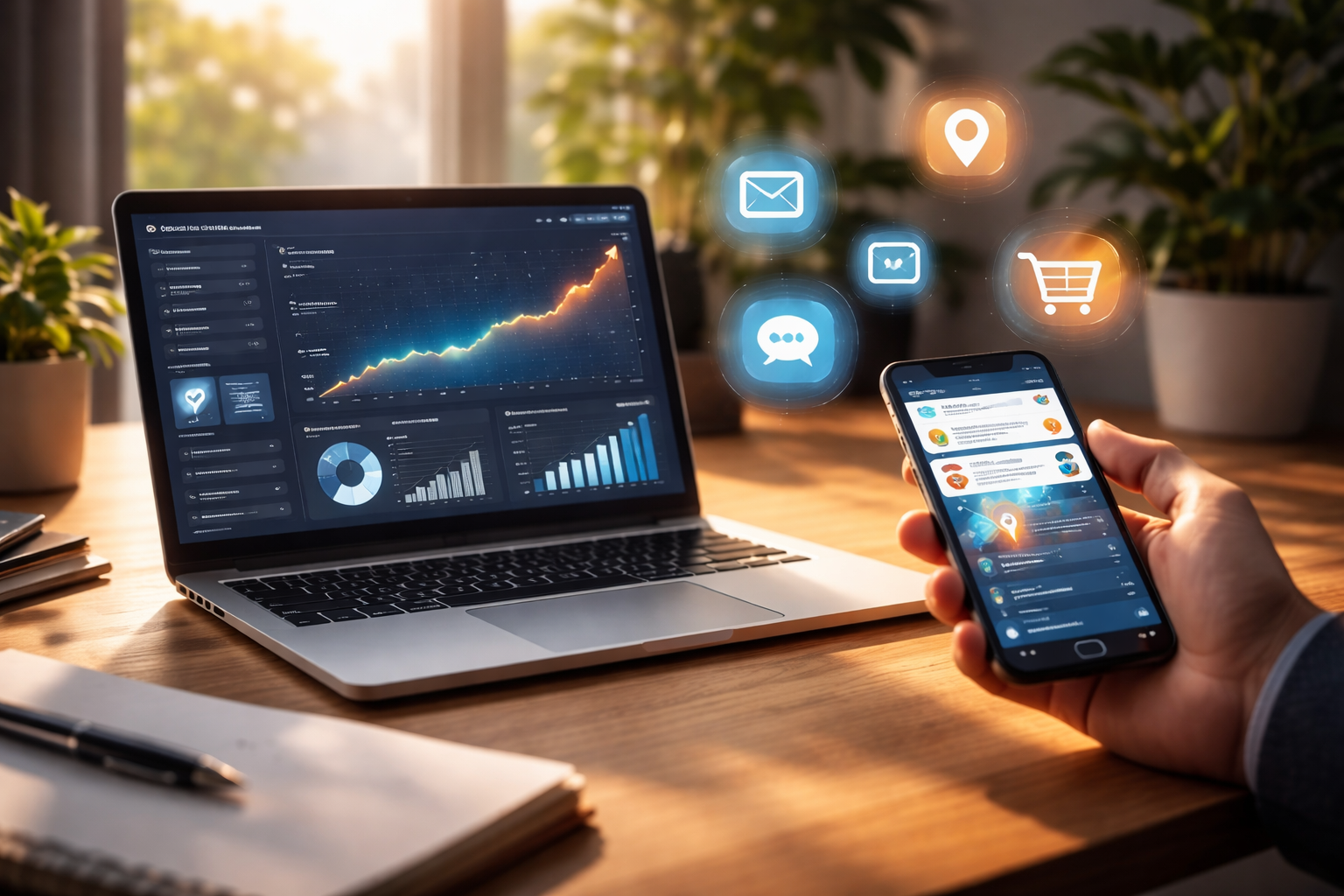
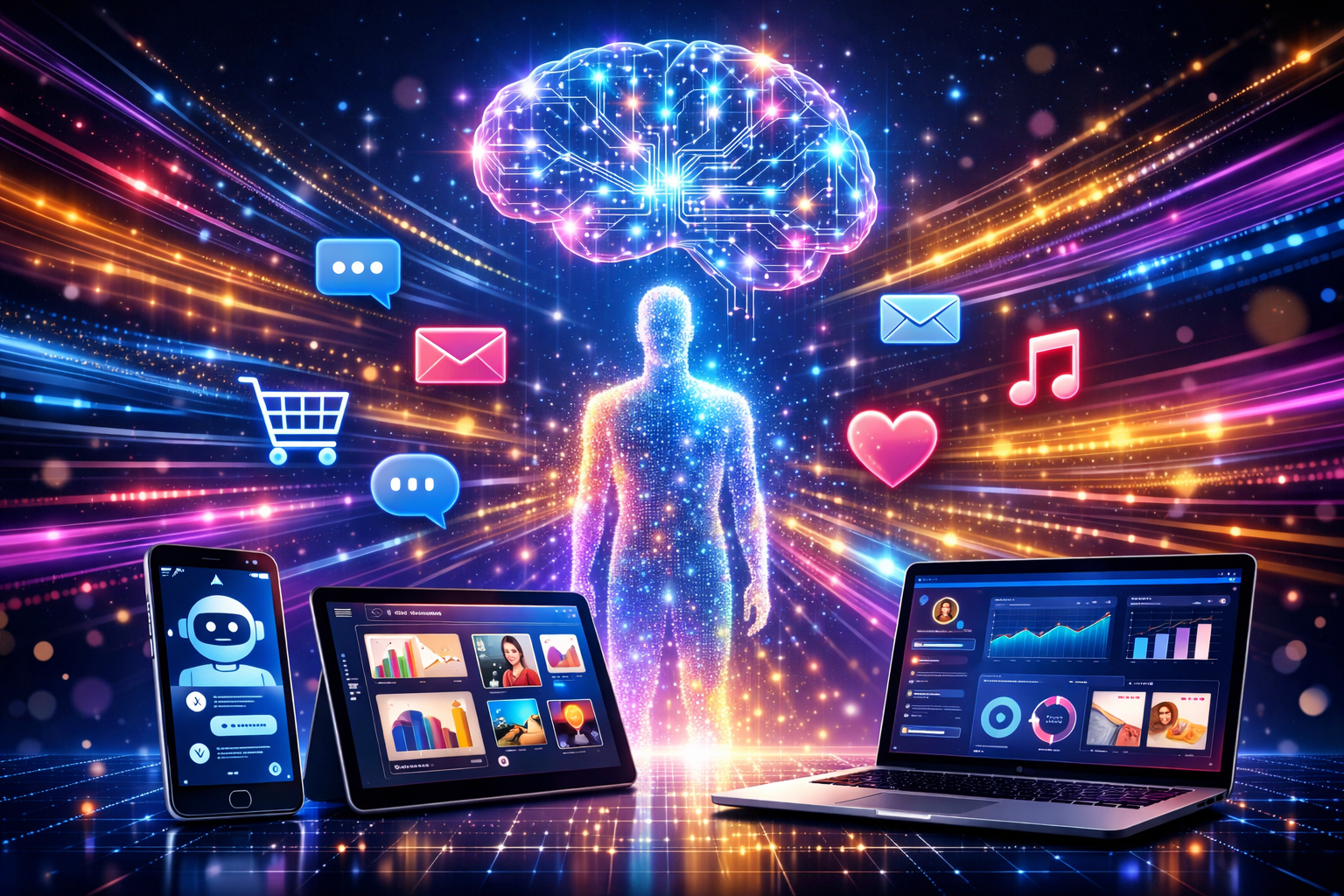
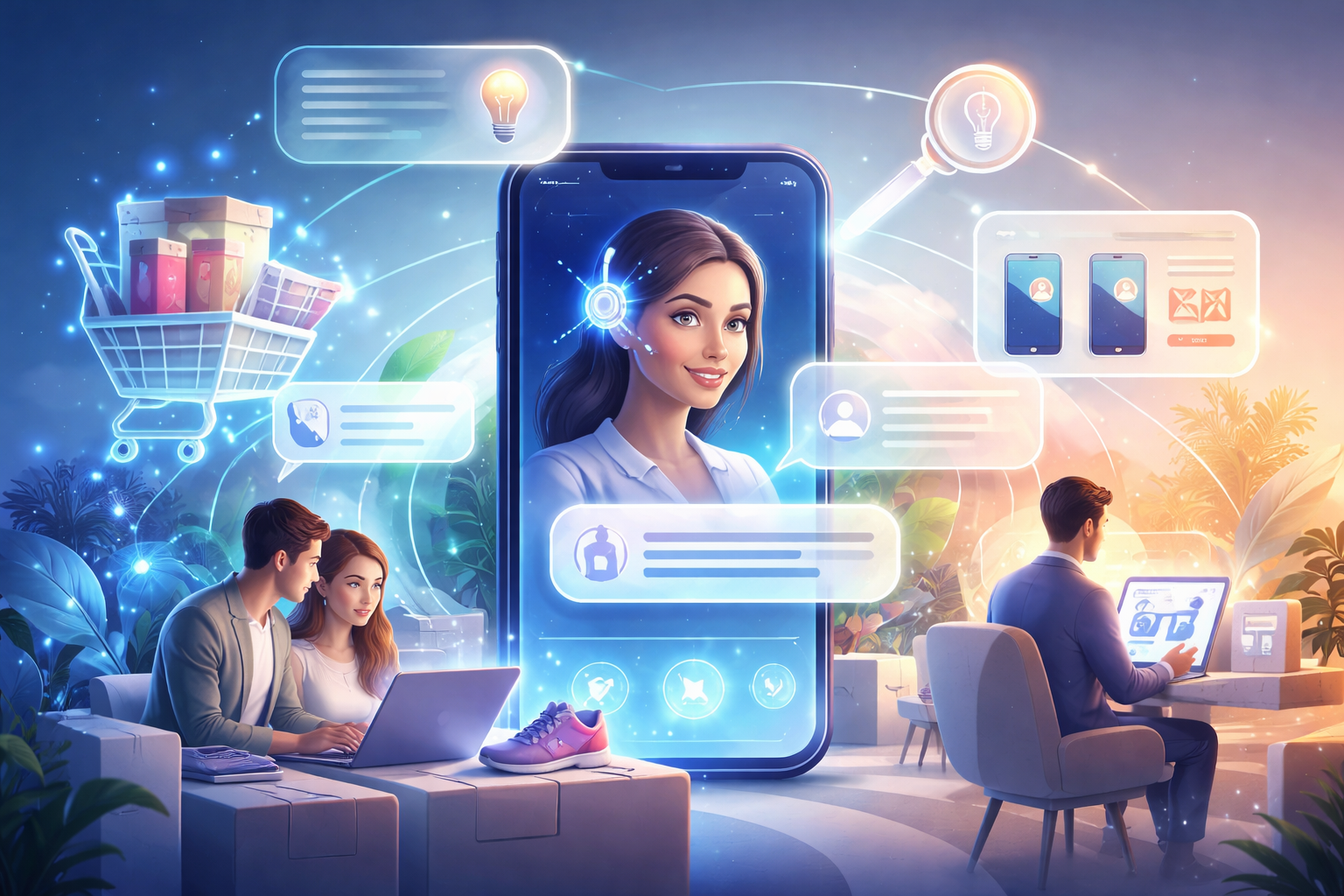
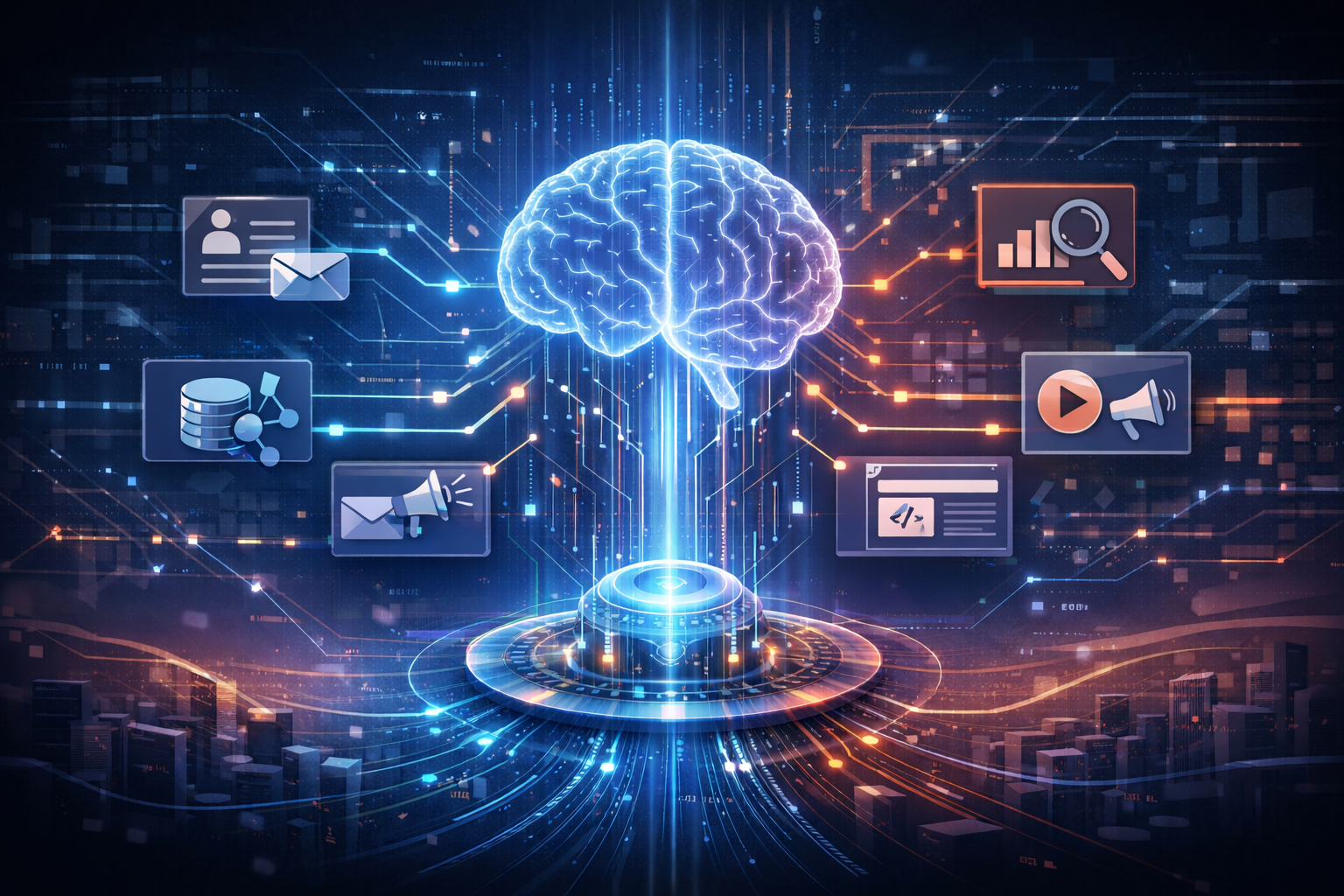
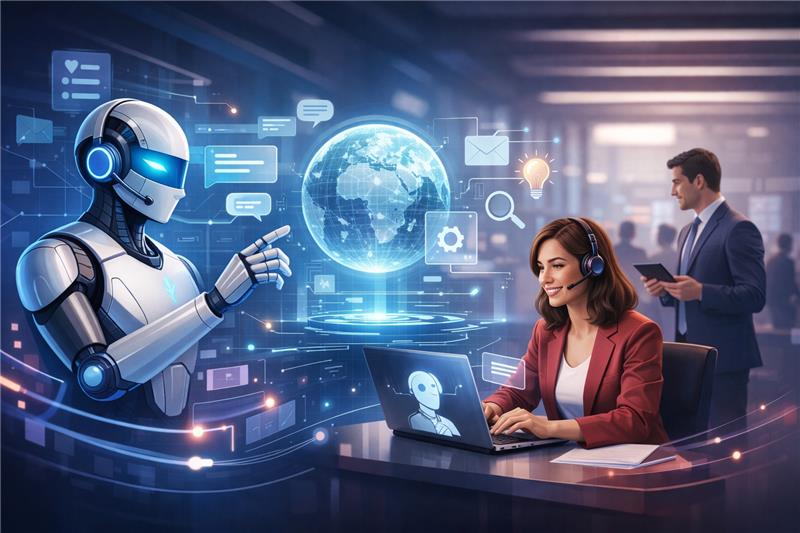
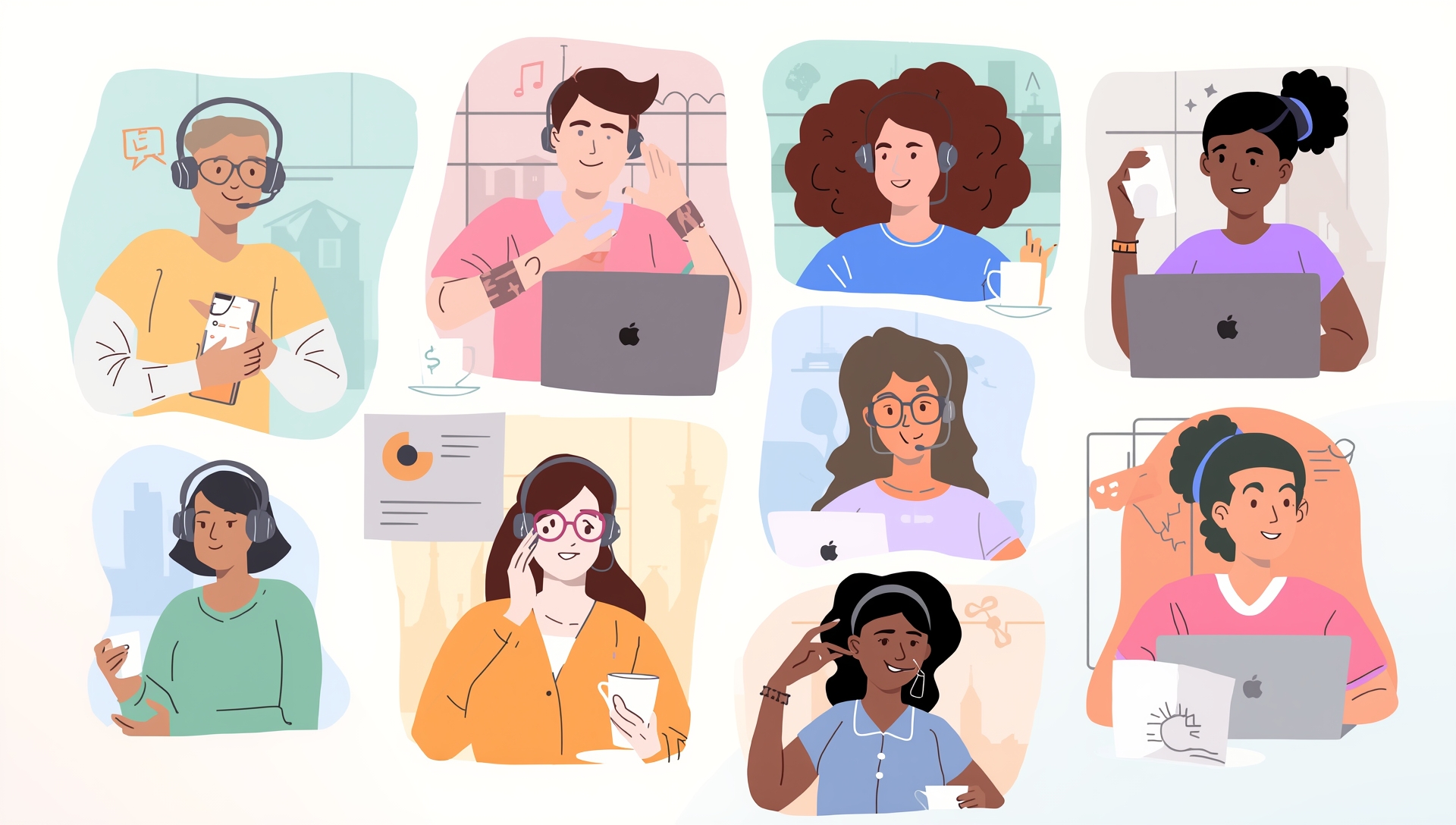
Real-time interactions—live chat, conversational AI, interactive product tours, instant callbacks, and in-app messaging—replace passive data collection with active engagement. Instead of asking users to wait, these experiences respond immediately.
This shift is driven by several forces:
- Consumer expectations shaped by messaging apps
- Advances in AI and automation that enable instant, contextual responses
- Increased competition, where experience is a key differentiator
In a real-time model, the experience adapts to the user—not the other way around.
Conversations Instead of Conversions
Traditional funnels optimize for conversion at each step. Real-time interactions optimize for understanding.
A conversational experience can:
- Ask smarter follow-up questions based on user input
- Adjust tone and depth depending on intent
- Route users instantly to the right resource or human
- Resolve objections the moment they surface
The result is not just higher conversion rates, but better relationships. Users feel guided rather than processed.
Personalization Happens in the Moment
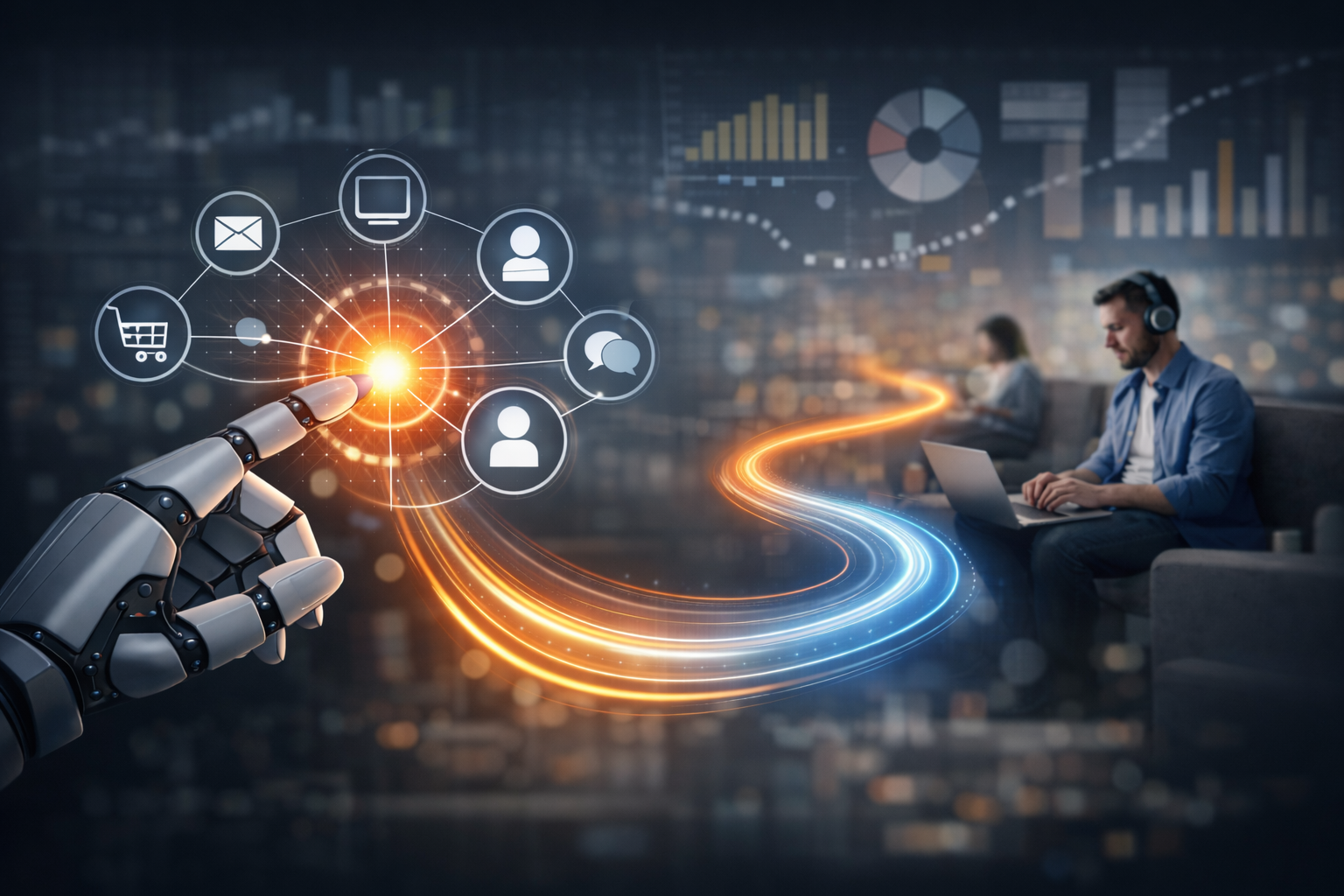
Static personalization relies on historical data—what the user did yesterday or last week. Real-time interactions personalize based on what the user is doing right now.
For example:
- A visitor lingering on pricing can trigger an instant explanation or offer help
- A returning user can be greeted with context-aware suggestions
- A confused user can be assisted before frustration leads to abandonment
This immediacy transforms personalization from a marketing tactic into a core experience principle.
From Funnels to Flexible Journeys
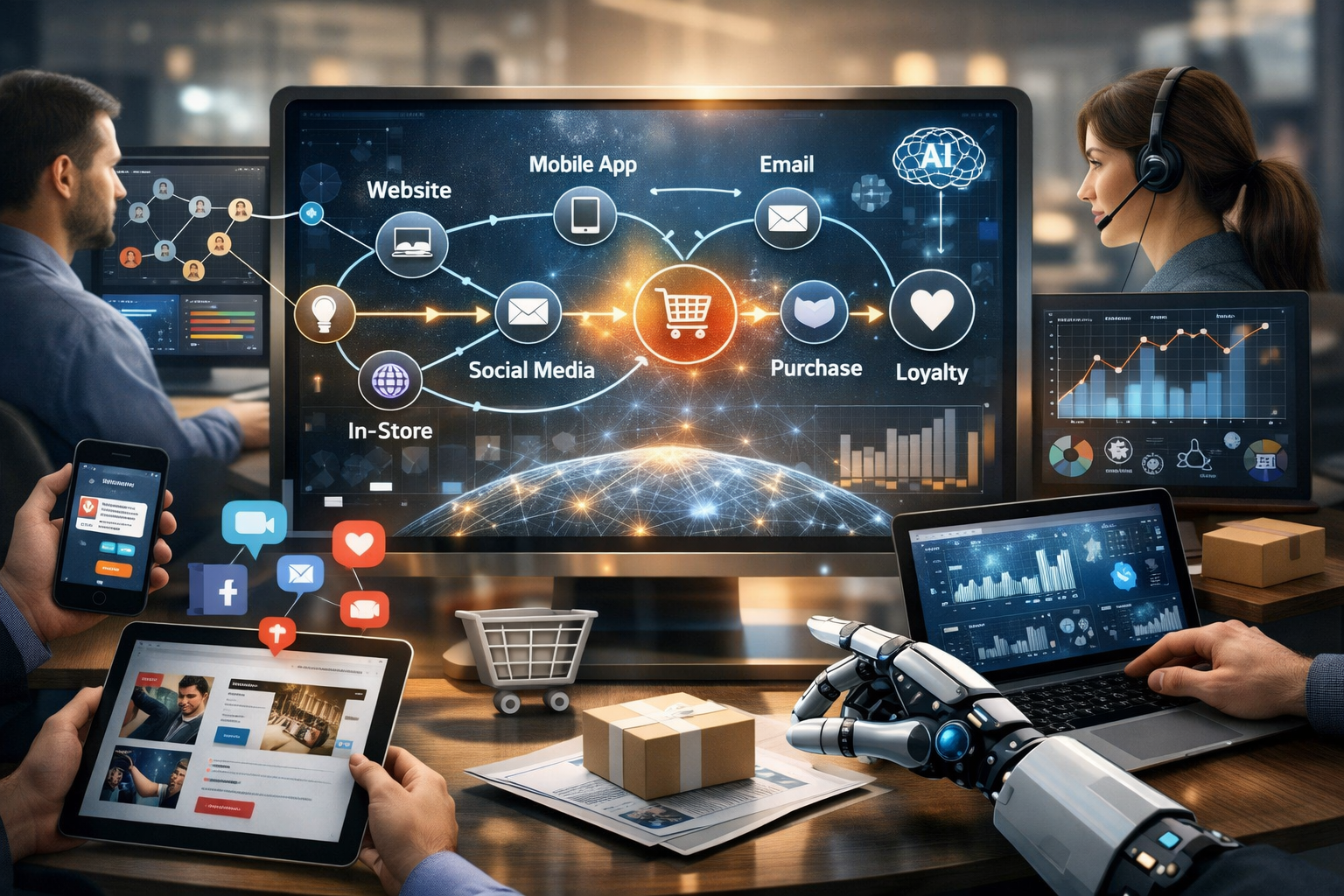
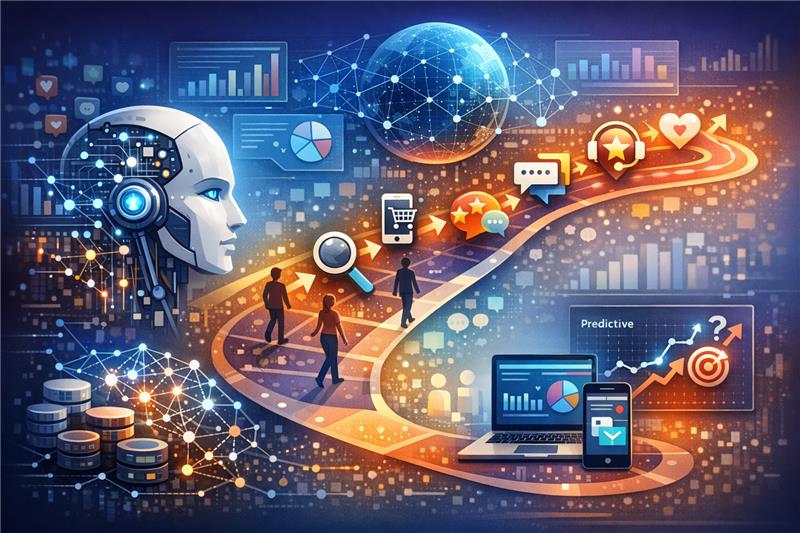
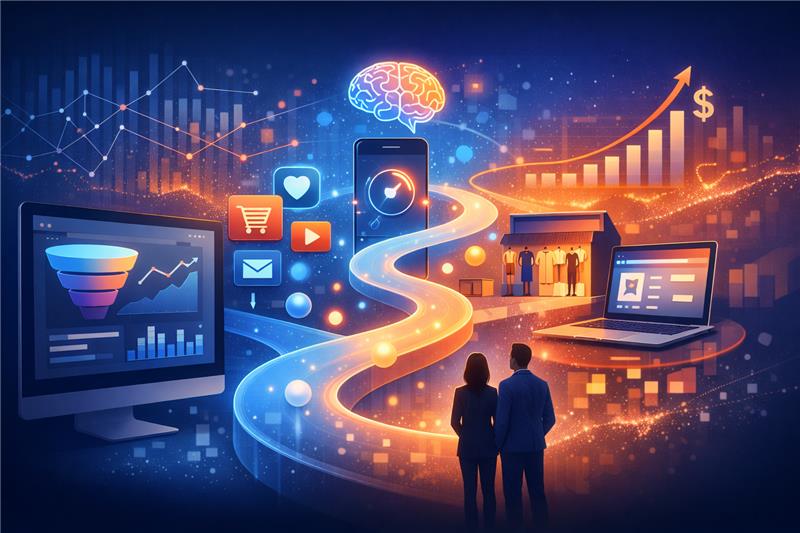
Real-time interactions don’t eliminate funnels—they soften them. The journey becomes flexible, adaptive, and user-led.
Instead of forcing progression:
- Users can jump between stages naturally
- Intent is detected rather than assumed
- Outcomes emerge from dialogue, not coercion
This model respects user autonomy while still guiding them toward meaningful outcomes.
Business Impact Beyond Conversion
The benefits extend well beyond marketing metrics:
- Shorter sales cycles through instant qualification and answers
- Higher-quality leads due to better intent capture
- Reduced support load through proactive assistance
- Stronger brand trust built on responsiveness and relevance
Read Also: Employee Influencers & Personal Branding: The Most Underutilized Martech-Enabled Channels