
For years, marketing technology has focused on optimizing paid media, owned channels, and customer data platforms. Yet one of the most credible, scalable, and cost-efficient channels already exists inside organizations—employees with personal brands.
Employee influencers are no longer just “nice-to-have” culture boosters. When strategically enabled, governed, and measured, employee personal brands function as high-trust, high-reach Martech-enabled distribution channels.
In an era of ad fatigue, declining organic reach, and increasing skepticism toward brand messaging, people—not logos—drive influence.
The Shift: From Corporate Voice to Human Distribution
Traditional marketing relies on:
- Brand social handles
- Paid amplification
- Centralized content calendars
But audiences increasingly trust:
- Industry experts
- Practitioners sharing lived experiences
- Employees speaking authentically, not “on brand”
This shift has made employee voices outperform brand channels on engagement, credibility, and conversion—especially on LinkedIn, X, YouTube, and podcasts.
Brands don’t build trust. People do.
Employee Influencers as Martech Channels
When viewed through a Martech lens, employee influencers are not just advocates—they are distributed media assets.
Think of Employees as:
| Traditional Martech Asset | Employee Equivalent |
| Paid media channel | Personal LinkedIn/Twitter audience |
| Brand blog | Employee thought leadership posts |
| Retargeting | Ongoing narrative reinforcement |
| Influencer partnerships | Internal subject-matter experts |
| CRM touchpoints | Relationship-based engagement |
Each employee brand becomes a node in a decentralized content network—with built-in trust and organic reach.
Why Employee Influencers Outperform Brand Channels
- Algorithm Advantage
Social platforms reward individual accounts over corporate pages. Employees:
- Get higher organic reach
- Face fewer distribution penalties
- Generate stronger engagement velocity
- Trust & Authenticity
Audiences perceive employee content as:
- Less scripted
- More credible
- More relevant to real-world problems
- Compounding Reach
Unlike paid campaigns that stop when budgets end, personal brands compound:
- Followers accumulate
- Authority increases
- Engagement grows over time
This makes employee influencers one of the highest ROI long-term channels available.
Personal Branding as a Strategic Growth Asset
Personal branding is often misunderstood as self-promotion. In reality, it is strategic reputation management.
When aligned with company goals, employee brands:
- Humanize complex products
- Shorten sales cycles through trust
- Attract higher-quality talent
- Strengthen employer branding
- Reduce reliance on paid media
The strongest companies don’t suppress employee voices—they orchestrate them.
The Martech Stack Behind Employee Influence
To scale employee influencers responsibly, companies must treat them as enabled channels, not uncontrolled risks.
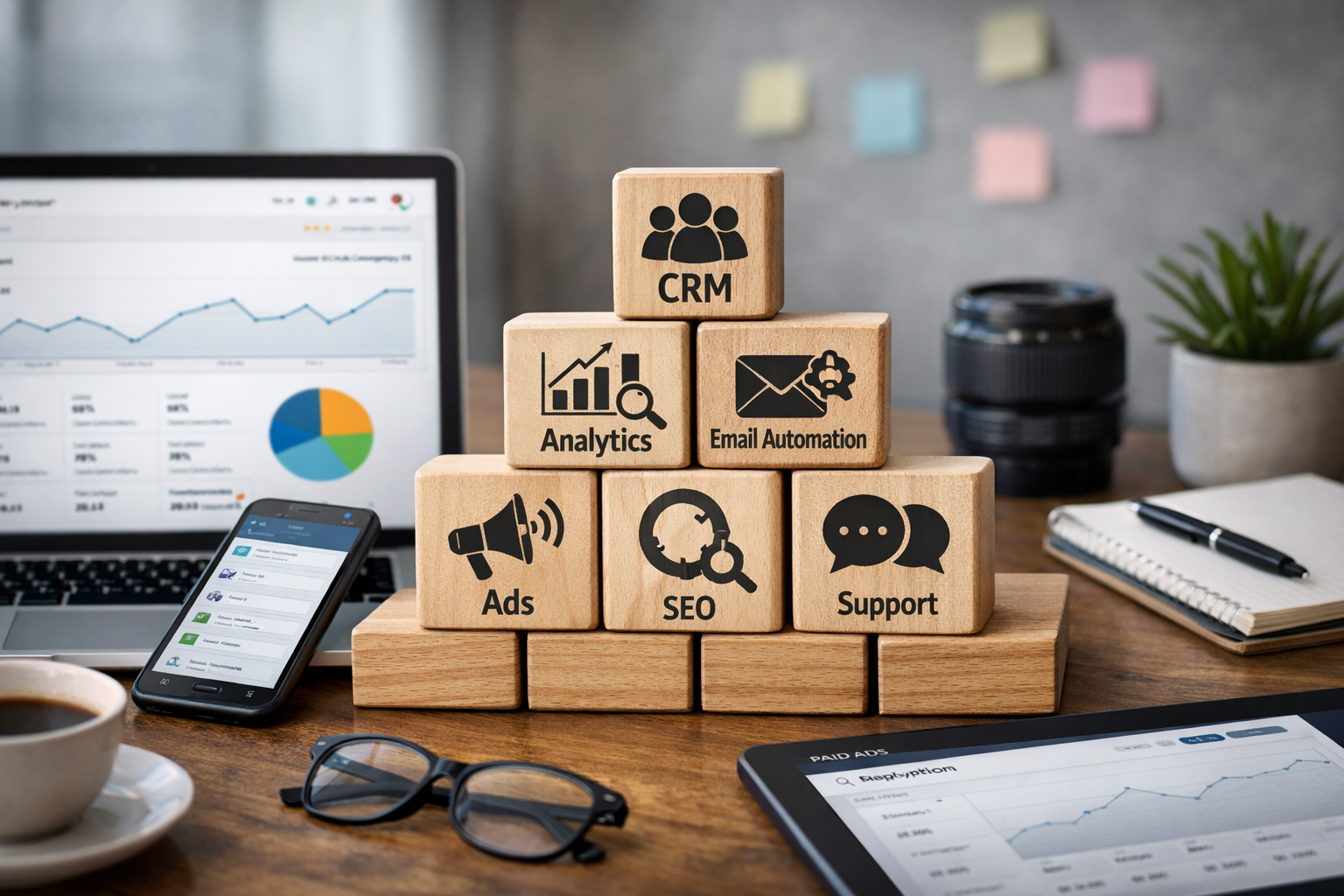
Key Martech Enablers
- Employee Advocacy Platforms
- Enable content sharing
- Track reach and engagement
- Maintain compliance
Examples: Hootsuite Amplify, Sprout Advocacy, EveryoneSocial
- Content Intelligence Tools
- Identify what topics perform best
- Optimize timing and formats
Examples: Shield Analytics (LinkedIn), Hootsuite Insights
- CRM & Attribution
- Connect employee content to pipeline influence
- Measure assisted conversions
Examples: HubSpot, Salesforce (with social attribution models)
- Governance & Enablement
- Brand guidelines for personal accounts
- Legal-safe messaging frameworks
- Tone, positioning, and disclosure best practices
Governance Without Killing Authenticity
The biggest mistake companies make is over-controlling employee voices.
Effective governance is:
- Principles-based, not script-based
- Educational, not restrictive
- Designed to empower, not police
Best Practices:
- Provide content pillars, not copy-paste posts
- Train employees on storytelling, not slogans
- Encourage opinions—with responsibility
- Respect that employees own their accounts
Authenticity cannot be automated—but it can be enabled.
Measuring Impact: What Actually Matters
Employee influence should be measured differently from paid media.
Meaningful Metrics:
- Engagement rate vs brand channels
- Share of voice in key industry topics
- Sales conversations influenced
- Talent pipeline quality
- Follower growth of strategic employees
The goal is not vanity metrics—it’s trust velocity.
Real-World Use Cases
B2B SaaS
Sales leaders and product experts build authority on LinkedIn, warming prospects before sales calls even begin.
Employer Branding
Employees share behind-the-scenes culture and growth stories, outperforming recruitment ads.
Thought Leadership
Executives and subject-matter experts shape industry narratives faster than PR cycles allow.
The Future: Employee Influence as Core GTM Infrastructure
In the next phase of Martech evolution:
- Employee brands will be embedded into GTM strategy
- Personal brand analytics will sit alongside CRM dashboards
- Influence will be treated as an owned growth asset
Companies that win will not ask:
“How do we control what employees say?”
They’ll ask:
“How do we help our people become trusted voices in the market?”
Read also: MarTech Ops & RevOps: From System Custodians to Strategic Owners of Technology Decisions