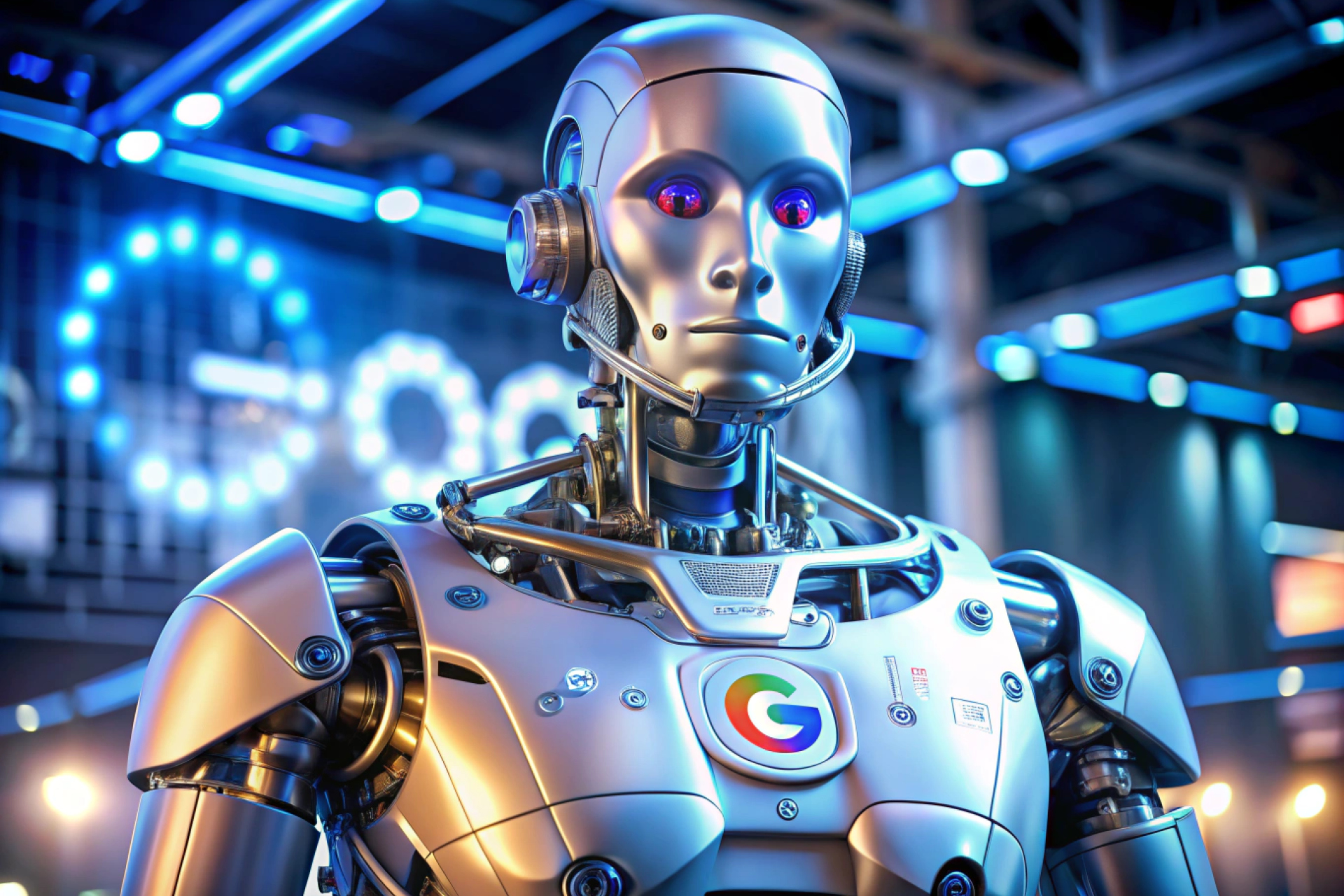

Artificial intelligence is transforming cybersecurity at an unprecedented pace. While AI strengthens defenses through automation and predictive analytics, it also empowers attackers with tools that are faster, smarter, and harder to detect. For organizations navigating this dual-use landscape, understanding AI-driven threats—and how to counter them—is now a strategic necessity.
This article explores the most significant cybersecurity risks emerging in the age of AI and the practical strategies organizations can adopt to stay resilient.
The AI Effect: Why Cybersecurity Has Changed
Traditional cybersecurity relied heavily on known signatures, static rules, and manual investigation. AI changes the game by enabling:
- Automation at scale, allowing both defenders and attackers to move faster.
- Pattern recognition beyond human capacity, identifying subtle anomalies or vulnerabilities.
- Adaptive learning, where systems evolve continuously based on new data.
This shift means cyberattacks are no longer isolated events—they are adaptive, persistent, and increasingly autonomous.
New AI-Driven Cyber Threats
- AI-Powered Phishing and Social Engineering
AI enables attackers to craft highly personalized phishing messages by analyzing publicly available data, social media, and breached datasets. These messages:
- Mimic writing styles and organizational tone.
- Adapt in real time based on user responses.
- Bypass traditional spam filters.
Impact: Higher success rates and increased risk of credential theft and financial fraud.
- Deepfakes and Synthetic Identity Attacks
Advancements in generative AI allow attackers to create realistic audio, video, and images that impersonate executives, employees, or trusted partners.
Use cases include:
- Voice deepfakes authorizing fraudulent transactions.
- Synthetic identities used to bypass Know Your Customer (KYC) checks.
- Fake video calls to manipulate employees into sharing sensitive data.
- Automated Vulnerability Discovery and Exploitation
AI-driven tools can scan codebases, networks, and applications to identify weaknesses faster than traditional methods.
Risk factors:
- Rapid discovery of zero-day vulnerabilities.
- Automated exploitation at scale.
- Reduced attacker skill barrier.
- Data Poisoning and Model Manipulation
As organizations adopt machine learning models, attackers target the models themselves.
Examples include:
- Poisoning training data to bias model outputs.
- Manipulating inputs to cause incorrect predictions (adversarial attacks).
- Stealing or reverse-engineering proprietary models.
- AI-Enhanced Malware
Modern malware can now:
- Adapt behavior to evade detection.
- Learn from sandbox environments.
- Decide when to remain dormant or activate.
This makes traditional signature-based defenses increasingly ineffective.
Protective Strategies for the AI Era
- AI-Augmented Defense Systems
Defenders must fight AI with AI. Modern security platforms use machine learning to:
- Detect anomalies in real time.
- Identify behavioral patterns rather than known signatures.
- Automate incident triage and response.
This reduces mean time to detect (MTTD) and mean time to respond (MTTR).
- Zero Trust Architecture
Assume no user, device, or system is inherently trustworthy.
Key principles:
- Continuous authentication and authorization.
- Least-privilege access.
- Microsegmentation of networks.
Zero Trust limits lateral movement, even if an attacker gains access.
- Securing AI Systems Themselves
AI models must be treated as critical assets.
Best practices include:
- Strict access control to training data and models.
- Model monitoring for abnormal behavior.
- Regular retraining using validated and trusted datasets.
- Red-teaming AI systems for adversarial attacks.
- Human-Centered Security Training
AI amplifies social engineering risks, making people a critical line of defense.
Effective training focuses on:
- Recognizing AI-generated phishing and deepfakes.
- Verifying requests for sensitive actions through secondary channels.
- Building a culture of “trust but verify.”
- Governance, Ethics, and Compliance
AI security must align with regulatory and ethical standards.
Organizations should:
- Establish clear AI usage and security policies.
- Maintain audit trails for AI-driven decisions.
- Ensure compliance with data protection regulations.
- Define accountability for AI-related incidents.
- Continuous Threat Intelligence
AI-enabled threats evolve rapidly. Security teams must:
- Integrate real-time threat intelligence feeds.
- Share insights across industry groups.
- Continuously update detection models and response playbooks.
The Role of Leadership in AI Cybersecurity
Cybersecurity in the AI age is not just a technical challenge—it’s a leadership responsibility. Executives must:
- Treat AI security as a board-level issue.
- Invest in both technology and skills.
- Balance innovation with risk management.
Organizations that fail to adapt risk falling behind not only in security, but in trust and credibility.
Looking Ahead: A Dynamic Arms Race
AI has turned cybersecurity into a continuous arms race. Attackers will continue to innovate, but so will defenders. The organizations that succeed will be those that:
- Embrace AI responsibly.
- Build adaptive, layered defenses.
- Empower people with knowledge and accountability.
In the age of AI, cybersecurity is no longer about building higher walls—it’s about creating smarter, more resilient systems that can learn, adapt, and respond in real time.
Read Also: How AI Is Changing B2B Partner Ecosystems