
In the B2B world, generating leads is only half the battle — the real challenge lies in converting those leads into paying customers. B2B sales cycles are often long, complex, and involve multiple decision-makers. To succeed, businesses must employ targeted strategies that nurture leads, build trust, and align sales and marketing efforts. This article outlines the best practices B2B businesses can follow to increase lead-to-sale conversion rates.
1. Qualify Leads Effectively
Not all leads are created equal. A key to improving conversions is focusing on leads with a high likelihood of buying. Use the BANT framework (Budget, Authority, Need, Timing) or other qualification criteria like ICP (Ideal Customer Profile) and buyer personas to score and prioritize leads.
Tips:
- Implement lead scoring based on behavioral and demographic data.
- Use tools like CRM and marketing automation platforms to streamline qualification.
2. Align Sales and Marketing Teams
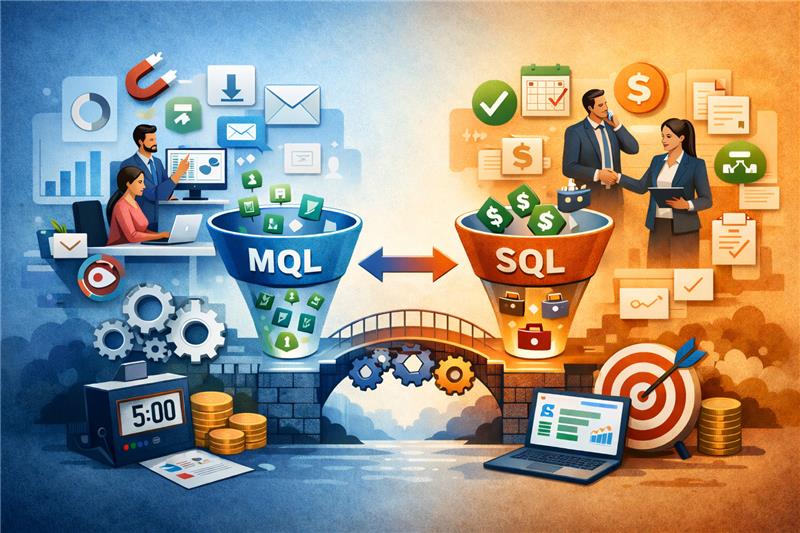
Sales and marketing misalignment is a common barrier in B2B conversions. When these departments work in silos, leads fall through the cracks. Ensure both teams have shared goals, KPIs, and a feedback loop.
Tips:
- Develop a shared definition of a Marketing Qualified Lead (MQL) and Sales Qualified Lead (SQL).
- Hold regular joint meetings and use collaborative tools like Slack, Asana, or HubSpot.
3. Nurture Leads with Relevant Content
Only a small percentage of B2B leads are ready to buy immediately. Lead nurturing helps build relationships and move prospects through the funnel by offering value at each stage of the buyer’s journey.
Tips:
- Use personalized email drip campaigns to educate and engage.
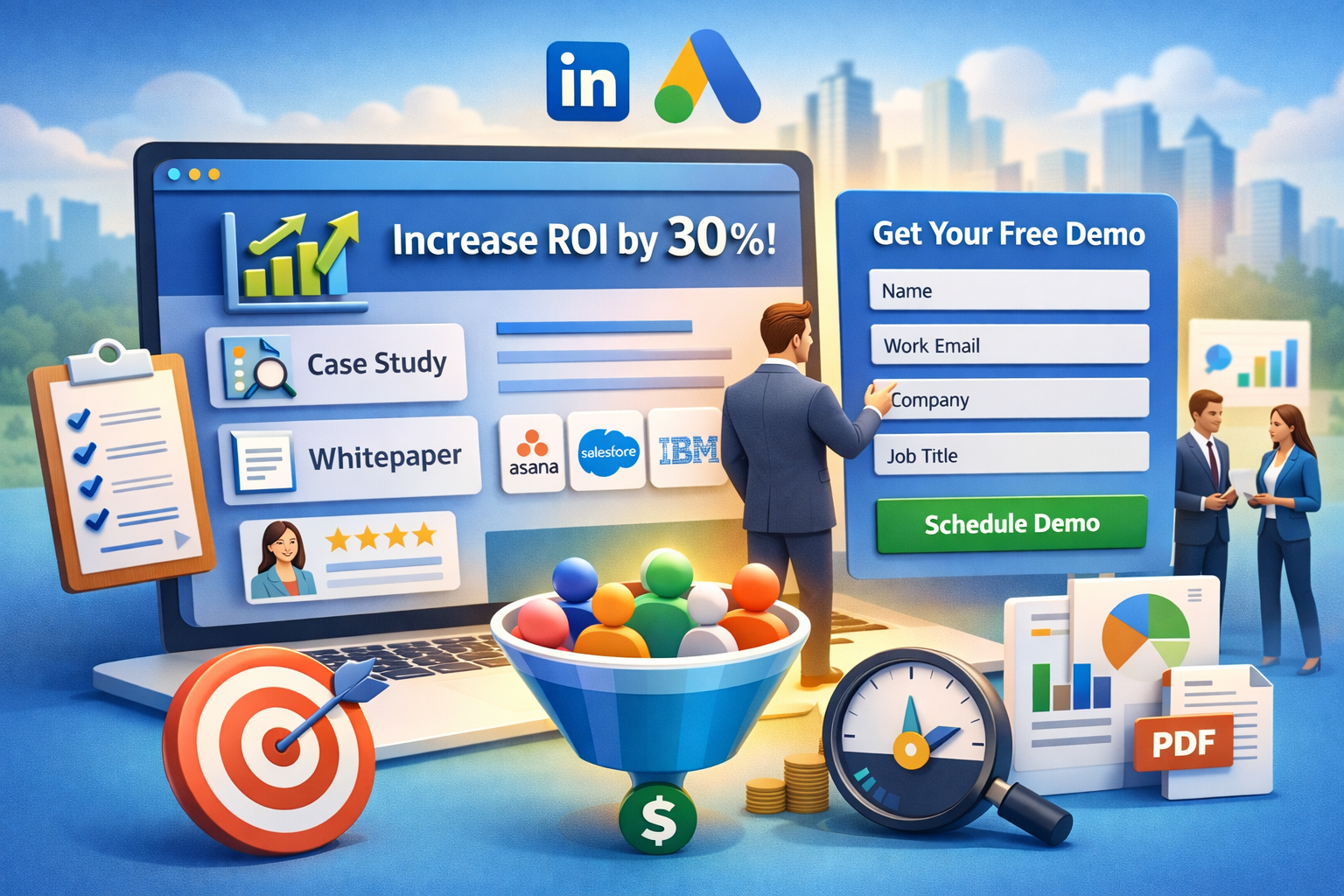
- Offer downloadable resources like whitepapers, case studies, and webinars tailored to specific pain points.
- Leverage retargeting ads to stay top-of-mind.
4. Use Multi-Channel Outreach
Different leads respond to different touchpoints. Using a mix of communication channels increases the chances of engagement and conversion.
Channels to Consider:
- Email marketing
- LinkedIn outreach
- Webinars and live demos
- Phone calls and video meetings
- Industry events and trade shows
5. Optimize the Sales Funnel
A poorly structured sales funnel can lose even the best leads. Review and refine your funnel regularly to remove friction points.
Best Practices:
- Shorten the time between initial contact and follow-up.
- Ensure each funnel stage has a clear CTA (Call to Action).
- Track conversion rates and drop-offs using analytics tools like Google Analytics or Salesforce.
6. Build Trust Through Social Proof and Transparency
B2B purchases involve risk, and buyers seek assurance. Offering credible social proof can ease hesitation and accelerate decision-making.
Ways to Build Trust:
- Display testimonials and client logos on your website.
- Share detailed case studies with measurable outcomes.
- Offer transparent pricing or ROI calculators.
7. Provide a Seamless Sales Experience
How your sales team interacts with leads can make or break the deal. Train your reps to be consultative rather than pushy.
Tips:
- Use CRM data to personalize conversations.
- Actively listen and tailor solutions to the prospect’s unique challenges.
- Follow up promptly and professionally.
8. Leverage Technology and Automation
Modern B2B sales rely heavily on technology to track, engage, and convert leads more efficiently.
Recommended Tools:
- CRM (e.g., HubSpot, Salesforce): Centralize lead data and track interactions.
- Marketing Automation (e.g., Marketo, ActiveCampaign): Automate nurturing workflows.
- Sales Enablement Tools (e.g., Outreach, Salesloft): Streamline outreach and follow-ups.
9. Analyze and Iterate
Continually measure the performance of your lead-to-sale process. Use data to identify bottlenecks and optimize your approach.
Metrics to Track:
- Lead-to-MQL and MQL-to-SQL conversion rates
- Sales cycle length
- Customer acquisition cost (CAC)
- Close rate by lead source
Final Thoughts
Converting B2B leads into sales is not about quick wins — it’s about creating meaningful relationships, delivering value, and being consistent in execution. By adopting a strategic, data-driven approach and aligning your teams, you’ll see more leads turn into loyal customers.
Read Also: How to Integrate Sustainability into Your B2B Supply Chain