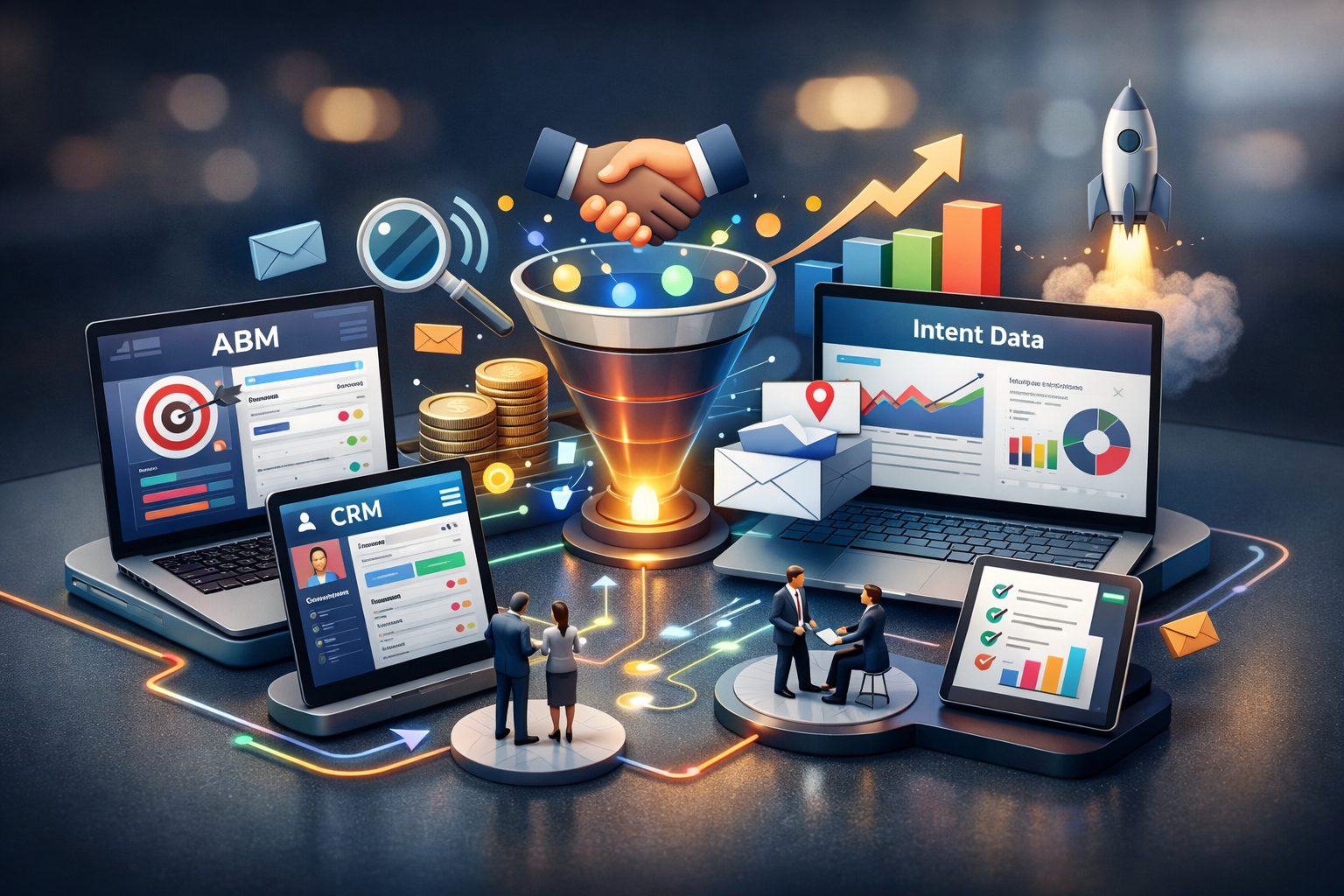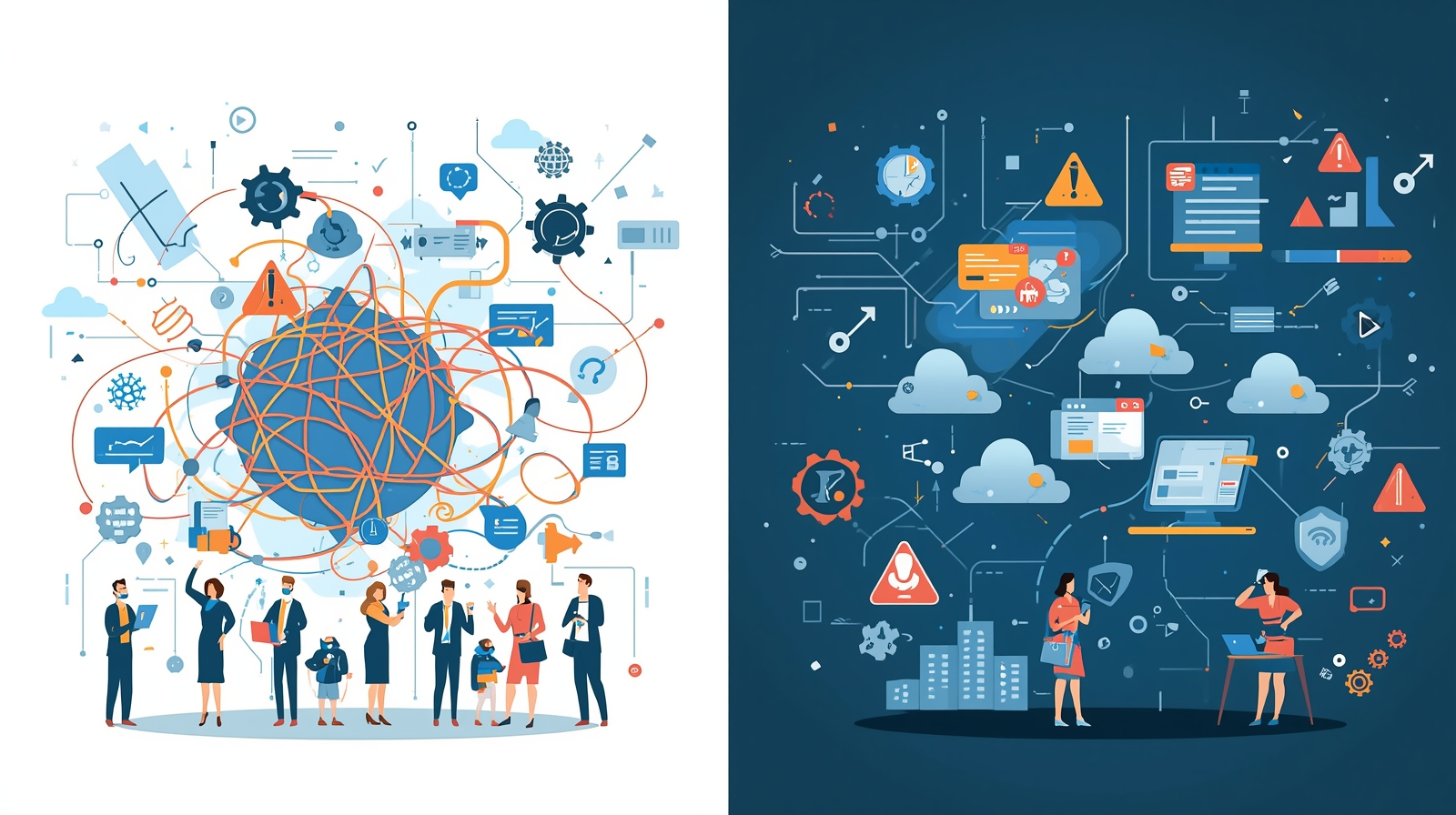

In today’s hyper-personalized B2B landscape, Account-Based Marketing (ABM) has evolved from a niche tactic to a mainstream growth strategy. At the heart of this evolution is MarTech (Marketing Technology) — the engine that enables data-driven targeting, scalable personalization, and real-time engagement. In 2025, success in ABM hinges not only on strategy but also on the smart use of MarTech tools.
🔍 What is ABM and Why Does It Matter in B2B?
Account-Based Marketing focuses on identifying high-value accounts and treating them as individual markets. Instead of casting a wide net, ABM targets specific businesses with tailored campaigns, aligning sales and marketing to drive revenue from a smaller, more strategic audience.
Key Benefits of ABM:
- Higher ROI than traditional marketing
- Stronger alignment between sales and marketing teams
- Shortened sales cycles
- More personalized and relevant engagement
💡 The Role of MarTech in ABM
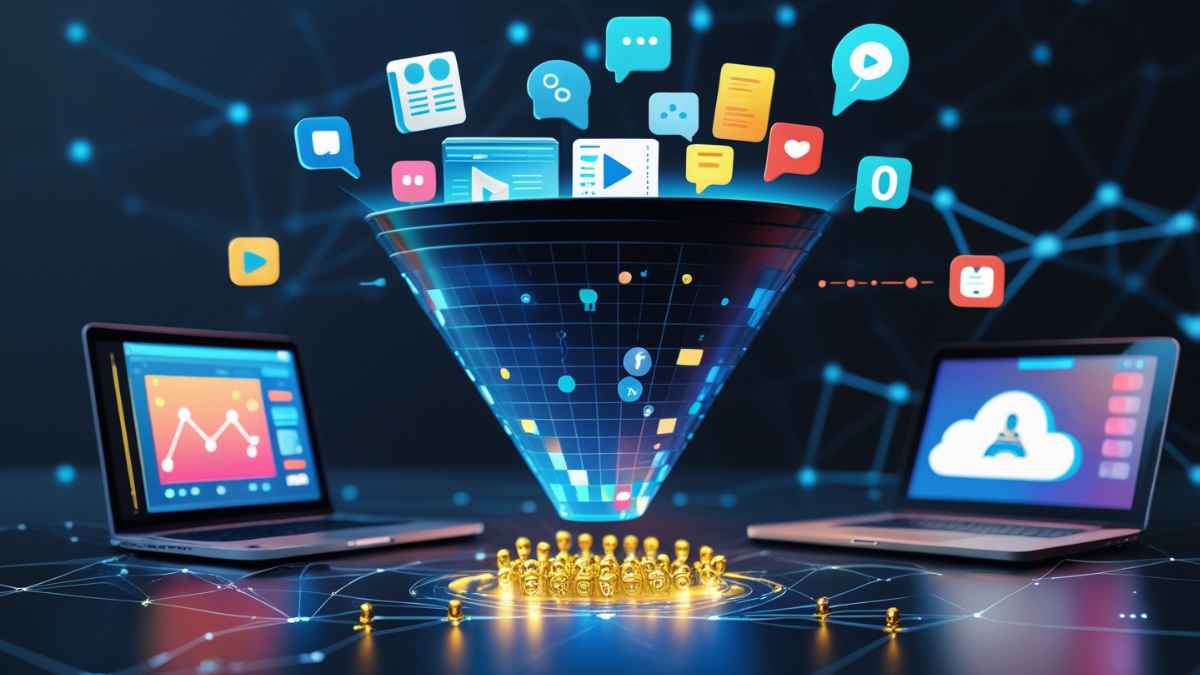
MarTech empowers ABM at every stage of the funnel, from account identification to pipeline acceleration. Here’s how:
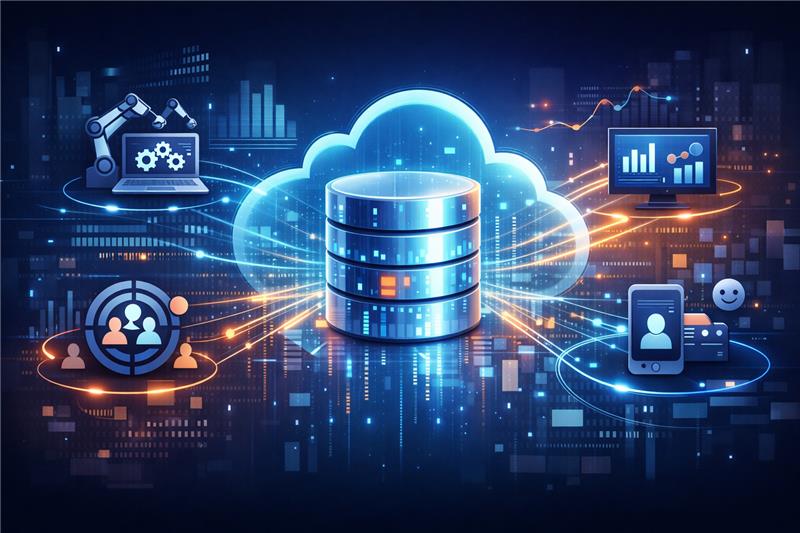
1. Data & Intelligence Platforms
Success in ABM begins with the right data.
Top Tools:
- ZoomInfo – For firmographic, technographic, and intent data
- Clearbit – Enriches account profiles in real-time
- 6sense – Provides deep predictive analytics and buying stage data
These platforms help identify ideal customer profiles (ICPs), surface in-market accounts, and inform segmentation strategies.
2. Customer Relationship Management (CRM) Integration
A seamless ABM strategy requires tight integration with CRMs like Salesforce, HubSpot, or Microsoft Dynamics. These systems act as the central hub for aligning sales and marketing data, tracking engagement, and ensuring unified messaging.
3. Personalization Engines & Web Optimization
Personalized experiences move accounts through the funnel.
Key Players:
- Mutiny – Dynamically personalizes web content for ABM audiences
- Uberflip – Delivers personalized content hubs
- PathFactory – Optimizes content journeys using engagement data
These tools help convert anonymous traffic into qualified account-level engagement by customizing site experiences in real time.
4. Multi-Channel Engagement Platforms
Orchestrating personalized outreach across channels is vital. Email, ads, social, and direct mail must be coordinated.
Leading Solutions:
- Terminus – Account-based advertising, chat, and web personalization
- Demandbase – Full-funnel ABM orchestration with AI targeting
- RollWorks – Scalable engagement for small to mid-size B2B teams
These platforms automate engagement workflows and measure account progression across the buyer’s journey.
5. Intent Data Platforms
Intent signals reveal when accounts are actively researching solutions — a key to timing ABM outreach.
Intent Leaders:
- Bombora – Gathers and scores intent signals from across the web
- G2 Buyer Intent – Indicates interest based on review site activity
- Leadfeeder (now Dealfront) – Tracks company-level website visits
Using intent data ensures outreach happens when prospects are most receptive.
6. Sales Enablement and Alignment Tools
ABM only works when sales and marketing are in sync. Tools like Outreach, Salesloft, and Seismic enable SDRs and AEs to deliver consistent, personalized follow-ups using content aligned with campaign goals.
Read Also: The Rise of AI in Marketing Automation: Transforming How Brands Engage
📊 Measuring ABM Success with MarTech
Traditional metrics like open rates and clicks aren’t enough. ABM measurement should focus on:
- Account Engagement Score – Composite metric of all account activity
- Pipeline Velocity – How fast accounts move through the funnel
- Influenced Revenue – Revenue from accounts engaged in ABM campaigns
- Account Reach – % of target accounts reached or engaged
MarTech tools like Bizible, Full Circle Insights, or Dreamdata help attribute and visualize ABM success across touchpoints.
🔄 2025 Trends in ABM + MarTech
- AI-Powered Segmentation – Automating ideal account selection using ML
- Predictive Orchestration – Tools that optimize campaign timing and messaging
- Real-Time Buyer Journey Tracking – Mapping engagement across complex buying committees
- ABM for Expansion & Retention – Moving beyond acquisition into customer success
✅ Final Takeaways
MarTech is no longer optional in ABM — it’s the enabler of precision, scale, and agility. The most successful B2B organizations in 2025 are those that:
- Invest in a connected MarTech stack
- Align sales and marketing operations
- Leverage intent and behavioral data for timing
- Prioritize personalization at scale
- Continuously optimize based on real-time analytics
Read Also: Best Email Marketing Tools for Automation in 2025