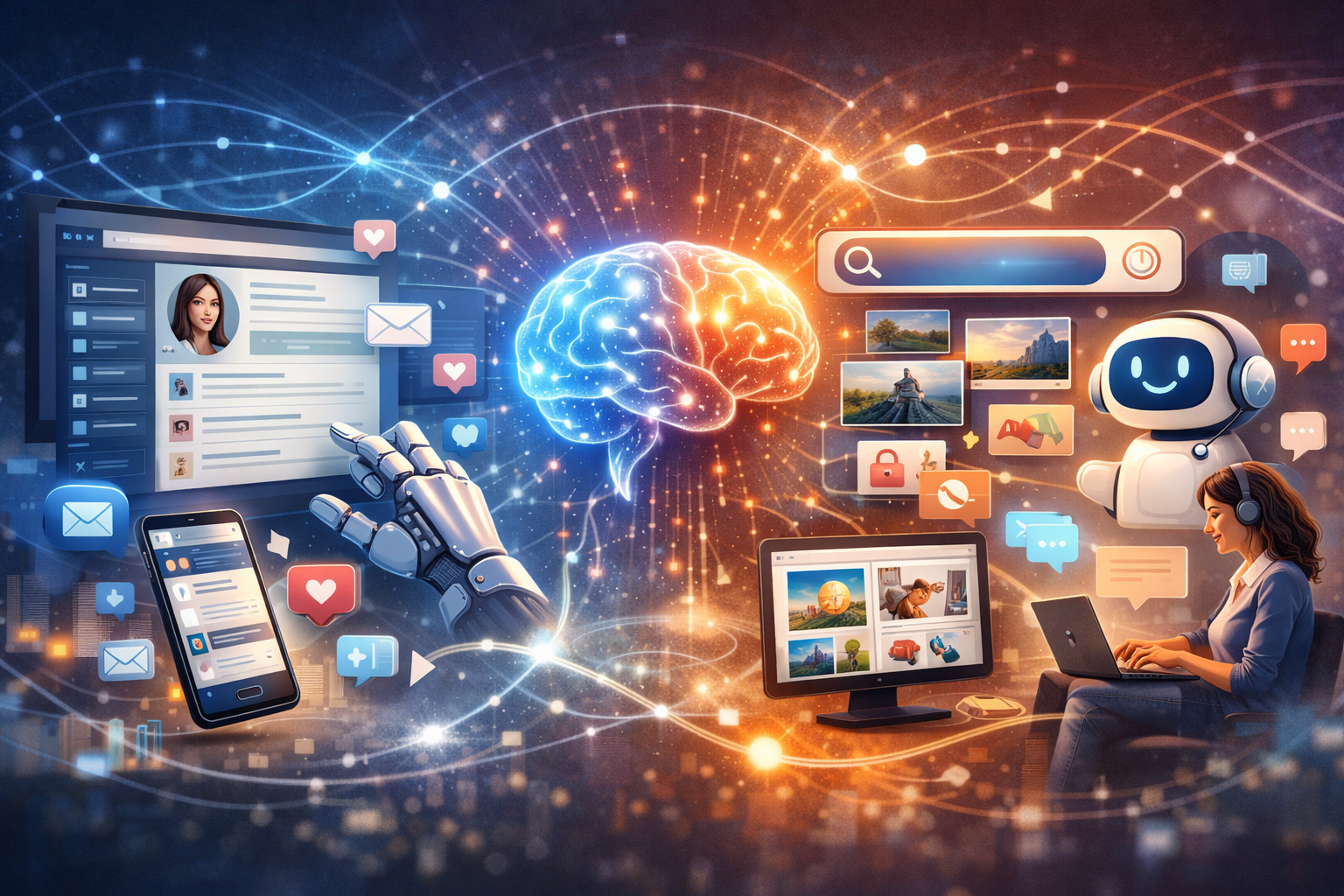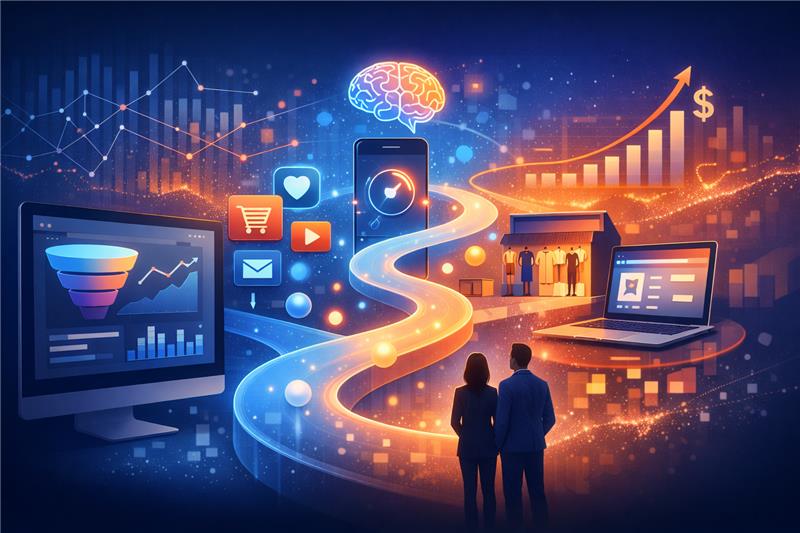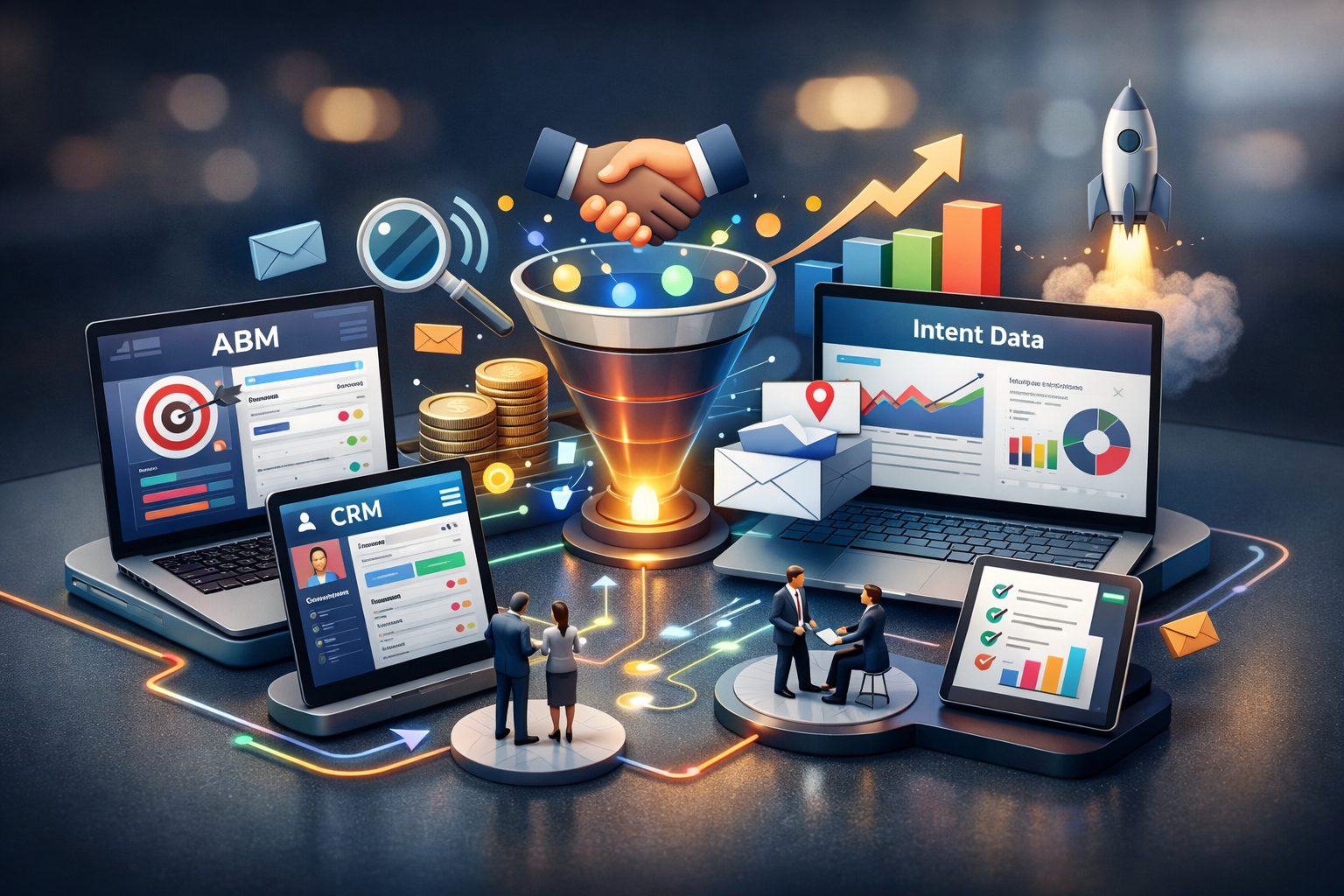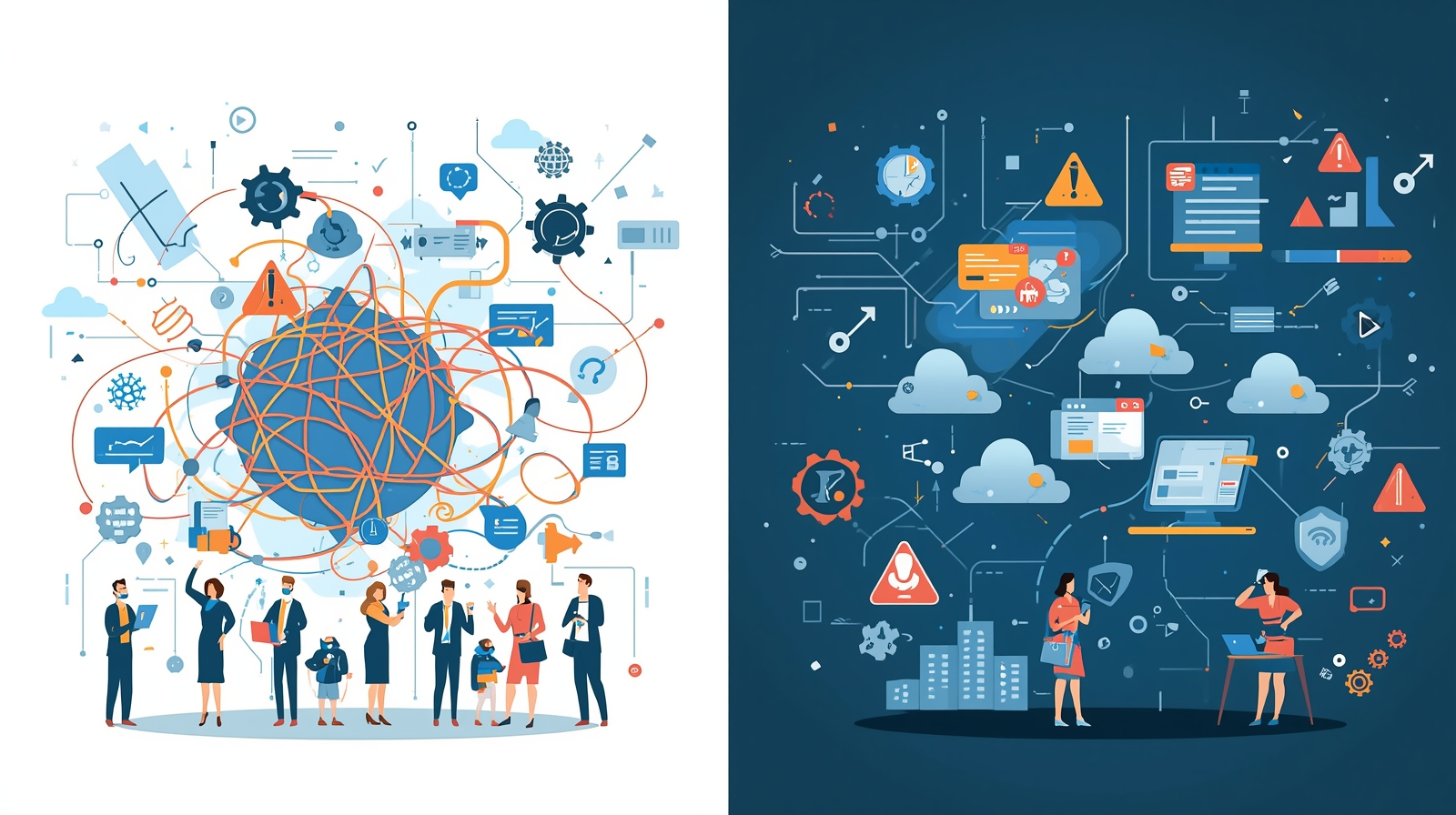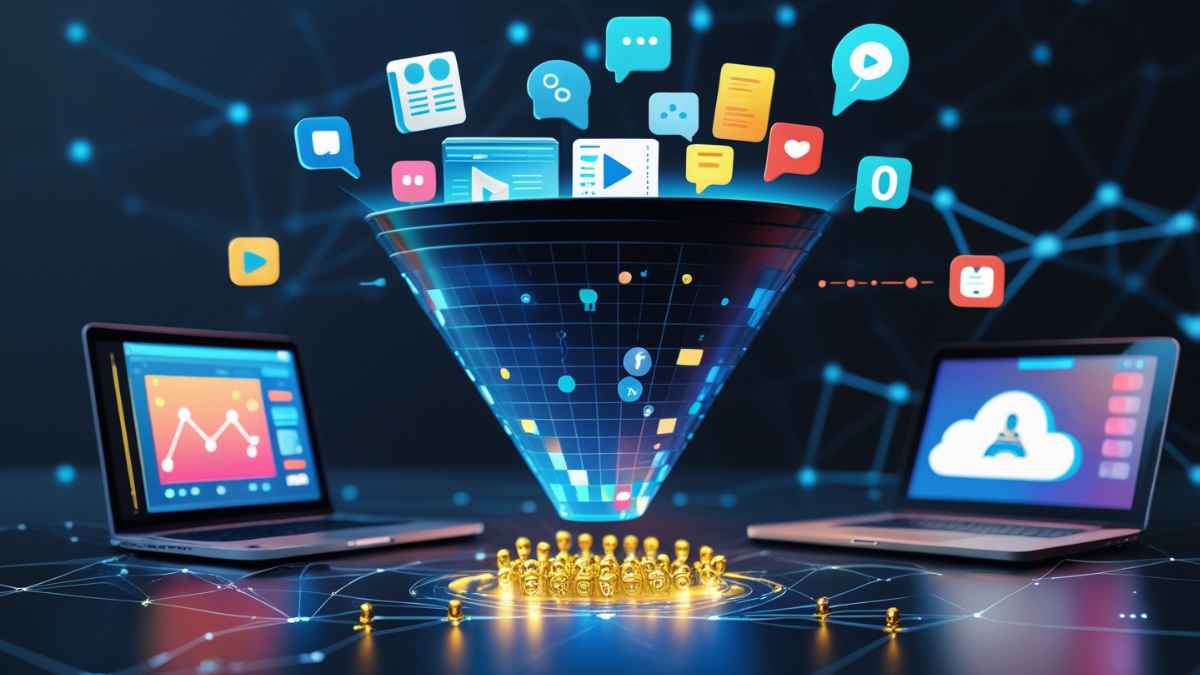
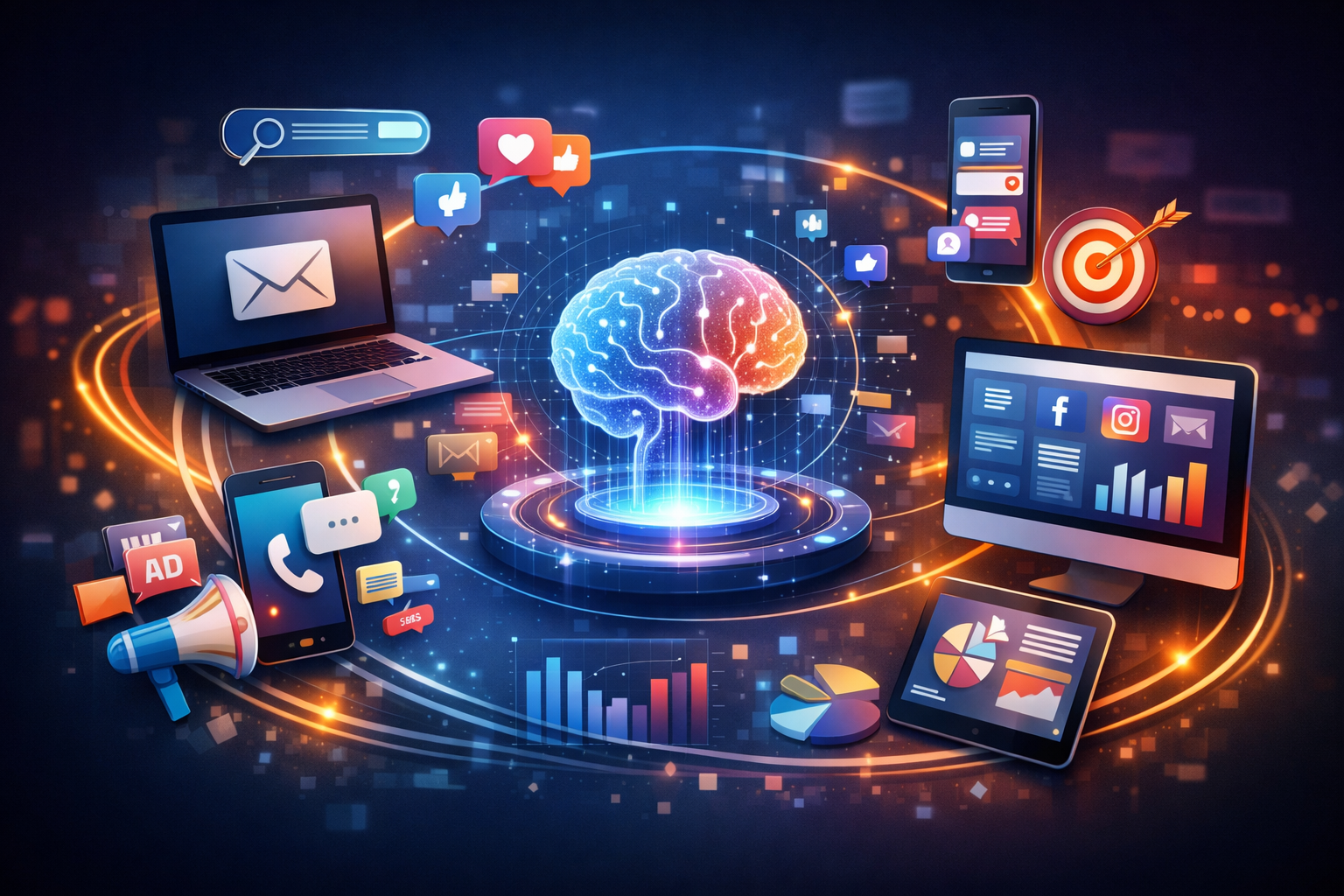
In today’s fragmented digital landscape, customers interact with brands across email, social media, search engines, websites, SMS, and more. Managing consistent, personalized messaging across all these touchpoints is complex—and doing it manually is nearly impossible at scale.
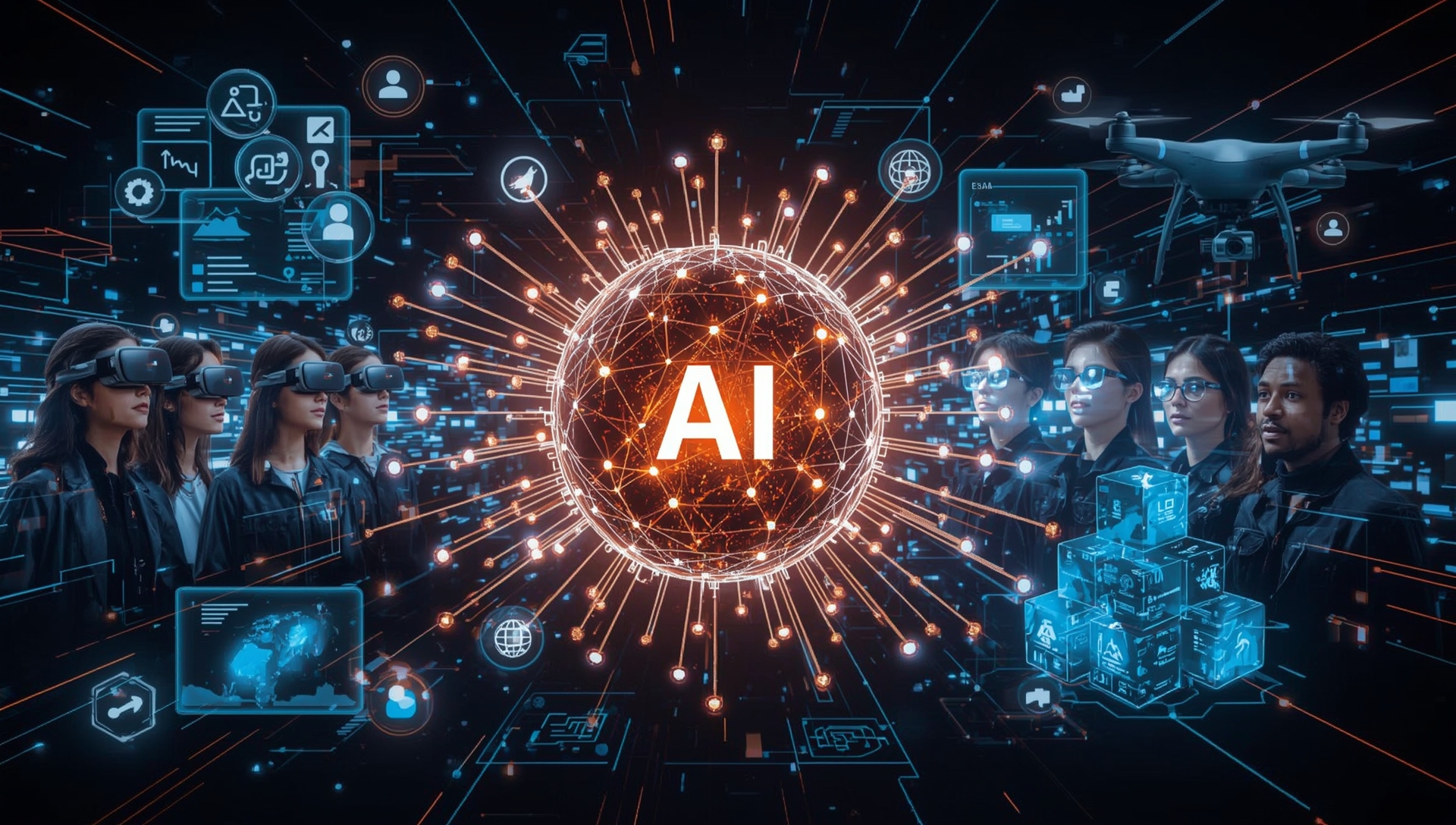
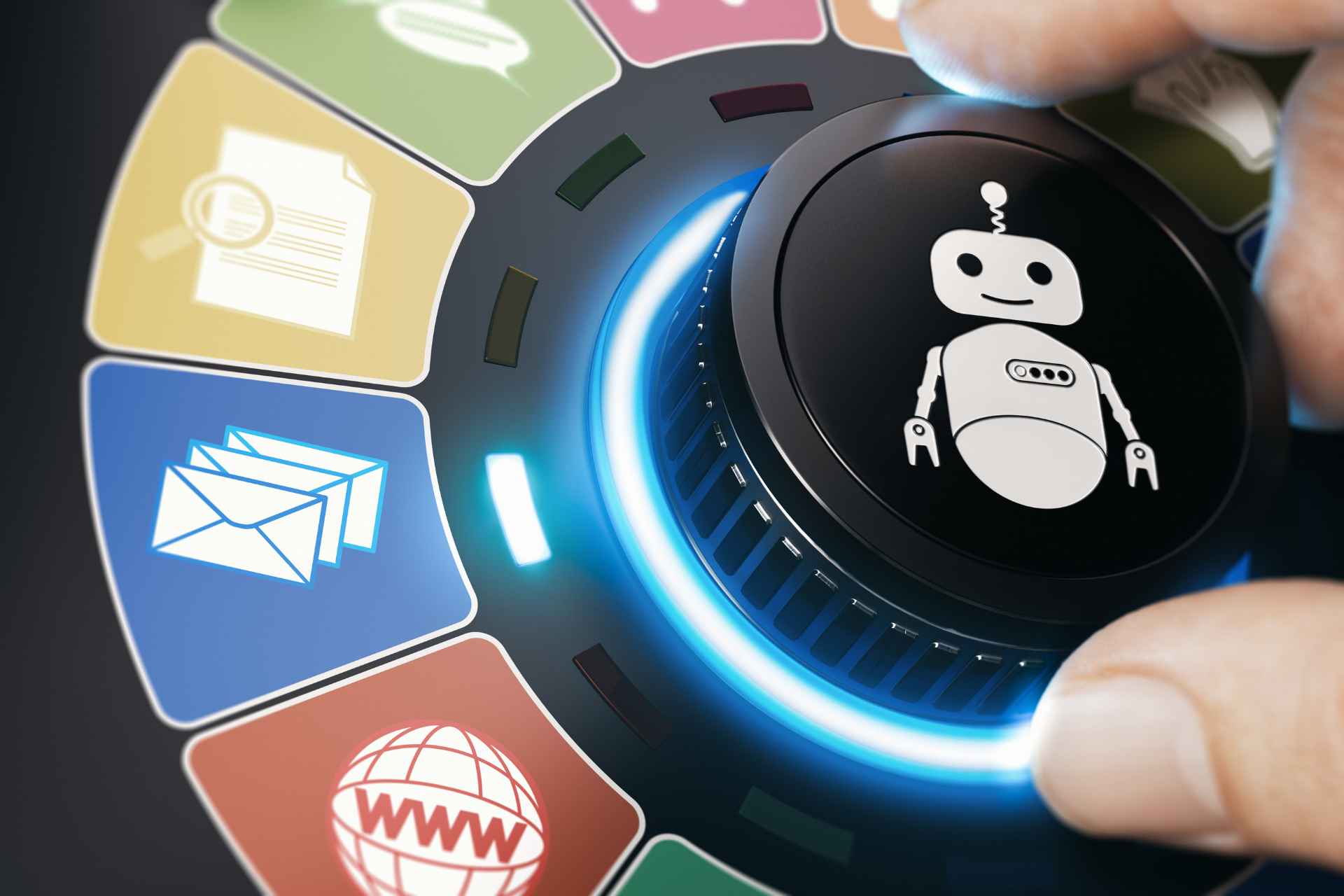
That’s where AI-powered automation transforms the game.
This blog explores how artificial intelligence is reshaping multi-channel marketing campaigns, the benefits, tools, and a practical roadmap to implement it effectively.
What Are Multi-Channel Campaigns?
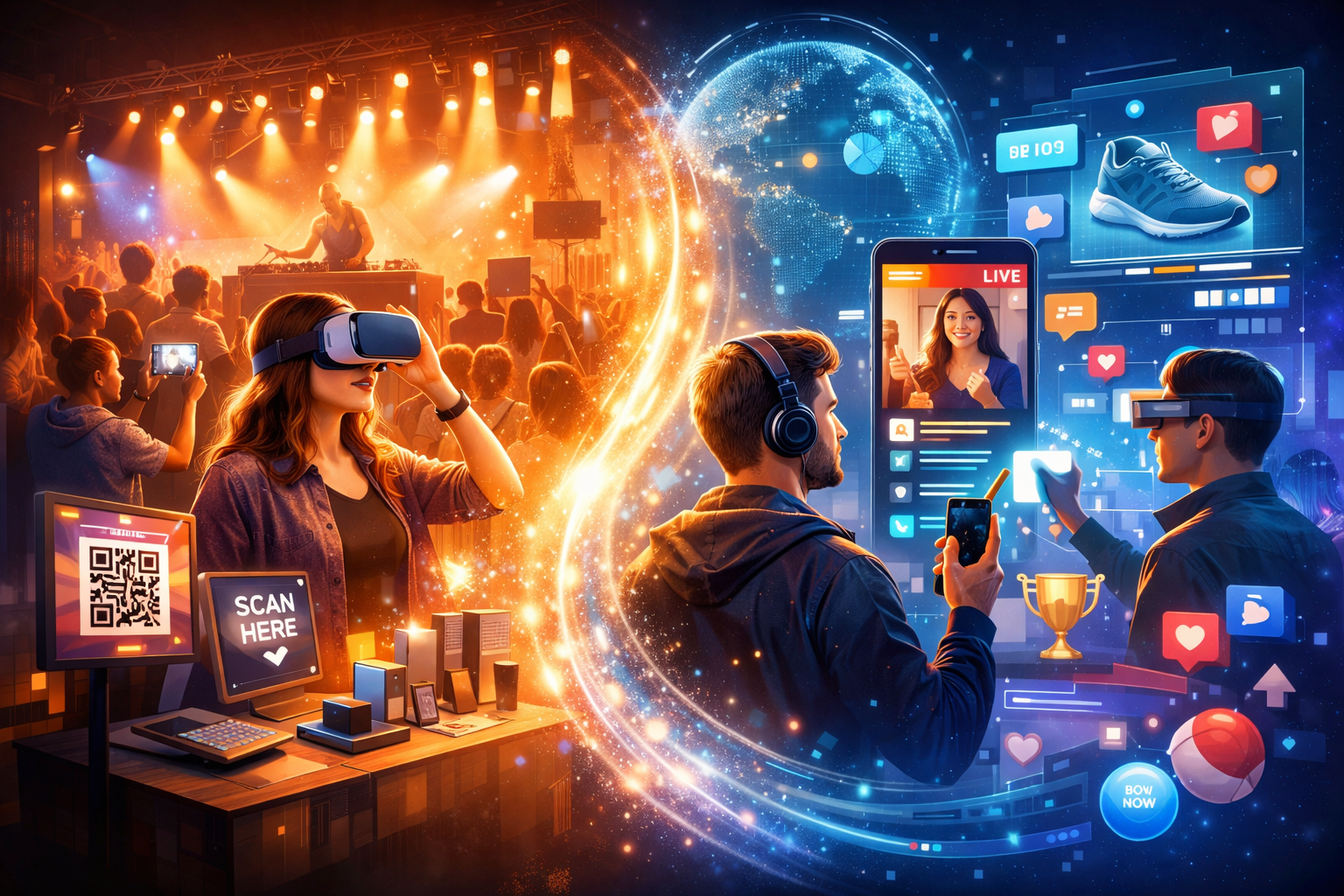
Multi-channel campaigns involve engaging customers across several platforms simultaneously—such as:
- Email marketing
- Social media platforms like Facebook and Instagram
- Search ads on Google
- Messaging apps like WhatsApp
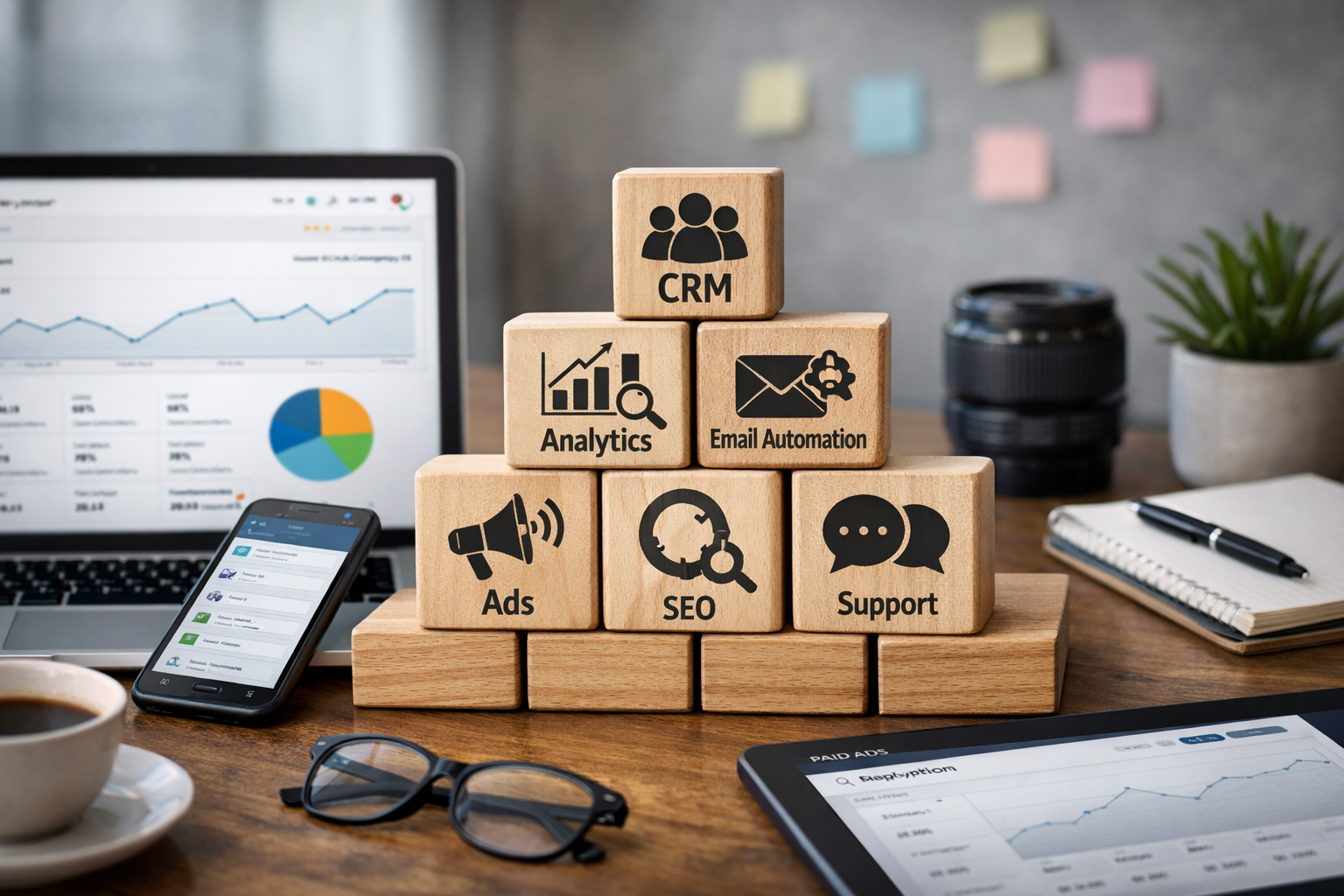
- CRM-driven outreach through platforms like Salesforce
The goal is to create a seamless customer journey—where each channel complements the others rather than operating in silos.
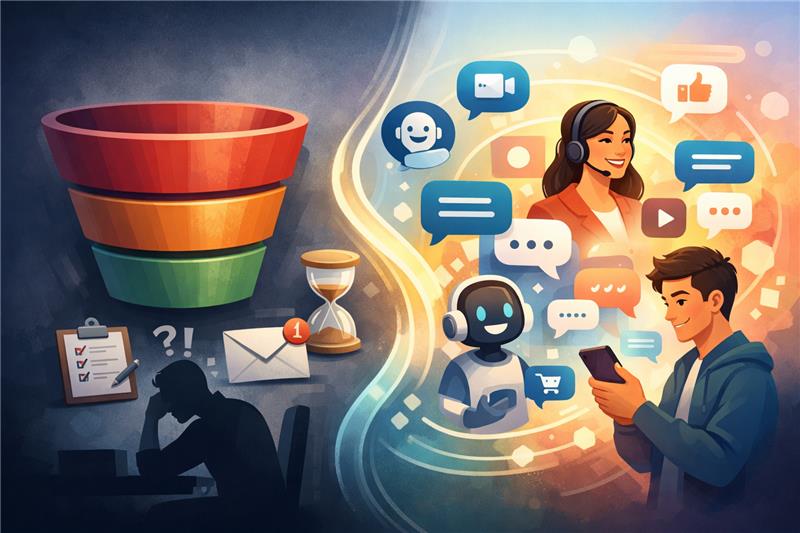
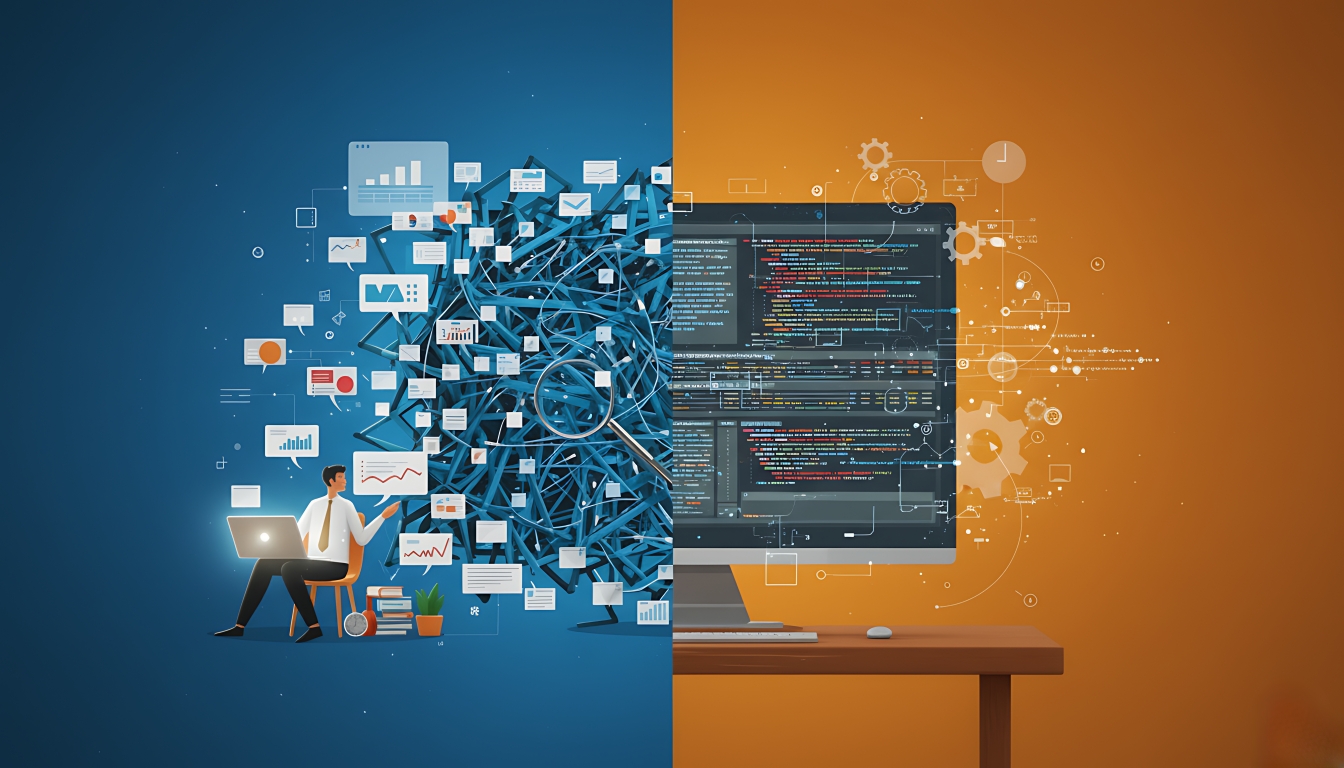
Why Traditional Campaign Management Falls Short
Manual campaign management often leads to:
- Disconnected messaging
- Slow optimization cycles
- Poor personalization
- Data overload
- Missed engagement opportunities
As audiences expect real-time, hyper-personalized experiences, marketers need systems that can think, learn, and adapt faster than humans alone.
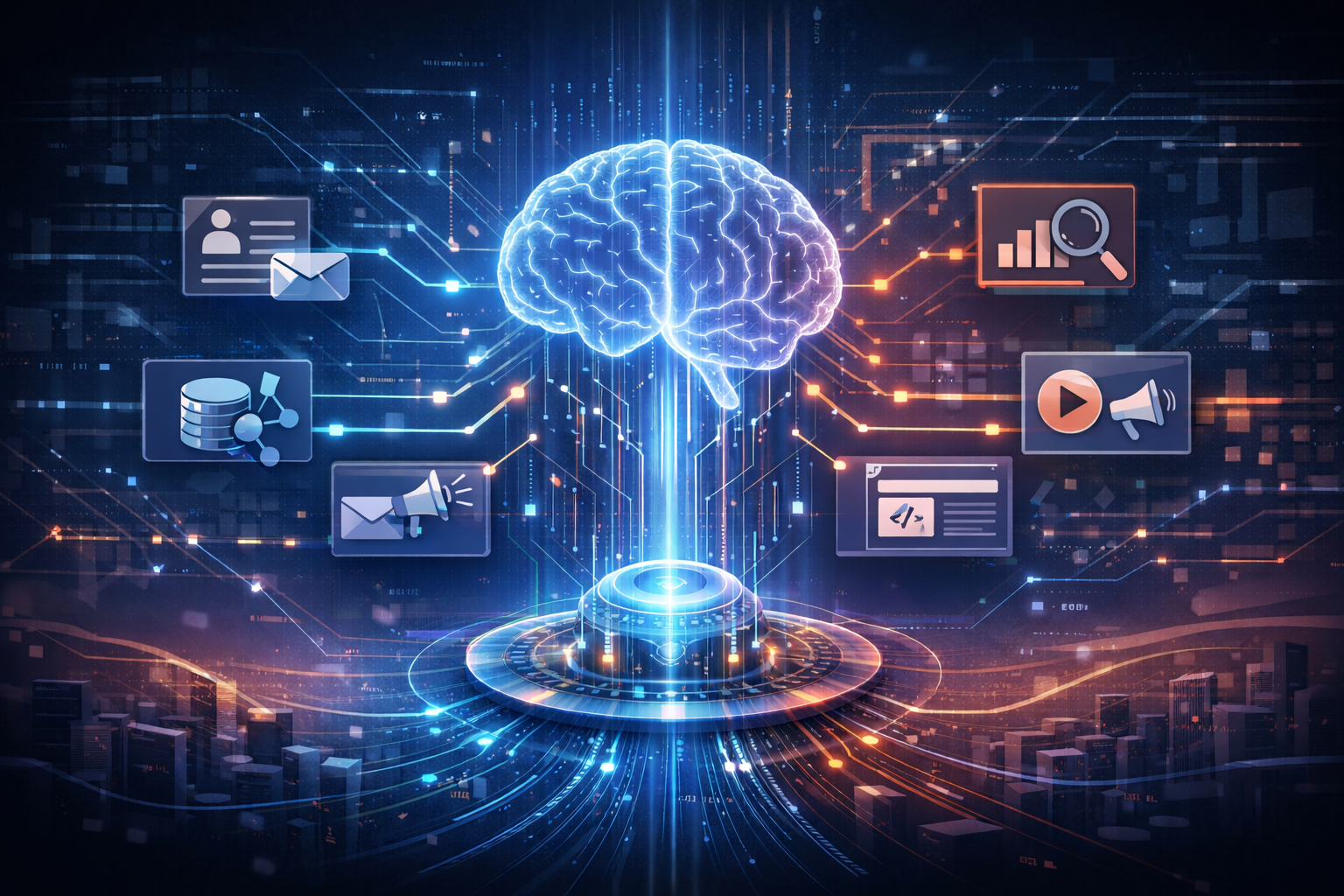
How AI Powers Multi-Channel Automation
AI doesn’t just automate tasks—it optimizes strategy. Here’s how:
- Intelligent Audience Segmentation
AI analyzes behavioral data, browsing patterns, purchase history, and engagement signals to dynamically segment audiences.
Instead of static lists, you get evolving micro-segments that update in real time.
- Predictive Personalization
AI predicts:
- What content a user will engage with
- The best time to send messages
- Which channel they prefer
- The likelihood of conversion
This ensures the right message reaches the right person at the right time.
- Cross-Channel Orchestration
Advanced platforms like HubSpot and Adobe coordinate:
- Email sequences
- Retargeting ads
- SMS reminders
- Social media ads
- On-site popups
All triggered by real-time customer actions.
- Automated Content Generation
Generative AI tools can create:
- Ad copy variations
- Email subject lines
- Product descriptions
- Social captions
This enables rapid A/B testing and scaling of creative assets without increasing workload.
- Real-Time Optimization
AI continuously monitors performance metrics such as:
- Open rates
- Click-through rates
- Conversion rates
- Cost per acquisition
It then reallocates budgets and adjusts messaging automatically for maximum ROI.
Benefits of AI-Driven Multi-Channel Campaigns
✔ Consistency Across Platforms
Customers experience unified messaging everywhere.
✔ Hyper-Personalization at Scale
AI delivers individualized messaging without manual effort.
✔ Faster Decision-Making
Insights are generated instantly, not weeks later.
✔ Improved ROI
Budget allocation becomes data-driven and dynamic.
✔ Reduced Operational Costs
Teams focus on strategy while AI handles execution.
Practical Framework to Implement AI Automation
Step 1: Centralize Your Data
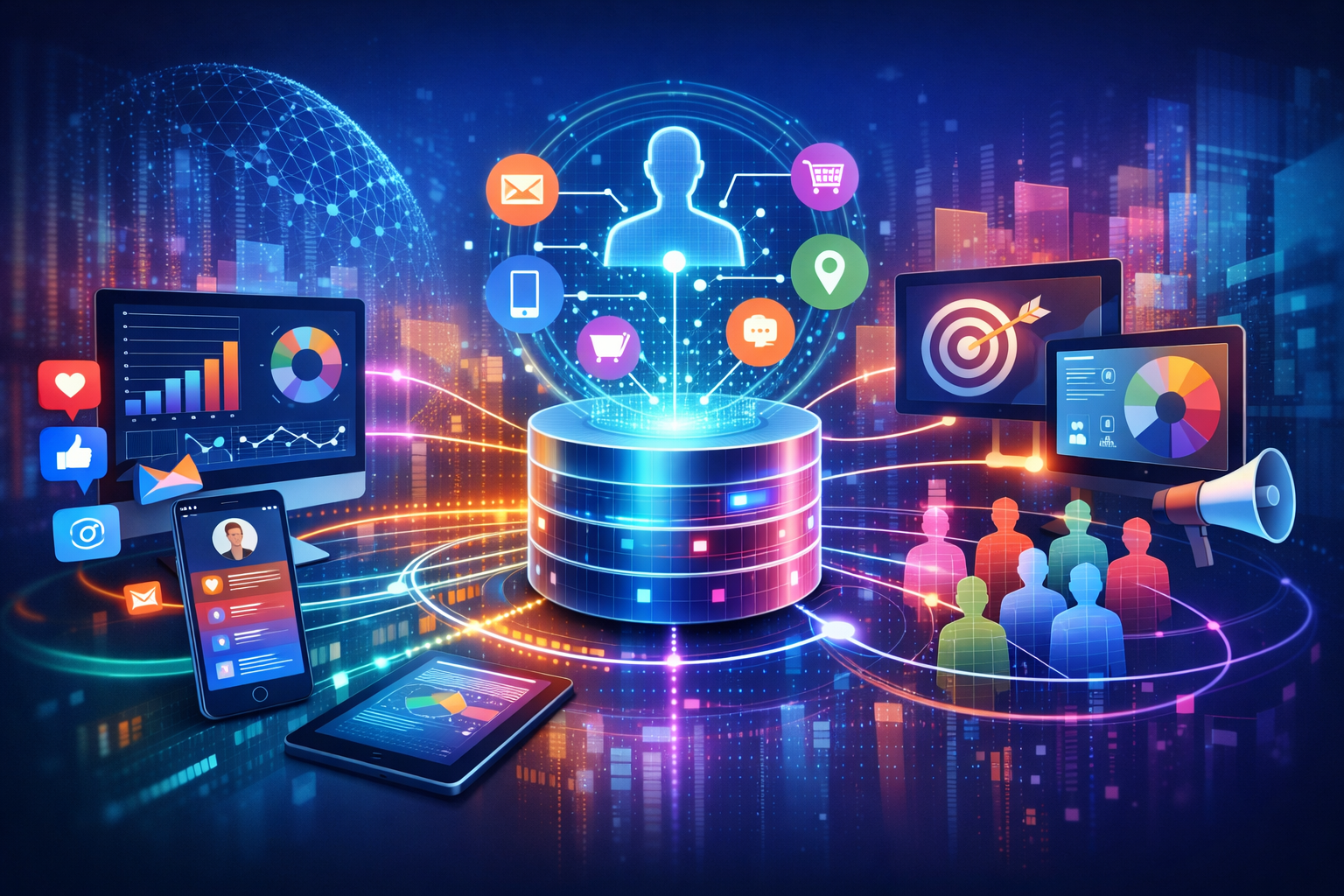
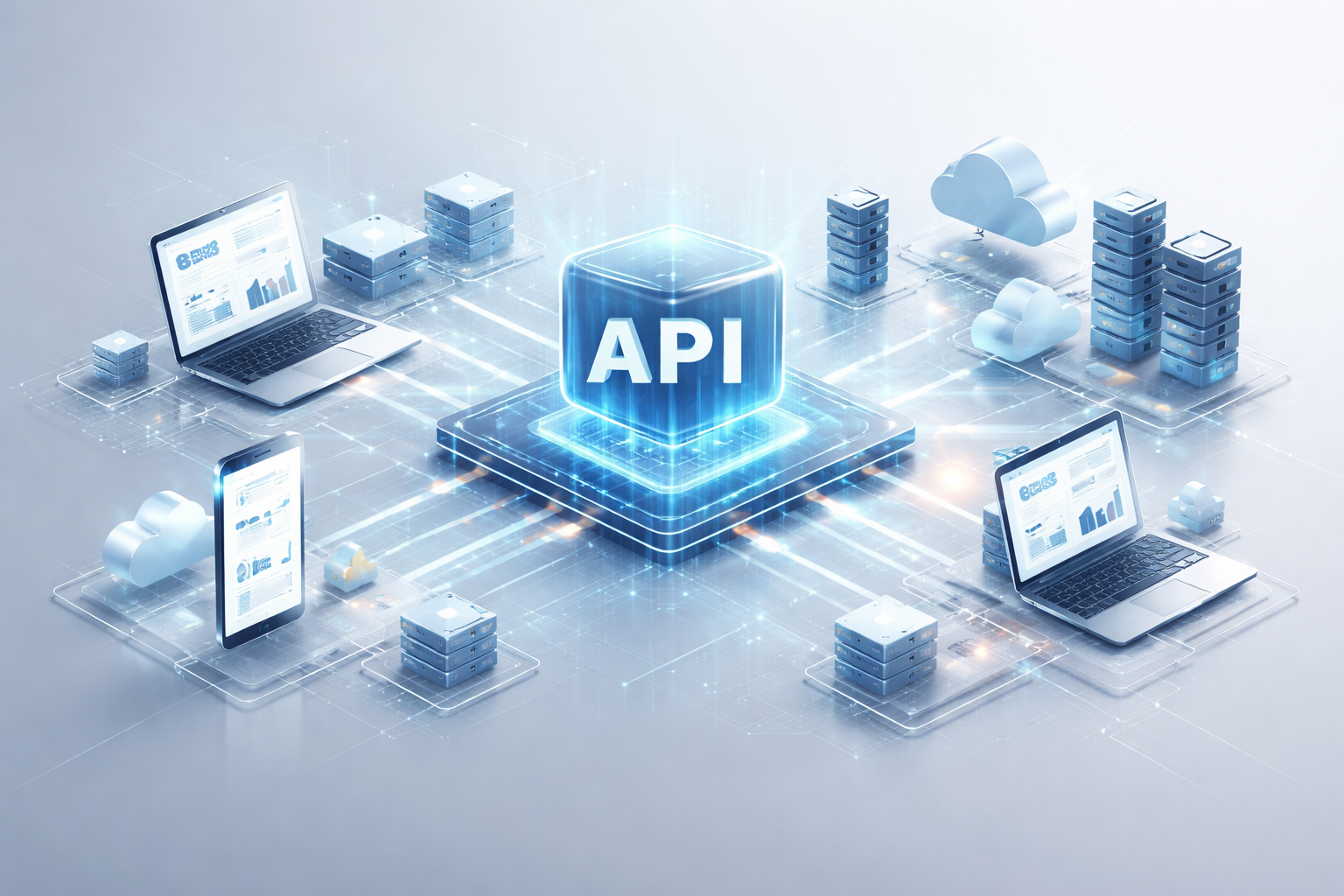
Integrate CRM, website analytics, social media, and ad platforms into a unified system.
Tools like Zapier help connect disparate systems.
Step 2: Choose the Right AI-Powered Platform
Look for features such as:
- Predictive analytics
- Omnichannel automation
- Dynamic segmentation
- Built-in A/B testing
- Real-time reporting
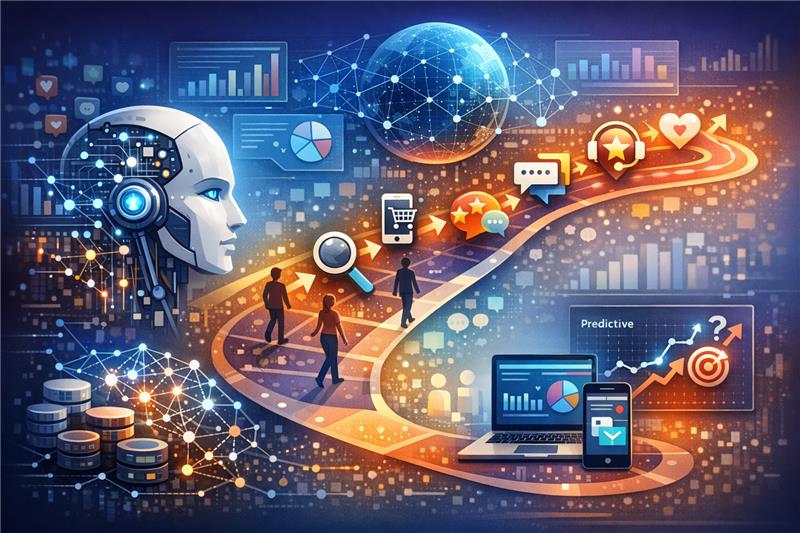
Step 3: Map the Customer Journey
Identify:
- Awareness touchpoints
- Consideration interactions
- Conversion triggers
- Retention moments
Then configure AI-driven workflows for each stage.
Step 4: Launch with Controlled Experiments
Start small:
- Test one segment
- Run parallel creative variations
- Compare AI-optimized vs manual campaigns
Step 5: Continuously Train the System
AI improves with data. The more interactions it analyzes, the more accurate and effective it becomes.
Common Challenges (And How to Solve Them)
Data Silos
→ Invest in integration and data hygiene.
Over-Automation
→ Maintain human oversight to preserve brand voice.
Privacy & Compliance
→ Ensure alignment with regulations like GDPR and CCPA.
Skill Gaps
→ Upskill teams to interpret AI insights rather than replace them.
The Future of AI in Multi-Channel Marketing
We’re moving toward:
- Autonomous campaign management
- Emotion-based targeting
- Real-time conversational marketing
- Predictive lifetime value modeling
- AI-driven budget forecasting
Read Also: How to Build a Lead Magnet That Converts: A Step-by-Step Guide