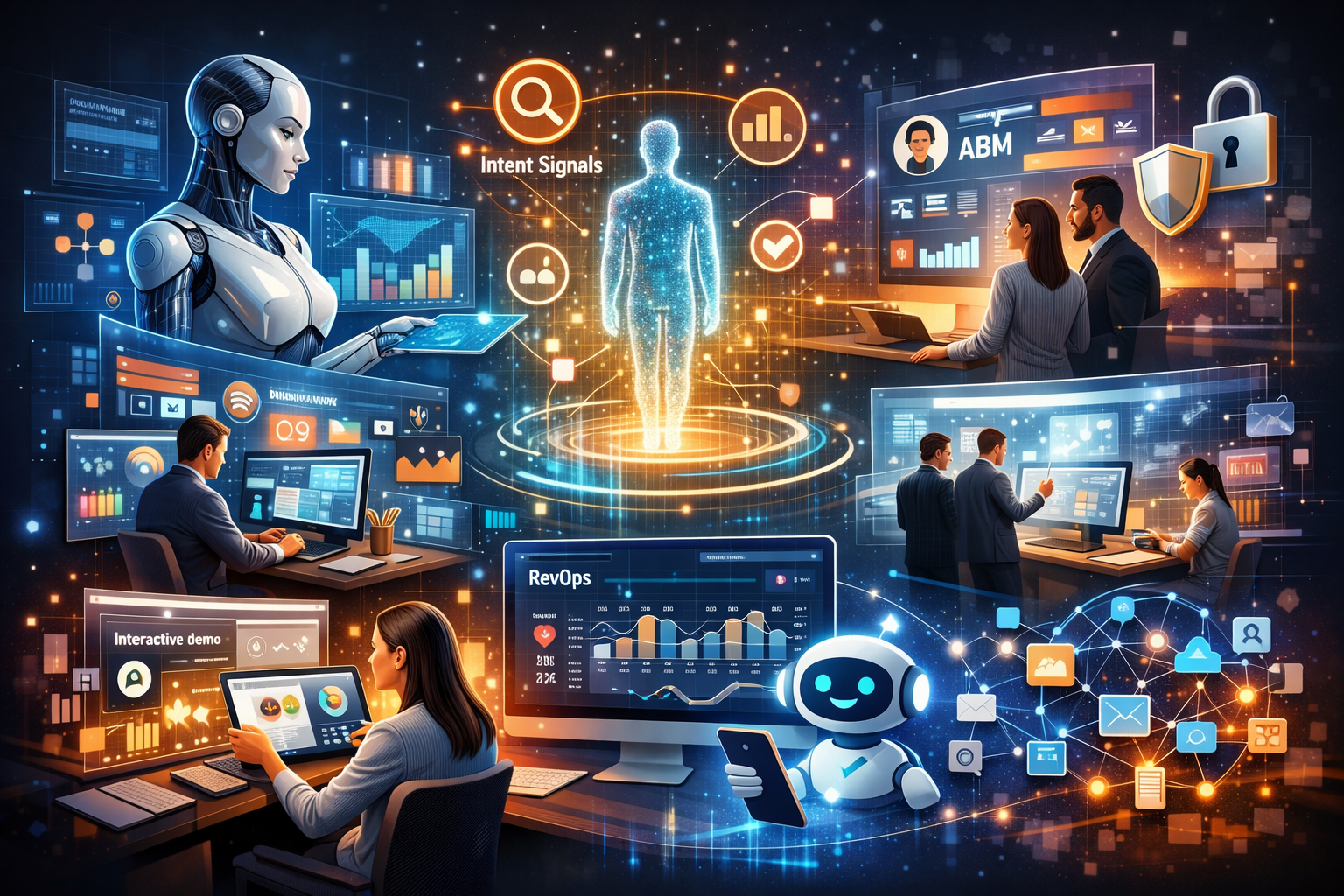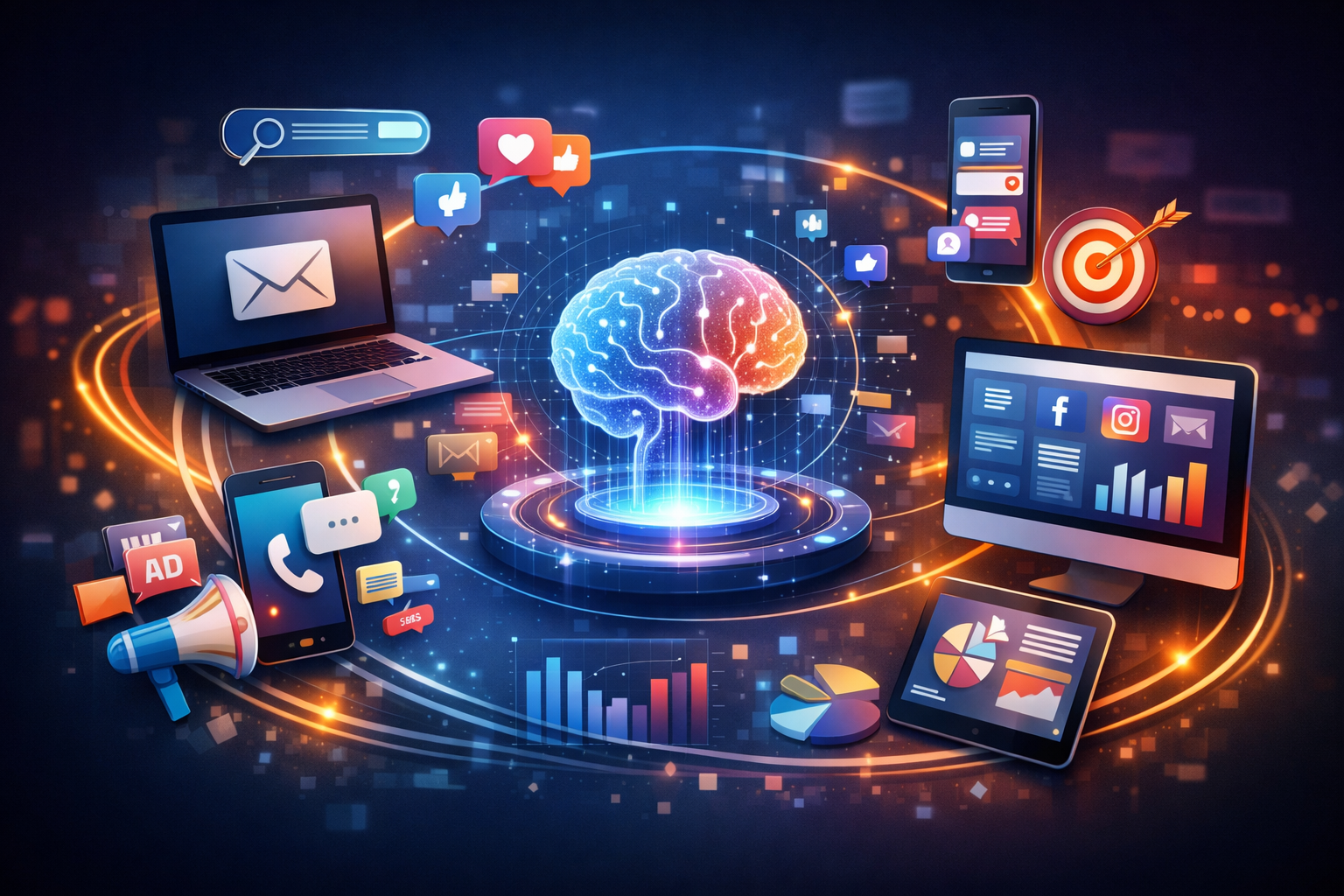
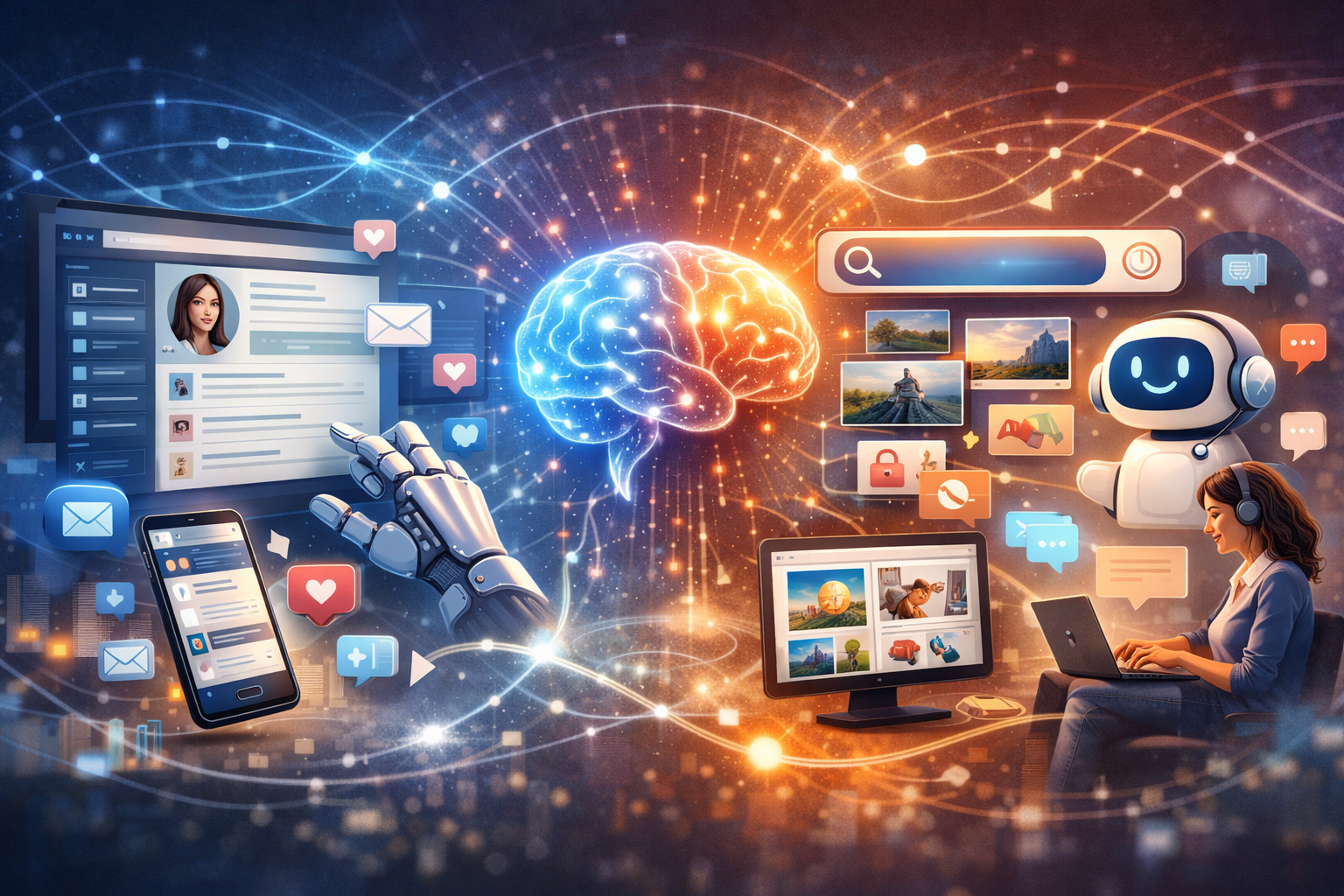
In today’s digital-first world, the customer journey isn’t linear — it’s dynamic, data-driven, and increasingly powered by artificial intelligence (AI). From the moment a user first discovers a brand (often before a website click) to the ongoing inbox conversation that keeps them engaged, AI tools are transforming how companies attract, understand, and delight customers. Let’s dive into how this revolution unfolds across discovery, inbox engagement, and the broader journey.
1. Rethinking Discovery: Smart, Intent-Driven Engagement
Traditionally, customers discovered brands via search engines, social ads, or word of mouth. Today, AI is taking over that role — from predicting what a user might want to interpreting intent beyond keywords.
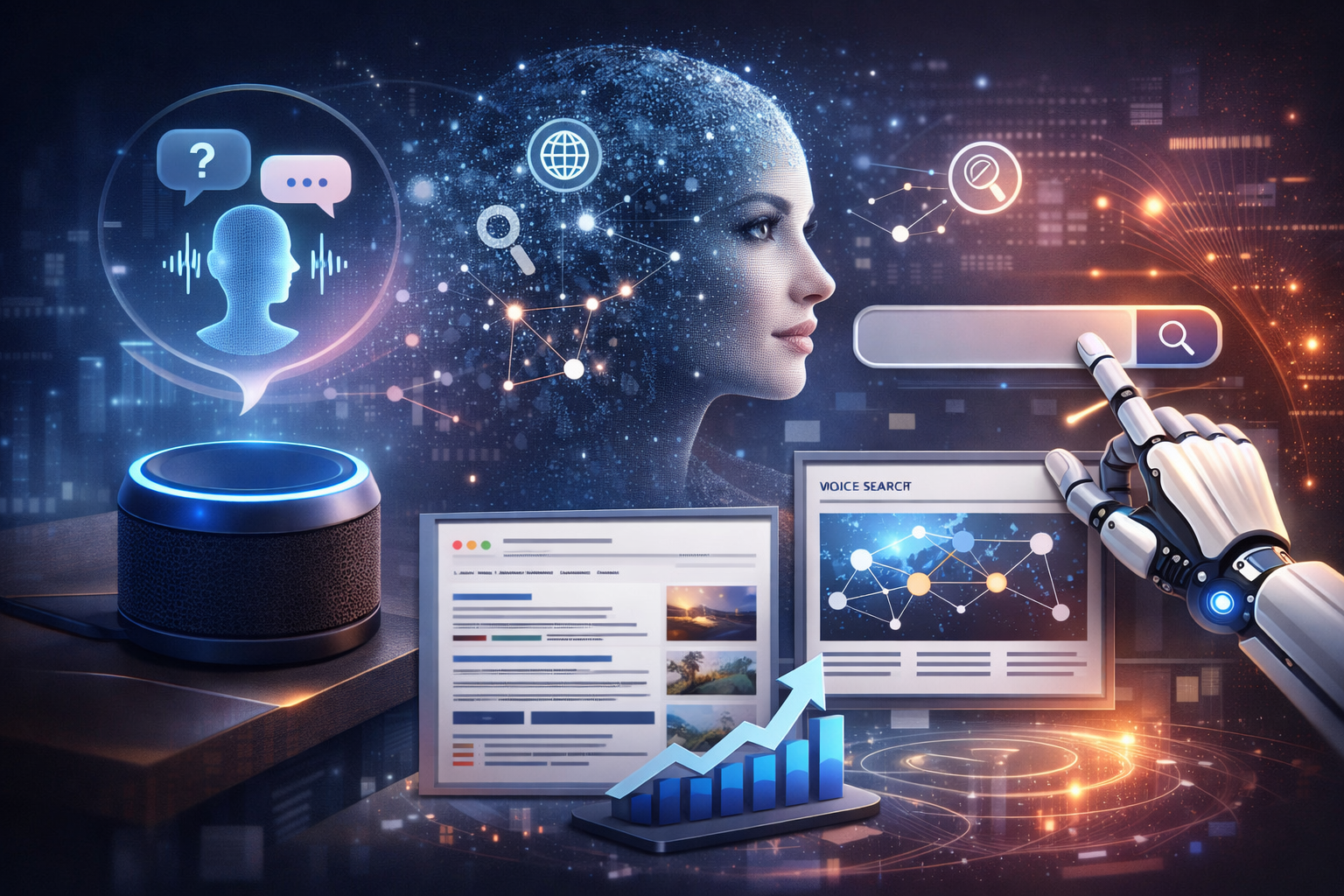
- AI-powered discovery toolscan understand intent not just by keywords but by context and user behavior — factored across text, voice, and even images. This means suggestions and search results are deeply personalized, faster, and more intuitive than ever before.
- Customers increasingly ask conversational tools (like generative AI assistants) for recommendations, comparisons, or content summaries before ever visiting a brand’s site. By the time they land on a product page, they often come with strong buying intent.
- This shift has given rise to tactics like Generative Engine Optimization (GEO)— optimizing content not just for search engines, but for AI systems that serve recommendations directly to users.
What this means for businesses: Discovery isn’t just about being visible anymore — it’s about being recommended and relevant inside the very tools customers use to make decisions.
2. The Inbox as a Strategic Engagement Hub
The inbox — whether email, SMS, or messaging apps — remains one of the richest engagement channels. But static emails are evolving into AI-enhanced, personalized dialogues.
AI-Enhanced Email Experience
AI has moved beyond simple merge tags (“Hi John”) to dynamic experiences that adapt to each recipient’s journey.
- Hyper-personalizationuses behavioral and real-time data to tailor content based on browsing patterns, past engagement, and predicted intent.
- Intelligent sequencesadapt based on user actions — meaning follow-ups, reminders, and offers change in real time rather than rely on rigid drip logic.
- Some modern inbox tools—like email apps that summarize and prioritize messages with AI—help users manage their entire communication flow more effectively.
However, AI is also reshaping how email appears to customers: advanced AI previews in platforms like Gmail or iOS can generate snippet summaries, making the first impression before the user even opens the message. This requires marketers to rethink content structures to ensure key points aren’t lost or misinterpreted.
Why this matters: The inbox becomes more than a broadcast channel — it’s a personalized engagement loop shaped by predictive intelligence.
3. Mapping the Journey: From Static to Continuous Signals
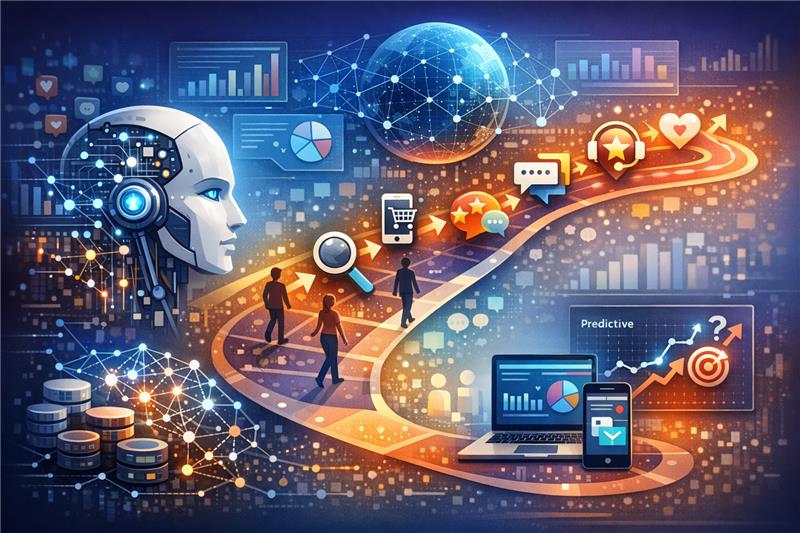
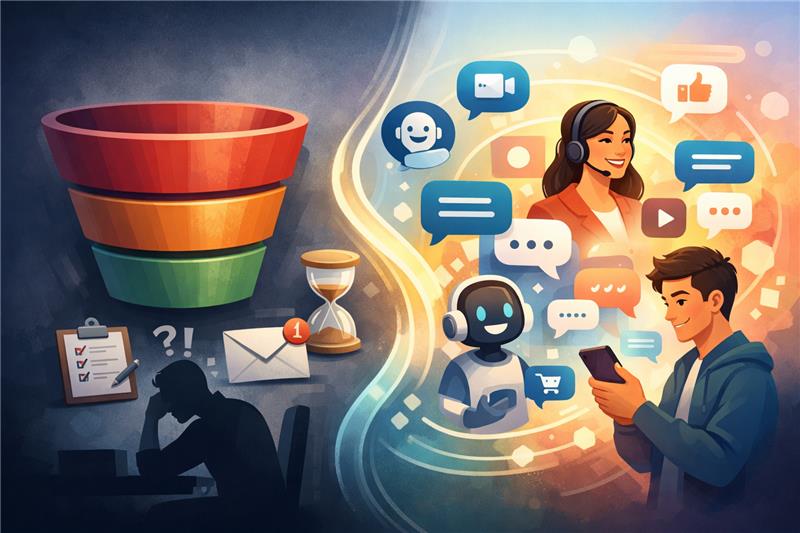
The AI-powered customer journey is not a straight funnel — it’s a decision loop where every interaction feeds into the next:
- AI tools monitor and analyze every signala customer sends — clicks, opens, abandonment, support chats — to refine experiences in real time.
- Predictive analytics helps companies anticipate future behavior — such as likelihood to churn or buy — and act before the customer signals it overtly.
- AI journey mapping platforms stitch together customer interactions across touch points (email, web, chat, social) to personalize timing, messaging, and channel choice.
The advantage: Journeys evolve from static funnels into adaptive ecosystems that anticipate needs and personalize experiences at scale.
4. Conversational AI and Real-Time Engagement
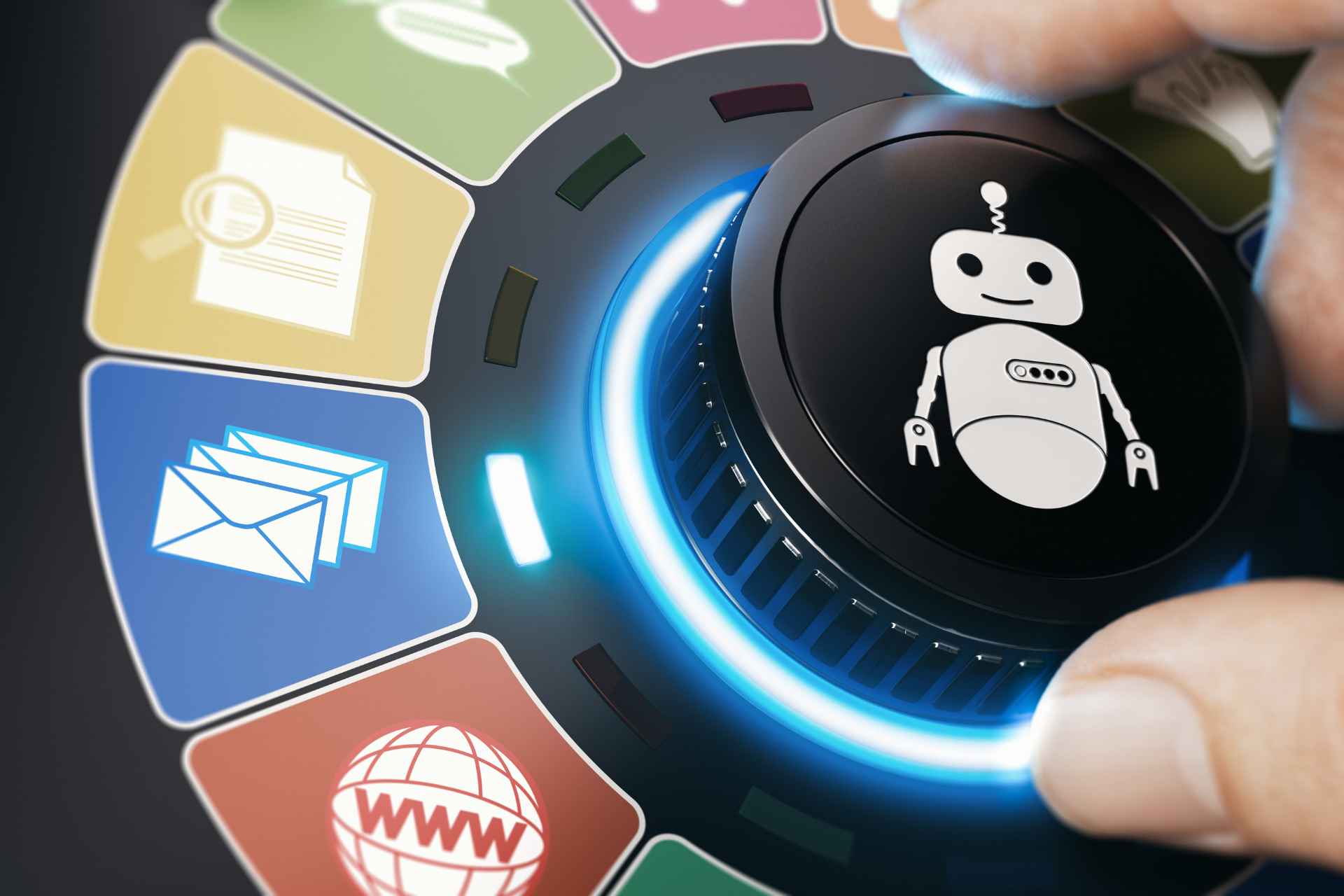
At the intersection of inbox and discovery is conversational AI — chatbots, virtual agents, and assistants — which engage customers instantly, across channels:
- Real-time chatbots address questions, guide users through decisions, or trigger personalized offers as behavior unfolds.
- AI assistants can integrate with CRM systems to personalize conversations using past purchase and engagement history — making interactions feel more like human conversations than scripts.
- These systems also augment human agents, offering real-time response suggestions or automating repetitive tasks so humans focus on complex, high-value interactions.
The outcome: Faster responses, deeper engagement, and reduced friction across the purchase journey.
5. Ethical and Strategic Considerations
With AI driving discovery and inbox engagement, businesses must also navigate:
- Trust and transparency— ensuring AI interactions respect user privacy and data governance.
- Balancing automation with human touch — too much automation can feel cold; the best strategies blend AI efficiency with human empathy.
Read Also: Large Language Models (LLMs) for Search, Discovery, and Findability