In the fast-paced world of business-to-business (B2B) logistics, artificial intelligence (AI) has rapidly shifted from a futuristic possibility to an operational necessity. Logistics companies are leveraging AI to streamline workflows, improve resource utilization, and deliver on customer expectations for speed and transparency. From automating routine tasks to enabling intelligent routing and real-time problem solving, AI is redefining how logistics functions at every level.
1. Transforming Operations Through Automation
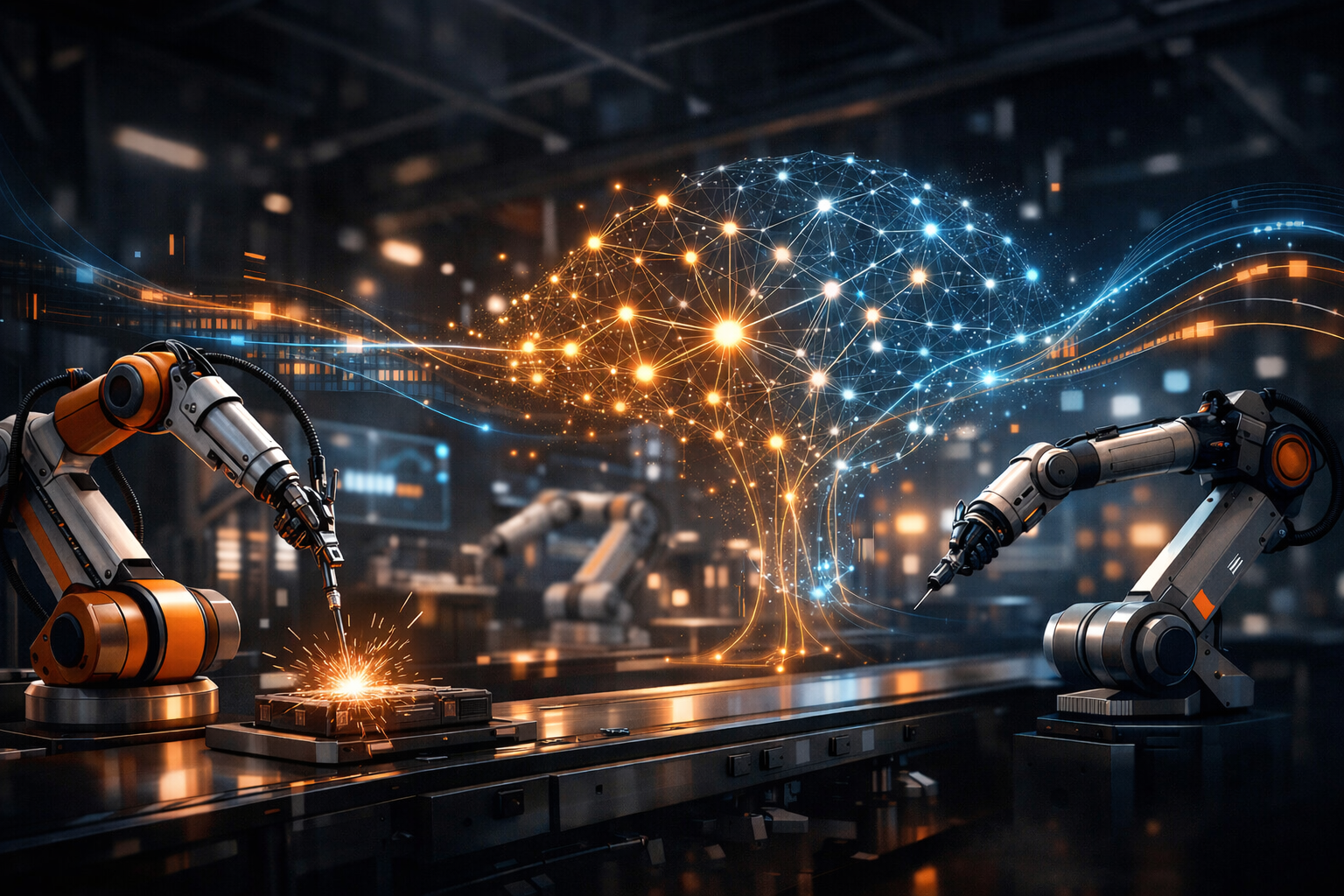
Automation is one of the most visible impacts of AI in logistics. Traditionally, many logistics tasks were labor-intensive and prone to human error — from data entry and order processing to inventory management and billing. AI tools enhance these processes by:
- Automating repetitive tasks: Intelligent systems handle data capture, document processing, and administrative workflows, freeing staff to focus on higher-value work.
- Improving accuracy: Machine learning models reduce errors in forecasting, order matching, and inventory reconciliation.
- Enhancing scalability: Automation tools can handle surges in demand — such as peak seasons or large contracts — without proportional increases in staffing.
AI-powered robotic process automation (RPA) and AI-driven workflows reduce cycle times, shrink operational costs, and boost organizational responsiveness.
2. Intelligent Routing for Efficiency and Sustainability
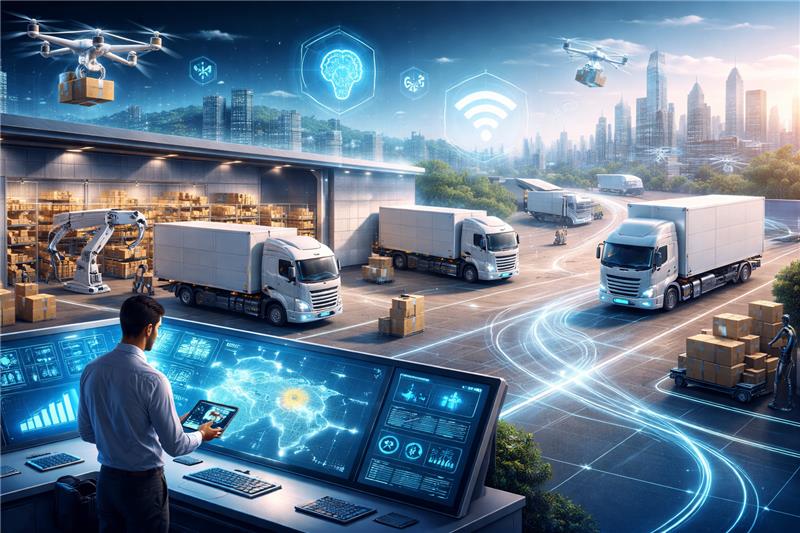
Routing in logistics has always been complex — balancing delivery windows, vehicle capacities, traffic conditions, driver availability, and cost efficiency. AI takes routing optimization to a new level:
- Dynamic route optimization: AI models analyze multiple variables in real time to determine the most efficient paths, considering traffic flow, weather, road closures, and delivery priorities.
- Predictive route planning: By studying historical trends, AI predicts potential delays and proactively adjusts routes to maintain service levels.
- Cost and fuel savings: Optimized routes minimize fuel consumption and vehicle wear, supporting sustainability goals and reducing transportation expenses.
For example, AI algorithms can generate routing plans that align with delivery contracts, driver schedules, and customer demands — and then dynamically adjust those plans as conditions change.
3. Real-Time Decision-Making: From Insight to Action
One of AI’s biggest advantages is its ability to process vast amounts of data and respond instantly. In B2B logistics, this translates to smarter, faster decision-making:
- Live tracking and visibility: AI platforms ingest GPS data, IoT sensor inputs, and telematics to provide real-time shipment visibility across the supply chain.
- Instant alerts and exception management: Predictive analytics flag potential disruptions — such as delayed shipments, equipment failures, or route deviations — allowing teams to intervene before problems escalate.
- Autonomous decision support: Advanced AI systems can recommend or even enact decisions without human intervention, such as dispatching backup resources, reassigning vehicles, or re-routing based on real-time conditions.
This real-time intelligence reduces bottlenecks and enables logistics managers to operate with confidence, even in uncertain environments.
4. Benefits Beyond Efficiency
The impact of AI in B2B logistics goes beyond cost savings and speed:
- Improved customer experiences: Businesses gain greater transparency and more accurate delivery ETAs — strengthening client relationships.
- Enhanced risk management: AI helps identify and mitigate risks faster by analyzing data patterns that humans may overlook.
- Strategic insights: Predictive analytics generate actionable forecasts, supporting better planning for demand, inventory, and capacity.
Companies that adopt AI strategically often unlock new competitive advantages — from more resilient supply chains to differentiated service offerings.
5. Challenges and Future Outlook
While AI presents powerful opportunities, it also brings challenges:
- Data quality and integration: Effective AI depends on clean, accessible data — a hurdle for organizations with siloed systems.
- Skill gaps: Logistics teams may need training or new talent to leverage AI tools fully.
- Change management: Adoption requires cultural buy-in and process re-engineering.
Looking ahead, AI’s role will continue to expand. Autonomous vehicles, advanced robotics in warehouses, and even deeper predictive analytics are on the horizon — turning AI from a tactical tool into a strategic engine for growth.
Read Also: How AI Is Reshaping B2B Sales Cycles: From Lead Gen to Deal Closing