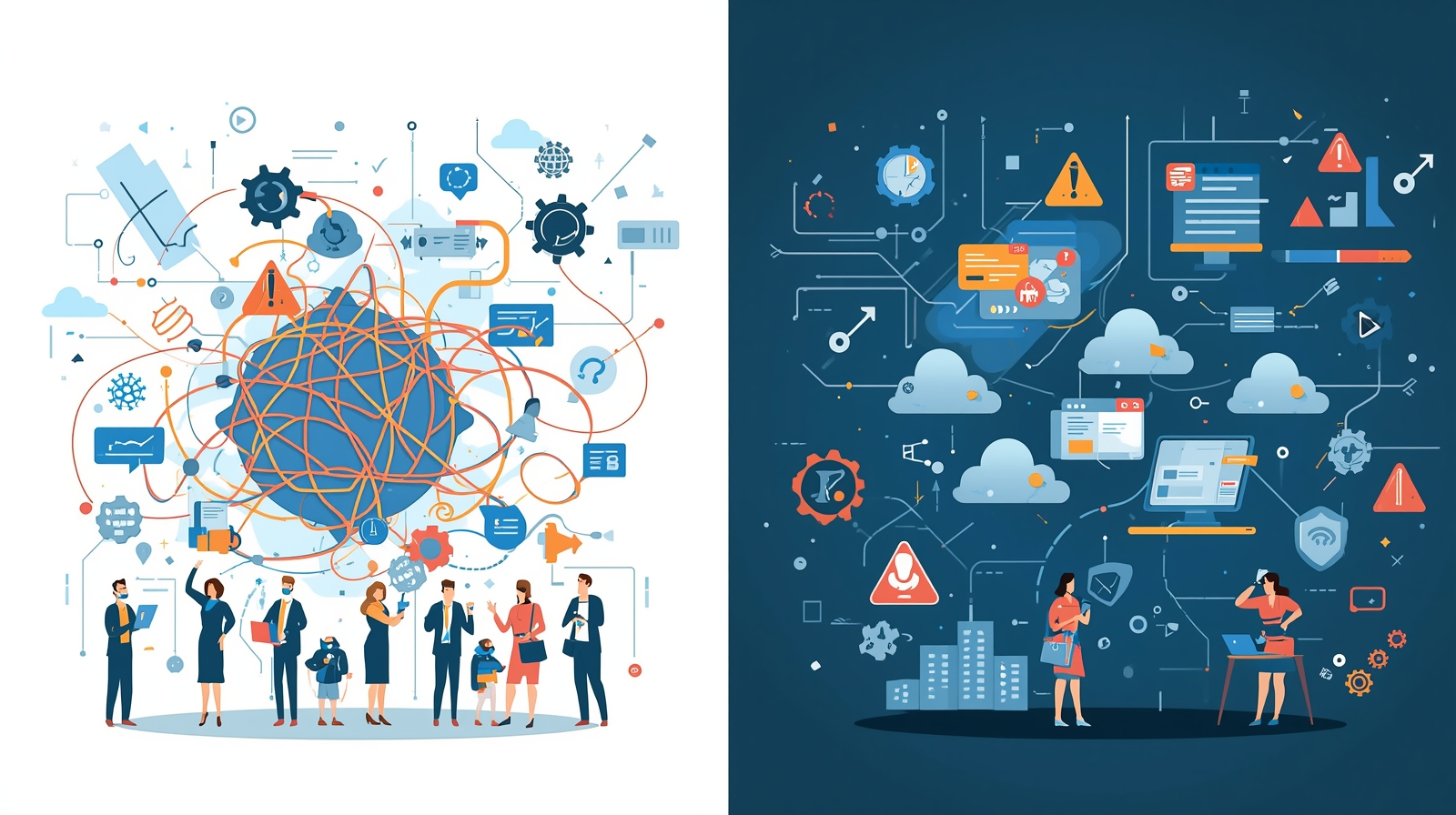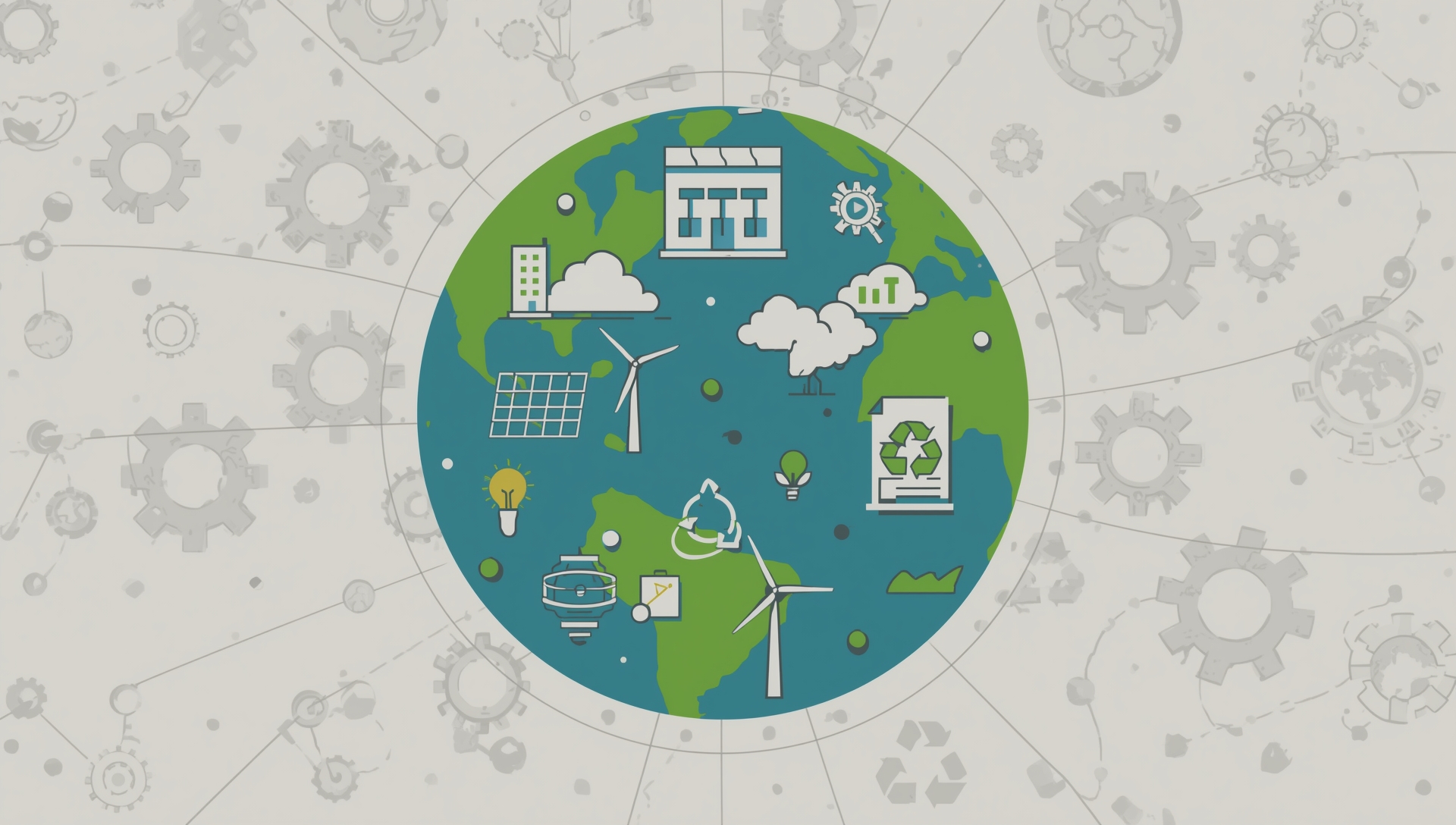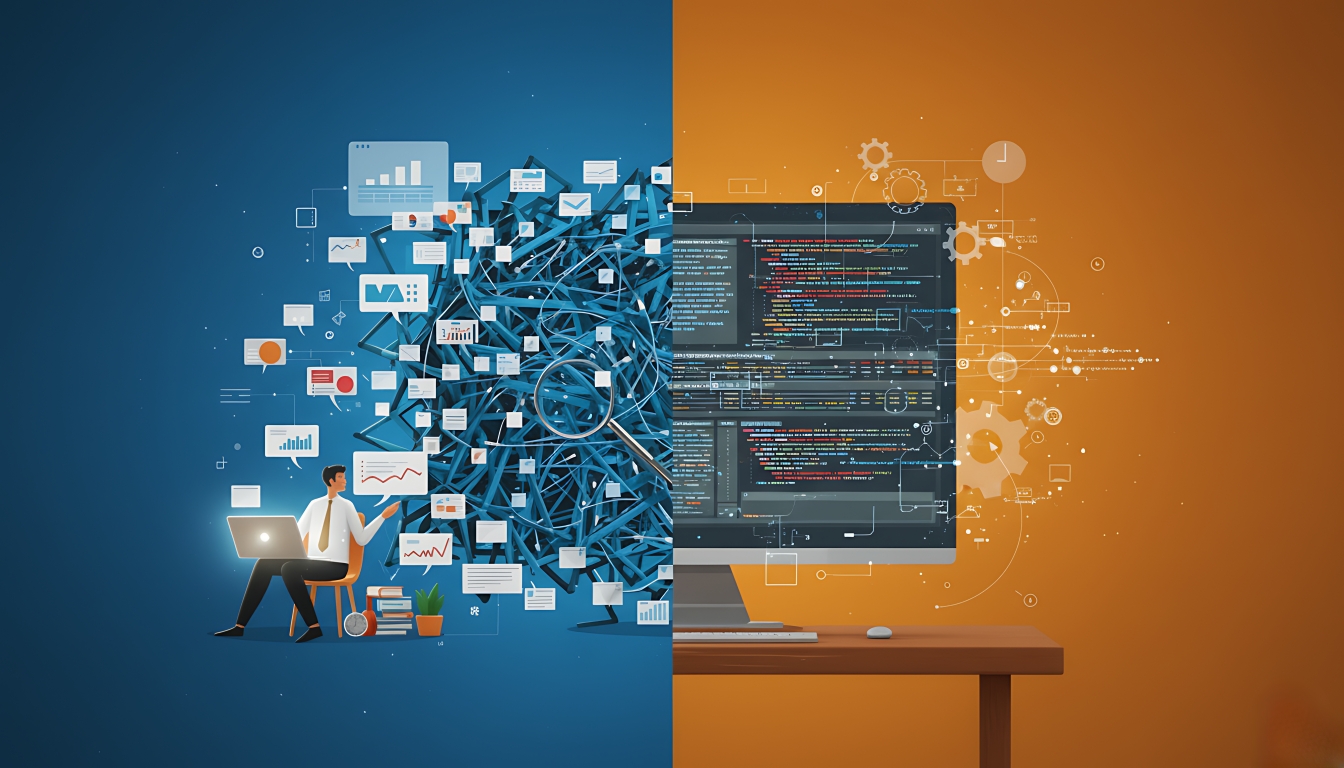
In a world where market dynamics shift in minutes and customer expectations are higher than ever, traditional supply chain models struggle to keep up. Enter AI-enabled supply chain optimization — the game-changer for modern businesses. Artificial Intelligence (AI) now plays a central role in enhancing visibility, predicting disruptions, improving efficiency, and ultimately driving better business outcomes across B2B ecosystems.
This blog explores how AI is reshaping supply chains with real-world use cases that demonstrate tangible value for B2B companies — from procurement and logistics to demand forecasting and sustainability.
What Is AI-Enabled Supply Chain Optimization?
AI-enabled supply chain optimization refers to the use of intelligent algorithms — such as machine learning (ML), natural language processing (NLP), and predictive analytics — to analyze complex data and make smarter, faster decisions across end-to-end supply chain processes.
Unlike legacy systems that react after the fact, AI models can predict issues before they occur, recommend intelligent actions, and enable autonomous execution of decisions, transforming the supply chain into a proactive, adaptive engine.
Real-World B2B Use Cases of AI in Supply Chain Optimization
1. Demand Forecasting and Inventory Optimization
The Challenge: Traditional forecasting often relies on historical sales data alone. This approach fails to account for market volatility, seasonal trends, or external disruptions like economic shifts or natural disasters.
AI Solution: Machine learning models pull data from multiple sources — including sales, promotions, weather patterns, and even social signals — to produce precise demand forecasts.
Real-World Example: A global industrial supplier uses AI demand forecasting to adjust inventory levels dynamically. The system predicts overstock and stockout risks and automatically suggests optimal reorder quantities, reducing inventory carrying costs by up to 20%.
Impact:
- More accurate demand projections
- Better inventory turnover
- Reduced waste and warehouse costs
2. Smart Logistics and Route Optimization
The Challenge: Logistics inefficiencies — such as suboptimal routes, fuel waste, and delayed shipments — significantly inflate operational costs.
AI Solution: AI algorithms process real-time data from GPS, traffic feeds, weather conditions, and delivery schedules to compute the most efficient delivery or freight routes.
Real-World Example: A B2B logistics provider implemented an AI-based routing system that reduced transit times by 15% while cutting fuel costs by 10%. The system adapts on the fly to traffic changes or unexpected barriers.
Impact:
- Faster delivery times
- Lower transportation costs
- Improved service reliability
3. Supplier Risk Management and Resilience
The Challenge: Supply chains are vulnerable to supplier failures, compliance issues, geopolitical tensions, and market fluctuations — and traditional risk assessments are often manual and infrequent.
AI Solution: AI platforms continuously monitor global events, supplier performance, financial stability data, and market indicators to assess risk scores and forecast potential impacts.
Real-World Example: A manufacturing conglomerate deployed AI to monitor its supplier network and received early alerts about potential delays due to geopolitical tensions in a key sourcing region. This allowed for proactive diversification before disruptions occurred.
Impact:
- Improved supply chain resilience
- Enhanced risk visibility
- Faster risk mitigation
4. Predictive Maintenance for Manufacturing Assets
The Challenge: Unplanned downtime can cripple production schedules, delay deliveries, and incur significant repair costs.
AI Solution: Predictive maintenance models analyze sensor data from machines to detect patterns that signal impending failures — often before any visible signs appear.
Real-World Example: A heavy equipment maker equipped its production lines with AI monitoring tools. By predicting equipment failures 30 days in advance, the company reduced unplanned downtime by 40% and cut maintenance costs substantially.
Impact:
- Increased uptime
- Longer asset lifespans
- Lower maintenance expenses
5. Automated Order Processing and Procurement
The Challenge: Manual order processing is time-consuming, error-prone, and often creates bottlenecks.
AI Solution: Intelligent automation — combining AI with workflow automation tools — enables end-to-end order processing, from requisition to purchase order issuance and invoicing.
Real-World Example: A B2B wholesaler implemented an AI-powered procurement assistant that automated repetitive tasks, reducing processing time by 60% and human errors by 85%.
Impact:
- Faster order cycle times
- Better compliance with procurement policies
- More strategic use of human talent
6. Dynamic Pricing and Contract Optimization
The Challenge: Static pricing strategies can miss opportunities for margin improvement in volatile markets.
AI Solution: Using historical transactions and real-time market data, AI models recommend optimized pricing and contract terms that balance competitiveness and profitability.
Real-World Example: A commodities distributor leveraged AI pricing models to adjust pricing based on supply conditions and customer order patterns, increasing margins by 8% without sacrificing volume.
Impact:
- Competitive pricing
- Higher profitability
- More agile contract negotiations
Key Benefits of AI-Enabled Supply Chain Optimization
Greater Visibility
AI breaks down data silos across planning, procurement, logistics, and customer service — giving companies a real-time, holistic view of operations.
Increased Agility
By anticipating changes and recommending actions, AI enables rapid response to disruptions — building supply chain resilience.
Better Decision-Making
AI augments human expertise with data-driven insights, helping teams make smarter decisions faster.
Enhanced Collaboration
Intelligent systems improve communication and alignment between suppliers, partners, and internal stakeholders, driving end-to-end efficiency.
Challenges to Adoption
While AI brings enormous promise, adoption isn’t without hurdles:
- Data Quality and Integration: AI systems require clean, integrated data from different sources — often a major obstacle.
- Change Management: Teams must learn to trust and work alongside AI insights.
- Cost and Complexity: Building and scaling AI solutions can demand upfront investment and technical expertise.
Despite these challenges, many B2B organizations are already reaping measurable ROI — proving that the future of supply chain optimization is not just digital, but intelligent.
Read Also: AI in Account-Based Marketing: Hyper-Personalization at Scale