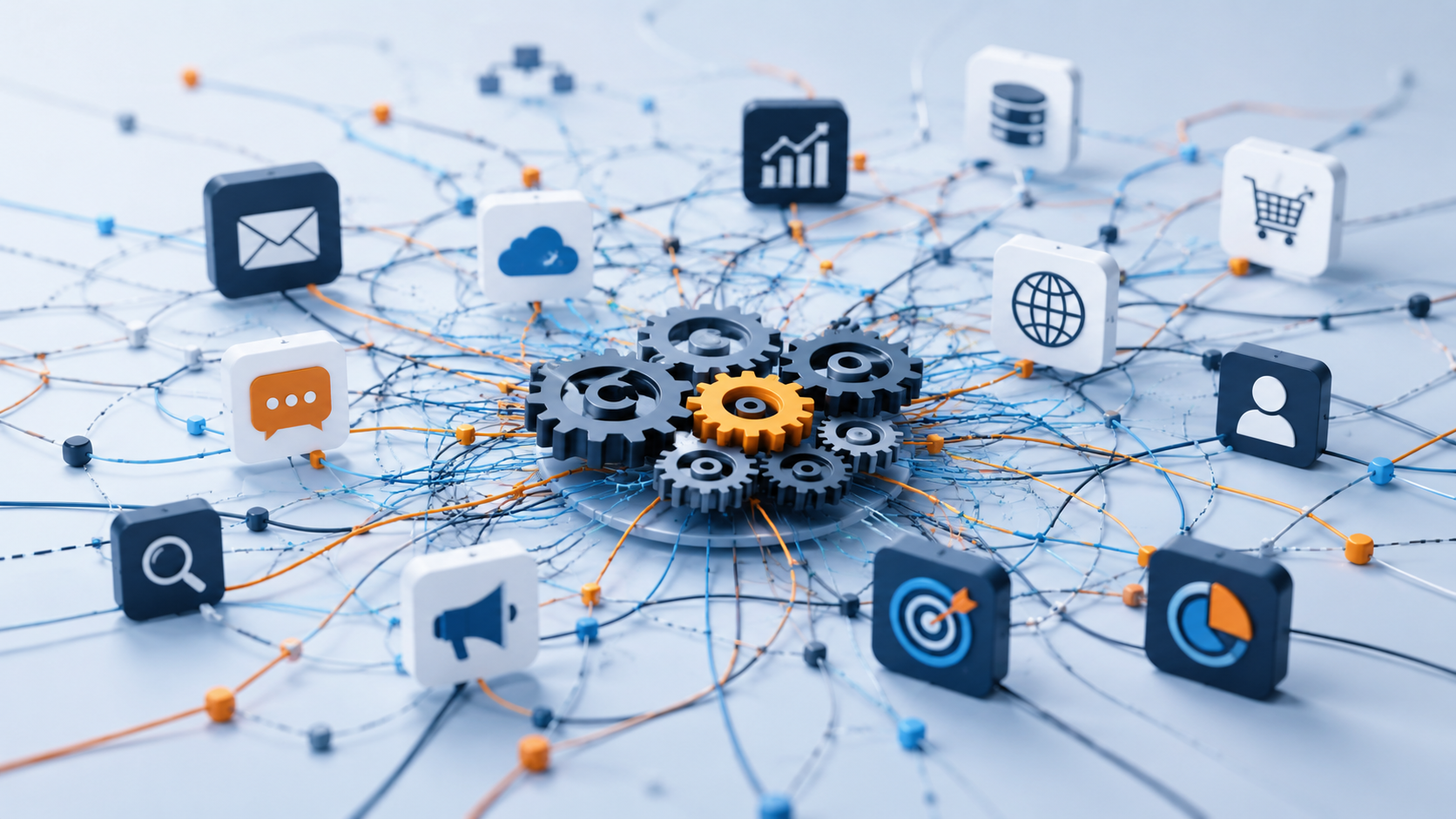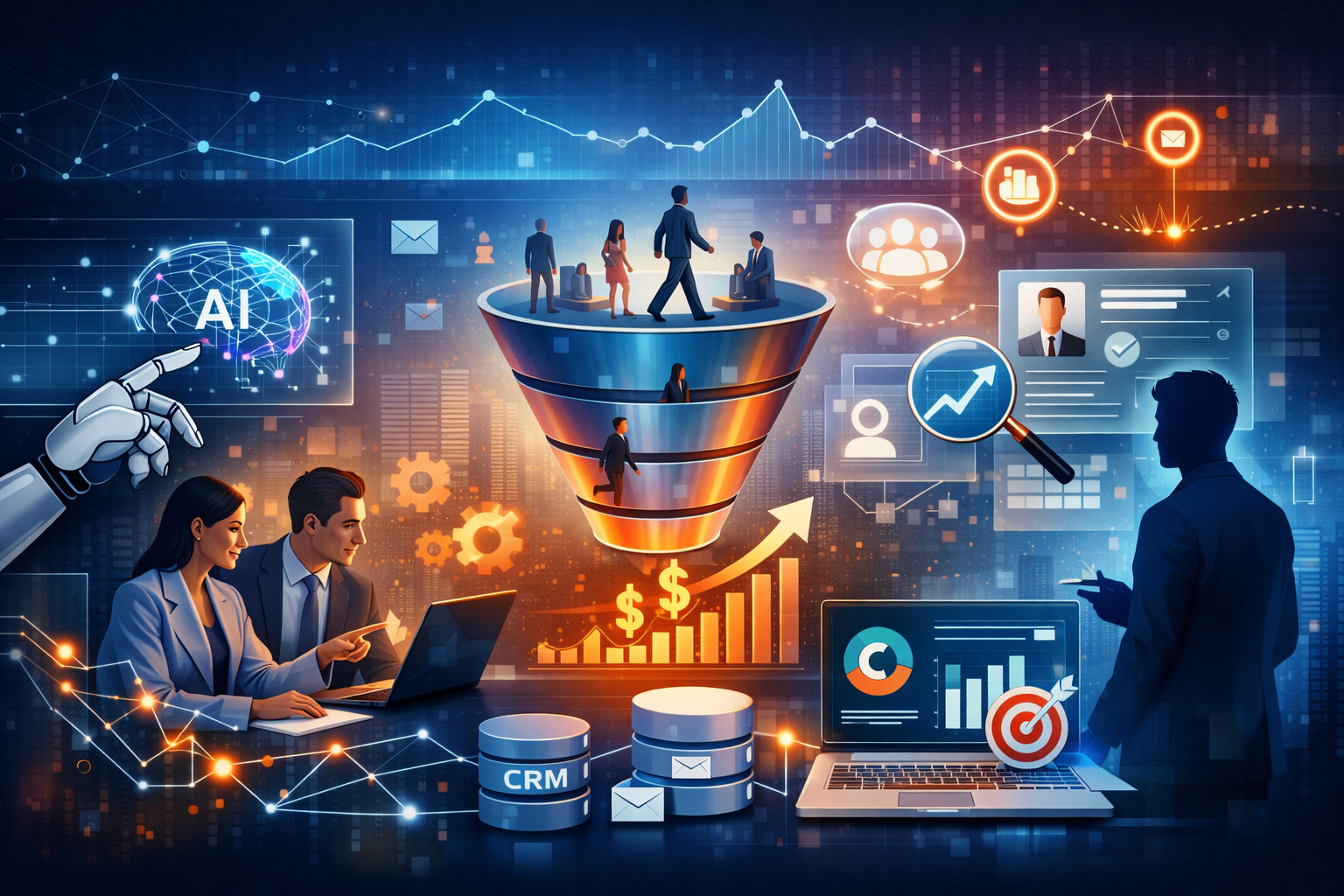
In today’s hyper-connected digital landscape, businesses are flooded with customer data from countless touchpoints—websites, mobile apps, social media, email campaigns, CRM systems, and more. Yet, despite having access to this wealth of information, many organizations struggle to unify and effectively use it. This is where Customer Data Platforms (CDPs) come into play.
What is a Customer Data Platform?
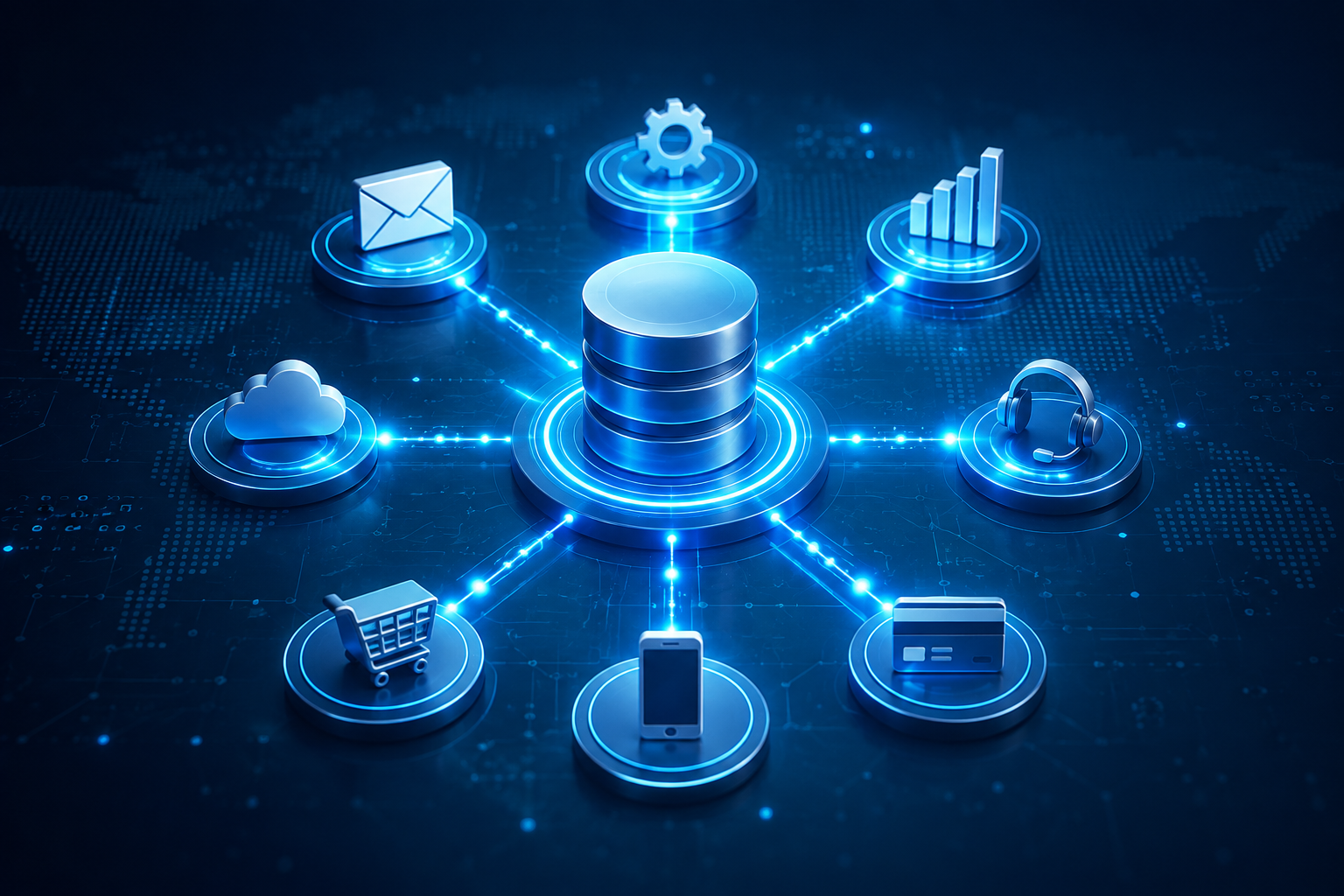
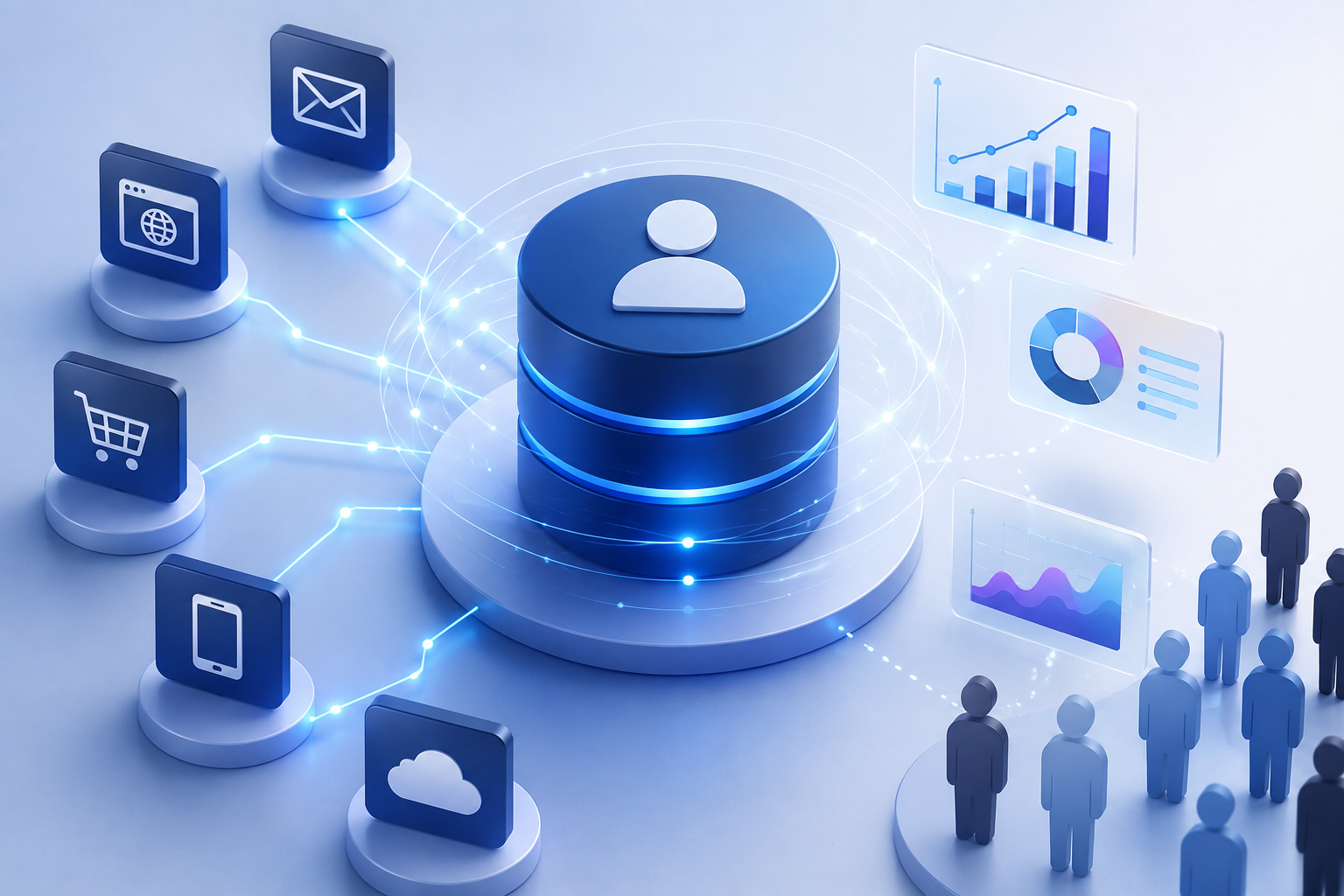
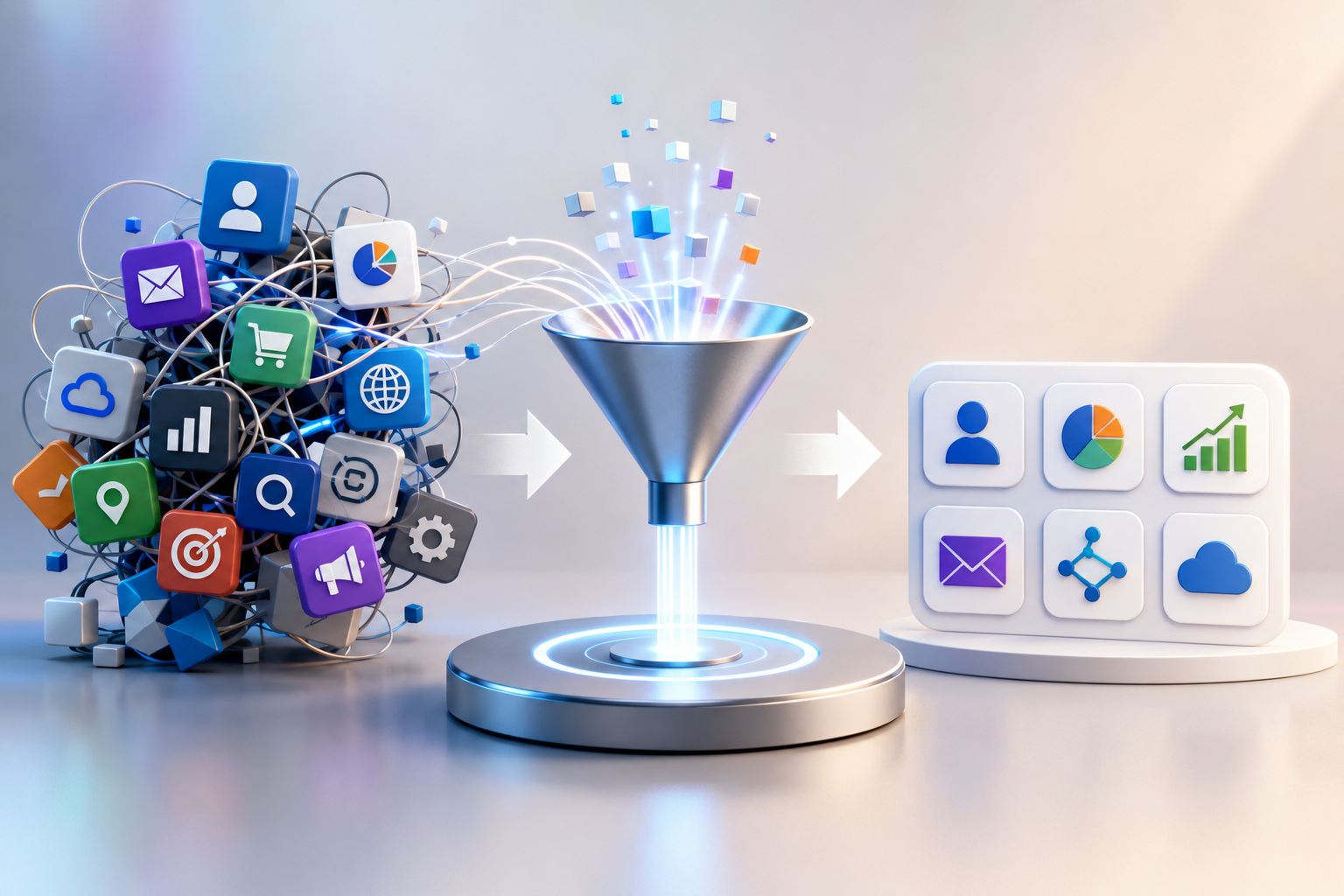
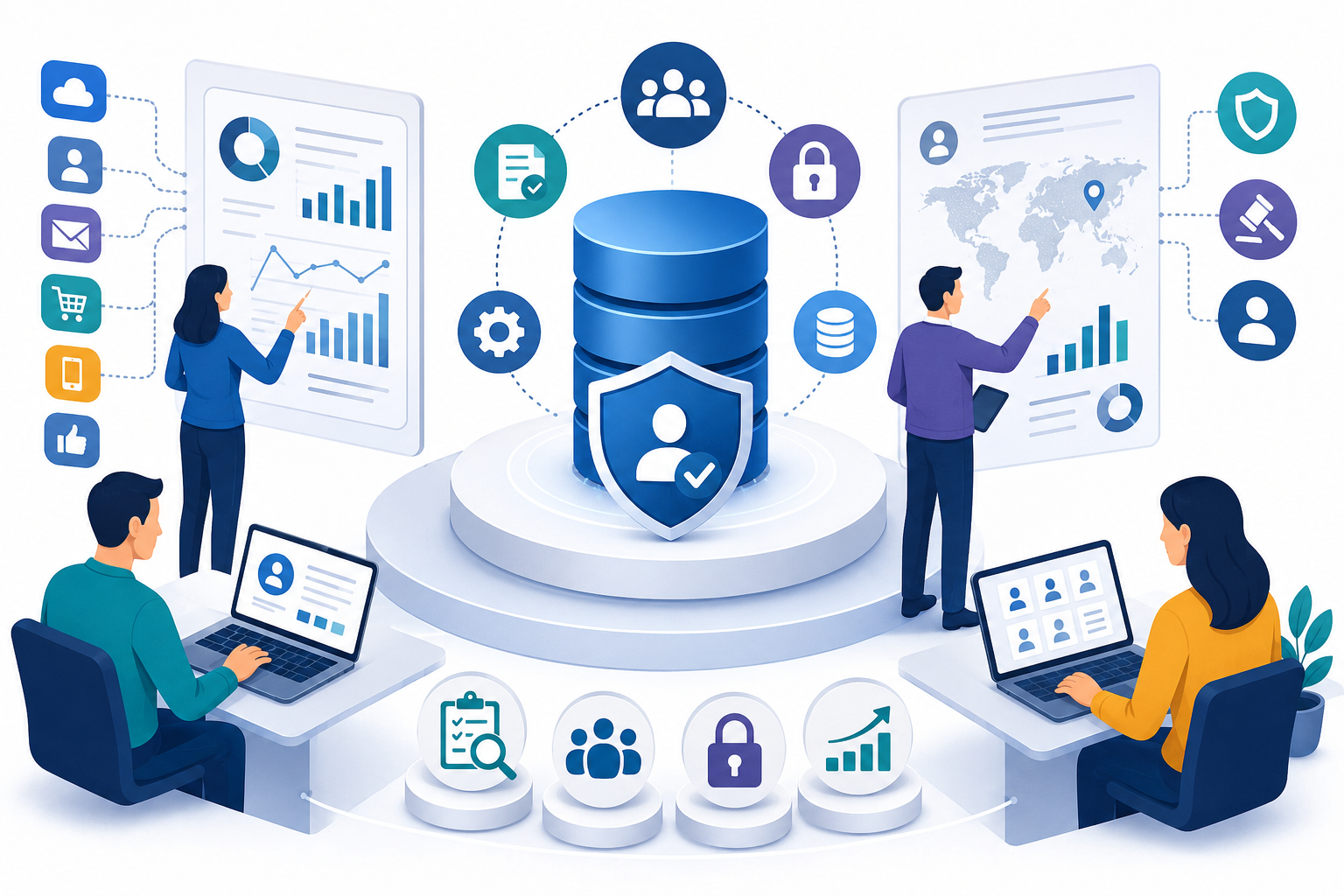
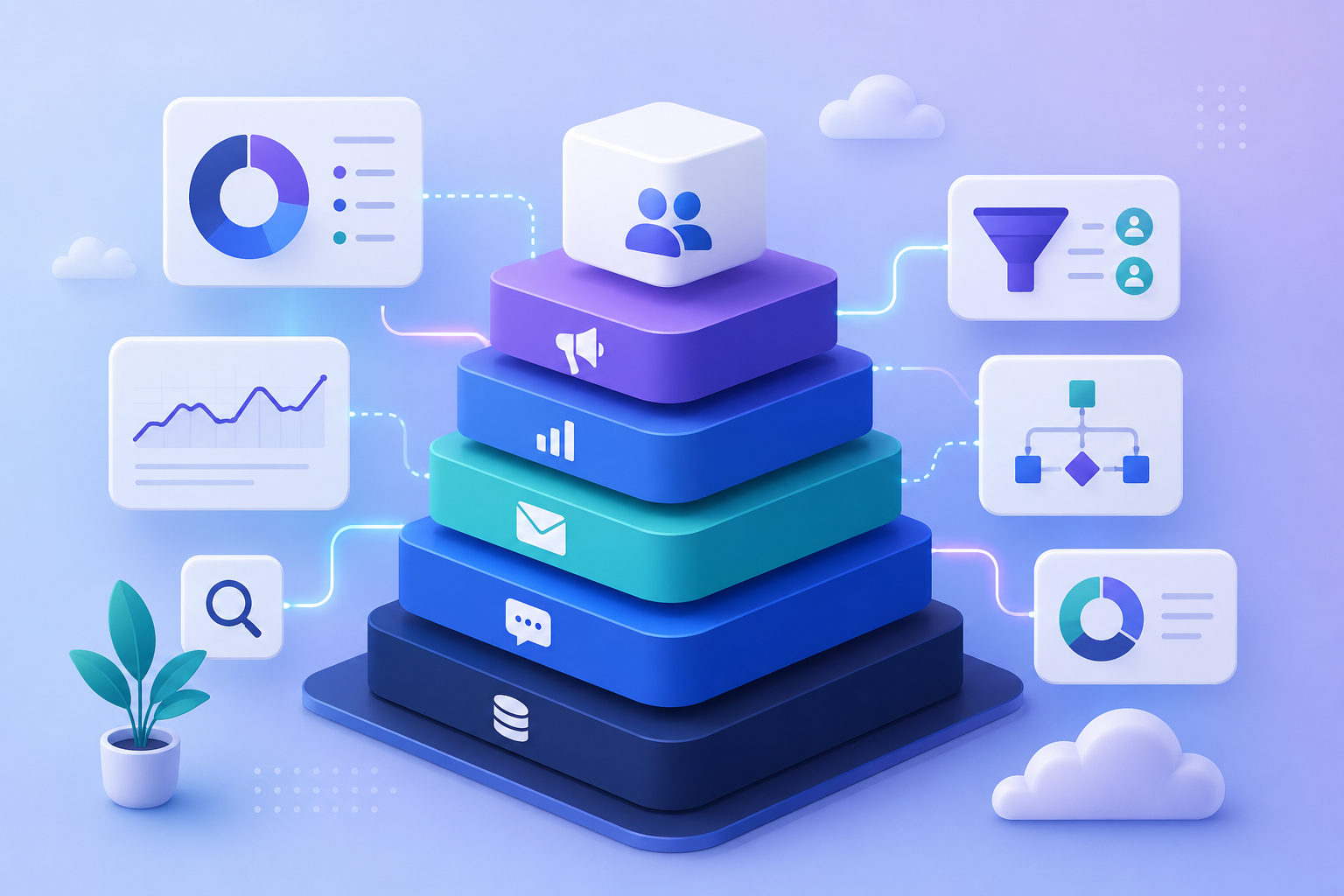
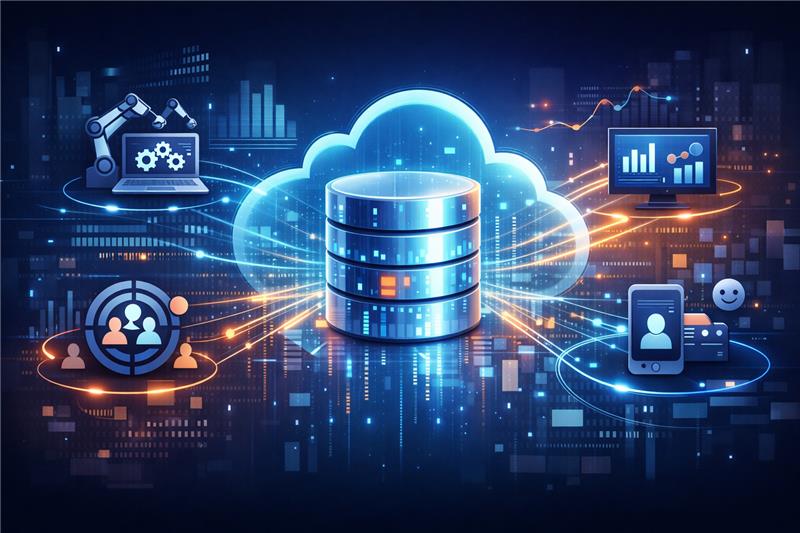
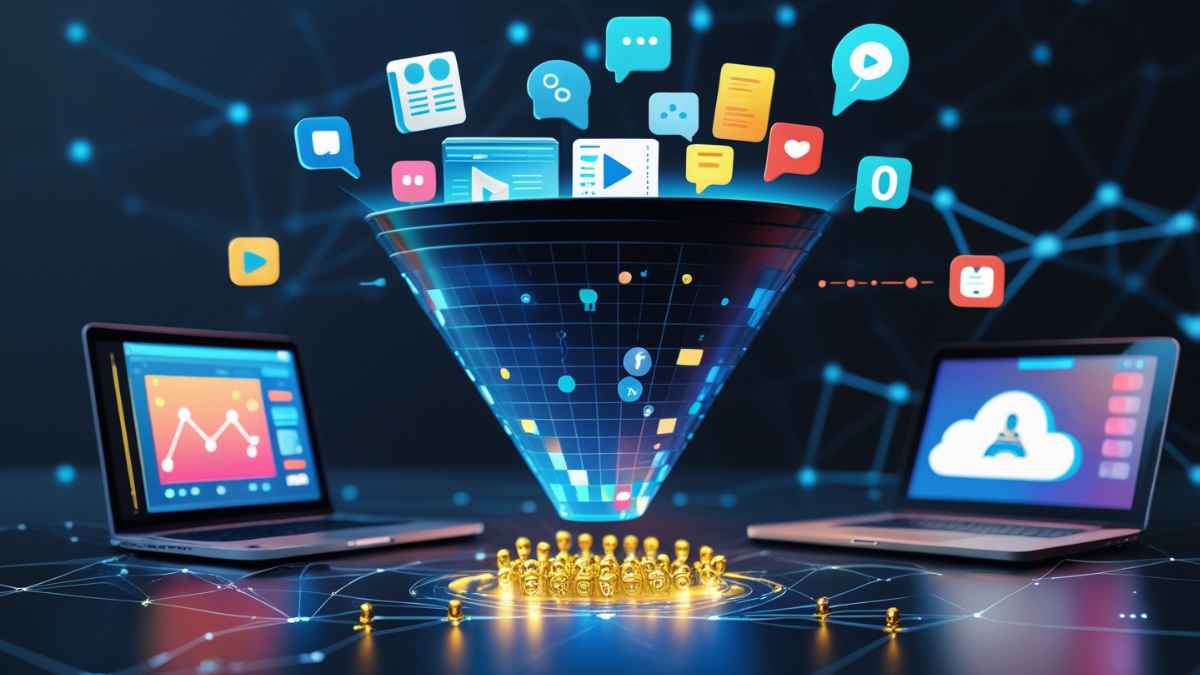
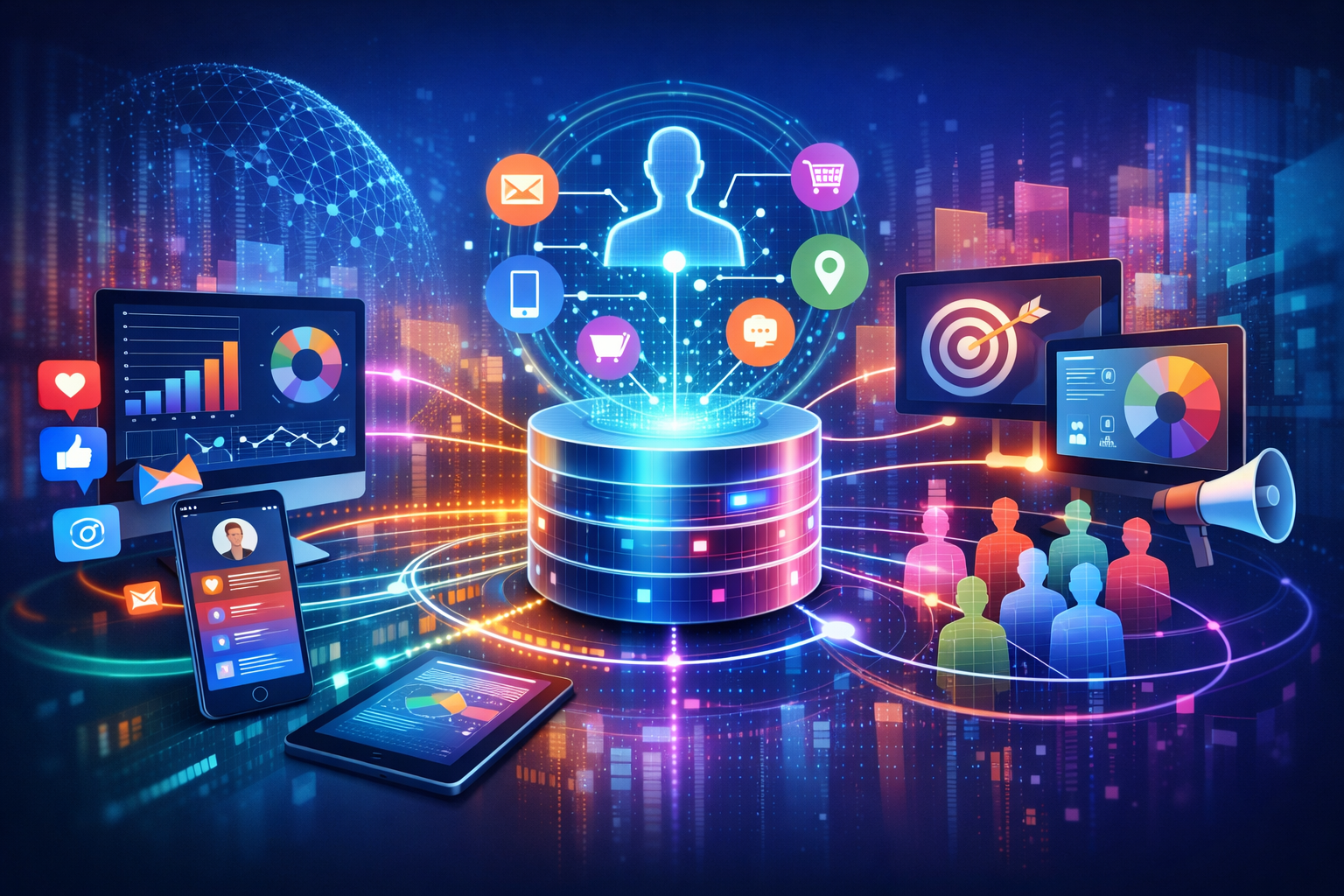
A Customer Data Platform (CDP) is a centralized system designed to collect, unify, and manage customer data from multiple sources to create a single, comprehensive view of each customer. Unlike traditional data systems, CDPs are built specifically for marketers, enabling them to access actionable insights without heavy reliance on IT teams.
At its core, a CDP answers a fundamental question: Who is my customer, and how can I engage them better?
Why CDPs Matter in Modern Marketing
Modern consumers expect personalized, seamless experiences across every interaction. Whether browsing a website, opening an email, or visiting a physical store, they want brands to understand their preferences and respond accordingly.
CDPs make this possible by:
- Unifying Data Silos: Bringing together fragmented data from various channels into a single source of truth.
- Enabling Personalization: Allowing marketers to tailor messages and offers based on real-time customer behavior.
- Improving Customer Experience: Delivering consistent and relevant interactions across all touchpoints.
- Enhancing Decision-Making: Providing data-driven insights that guide marketing strategies.
Key Features of a CDP
1. Data Integration
CDPs collect data from multiple sources—online and offline—and integrate it into a unified database. This includes behavioral data, transactional data, and demographic information.
2. Identity Resolution
One of the most powerful features of a CDP is its ability to stitch together different identifiers (email, phone number, cookies, device IDs) to create a single customer profile.
3. Real-Time Processing
Modern CDPs process data in real time, enabling marketers to respond instantly to customer actions, such as abandoned carts or website visits.
4. Segmentation and Targeting
Marketers can create dynamic audience segments based on behavior, preferences, and lifecycle stage, allowing for highly targeted campaigns.
5. Activation
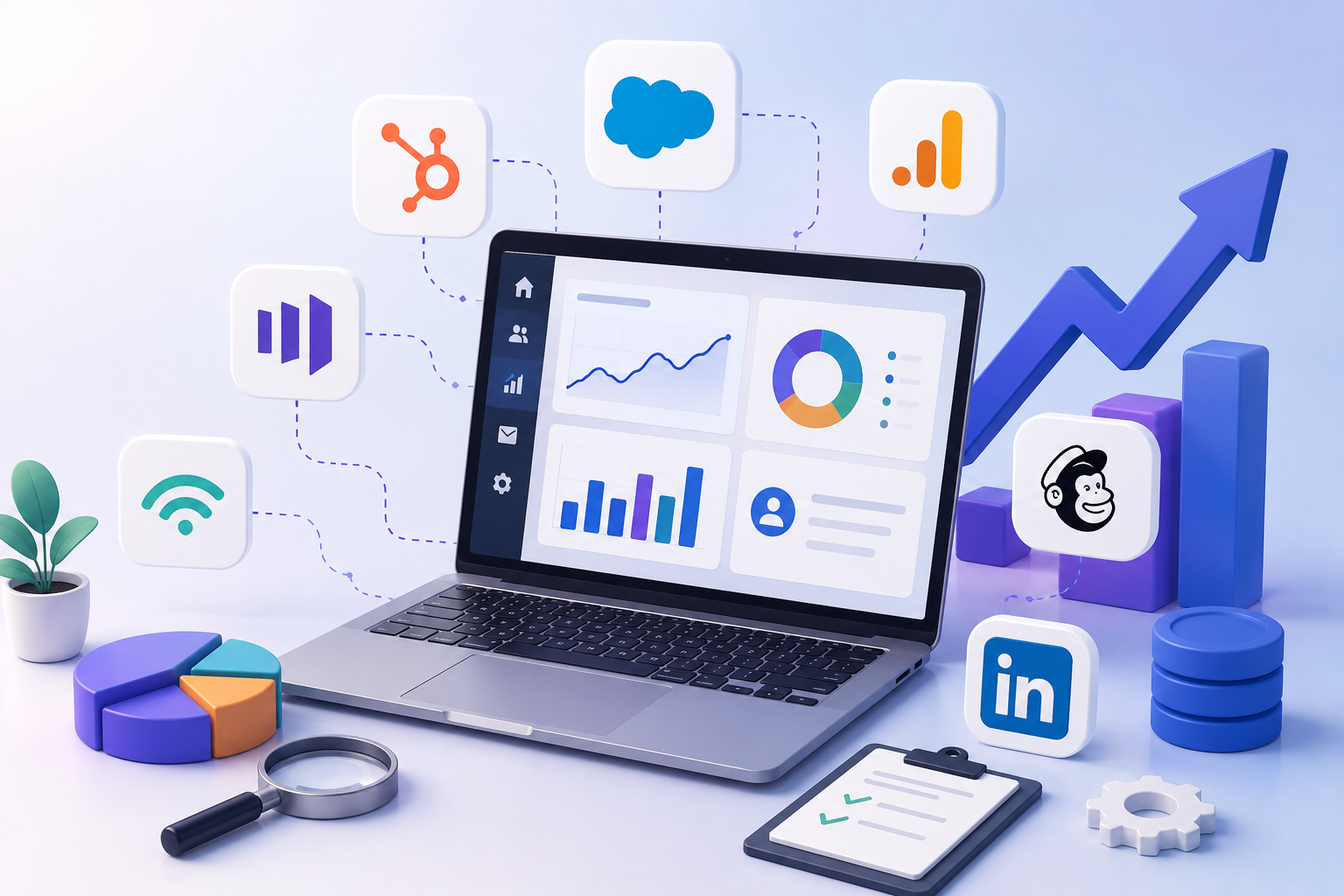
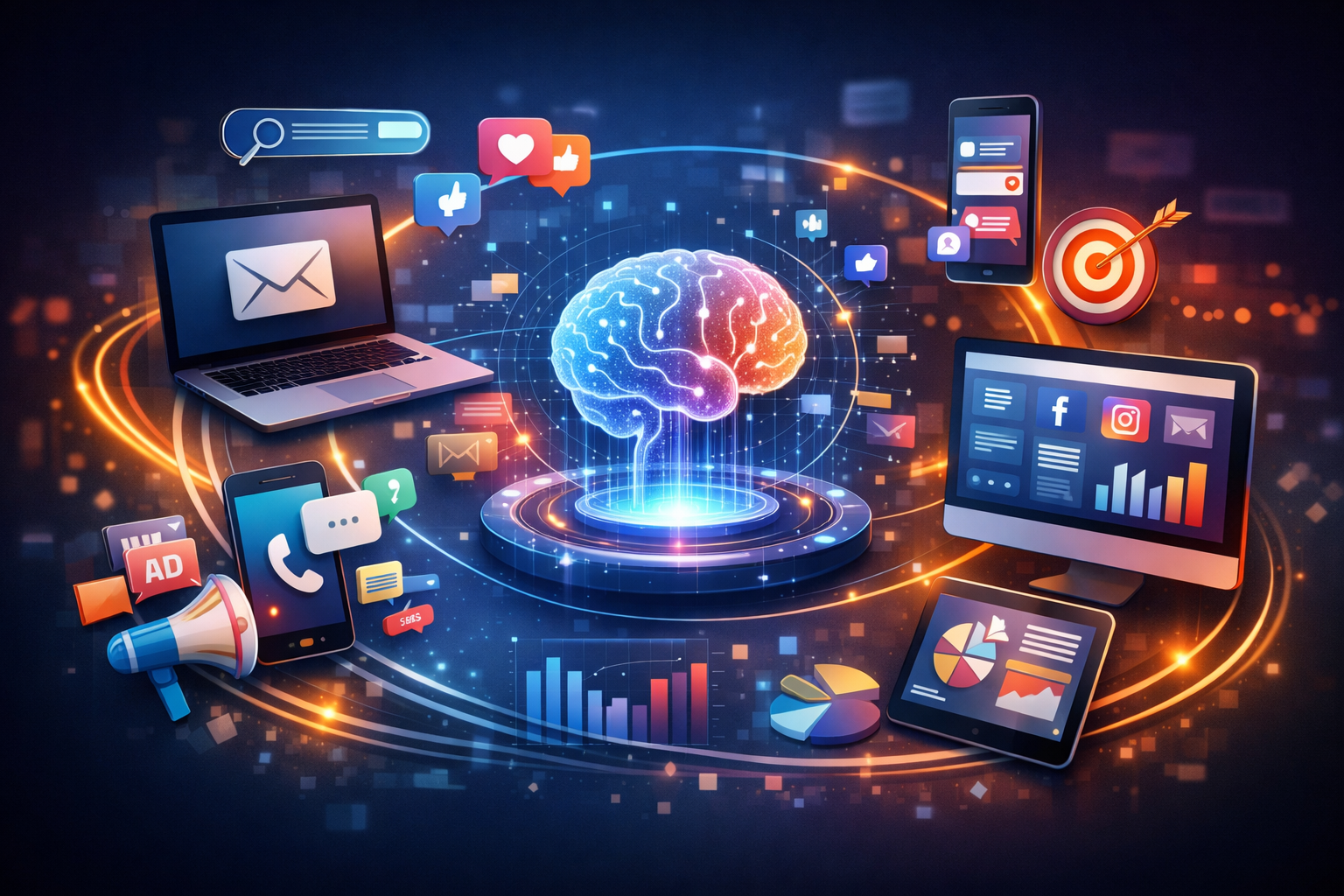
CDPs don’t just store data—they activate it. They integrate with marketing tools to deliver personalized campaigns across channels like email, ads, and mobile notifications.
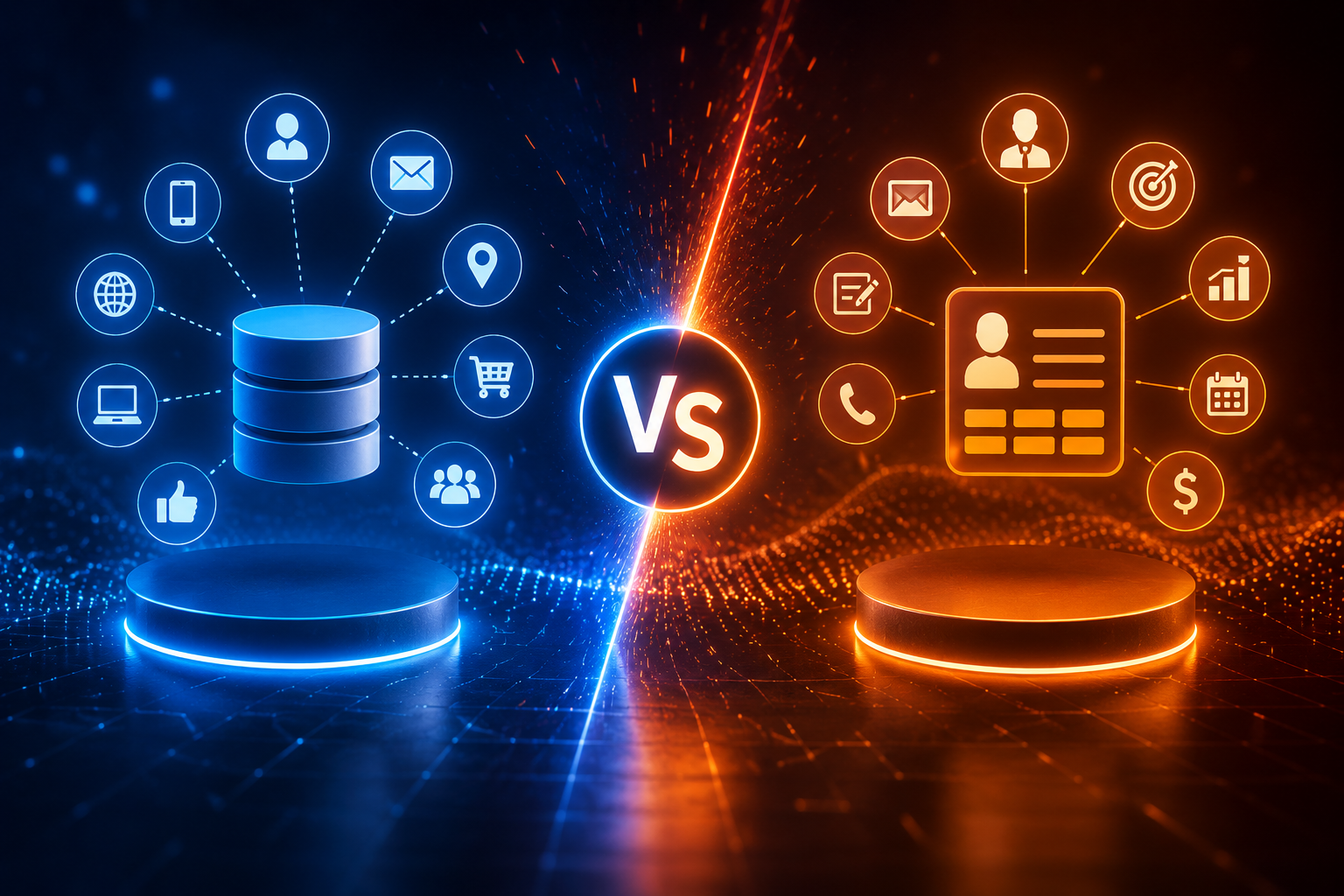
CDP vs. CRM vs. DMP
It’s common to confuse CDPs with other data systems. Here’s how they differ:
- CRM (Customer Relationship Management): Focuses on managing direct customer interactions, primarily sales and service data.
- DMP (Data Management Platform): Primarily handles anonymous third-party data for advertising purposes.
- CDP: Combines the best of both worlds by managing first-party, identifiable customer data and making it accessible for marketing use.
Benefits of Implementing a CDP
Organizations that adopt CDPs often experience:
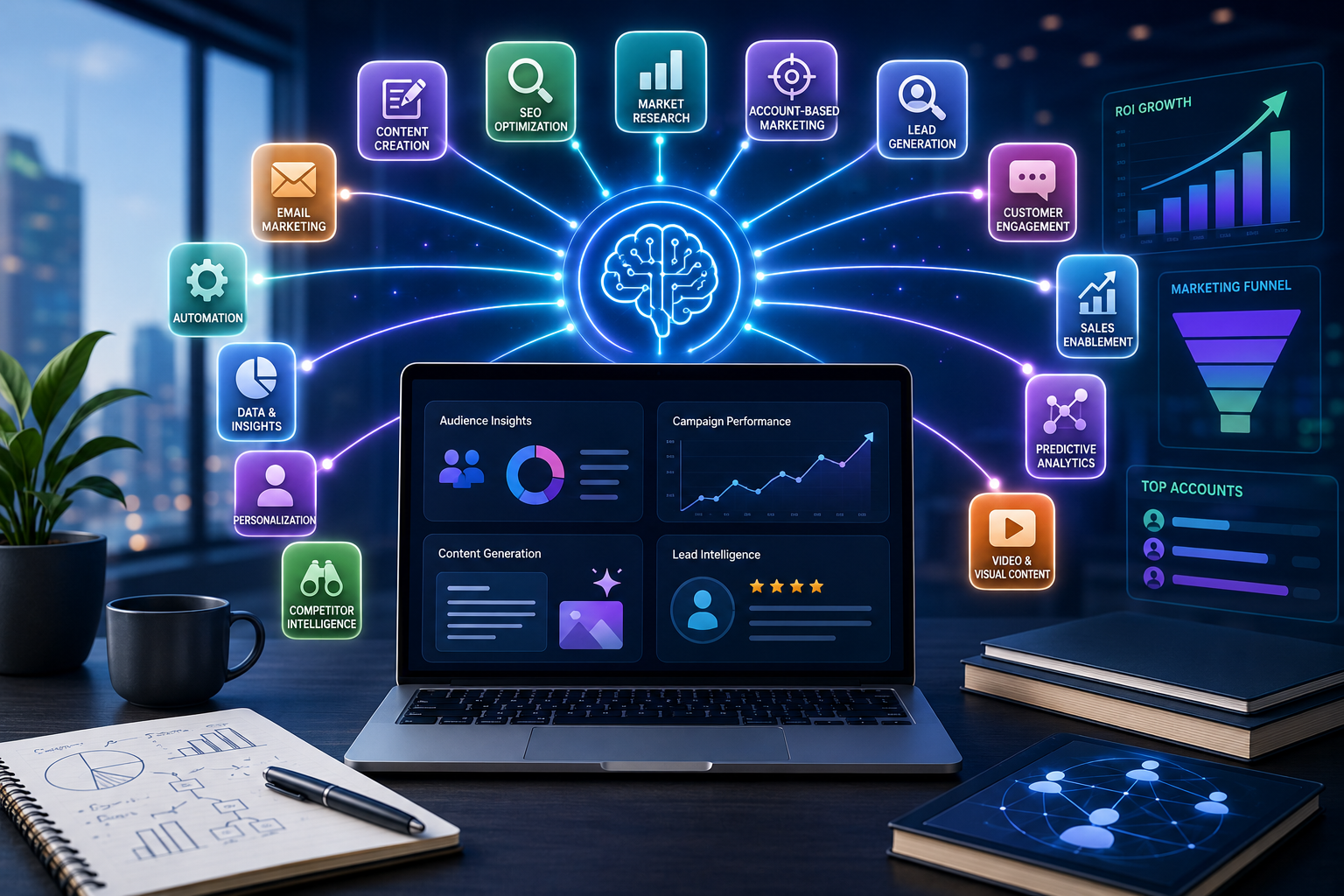
- Higher Marketing ROI: More precise targeting leads to better conversion rates.
- Stronger Customer Loyalty: Personalized experiences foster deeper relationships.
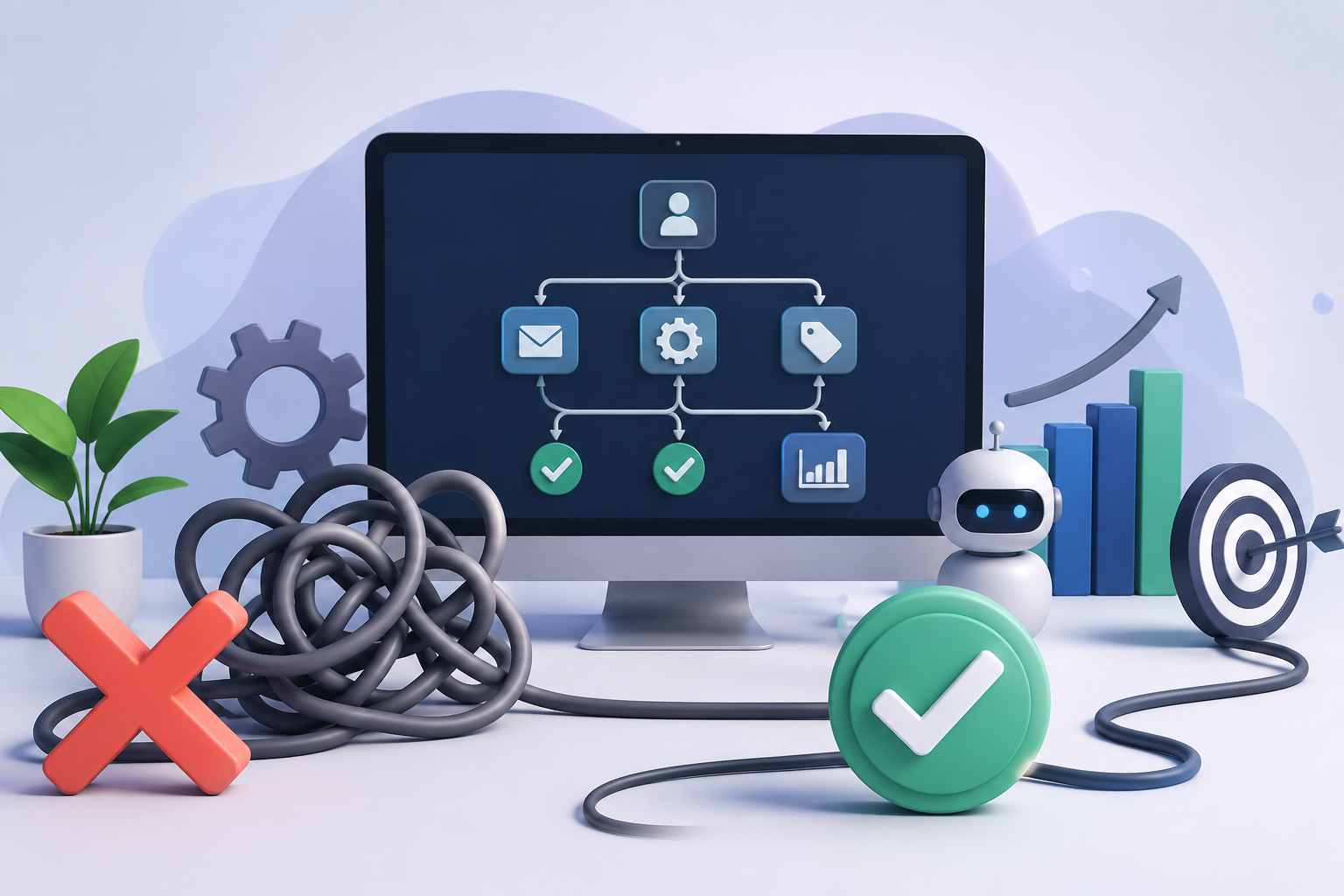
- Operational Efficiency: Reduced dependency on manual data handling and IT support.
- Better Compliance: Centralized data management helps meet privacy and regulatory requirements.
Challenges to Consider
While CDPs offer significant advantages, implementation is not without challenges:
- Data Quality Issues: Inaccurate or incomplete data can undermine effectiveness.
- Integration Complexity: Connecting multiple systems requires careful planning.
- Cost and Resources: CDPs can be resource-intensive to deploy and maintain.
- Change Management: Teams must adapt to new workflows and data-driven approaches.
The Future of CDPs
As privacy regulations tighten and third-party cookies phase out, first-party data will become even more critical. CDPs are well-positioned to lead this shift, enabling brands to build direct, trust-based relationships with customers.
Emerging trends include:
- AI-driven insights and predictive analytics
- Deeper integration with customer experience platforms
- Increased focus on data privacy and governance
- Real-time omnichannel orchestration
Read Also: The Blurring Line Between Martech and Adtech