A Practical Guide for Revenue-Driven Marketing & Sales Teams
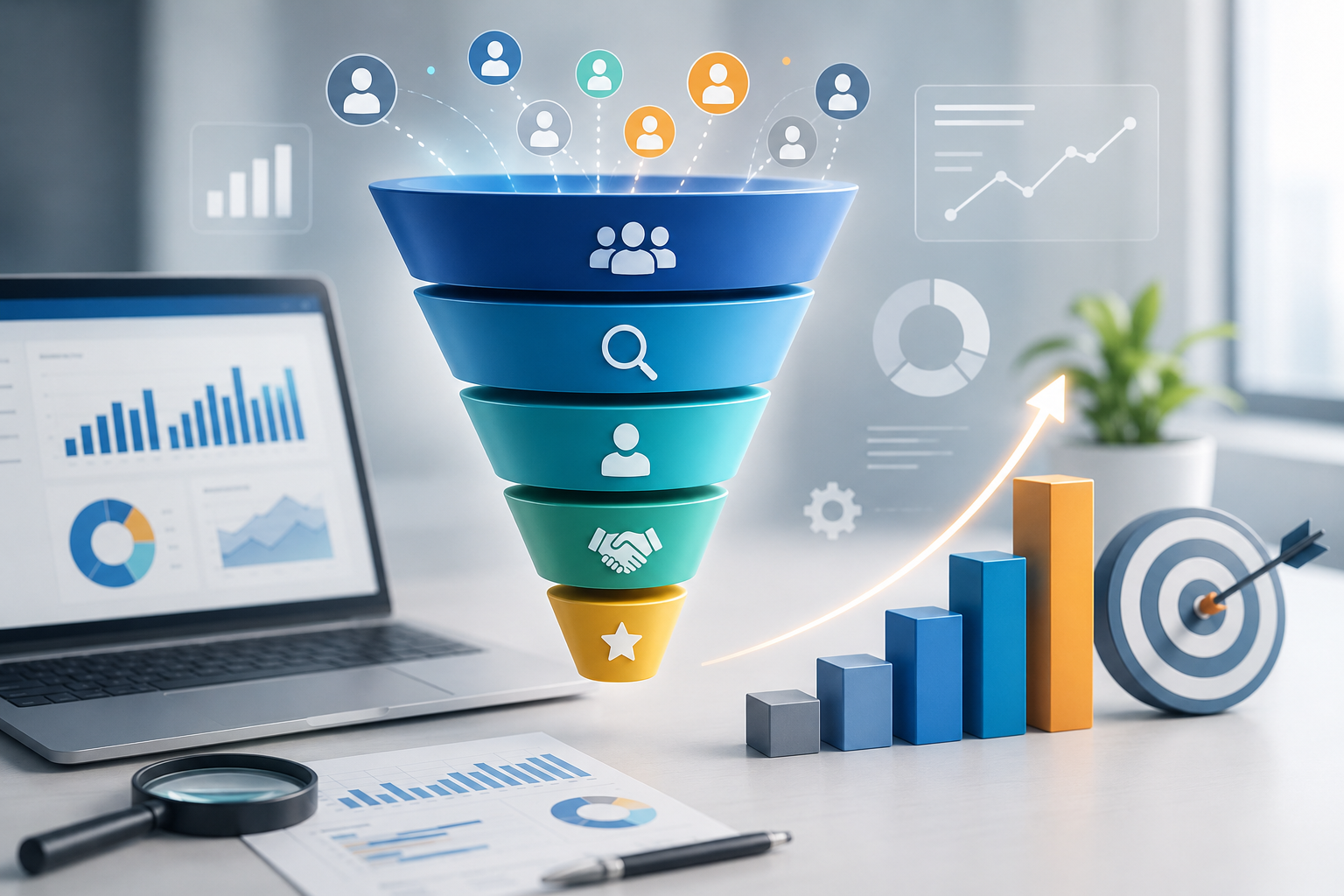
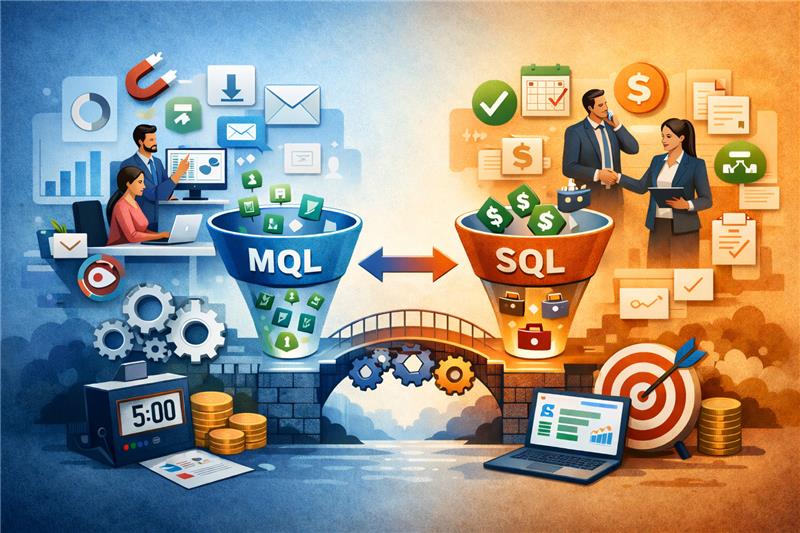
Marketing teams celebrate generating Marketing Qualified Leads (MQLs). Sales teams care about Sales Qualified Leads (SQLs). But revenue growth happens only when MQLs consistently convert into SQLs.
If your pipeline is full but conversions are low, the issue isn’t lead volume — it’s alignment, qualification, and process optimization.
In this blog, we’ll break down practical strategies to improve your MQL-to-SQL conversion rates and turn more marketing effort into closed revenue.
Understanding the MQL → SQL Gap
Before fixing the problem, clarify the difference:
- MQL (Marketing Qualified Lead): A lead that fits your ideal customer profile (ICP) and has shown engagement (downloads, webinar attendance, repeat visits).
- SQL (Sales Qualified Lead): A lead vetted by sales as having real buying intent, budget, authority, and timeline.
The gap between the two often stems from:
- Misaligned qualification criteria
- Poor lead nurturing
- Weak handoff processes
- Lack of intent data
- Slow sales follow-up
Let’s fix that.
1. Redefine and Align Your MQL Criteria
One of the biggest conversion killers is inflated MQL definitions.
Ask:
- Are we scoring engagement over intent?
- Are we prioritizing content downloads over buying signals?
- Does sales agree with our definition of “qualified”?
What to Do:
- Create a joint marketing-sales SLA (Service Level Agreement)
- Define clear qualification criteria (industry, role, company size, budget signals)
- Review MQL-to-SQL conversion monthly
Pro Tip: Remove vanity metrics from scoring (e.g., blog views alone shouldn’t create MQLs).
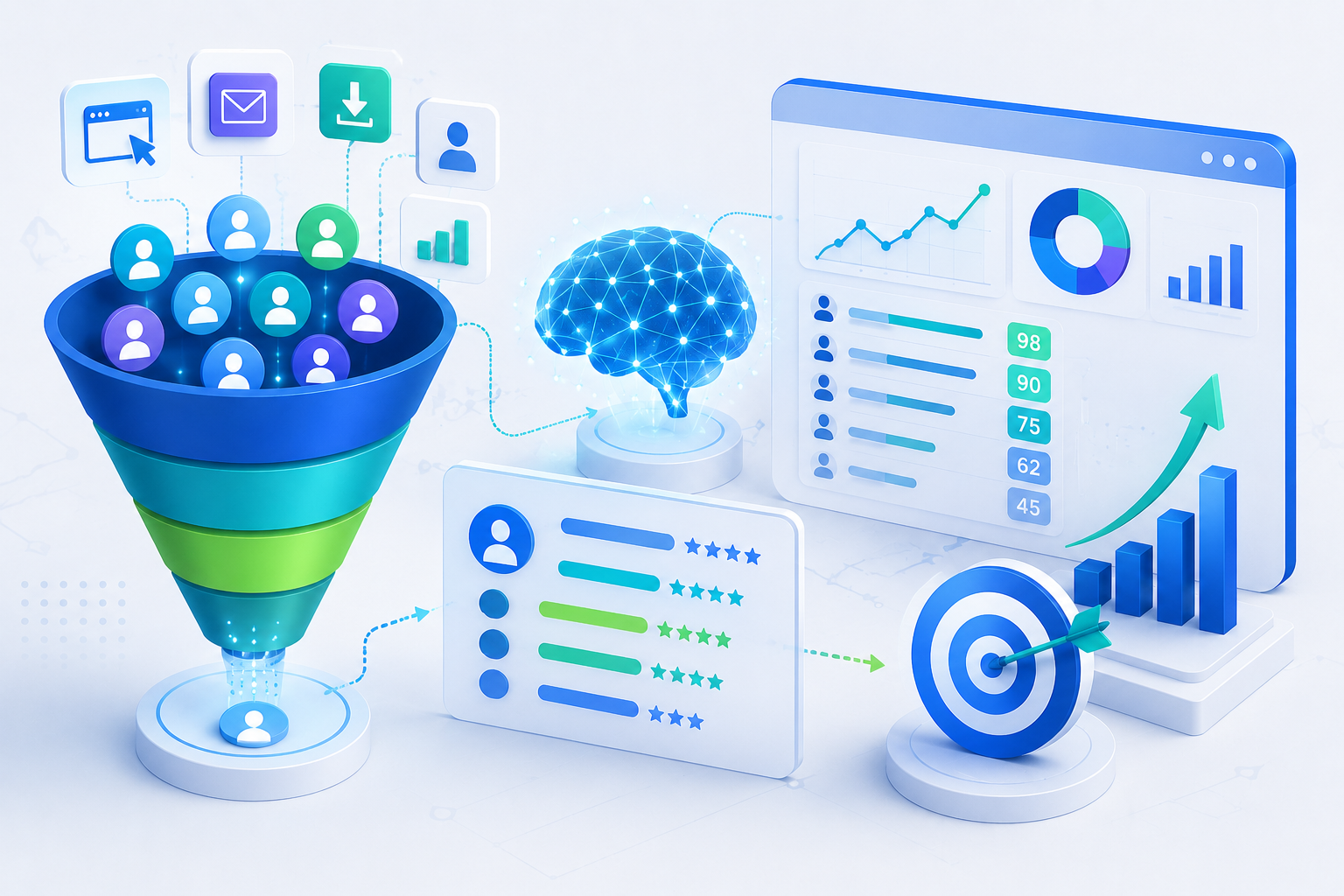
2. Improve Lead Scoring with Intent Signals
Traditional scoring models focus on:
- Email opens
- Form fills
- Page views
But high conversion comes from buying intent signals, such as:
- Pricing page visits
- Demo requests
- Product comparison page views
- Multiple stakeholders visiting
Upgrade Your Scoring Model:
- Add behavioral weighting
- Include firmographic filters
- Track frequency + recency
- Incorporate third-party intent data (if available)
The more predictive your scoring, the higher your SQL acceptance rate.
3. Strengthen Marketing and Sales Alignment
Poor alignment is the #1 reason MQLs get rejected.
Implement:
- Weekly MQL review meetings
- Shared dashboards
- Clear feedback loops
Sales should report:
- Why leads were rejected
- What information was missing
- Which segments convert best
Marketing should adjust targeting accordingly.
When both teams share revenue goals (not just lead targets), conversion improves naturally.
4. Improve Speed-to-Lead
Conversion probability drops dramatically as response time increases.
Best Practices:
- Respond within 5 minutes for high-intent leads
- Use automated routing
- Assign leads instantly to correct reps
- Trigger real-time alerts for demo requests
Speed communicates professionalism and catches buyers while interest is high.
5. Nurture Leads More Strategically
Not all MQLs are ready to become SQLs immediately.
If your nurture strategy is generic, you’re leaking opportunity.
Upgrade Nurturing With:
- Segmented workflows by industry or persona
- Sales-enabled content (case studies, ROI calculators)
- Retargeting campaigns
- Personalized follow-ups
Focus on moving leads from interest → evaluation → decision.
6. Improve Data Quality
Bad data equals bad qualification.
Audit:
- Missing job titles
- Inaccurate company sizes
- Personal emails instead of business emails
- Duplicate records
Enrich leads before handing them to sales.
The better the data, the easier it is for sales to qualify.
7. Optimize the Handoff Process
The marketing-to-sales handoff should be seamless.
Checklist:
- Does sales receive context (content consumed, pages visited)?
- Is there a clear acceptance/rejection workflow?
- Are rejected SQLs recycled properly?
A structured lifecycle prevents leads from falling into a black hole.
8. Analyze Conversion by Segment
Your overall MQL-to-SQL rate hides important insights.
Break it down by:
- Industry
- Company size
- Campaign source
- Content asset
- Persona
You may discover:
- Webinars convert better than eBooks
- Mid-market converts better than enterprise
- Specific industries have 2x SQL rates
Double down where conversion is highest.
9. Focus on Quality Over Quantity
Many teams inflate MQL volume to hit targets.
But:
- More MQLs ≠ more revenue
- Lower quality hurts sales morale
- Rejected leads waste time
Shift KPIs from:
- “Number of MQLs”
To: - “MQL-to-SQL conversion rate”
- “Pipeline contribution”
- “Revenue influenced”
Quality-first marketing improves long-term performance.
10. Track and Continuously Optimize
Improvement requires measurement.
Key Metrics to Monitor:
- MQL-to-SQL Conversion Rate
- SQL Acceptance Rate
- Time to First Contact
- Lead Aging
- Pipeline Velocity
- Revenue per MQL
Set benchmarks and improve quarter over quarter.
What’s a Good MQL-to-SQL Conversion Rate?
It varies by industry, but typically:
- 10–20% is common
- 20–30% is strong
- 30%+ indicates strong alignment and targeting
If you’re below 10%, it’s a signal to review definitions and handoffs immediately.
Read Also: Landing Page Optimization for B2B Campaigns: Turning Clicks into Qualified Leads