In a world where attention spans are shrinking and content competition is exploding, micro-content has become one of the fastest ways to capture interest, spark interaction, and drive action.
Micro-content isn’t about dumbing things down—it’s about delivering value quickly, in formats designed for how people actually consume content today.
Let’s break down what micro-content is, why it works, and how to use it strategically for faster engagement.
What Is Micro-Content?
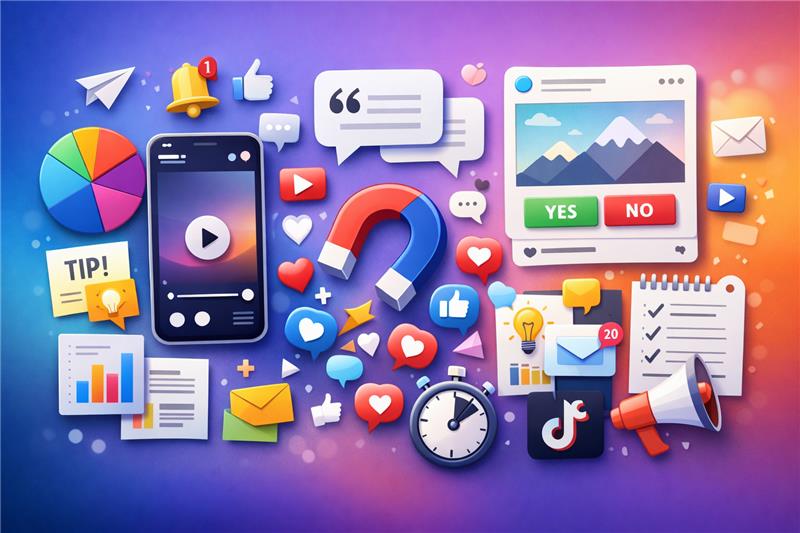
Micro-content refers to short, focused pieces of content designed to be consumed in seconds, not minutes. Examples include:
- Short videos (Reels, Shorts, TikToks)
- Tweets, threads, and LinkedIn one-liners
- Instagram carousels
- Infographics and charts
- Email subject lines or preview text
- Quotes, tips, stats, and hooks
Each piece serves one clear idea—no fluff, no overload.
Why Micro-Content Drives Faster Engagement
1. It Matches Modern Attention Behavior
People scroll first and decide later. Micro-content fits naturally into that behavior by delivering instant value.
2. It’s Easy to Consume and Share
Short content lowers the effort required to engage—likes, comments, saves, and shares happen faster.
3. It Works Across Platforms
Micro-content adapts easily to social feeds, email, messaging apps, and even paid ads.
4. It Feeds the Algorithm
Most platforms reward frequent, consistent engagement. Micro-content allows you to post more without burning resources.
Core Micro-Content Strategies That Work
1. One Idea per Piece
Every micro-content asset should answer one question or deliver one insight.
Bad:
“Here’s everything you need to know about content marketing…”
Good:
“One mistake killing your content reach: posting without a hook.”
Clarity beats completeness.
2. Lead With the Hook
Your first line or frame decides everything.
Effective hooks:
- Bold statements
- Contrarian opinions
- Surprising stats
- Direct questions
Example:
“Your content isn’t bad. It’s just invisible.”
3. Repurpose Long-Form Content
One blog, video, or podcast can generate 10–30 micro-content pieces.
Turn:
- Blog posts → quotes, stats, carousel slides
- Videos → short clips
- Webinars → tips, FAQs, highlights
Think content atoms, not content silos.
4. Use Visual Simplicity
Micro-content performs best when it’s easy to scan:
- Large text
- Minimal colors
- Clear contrast
- One focal point
If someone can’t understand it in 3 seconds, it’s too complex.
5. Design for Interaction
Engagement accelerates when people are invited to respond.
Try:
- “Agree or disagree?”
- “Save this for later”
- “Which one are you struggling with?”
Micro-content thrives on conversation, not broadcasting.
6. Stack Consistency Over Virality
One viral post helps.
Consistent micro-content builds momentum.
Aim for:
- Daily or near-daily posting
- Repeating core themes
- Recognizable style or tone
Engagement compounds over time.
Measuring Micro-Content Success
Focus on engagement velocity, not just reach:
- Time to first interaction
- Saves and shares
- Comments per post
- Click-through rates
Micro-content success = fast response + repeated interaction.
Common Mistakes to Avoid
- Posting without a clear goal
- Overloading with information
- Copy-pasting across platforms without adapting
- Ignoring comments and replies
- Chasing trends without relevance
Micro-content should feel intentional, not random.
Read Also: The Evolution of SEO in a World of Voice and AI Search