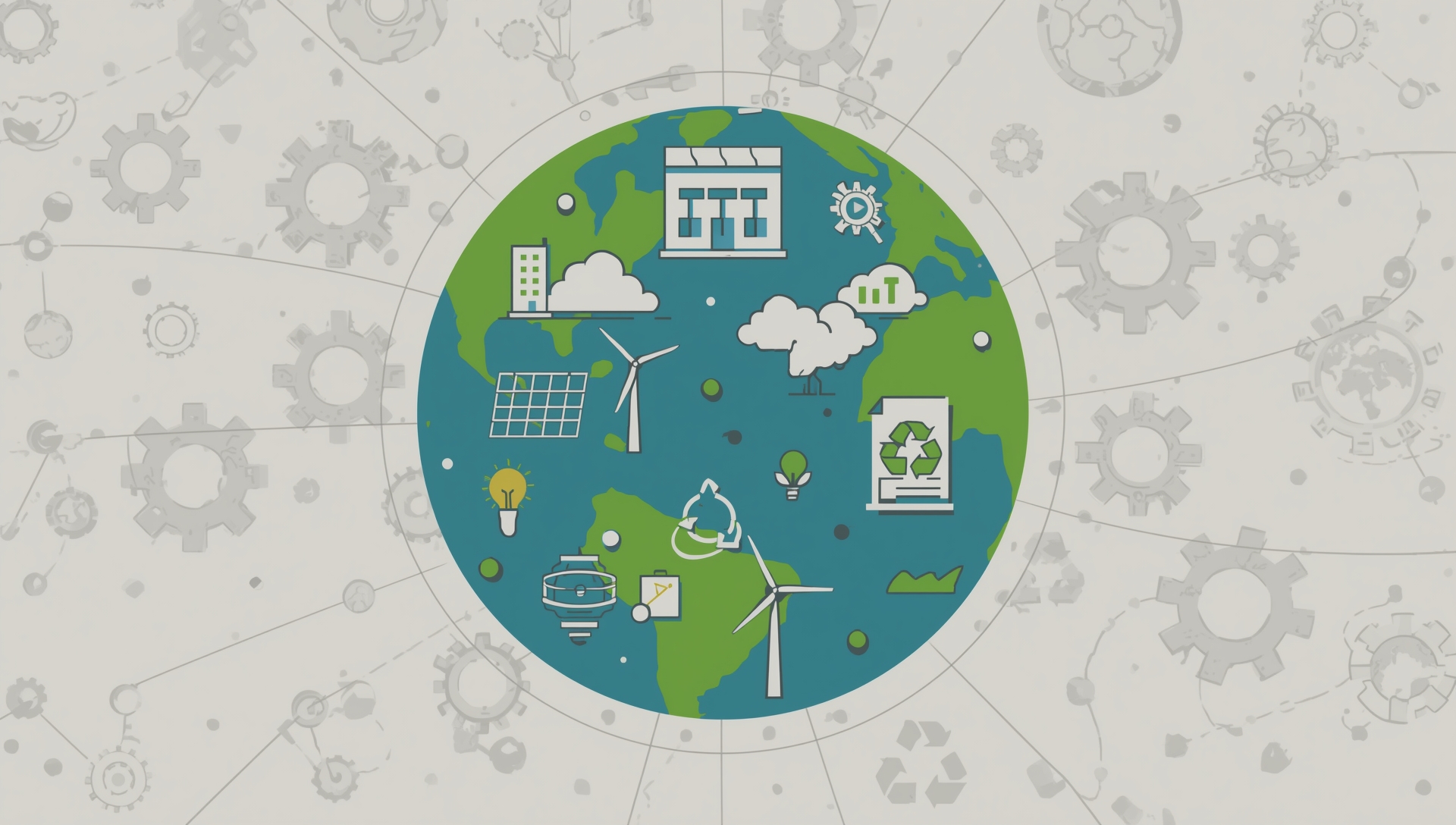
In today’s rapidly evolving business landscape, sustainability is no longer a buzzword reserved for consumer-focused companies. Increasingly, business-to-business (B2B) organizations are recognizing the critical role sustainability plays in their operations, strategy, and long-term success. As global environmental concerns mount and regulatory frameworks tighten, the question is no longer if sustainability matters in B2B operations, but how businesses can embrace it effectively.
1. Meeting Regulatory and Market Demands
Governments around the world are implementing stricter environmental regulations that require companies to reduce their carbon footprint, minimize waste, and enhance energy efficiency. B2B companies, especially in manufacturing, logistics, and industrial services, must adapt to avoid penalties and maintain market access. Moreover, many large enterprises now impose sustainability requirements on their suppliers and partners. Companies that fail to meet these expectations risk losing contracts and damaging their reputation in the industry.
2. Cost Savings Through Operational Efficiency
Sustainability is not just about protecting the planet—it also makes good business sense. Implementing energy-efficient technologies, optimizing resource use, and reducing waste can significantly lower operational costs over time. For B2B operations, where large-scale production, transportation, and resource consumption are common, small improvements in efficiency can translate into substantial savings. These cost reductions can improve competitiveness and profitability while supporting broader environmental goals.
3. Enhancing Brand Reputation and Trust
In an era where corporate responsibility is under intense public scrutiny, B2B companies can no longer afford to ignore sustainability. Partners, clients, and investors increasingly prefer working with businesses that demonstrate environmental stewardship and ethical practices. By adopting sustainable practices, B2B firms build trust and strengthen their brand image, which can lead to more business opportunities and long-term partnerships.
4. Fostering Innovation and Competitive Advantage
Sustainability challenges encourage businesses to innovate. Whether it’s developing new eco-friendly materials, designing energy-efficient processes, or creating circular economy solutions, companies that invest in sustainable innovation can differentiate themselves from competitors. In B2B markets, where products and services often have long lifecycles, sustainability-driven innovation becomes a key factor in creating unique value propositions and staying ahead in the market.
5. Future-Proofing the Supply Chain
Supply chains are increasingly vulnerable to environmental risks such as climate change, resource depletion, and regulatory changes. B2B companies that proactively integrate sustainability into their supply chain management enhance resilience and mitigate potential disruptions. This means selecting suppliers who share similar sustainability values, investing in transparent and responsible sourcing, and using data-driven approaches to monitor environmental performance across the supply chain.
Read Also: Managing Remote Teams in B2B Companies: Strategies that Work