
In today’s fast-paced business environment, making informed decisions is more critical than ever, especially in the Business-to-Business (B2B) sector. With increasingly complex markets, diverse customer needs, and fierce competition, relying solely on intuition or experience is no longer sufficient. Instead, data-driven decision-making has emerged as the cornerstone of successful B2B strategies.
The Complexity of B2B Markets
Unlike Business-to-Consumer (B2C) markets, B2B transactions often involve longer sales cycles, multiple stakeholders, and larger investments. Purchasing decisions are rarely impulsive; they are carefully deliberated and depend on multiple layers of analysis. In this environment, data becomes an indispensable asset for businesses seeking to understand customer pain points, optimize sales processes, and improve operational efficiency.
Improved Customer Understanding
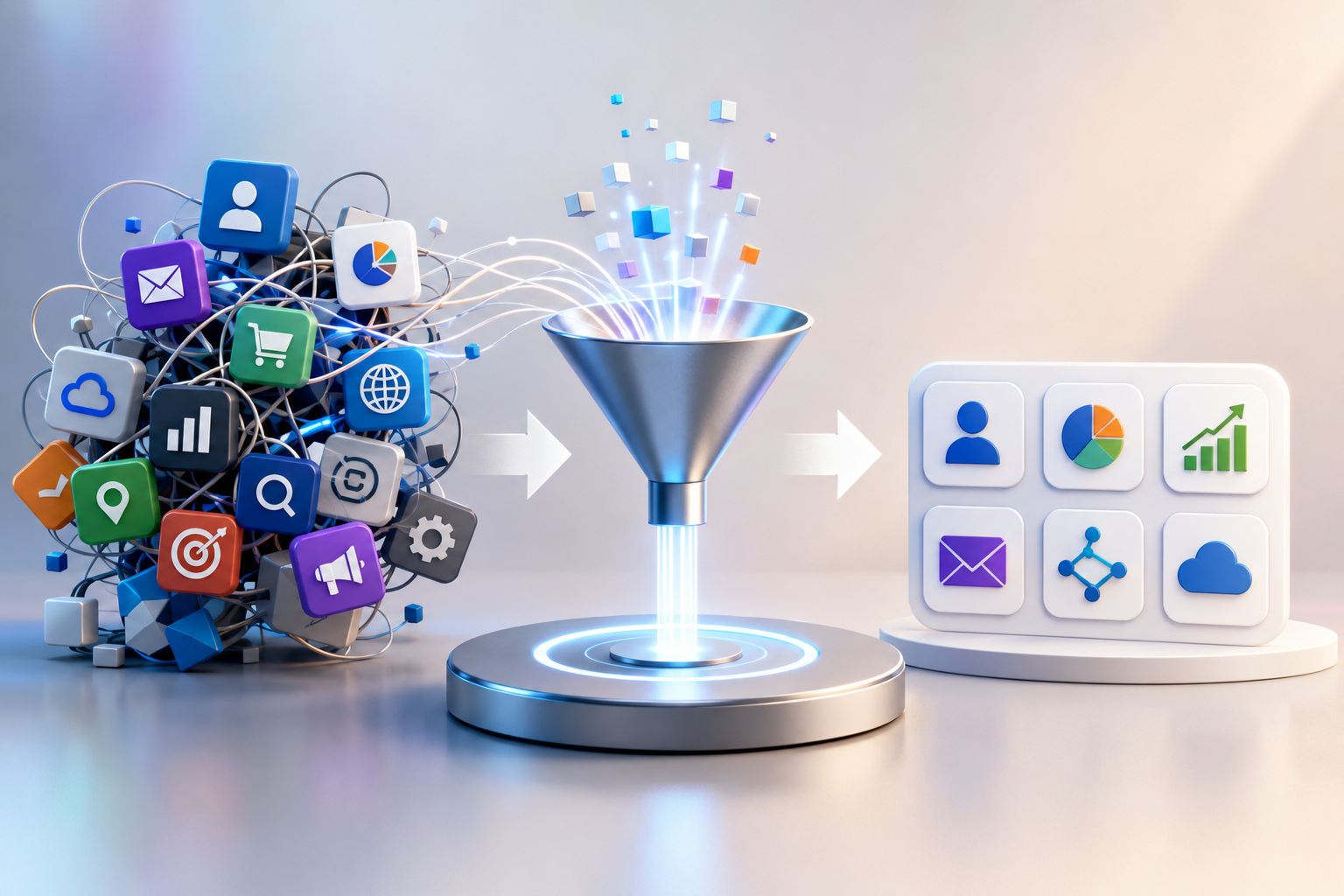
Data-driven approaches empower B2B companies to gain deep insights into customer behavior and preferences. By analyzing customer interaction data, website analytics, purchase history, and CRM records, businesses can create detailed customer profiles. These insights enable more targeted marketing campaigns, personalized outreach, and solutions that meet the precise needs of different buyer personas.
For example, a manufacturer selling industrial equipment can use historical purchase data and service records to predict when a customer might need maintenance services or upgrades. This predictive insight helps create timely offers, strengthening customer relationships and increasing upsell opportunities.
Enhanced Sales Forecasting and Efficiency
One of the most significant advantages of data-driven decision-making is improved sales forecasting. Traditional forecasting relies heavily on sales team intuition and past trends, which may not reflect current market realities. By leveraging data analytics, companies can identify patterns, assess lead quality, and predict close probabilities with higher accuracy.
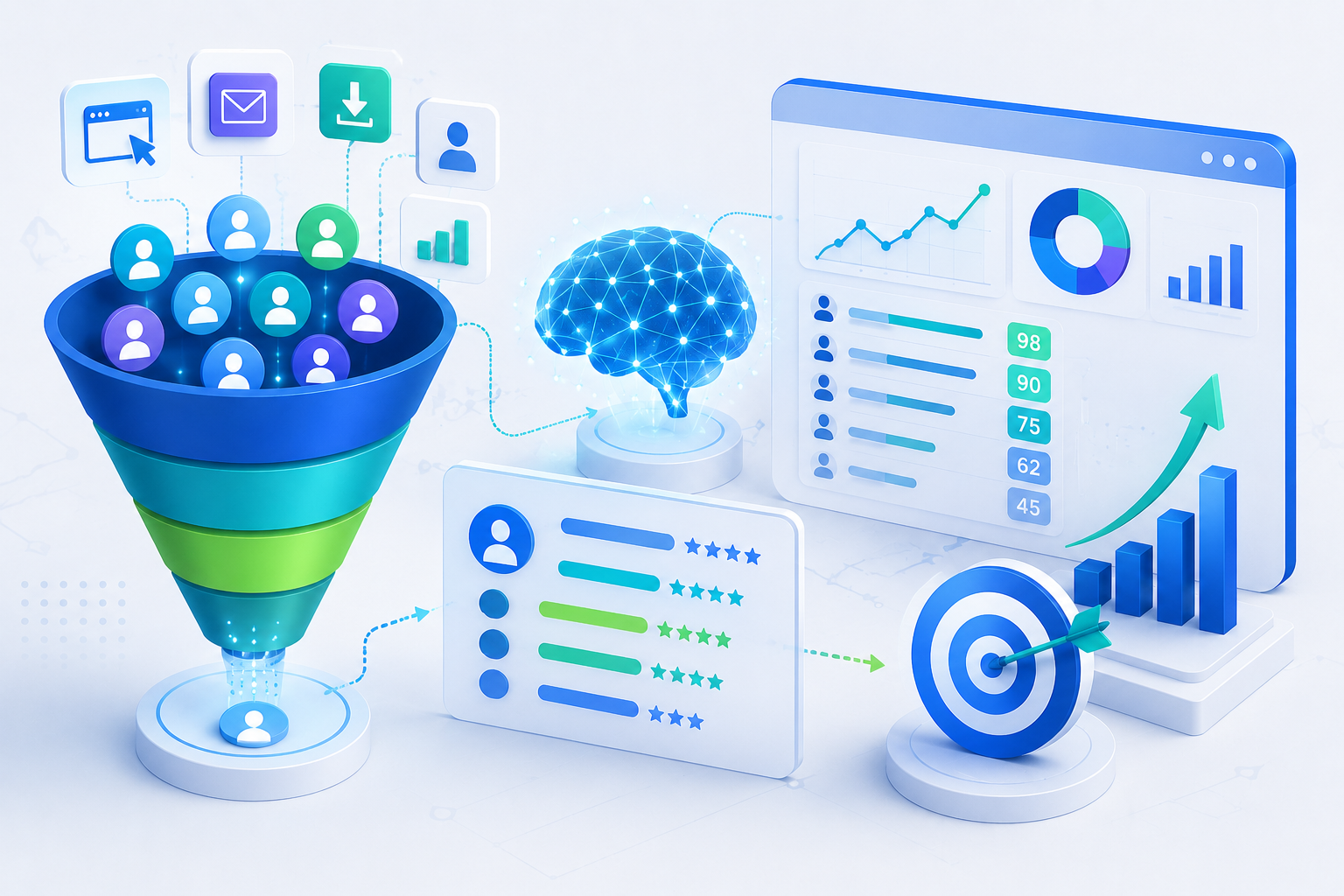
Moreover, data helps streamline the sales process by identifying bottlenecks and inefficiencies. For example, analysis of the sales funnel can reveal stages where prospects most frequently drop off, enabling targeted interventions such as enhanced product demos or revised pricing strategies.
Operational Agility and Risk Mitigation
In volatile markets, the ability to pivot quickly is essential. Data-driven decision-making provides real-time insights into market trends, supplier performance, and customer demands, allowing B2B businesses to adapt swiftly. These insights help reduce risks associated with overproduction, inventory mismanagement, or misguided investments.
For instance, if market data reveals a declining demand for a particular product line, a company can proactively adjust its production strategy or redirect resources toward emerging market needs, minimizing potential losses.
Driving Innovation and Competitive Advantage
Data doesn’t just inform existing strategies—it fuels innovation. By continuously analyzing customer feedback, market trends, and competitive actions, B2B companies can identify gaps in the market or inefficiencies in current solutions. This empowers organizations to develop innovative products or services that better meet market demands.
Furthermore, organizations that embrace a data-driven culture gain a competitive edge by making faster, more objective decisions than their competitors. They can enter new markets with greater confidence, optimize pricing strategies dynamically, and improve customer retention through targeted solutions.
Conclusion
Data-driven decision-making is no longer an optional practice in B2B; it’s a strategic imperative. It enables businesses to understand customers better, forecast sales more accurately, improve operational agility, mitigate risks, and innovate effectively. In a world where information flows rapidly and competition intensifies, leveraging data isn’t just smart—it’s essential for sustainable growth and long-term success.
Read Also: Strategies to Improve B2B Customer Retention