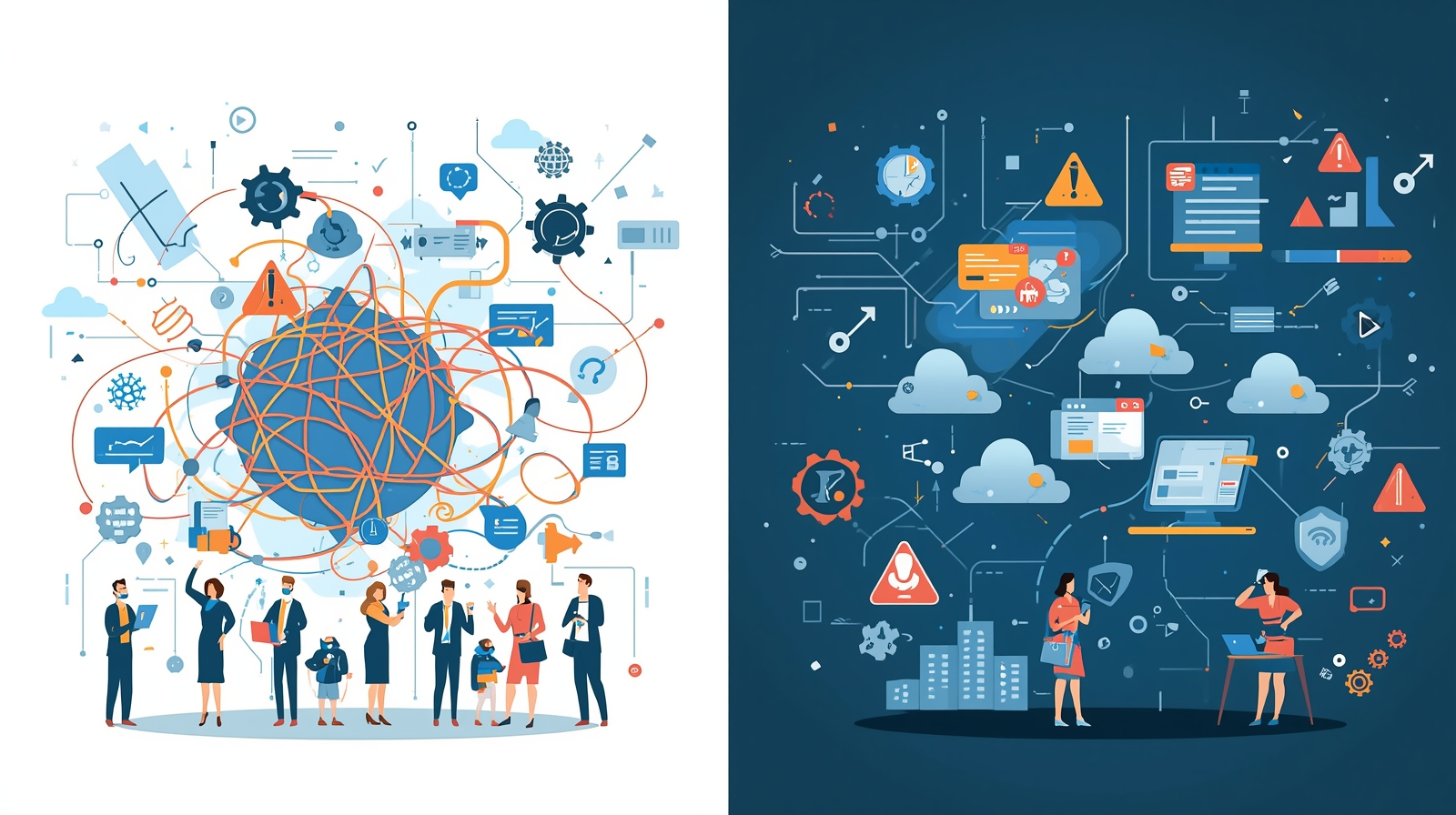

Procurement has always been a strategic lever for cost savings, supplier optimization, and operational efficiency. But as organizations push for speed, transparency, and resilience, a major debate has emerged: Is traditional procurement still effective, or does digital procurement deliver superior ROI?
In this blog, we’ll break down both approaches, compare their ROI drivers, and help you determine which model best fits your organization’s current and future needs.
What Is Traditional Procurement?
Traditional procurement relies heavily on manual, paper-based, or spreadsheet-driven processes. Activities such as vendor selection, purchase order creation, approvals, and contract management are handled manually or via fragmented tools.
Strengths of Traditional Procurement
- Familiarity: Teams understand existing workflows and tools.
- Human oversight: Personal relationships and one-on-one interactions can support negotiation.
- Lower initial investment: Requires no major technology purchase.
Limitations
- High administrative workload
- Long cycle times
- Greater risk of human error
- Poor real-time visibility
- Difficult to scale
Traditional procurement often becomes costly due to operational inefficiencies and hidden manual labor costs.
What Is Digital Procurement?
Digital procurement uses technology platforms—such as e-procurement systems, AI-powered sourcing tools, and automated workflows—to streamline the entire purchasing lifecycle. These platforms integrate data, suppliers, and processes into a unified system.
Strengths of Digital Procurement
- Process automation: Reduces manual tasks and speeds up approvals.
- Data-driven decisions: Real-time analytics improve forecasting and spend visibility.
- Stronger compliance: Automated audit trails and policy enforcement.
- Lower operational costs: Workflows require less human effort.
- Scalability: Easily supports global teams and large supplier bases.
Limitations
- Upfront investment in software
- Training and change-management needs
- Requires strong data discipline
Despite these challenges, organizations frequently recoup the initial investment faster than expected.
Comparing ROI: Traditional vs. Digital Procurement
ROI in procurement typically comes from four areas:
- Cost Savings
- Process Efficiency
- Supplier Performance
- Risk Reduction
Below is how both approaches stack up.
- Cost Savings
- Traditional: Reactive buying and limited spend visibility lead to missed savings.
- Digital: Automated analytics uncover savings opportunities, consolidate spend, and prevent maverick buying.
Winner: Digital
- Process Efficiency
- Traditional: Long processing times—PO creation, approvals, and vendor onboarding can take days or weeks.
- Digital: Automation can reduce cycle times by 40–70%, freeing teams to focus on strategic work.
Winner: Digital
- Supplier Performance
- Traditional: Supplier data is scattered, making performance evaluation inconsistent.
- Digital: Dashboards provide real-time metrics—delivery times, quality scores, contract adherence.
Winner: Digital
- Risk Reduction
- Traditional: Manual processes increase error and fraud risk.
- Digital: Built-in controls, audit trails, and compliance rules reduce risk exposure.
Winner: Digital
Overall, digital procurement consistently delivers higher and measurable ROI.
So Does Traditional Procurement Have Any Place Today?
Yes—especially for smaller organizations with limited budgets, highly personalized sourcing needs, or industries where human relationships dominate negotiations (e.g., niche manufacturing, specialized suppliers).
Traditional procurement may also be a temporary fit for businesses early in their digital transformation journey.
Why Digital Procurement Wins the ROI Battle
Digital procurement outperforms traditional procurement because it:
- Cuts operational costs
- Accelerates decision-making
- Increases transparency and compliance
- Improves supplier management
- Enables predictive analytics and strategic planning
Organizations that digitally transform procurement can experience 10–30% cost savings and 50–70% efficiency gains—numbers traditional models struggle to match.
How to Transition to Digital Procurement (Without Disruption)
If you’re considering the move, here’s a simple roadmap:
- Assess current gaps and inefficiencies
- Define KPIs and ROI goals
- Choose the right digital procurement platform
- Digitize core workflows (POs, invoicing, sourcing)
- Train teams and suppliers
- Measure, optimize, and expand to advanced capabilities (AI, automation, analytics)
Read Also: How Artificial Intelligence is Changing B2B Sales