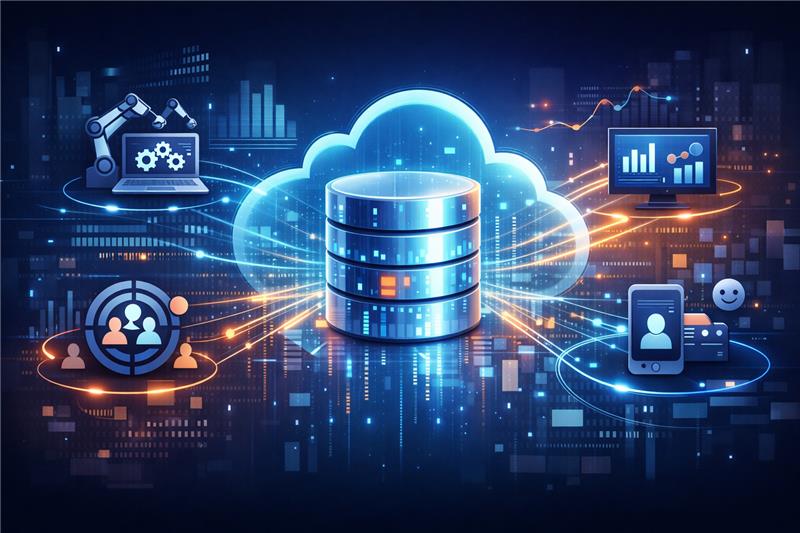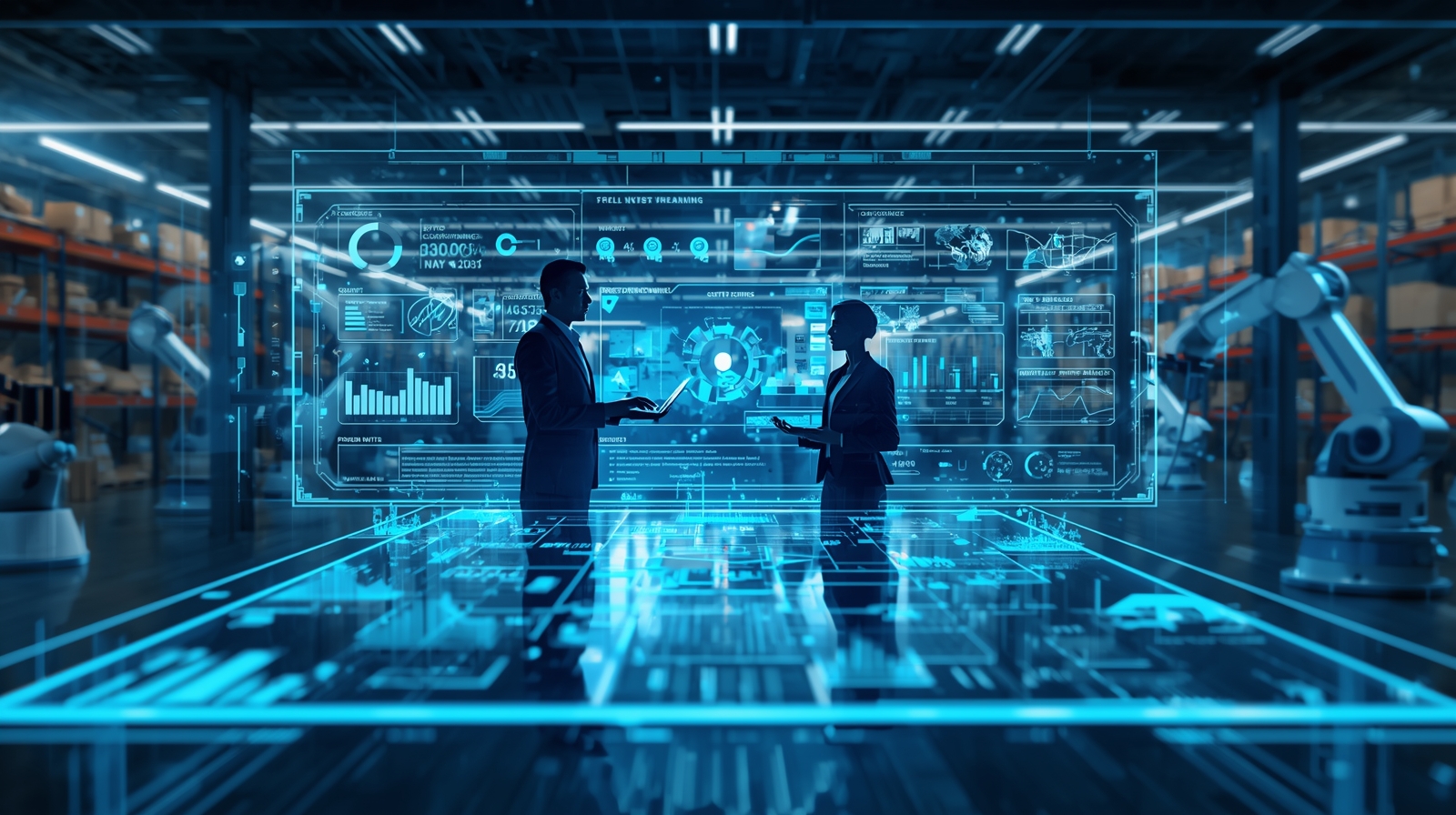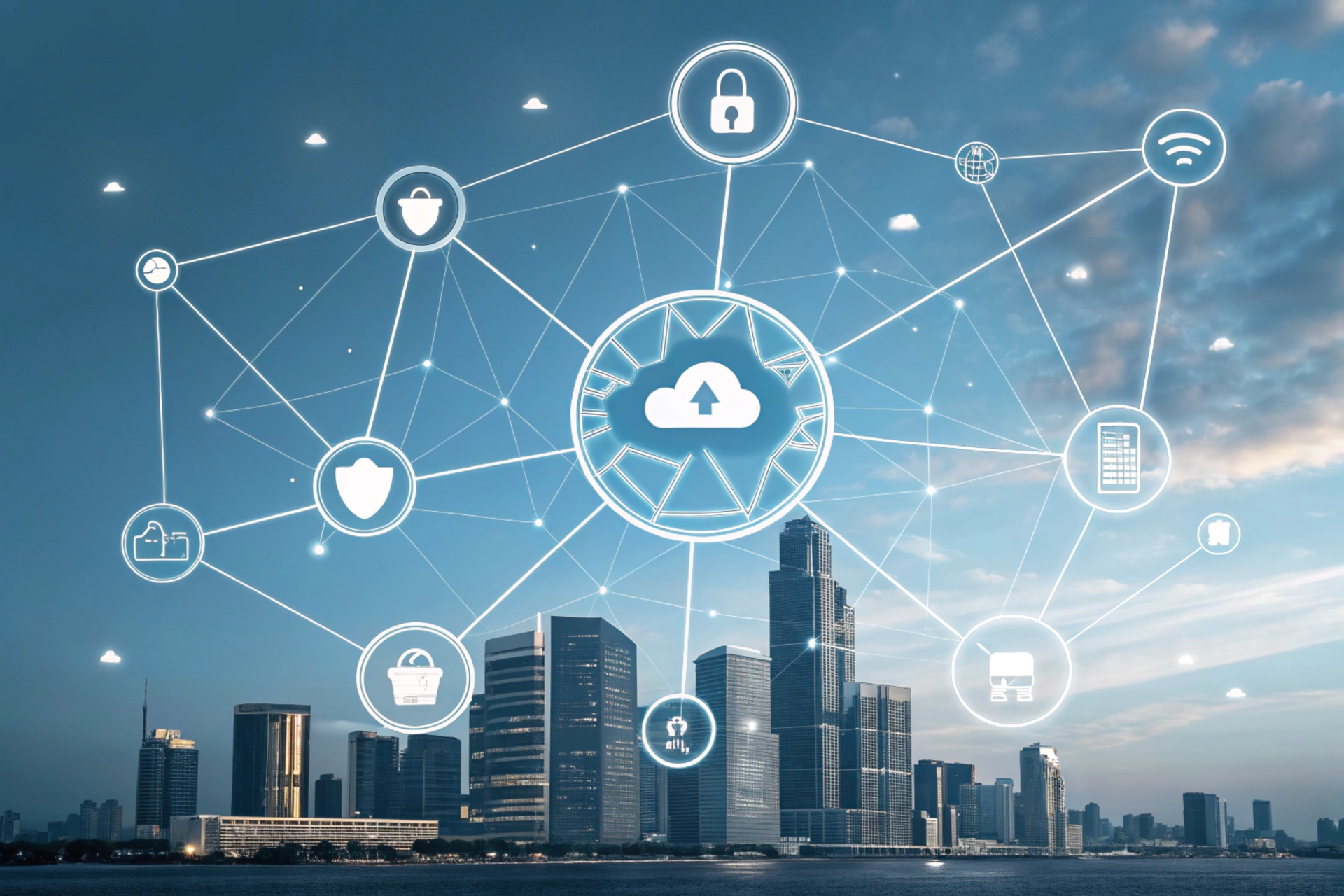
The Internet of Things (IoT) has transformed the way modern supply chains operate. By connecting physical objects—such as vehicles, containers, pallets, and machines—to the internet through sensors and smart devices, businesses can now monitor, track, and optimize their supply chain activities in real time. This technological shift has dramatically improved visibility, efficiency, and resilience across global supply networks.
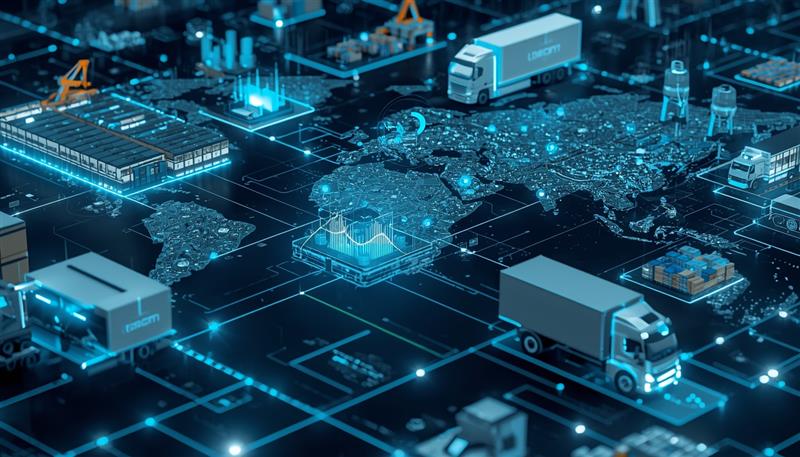
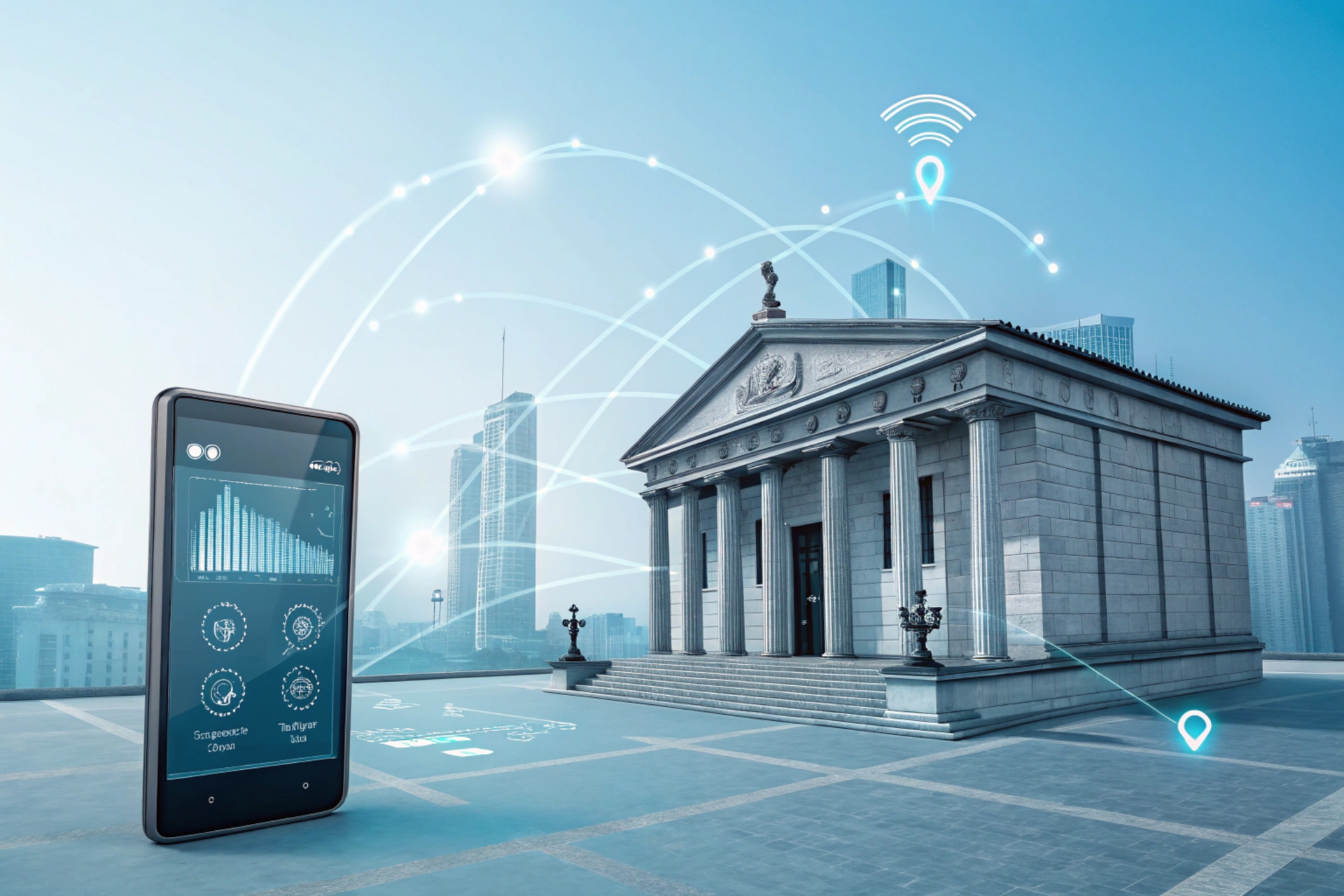
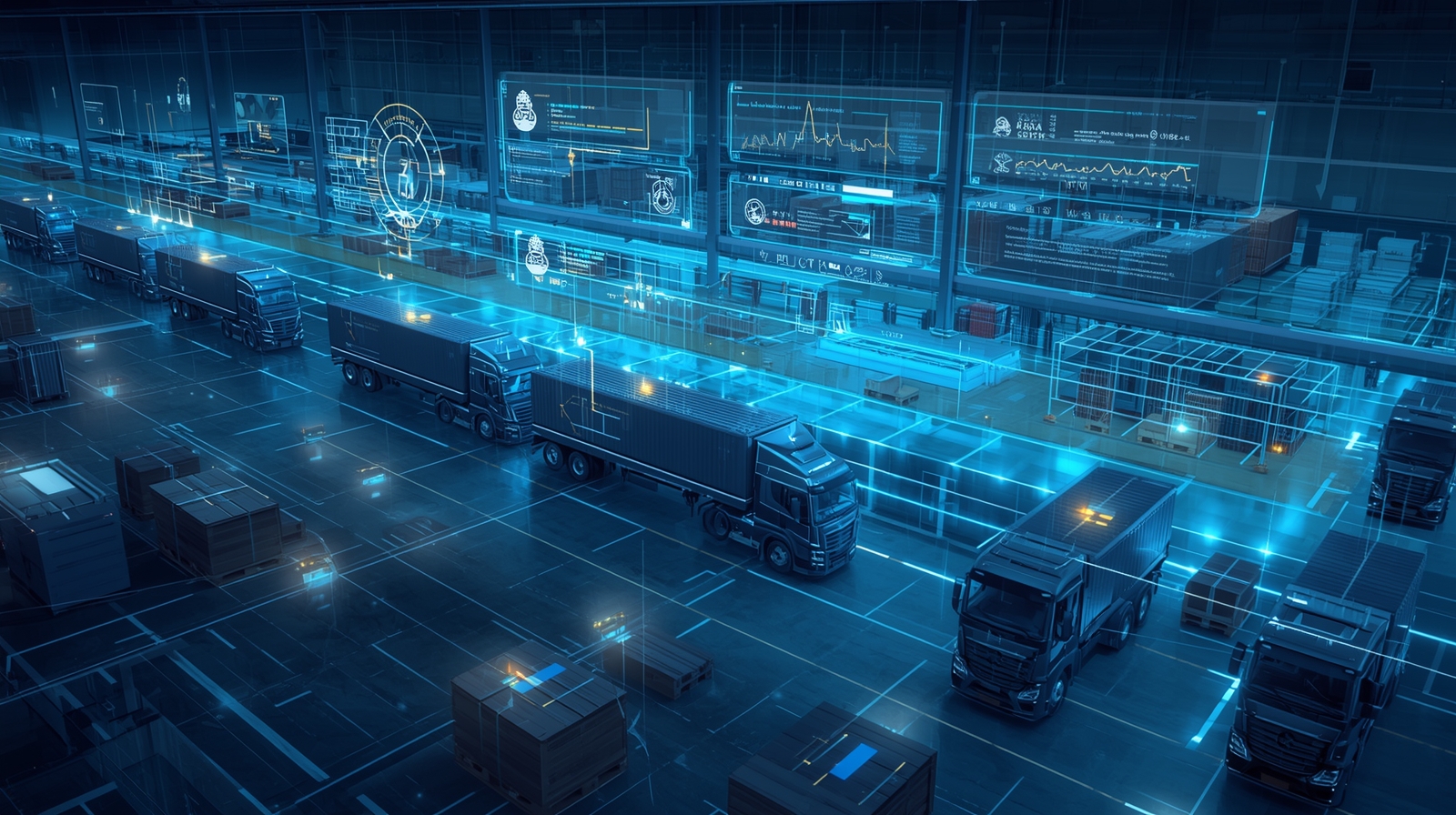
One of the most significant impacts of IoT on supply chain management is real-time visibility. IoT-enabled sensors and GPS trackers provide continuous updates about the location and condition of goods while in transit. Companies can monitor temperature, humidity, shock, and movement, which is especially critical for industries like pharmaceuticals and food. This level of transparency reduces uncertainty, minimizes losses, and helps companies respond quickly to disruptions.
Another key benefit is improved inventory management. Smart shelves and RFID-enabled systems can automatically track stock levels and trigger replenishment when inventory falls below a certain threshold. This reduces the risk of stockouts and overstocking, lowers holding costs, and creates a more responsive, demand-driven supply chain. Automation of inventory processes also reduces human error and improves data accuracy.
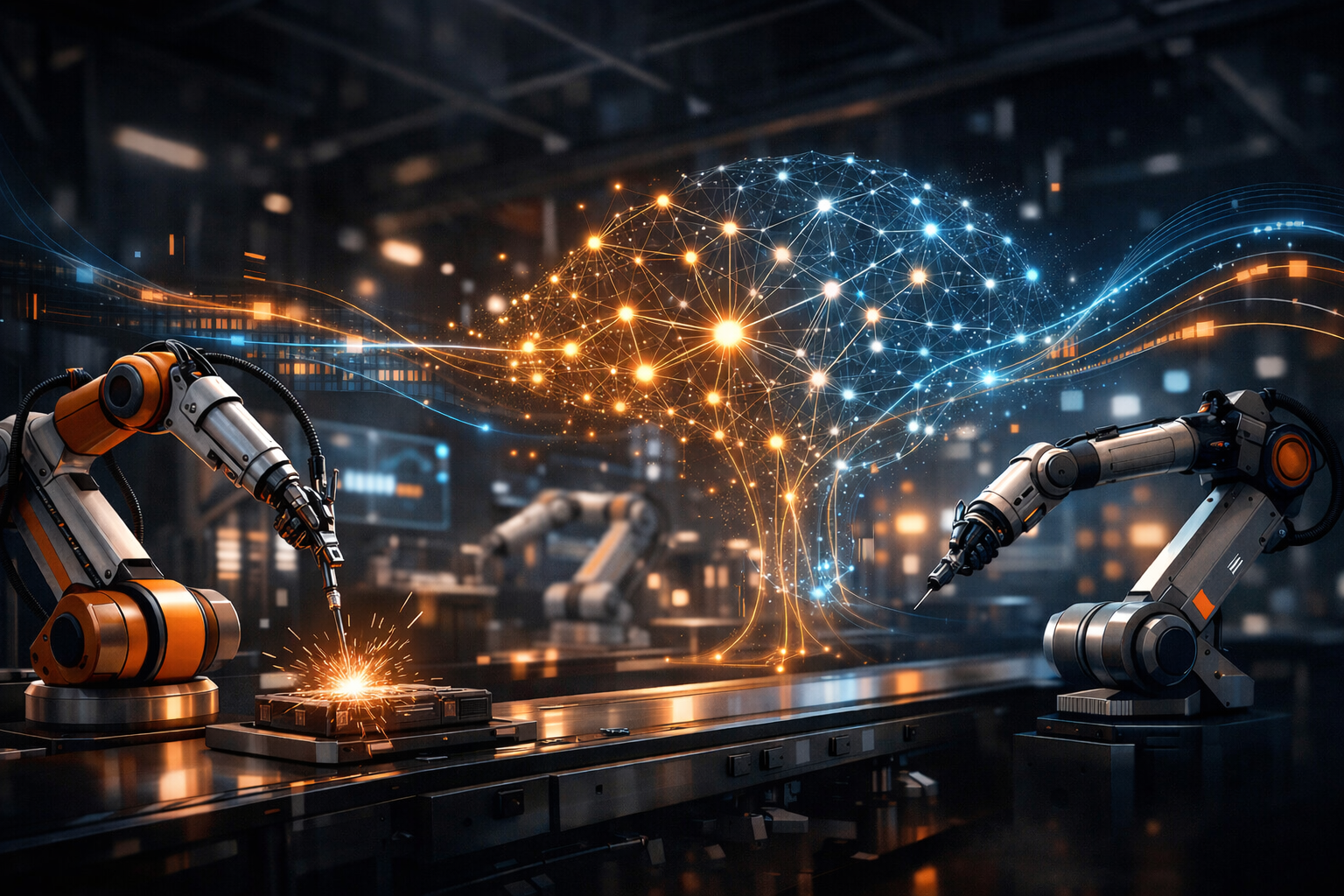
IoT also enhances predictive maintenance and asset management. Sensors embedded in machinery and transport vehicles continuously collect performance data. By analyzing this data, organizations can predict equipment failures before they occur and schedule maintenance proactively. This reduces unexpected breakdowns, minimizes downtime, and extends the lifespan of critical assets.
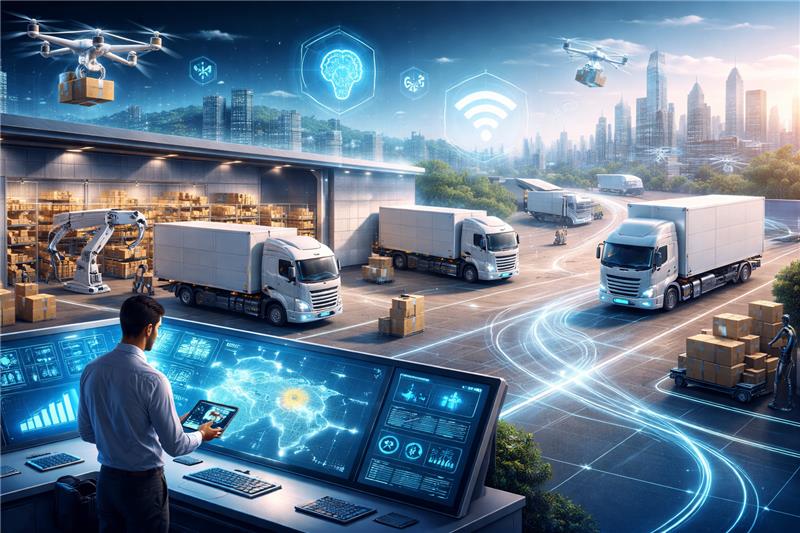
In terms of logistics and transportation, IoT enables route optimization and fuel efficiency. Smart logistics systems analyze traffic patterns, weather conditions, and delivery schedules to determine the most efficient routes. Fleet managers can monitor driver behavior and vehicle health, improving both safety and operational efficiency. These capabilities contribute to faster deliveries and reduced operational costs.
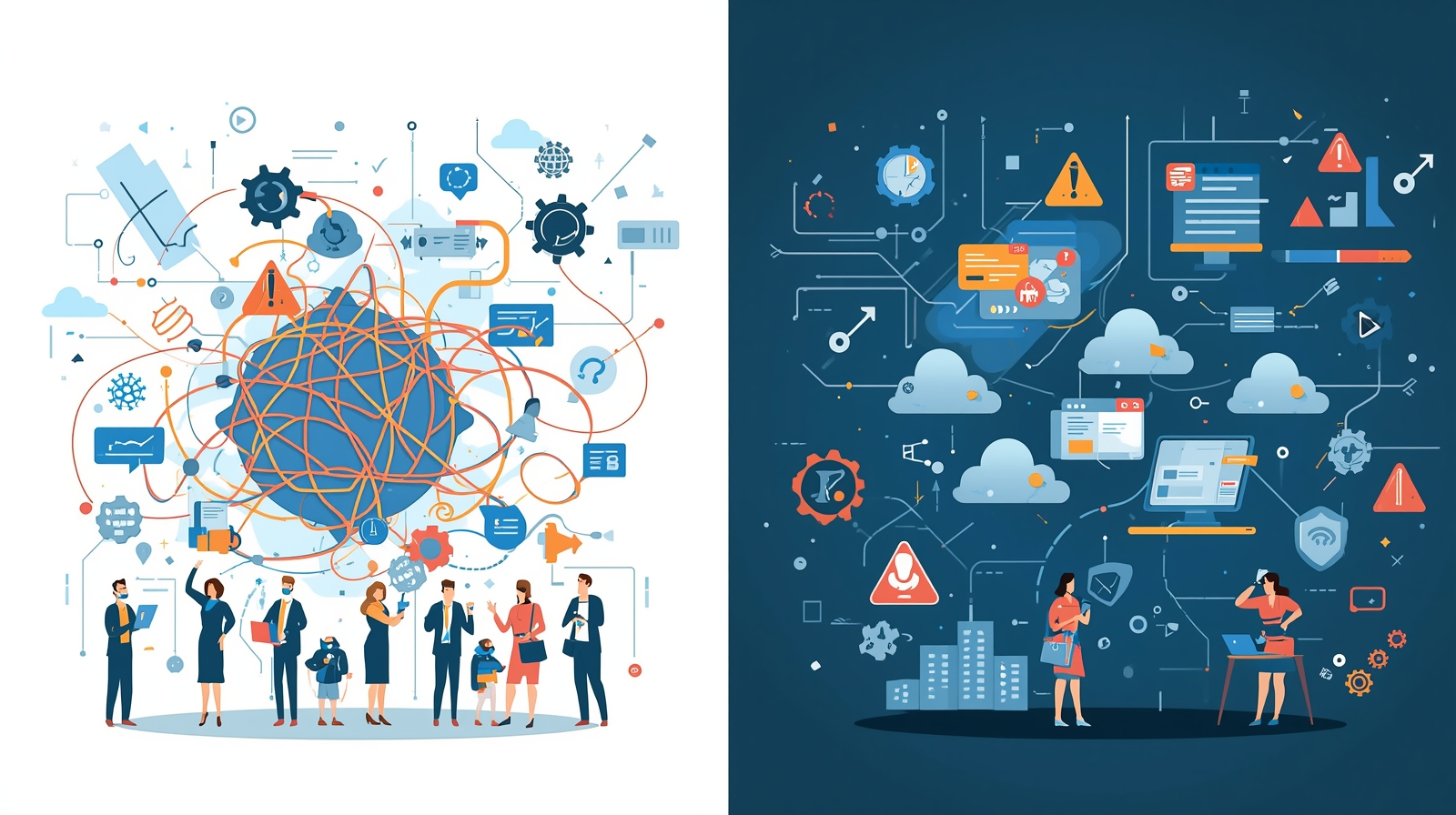
However, the adoption of IoT in supply chain management also brings challenges. Data security and privacy are major concerns, as connected devices can be vulnerable to cyberattacks. Integrating IoT systems with existing legacy infrastructure can be complex and costly. Additionally, organizations must invest in data analytics capabilities to fully leverage the large volumes of data generated by IoT devices.
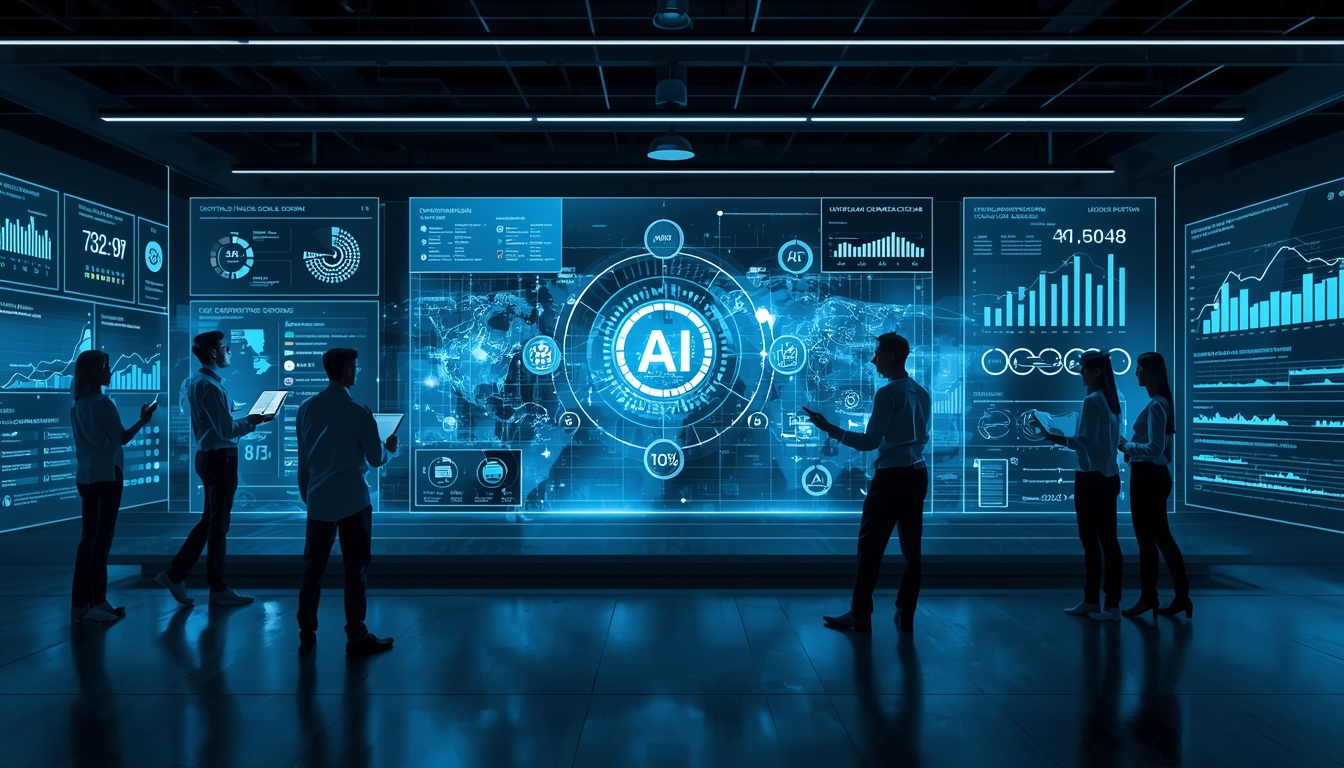
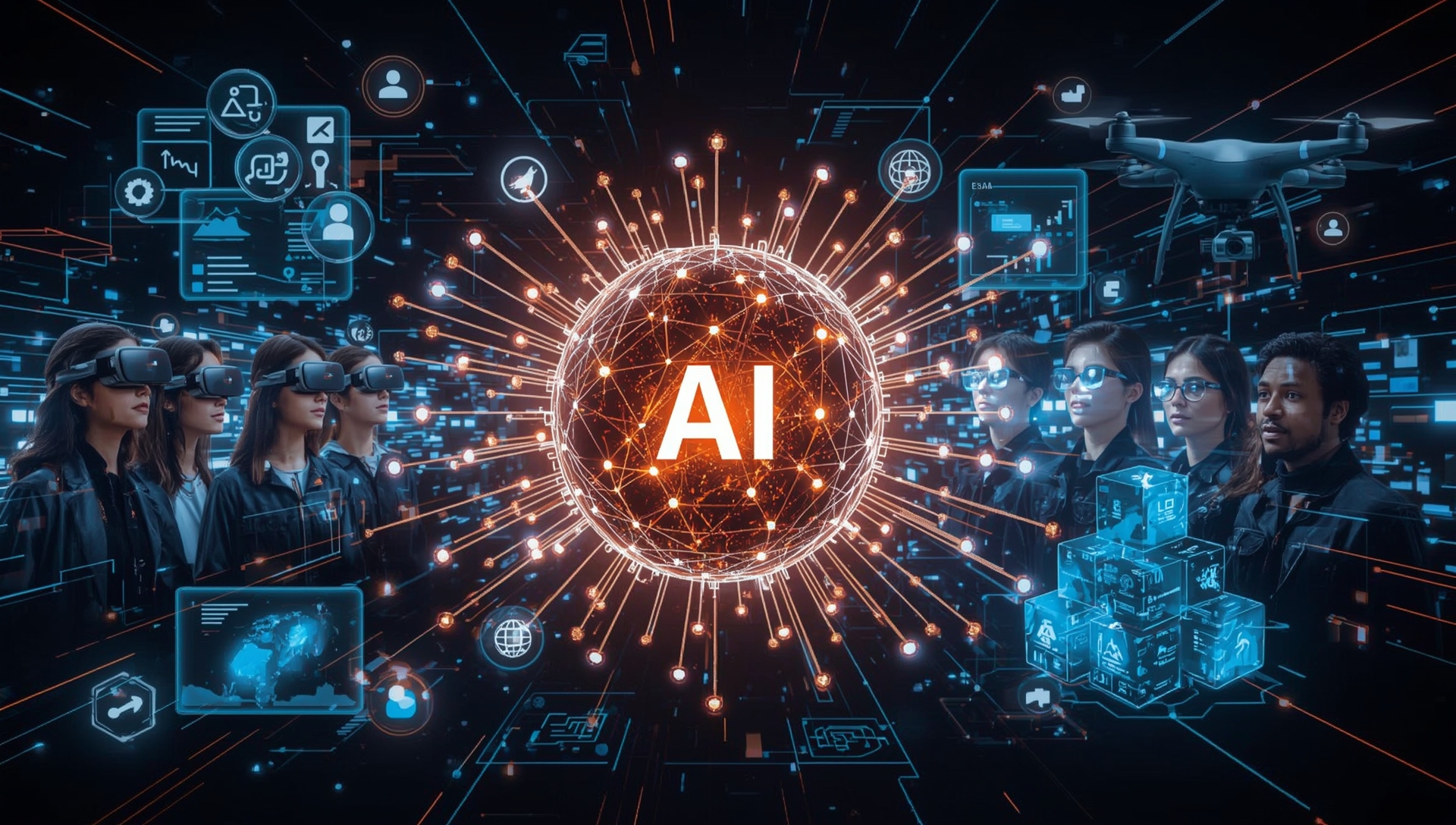
Looking ahead, the role of IoT in supply chain management will continue to expand. When combined with technologies like artificial intelligence, blockchain, and big data analytics, IoT will enable highly automated, intelligent, and resilient supply chains. Companies that strategically invest in IoT solutions are more likely to gain a competitive advantage through increased efficiency, better customer satisfaction, and improved decision-making.
Read Also: How to Run a Successful Account-Based Marketing (ABM) Strategy in B2B