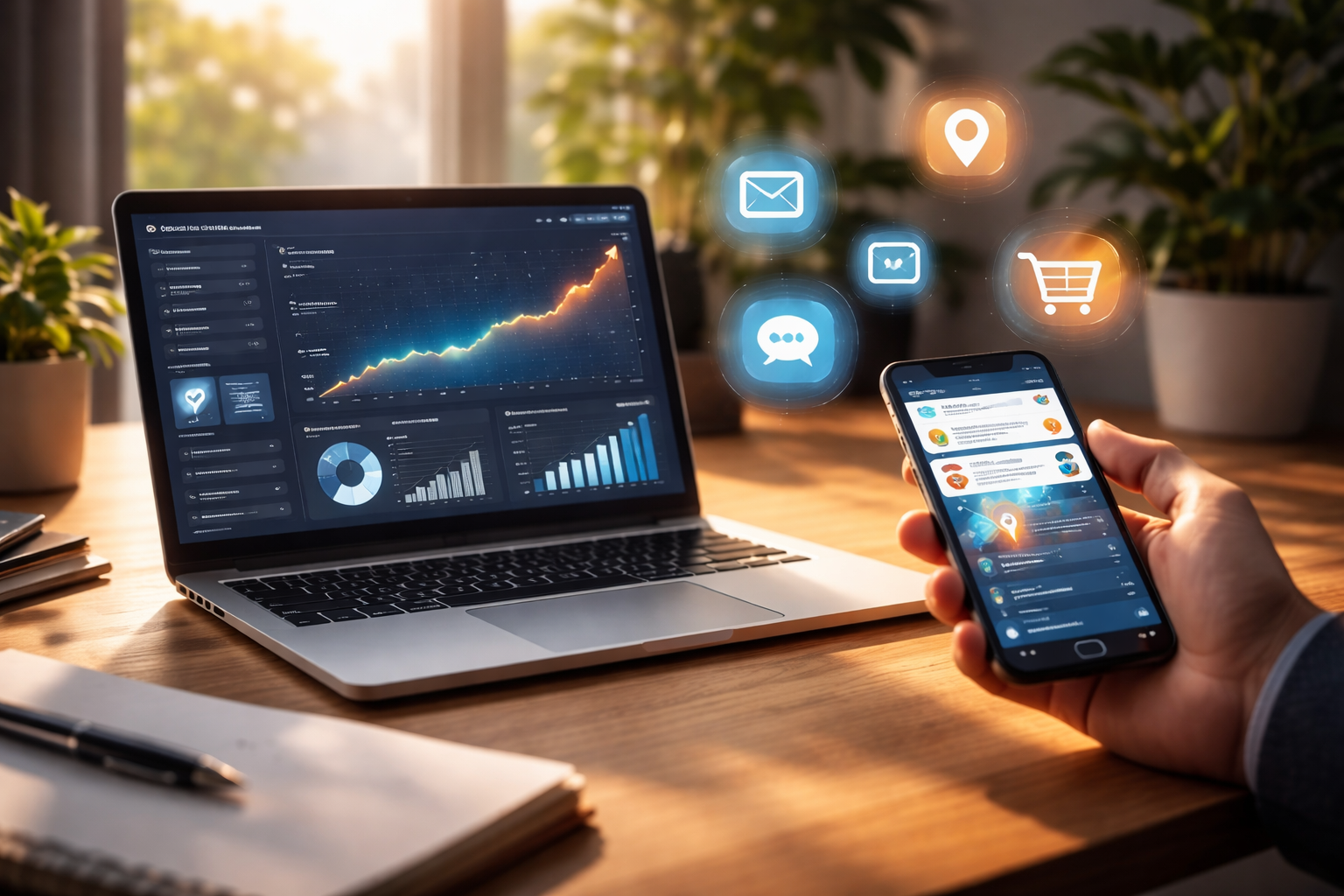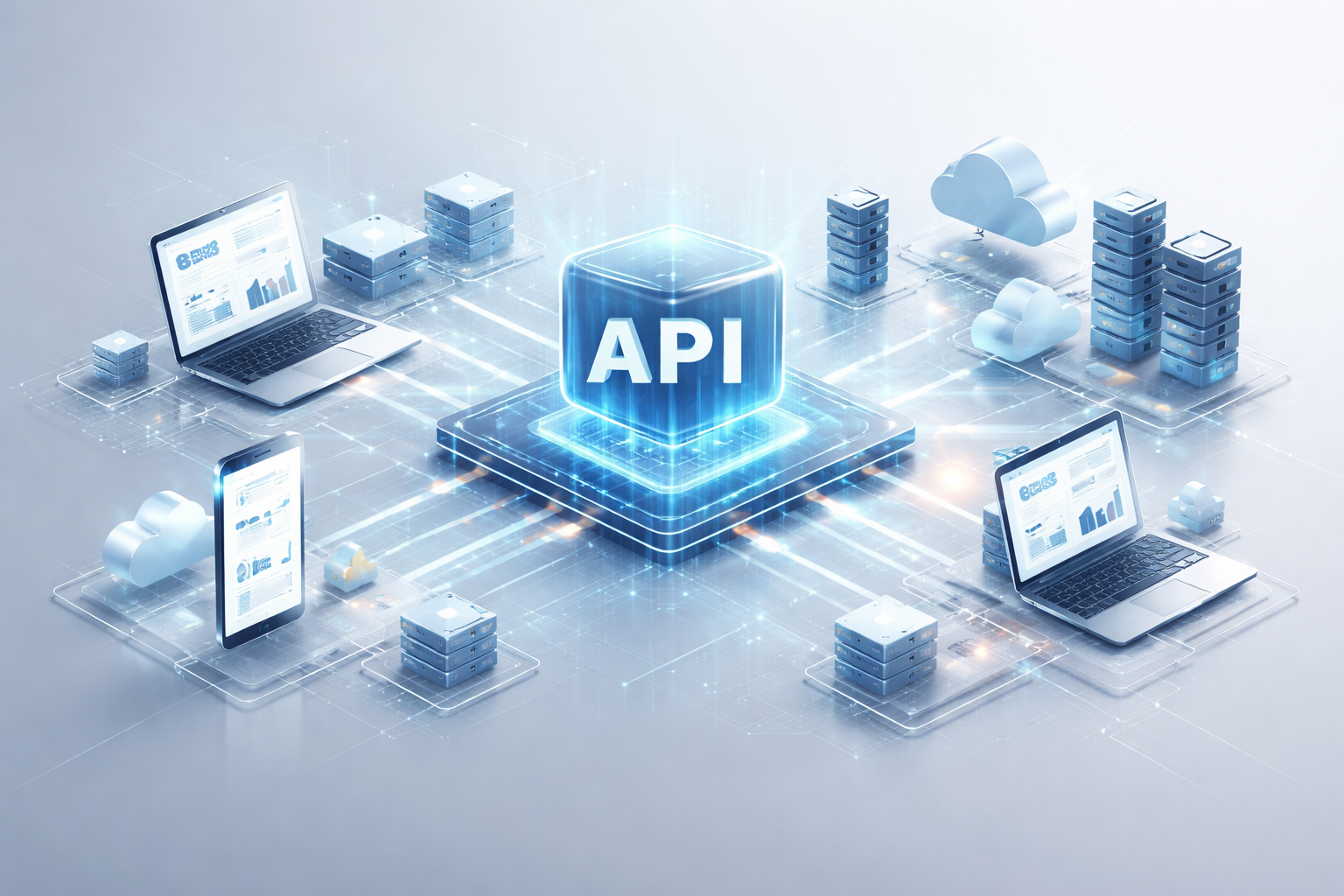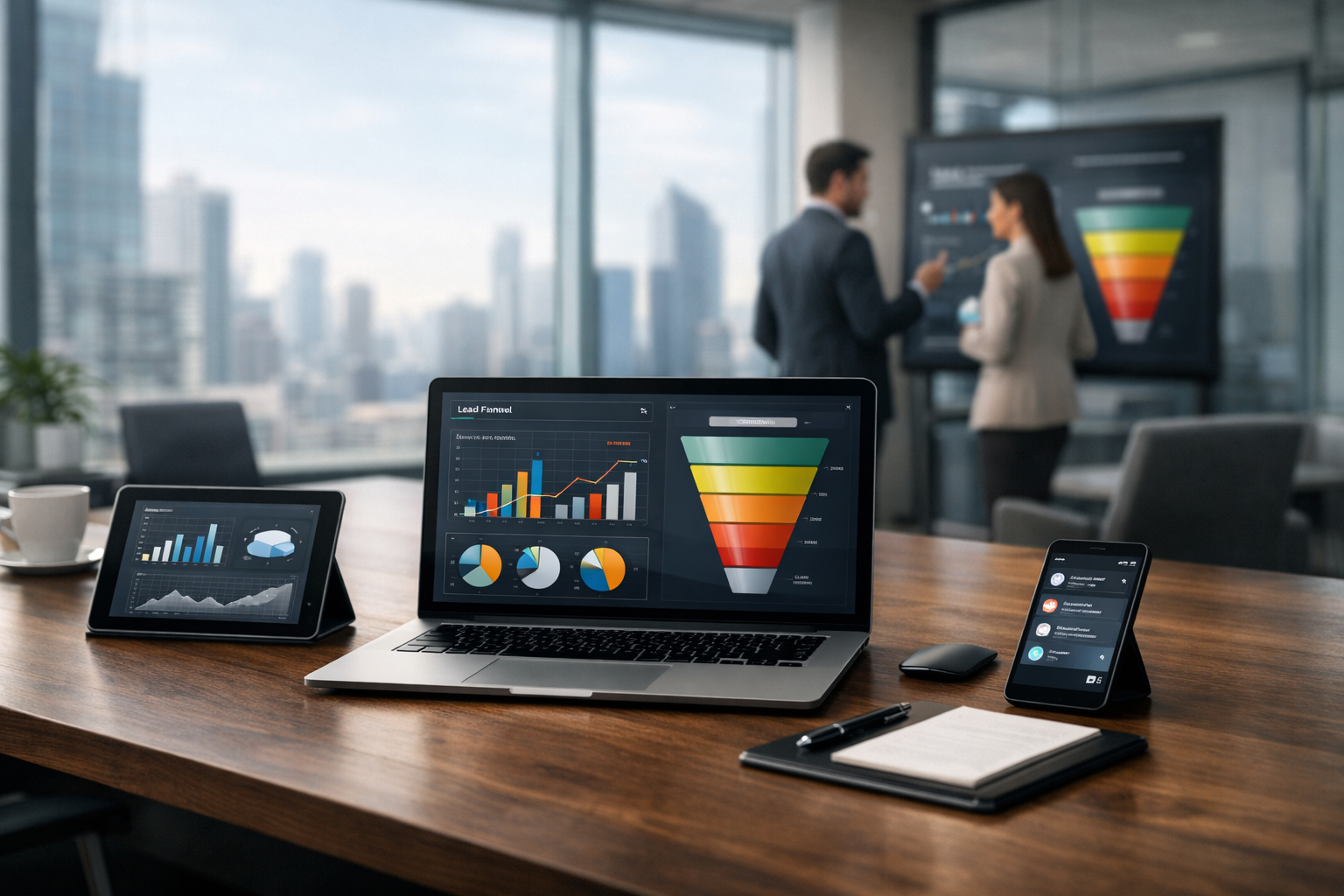
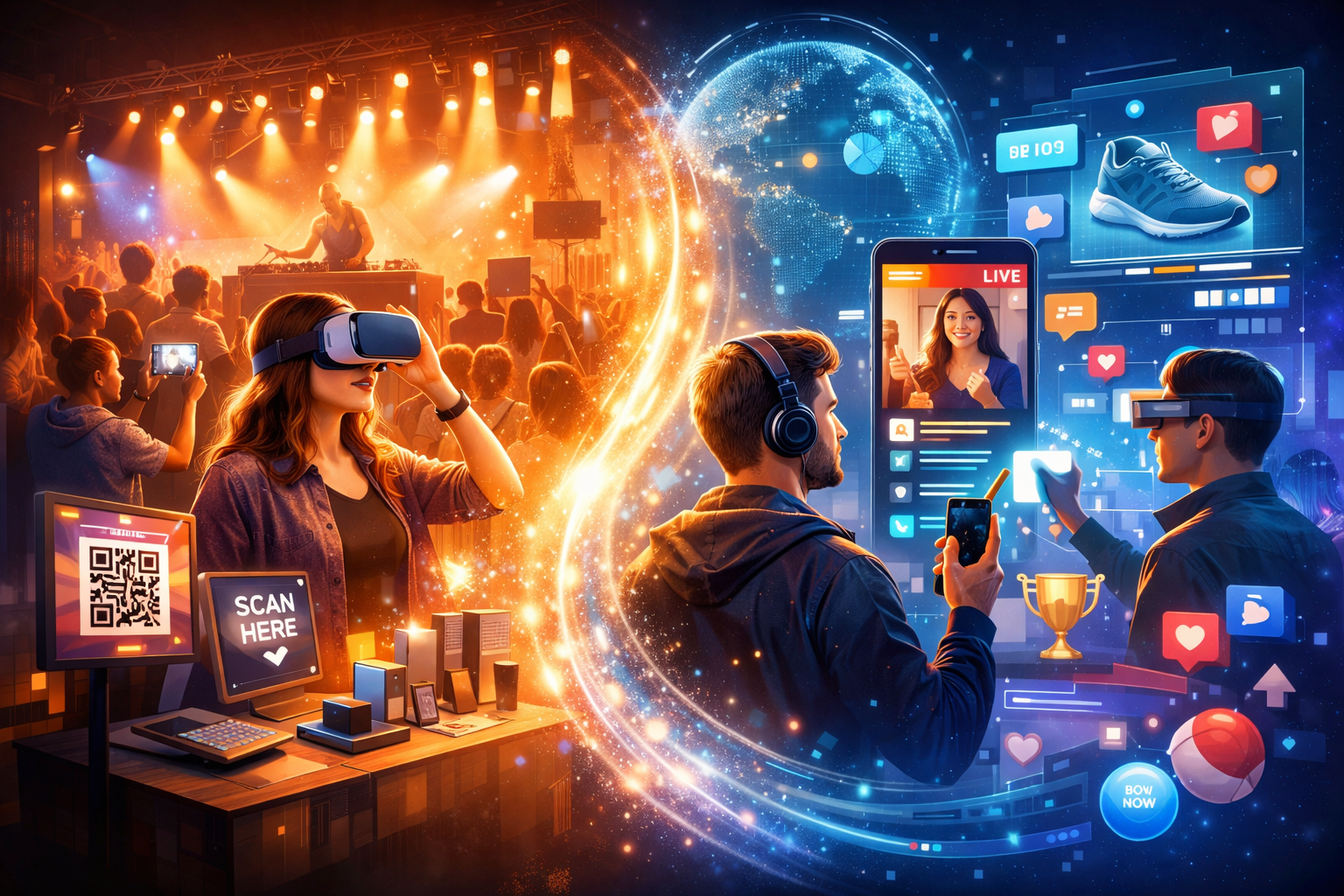
In a world where consumers fluidly move between online and offline spaces, brands can no longer rely on purely physical events or purely digital campaigns to create impact. Hybrid experiential marketing—the strategic blending of physical experiences with digital engagement—has emerged as one of the most powerful ways to build deeper connections, extend reach, and generate measurable outcomes.
This approach doesn’t replace traditional experiential marketing; it amplifies it. By integrating technology into real-world moments, brands create experiences that are immersive, shareable, data-driven, and scalable.
What Is Hybrid Experiential Marketing?
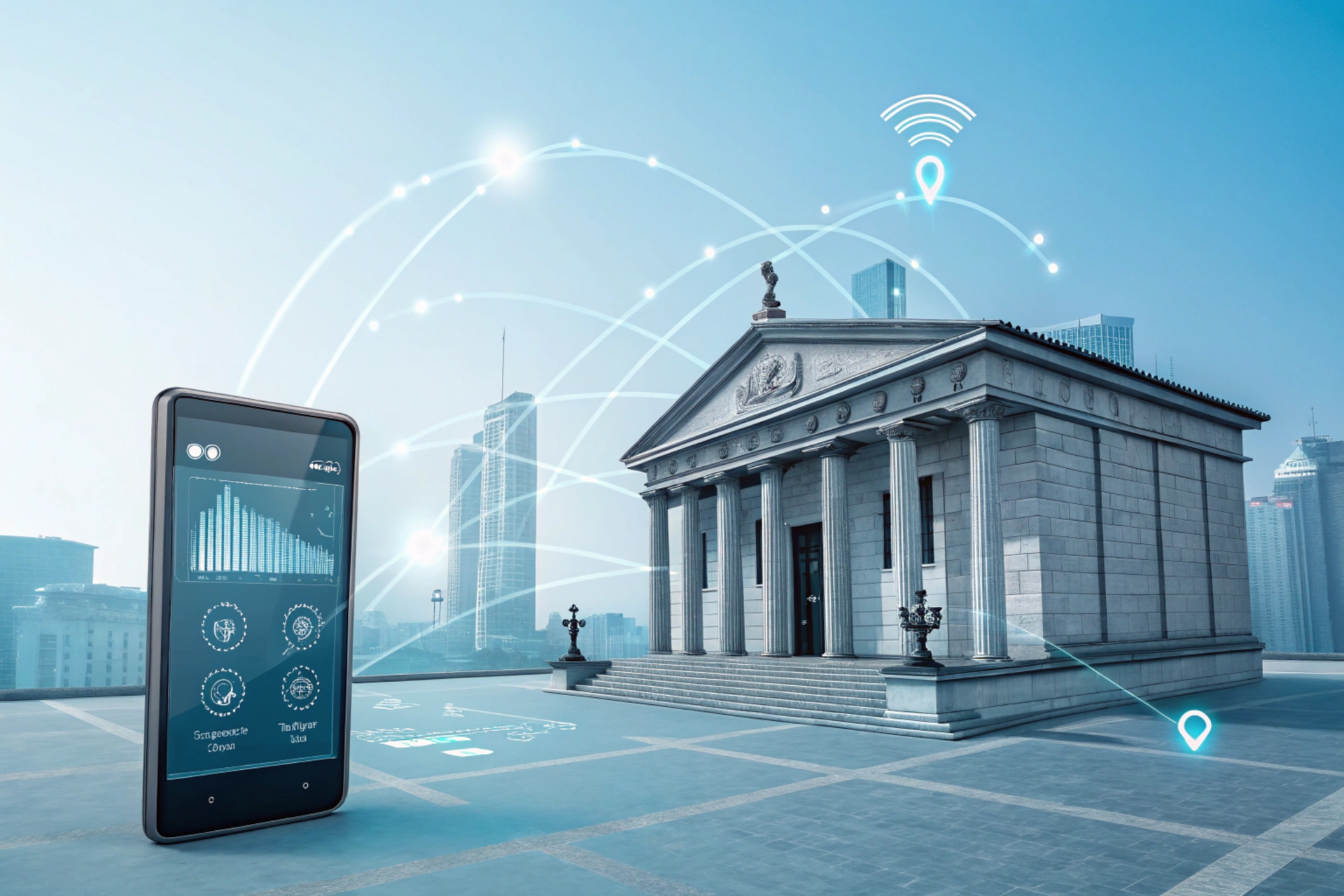
Hybrid experiential marketing combines in-person brand experiences (events, pop-ups, installations, retail activations) with digital touchpoints (mobile apps, AR/VR, social media, livestreams, gamification, and data capture).
The goal is simple: meet consumers where they are—physically and digitally—while creating a seamless, memorable journey across both realms.
Instead of a one-time physical interaction, hybrid experiences:
- Extend engagement before, during, and after the event
- Enable participation beyond geographic limitations
- Turn attendees into content creators and brand advocates
Why Hybrid Experiences Matter More Than Ever
- Consumers Expect Omnichannel Engagement
Today’s audiences don’t distinguish between “online” and “offline.” They expect brand experiences to flow naturally across platforms. A physical event without a digital extension feels incomplete—and a digital campaign without a real-world anchor often lacks emotional depth.
- Reach Without Limits
Physical experiences are inherently limited by location and capacity. Adding digital layers—such as livestreams, virtual walk-throughs, or interactive social challenges—allows brands to scale reach globally while maintaining the authenticity of a live experience.
- Measurable Impact
Hybrid activations generate valuable data: scans, clicks, dwell time, social shares, and conversions. This transforms experiential marketing from a brand-awareness tactic into a performance-driven channel.
- Stronger Emotional Connection
Physical presence creates emotion; digital technology enhances storytelling. Together, they produce experiences that are immersive, personalized, and memorable.
Key Elements of Successful Hybrid Experiential Campaigns
Physical Experience as the Anchor
The real-world component should be the emotional core—whether it’s a pop-up store, brand installation, product launch, or live event. Design it to be sensory, interactive, and visually compelling.
Digital Layer as the Amplifier
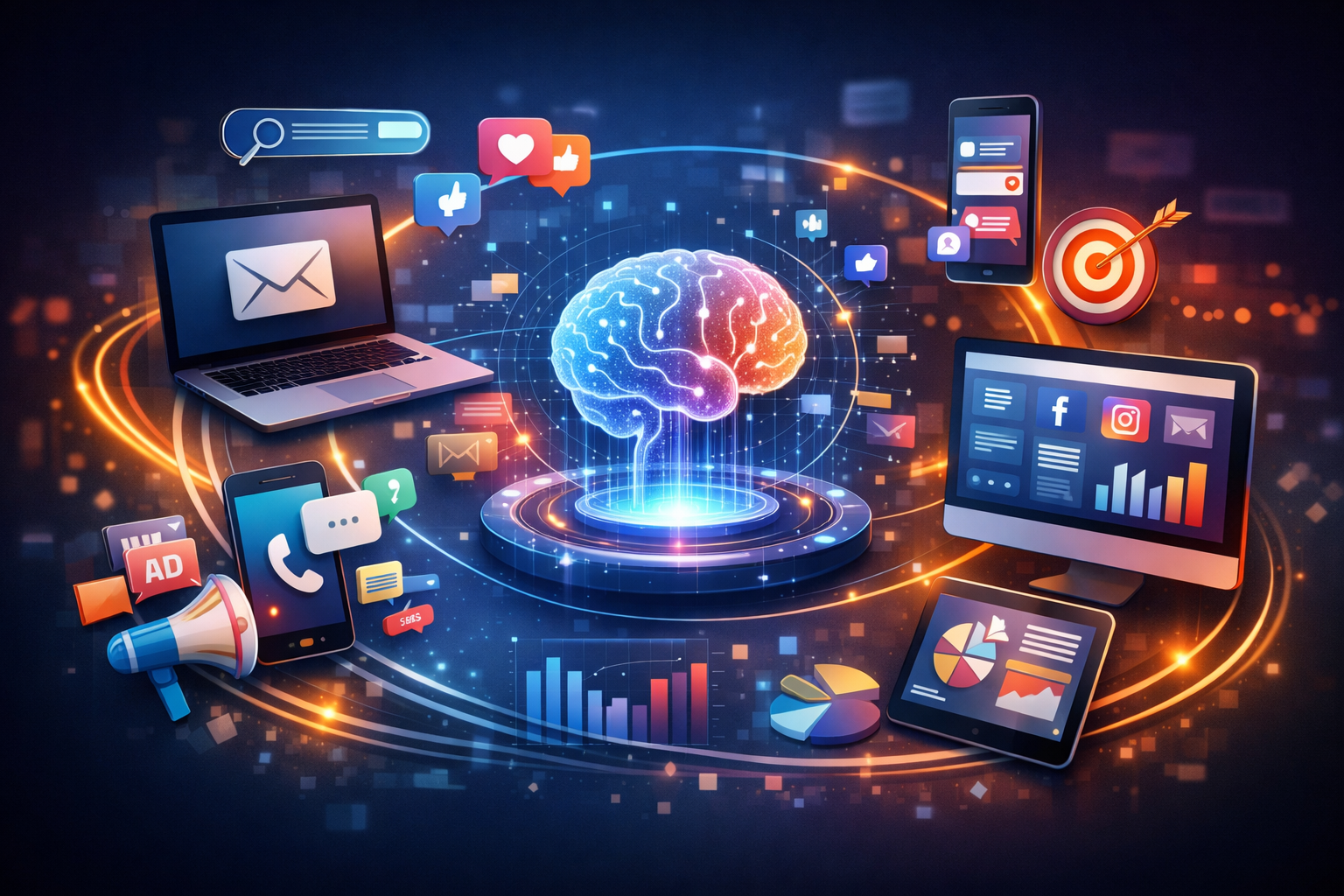
Digital tools should enhance—not distract from—the physical experience. Common integrations include:
- QR codes and NFC for instant access to content
- Augmented reality filters and overlays
- Event apps or microsites
- Livestreaming and real-time social engagement
- Gamified interactions and digital rewards
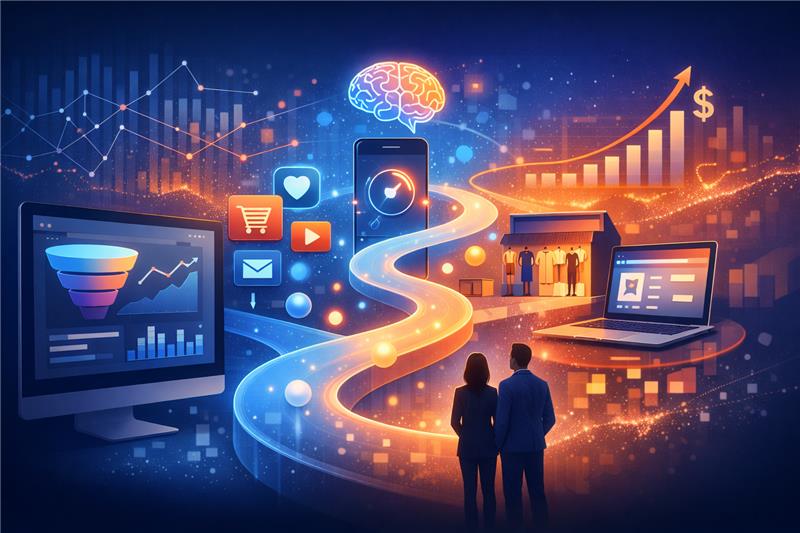
Seamless User Journey
Consumers should move effortlessly between physical and digital touchpoints. Confusing interfaces or disconnected platforms can break immersion and reduce impact.
Social-First Design
Hybrid experiences should be built with shareability in mind. Instagrammable moments, branded hashtags, and interactive challenges encourage organic reach and user-generated content.
Examples of Hybrid Experiential Marketing in Action
Interactive Pop-Ups with AR
Brands are transforming pop-up stores into interactive playgrounds using augmented reality. Visitors scan markers to unlock digital stories, product visualizations, or exclusive content—bridging the physical environment with digital discovery.
Live Events with Virtual Access
Product launches and brand events now often include livestreams, virtual Q&A sessions, and digital meet-and-greets. This allows remote audiences to participate while preserving the energy of a live audience.
Gamified Brand Installations
Physical installations paired with mobile-based games or challenges drive participation and dwell time. Points, leaderboards, and digital rewards motivate repeat engagement.
Phygital Retail Experiences
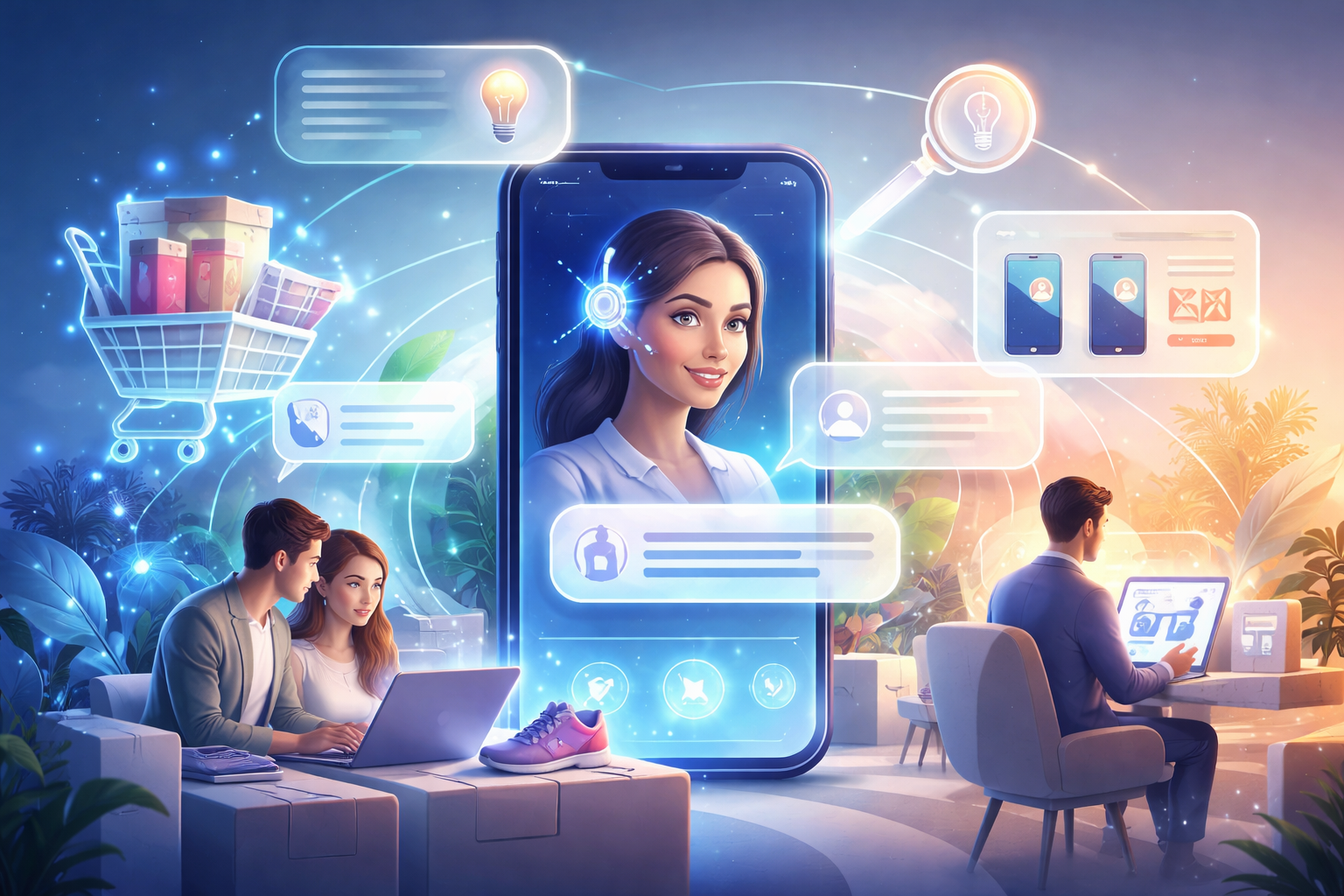
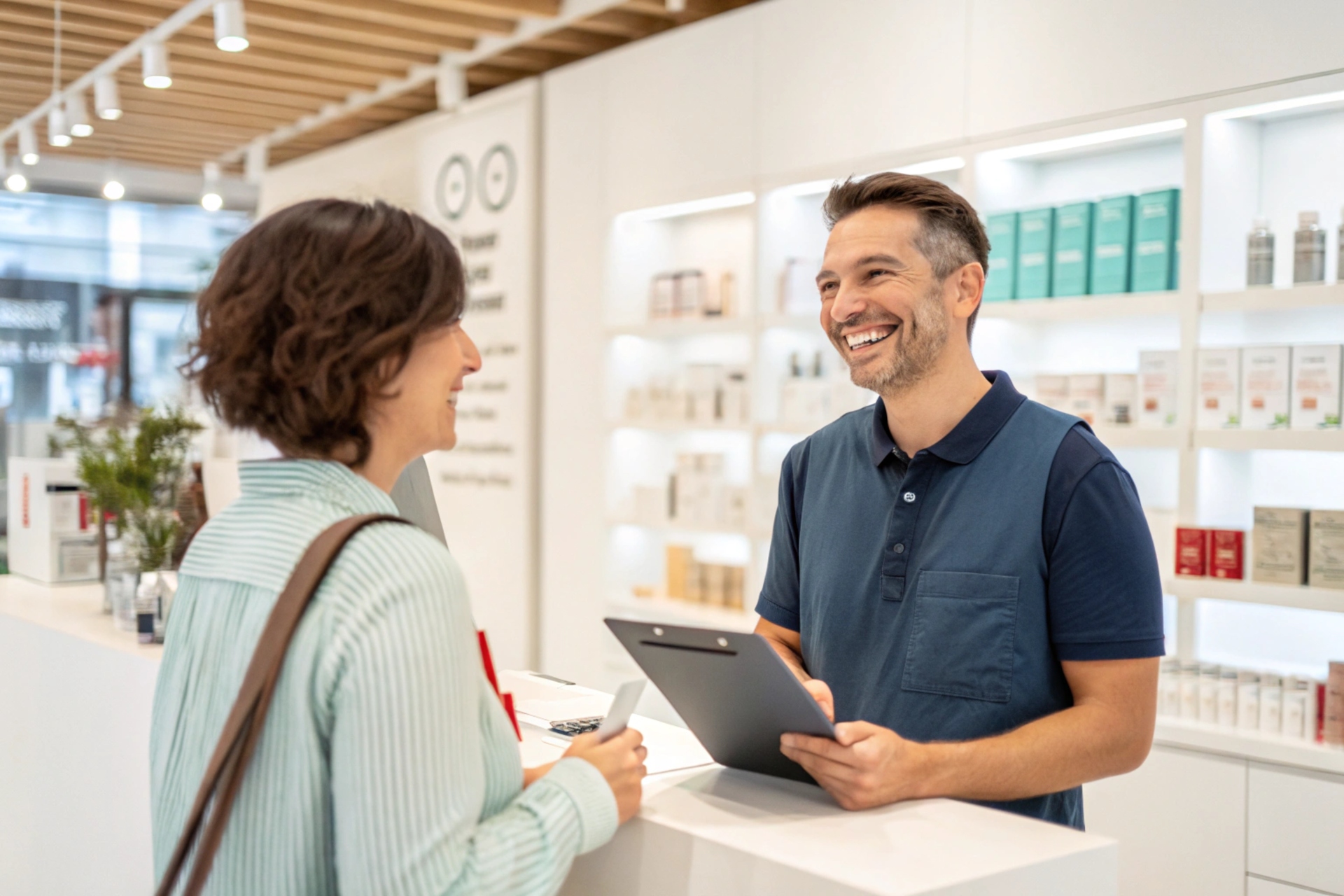
Retail spaces are becoming hybrid hubs where shoppers can try products physically while accessing personalized digital recommendations, reviews, and post-purchase content.
Measuring Success in Hybrid Experiential Marketing
Unlike traditional experiential campaigns, hybrid experiences are highly measurable. Key metrics include:
- Footfall and dwell time
- QR/NFC interactions
- App downloads or sign-ups
- Social engagement and UGC volume
- Livestream views and retention
- Conversion and post-event behavior
Read also: The AI Operational Backbone: Rewiring the Modern Martech Stack