
In the last few years, Account-Based Marketing (ABM) has shifted from a buzzword to a core strategy for high-growth B2B organizations. As decision-making becomes more complex and buying committees grow, ABM helps companies focus on the right accounts, personalize communication at scale, and drive higher ROI than broad-based marketing tactics.
But while ABM offers huge potential, many organizations struggle with execution: unclear goals, poor account selection, lack of personalization, or misalignment between sales and marketing.
This guide walks you through how to plan, launch, and scale a successful ABM strategy—even if you’re starting from scratch.
- Start With Crystal-Clear Objectives
Before building lists or campaigns, define what success looks like. Common ABM objectives include:
- Expanding revenue in high-value accounts
- Shortening long and complex sales cycles
- Increasing engagement with decision-makers
- Improving win rates for specific verticals or product lines
- Upselling/cross-selling existing customers
ABM works best when goals are specific, measurable, and tied directly to revenue outcomes.
- Align Sales and Marketing From Day One
ABM is not a marketing initiative—it’s a joint venture between sales, marketing, and customer success.
To ensure alignment:
- Co-create your list of target accounts
- Agree on what qualifies an account for ABM
- Define shared KPIs (e.g., engagement, meetings booked, pipeline created)
- Establish communication rhythms (weekly ABM stand-ups, shared dashboards)
When teams collaborate, ABM thrives. When they don’t, campaigns become siloed and ineffective.
- Identify and Prioritize High-Value Accounts
Account selection is the foundation of ABM. Instead of volume, focus on fit, intent, and opportunity.
Factors to consider:
- Firmographics: industry, size, location, revenue
- Technographics: existing tools, compatibility with your solution
- Buying signals: content consumed, website activity, events attended
- Revenue potential: estimated LTV, expansion opportunities
You can build a tiered ABM model:
- Tier 1: 1:1 highly customized for strategic accounts
- Tier 2: 1:few campaigns tailored to a segment
- Tier 3: 1:many using automation + personalization at scale
This ensures you don’t overspend on low-value accounts or underserve high-value ones.
- Map the Buying Committee and Their Pain Points
In B2B, purchasing decisions are made by a group, not a single person. Identify key roles inside each account:
- Decision-makers
- Influencers
- Gatekeepers
- End users
Then create persona-specific messaging that addresses:
- Their responsibilities
- Their KPIs
- Their frustrations
- What success looks like for them
The more tailored your messaging, the better your engagement and conversion.
- Build Personalized Content and Campaigns
Content is the biggest differentiator in ABM.
Examples of ABM-friendly content:
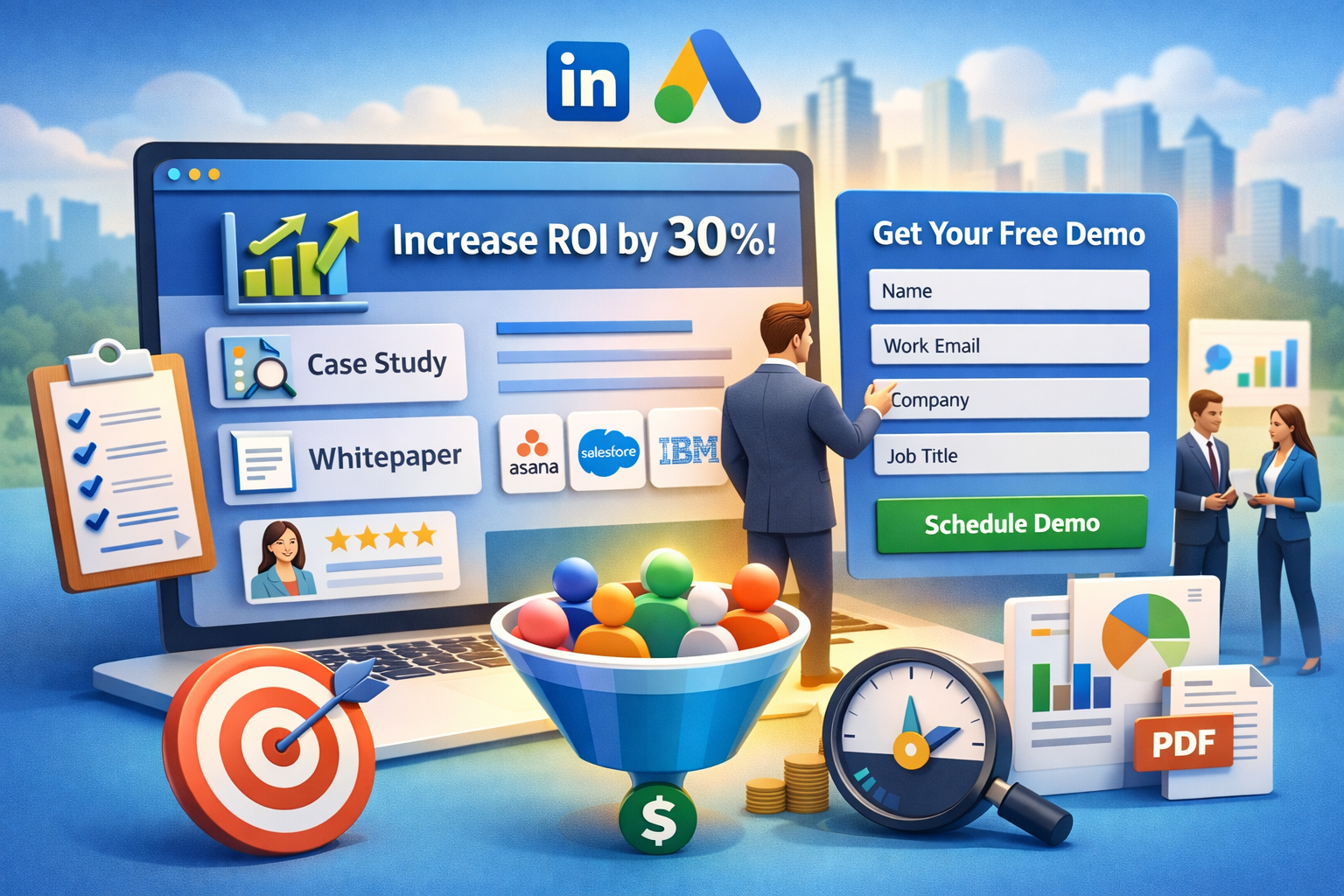
- Personalized landing pages
- Industry- or account-specific case studies
- Custom demos or product walkthroughs
- Executive briefs
- Personalized videos
- Targeted ads and email sequences
The goal is to show the account that you understand their business, their goals, and their challenges.
- Execute Multi-Channel Campaigns
Effective ABM requires showing up where your buying committees spend time.
Strong ABM channels include:
- Email sequences tailored to each persona
- LinkedIn ads and outreach
- Retargeting campaigns
- Direct mail (for Tier 1 accounts)
- Web personalization
- Account-specific events or webinars
- Sales outreach powered by marketing insights
The key is to create a connected experience, not isolated tactics.
- Equip Sales With Insights & Enablement
Sales teams need actionable insights to convert high-value accounts.
Provide:
- Intent data
- Key talking points and industry insights
- Competitive intelligence
- Recommended outreach sequences
- Account engagement history
- Personalized sales decks
The tighter the loop between marketing intel and sales execution, the faster deals move.
- Track the Metrics That Matter
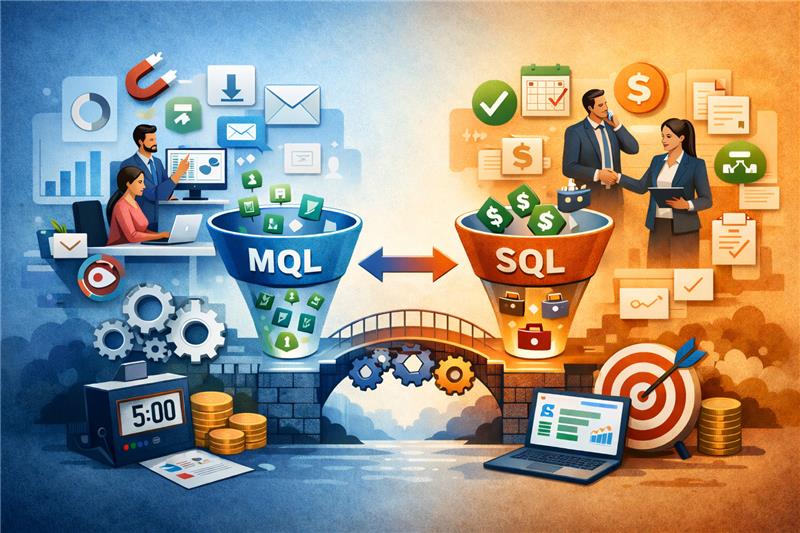
Traditional lead metrics (e.g., MQLs) are not enough for ABM.
Here are ABM-specific KPIs to measure:
Engagement Metrics
- Time spent on key pages
- Content downloads
- Ad interactions
- Event participation
Pipeline Metrics
- Meetings booked
- Opportunities created
- Deal velocity
- Win rates
Revenue Metrics
- Deal size
- LTV
- Expansion revenue
What matters most is whether ABM is driving revenue impact on the accounts you care about most.
- Optimize and Scale What Works
ABM is an iterative strategy. Review performance frequently and adjust:
- Refine your target account list
- Improve personalization based on new insights
- Retire underperforming accounts
- Double down on channels and tactics with the highest ROI
- Scale from Tier 1 → Tier 2 → Tier 3 as processes mature
Successful ABM is a long-term, ongoing program, not a one-time
Read Also: Why Digital Trust Is the Currency of Modern B2B Relationships