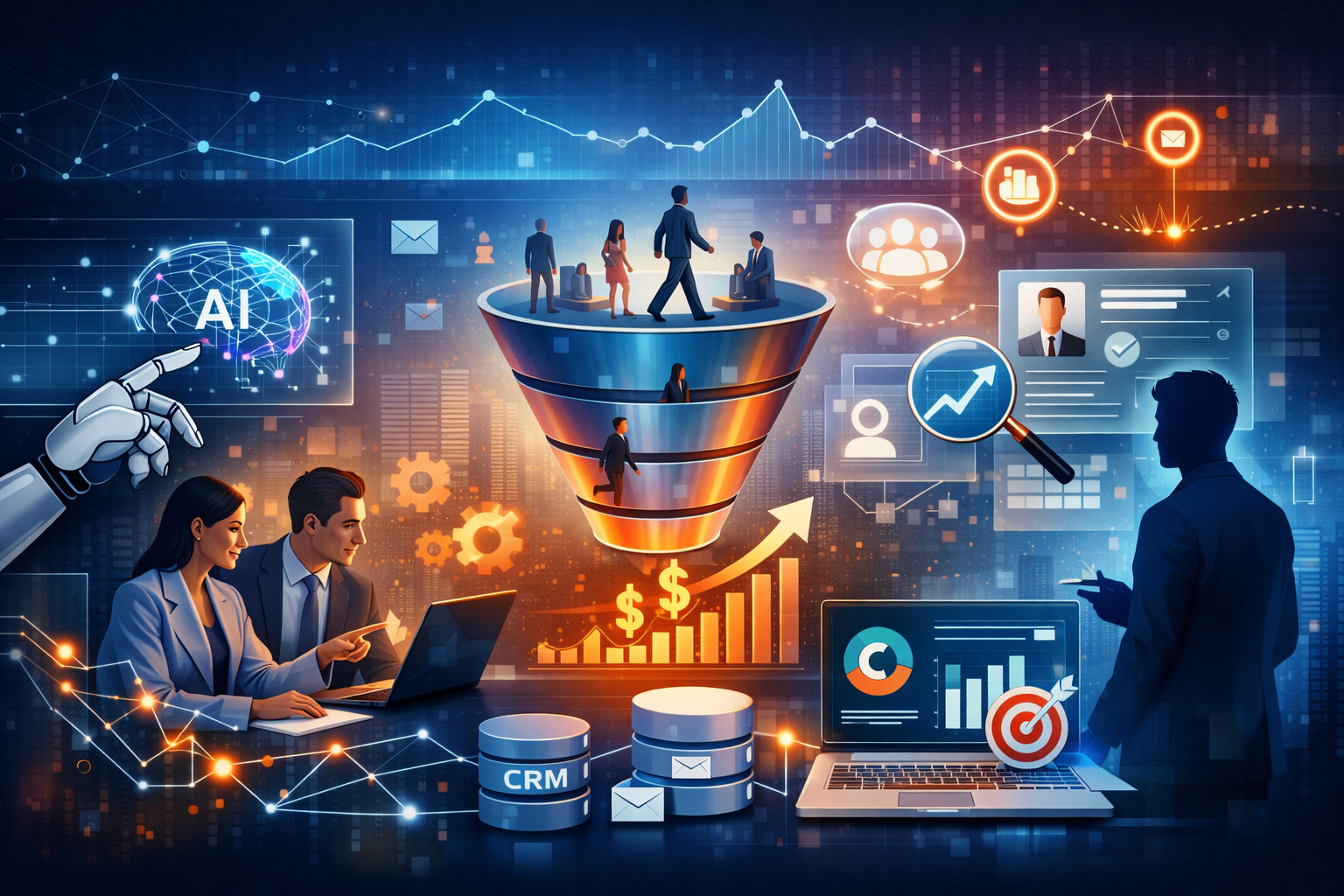

A well-structured B2B sales funnel is the backbone of sustainable revenue growth. But building one is only half the battle—optimizing it for conversions is where businesses unlock real ROI. Unlike B2C, B2B sales cycles are longer, involve multiple decision-makers, and require a higher level of trust. That’s why refining each stage of your funnel is essential.
- Map the Buyer Journey Clearly
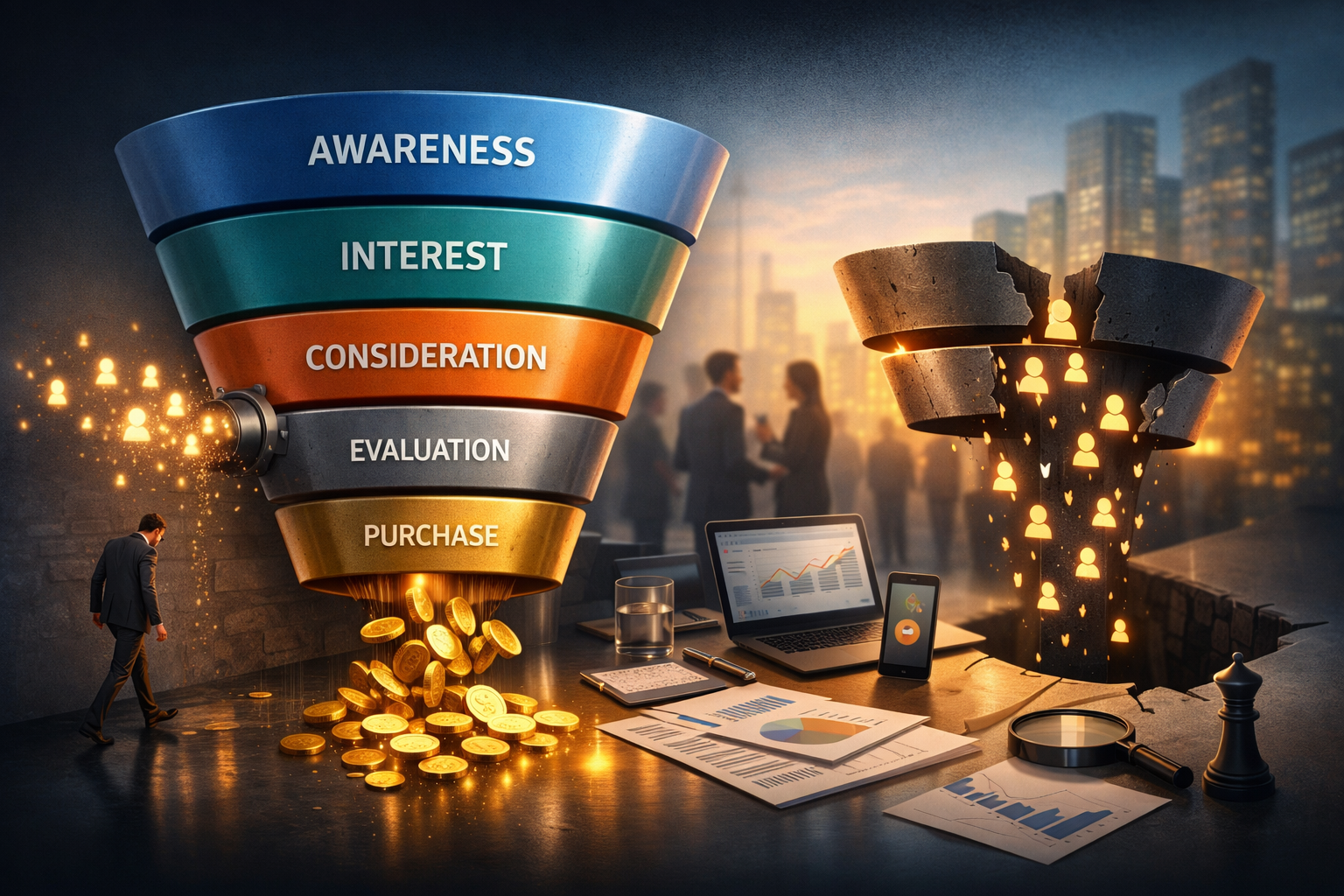
Start by identifying the stages your prospects go through—from awareness to decision. For B2B, this usually looks like:
- Awareness – discovering a problem or opportunity.
- Consideration – researching solutions and comparing vendors.
- Decision – final evaluation and purchase.
Mapping this journey helps you align content, messaging, and outreach with what prospects need at each stage.
- Improve Lead Qualification
Not every lead deserves equal attention. Implement a lead scoring system that ranks prospects based on behavior (downloads, webinar signups, demo requests) and firmographics (industry, company size, budget). This ensures your sales team spends time on high-intent buyers instead of cold leads.
- Personalize Outreach at Scale
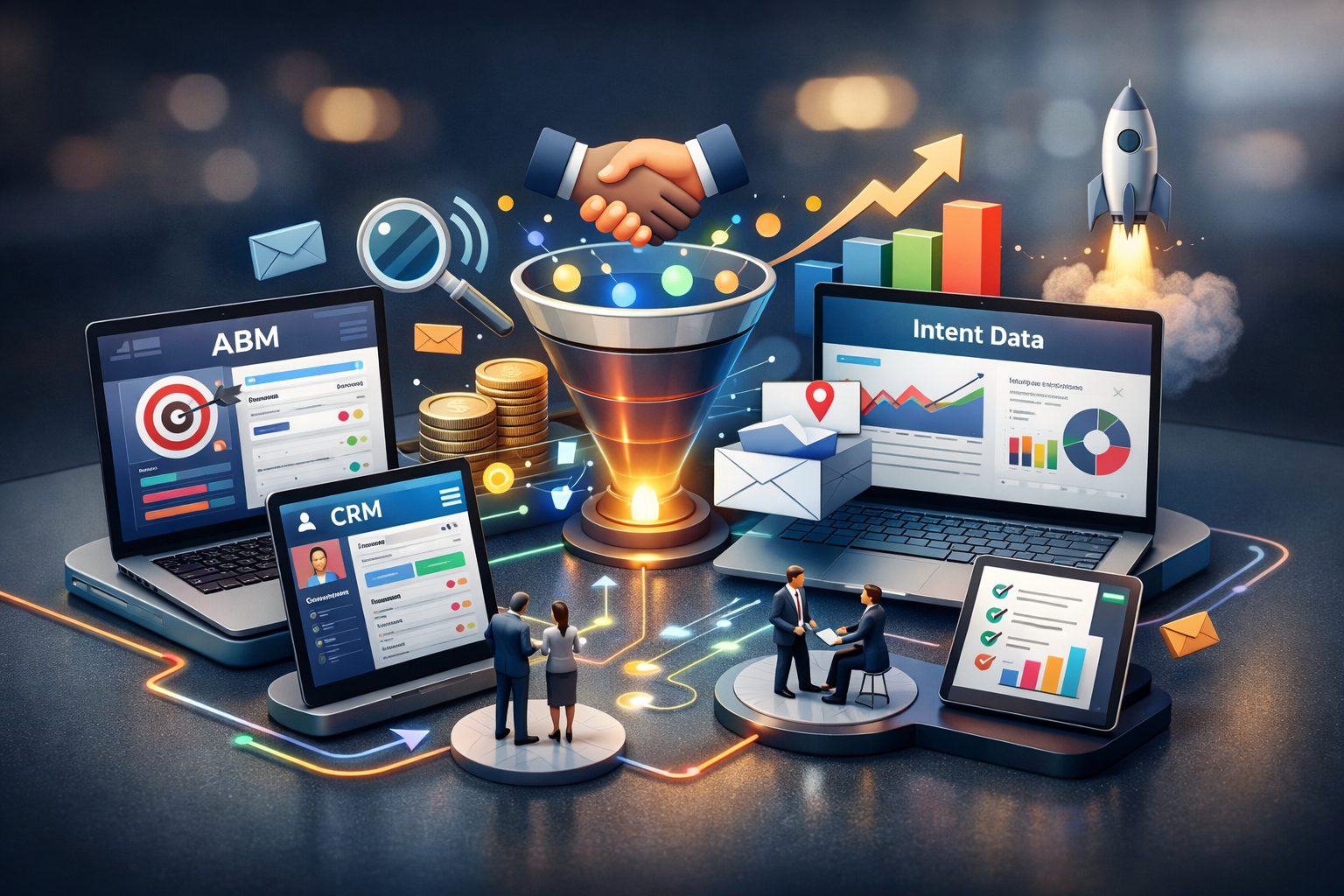
Generic emails no longer work in B2B sales. Use account-based marketing (ABM) strategies to tailor campaigns to high-value accounts. Leverage data from CRM and marketing automation platforms to personalize content, subject lines, and follow-ups. A personalized approach builds stronger relationships and accelerates deal velocity.
- Streamline the Handoff Between Marketing and Sales
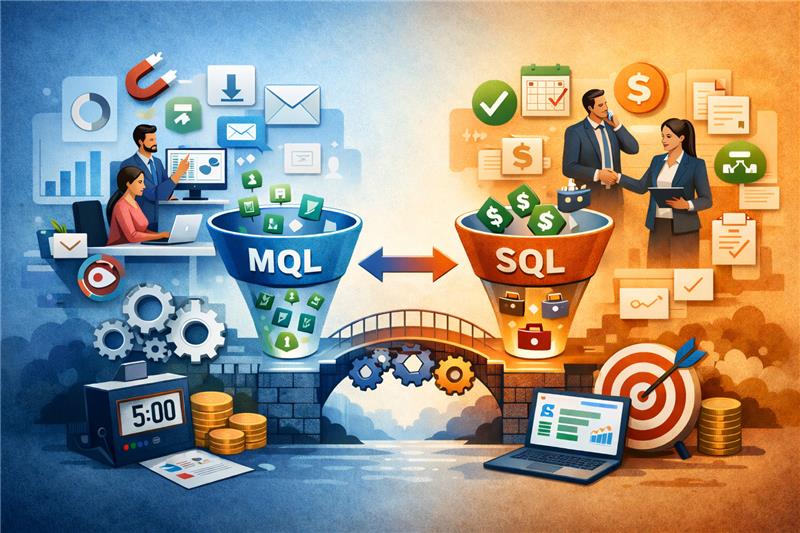
Misalignment between marketing and sales can cause funnel leakage. Define clear Service Level Agreements (SLAs) for lead handoff, including when a lead is “sales-ready.” Regular meetings between sales and marketing teams ensure alignment on goals, messaging, and feedback.
- Leverage Content Strategically
Content isn’t just for brand awareness—it drives conversions. Align your assets with funnel stages:
- Top of Funnel (TOFU): Blog posts, infographics, reports.
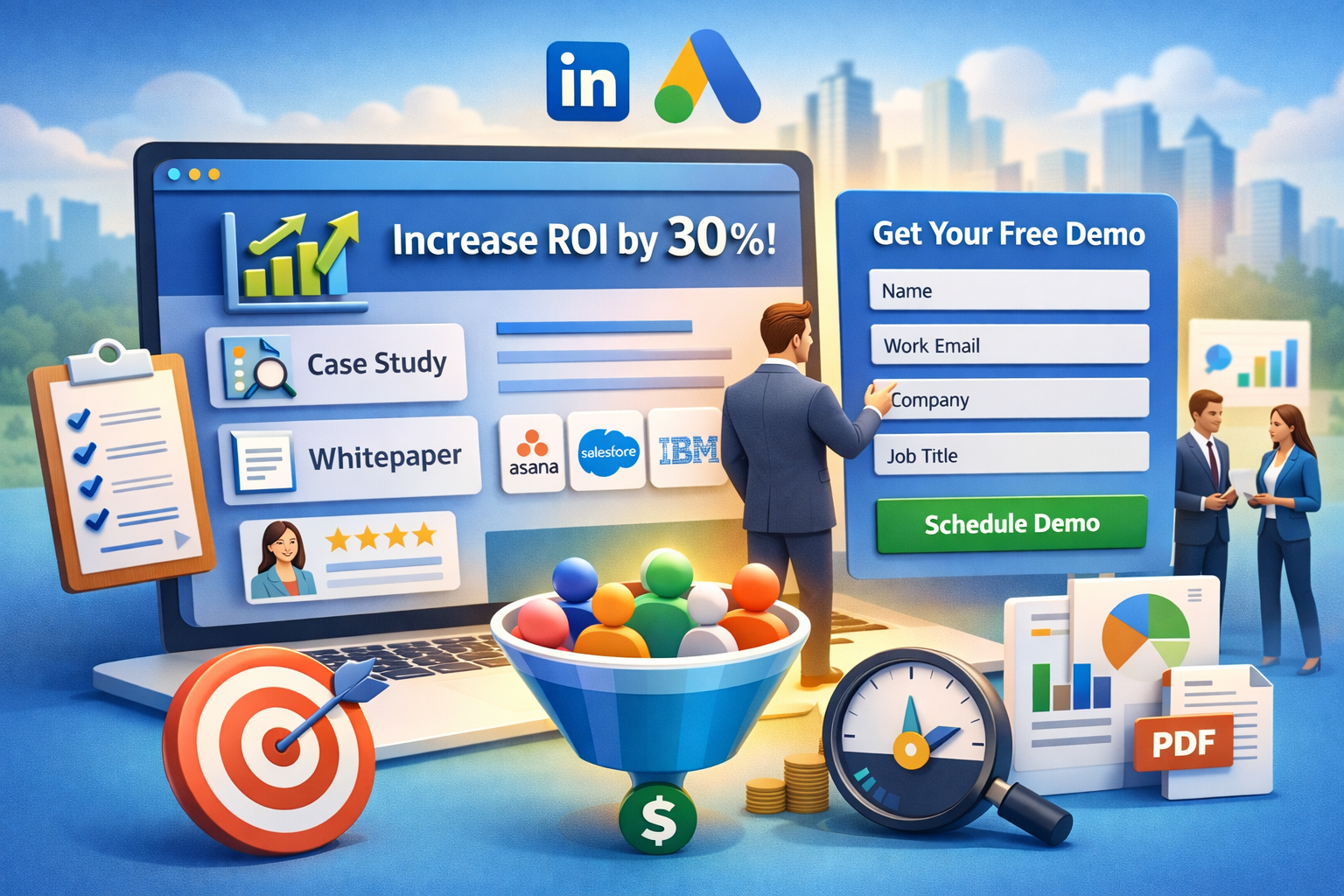
- Middle of Funnel (MOFU): Case studies, whitepapers, webinars.
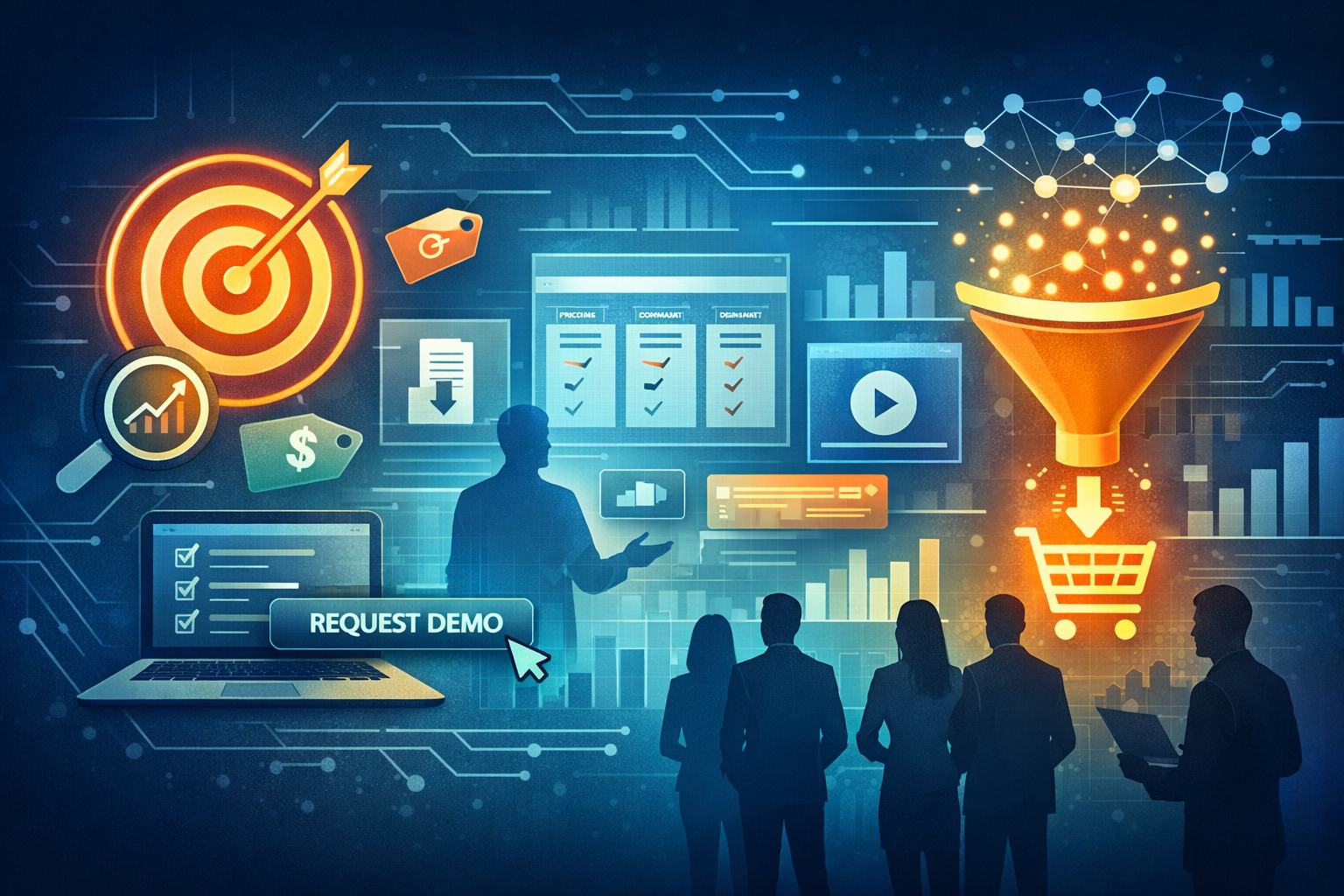
- Bottom of Funnel (BOFU): Product demos, free trials, ROI calculators.
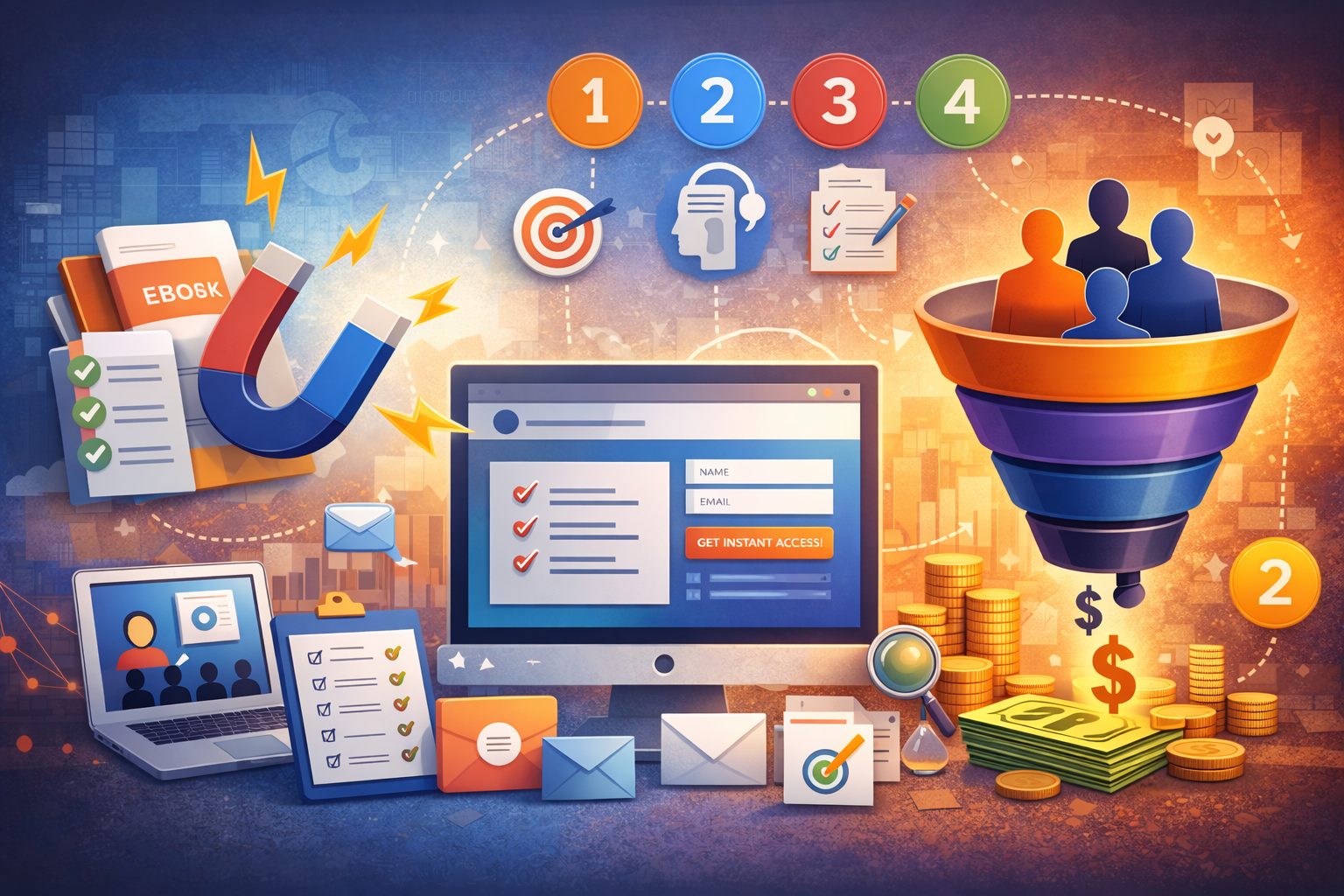
Make content easily accessible and gated strategically to capture qualified leads.
- Use Automation to Nurture Leads
Not all prospects are ready to buy immediately. Implement drip campaigns and automated workflows to nurture leads with relevant content until they’re ready for sales engagement. Automation ensures consistent touchpoints without overwhelming your team.
- Analyze Funnel Metrics Regularly
Track KPIs such as:
- Lead-to-opportunity conversion rate
- Opportunity-to-close rate
- Average deal cycle length
- Customer acquisition cost (CAC)
Regular analysis highlights bottlenecks so you can refine messaging, shorten sales cycles, and reduce drop-offs.
- Continuously Test and Optimize
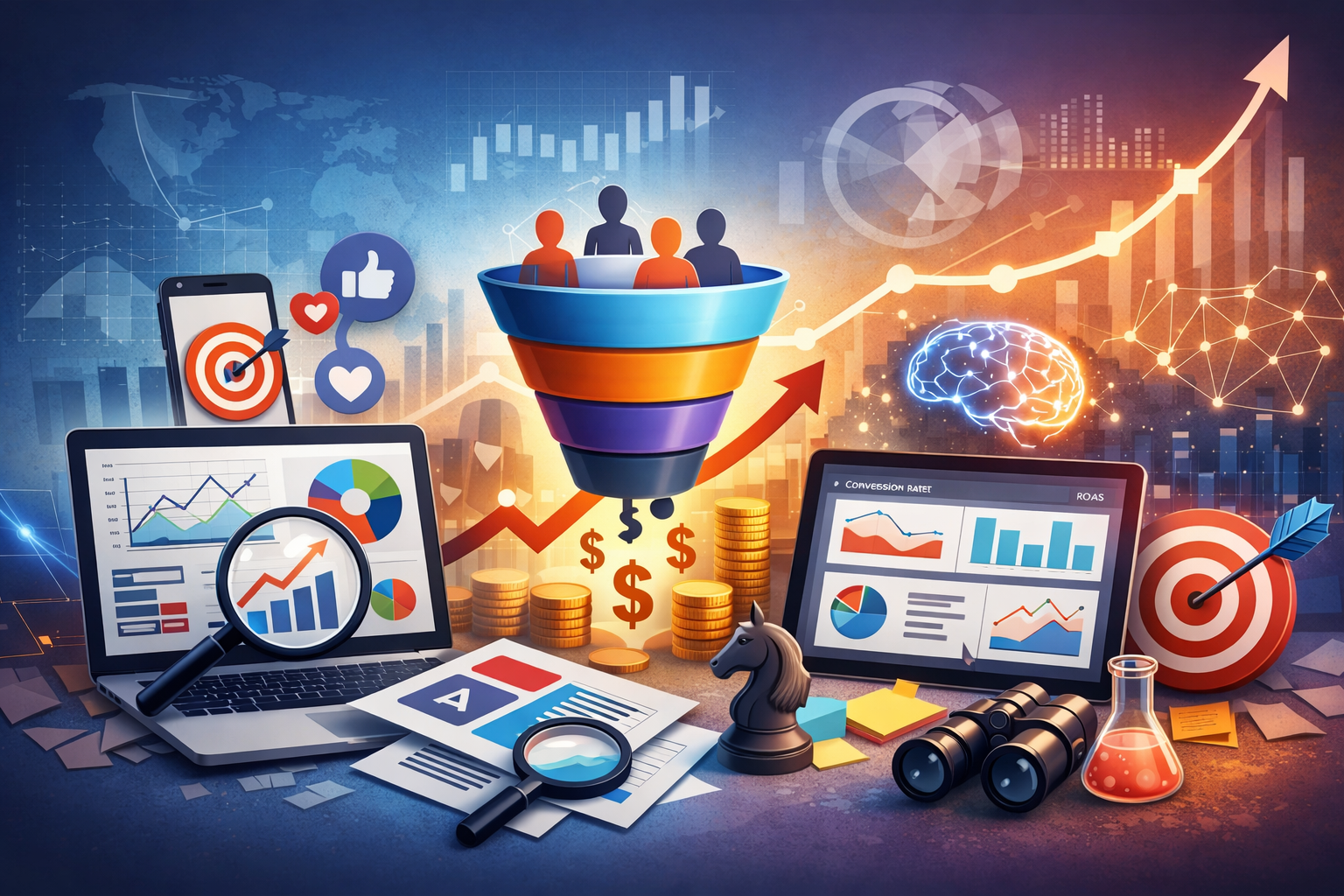
Optimization is ongoing. Use A/B testing for landing pages, CTAs, and email campaigns. Monitor how changes affect conversion rates and scale what works best.
Read Also: Why Sustainability Matters in B2B Operations