
In today’s hyper-competitive B2B landscape, intuition and experience alone are no longer enough to drive consistent sales growth. The most successful companies are leveraging data-driven sales strategies to make smarter decisions, target the right prospects, and optimize every stage of their pipeline.
If you’re looking to transform your sales approach from guesswork to precision, here’s how to build a data-driven B2B sales strategy that delivers measurable results.
- Define Clear Business and Sales Objectives
Before diving into analytics or tools, start with clarity. What are you trying to achieve?
Your goals might include:
- Increasing lead-to-close conversion rates
- Reducing customer acquisition costs (CAC)
- Improving customer lifetime value (CLV)
- Shortening the sales cycle
Having well-defined, measurable objectives gives your data direction and purpose. Every insight you generate should tie back to these key goals.
- Centralize and Clean Your Data
A data-driven strategy is only as good as the data it’s built on. Start by centralizing information from multiple sources:
- CRM systems (e.g., Salesforce, HubSpot)
- Marketing automation tools (e.g., Marketo, Pardot)
- Customer support platforms
- Website and engagement analytics
Ensure data hygiene by:
- Removing duplicates and outdated records
- Standardizing fields (e.g., company size, industry codes)
- Validating contact and firmographic data
Clean, centralized data empowers your sales team with accurate insights and seamless handoffs between departments.
- Identify Your Ideal Customer Profile (ICP)
Your Ideal Customer Profile (ICP) is the foundation of a data-driven sales approach. Use analytics to identify which types of customers deliver the highest ROI.
Look for patterns across:
- Industry and company size
- Annual revenue and growth rate
- Buying triggers and pain points
- Decision-making structures
Tools like LinkedIn Sales Navigator, Crunchbase, or ZoomInfo can help enrich your data and refine your ICP.
- Leverage Predictive Analytics for Lead Scoring
Not all leads are created equal. Predictive lead scoring uses historical data and machine learning to identify prospects most likely to convert.
You can analyze factors such as:
- Website interactions (downloads, demo requests)
- Email engagement metrics
- Past purchase behavior
- Firmographic fit
The result? Your sales reps focus their time on high-potential accounts — improving efficiency and conversion rates.
- Align Sales and Marketing Through Shared Data
A data-driven B2B sales strategy thrives on collaboration. When sales and marketing share insights, they can better align campaigns, messaging, and handoff processes.
Use shared dashboards and KPIs to track:
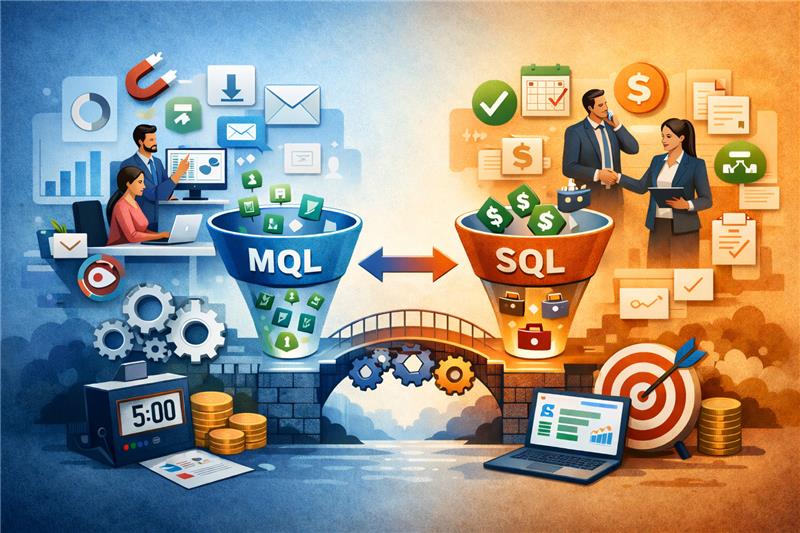
- Lead quality and MQL-to-SQL conversion
- Campaign attribution and ROI
- Content performance metrics
This transparency ensures both teams are working toward the same goals — driving consistent pipeline growth.
- Track Key Sales Metrics and KPIs
To measure and optimize performance, focus on data that matters. Some critical B2B sales metrics include:
- Lead-to-opportunity ratio
- Opportunity-to-win rate
- Average deal size
- Sales velocity
- Customer acquisition cost (CAC)
- Customer retention and expansion rates
Regularly review these KPIs to uncover trends and adjust strategies accordingly.
- Continuously Optimize Using Data Insights
Data-driven selling isn’t a one-time setup — it’s an ongoing process. Use A/B testing, sales performance analytics, and feedback loops to continuously refine:
- Outreach messaging and channels
- Pricing strategies
- Sales enablement materials
- Account prioritization
The key is to stay agile. Let data guide your next move, not assumptions.
- Invest in the Right Tools and Technology
Modern B2B sales teams rely on an integrated tech stack. Consider tools that enhance data-driven decision-making:
- CRM: Salesforce, HubSpot
- Sales intelligence: ZoomInfo, Apollo.io
- Analytics and BI: Tableau, Power BI
- Automation: Outreach, Salesloft
A unified system allows your sales team to act on real-time insights and forecast more accurately.
Read Also: How Cloud Computing Is Powering the B2B Revolution