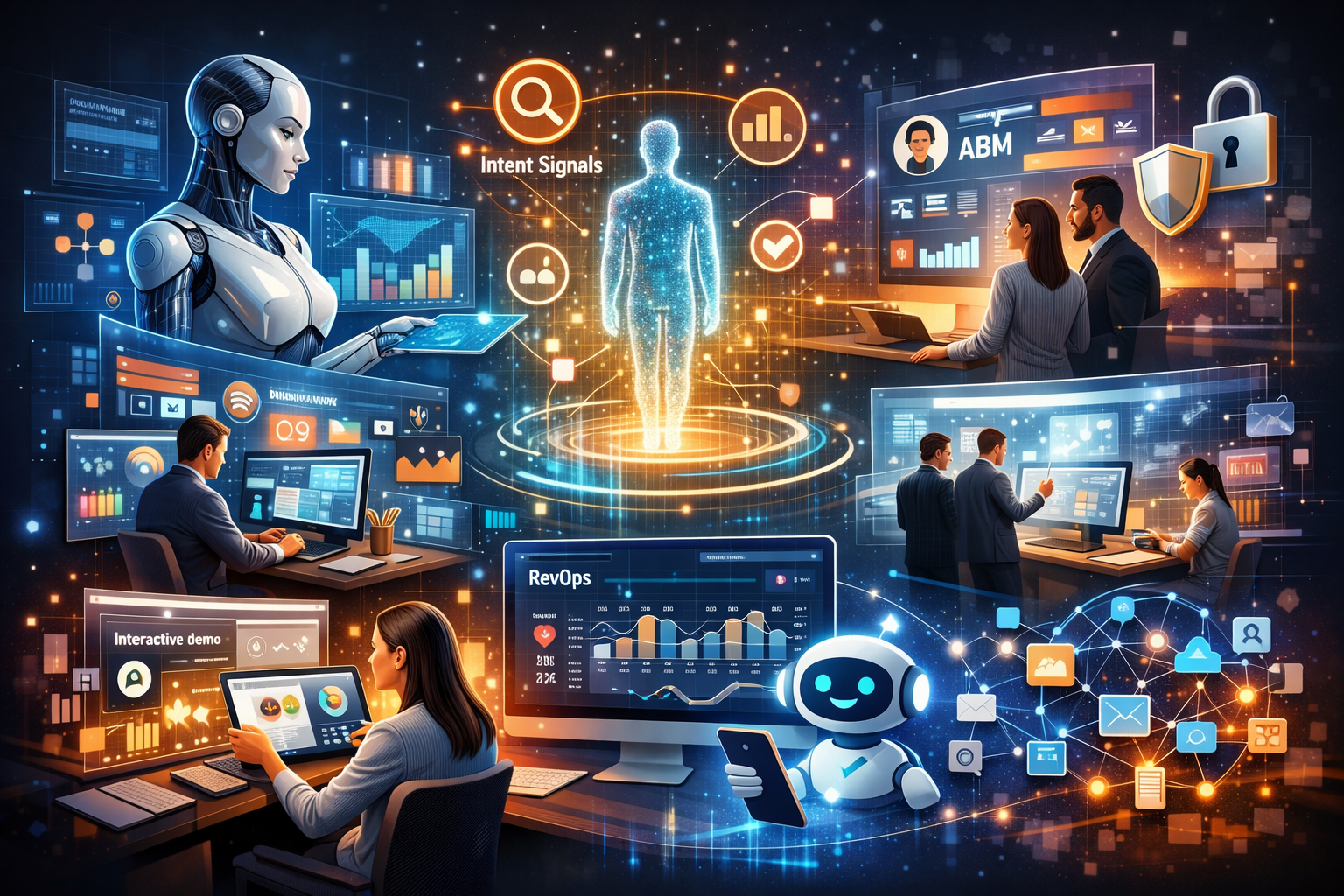

In today’s competitive B2B landscape, marketers are constantly searching for ways to cut through the noise, build stronger customer relationships, and drive measurable revenue. Account-Based Marketing (ABM) has emerged as a strategic approach that aligns sales and marketing efforts to target high-value accounts. But as buyer expectations evolve, merely targeting accounts isn’t enough — success lies in personalization at scale. That’s where Artificial Intelligence (AI) steps in.
In this blog, we’ll explore how AI is transforming ABM with hyper-personalization at scale, enabling marketers to deliver tailored experiences across the entire customer journey.
What is Account-Based Marketing (ABM)?
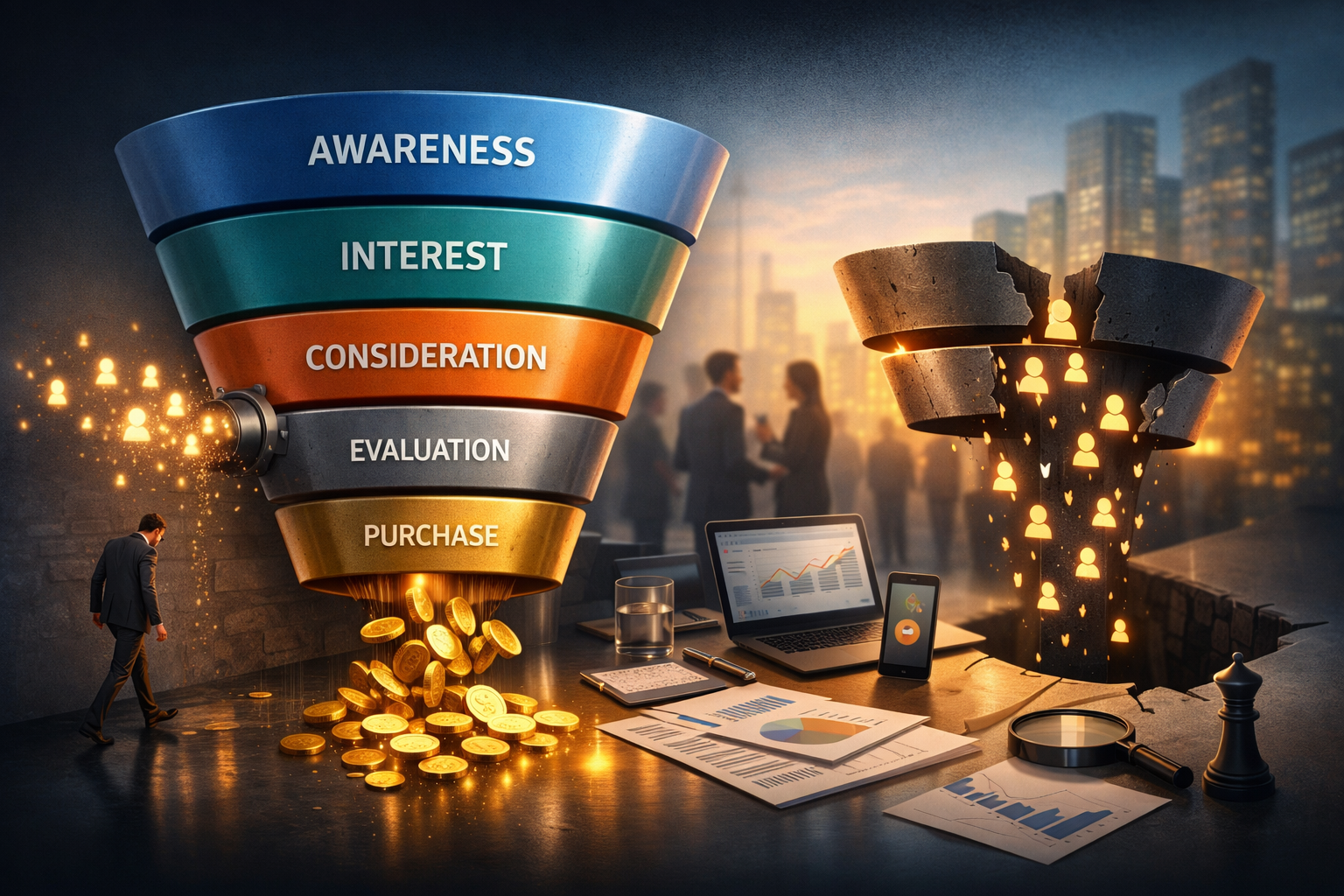
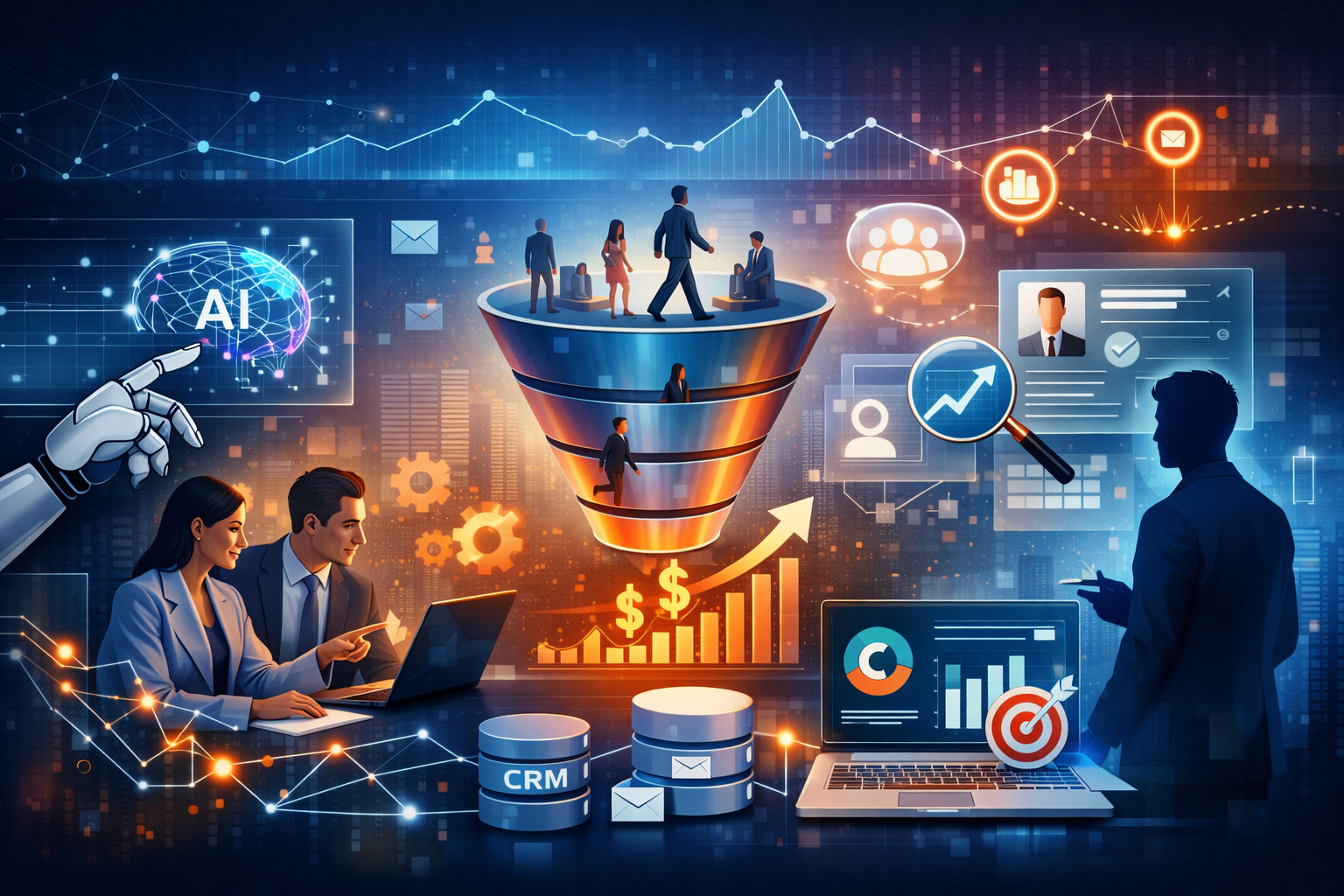
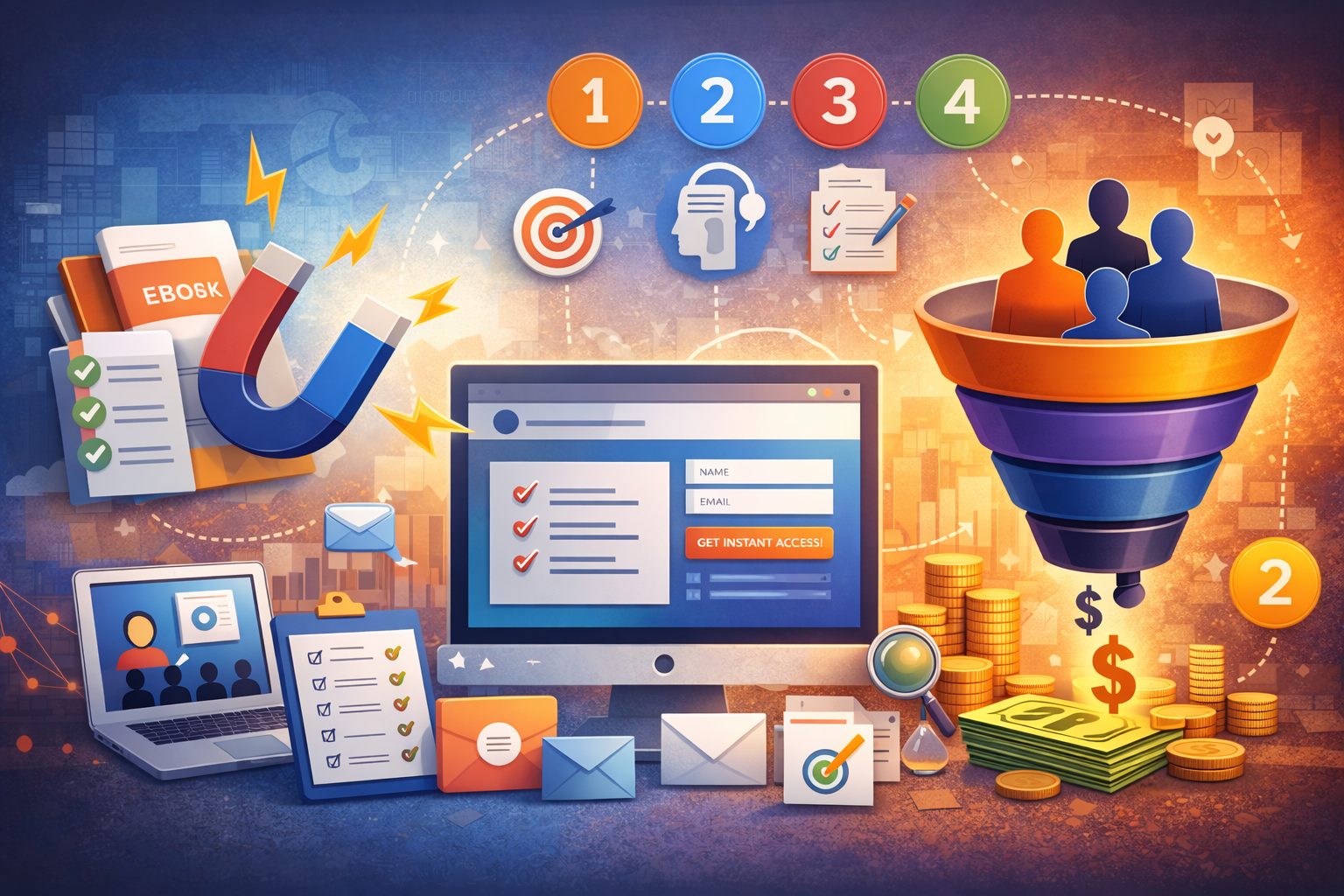
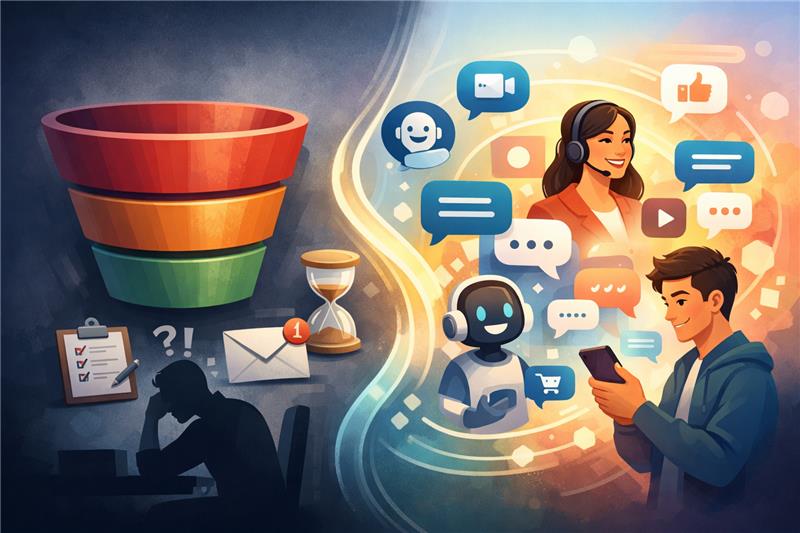
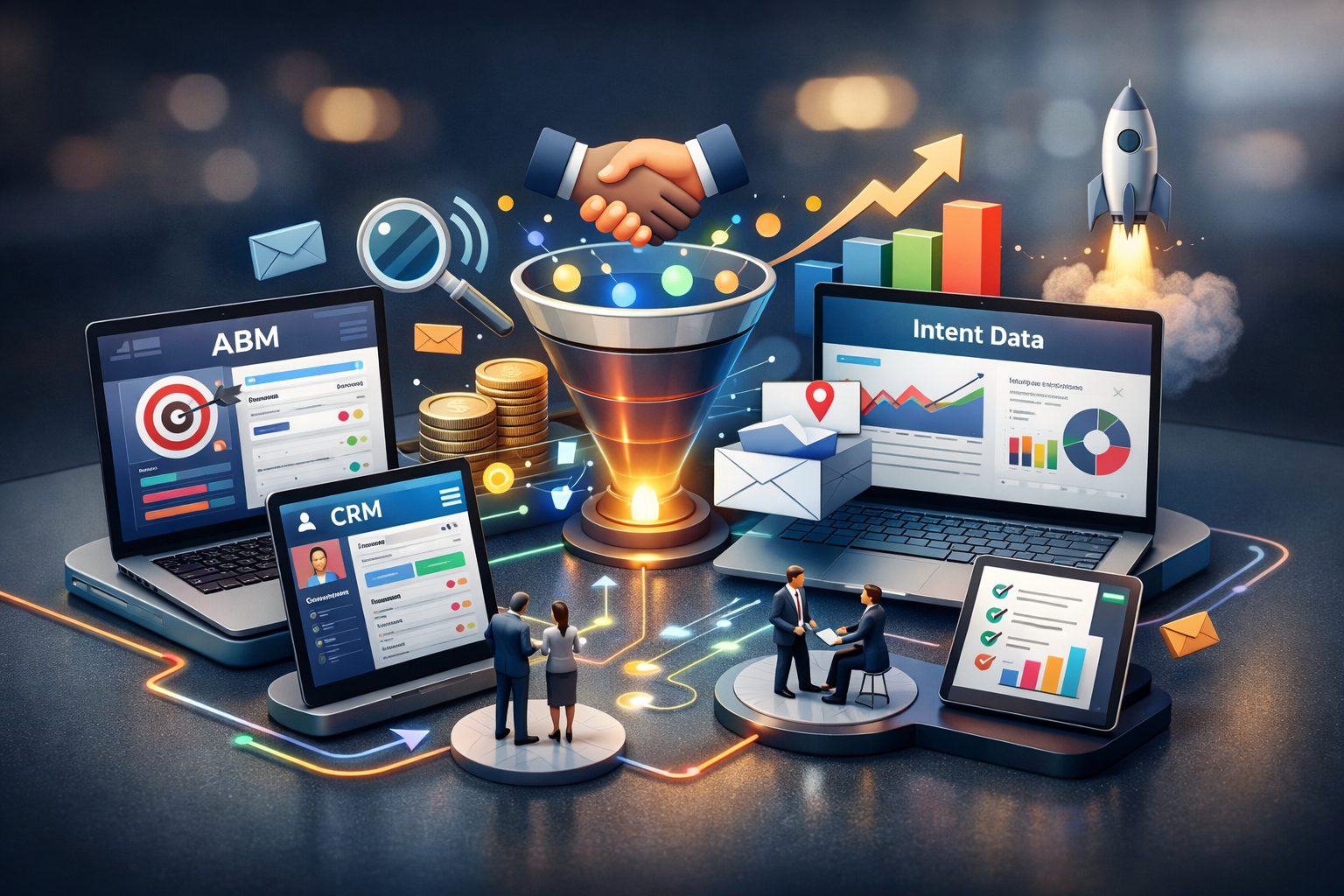
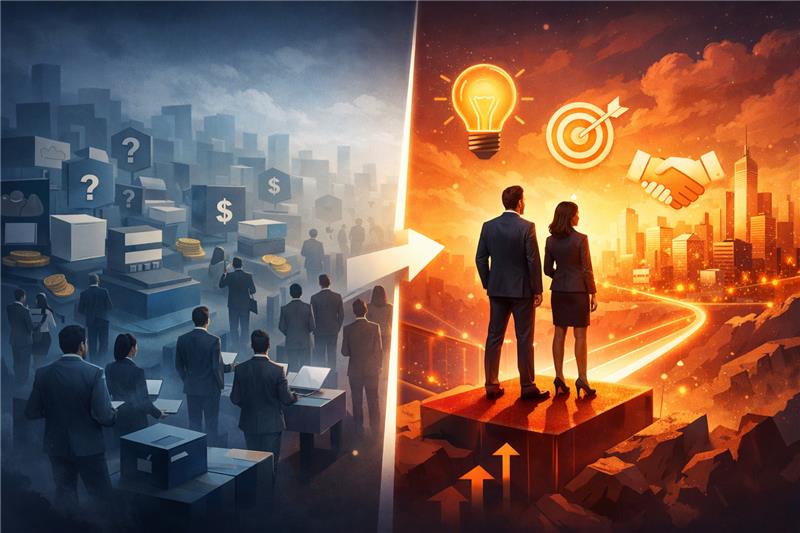
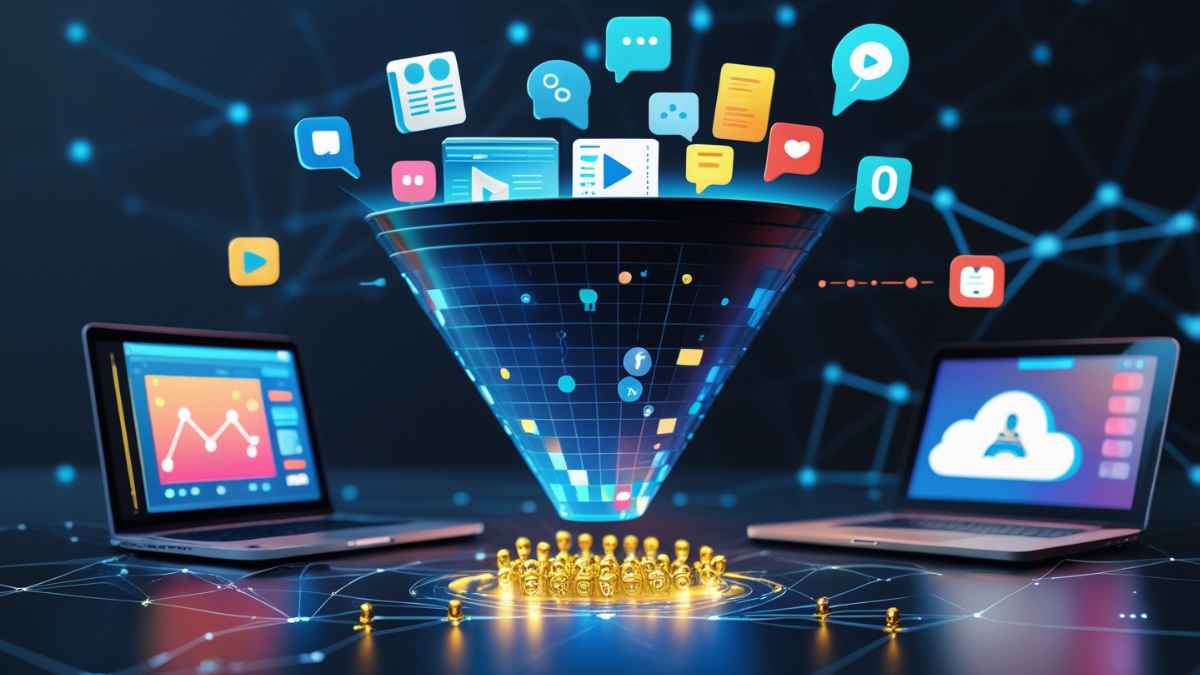
Account-Based Marketing flips the traditional funnel on its head. Instead of casting a wide net, ABM focuses on identifying and engaging a defined set of high-value target accounts with highly relevant content and messaging.
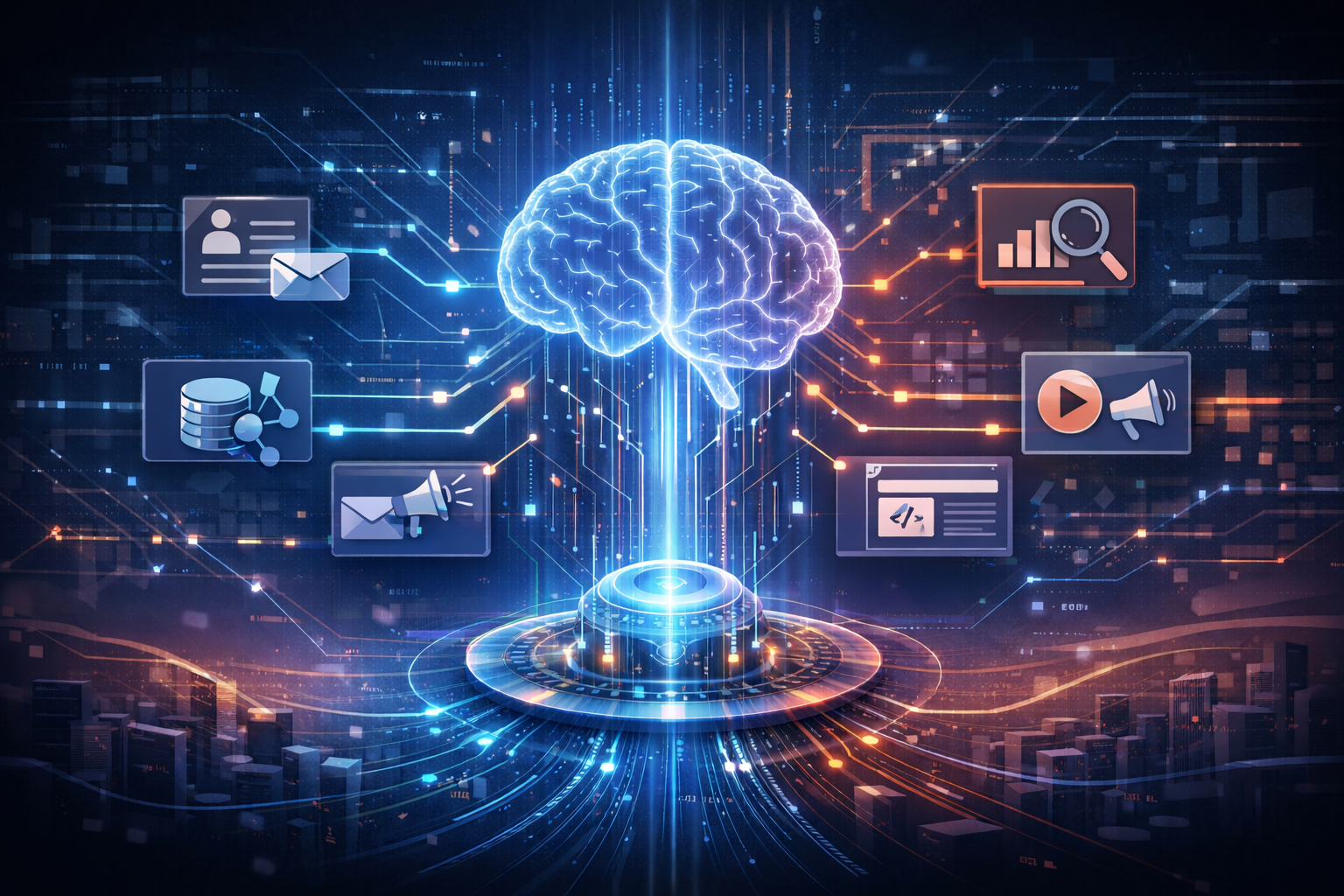
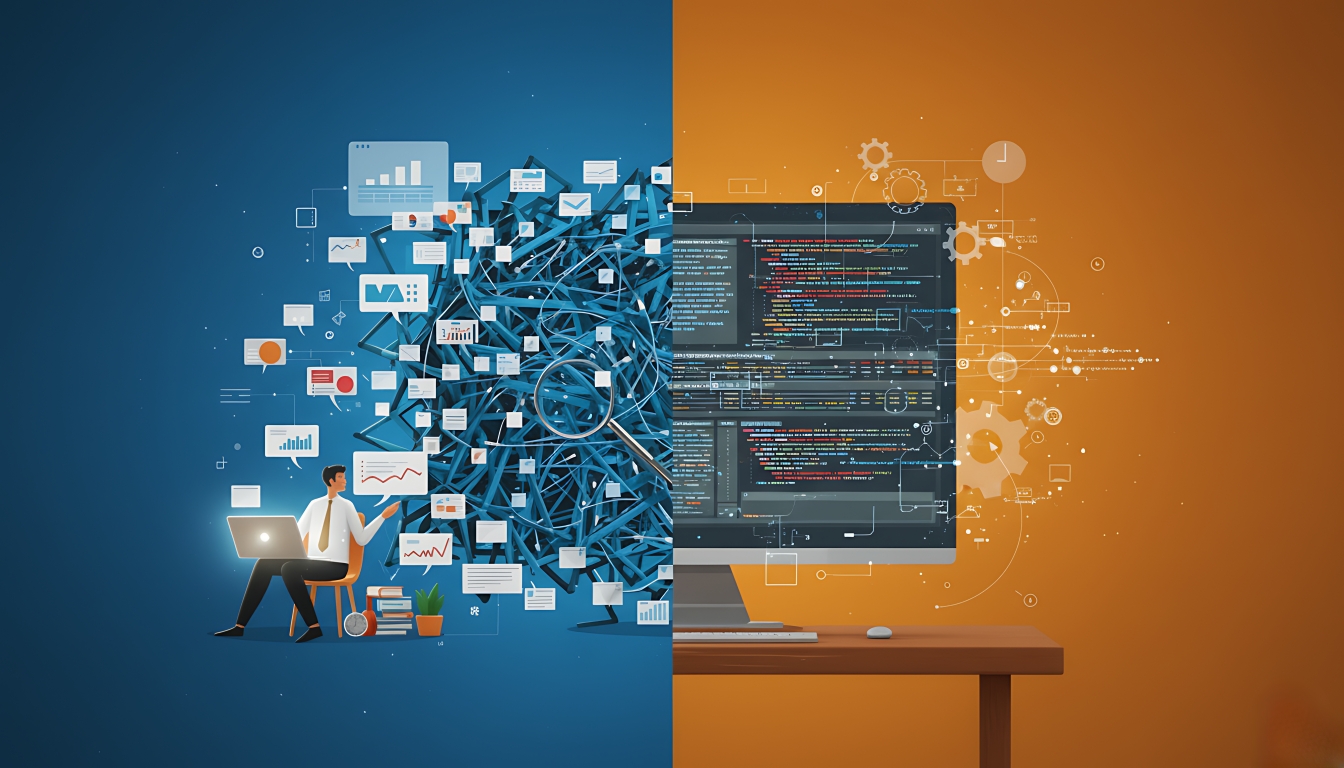
Traditionally, ABM has been resource-intensive — requiring manual research, segmentation, and content customization. But AI is revolutionizing this approach by automating intelligence, insights, and actions.
The Rise of Hyper-Personalization
Hyper-personalization goes beyond basic demographics or job titles. It uses real-time data and predictive analytics to understand each account’s unique needs, preferences, behavior patterns, and business context.
Rather than delivering generic messages, marketers can now tailor experiences so precisely that each interaction feels like a one-to-one conversation — even within large account lists.
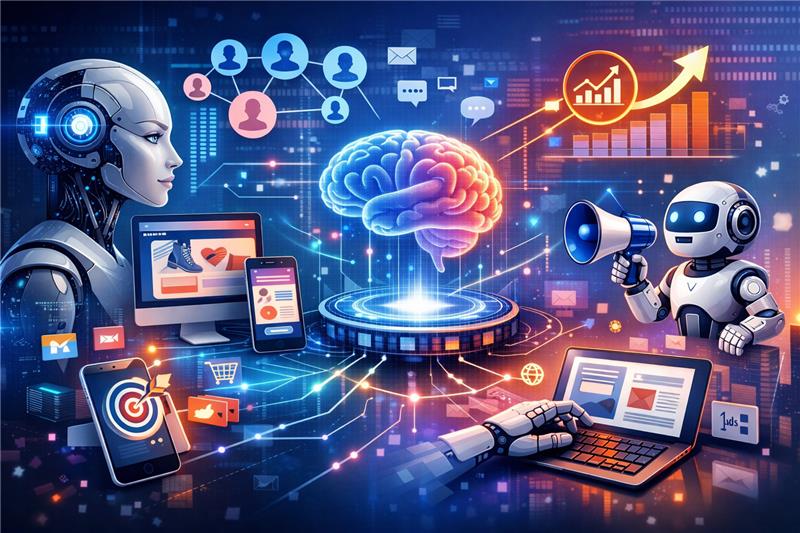
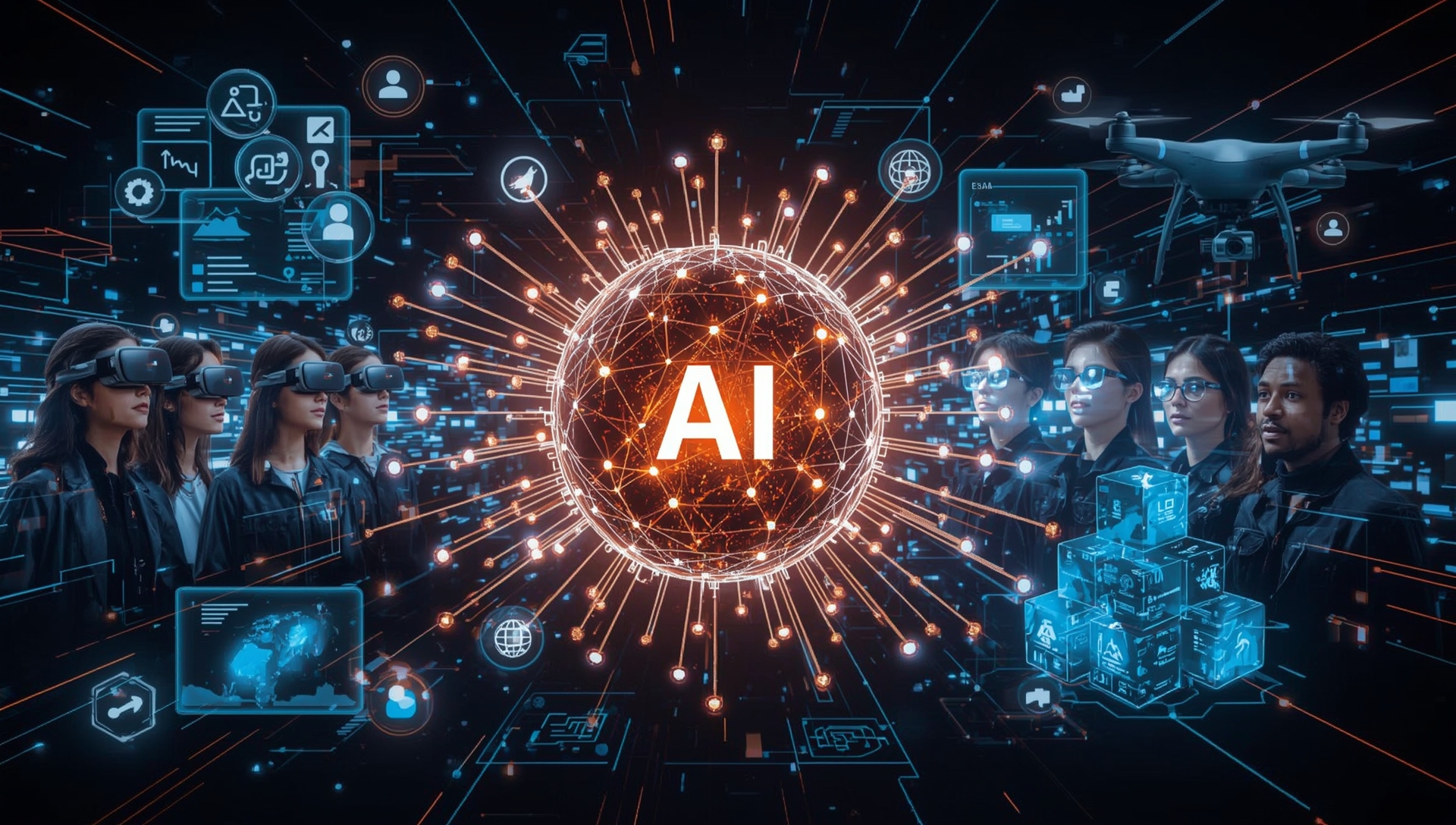
AI fuels this capability by processing vast amounts of data and generating insights that humans could never derive manually.
How AI Enables Hyper-Personalization in ABM
1. Intelligent Account Selection
AI algorithms analyze firmographic, technographic, intent, and engagement data to identify the accounts most likely to convert. This goes beyond traditional scoring — predictive models forecast future behavior, helping marketers prioritize where to invest their efforts.
Result: More accurate targeting, reduced wasted effort, and faster ROI.
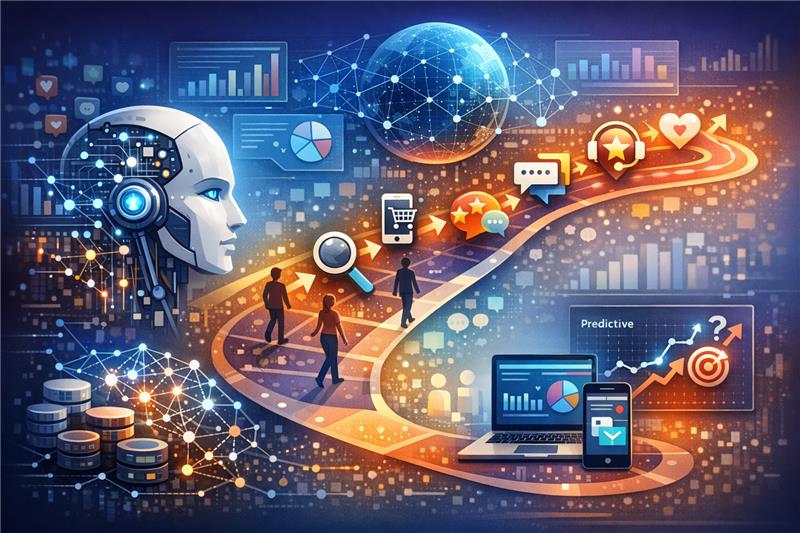
2. Real-Time Intent Data & Predictive Insights
AI tracks signals across touchpoints — website visits, content interactions, search behavior, and even social conversations — to detect intent.
With this data, predictive models anticipate what content or offer will resonate with a target account at the right time.
Result: Smarter engagement that feels relevant and timely.
3. Personalized Content at Scale
Crafting individualized messaging for every account used to be impossible without huge teams. Today’s AI tools can automatically generate or tailor content based on an account’s industry, pain points, buyer stage, and engagement history.
Whether it’s emails, landing pages, or sales outreach, AI accelerates the creation of content that speaks directly to each account’s priorities.
Result: Higher engagement and stronger conversions.
4. Seamless Cross-Channel Orchestration
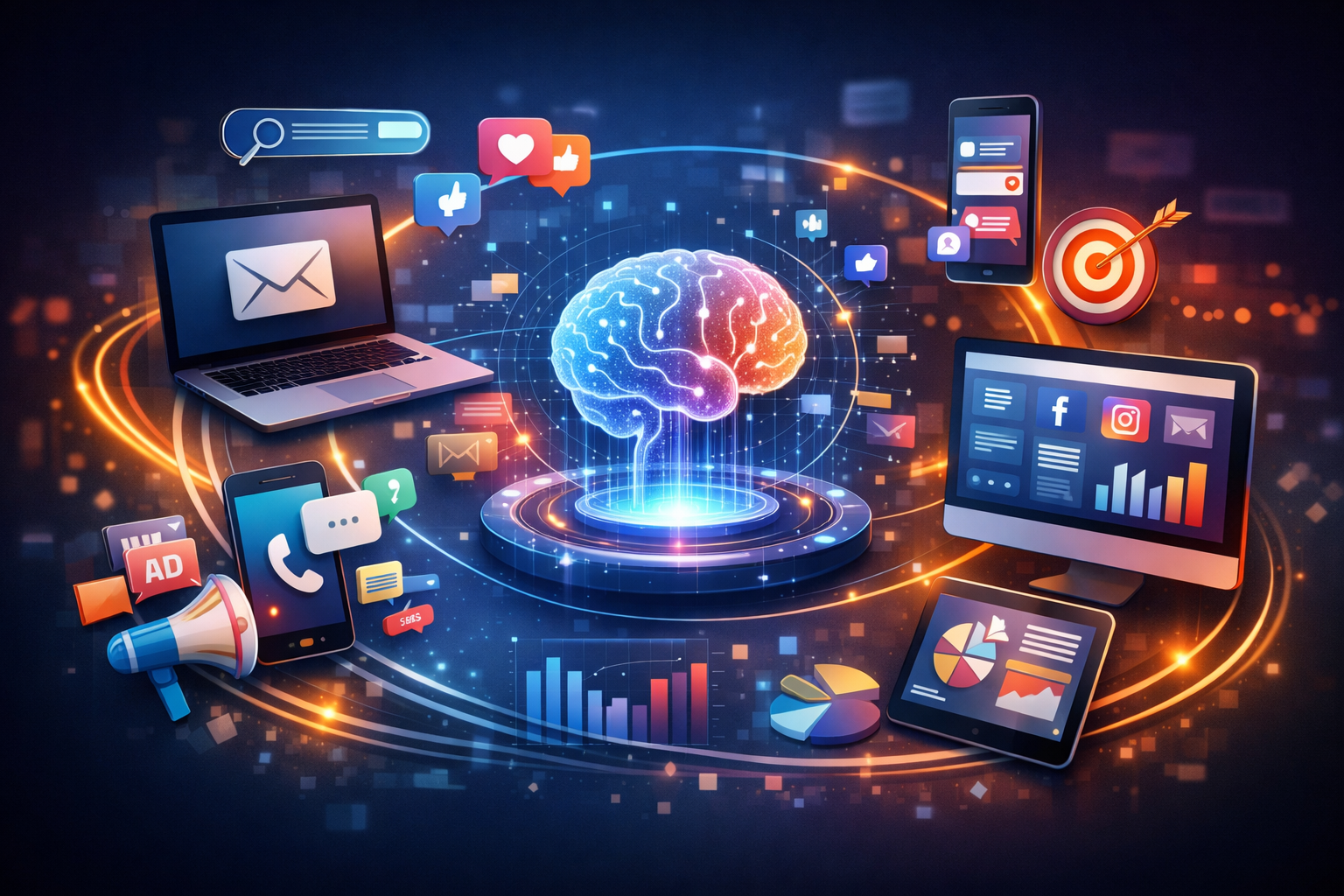
Modern B2B buyers engage across email, social, digital ads, and web. AI platforms integrate these touchpoints to deliver synchronized messaging.
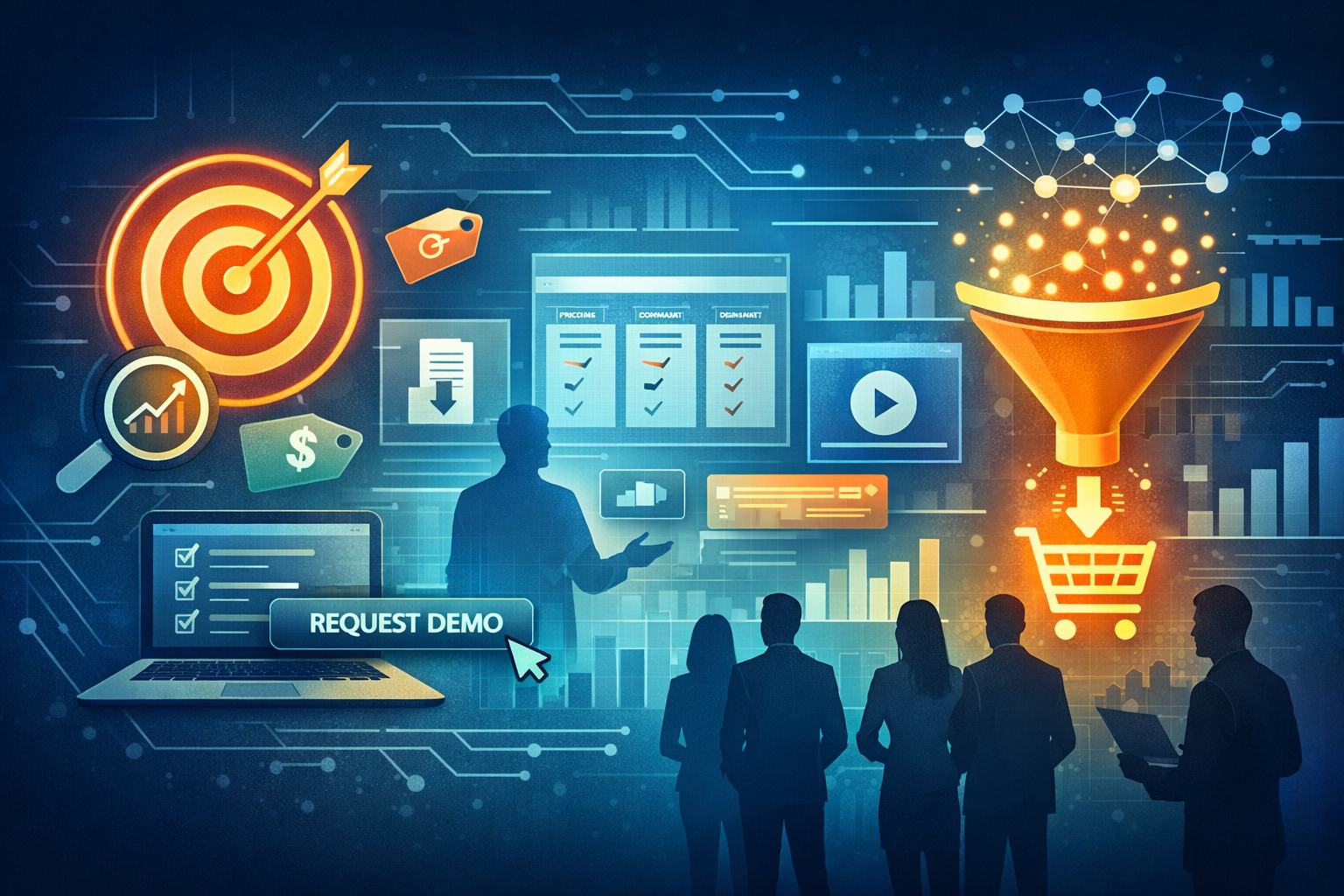
For example, an account that recently visited your pricing page might be retargeted with customized ads and followed up with a personalized email sequence — all orchestrated automatically.
Result: A unified, cohesive buyer experience that nudges accounts forward.
5. Continuous Learning & Optimization
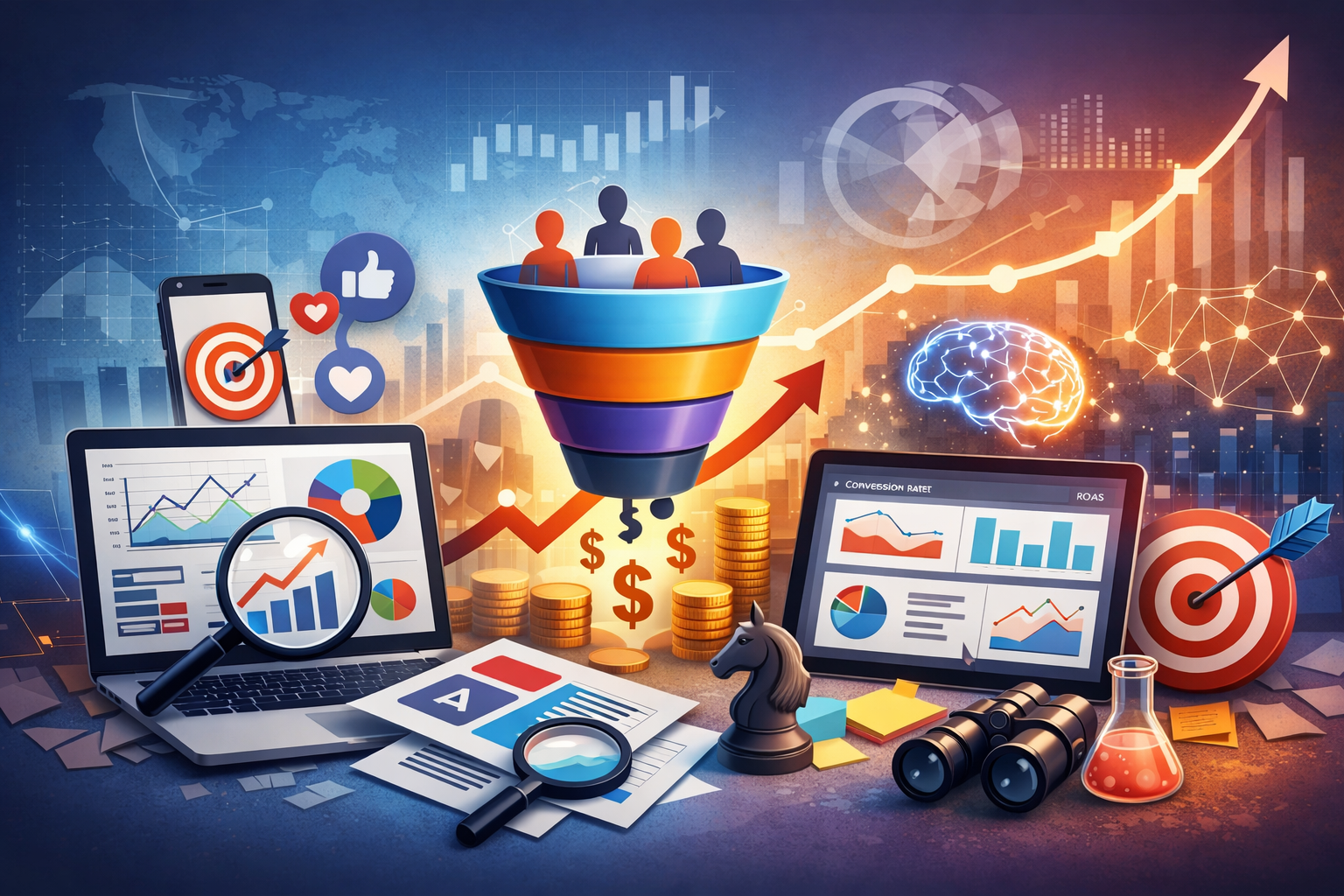
One of AI’s strongest advantages is continuous improvement. Machine learning models analyze campaign performance and adjust strategies in real time — optimizing messages, channels, timing, and audience definitions.
Result: Campaigns get better over time with minimal manual intervention.
Real-World Impact: What Hyper-Personalized ABM Looks Like
Imagine a global SaaS company targeting 150 high-potential enterprise accounts:
- AI identifies 30 accounts showing strong buying intent.
- Personalized landing pages are served based on each account’s industry challenges.
- Email campaigns generated through AI adapt based on previous engagement.
- Sales teams receive AI-driven conversation starters tailored to each account.
- Predictive insights suggest the best time to reach out for maximum impact.
The result? Higher response rates, shorter sales cycles, and improved revenue predictability.
Read Also: How B2B Companies Can Implement Responsible AI Without Slowing Down Innovation