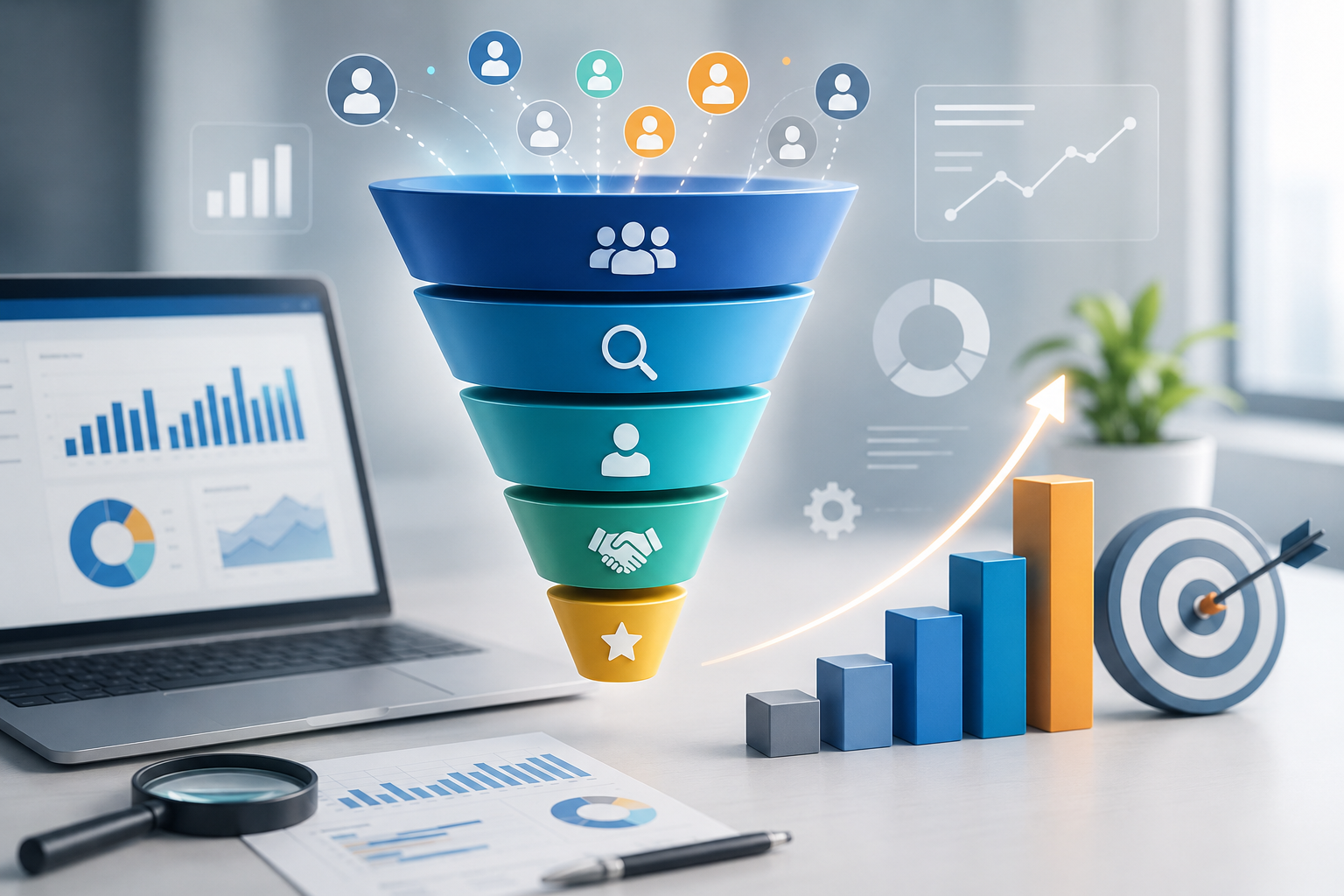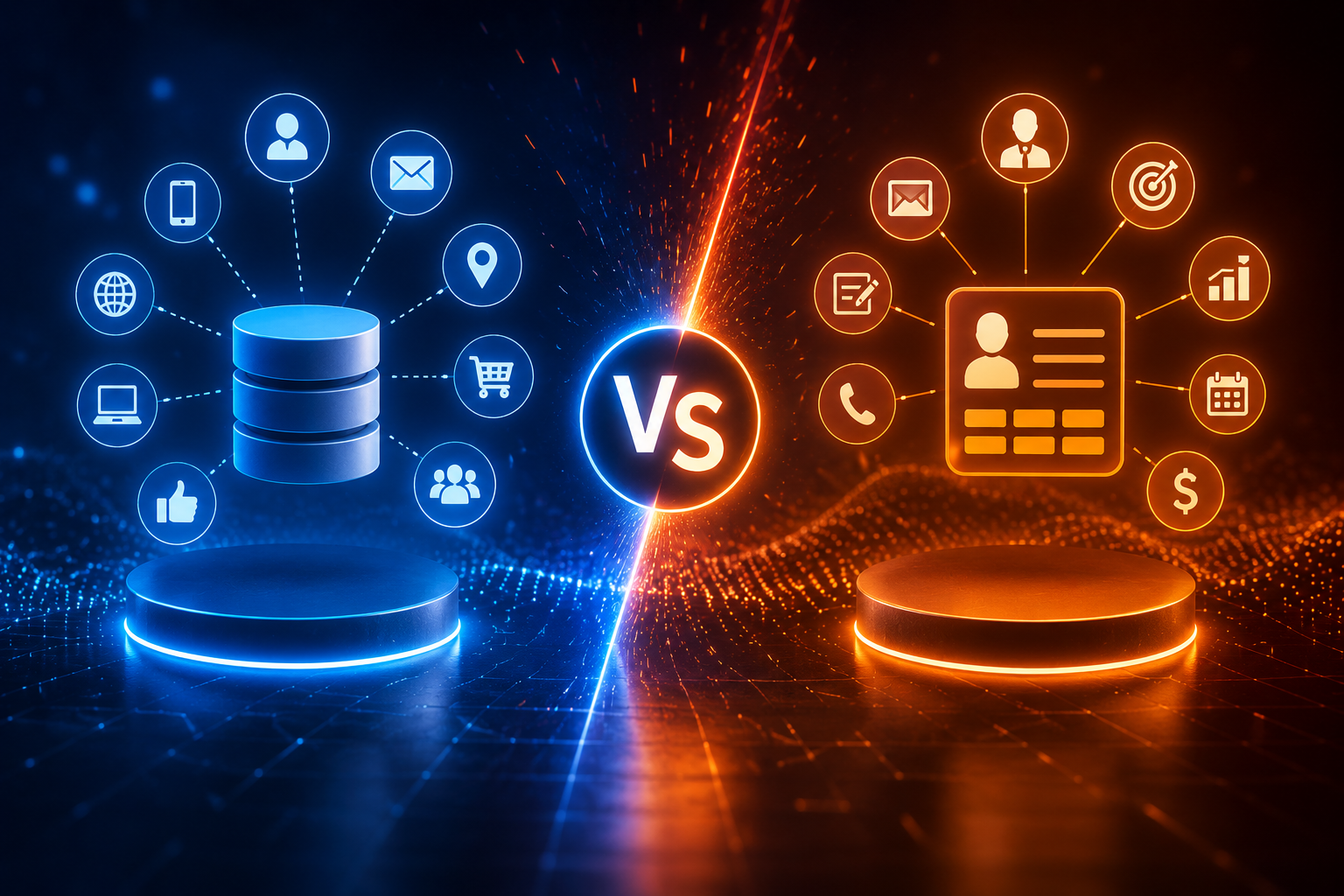
As B2B buying becomes more digital, complex, and data-driven, marketing technology (MarTech) is evolving faster than ever before. In 2026, the most successful B2B brands will be those that move beyond traditional automation and embrace a new generation of technologies — ones that bring deeper personalization, AI-powered insights, and seamless experiences across the entire buyer journey.
Here’s a look at the top MarTech trends shaping the B2B landscape this year.
🧠 1. AI-First Marketing: From Assistance to Autonomy
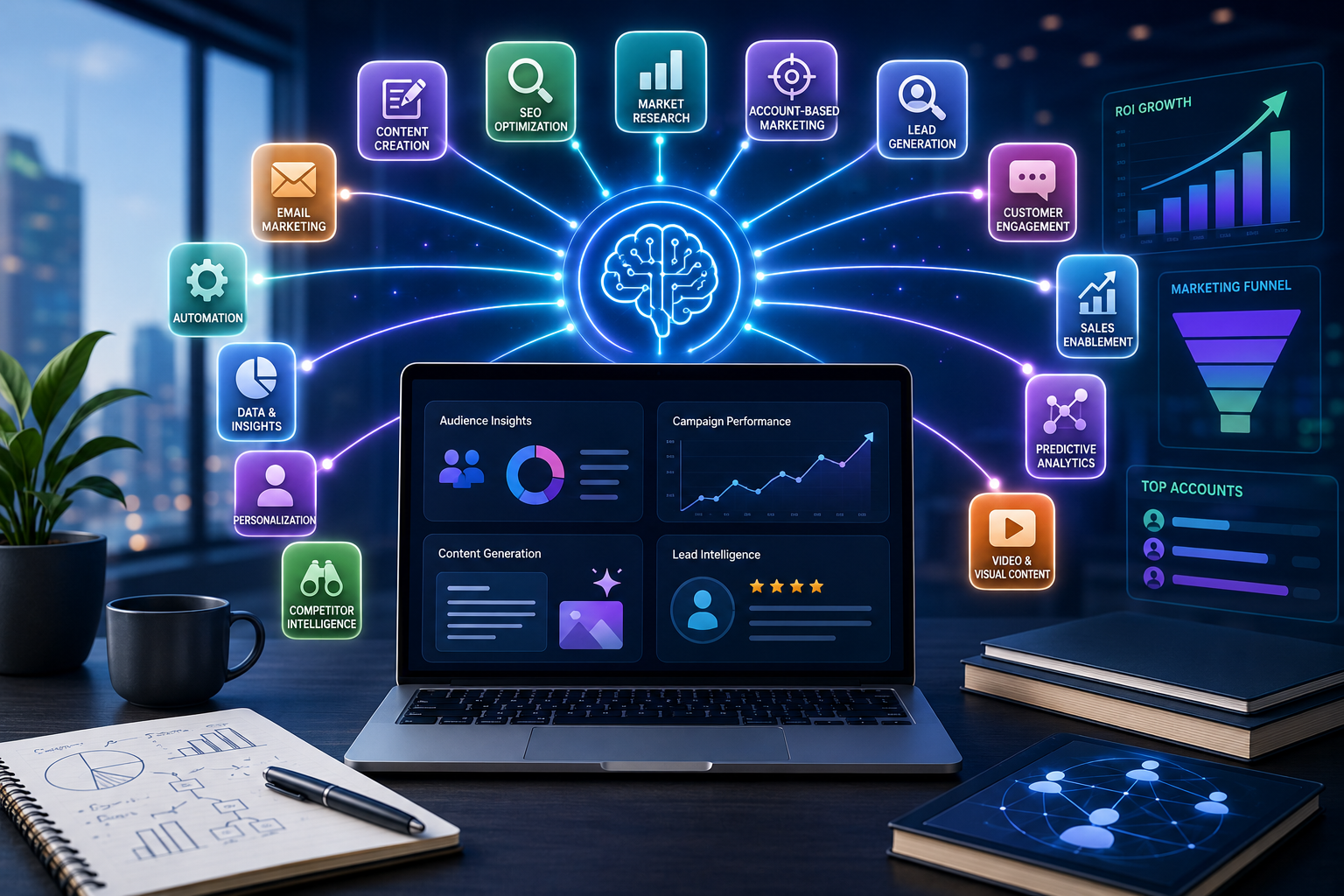
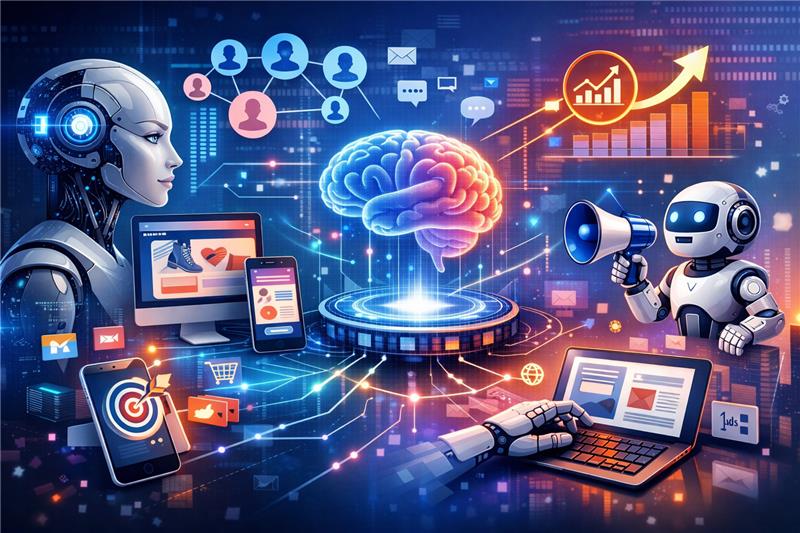
AI isn’t just a tool — it’s becoming the backbone of B2B marketing workflows:
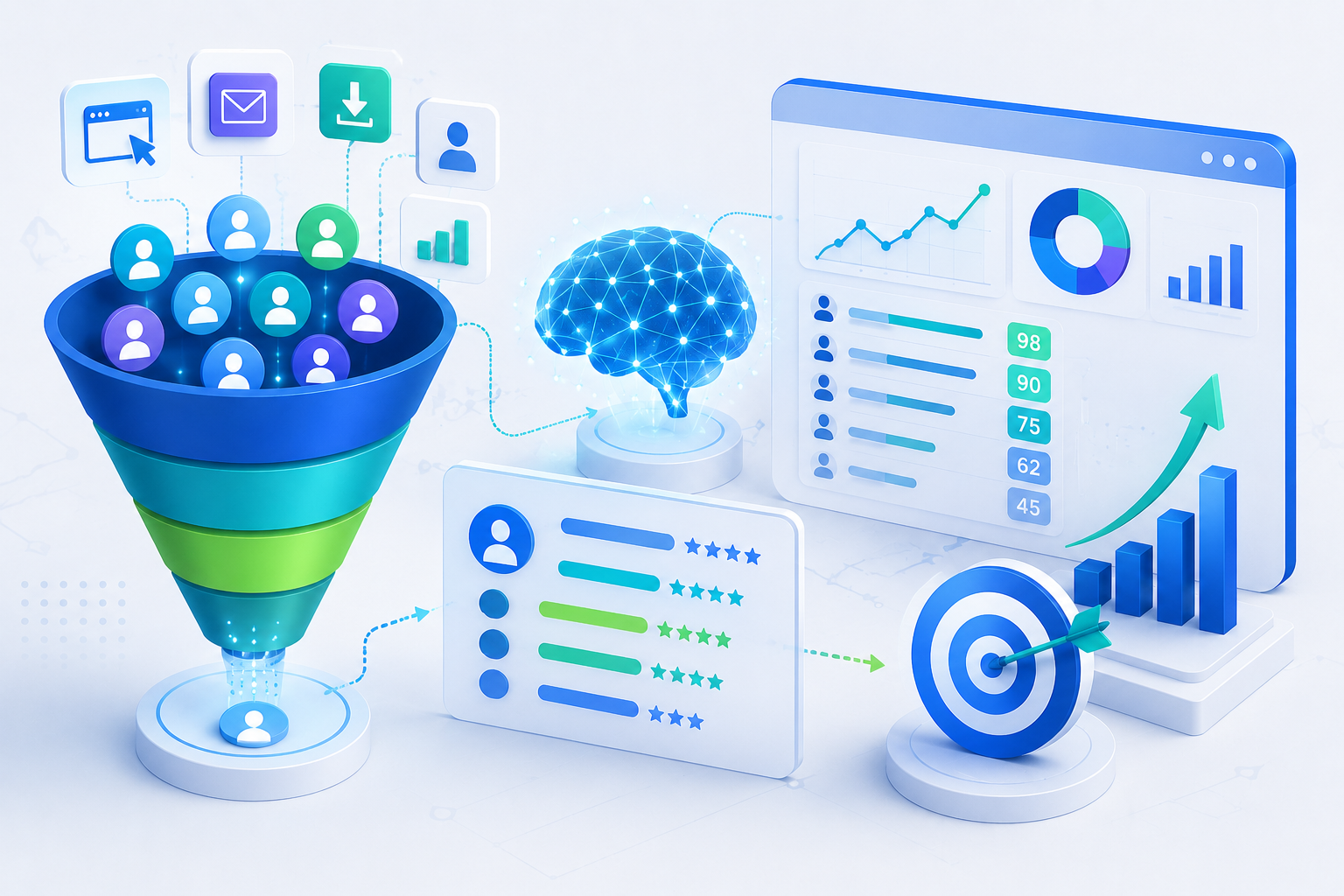
- Predictive analytics for lead scoring and pipeline forecasting
- AI-generated content tailored by persona and purchase stage
- Intelligent campaign optimization that learns and adapts in real time
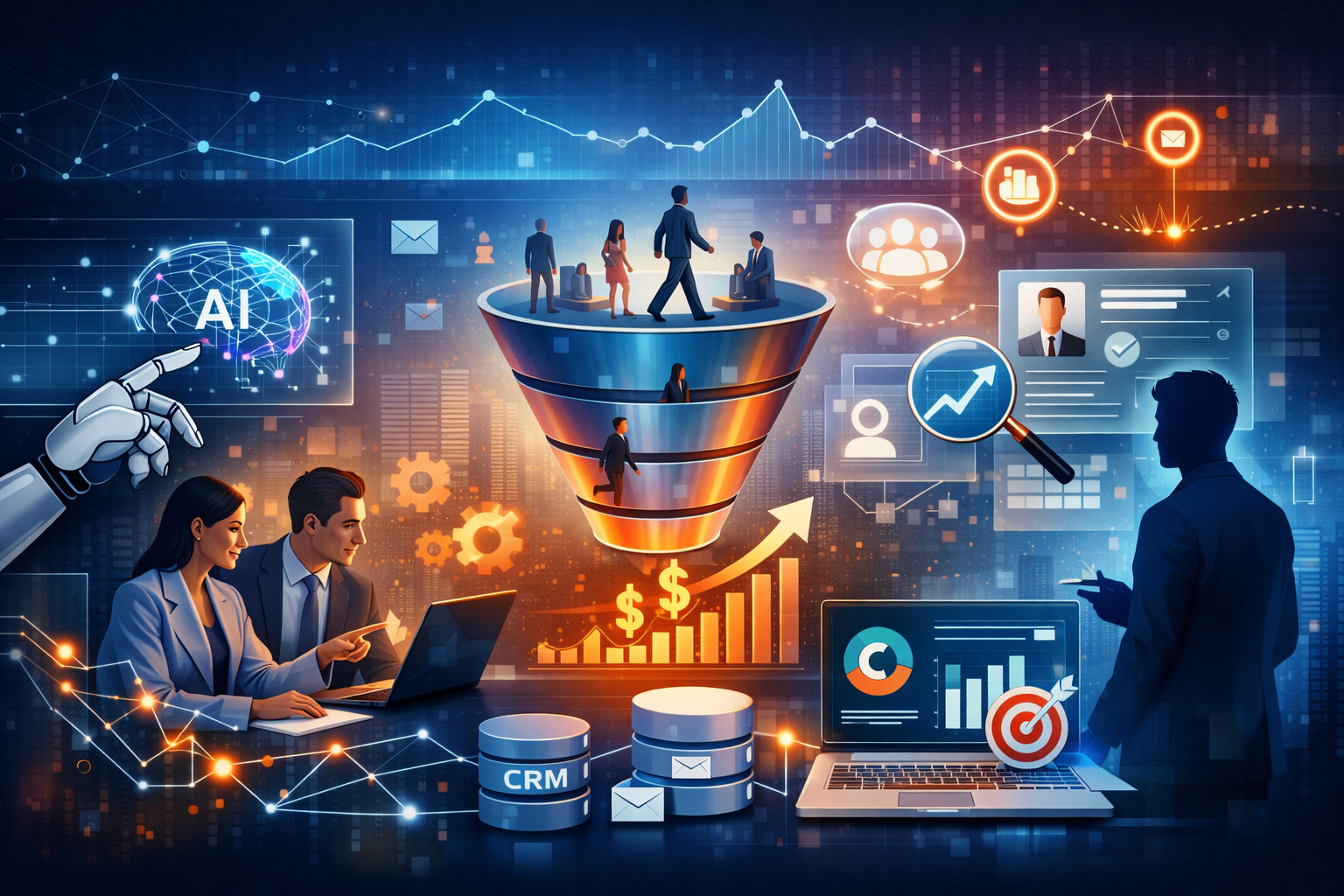
Gone are the days of manual segmentation and guesswork. In 2026, AI will orchestrate campaigns that dynamically adjust messaging based on signals like engagement, intent, and time to purchase.
👉 Marketers who embed AI into strategy — not just execution — will see the largest lift in conversion and ROI.
🔍 2. Buyer Intent Signals Take Center Stage
Traditional CRM and demand gen are giving way to intent-led growth:
- Intent data from external sources (search behavior, content consumption, technographic signals)
- First-party intent captured from interactions with digital assets
- AI models mapping intent to conversion likelihood
This empowers sales and marketing to prioritize high-intent accounts instead of chasing arbitrary lists.
✨ Intent is now a revenue signal — not just a marketing metric.
🔄 3. Unified Customer Profiles: A 360° View of the Buyer
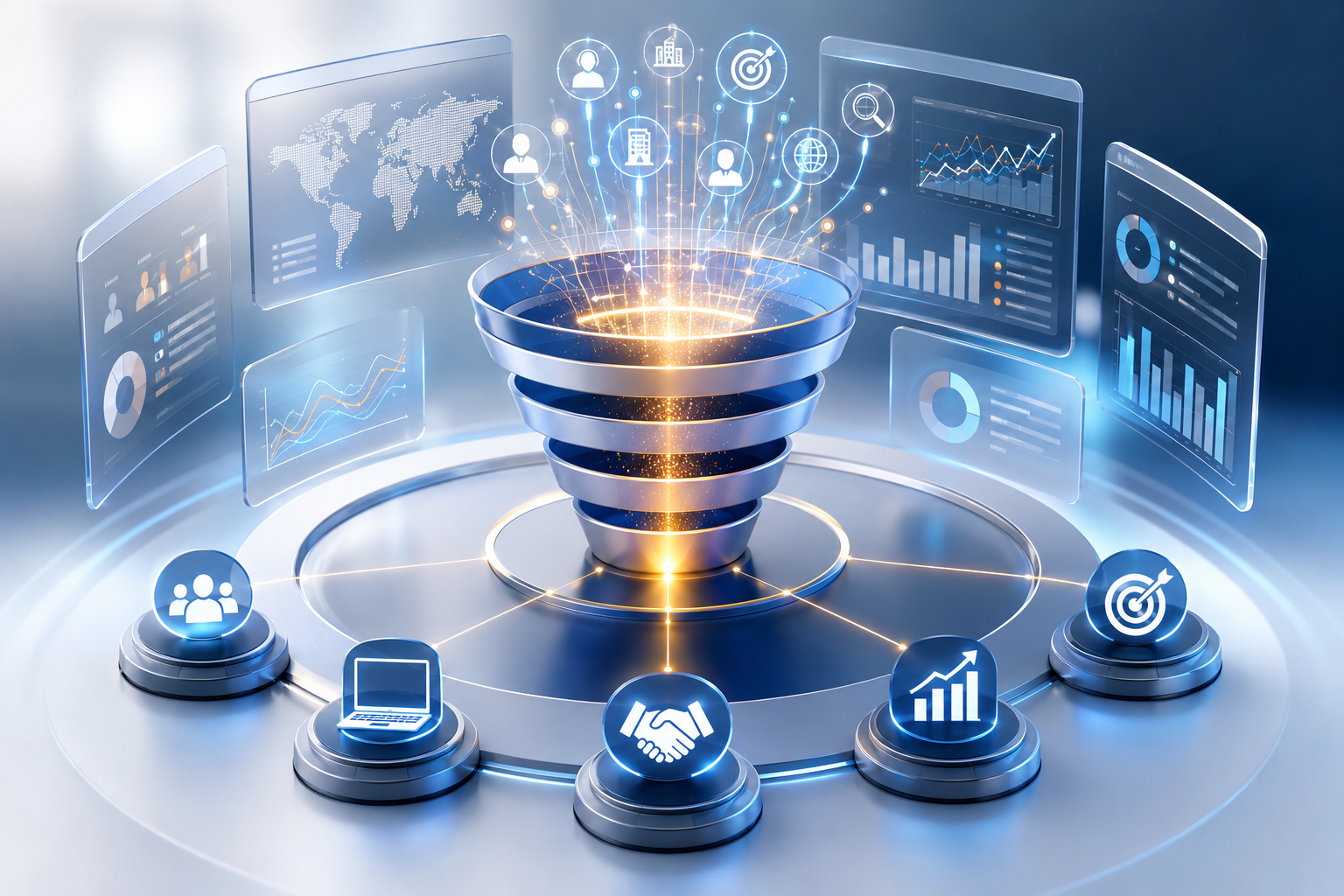
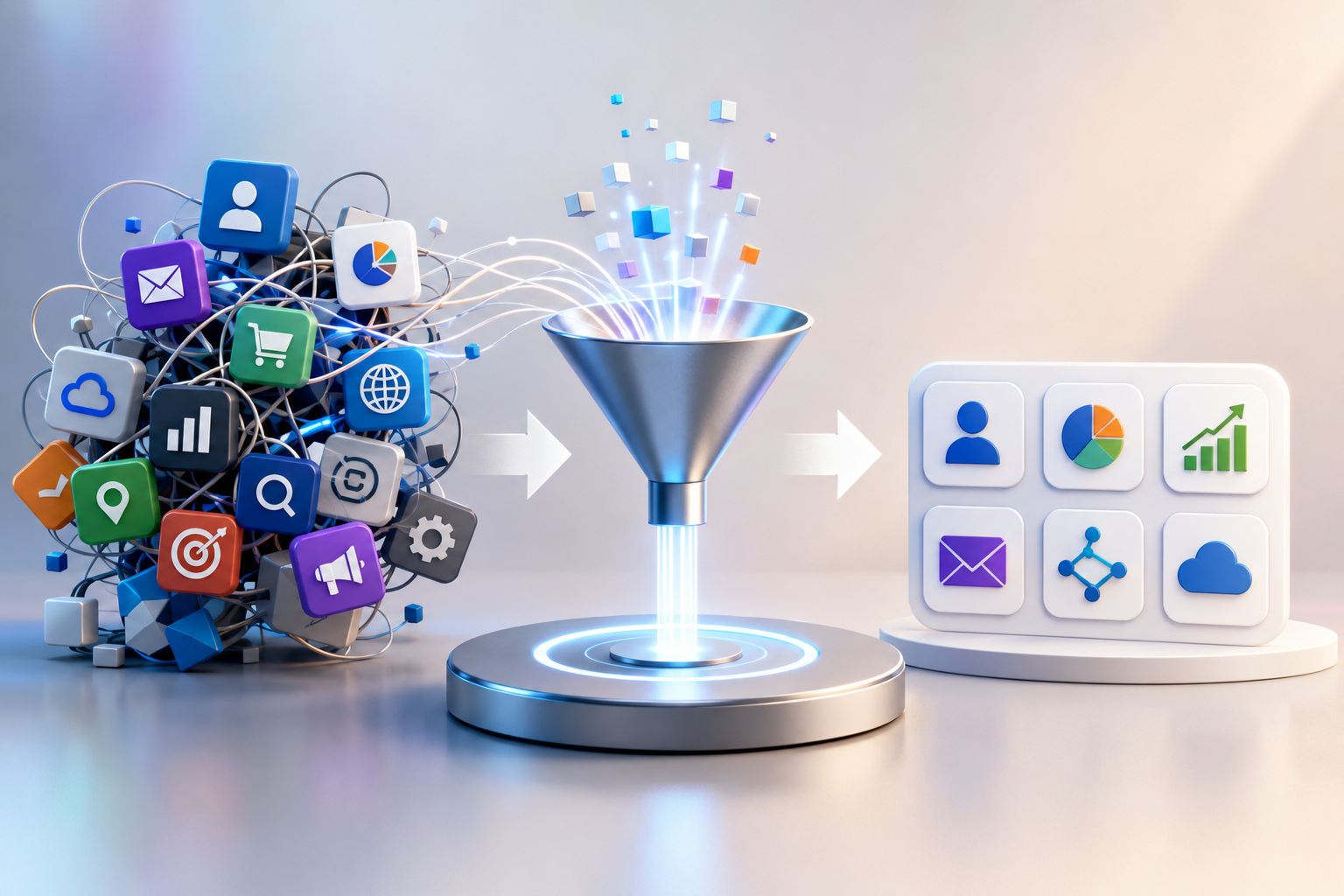
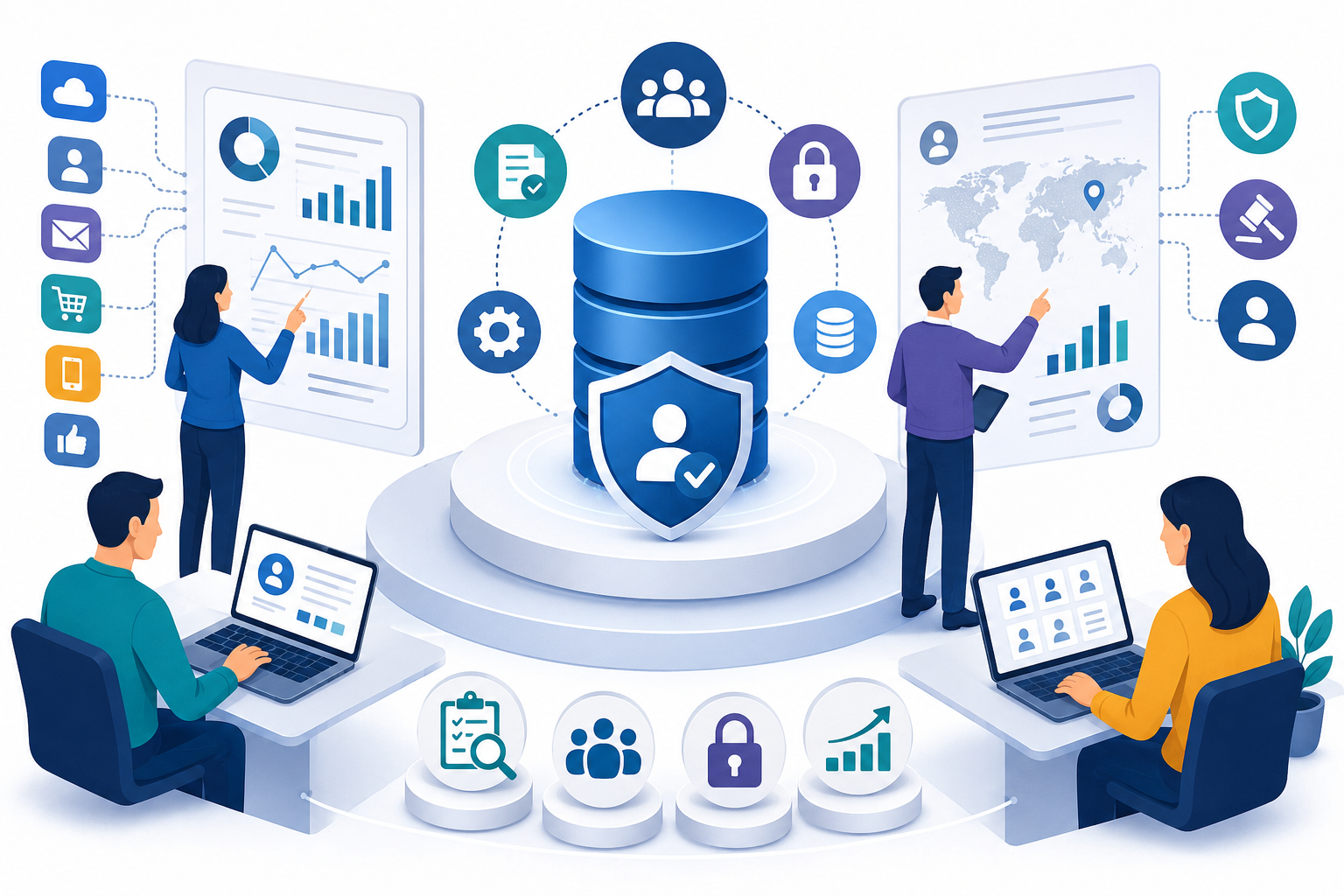
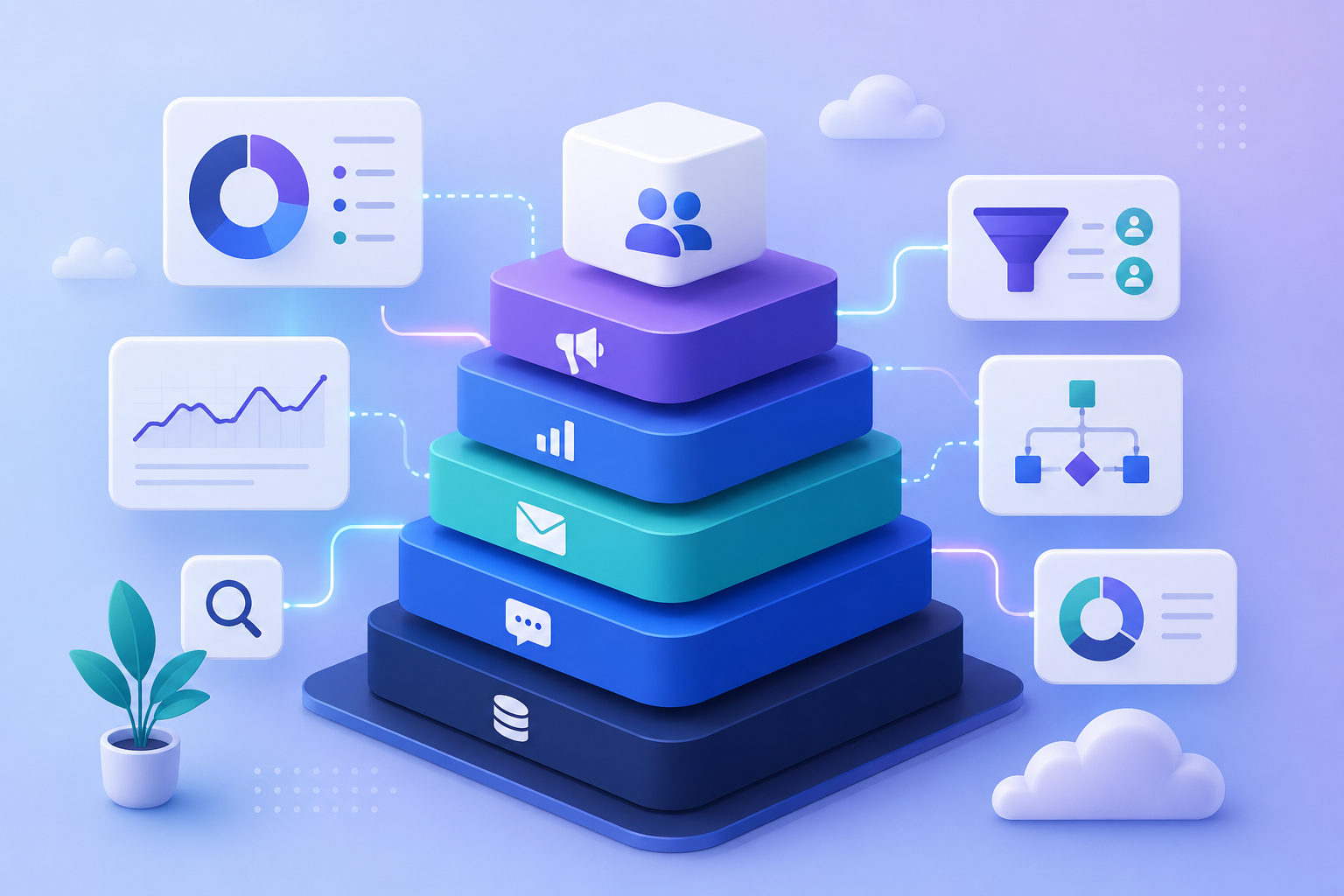
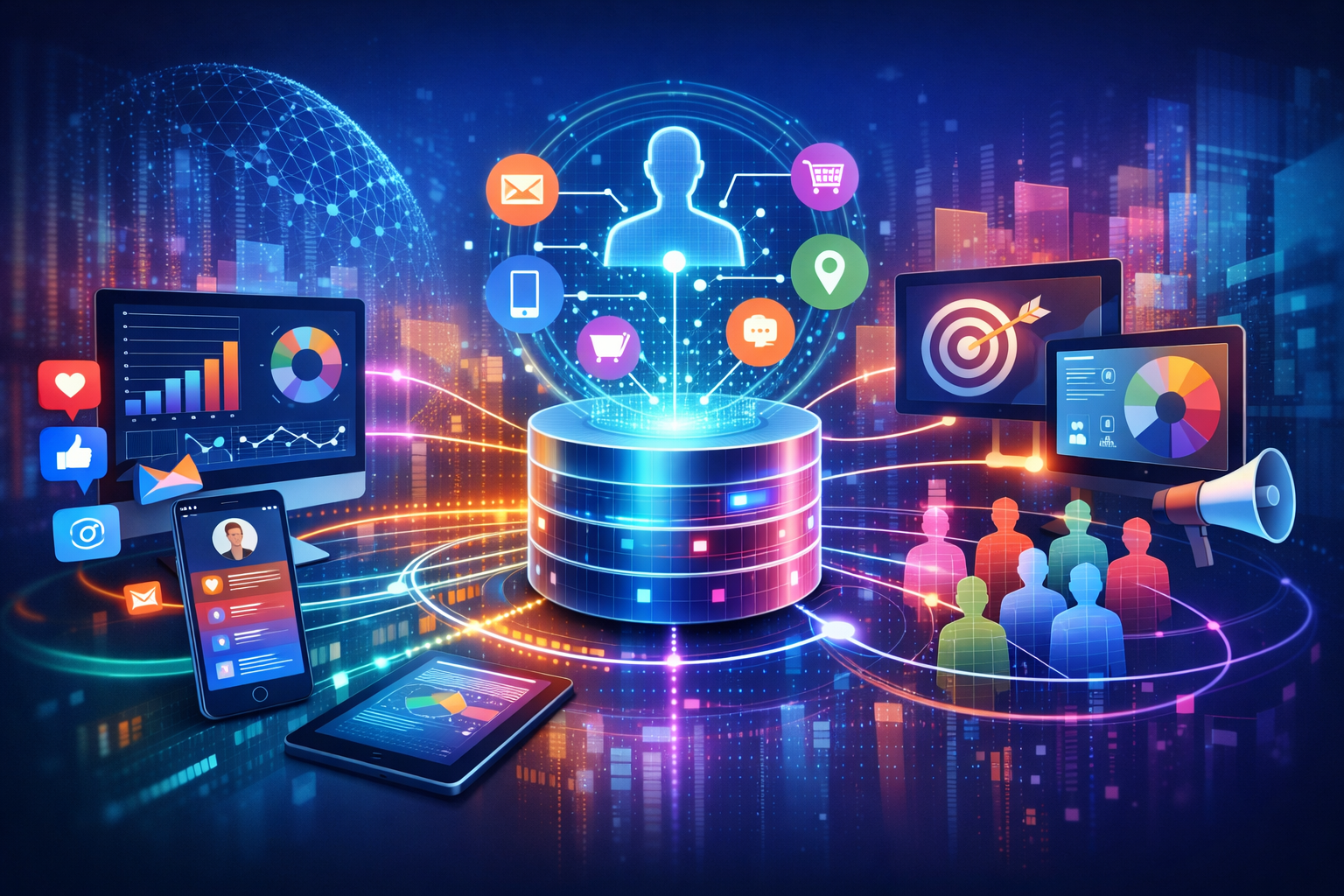
In 2026, fragmented data is a competitive disadvantage. B2B brands are investing in unified customer profiles (UCPs) that consolidate data from:
- CRM platforms
- Email & engagement systems
- Website and product usage
- Sales interactions
This single source of truth enables:
- Better personalization
- Accurate attribution
- Smarter customer journeys
With UCPs, every touchpoint becomes contextually relevant — a game-changer in complex B2B buying cycles.
📊 4. Data Clean Rooms & Privacy-Safe Analytics
Privacy regulations and cookie deprecation have put data collaboration at risk — leading to data clean rooms:
- Secure environments for sharing anonymized, privacy-compliant data
- Joint analytics between marketing, sales, and partners
- Attribution modeling without exposing personal identifiers
These tools let teams unlock insights without trading off compliance — crucial in global B2B markets with strict privacy laws.
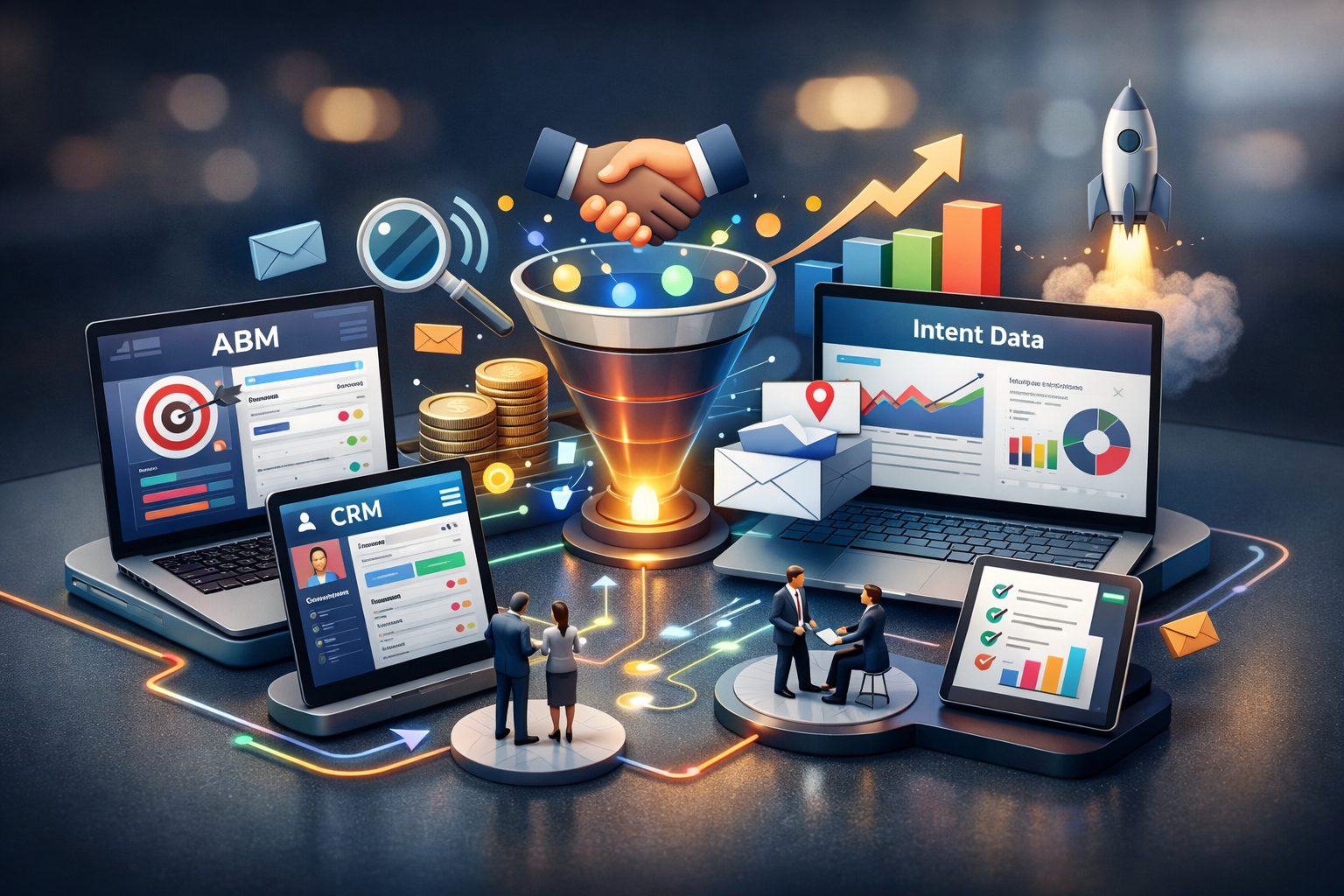
🤝 5. Digital-First ABM at Scale
Account-Based Marketing (ABM) has matured — moving from pilots and proofs to predictable revenue processes:
- AI-driven account prioritization
- Orchestration across digital channels
- Real-time account insights and personalization
ABM platforms now enable hyper-targeted campaigns across enterprises, supported by automation that maintains human relevance.
🎥 6. Interactive Content & Experience Platforms
Static brochures and PDFs are losing influence.
B2B buyers want:
- Interactive demos and ROI calculators
- Conversational quizzes that guide decision paths
- Live and on-demand video experiences
MarTech tools now support dynamic experiences that adapt based on audience profile and behavior — helping nurture prospects with value-rich engagement.
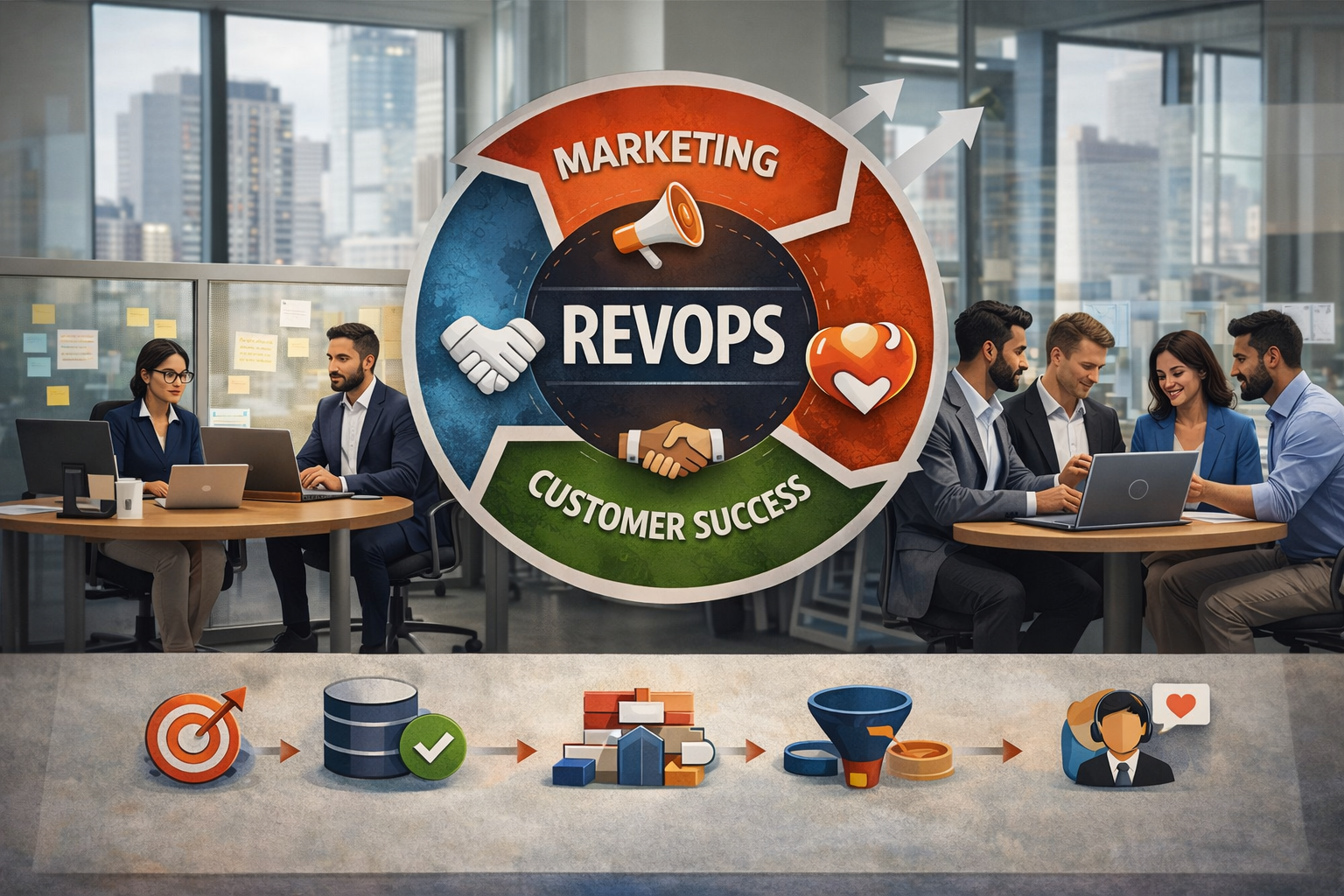
📈 7. Revenue Operations (RevOps) Tools That Close the Loop
Silos between marketing, sales, and customer success finally began to break down in 2025 — and in 2026, they’re gone.
There’s a new category of tools designed for the entire revenue engine:
- Unified forecasting and reporting
- Single view of pipeline health
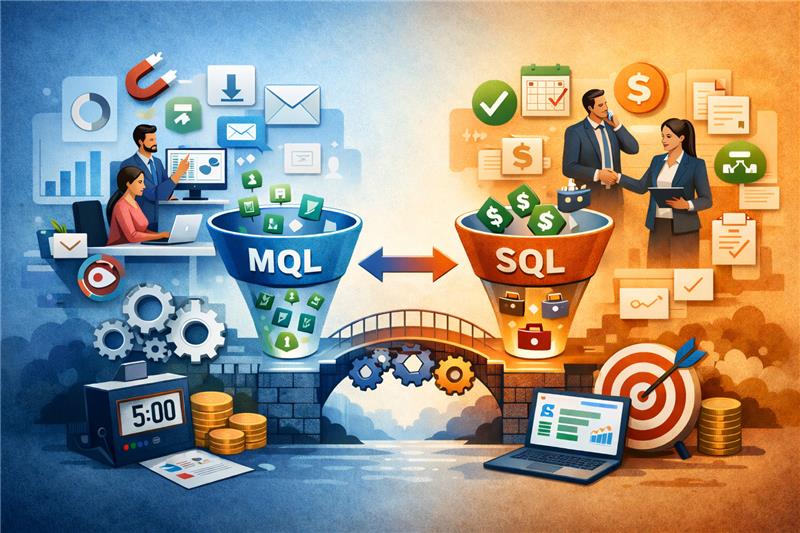
- Cross-department automation
RevOps enables agility and accountability, turning marketing from a cost center into a predictable revenue partner.
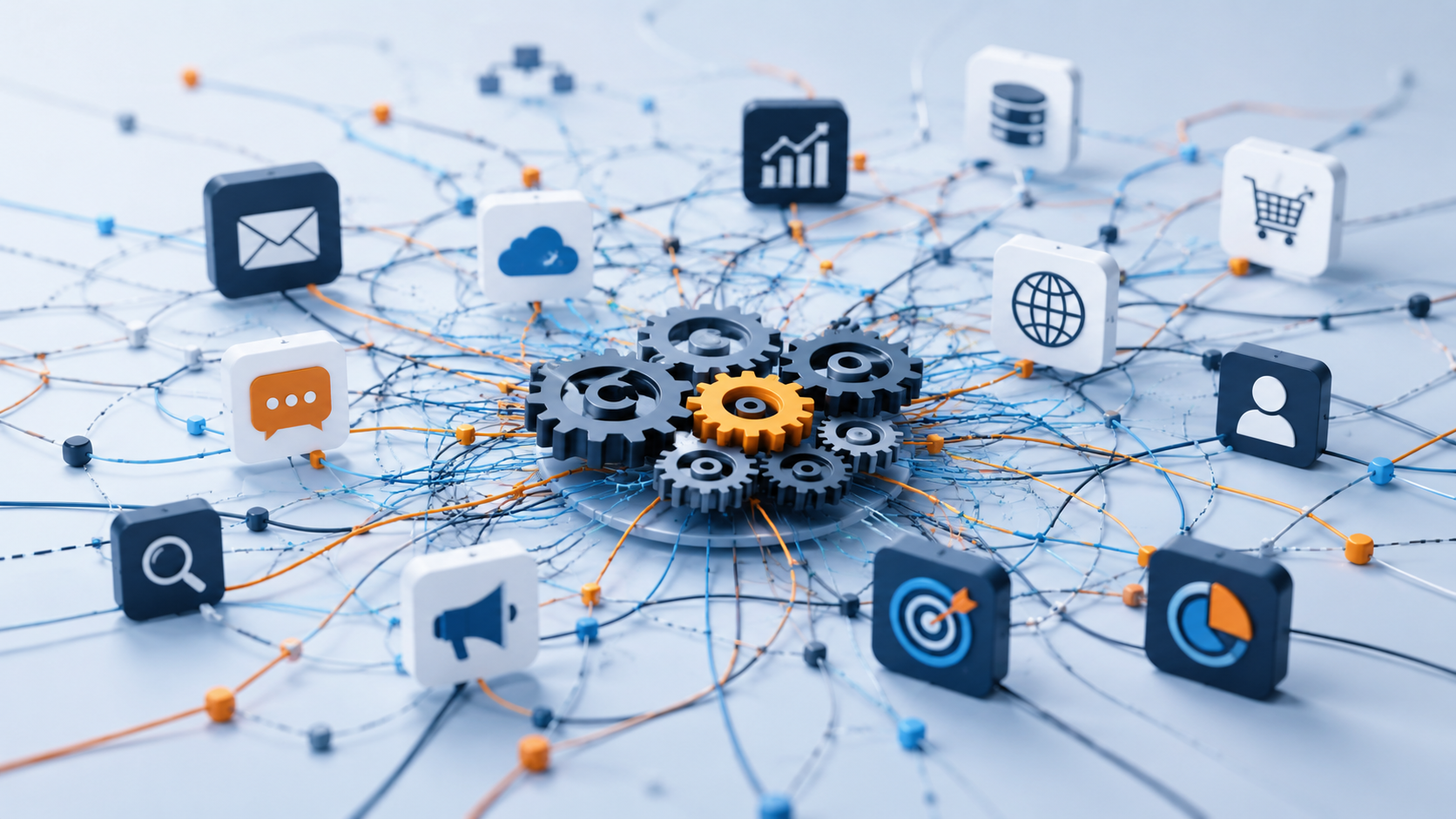
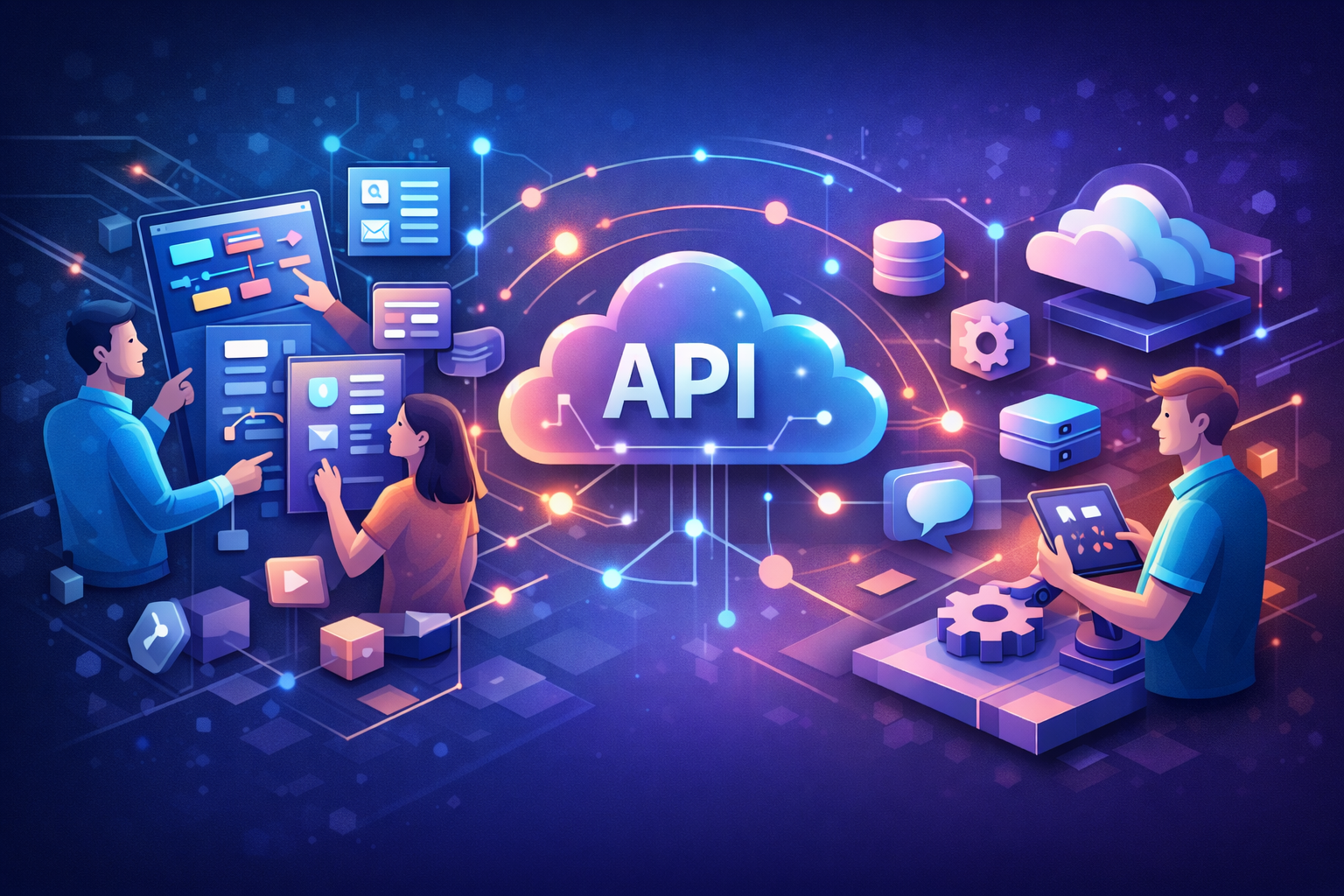
📦 8. Headless Martech & Composable Architectures
Say goodbye to monolithic suites.
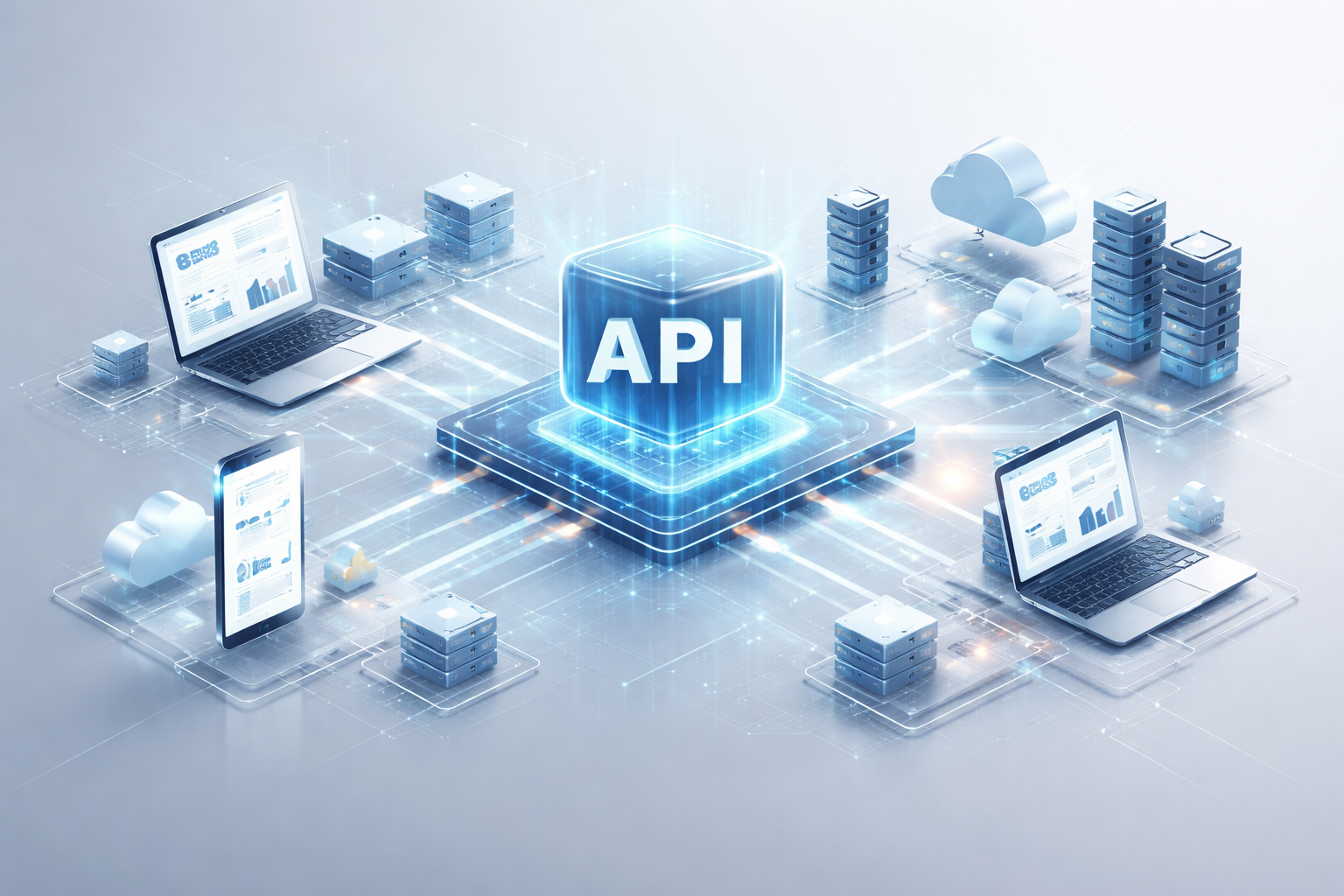
Modern B2B stacks are headless and composable — meaning:
- Best-of-breed tools connected via APIs
- Faster innovation cycles
- Flexibility without vendor lock-in
This modular approach accelerates experimentation and reduces technical bottlenecks.
🤖 9. Conversational AI Everywhere
Chatbots are evolving into AI sales assistants that:
- Qualify leads in real time
- Pull data from CRM and UCPs
- Hand over to sales with context
These assistants are no longer lone widgets — they’re embedded across websites, portals, and apps for continuous engagement.
🧩 10. Martech Ethics & Trust
As personalization deepens, so does scrutiny:
- Transparent data use policies
- Bias-checked AI models
- Responsible personalization frameworks
Tech leaders are investing in trust, safety, and explainable AI — because trust equals conversion in B2B relationships.
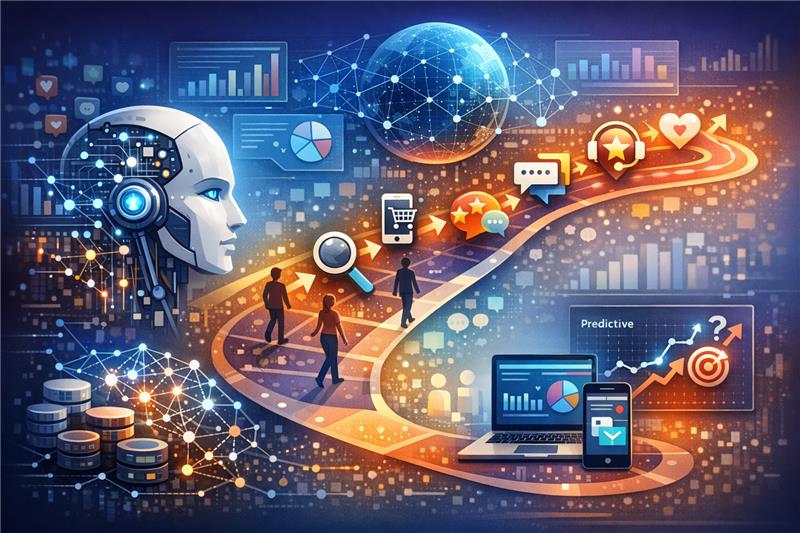
Read Also: Predictive Analytics for B2B Demand Generation: Turning Data into Revenue