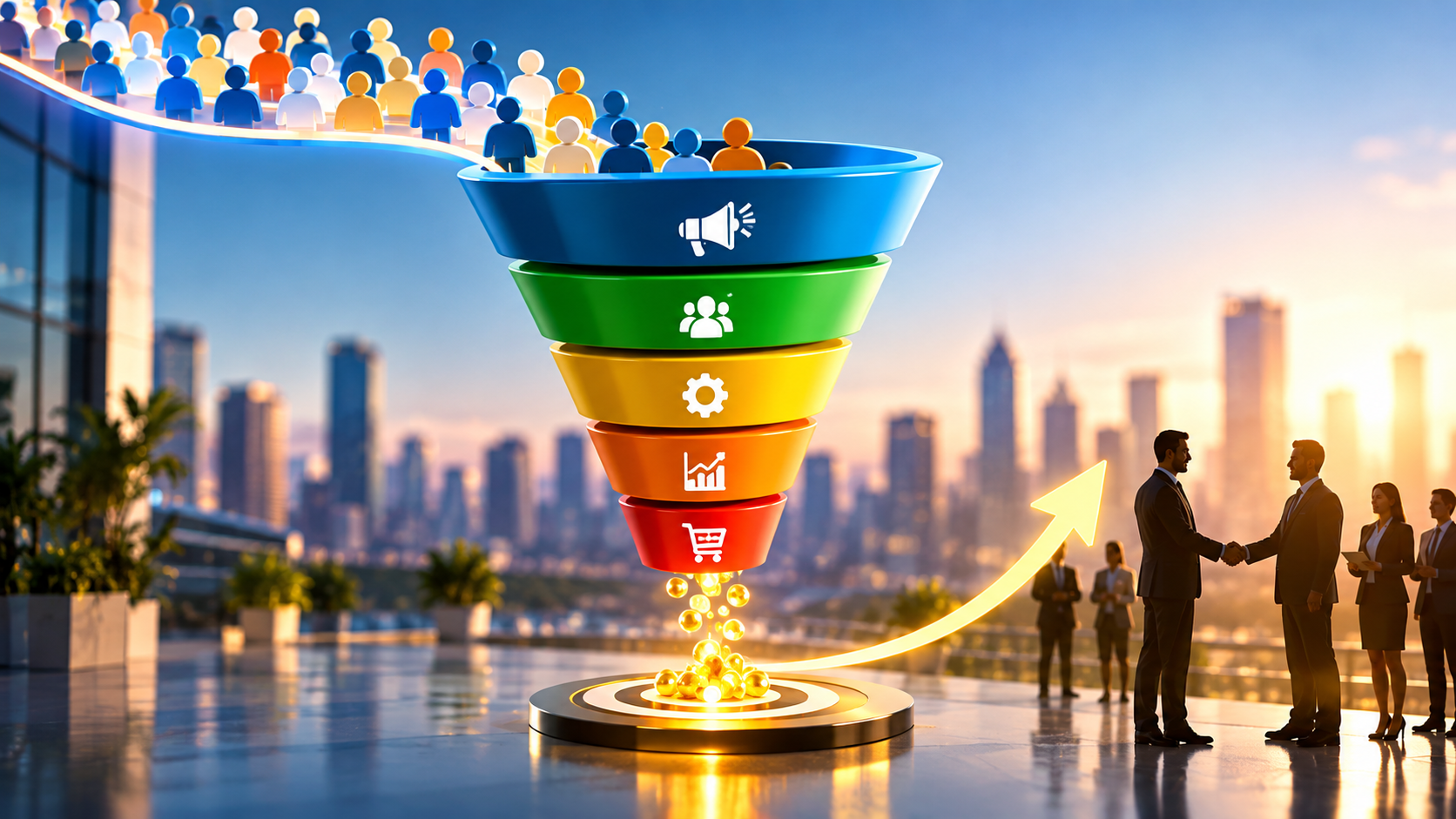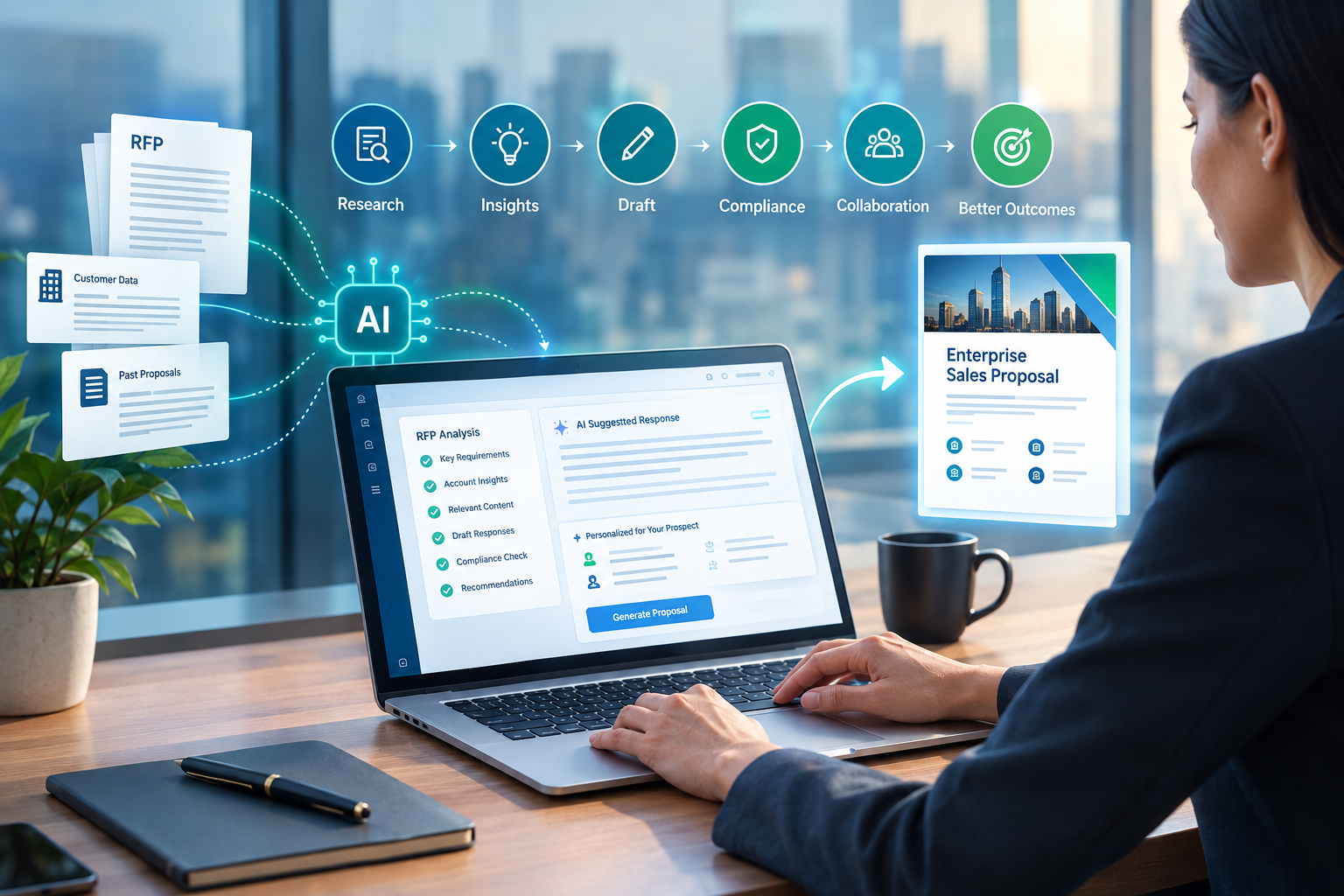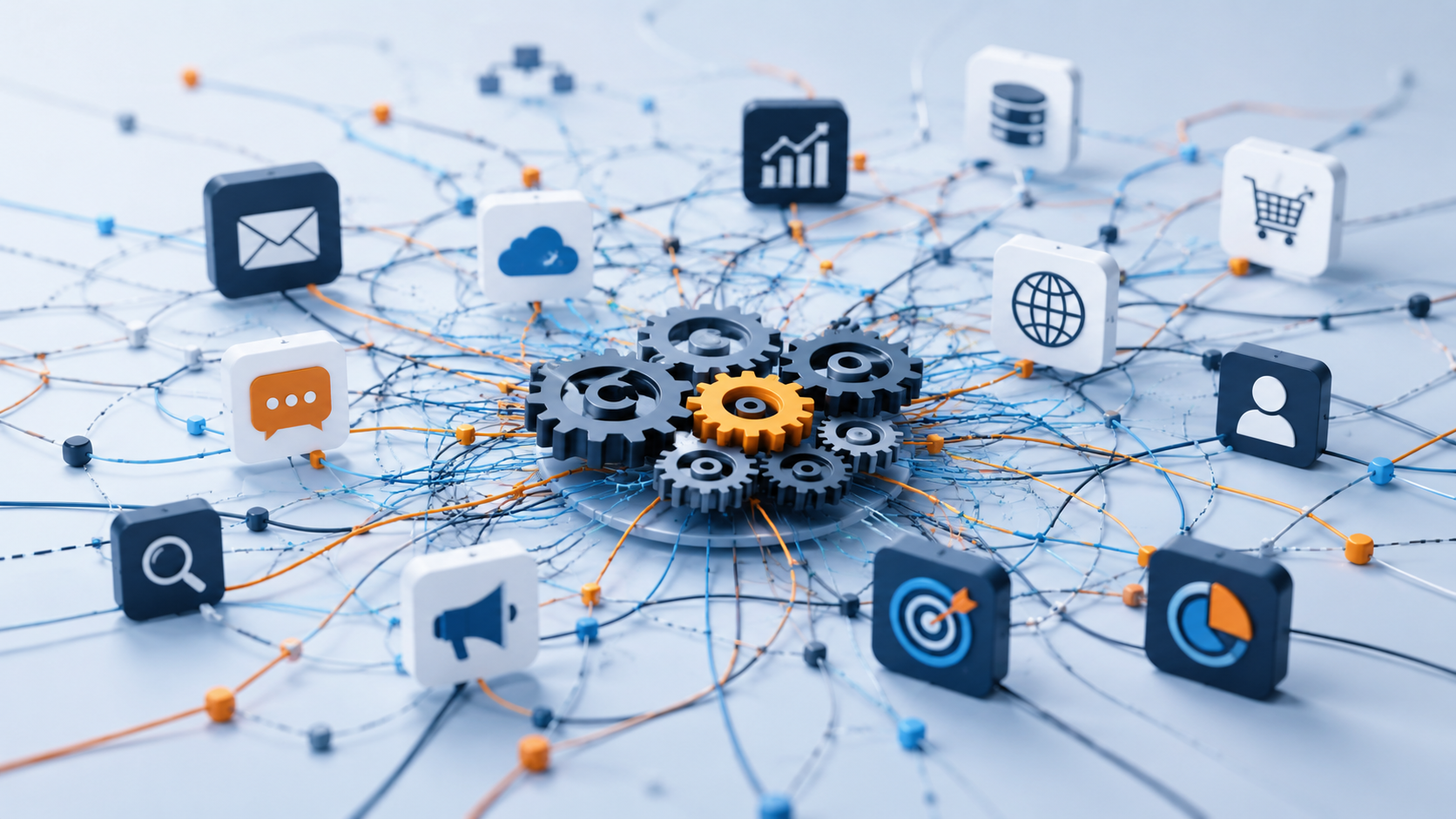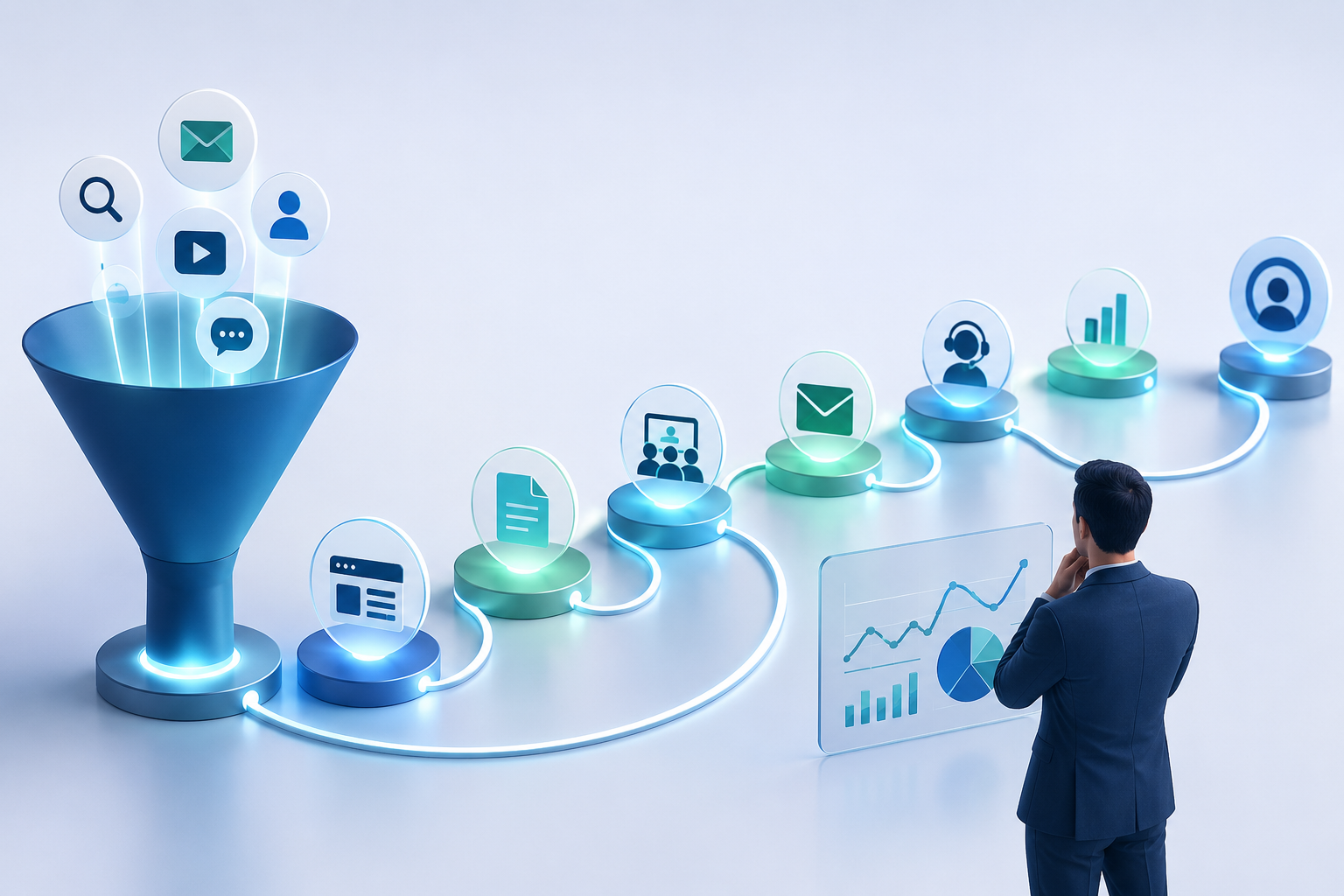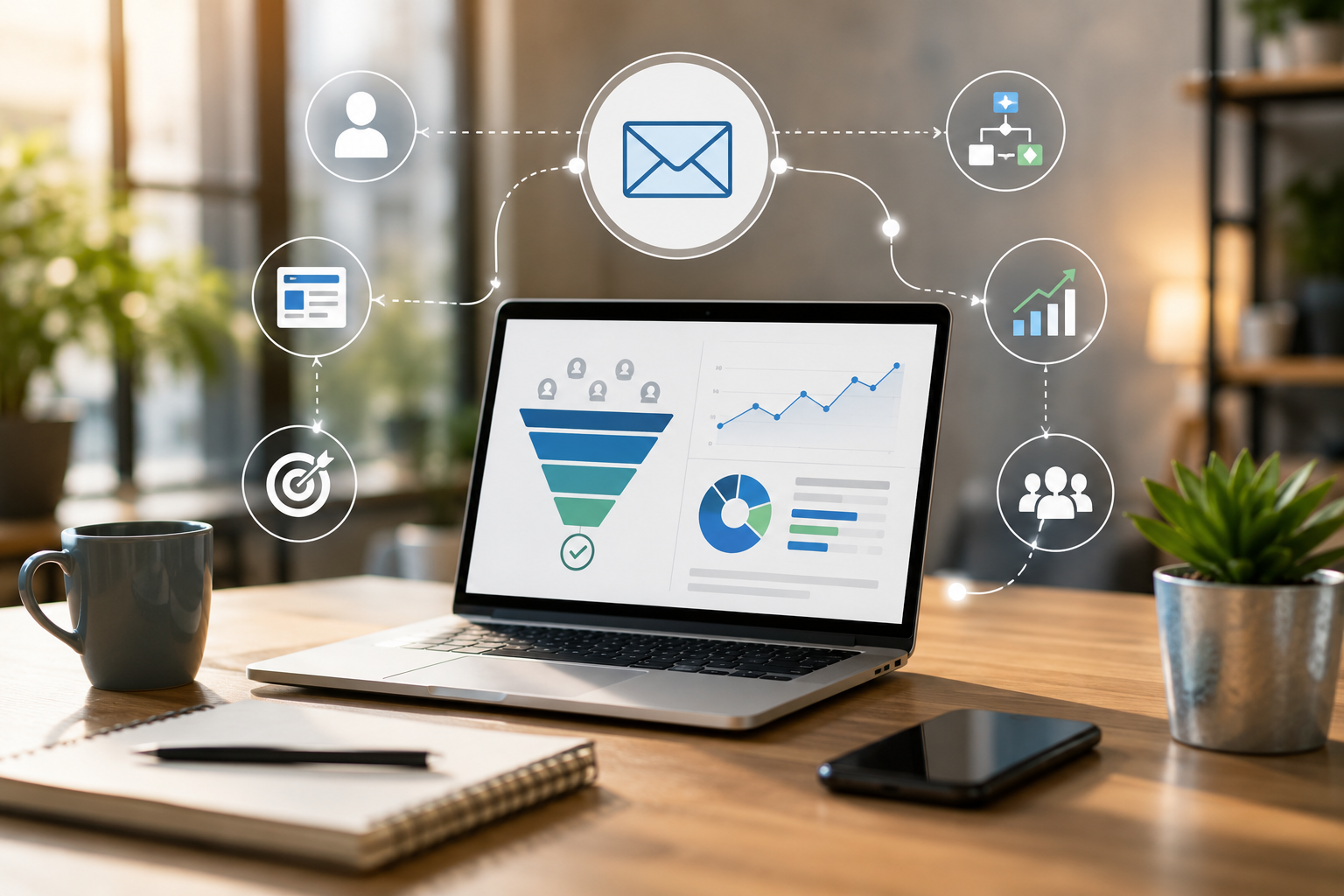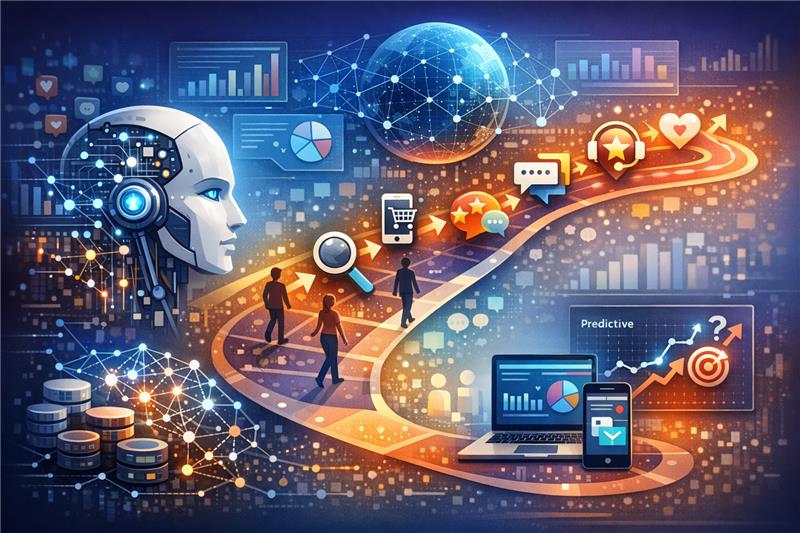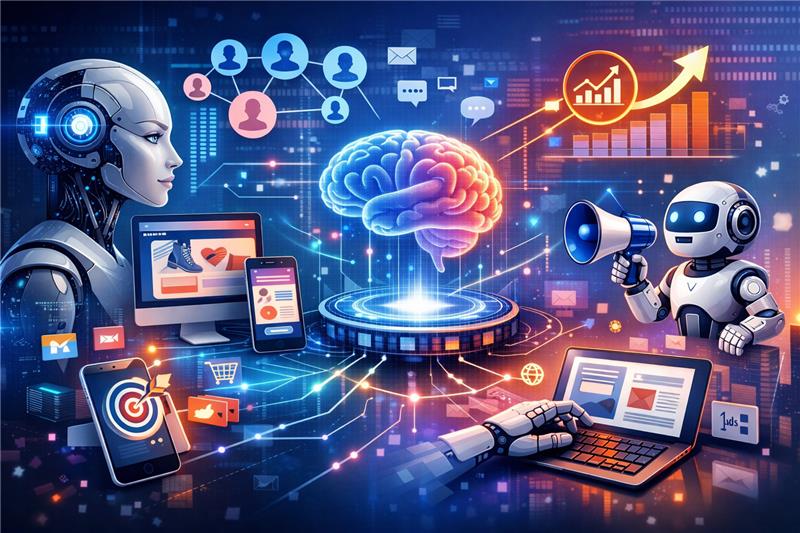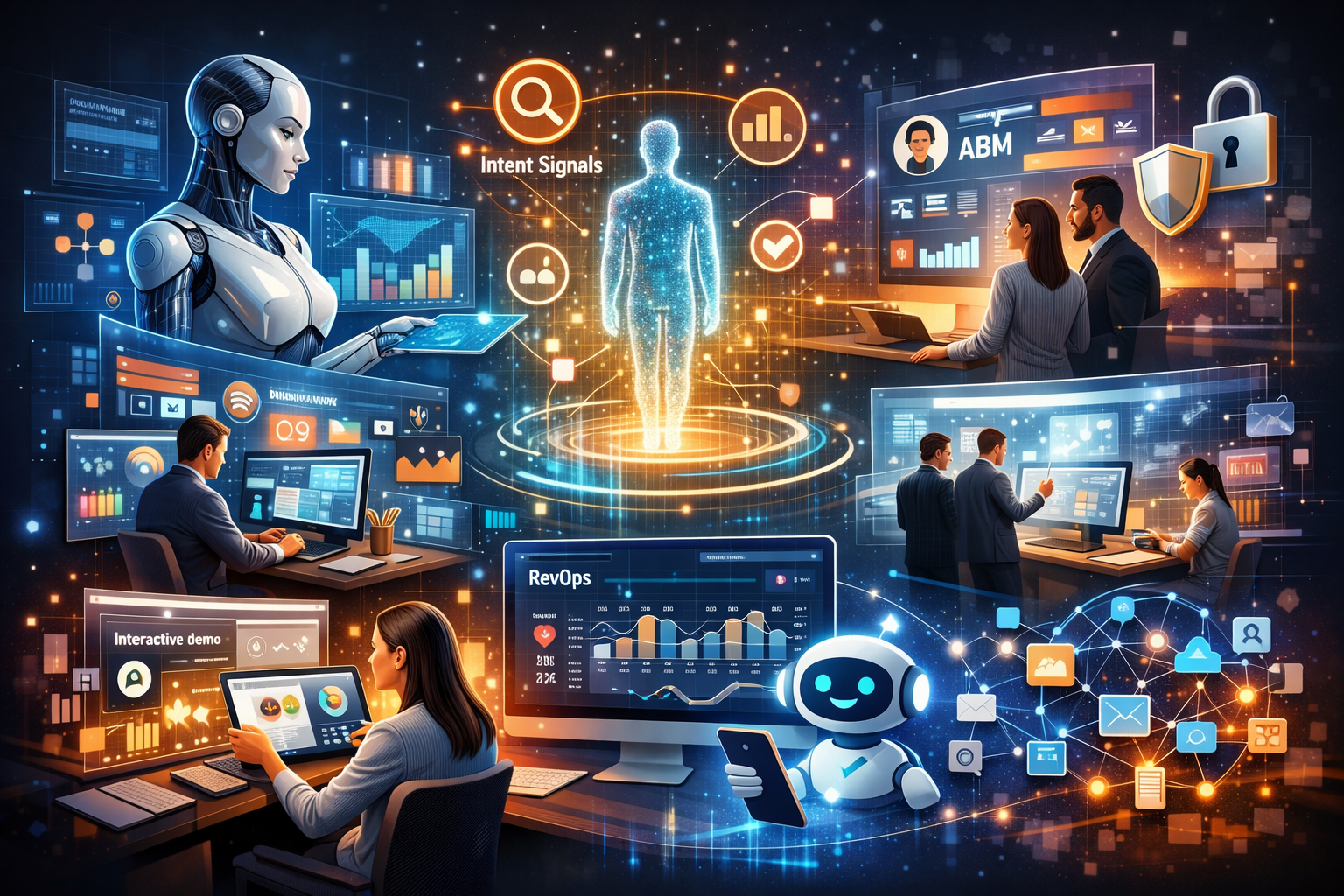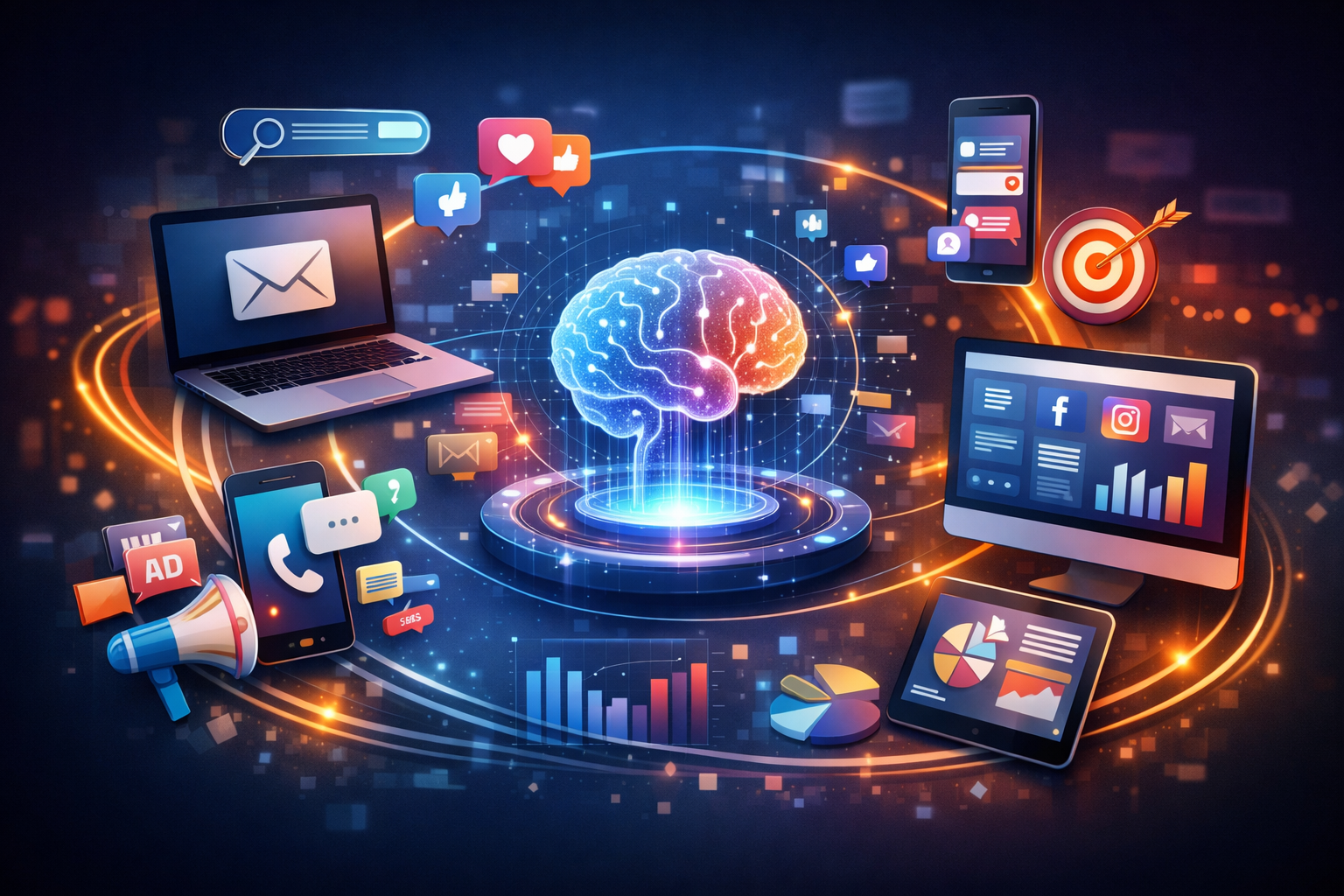
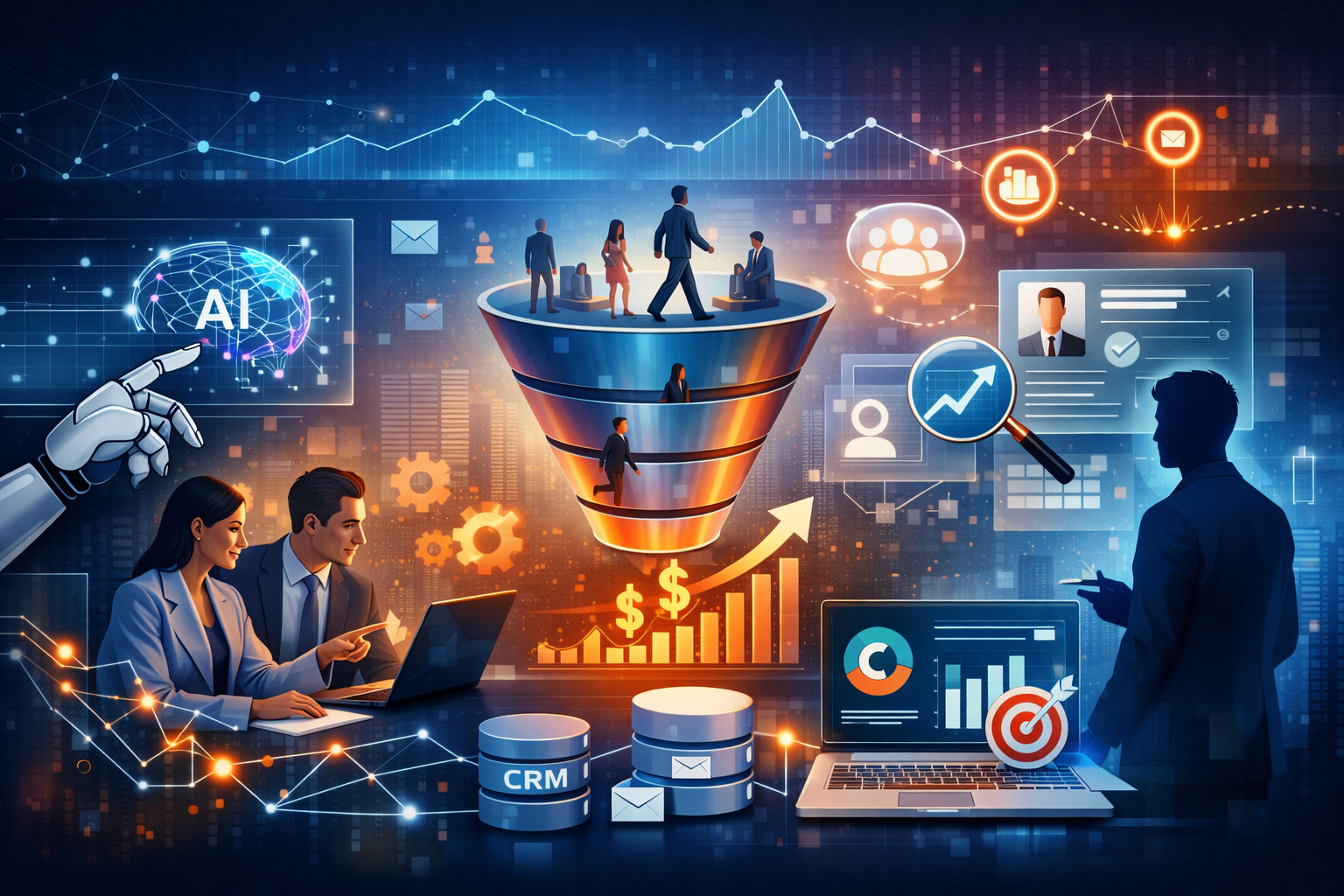
In today’s hyper-competitive B2B landscape, generating demand is no longer about casting a wide net — it’s about precision. Modern revenue teams are moving beyond traditional lead scoring and campaign metrics toward predictive analytics, using data science and AI to anticipate buyer behavior before it happens.
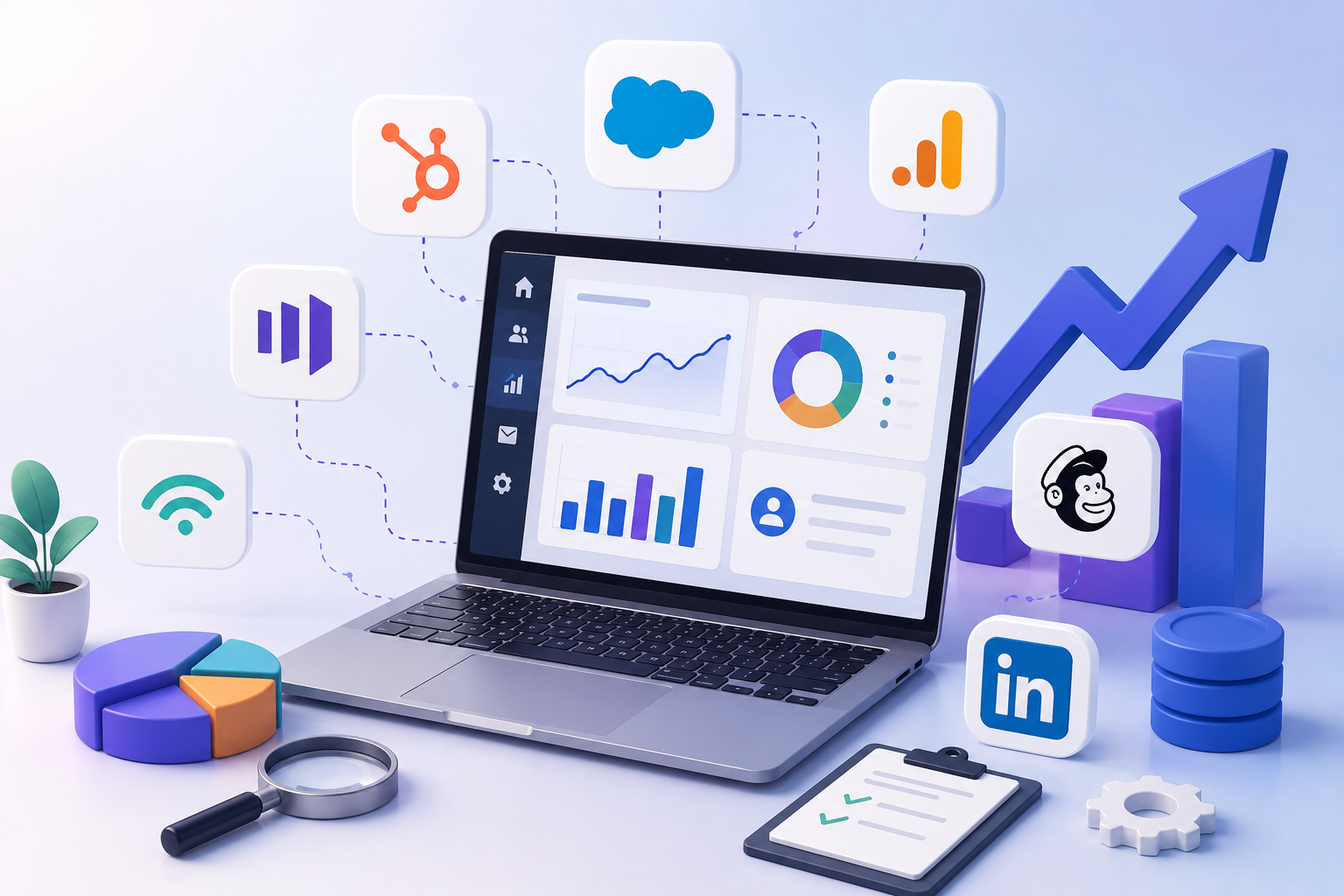
Platforms like Salesforce, HubSpot, and 6sense are leading this shift, enabling B2B marketers to transform raw data into actionable demand-generation strategies.
This blog explores how predictive analytics works, why it matters, and how to implement it effectively in B2B demand generation.
What Is Predictive Analytics?
Predictive analytics uses:
- Historical data
- Machine learning algorithms
- Statistical modeling
- Behavioral signals
to forecast future outcomes.
In B2B demand generation, it answers questions like:
- Which accounts are most likely to convert?
- When is a prospect entering a buying cycle?
- What content will accelerate deal velocity?
- Which leads are likely to churn or expand?
Rather than reacting to past performance, predictive analytics helps revenue teams act proactively.
Why Predictive Analytics Matters in B2B Demand Generation
1. Smarter Lead Prioritization
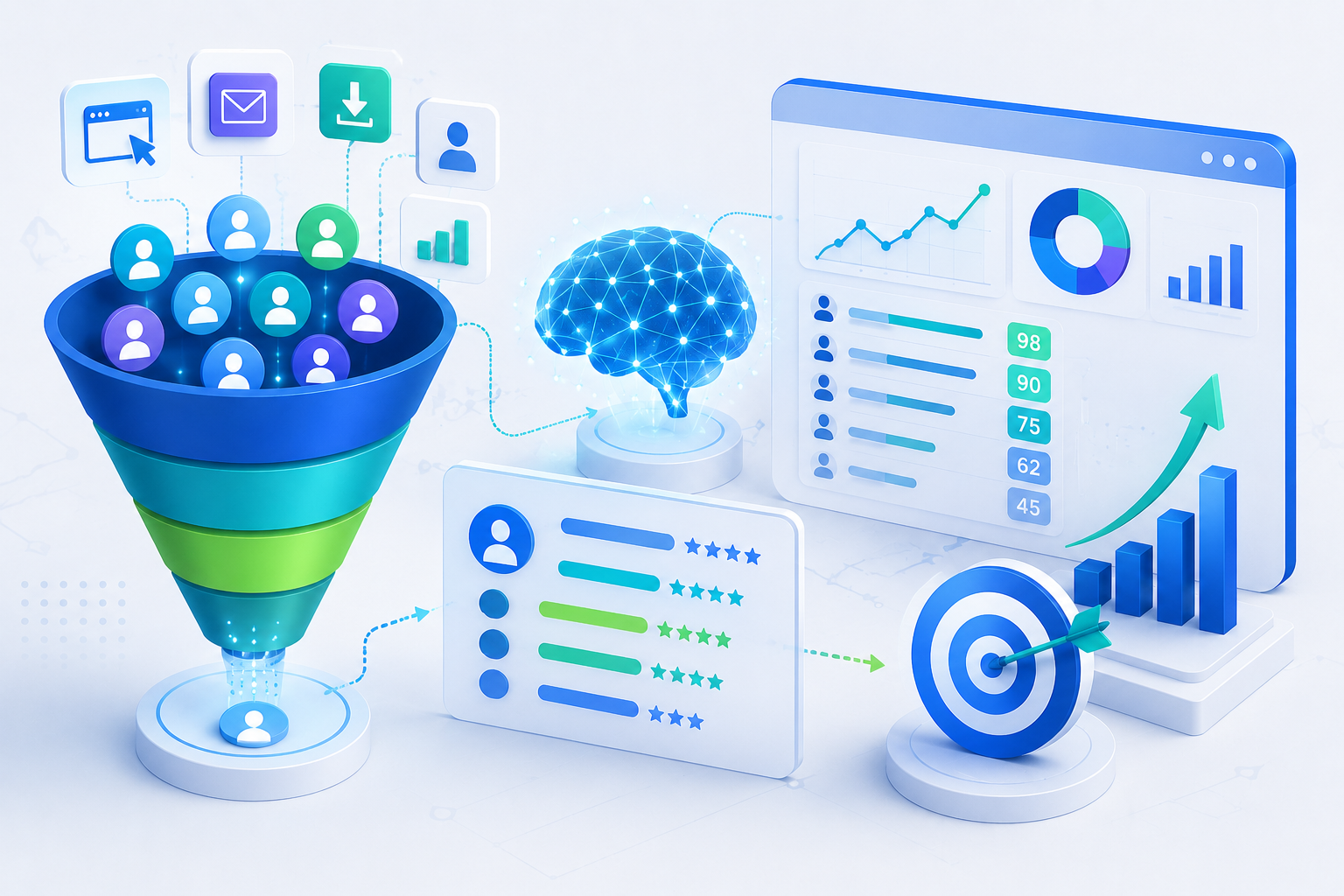
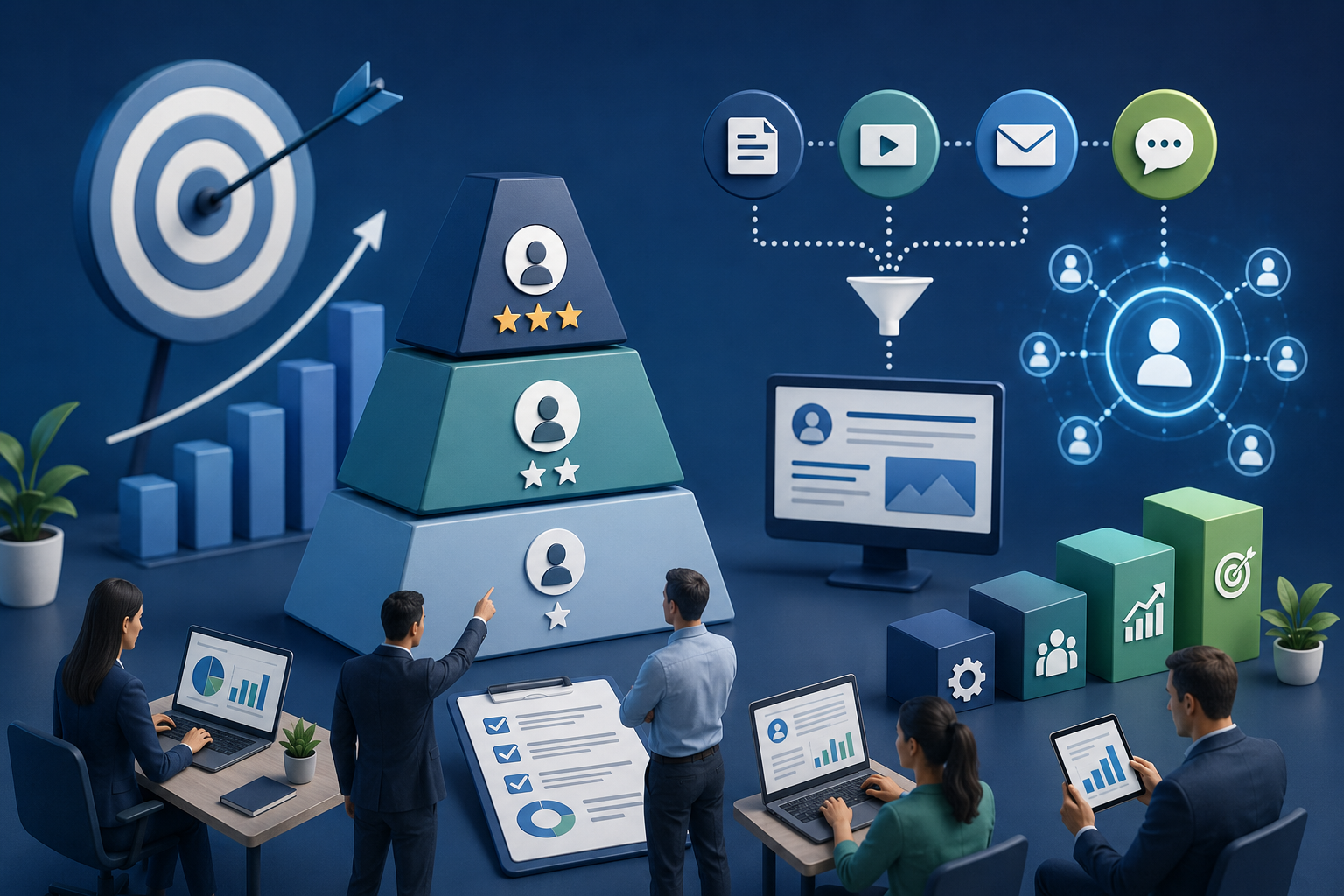
Traditional lead scoring relies on static rules (e.g., job title + email opens). Predictive models analyze thousands of behavioral and firmographic variables to identify high-intent accounts.
Result:
Sales teams spend time on prospects most likely to close.
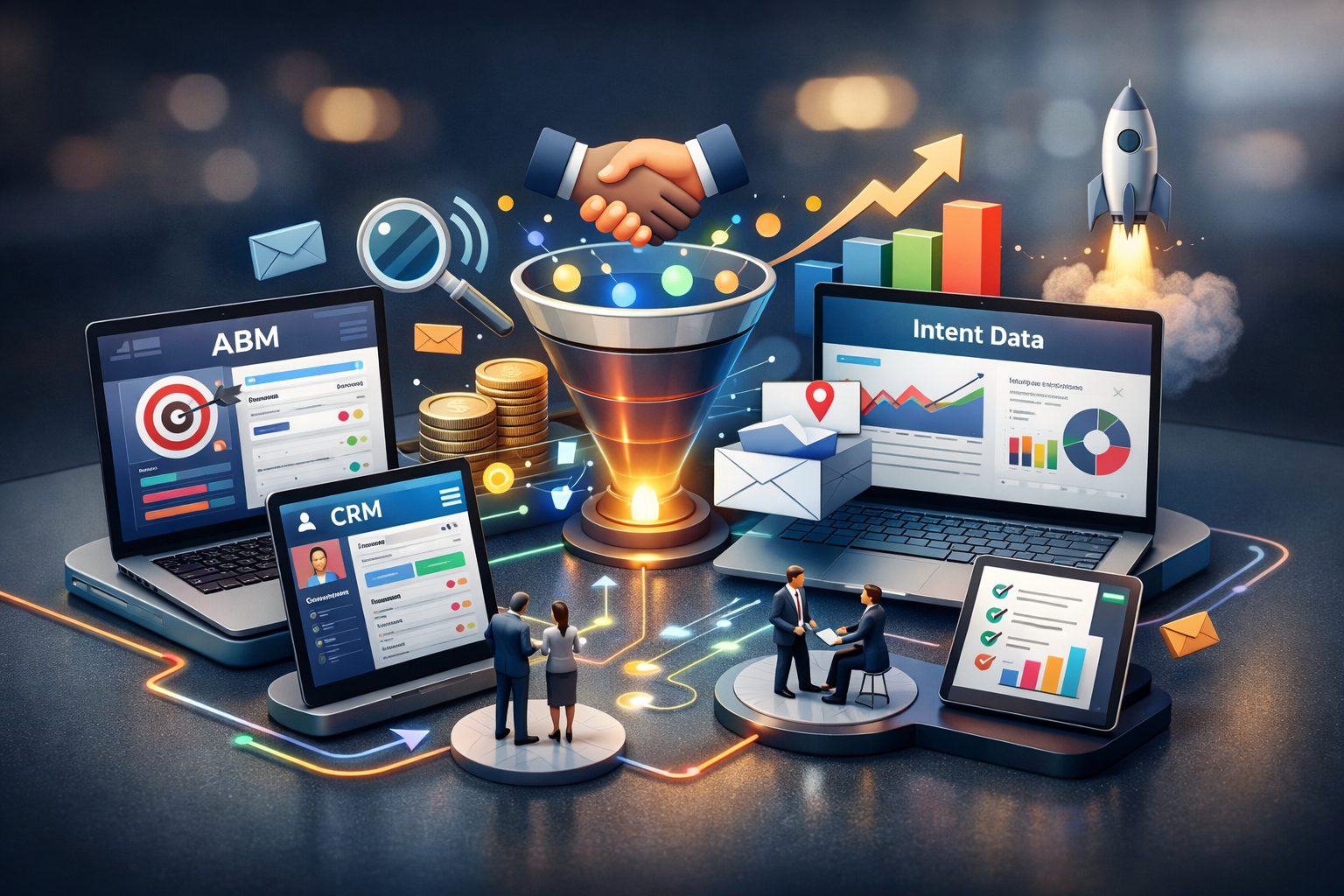
2. Account-Based Marketing (ABM) Optimization
Predictive analytics enhances ABM by identifying:
- In-market accounts
- Buying committee engagement patterns
- Intent data signals
- Optimal outreach timing
Instead of targeting broad ICP lists, teams focus on accounts actively showing purchase intent.
3. Personalized Buyer Journeys
Predictive systems analyze:
- Website behavior
- Content engagement
- Email interaction
- Product usage (for PLG models)
This enables dynamic content personalization, increasing engagement and accelerating pipeline growth.
4. Improved Forecast Accuracy
Marketing and sales alignment improves when forecasts are data-driven rather than opinion-driven.
Revenue leaders can better predict:
- Pipeline contribution
- Conversion rates
- Campaign ROI
- Revenue velocity
This supports smarter budget allocation and strategic planning.
Core Data Sources for Predictive Demand Generation
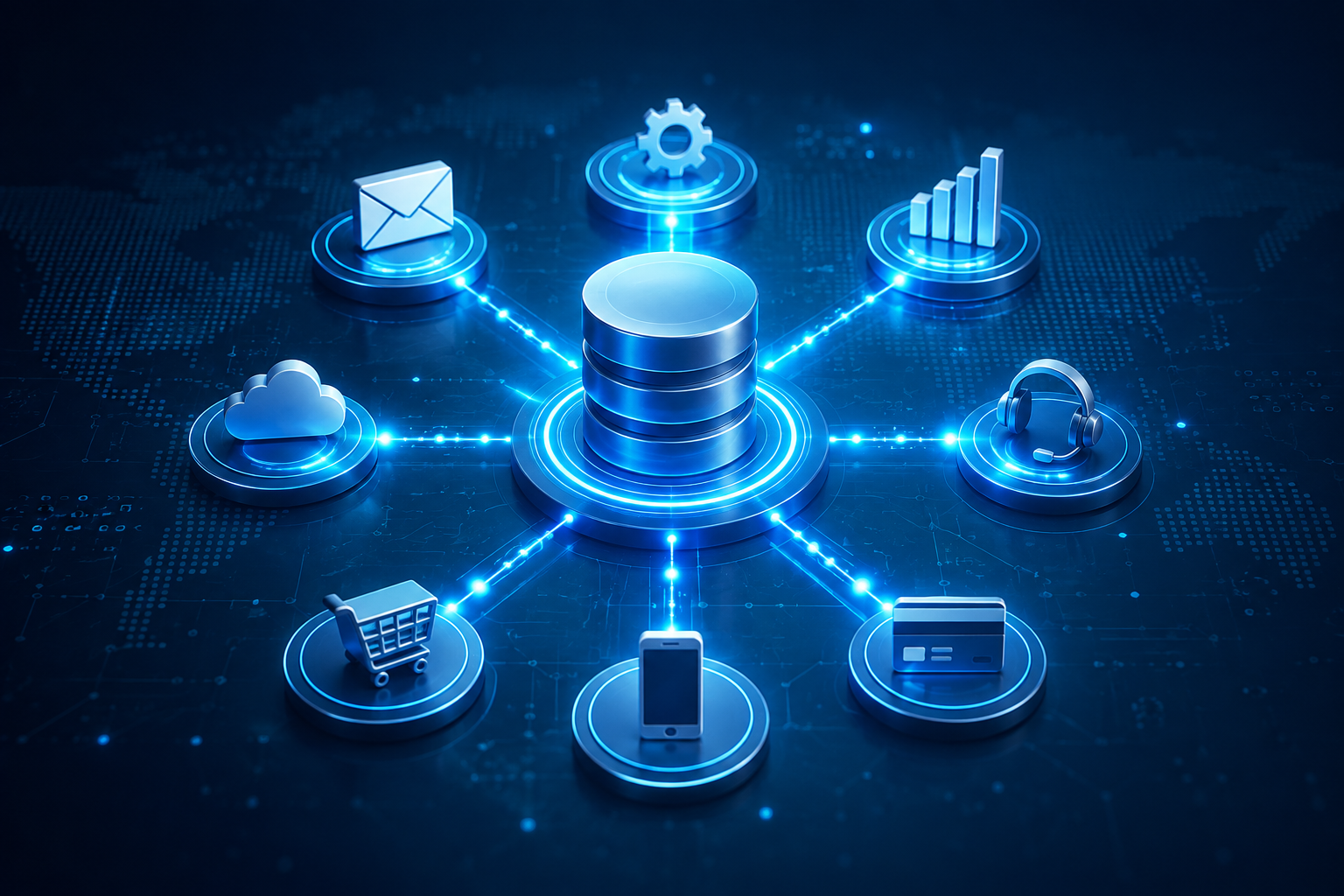
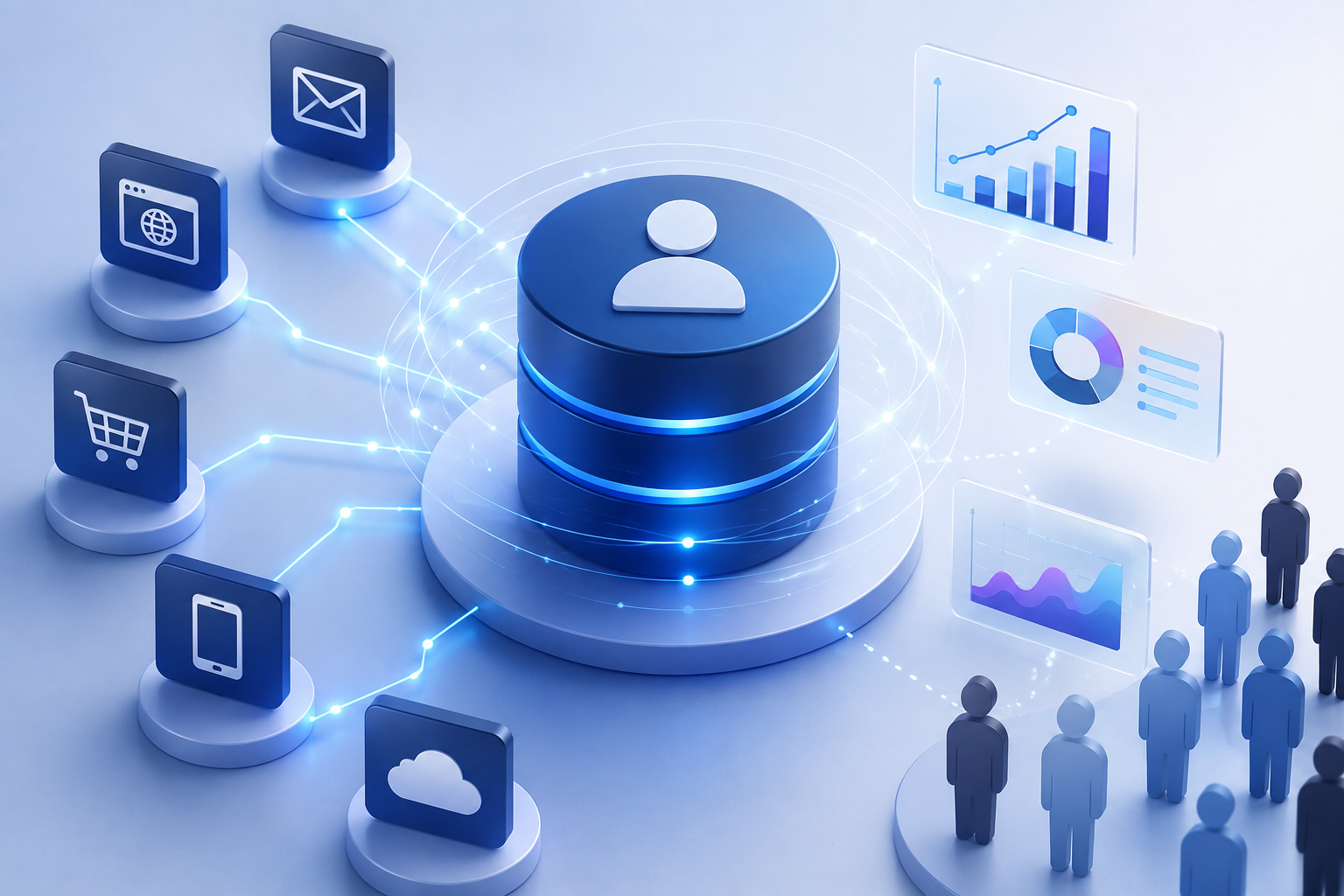
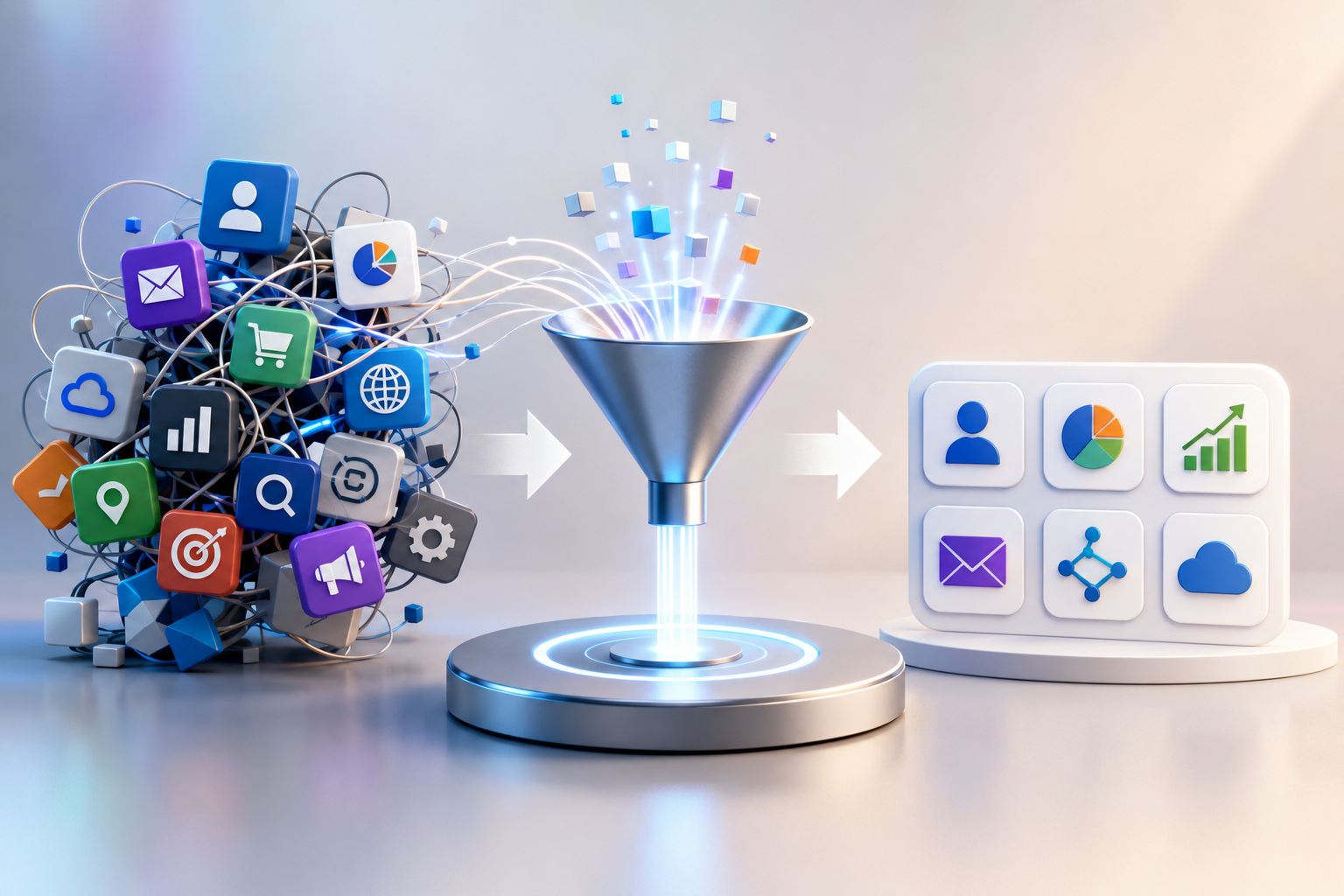
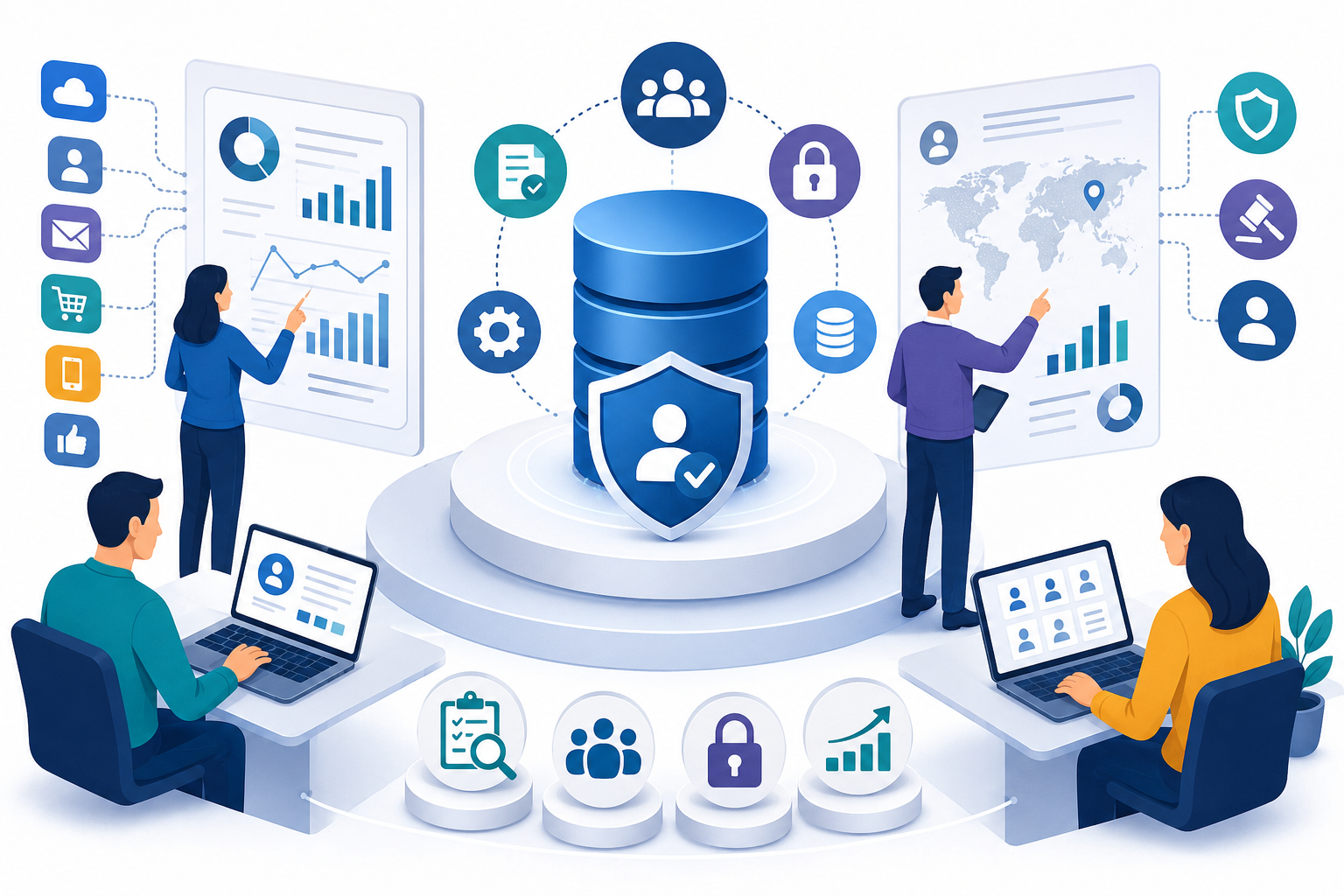
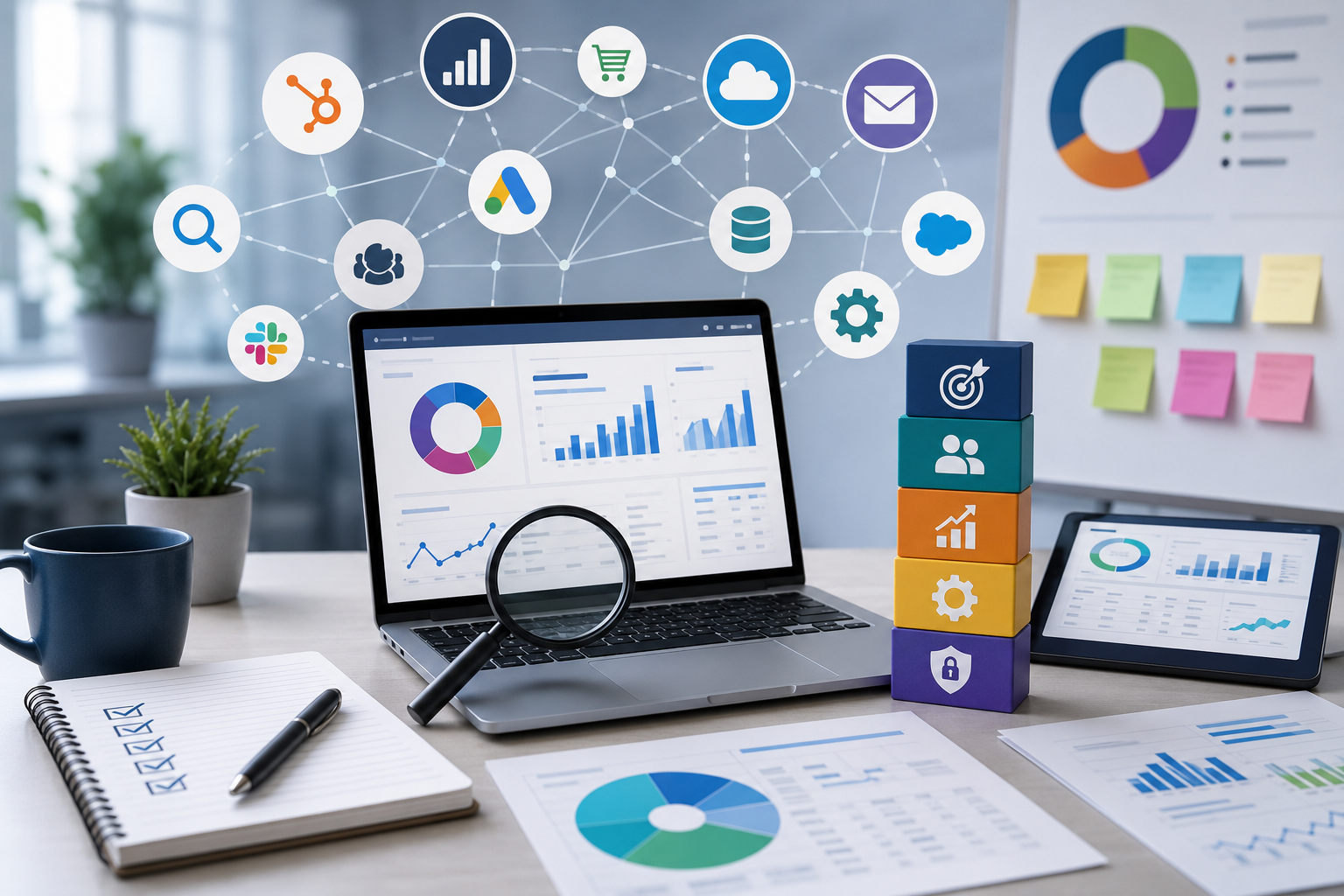
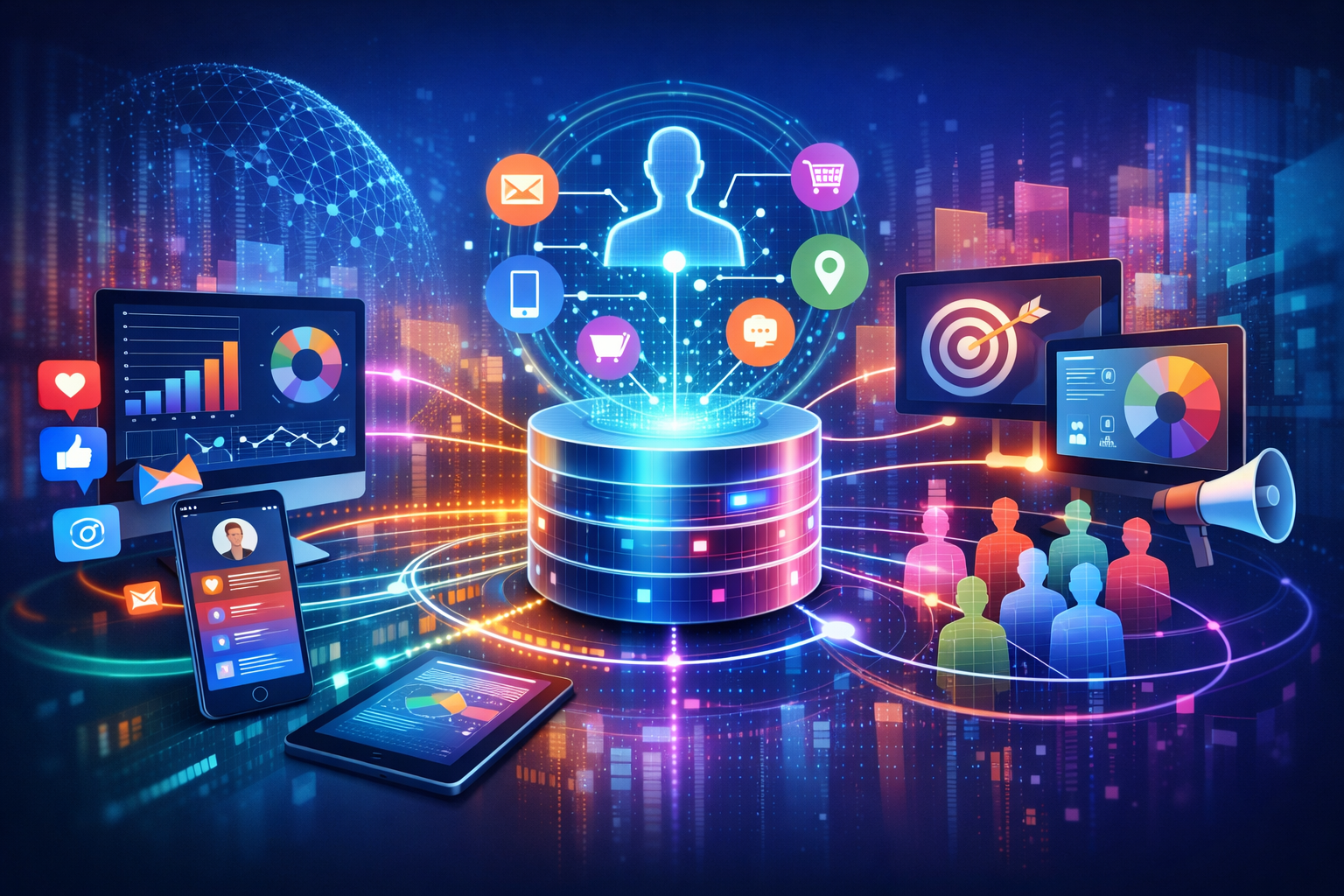
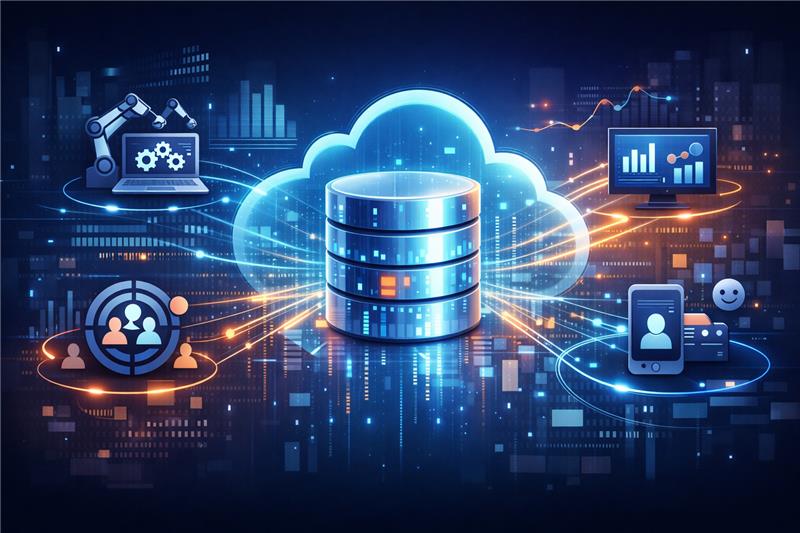
To build effective predictive models, organizations integrate data from:
- CRM systems (e.g., Salesforce)
- Marketing automation platforms (e.g., Marketo)
- Intent data providers (e.g., Bombora)
- Website analytics
- Third-party firmographic databases
- Customer success platforms
The richer the dataset, the more accurate the predictive insights.
Key Predictive Use Cases in B2B
Predictive Lead Scoring
Ranks leads based on conversion probability.
Buying Stage Identification
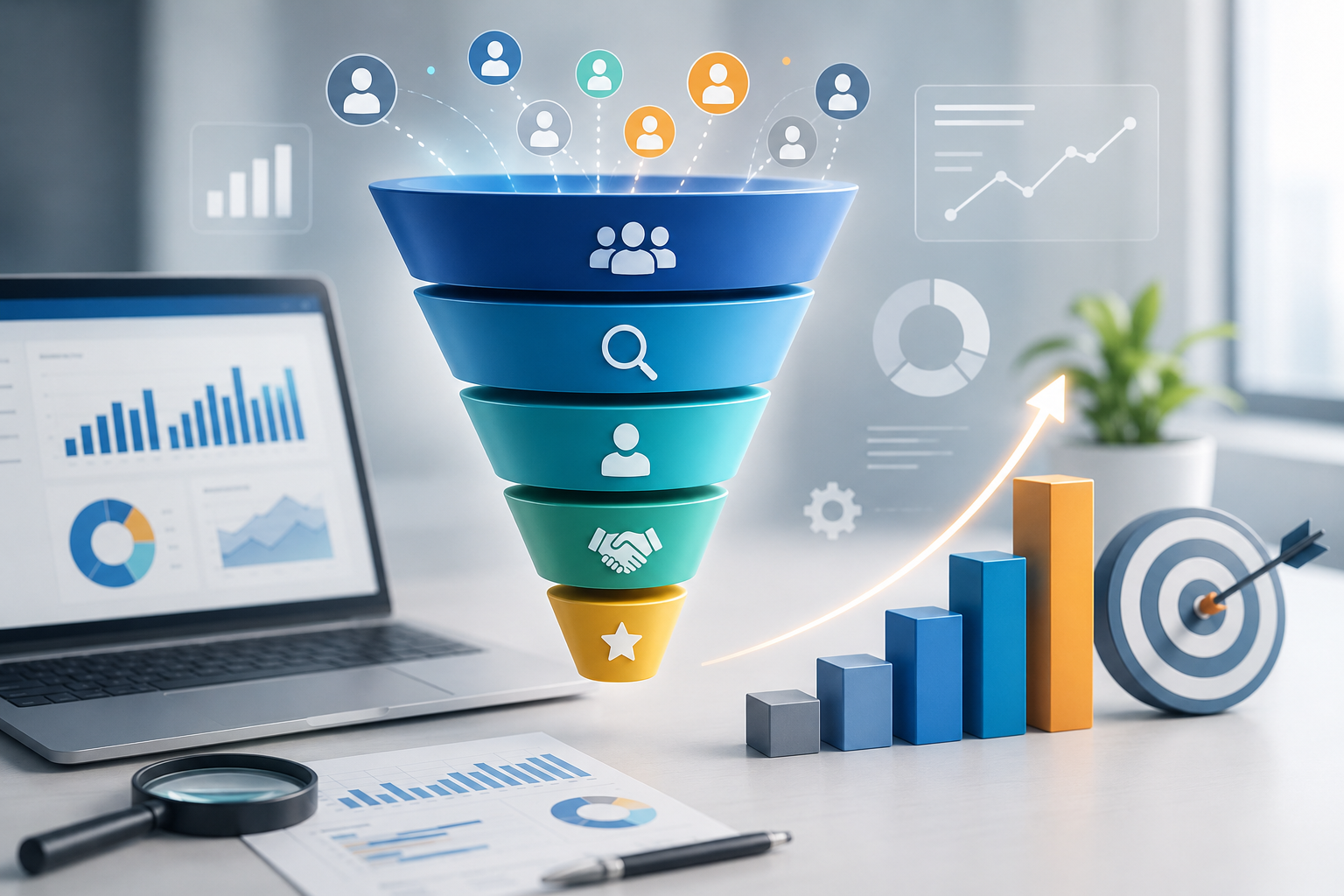
Determines where accounts are in the buyer journey.
Next-Best-Action Recommendations
Suggests optimal outreach methods, content, or offers.
Churn & Expansion Prediction
Identifies at-risk customers and upsell opportunities.
Campaign Performance Forecasting
Predicts ROI before full budget deployment.
How to Implement Predictive Analytics in B2B Demand Gen
Step 1: Clean and Unify Your Data
Data hygiene is critical. Remove duplicates, normalize fields, and ensure CRM accuracy.
Step 2: Define Revenue Outcomes
Be specific about what you’re predicting:
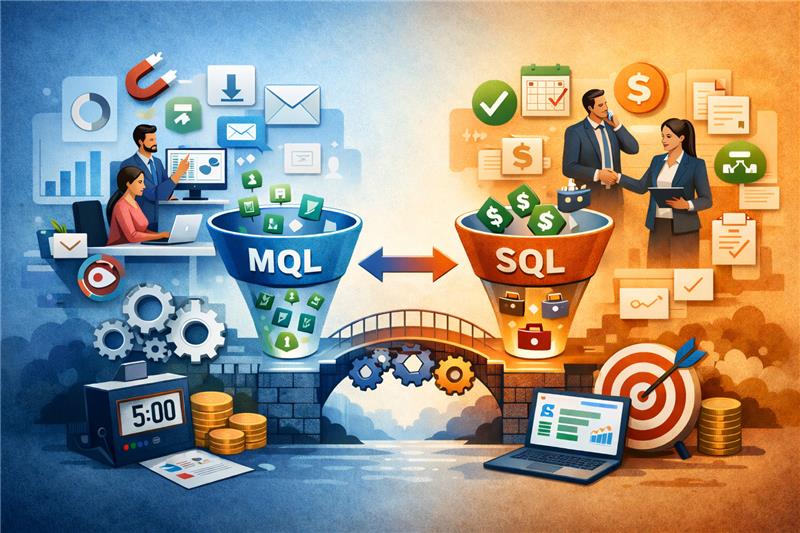
- MQL-to-SQL conversion?
- Opportunity creation?
- Revenue close probability?
Clear goals drive better model performance.
Step 3: Choose the Right Technology
Options include:
- Native CRM predictive tools
- AI-driven ABM platforms
- Custom machine learning models
Evaluate based on integration, scalability, and interpretability.
Step 4: Align Sales and Marketing
Predictive insights only work if sales teams trust and use them.
Provide transparency into scoring models and feedback loops.
Step 5: Continuously Optimize
Predictive models improve over time with more data. Monitor accuracy and retrain regularly.
Challenges to Consider
While powerful, predictive analytics requires:
- Clean, structured data
- Strong governance
- Cross-functional alignment
- Realistic expectations
Poor data quality leads to poor predictions.
Additionally, AI models should augment human decision-making — not replace it.
The Future of Predictive Demand Generation
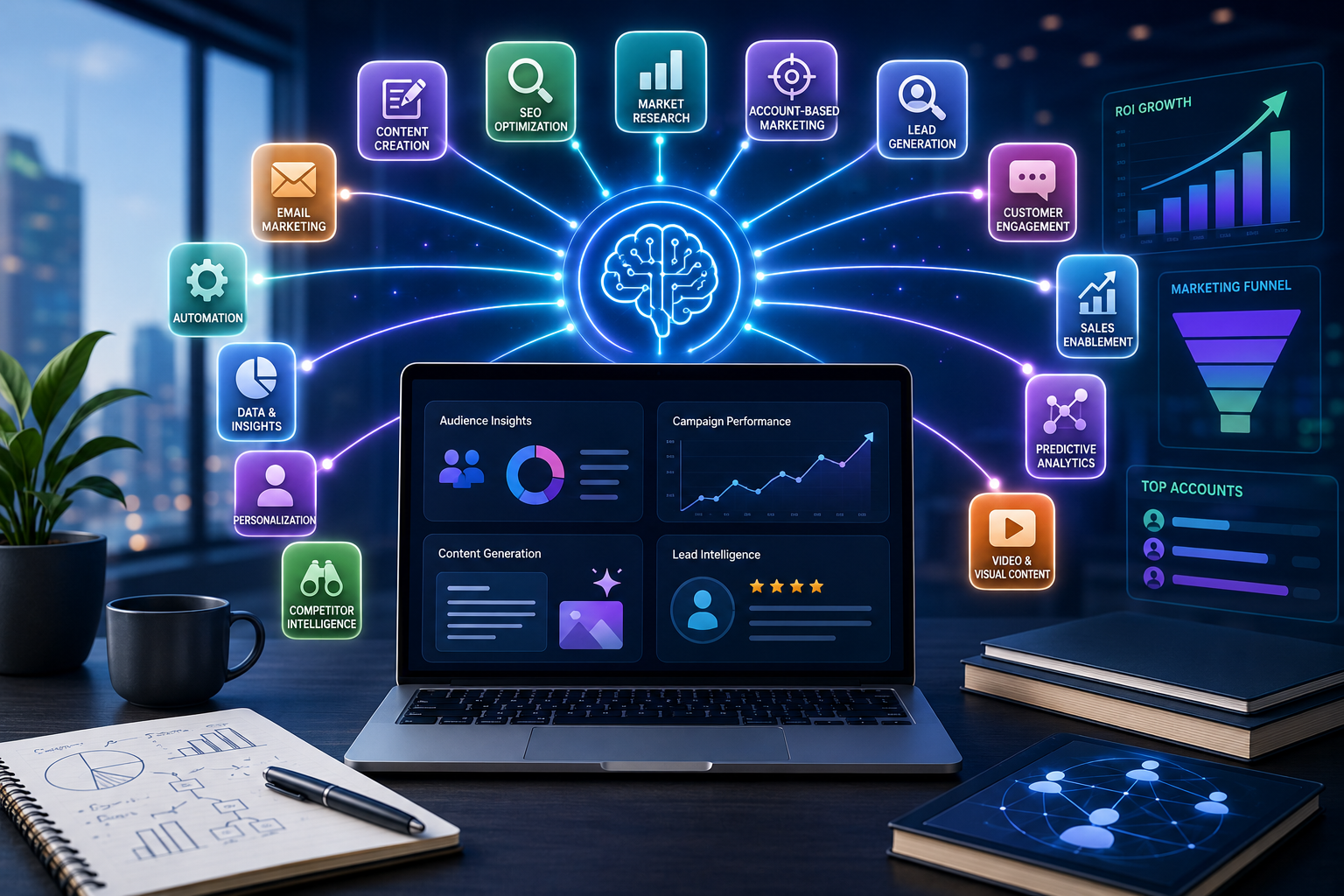
The next evolution includes:
- Real-time intent detection
- AI-driven content personalization
- Autonomous campaign optimization
- Revenue intelligence platforms
As AI matures, B2B demand generation will become increasingly predictive, automated, and revenue-centric.
Organizations that invest early in predictive infrastructure will gain a significant competitive advantage.
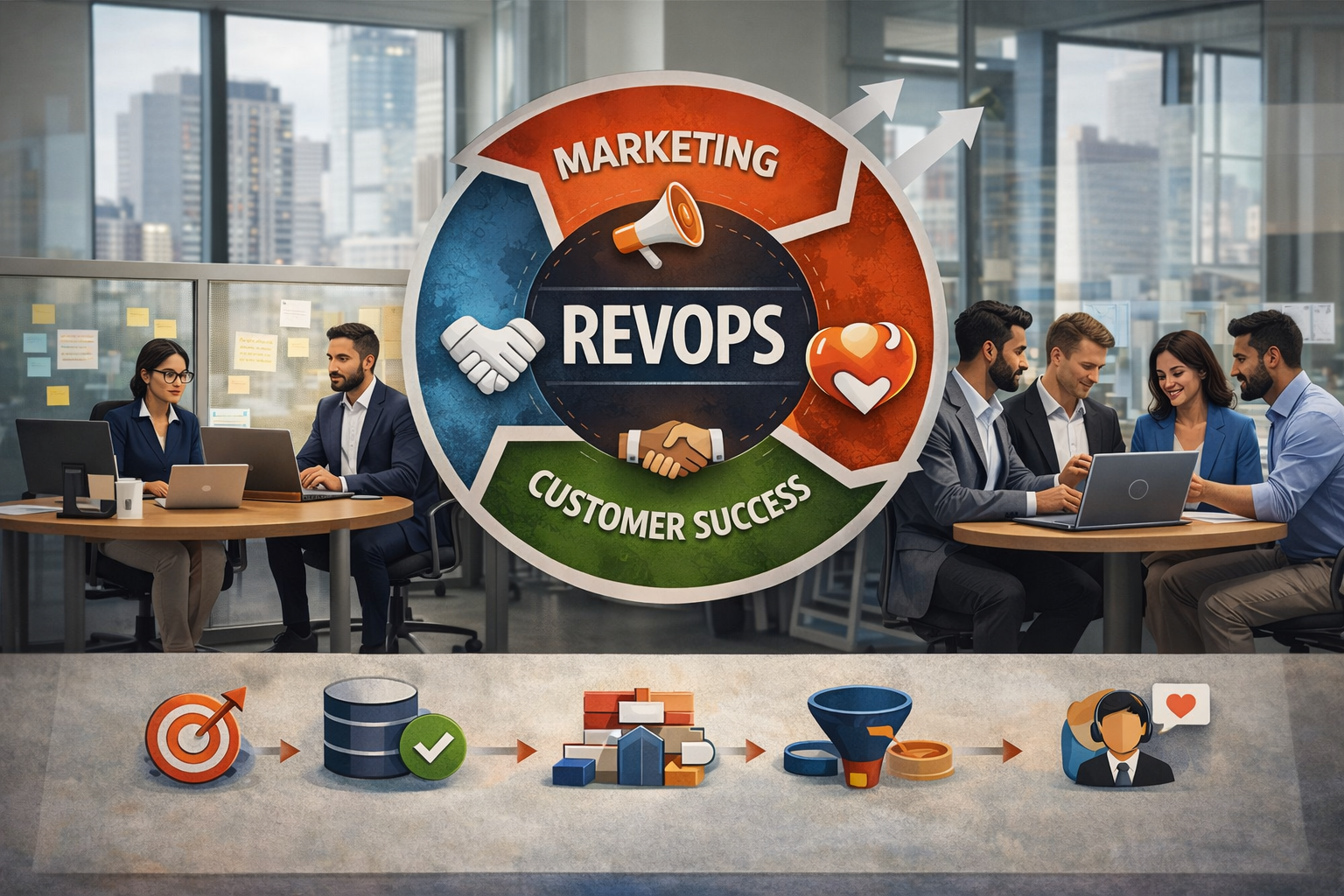
Read Also: Aligning Sales, Marketing & Customer Success Through RevOps