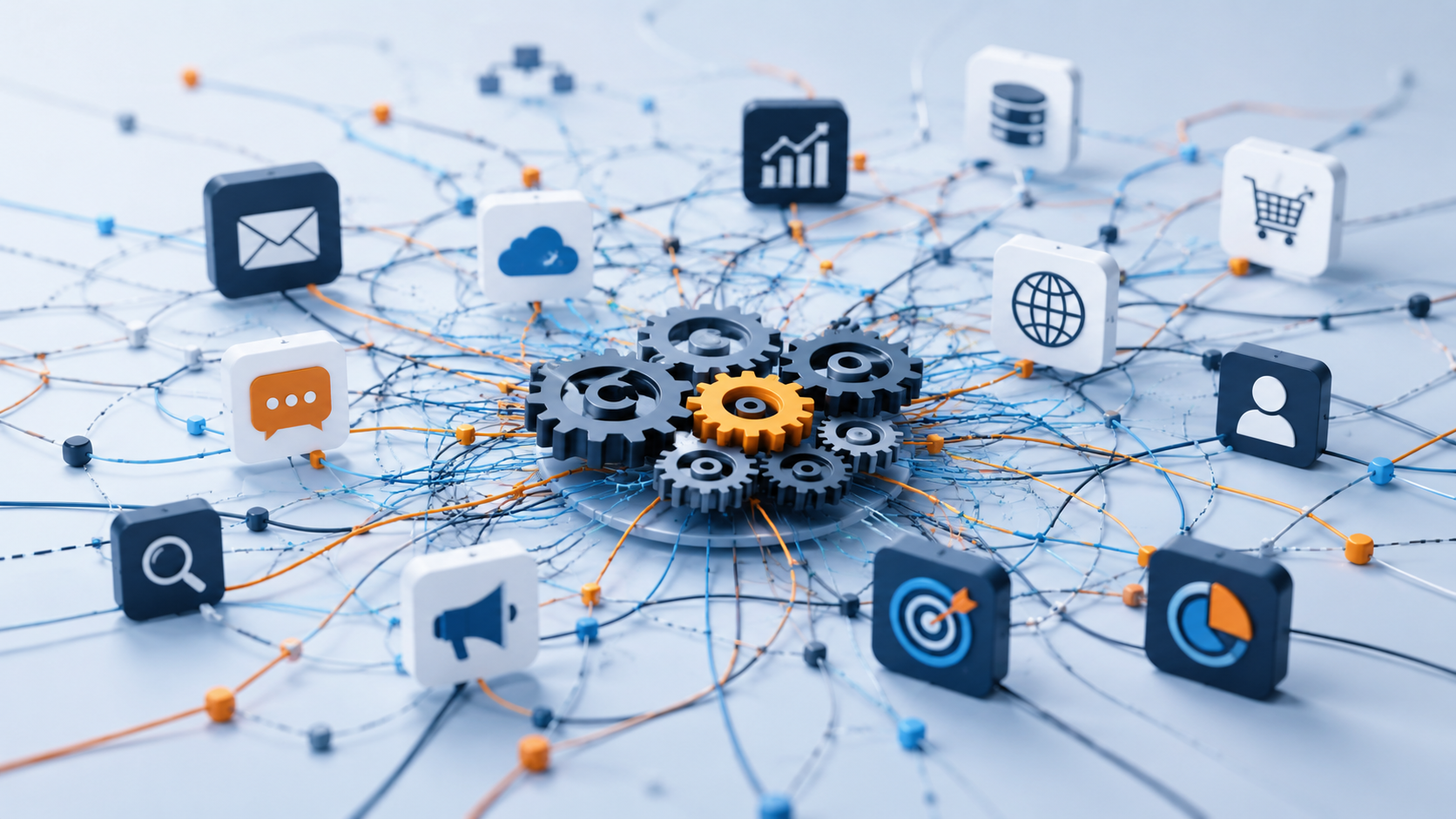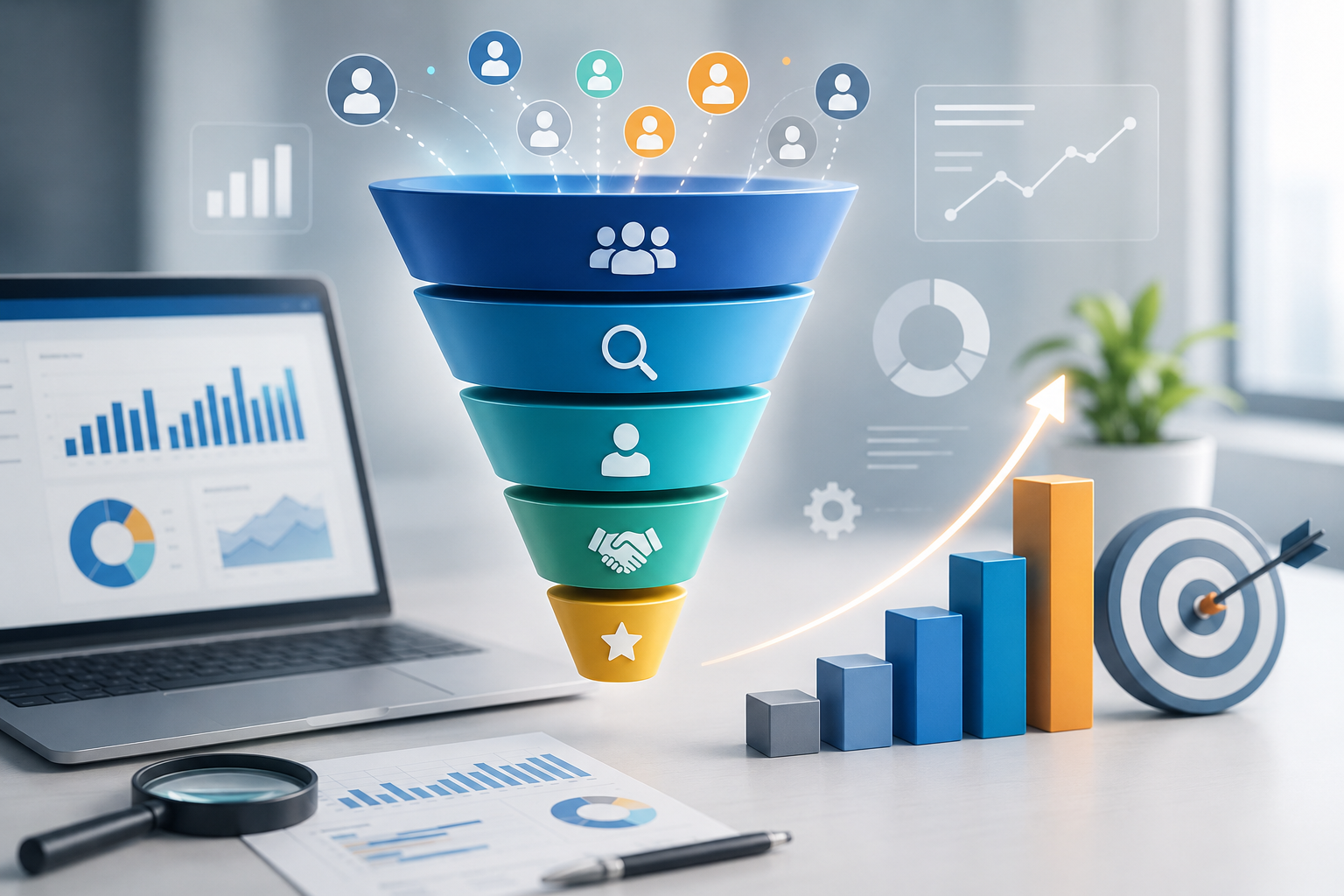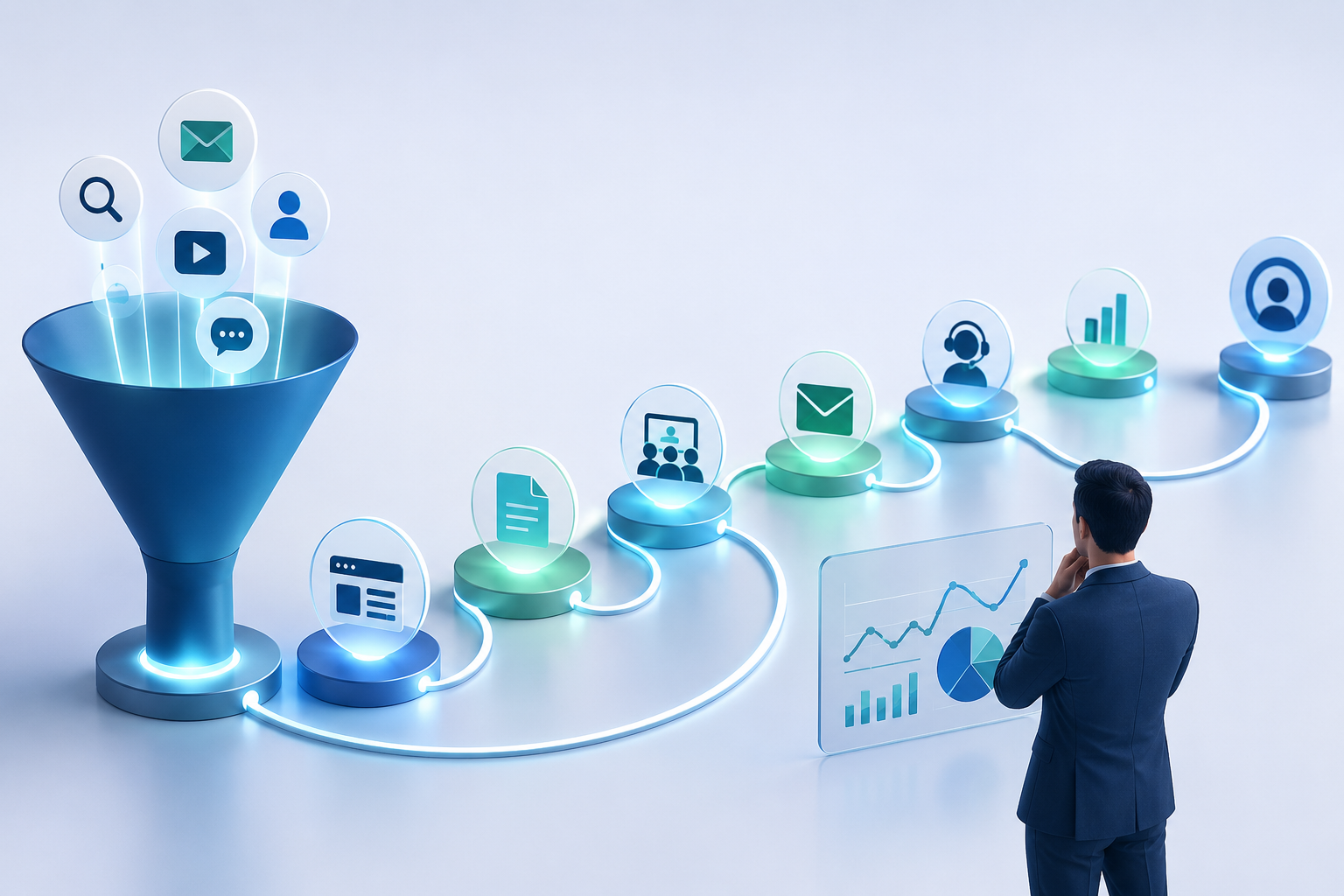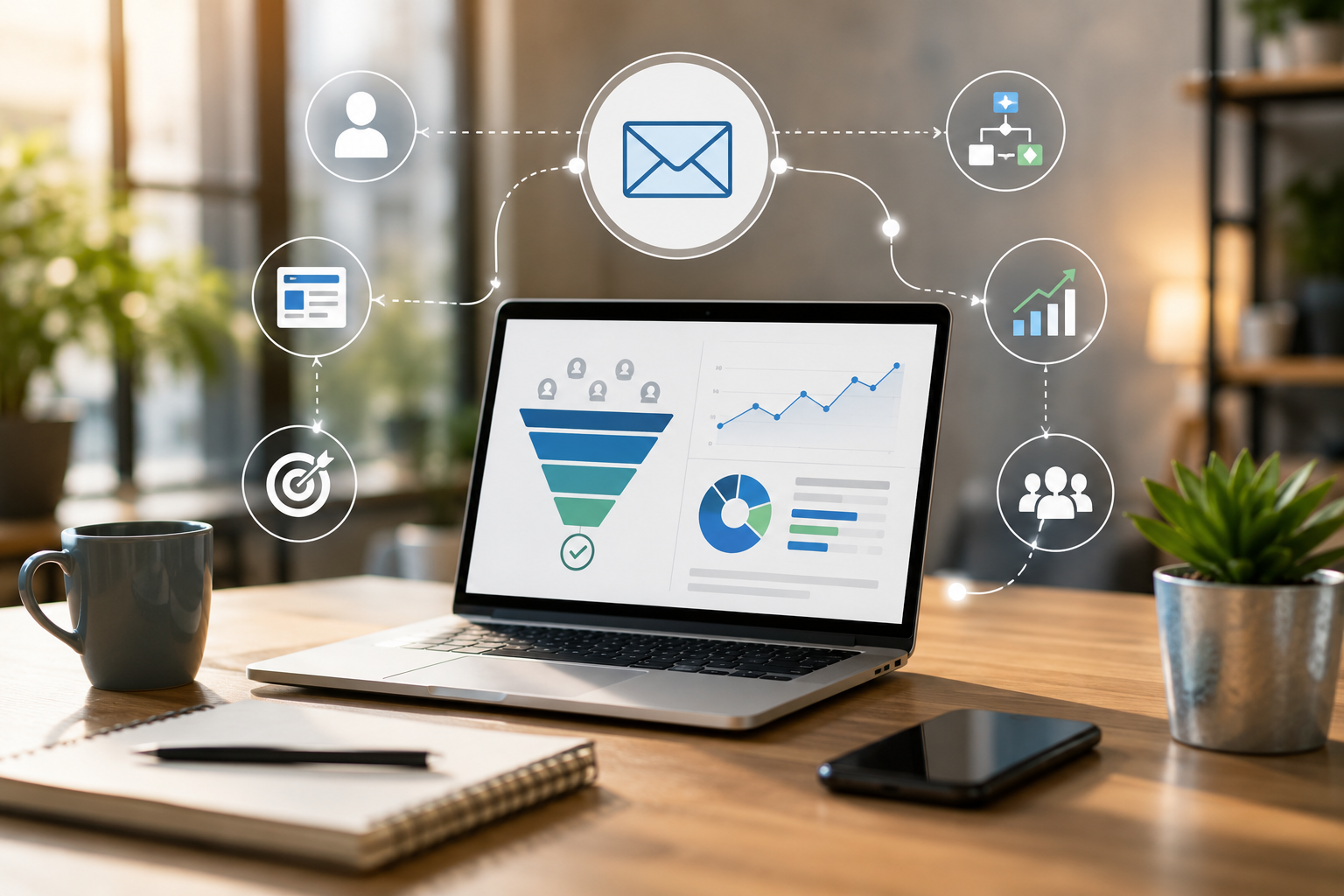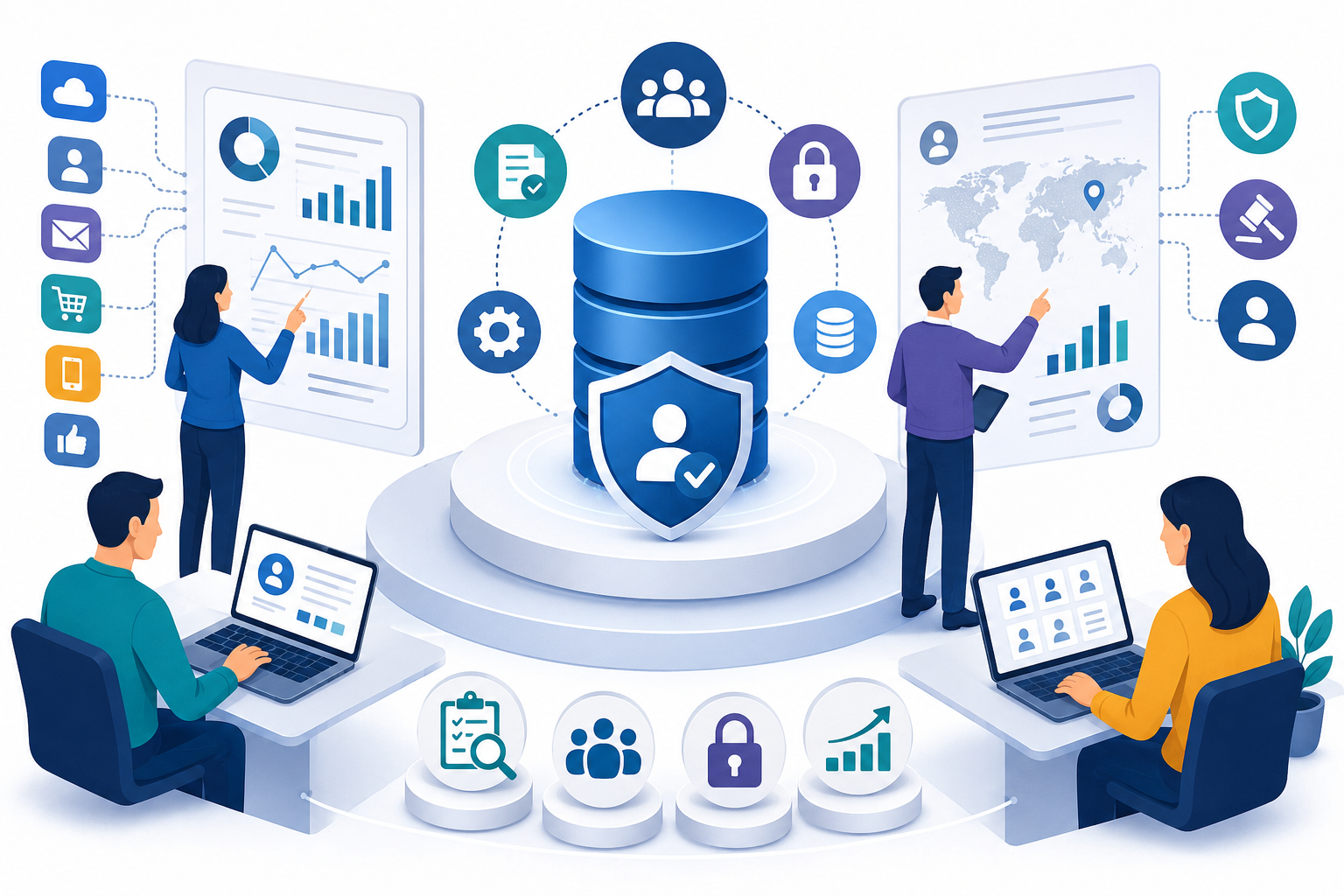

Modern organizations collect customer data everywhere—websites, mobile apps, CRM systems, marketing tools, support platforms, and offline touchpoints. Yet despite this abundance of data, many teams still struggle with fragmented views of the customer. Data silos prevent marketing, sales, product, and support teams from acting on the same insights.
Unified Customer Data Platforms (CDPs), combined with real-time analytics, are emerging as a powerful solution to this problem. Together, they break down organizational and technical silos, enabling a single, actionable view of the customer and faster, more personalized decision-making.
The Cost of Data Silos
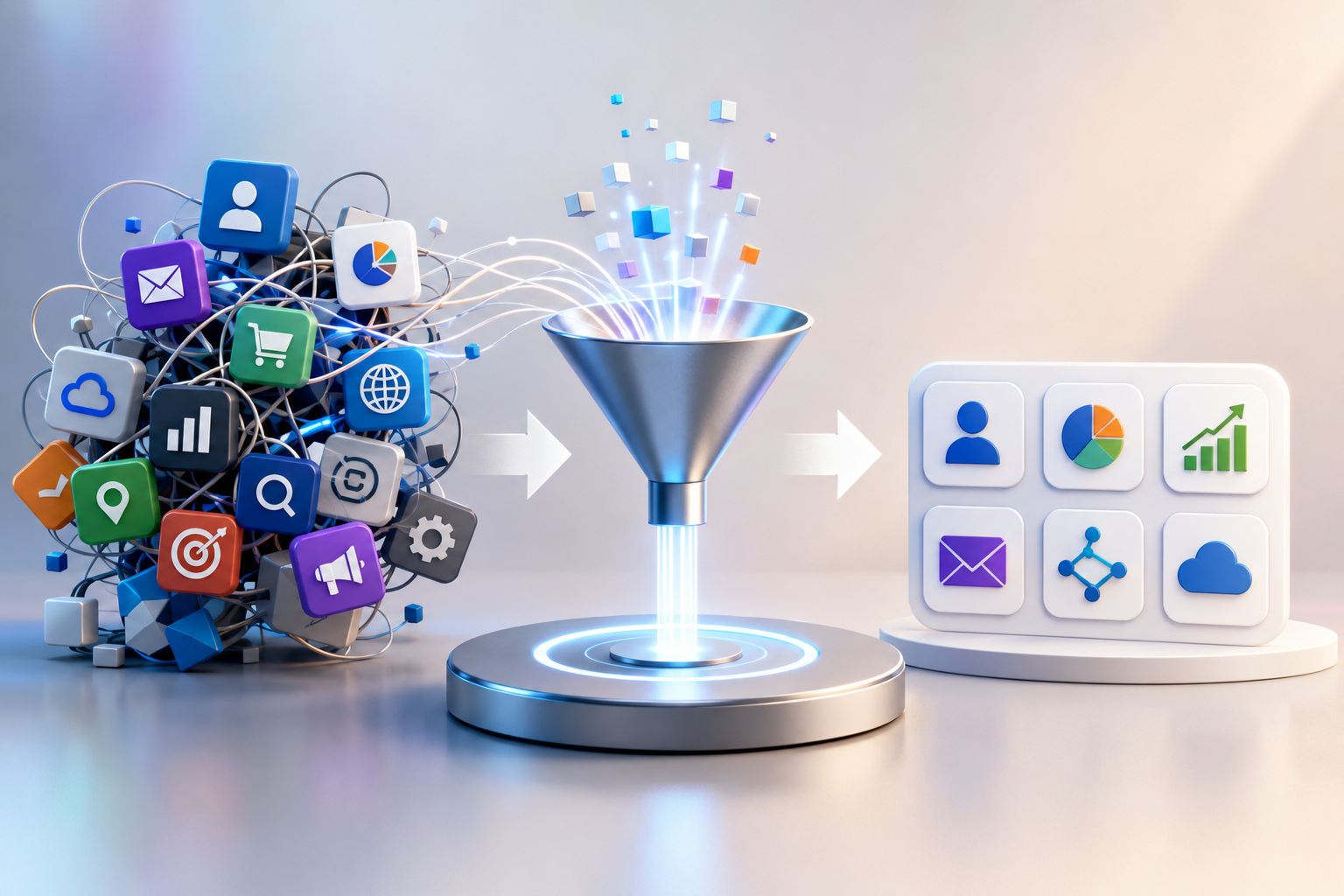
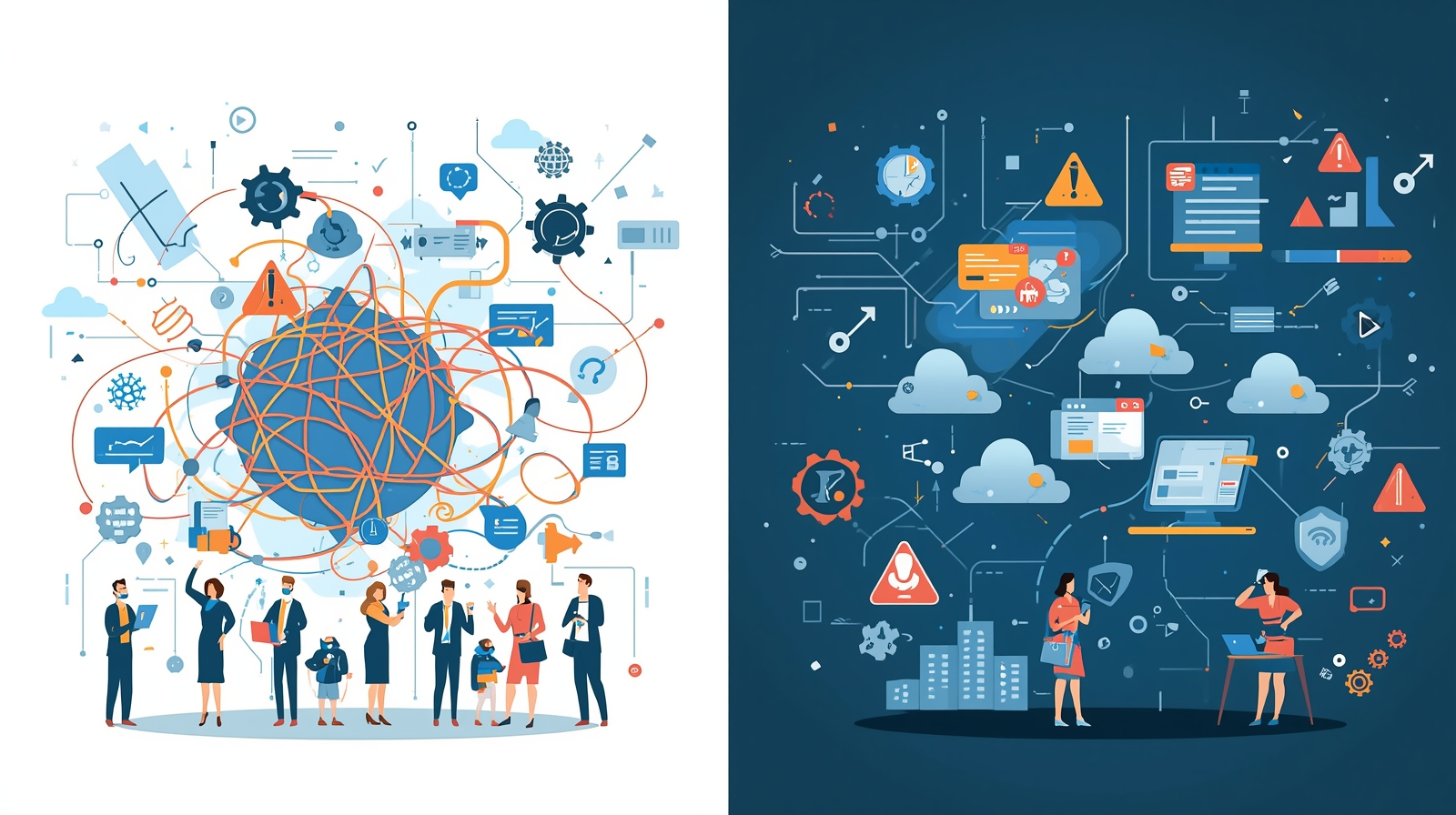
Data silos form when systems are built independently, optimized for specific functions rather than shared understanding. Common symptoms include:
- Marketing sees campaign engagement but not product usage
- Sales lacks visibility into customer support issues
- Product teams analyze behavior without customer context
- Decisions are based on delayed or incomplete data
The impact is significant: inconsistent customer experiences, inefficient operations, missed revenue opportunities, and slower response to customer needs.
What Is a Unified Customer Data Platform (CDP)?
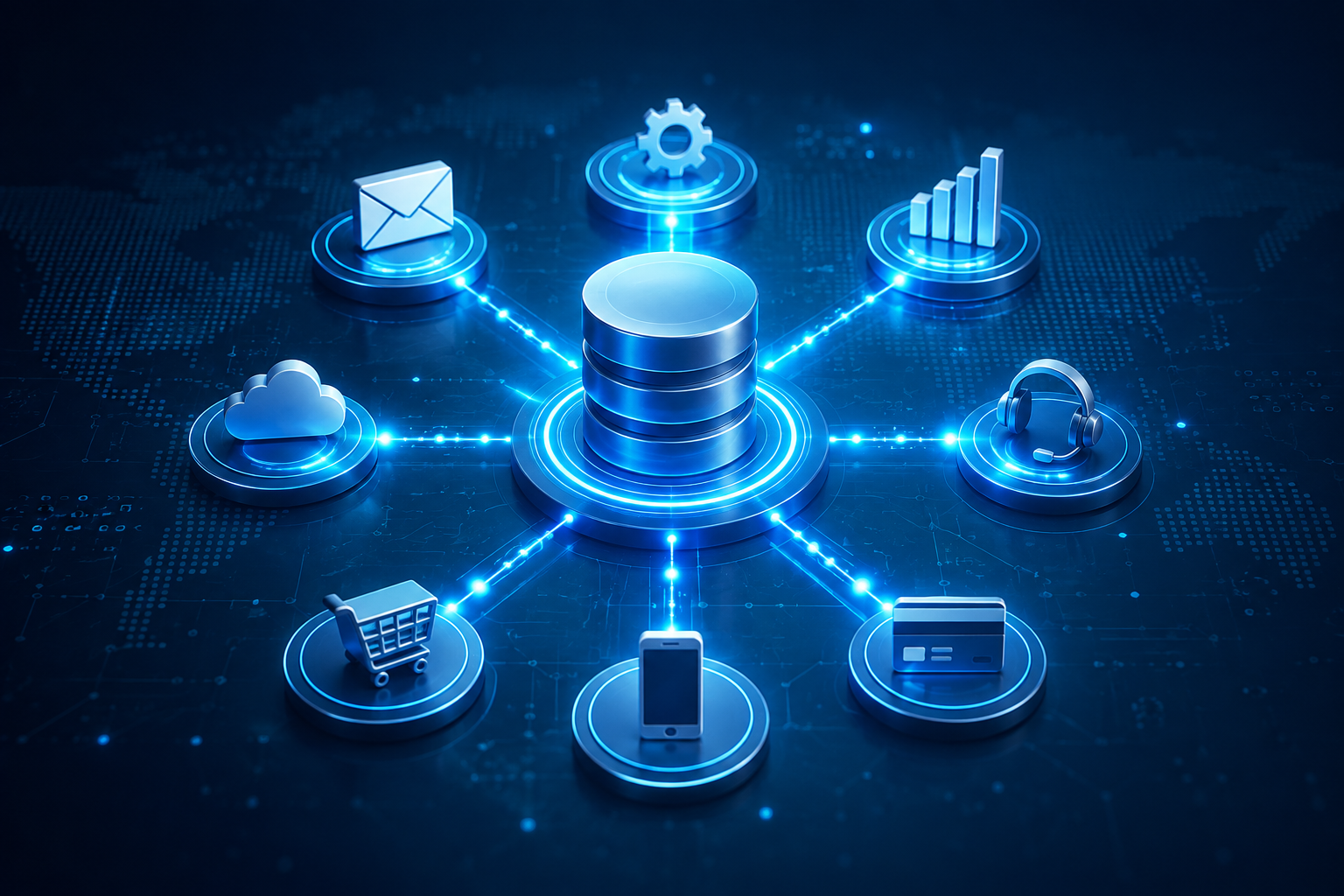
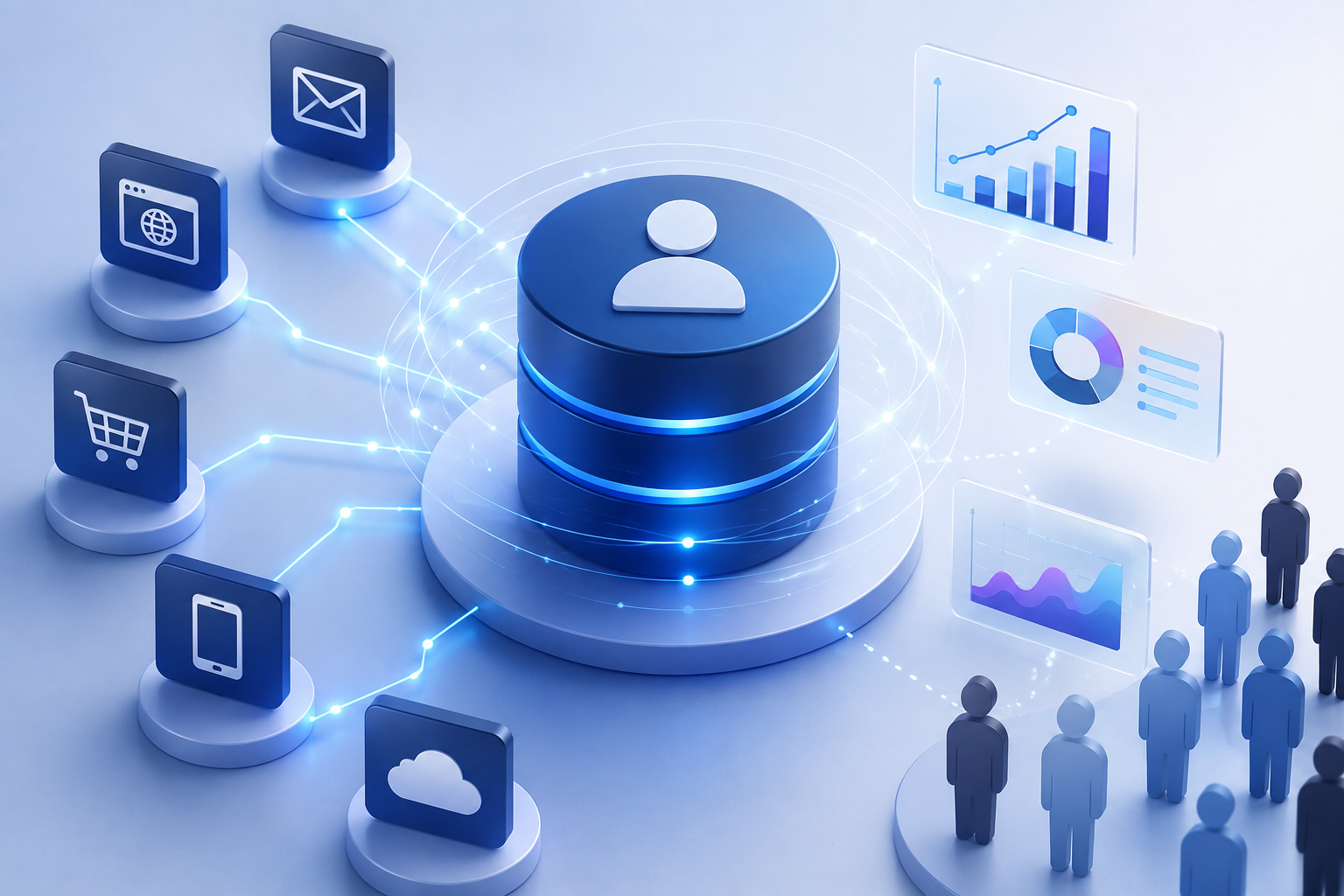
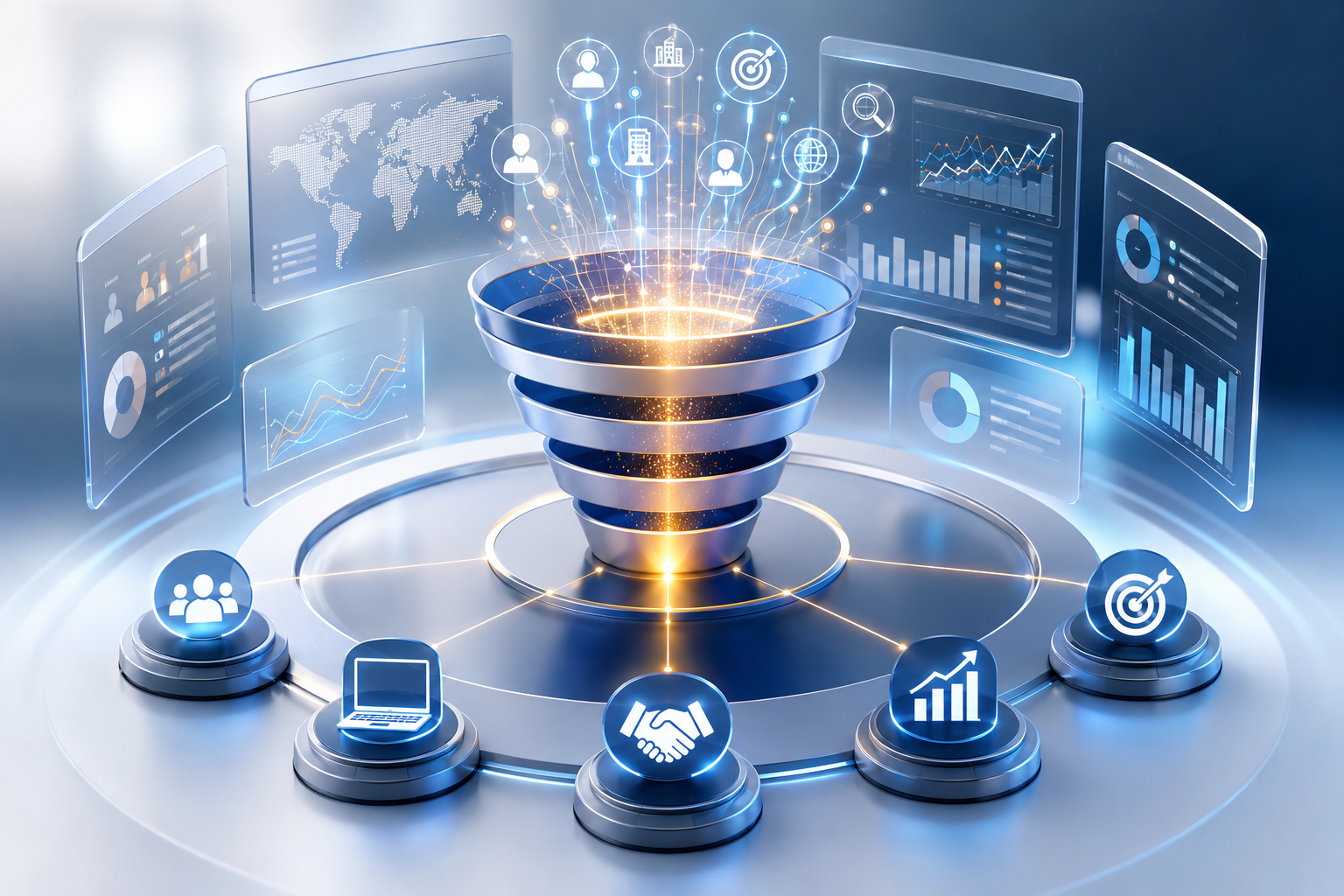
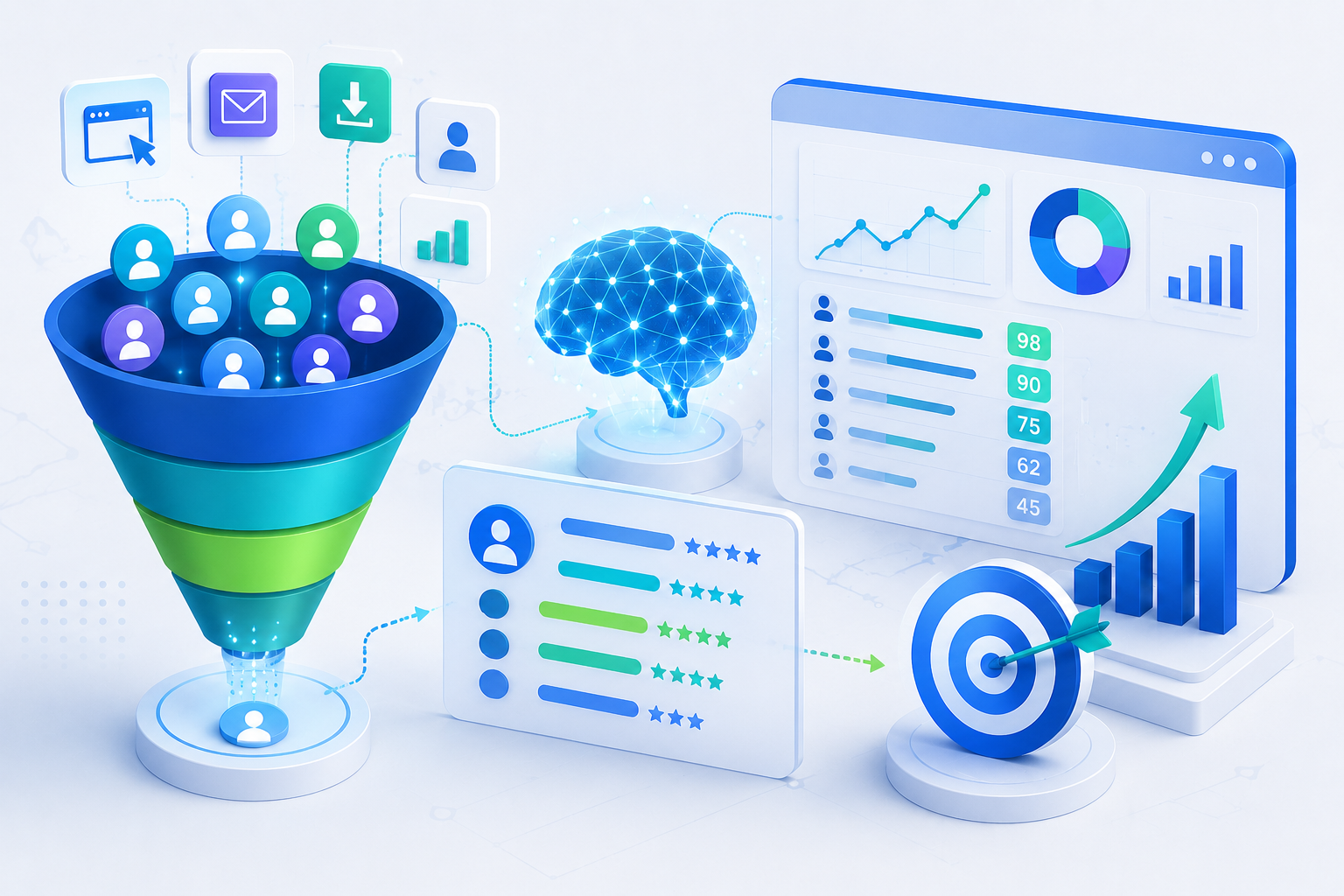
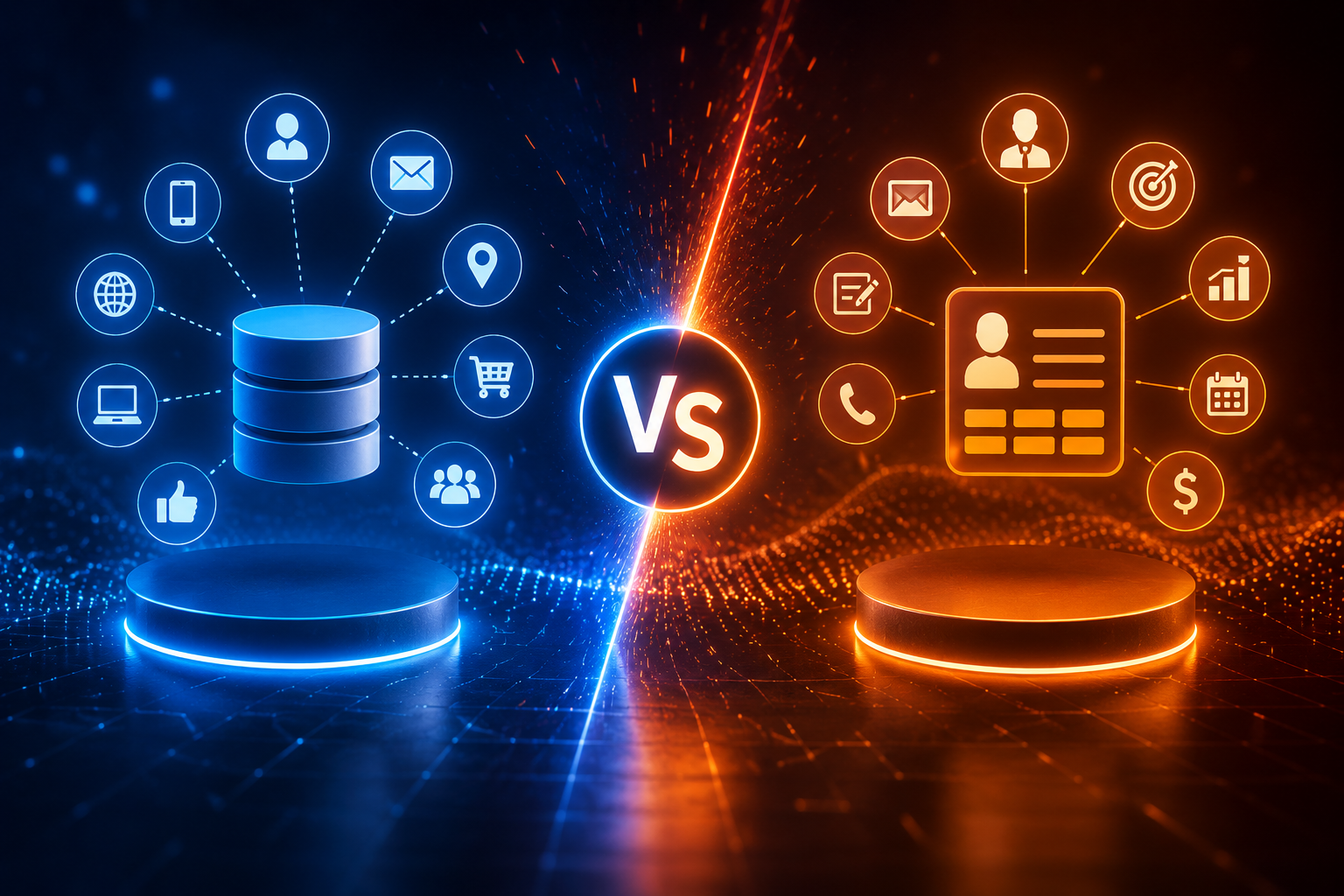
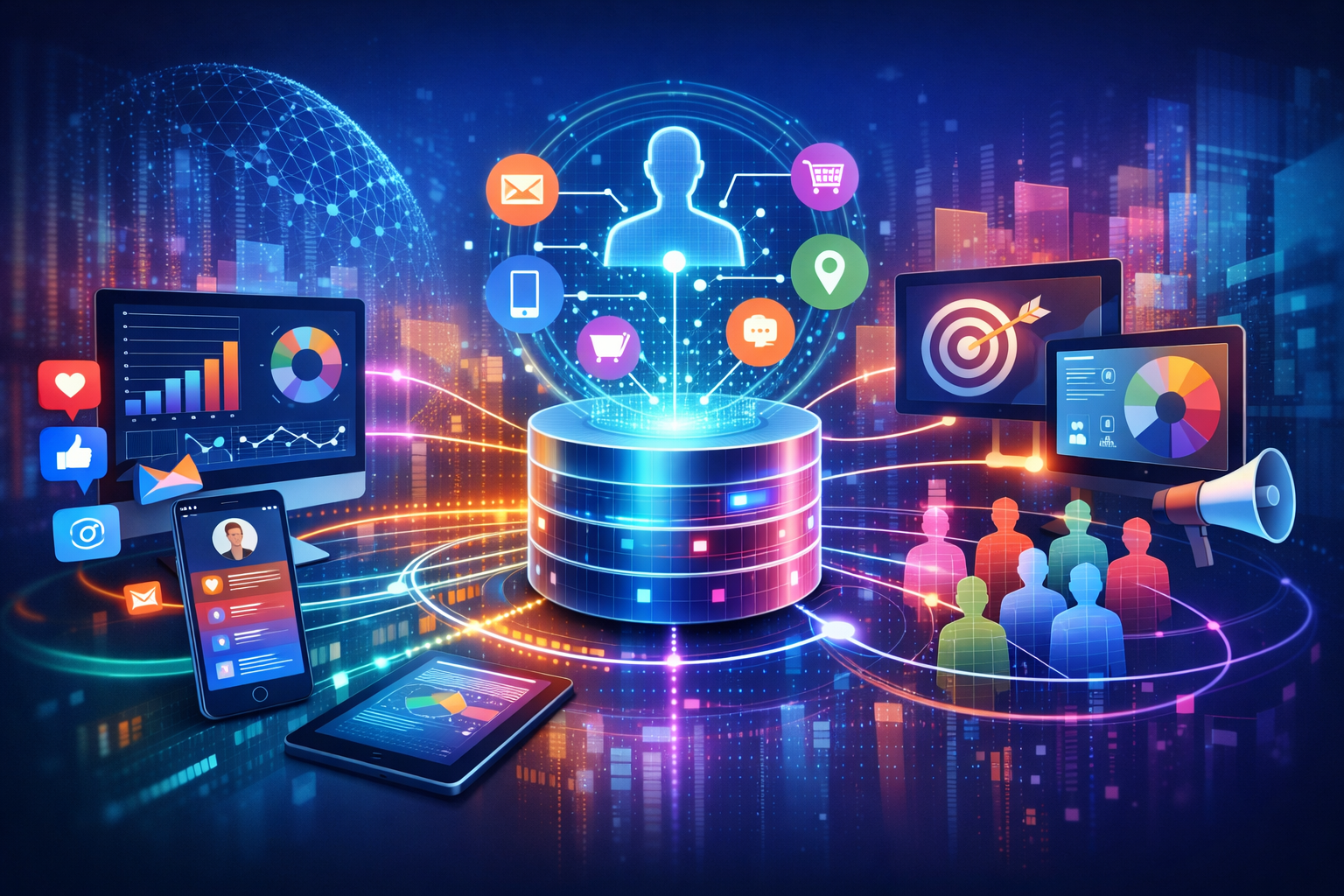
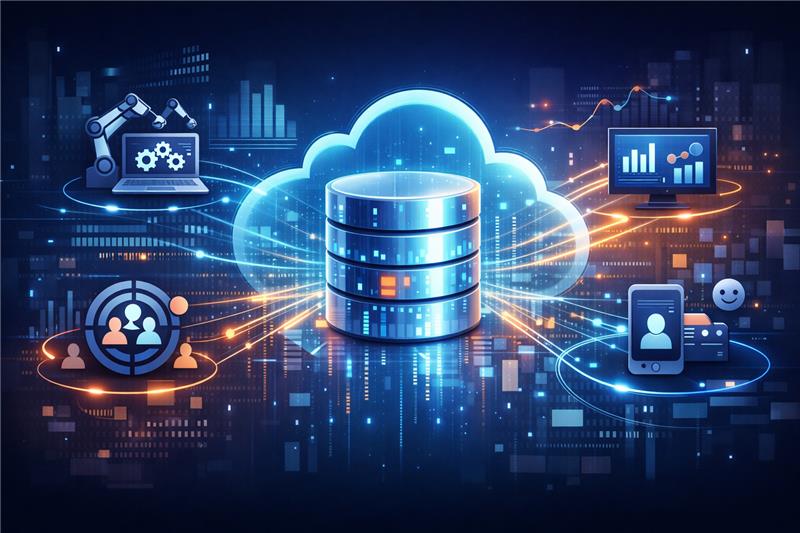
A CDP is a centralized system that ingests customer data from multiple sources, resolves identities, and creates a persistent, unified customer profile that can be activated across downstream systems.
Key characteristics of a modern CDP include:
- Data ingestion from online and offline sources
- Identity resolution across devices, channels, and identifiers
- Unified customer profiles updated continuously
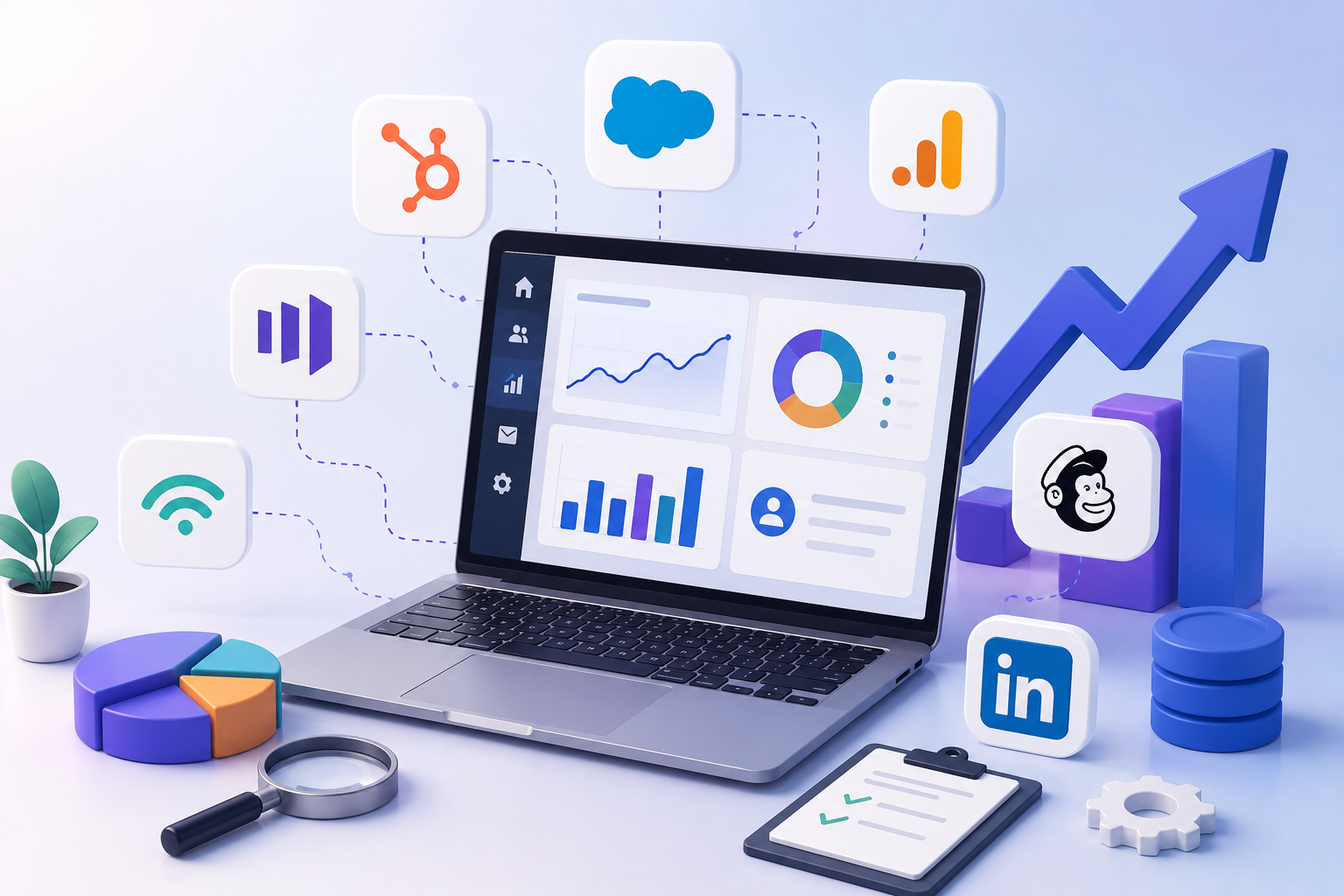
- Open activation to analytics, marketing, sales, and support tools
Unlike traditional data warehouses or point solutions, CDPs are designed specifically to make customer data accessible and usable across teams.
The Role of Real-Time Analytics
While unification is essential, speed matters just as much. Real-time analytics enables organizations to:
- Capture customer behavior as it happens
- Detect patterns, anomalies, and intent instantly
- Trigger actions within milliseconds or seconds
Examples include:
- Personalizing website content during a live session
- Triggering in-app messages based on user behavior
- Alerting support teams when high-value customers encounter issues
- Dynamically adjusting offers or recommendations
When paired with a CDP, real-time analytics ensures that customer profiles are not just accurate—but immediately actionable.
How CDPs and Real-Time Analytics Break Silos
- A Single Source of Truth
Unified customer profiles ensure every team works from the same data foundation. Marketing, sales, product, and support see consistent attributes, behaviors, and history, reducing conflicts and misalignment.
- Cross-Team Activation
CDPs enable data to flow seamlessly into tools teams already use. Real-time analytics ensures insights are delivered when they matter most, not hours or days later.
- Event-Driven Architectures
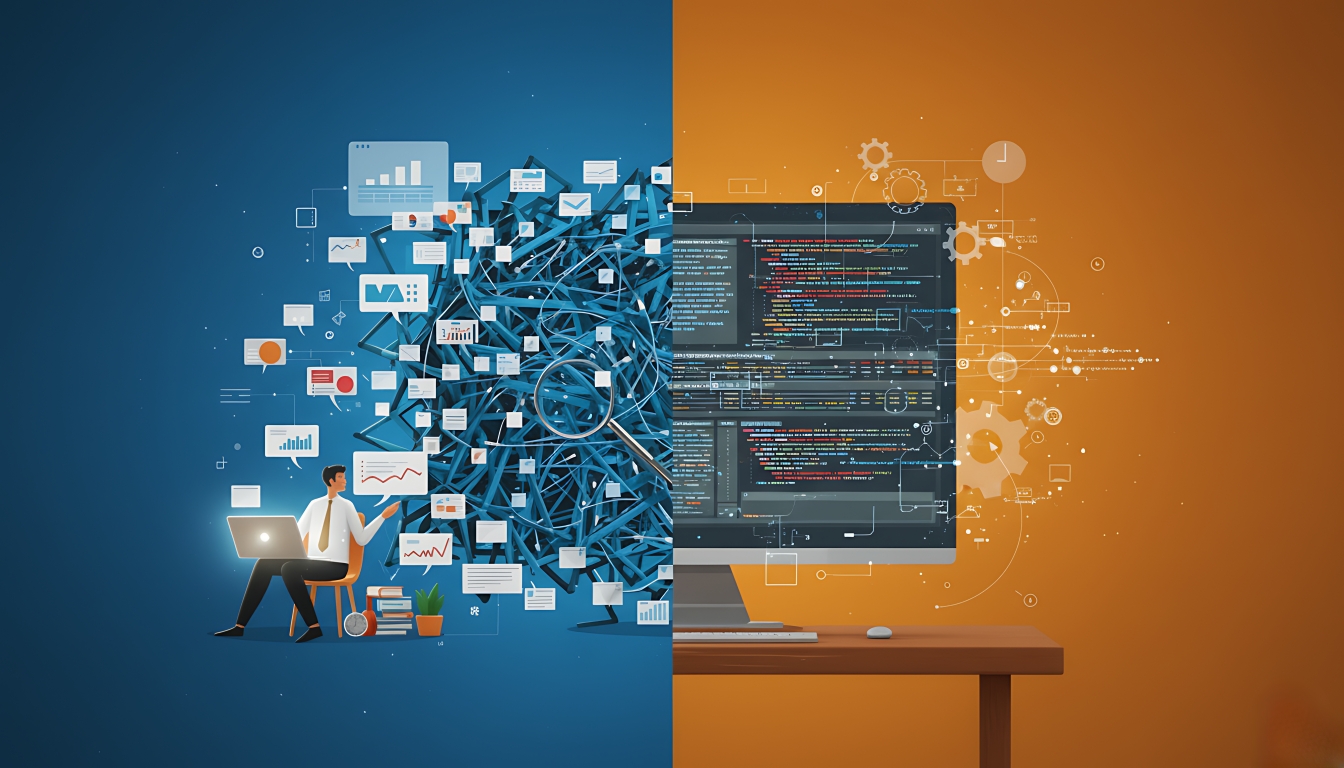
By capturing and analyzing events in real time, organizations move from batch-based reporting to event-driven decision-making—responding to customer actions as they occur.
- Improved Customer Experiences
With unified data and real-time insights, organizations can orchestrate consistent, personalized experiences across channels, rather than isolated interactions owned by individual teams.
Use Cases Across the Organization
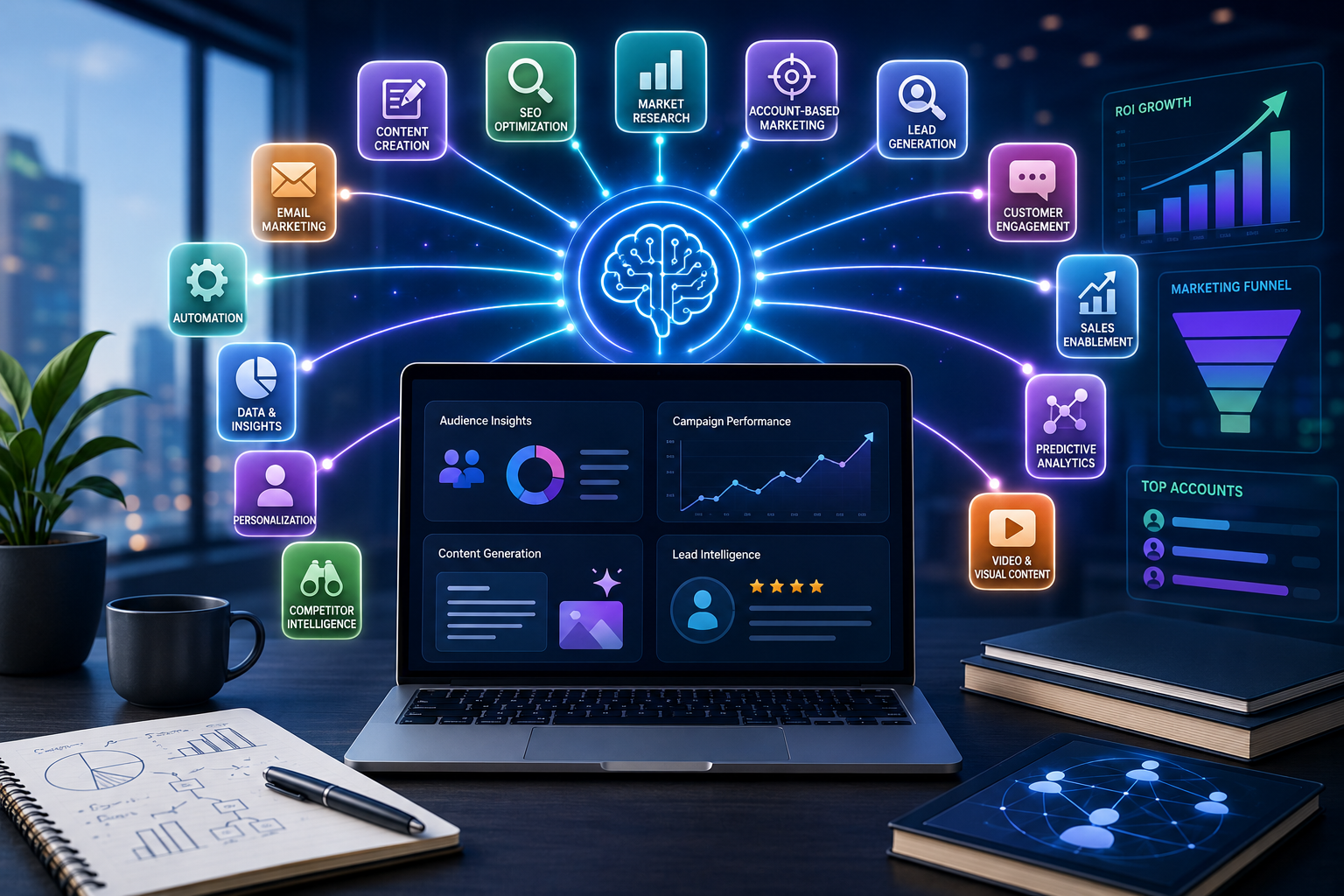
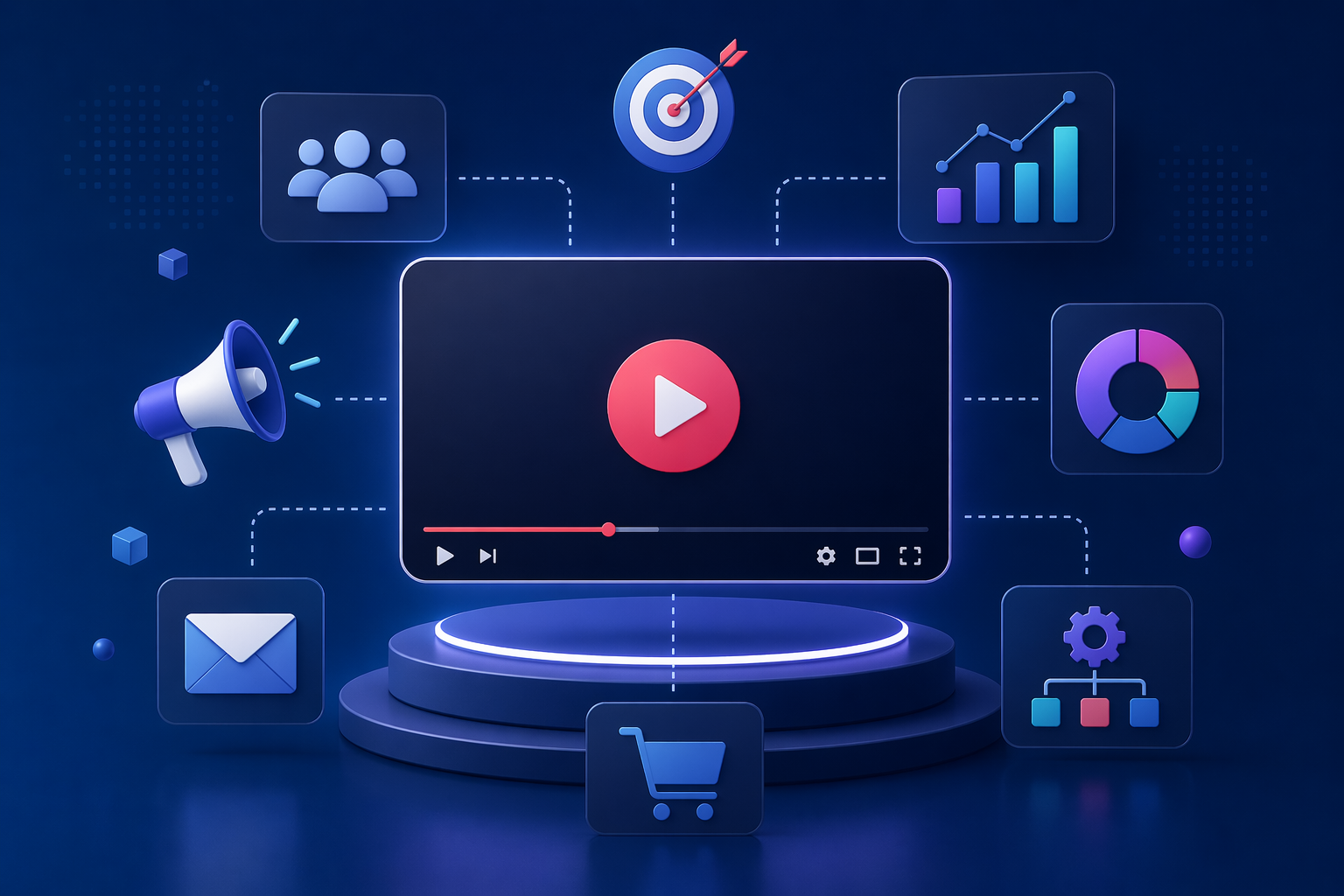
- Marketing: Real-time audience segmentation, personalization, and campaign optimization
- Sales: Better lead scoring and contextual conversations based on recent activity
- Product: Deeper understanding of feature adoption and user journeys
- Customer Support: Proactive issue resolution and prioritized responses
- Leadership: Holistic metrics and faster, data-driven decisions
These use cases highlight how breaking silos is as much an organizational transformation as it is a technical one.
Challenges to Address
Adopting a CDP with real-time analytics requires careful planning.
- Data quality and governance: Unified data is only valuable if it’s accurate and trustworthy
- Privacy and compliance: Consent management and regulatory compliance must be built in
- Change management: Teams must adapt workflows and incentives to shared data
- Scalability: Real-time systems must handle high event volumes reliably
Organizations that address these challenges early are more likely to realize long-term value.
The Future: From Unified Data to Intelligent Action
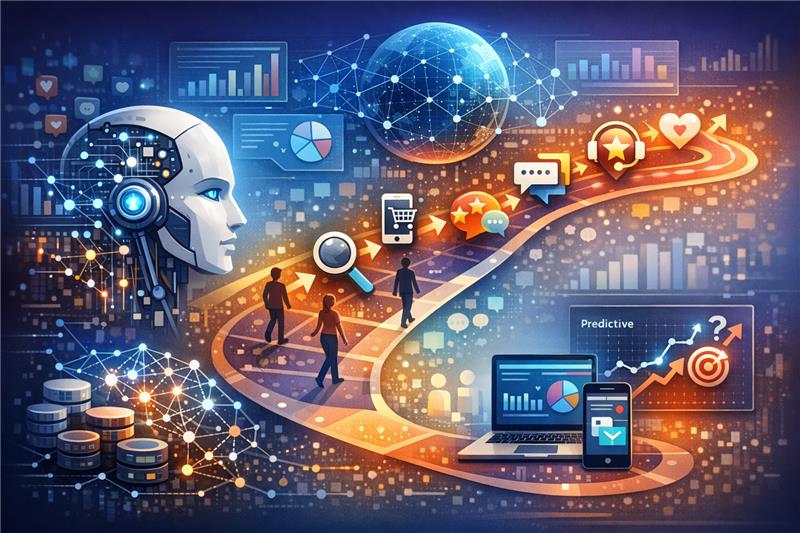
As analytics and AI capabilities mature, CDPs will evolve from data unification platforms into intelligent decision hubs. Real-time insights will increasingly drive:
- Automated personalization
- Predictive recommendations
- Adaptive customer journeys
The combination of unified customer data and real-time analytics lays the foundation for these next-generation capabilities.
Read also: AI in the Inbox and Discovery: How Tools Are Reshaping the Customer Journey and Engagement