
In today’s fast-moving B2B landscape, great marketing doesn’t stop at creative campaigns or clever messaging—it requires sharp, data-driven decision-making. Whether you’re optimizing pipeline contribution, proving ROI, or aligning with sales, the right metrics tell you what’s working, what’s not, and where to double down.
Here are 12 essential B2B marketing metrics every marketer should be tracking to drive predictable, scalable growth.
- Marketing Qualified Leads (MQLs)
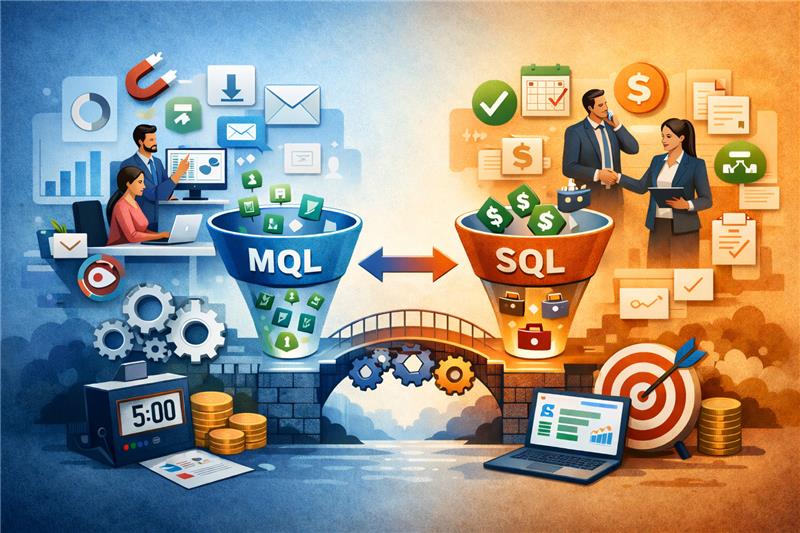
Why it matters: MQLs show how effectively your marketing efforts attract and nurture leads who resemble your target customer.
What to watch:
- Volume of MQLs over time
- MQL-to-SQL conversion rate
- Lead source quality
- Sales Qualified Leads (SQLs)
SQLs signal readiness for sales engagement. Tracking how many MQLs progress to SQLs helps determine lead quality and alignment between marketing and sales.
Ask yourself: Are you generating leads sales actually wants?
- Customer Acquisition Cost (CAC)
CAC calculates the total cost of winning a new customer—marketing spend, sales resources, tools, etc.
Why it matters: Lower CAC = more efficient growth.
Pro tip: Track CAC by channel to identify where your most cost-effective conversions come from.
- Customer Lifetime Value (CLV or LTV)
CLV measures the total revenue you can expect from a customer throughout the relationship.
The magic ratio:
LTV:CAC of 3:1 is considered healthy for B2B.
- Pipeline Contribution
Pipeline influenced or sourced by marketing is one of the clearest signals of effectiveness.
You can track:
- Marketing-sourced pipeline (generated directly from marketing)
- Marketing-influenced pipeline (touched by marketing at any stage)
Both matter—especially in complex B2B journeys.
- Conversion Rate by Funnel Stage
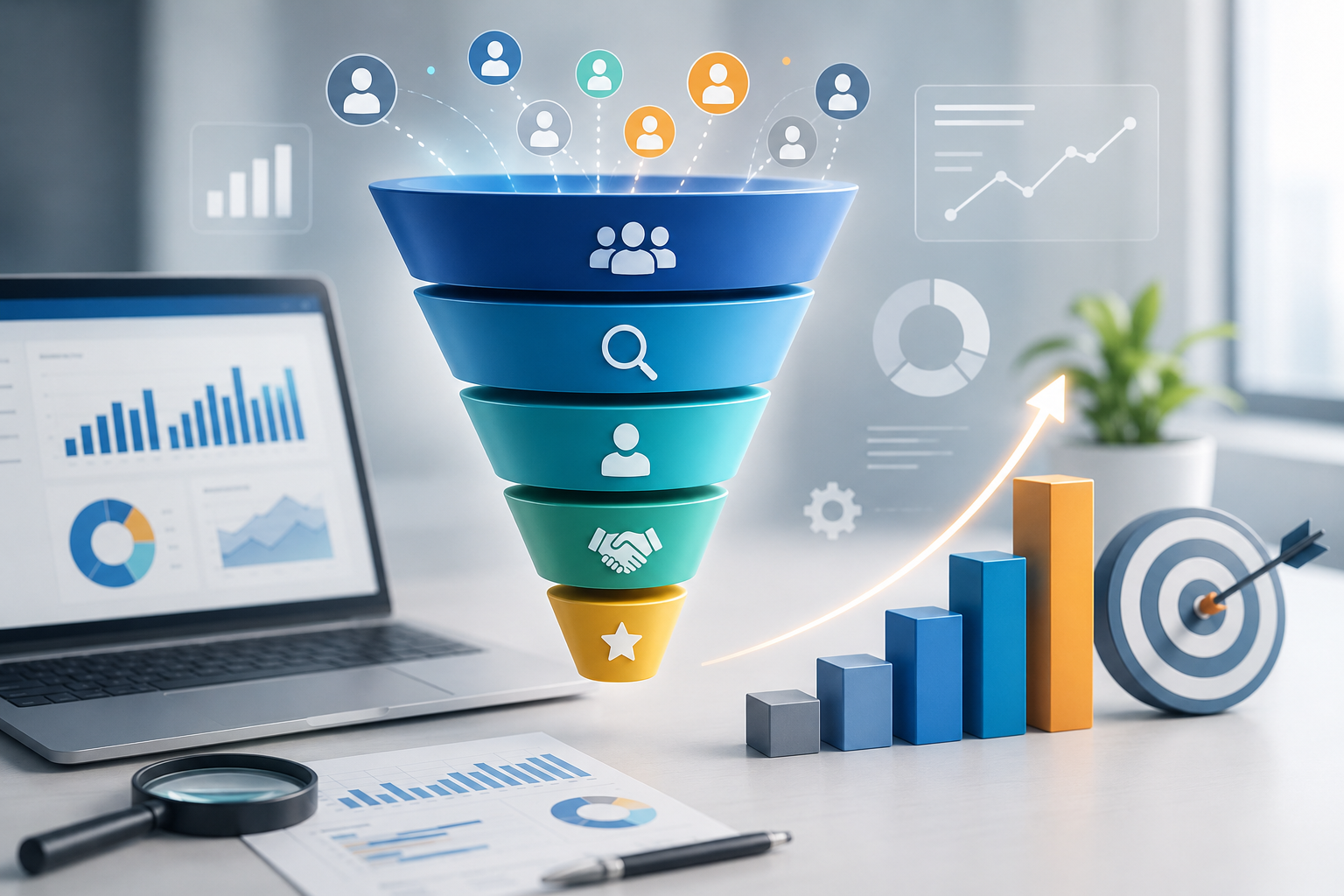
Measure conversion through each part of your funnel:
Top of funnel → MQL → SQL → Opportunity → Closed Won
Why it matters: It highlights bottlenecks, drop-off points, and opportunities to improve nurturing.
- Cost per Lead (CPL)
CPL helps you understand how much you’re paying to generate a single lead.
Don’t optimize CPL alone.
A low CPL means nothing if those leads never become customers.
- Return on Marketing Investment (ROMI)
ROMI = (Revenue attributed to marketing – Marketing cost) / Marketing cost
This metric validates your marketing budget and helps prioritize spend.
- Content Engagement Metrics
Content fuels most B2B buying journeys. Track:
- Page views
- Average time on page
- Scroll depth
- Social engagement
- Downloads or form fills
Use these to understand what resonates—and what falls flat.
- Account Engagement Score (ABM Metrics)
For teams running ABM, account engagement is everything.
Track:
- Website visits from target accounts
- Content interactions
- Email engagement
- Event attendance
Higher engagement usually correlates with deal readiness.
- Lead Velocity Rate (LVR)
LVR measures how quickly qualified leads grow month over month.
This is a powerful predictor of future revenue growth—especially in revenue-driven organizations.
- Churn Rate
B2B success isn’t only about winning customers—it’s about keeping them.
Churn rate shows the percentage of customers you lose over a period. High churn may indicate:
- Poor onboarding
- Product misalignment
- Weak customer marketing
Reducing churn increases profitability instantly.
Read Also: Why B2B Businesses Must Embrace Sustainability and Transparency