
In today’s hyper-competitive B2B landscape, acquiring new customers is expensive — but keeping existing ones can be far more profitable. Studies show that increasing customer retention rates by just 5% can boost profits by 25% to 95%. The question is: how can businesses proactively retain clients rather than reactively respond to churn?
The answer lies in data — specifically, how you collect, analyze, and act on it.
- Why Data Is the Key to B2B Retention
B2B relationships are complex, often involving long sales cycles, multiple stakeholders, and high-value contracts. Gut instinct isn’t enough to manage these relationships effectively.
Data provides a clear picture of your customer’s behaviors, preferences, and pain points, allowing you to anticipate issues before they escalate.
By leveraging customer data, you can:
- Identify at-risk accounts early.
- Personalize communication and offers.
- Improve the overall customer experience.
- Strengthen long-term relationships with key accounts.
- Collecting the Right Data
Not all data is useful. Focus on collecting information that directly impacts customer satisfaction and loyalty.
Key data sources to track include:
- Product Usage Data: Track how customers use your product or service. Low engagement may signal dissatisfaction or a lack of value.
- Customer Support Interactions: Monitor the frequency, type, and sentiment of support tickets to identify recurring issues.
- Billing and Payment Patterns: Late payments or reduced order sizes can indicate waning interest or financial strain.
- NPS and Feedback Surveys: Use surveys and Net Promoter Scores to capture sentiment and satisfaction levels.
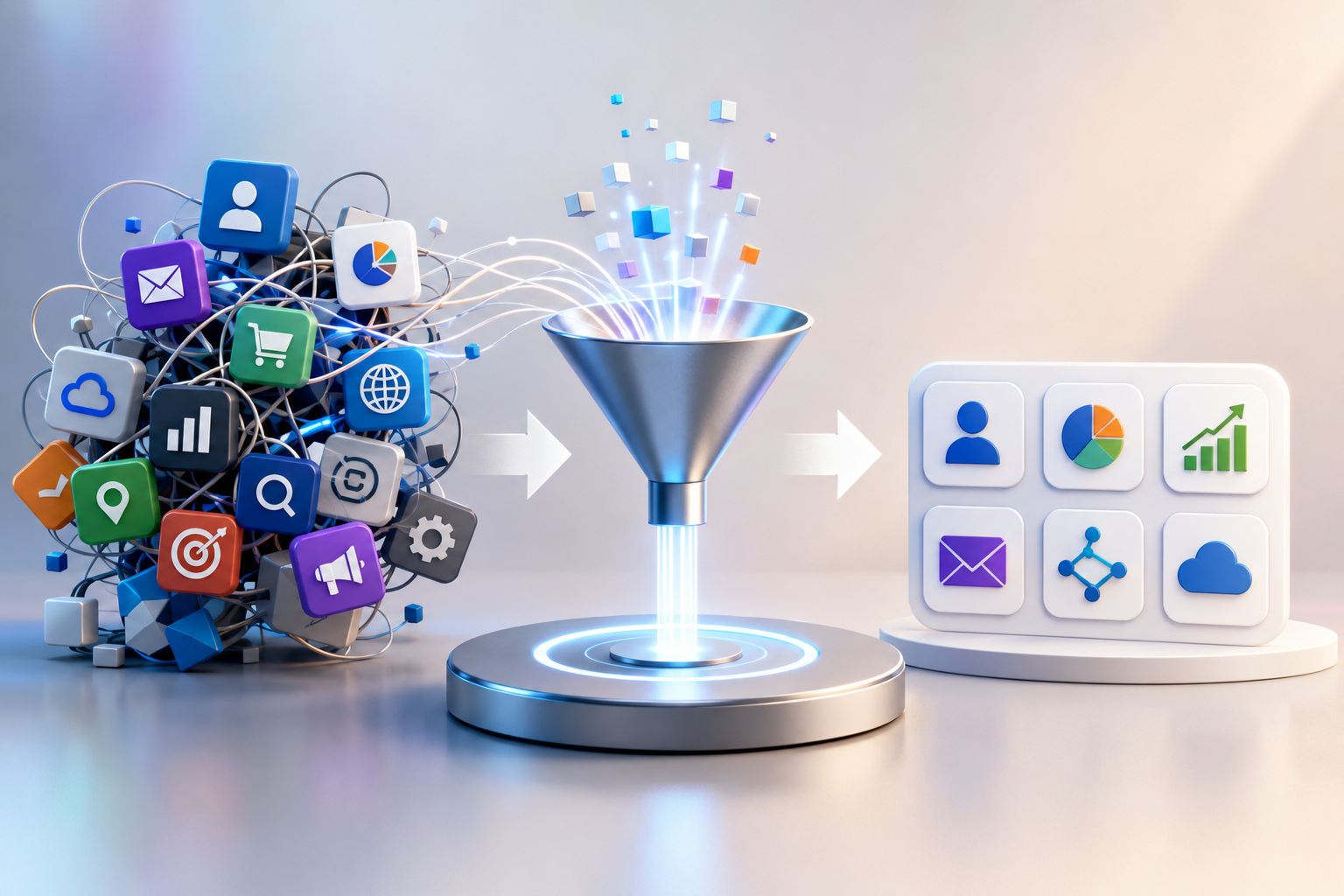
- CRM Data: Combine sales, marketing, and service data to get a 360° view of each customer account.
- Turning Data into Actionable Insights
Collecting data is just the start — insights come from analysis.
Here’s how to transform raw data into retention strategies:
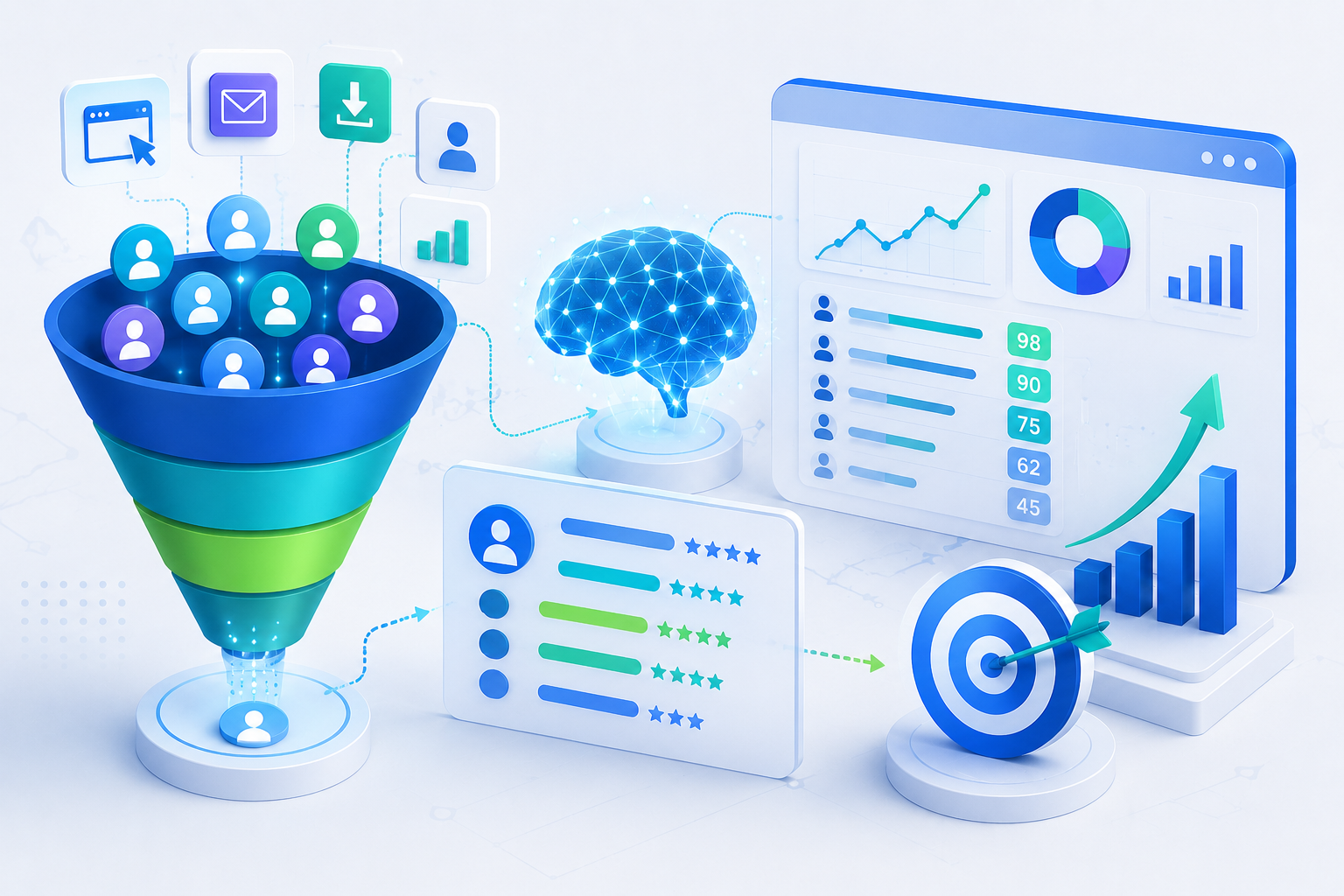
- a) Segment Customers by Risk Level
Use predictive analytics or simple scoring models to categorize customers as healthy, at-risk, or churned.
This helps your account managers prioritize outreach and tailor retention campaigns.
- b) Identify Behavior Patterns
Analyze product usage or engagement trends. For example, if a previously active client’s logins drop by 40%, it’s a red flag that they might be disengaging.
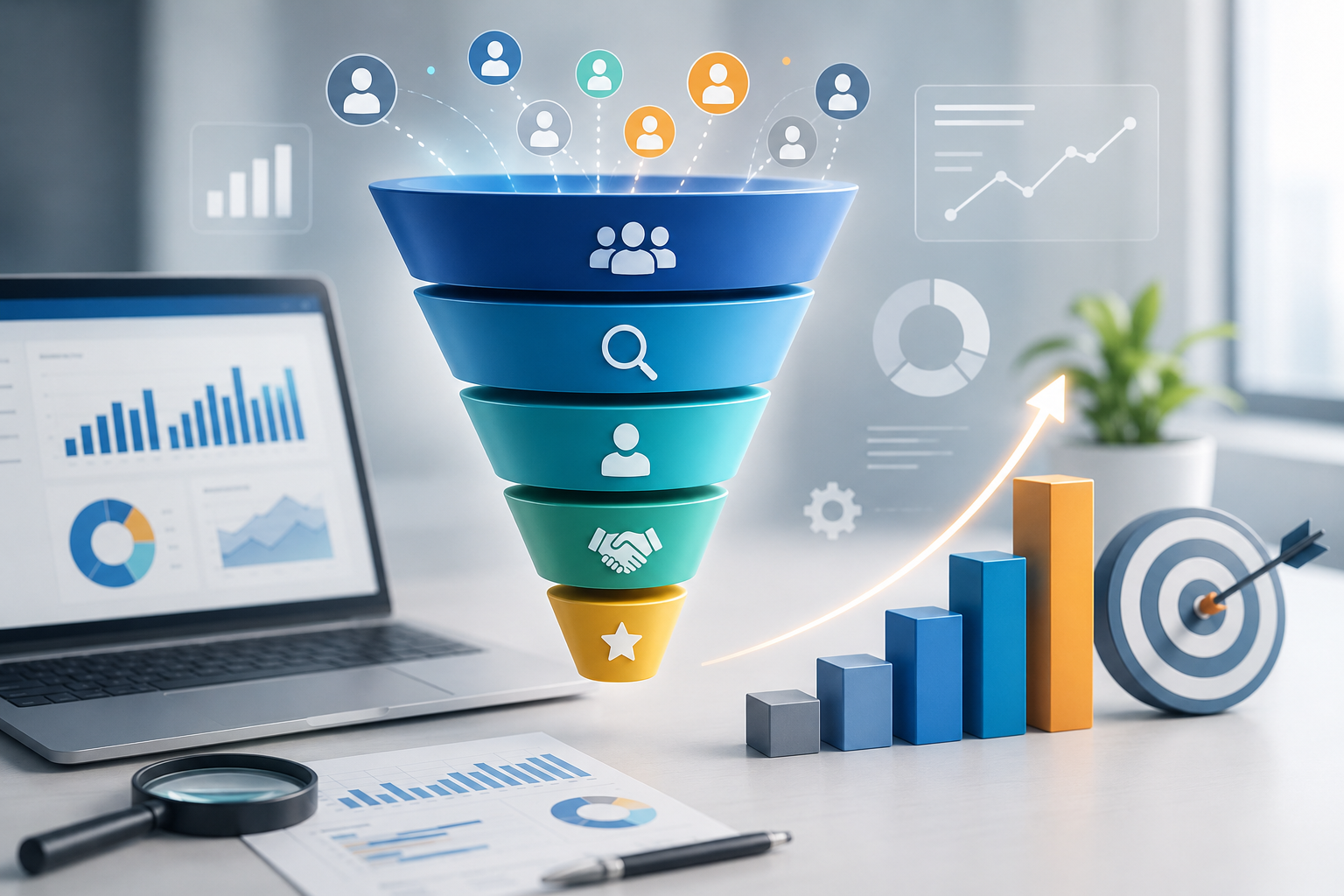
- c) Map the Customer Journey
Overlay engagement data across stages of the customer lifecycle. Look for friction points (e.g., onboarding delays or slow support response times) that correlate with churn.
- Using Data to Personalize the Customer Experience
B2B customers expect the same level of personalization they experience as consumers.
Use data to tailor your communications, content, and product offerings.
Examples:
- Send customized reports that show ROI or usage stats.
- Recommend features or services based on past behavior.
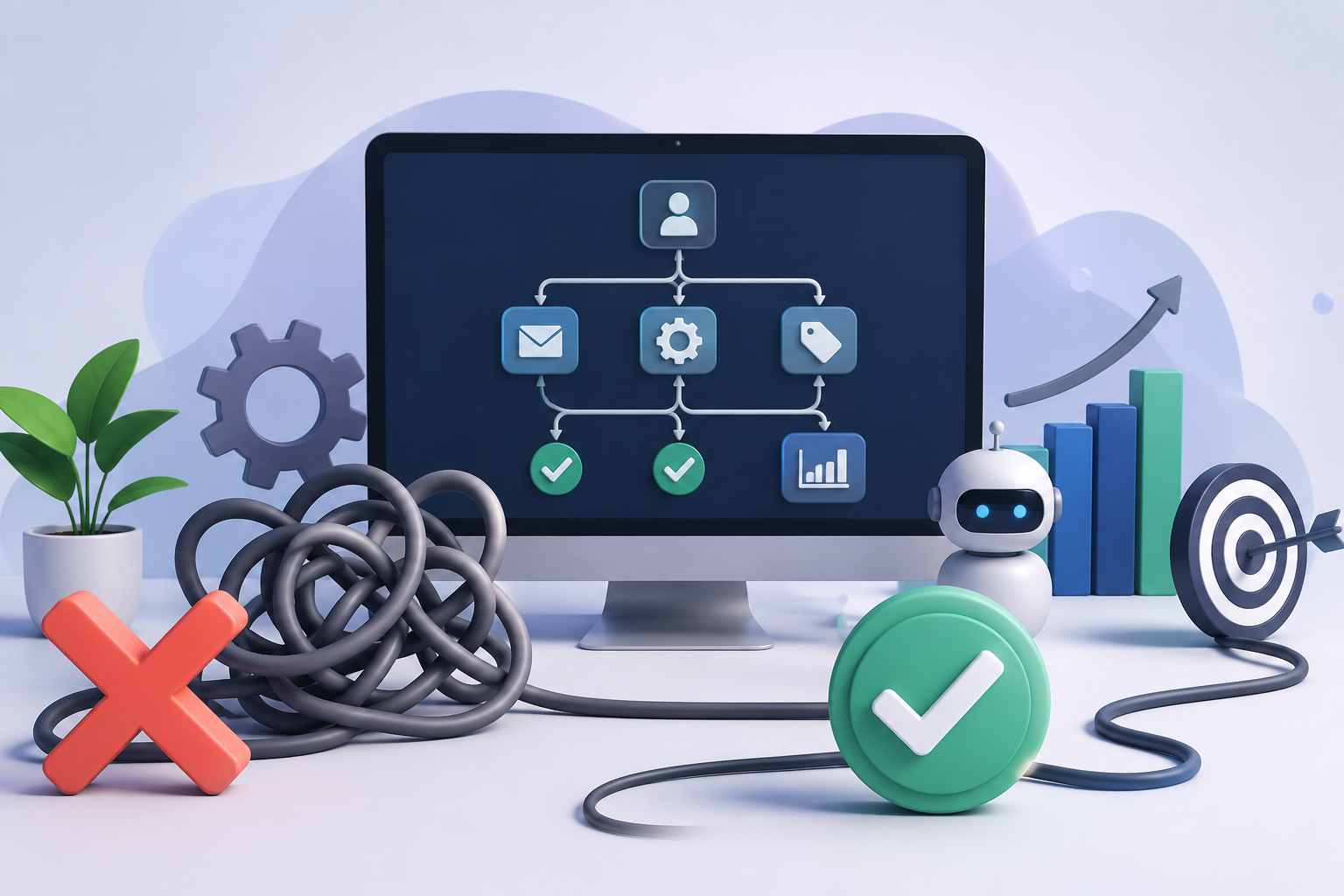
- Automate renewal reminders or training invites triggered by low engagement.
This not only shows that you understand their business but also builds trust and strengthens the relationship.
- Measuring Retention Success
To know whether your data-driven retention strategy is working, track key metrics such as:
- Customer Retention Rate (CRR)
- Customer Lifetime Value (CLV)
- Net Promoter Score (NPS)
- Product Adoption Rate
- Churn Rate
Regularly reviewing these metrics helps you refine your strategy and ensure continuous improvement.
- Tools and Technologies to Support Data-Driven Retention
Implementing the right tech stack is crucial. Consider tools like:
- CRM platforms (HubSpot, Salesforce): Centralize customer data.
- Customer Success Platforms (Gainsight, Totango): Track health scores and automate alerts.
- Analytics Tools (Tableau, Power BI): Visualize trends and insights.
- Feedback Tools (SurveyMonkey, Qualtrics): Gather ongoing customer sentiment.
Read Also: How to Build a Resilient B2B Supply Chain