
B2B sales are complex. Unlike B2C transactions that often rely on emotional triggers and quick decisions, B2B deals involve multiple stakeholders, long sales cycles, and higher stakes. Whether you’re a seasoned sales professional or new to the field, understanding the most common challenges — and knowing how to overcome them — can make all the difference between missed opportunities and consistent success.
- Lengthy Sales Cycles
The Challenge:
B2B purchases are rarely impulsive. Multiple decision-makers, budget approvals, and risk assessments slow down the process. As a result, deals can take months to close, testing both patience and strategy.
How to Overcome It:
- Nurture relationships continuously: Use CRM tools to automate follow-ups and deliver personalized content that keeps leads engaged.
- Set clear milestones: Break the process into smaller goals to track progress and maintain momentum.
- Focus on education: Provide value-driven insights that help clients move faster through their internal decision-making.
- Reaching the Right Decision-Makers
The Challenge:
In B2B, identifying who truly holds the buying power can be tricky. Sales teams often spend time with contacts who influence the deal but can’t finalize it.
How to Overcome It:
- Map the organization: Research the company structure and identify key influencers and decision-makers early on.
- Leverage LinkedIn and referrals: Use professional networks to find introductions and validate contacts.
- Ask qualifying questions: Early conversations should clarify roles, budgets, and authority.
- Intense Competition
The Challenge:
Buyers today are spoiled for choice. Competitors are offering similar products, pricing is aggressive, and differentiation is hard to maintain.
How to Overcome It:
- Focus on value, not price: Emphasize ROI, long-term impact, and customer support rather than cost alone.
- Develop a unique value proposition (UVP): Clearly communicate what makes your solution stand out.
- Build trust through expertise: Publish case studies, testimonials, and whitepapers that demonstrate proven success.
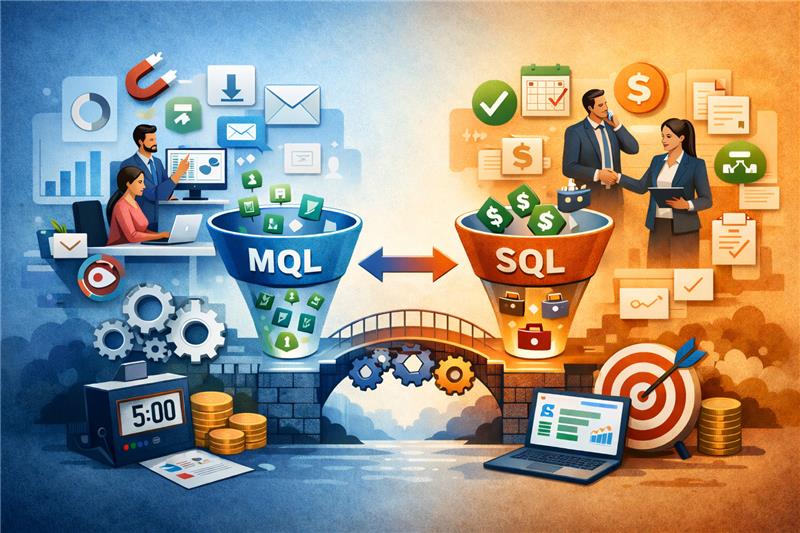
- Aligning Sales and Marketing
The Challenge:
Sales and marketing often operate in silos. When messaging, lead quality, or targeting is misaligned, opportunities slip through the cracks.
How to Overcome It:
- Foster collaboration: Hold regular meetings between sales and marketing teams to review goals and share insights.
- Agree on lead definitions: Ensure both teams understand what a “qualified lead” means.
- Use integrated tools: Platforms like HubSpot or Salesforce can bridge communication gaps and synchronize efforts.
- Managing Buyer Objections
The Challenge:
Common objections — such as “too expensive,” “not the right time,” or “we already have a vendor” — can stall deals indefinitely.
How to Overcome It:
- Listen actively: Understand the real reason behind the objection before responding.
- Use data to counter doubts: Provide evidence, such as ROI metrics or client success stories.
- Stay consultative: Position yourself as a trusted advisor, not just a salesperson.
- Adapting to Digital Transformation
The Challenge:
B2B sales are increasingly digital. From virtual meetings to data-driven decision-making, teams must adapt to new technologies and buyer behaviors.
How to Overcome It:
- Invest in digital tools: CRMs, AI-driven analytics, and automation platforms improve efficiency.
- Train your team: Regular workshops ensure your sales reps stay updated on digital trends.
- Meet buyers where they are: Optimize your online presence, from LinkedIn outreach to personalized email campaigns.
Read Also: Step-by-Step Guide to Implementing Account-Based Marketing (ABM)