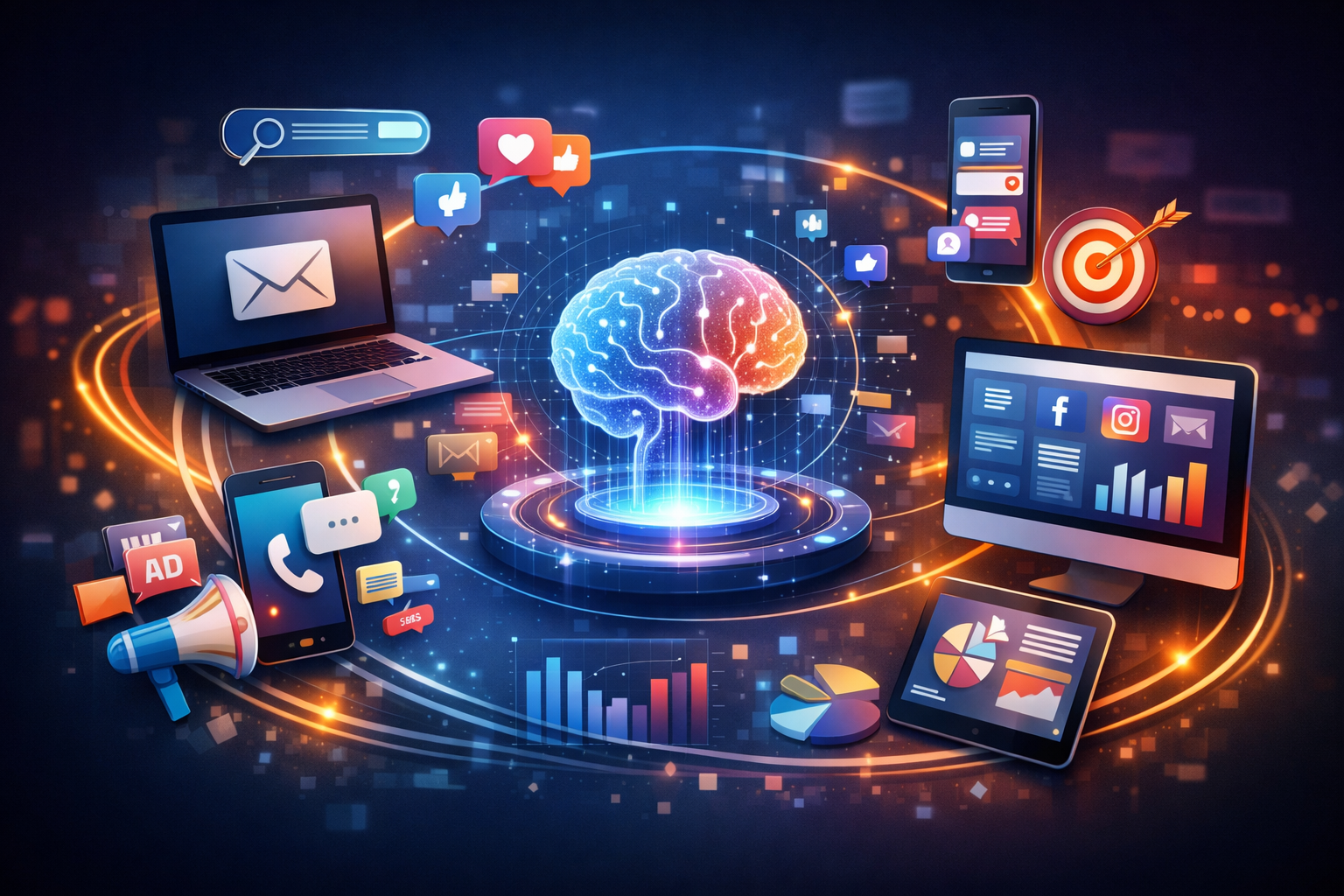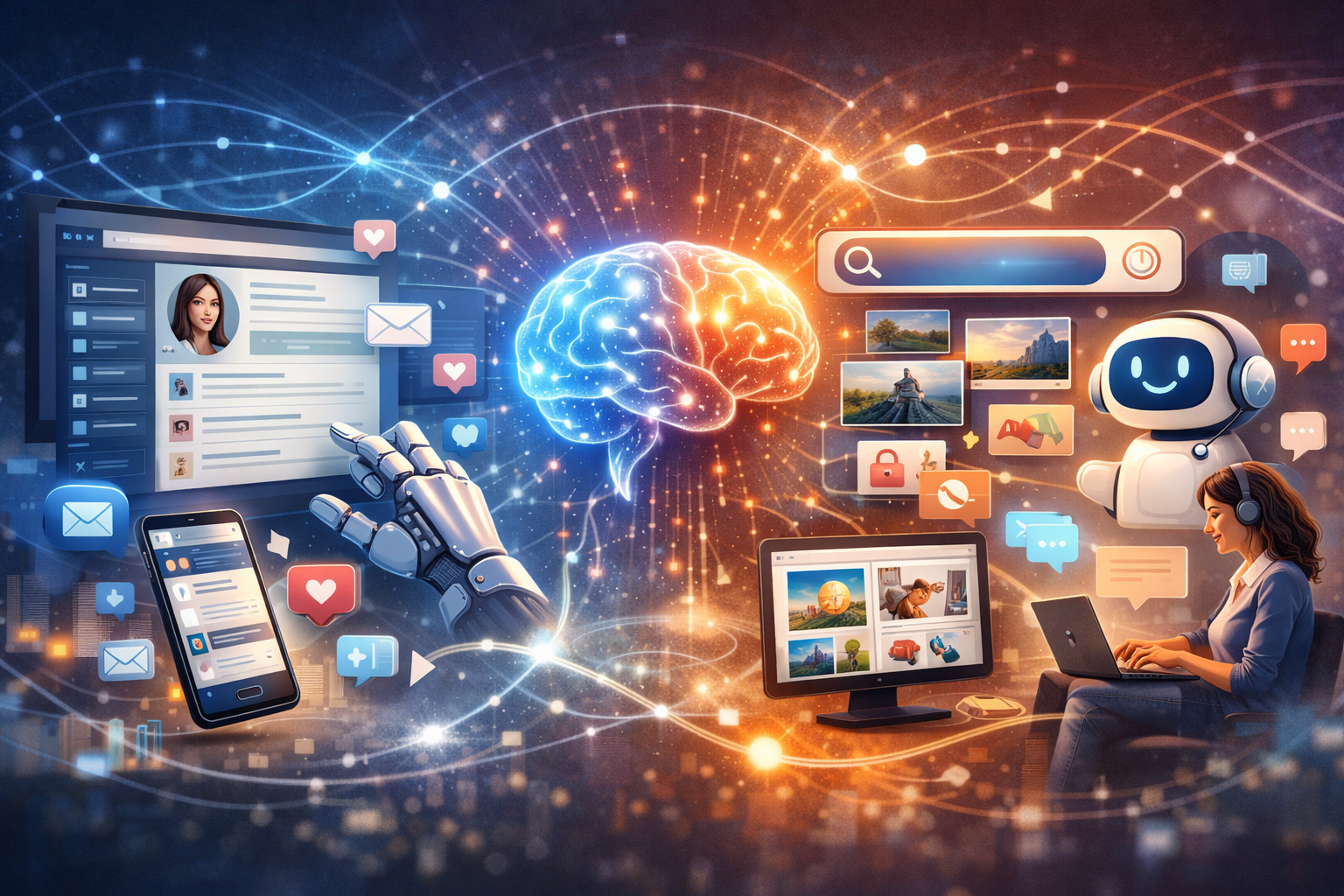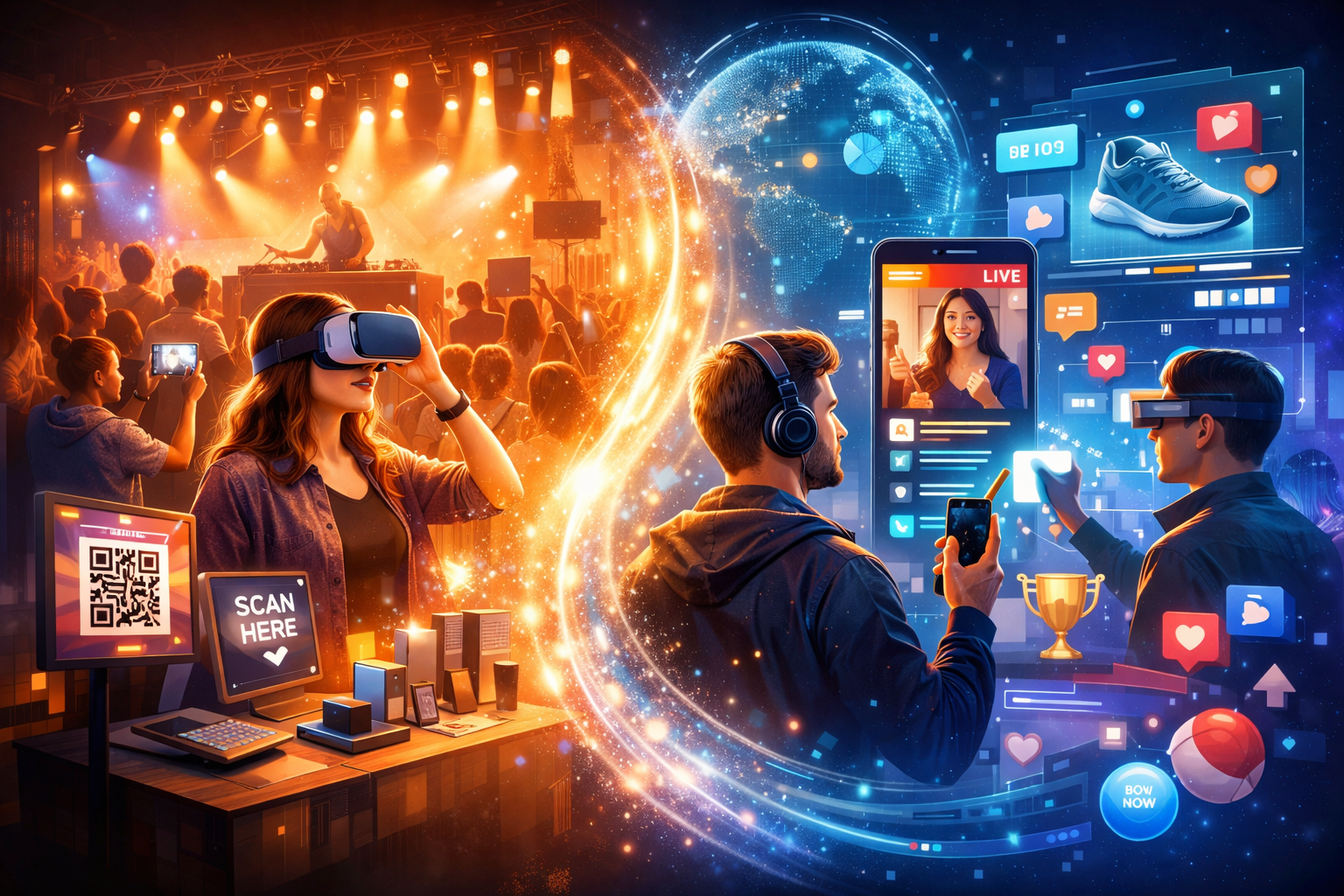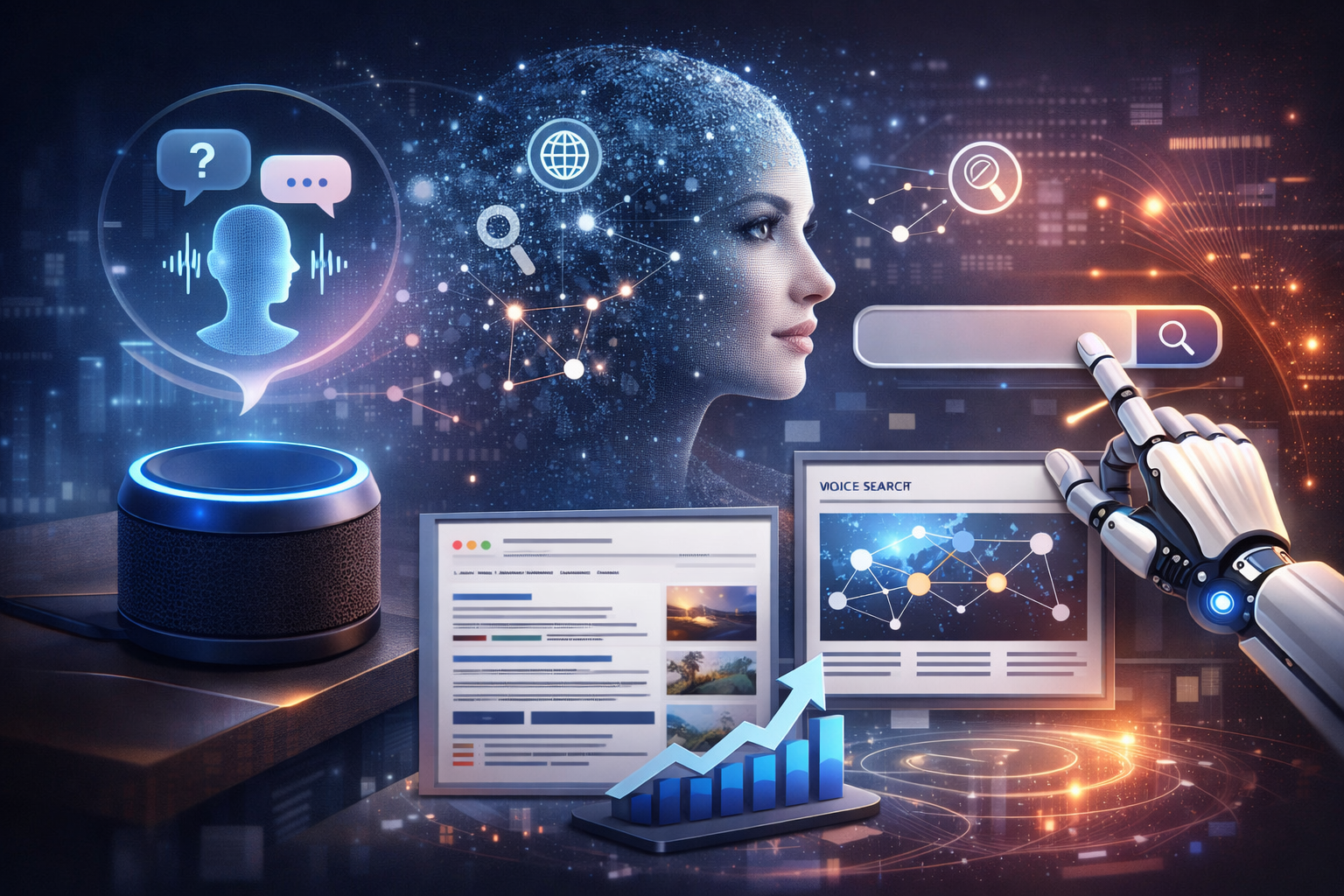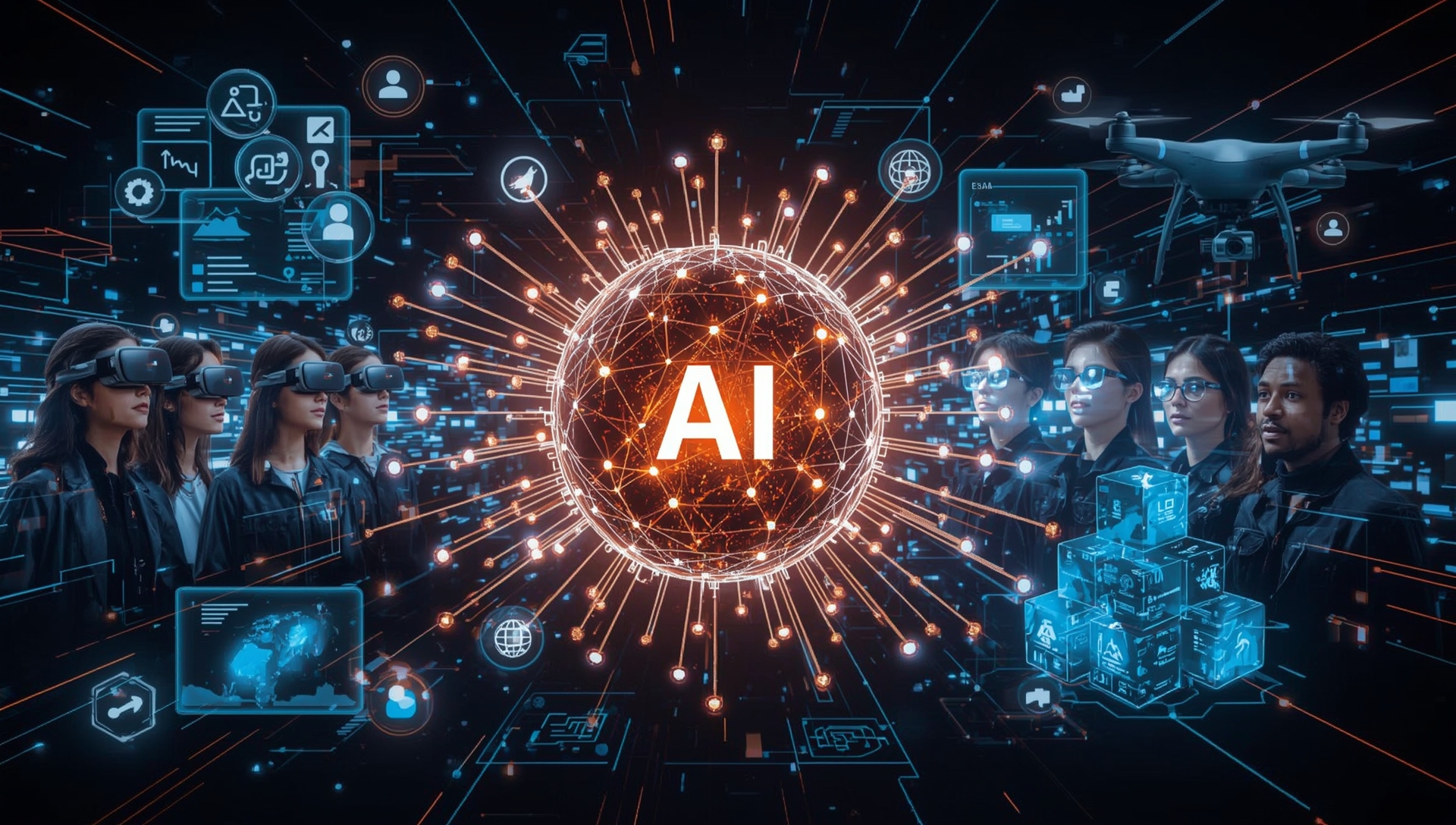

Generative AI has evolved from novelty to strategic imperative in CX—transforming how brands understand, engage, and serve customers. Key benefits include:
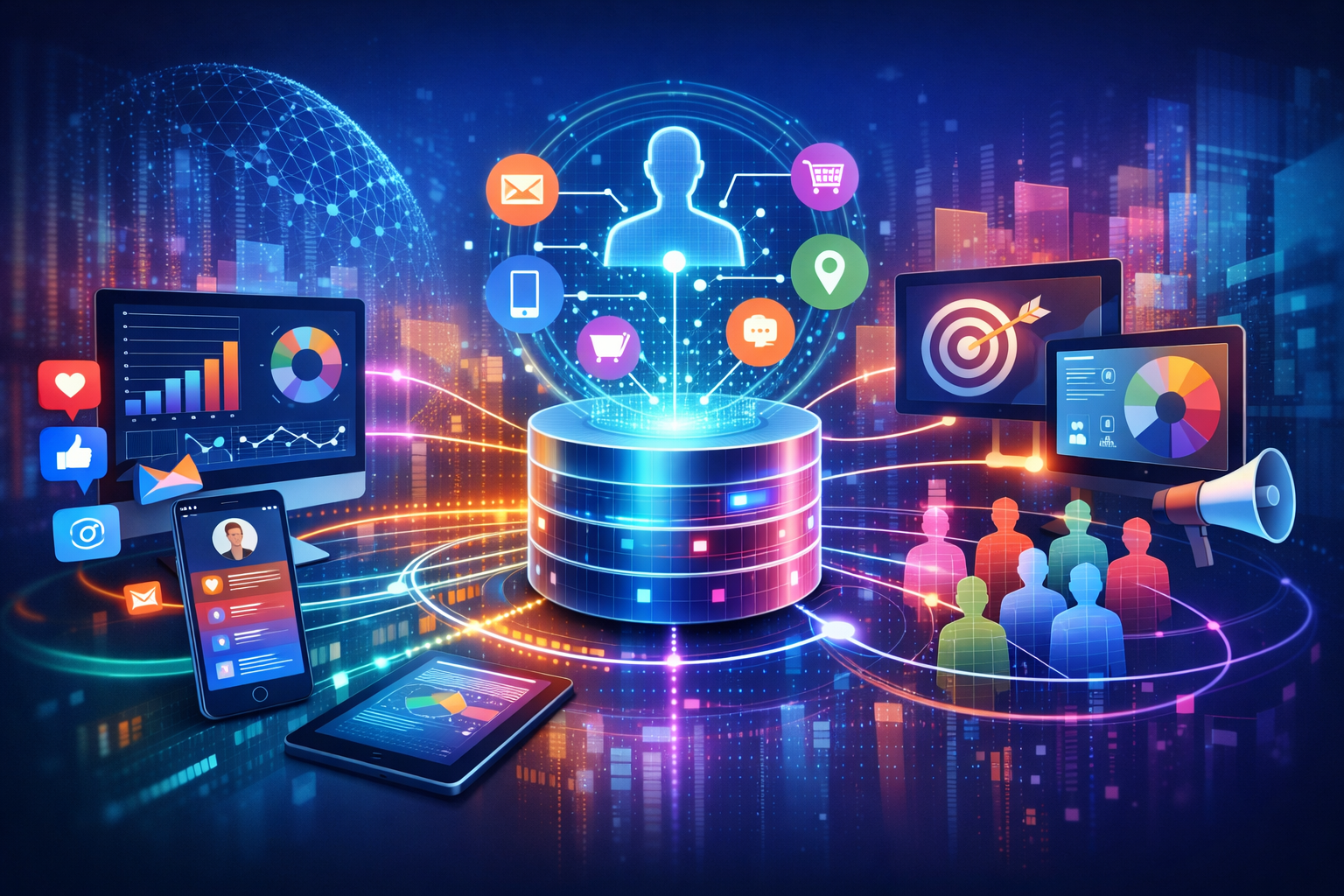
- Hyper-personalization at scale: Real-time content, recommendation, and interaction tailored to individual context and behavior.
- Operational efficiency: GenAI accelerates responses, automates repetitive tasks, and augments human agents with powerful tools.
- Innovative interfaces: Conversational agents, immersive experiences, and visual content creation reshape how customers interact.
Real-World Use Cases and Brand Applications
1. Travel & Retail Personalization
- Booking.com uses GenAI-powered Smart Filters and a Property Q&A tool to simplify travel discovery and support.
- Puma generates lifestyle-aligned product visuals using Imagen 2 on Google Vertex AI, boosting engagement and conversion.
- Reveille offers AI-driven beauty consultations—providing virtual skincare, makeup, haircare suggestions and try-ons.
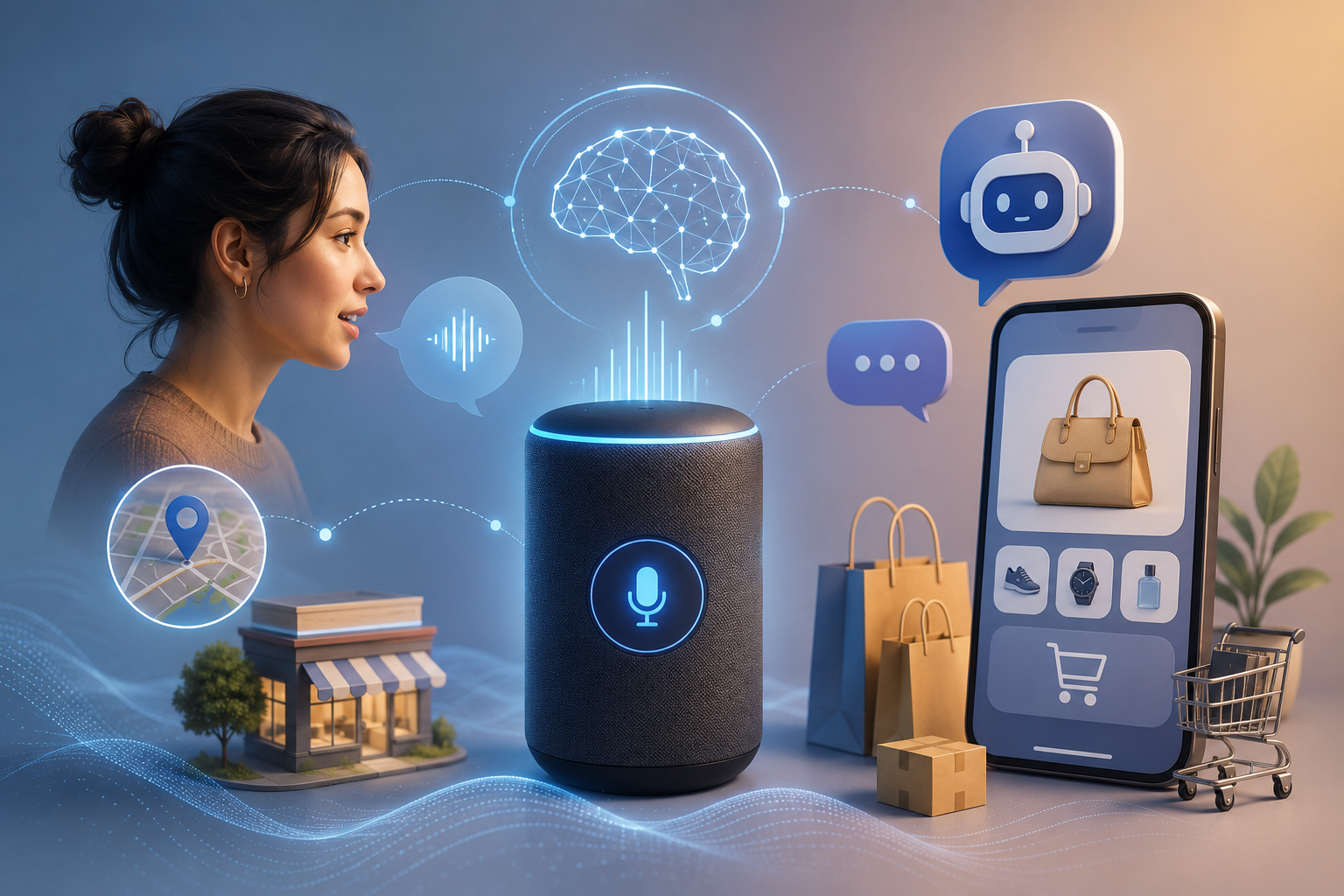
2. Conversational AI & Voice Interfaces
- Retailers now deploy AI shopping agents that can search, compare, and even checkout autonomously. Brands must adapt SEO and product strategies accordingly.
- Contact centers see resurgence in voice, uplifted by AI-driven empathy and efficiency—even in emotionally nuanced contexts. Voice still handles 50–70% of customer interactions.
- Delta’s “Ask Delta” chatbot streamlines flight-related queries. Meanwhile, Hopper employs a GenAI voice agent for routine travel questions.
3. Generative AI in Contact Centers
- Verizon predicts reasons for ~80% of inbound calls, routes them to the right agents, reduces churn, and cuts in-store time—launching multiple GenAI initiatives.
- Deloitte reports that GenAI in call centers can reduce call durations by 3 minutes via features like post-call summaries.
- Across industries, GenAI powers auto-generated replies (50%), QA scoring (45%), knowledge article creation (39%), ACW automation (38%), and sales-specific features like lead-gen and onboarding.
- Comcast’s AMA tool helps agents query an LLM in real time during conversations, saving ~10% time per search-heavy interaction.
4. Creative Content and Marketing
- Coca-Cola’s “Create Real Magic” allowed customers to generate branded artwork using DALL·E, fueling social buzz and asset creation.
- Amarra uses GenAI for dynamic product descriptions in e-commerce, slashing inventory overstock by 40%.
- Intuit (TurboTax) tapped Google Cloud’s Gemini and DocAI to auto-fill tax returns—speeding filings and reducing errors.
- Klarna deployed a GPT-based plugin to handle two-thirds of customer chats, reimagining customer support infrastructure.
5. Enhanced Visuals & Retail Experience
- GenAI powers real-time styling recommendations in retail—display screens, outfit suggestions, AR try-ons, dynamic product copy, and environment-aware merchandising.
- Brands like Walmart and Google are using GenAI to enable hyper-realistic virtual try-ons (VTO), blending AR with personalized visuals.
- Toys “R” Us reemerged with text-to-video content created entirely via
Strategic Benefits & Emerging Trends
- Deep personalization: GenAI analyzes behavior and preferences to tailor experiences—from messaging and recommendations to visuals and interfaces.
- Efficiency gains: Automating answers, summaries, FAQs—even agent support—makes operations leaner, faster, and consistent.
- Insight-driven decisions: Sentiment analysis, proactive segmentation, churn prediction, and optimized marketing are powered by GenAI insights.
A Reddit-cited Capgemini study shows 71% of consumers now want GenAI in shopping, with Gen Z and Millennials leading demand—and 58% using GenAI for recommendations over traditional search.
Risks and Ethical Considerations
- Trust & transparency: With agentic AI making decisions autonomously, opacity and fairness remain top concerns. Explainable AI and human oversight are essential.
- Adoption challenges: MIT study finds 95% of enterprises saw limited ROI due to infrastructure and data readiness issues.
- Real-world friction: Taco Bell’s AI drive-through rollout experienced customer frustration and glitches. Human fallback strategies proved vital.
Read Also: From Data to Decisions: Leveraging Predictive Analytics