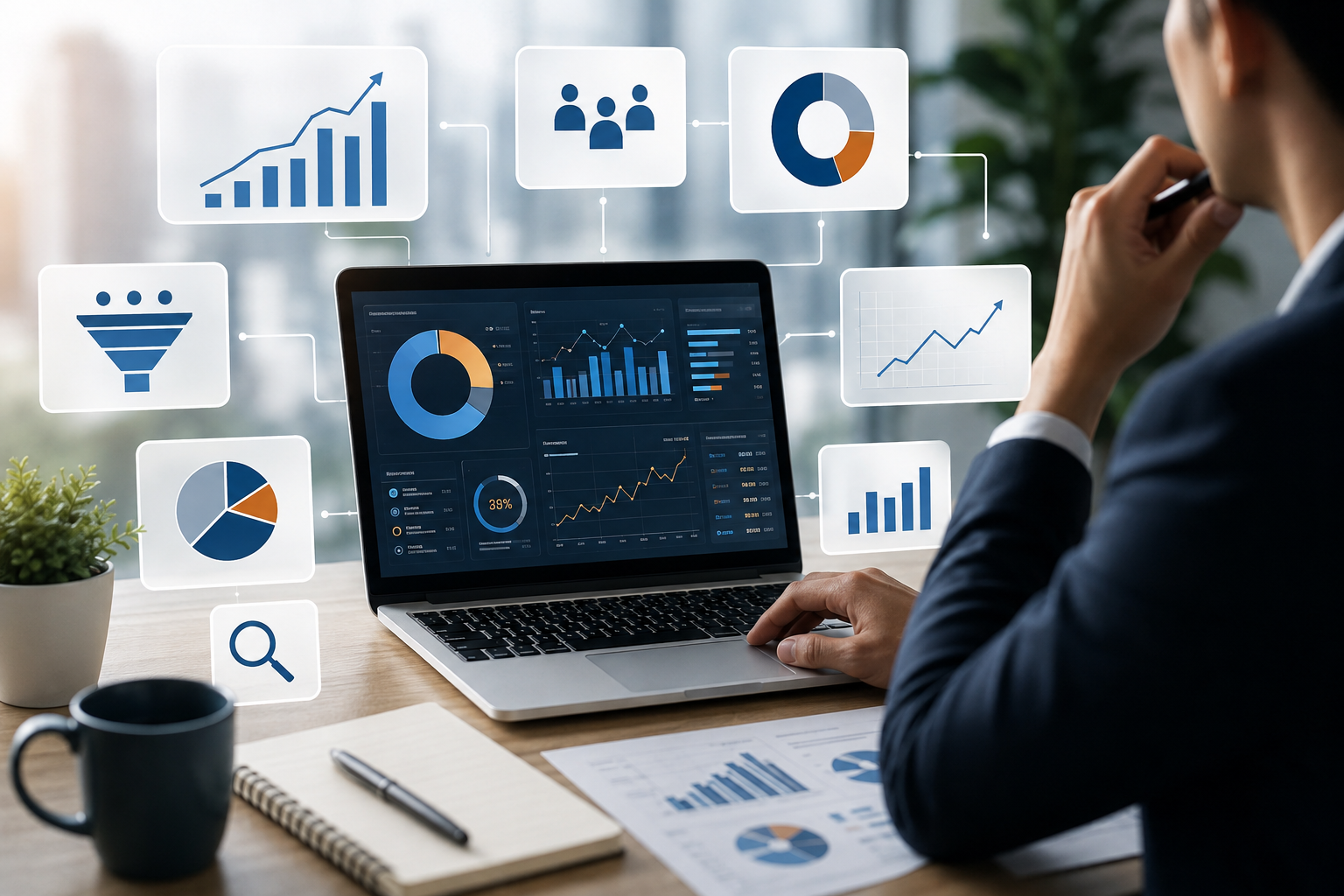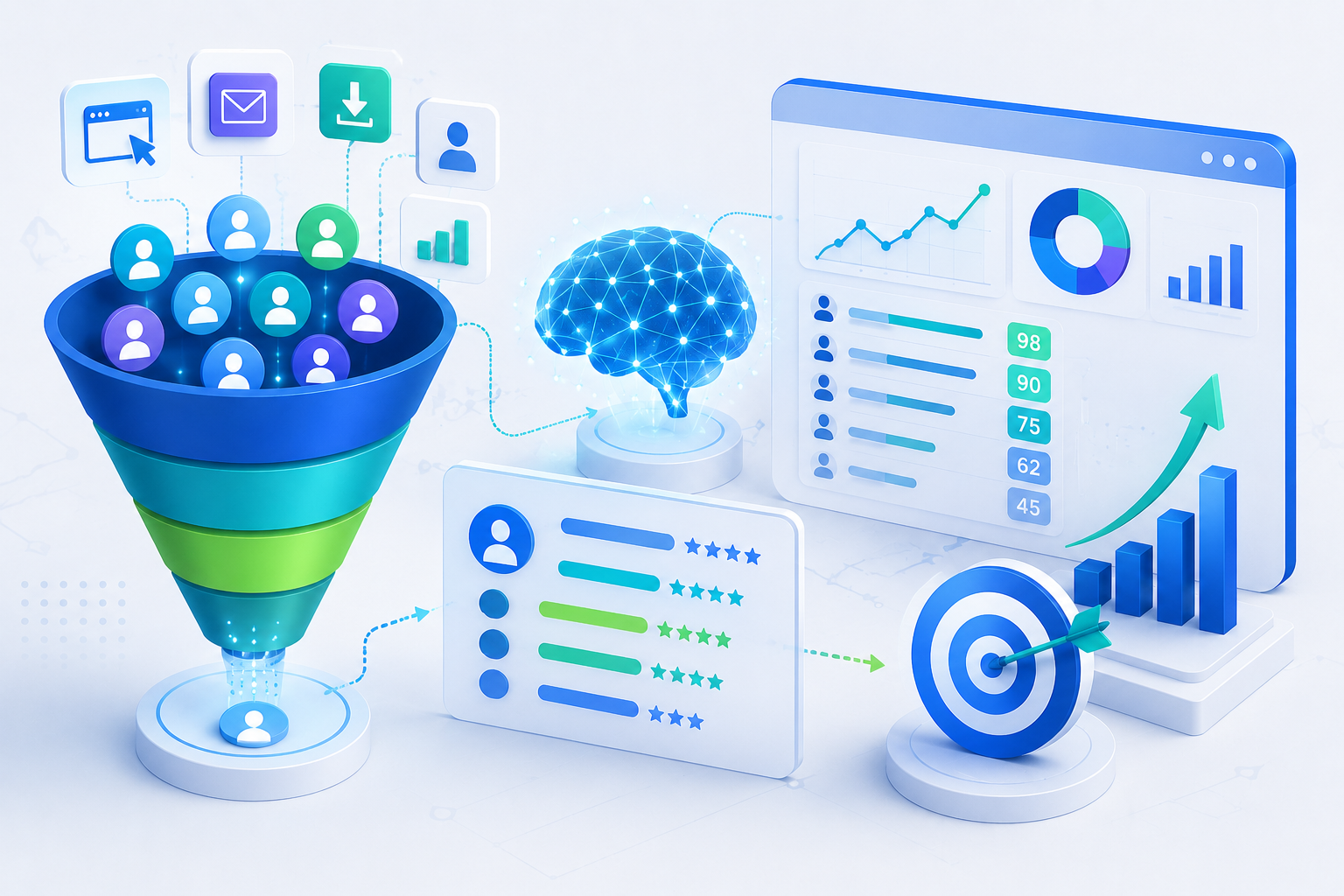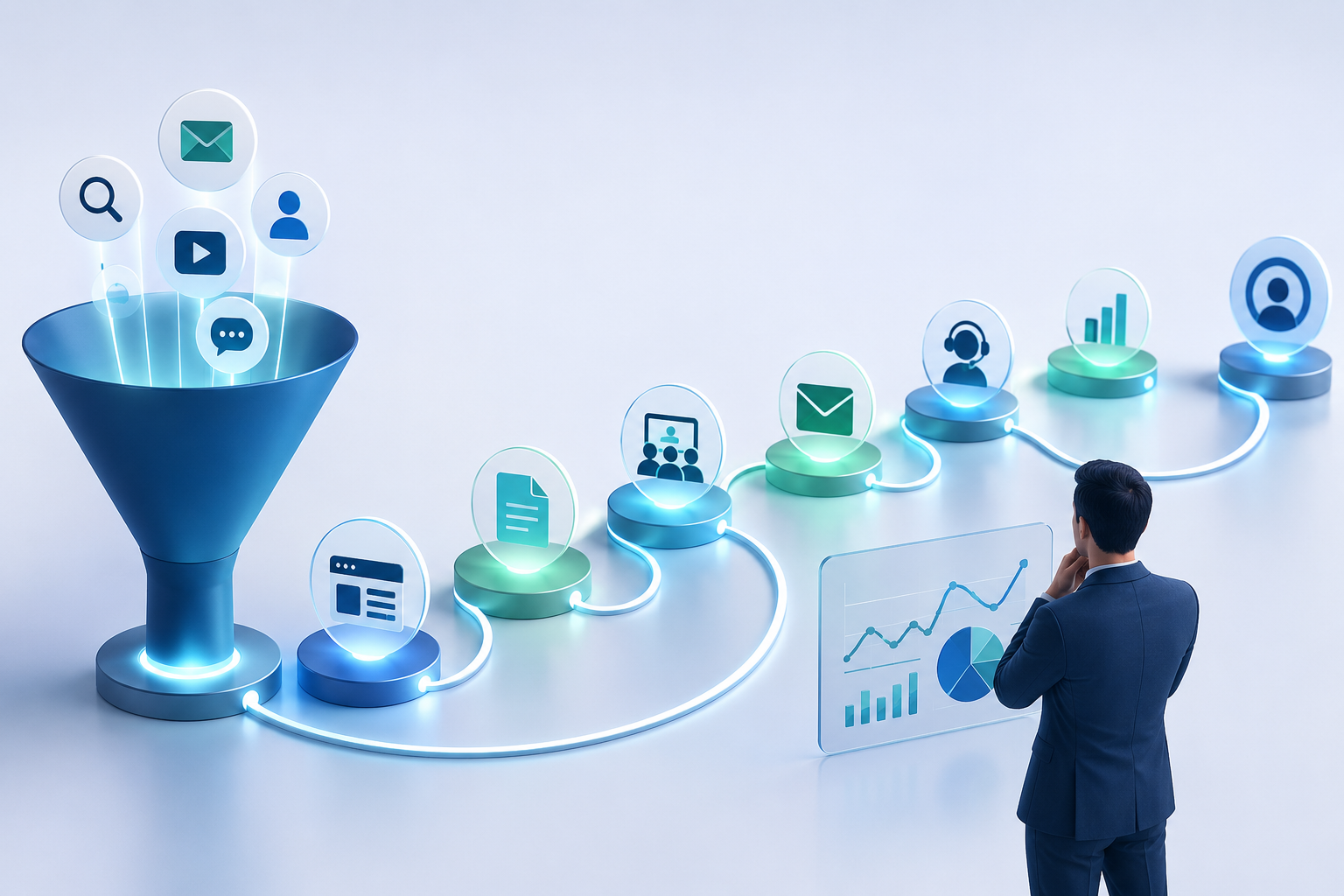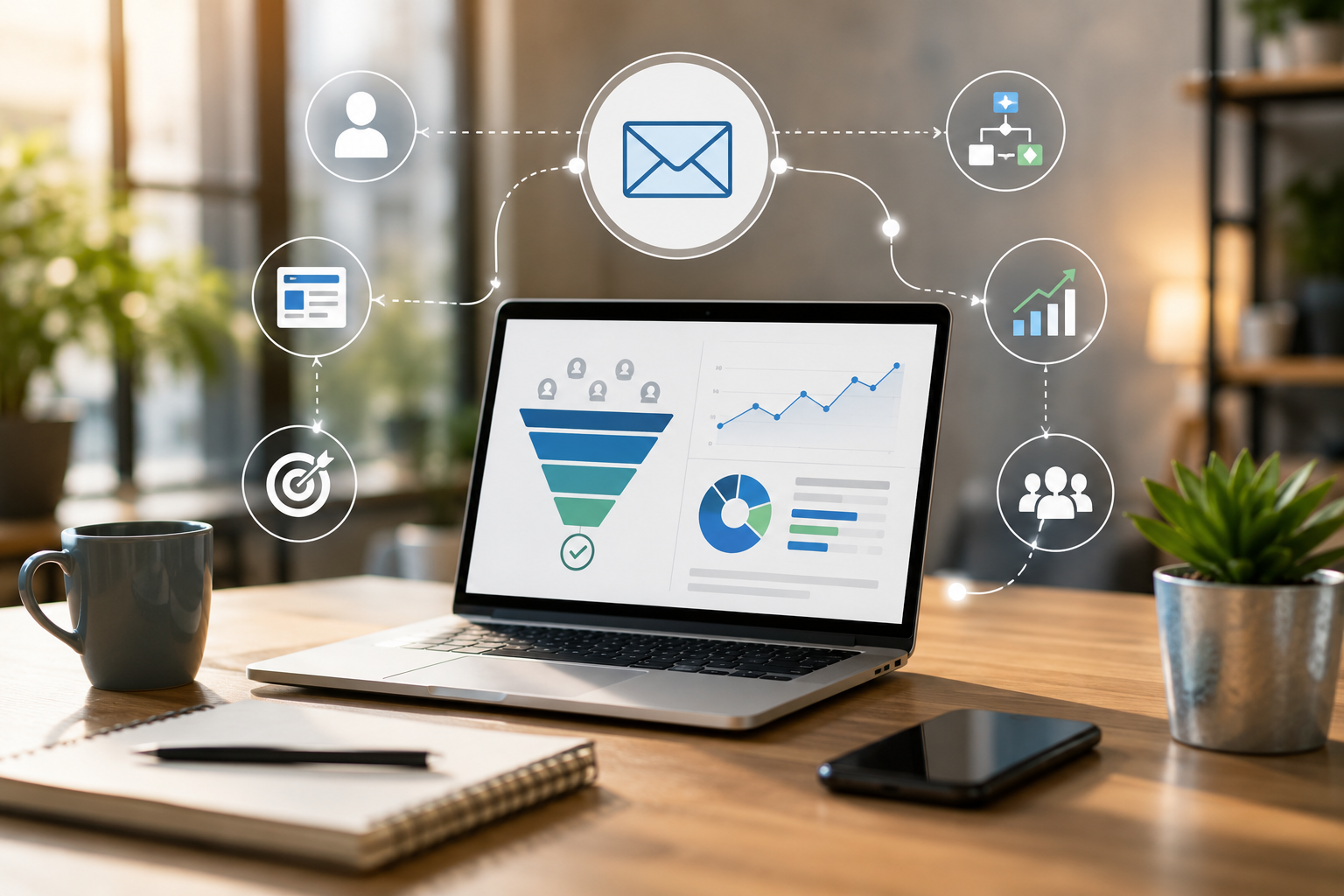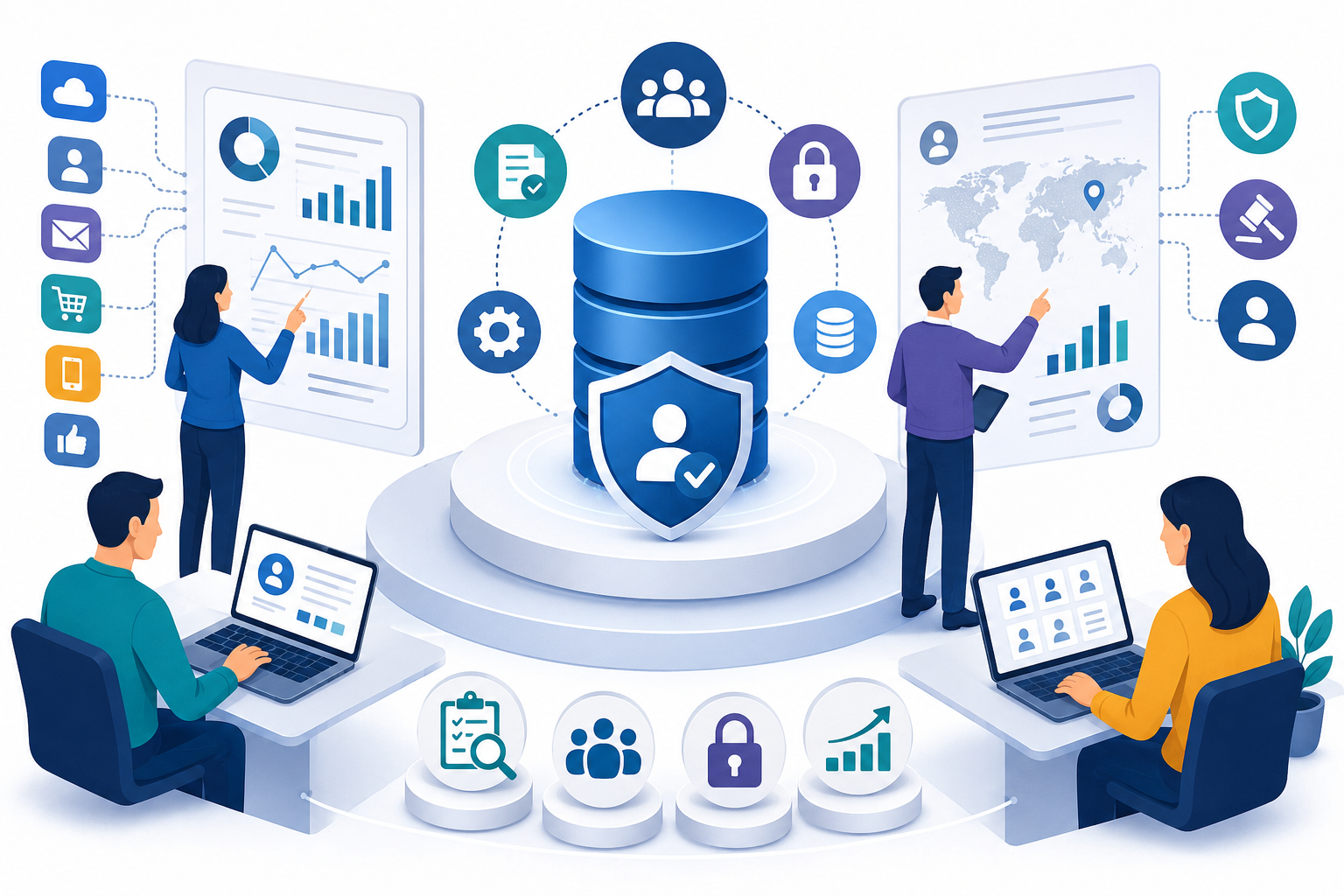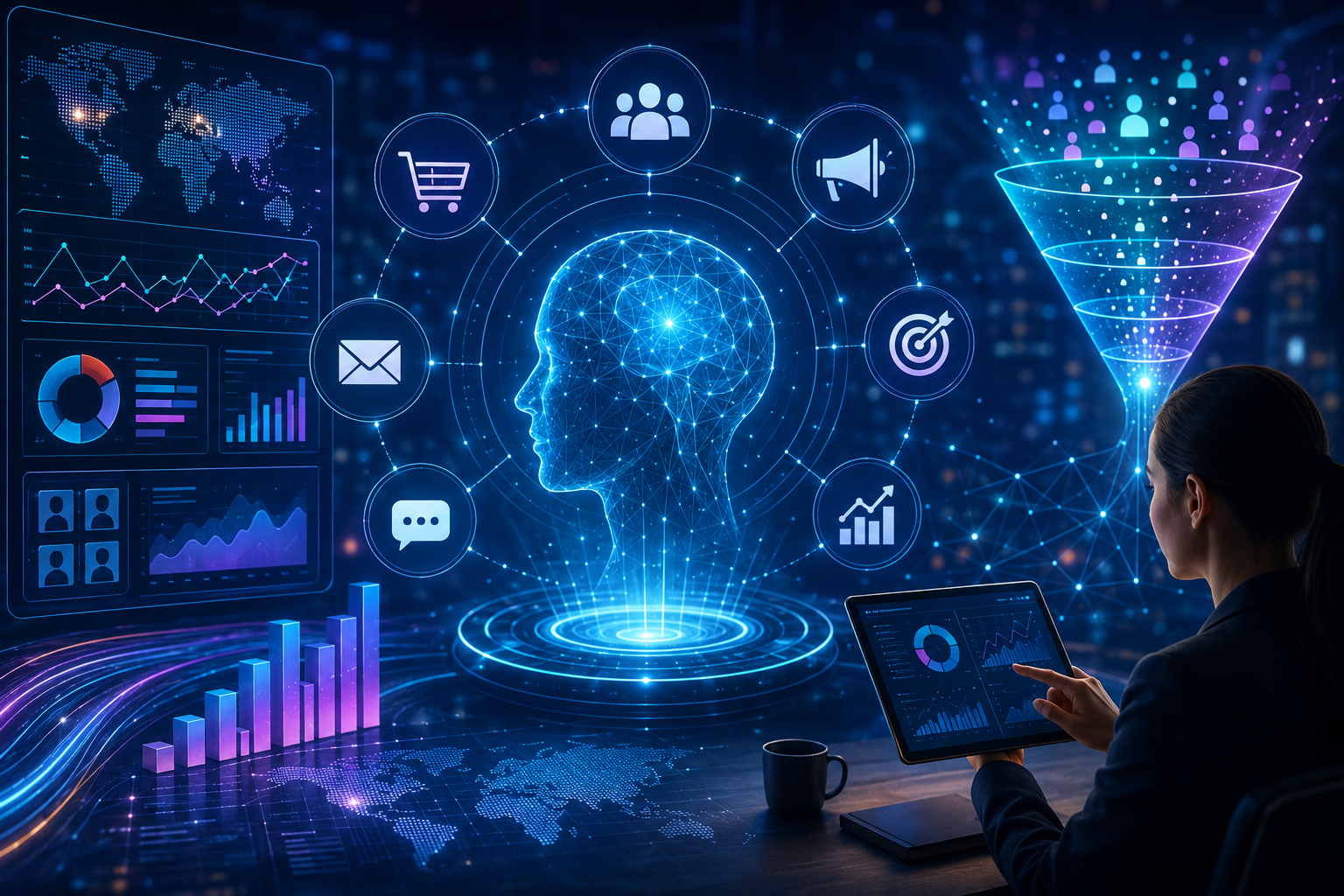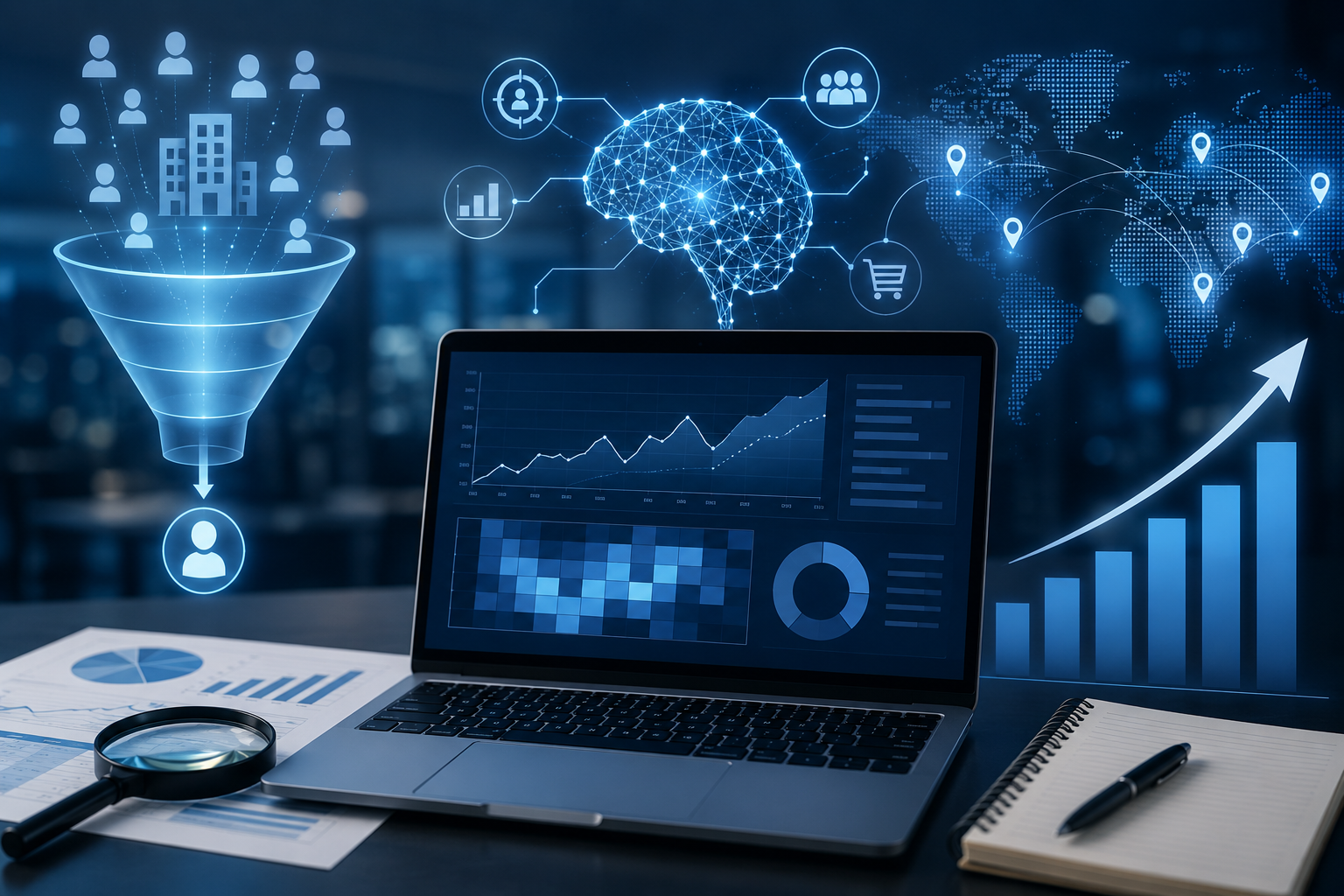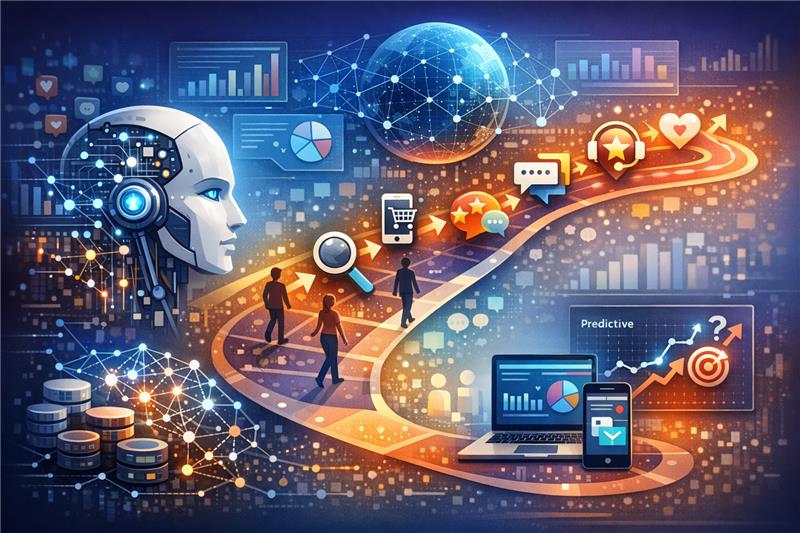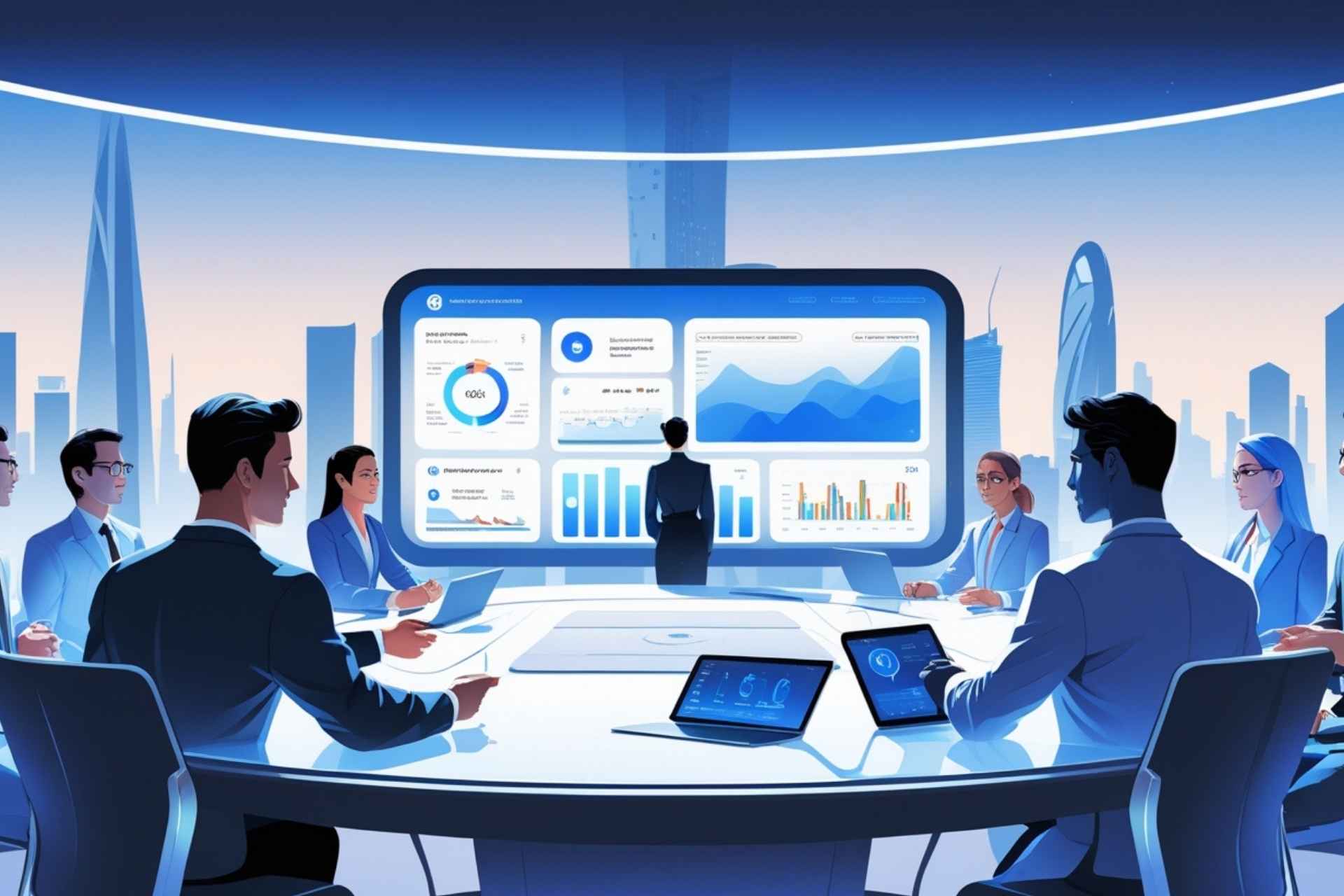

In today’s data-driven world, organizations are no longer content with simply understanding what has happened in the past—they want to know what will happen next. This shift has given rise to predictive analytics, a discipline that combines historical data, statistical algorithms, and machine learning techniques to forecast future outcomes. By transforming raw data into actionable foresight, predictive analytics empowers businesses to make smarter, faster, and more confident decisions.
What is Predictive Analytics?
Predictive analytics goes beyond traditional data analysis. Instead of just describing past events, it identifies patterns and relationships within datasets and applies models to anticipate future trends. From predicting customer behavior to assessing risks, predictive analytics bridges the gap between raw data and strategic action.
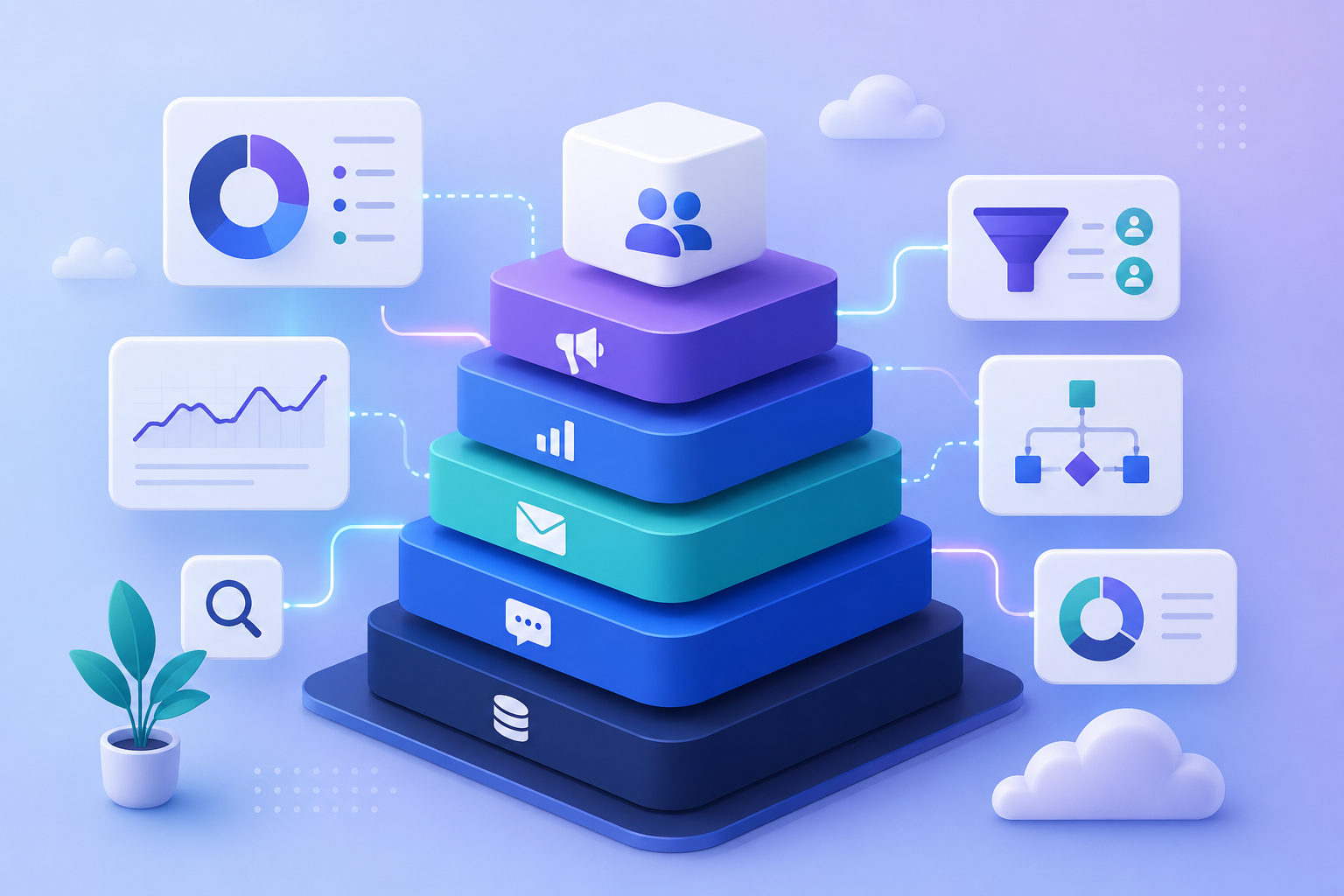
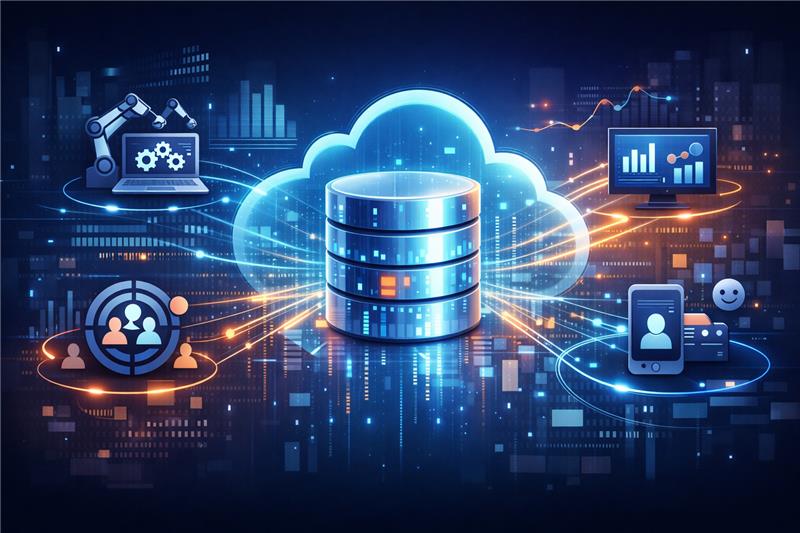
At its core, predictive analytics involves three key components:
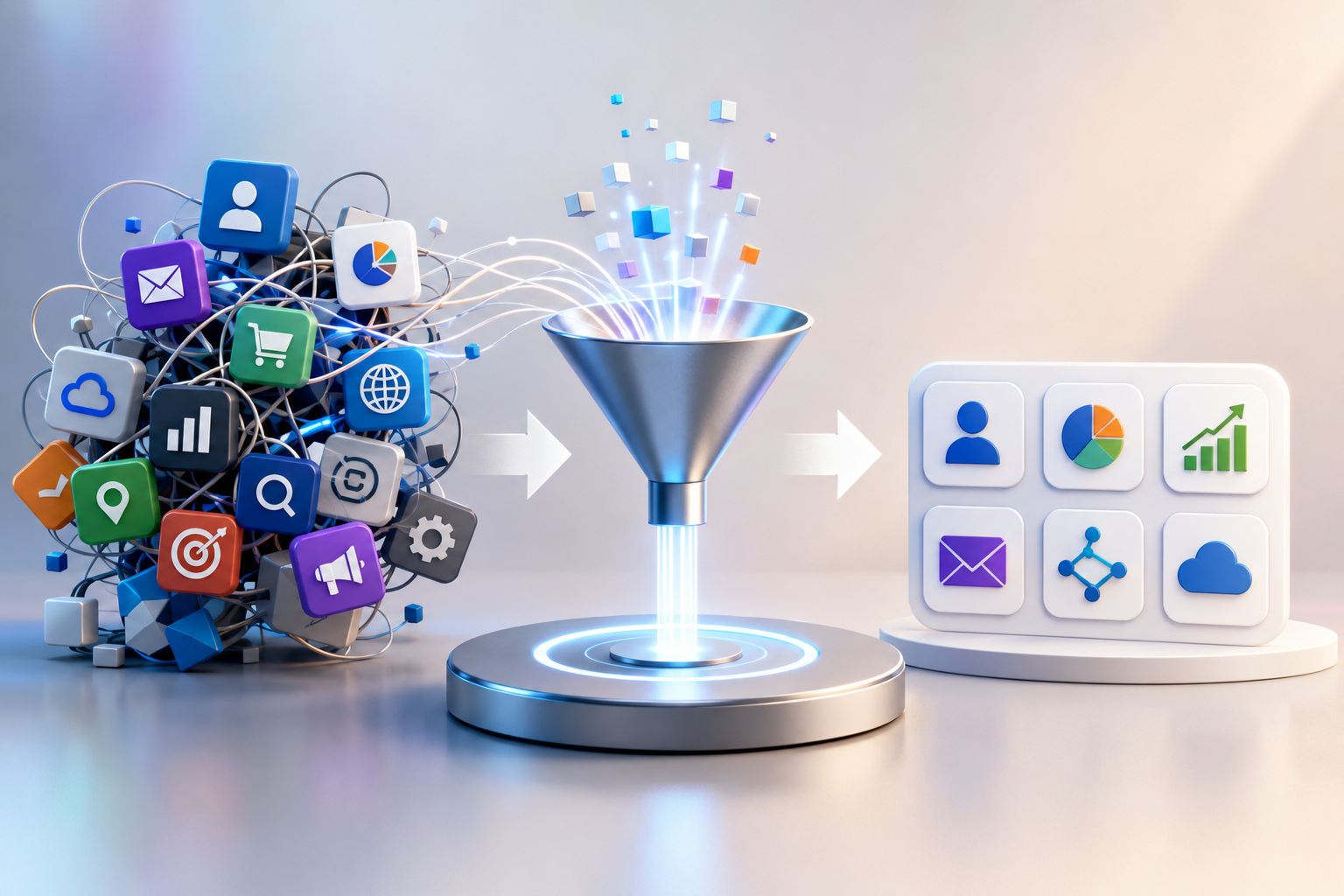
- Data Collection and Preparation – Gathering structured and unstructured data, cleaning it, and ensuring quality.
- Modeling – Using statistical methods, machine learning algorithms, or AI-driven techniques to find patterns.
- Deployment and Decision-Making – Integrating predictions into business workflows to guide decisions.
Why Predictive Analytics Matters
Organizations that adopt predictive analytics gain a competitive advantage by making proactive decisions rather than reactive ones. Key benefits include:
- Improved Forecasting – Businesses can predict demand, market shifts, and resource needs with greater accuracy.
- Enhanced Customer Insights – Companies can anticipate customer preferences and personalize experiences.
- Risk Mitigation – Predictive models help identify fraud, equipment failures, or financial risks before they escalate.
- Operational Efficiency – Anticipating supply chain disruptions or inventory shortages reduces waste and costs.
Real-World Applications
Predictive analytics is no longer confined to research labs—it is shaping industries worldwide:
- Healthcare – Predicting disease outbreaks, patient readmission risks, and treatment effectiveness.
- Finance – Detecting fraudulent transactions, forecasting stock trends, and assessing credit risks.
- Retail – Anticipating consumer demand, optimizing pricing, and tailoring marketing campaigns.
- Manufacturing – Predicting equipment failures, ensuring quality control, and optimizing supply chains.
Challenges to Overcome
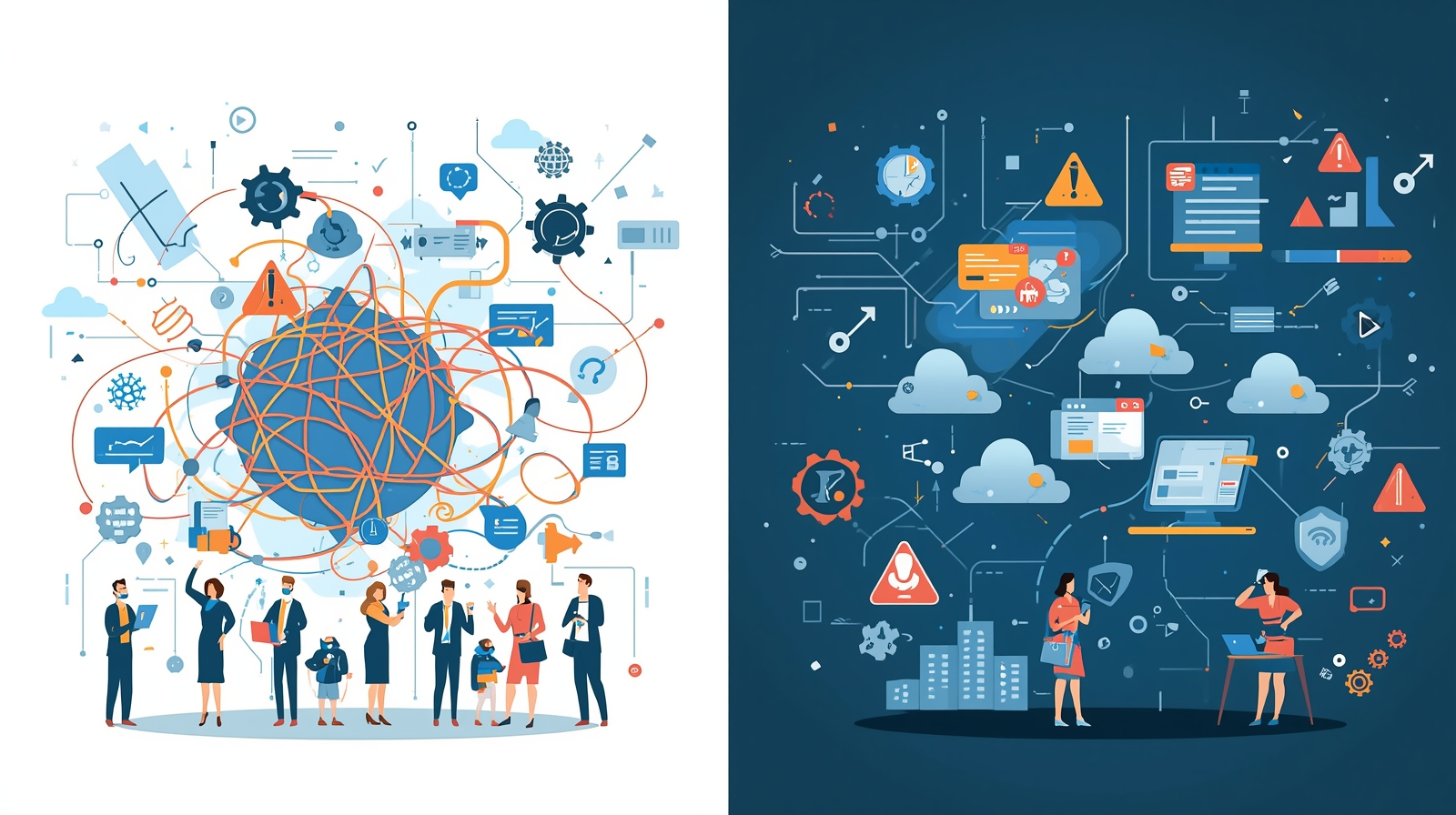
Despite its promise, predictive analytics is not without hurdles:
- Data Quality Issues – Poor or incomplete data can undermine accuracy.
- Model Bias – Algorithms may reflect existing biases in data, leading to flawed predictions.
- Integration Difficulties – Aligning predictive models with legacy systems and workflows can be complex.
- Skill Gaps – Organizations often struggle to find data science expertise to implement and interpret models.
The Future of Predictive Analytics
As artificial intelligence continues to advance, predictive analytics is evolving into prescriptive analytics, which not only predicts outcomes but also recommends actions. With increasing adoption of real-time data, edge computing, and explainable AI, predictive insights will become more transparent, accessible, and embedded in daily decision-making.
Conclusion
Predictive analytics is more than a technological trend—it is a strategic capability that turns uncertainty into opportunity. By moving from hindsight to foresight, organizations can align their decisions with future possibilities, gaining resilience and agility in an unpredictable world.