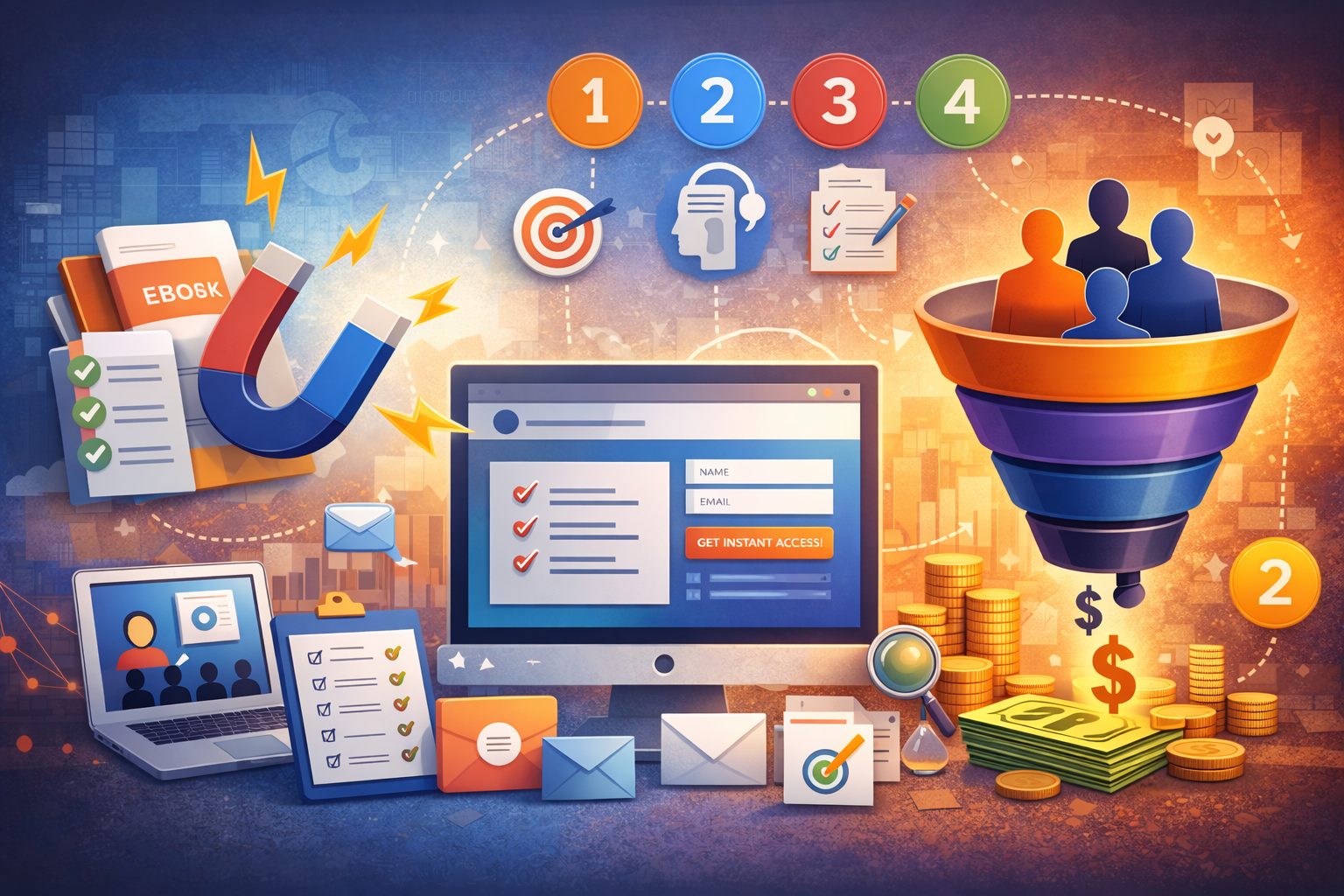

In the age of digital transformation, customer data has become one of the most valuable assets for businesses. With rising concerns around privacy, stricter regulations like GDPR and CCPA, and increasing mistrust toward third-party tracking, organizations are being forced to rethink how they collect and leverage data. This is where zero-party data emerges as a powerful solution.
What is Zero-Party Data?
Zero-party data refers to information that customers willingly and proactively share with a brand. Unlike first-party data (behavioral data collected through interactions) or third-party data (purchased from external sources), zero-party data comes directly from the consumer. It can include preferences, purchase intentions, feedback, or personal context provided via surveys, quizzes, or preference centers.
Why It Matters More Than Ever
- Privacy-First Approach: As privacy concerns grow, consumers are more aware and protective of their personal information. Zero-party data builds trust by ensuring transparency and consent.
- Regulatory Compliance: With laws tightening around data usage, businesses can reduce risk by relying on voluntarily provided data that complies with regulations.
- Personalization with Integrity: Instead of guessing what customers want, brands can deliver hyper-personalized experiences based on information users willingly share.
- Strengthening Customer Relationships: Asking customers directly about their needs fosters trust and loyalty. It creates a two-way relationship instead of one-sided surveillance.
- Future-Proof Marketing: With third-party cookies phasing out, zero-party data becomes a sustainable foundation for customer engagement strategies.
How Brands Can Collect Zero-Party Data
- Interactive Content: Quizzes, polls, and surveys allow customers to share preferences in exchange for value.
- Loyalty Programs: Rewarding customers for sharing their insights can encourage deeper engagement.
- Preference Centers: Allowing customers to set communication preferences ensures relevance.
- Gamification: Engaging experiences encourage customers to share insights while enjoying the process.
The Road Ahead
As the digital landscape evolves, zero-party data will be a cornerstone of ethical, effective, and future-ready marketing. Businesses that embrace it will not only comply with privacy regulations but also build stronger, trust-based relationships with their customers.
In an era where transparency and personalization are paramount, zero-party data is no longer optional—it’s essential.