
In the evolving landscape of B2B marketing, one approach has rapidly gained traction and is reshaping the way businesses connect with high-value clients: Account-Based Marketing (ABM). As traditional lead generation tactics become less effective in driving meaningful engagement and ROI, B2B marketers are increasingly adopting ABM to build personalized, long-term relationships with their most promising accounts.
What Is Account-Based Marketing?
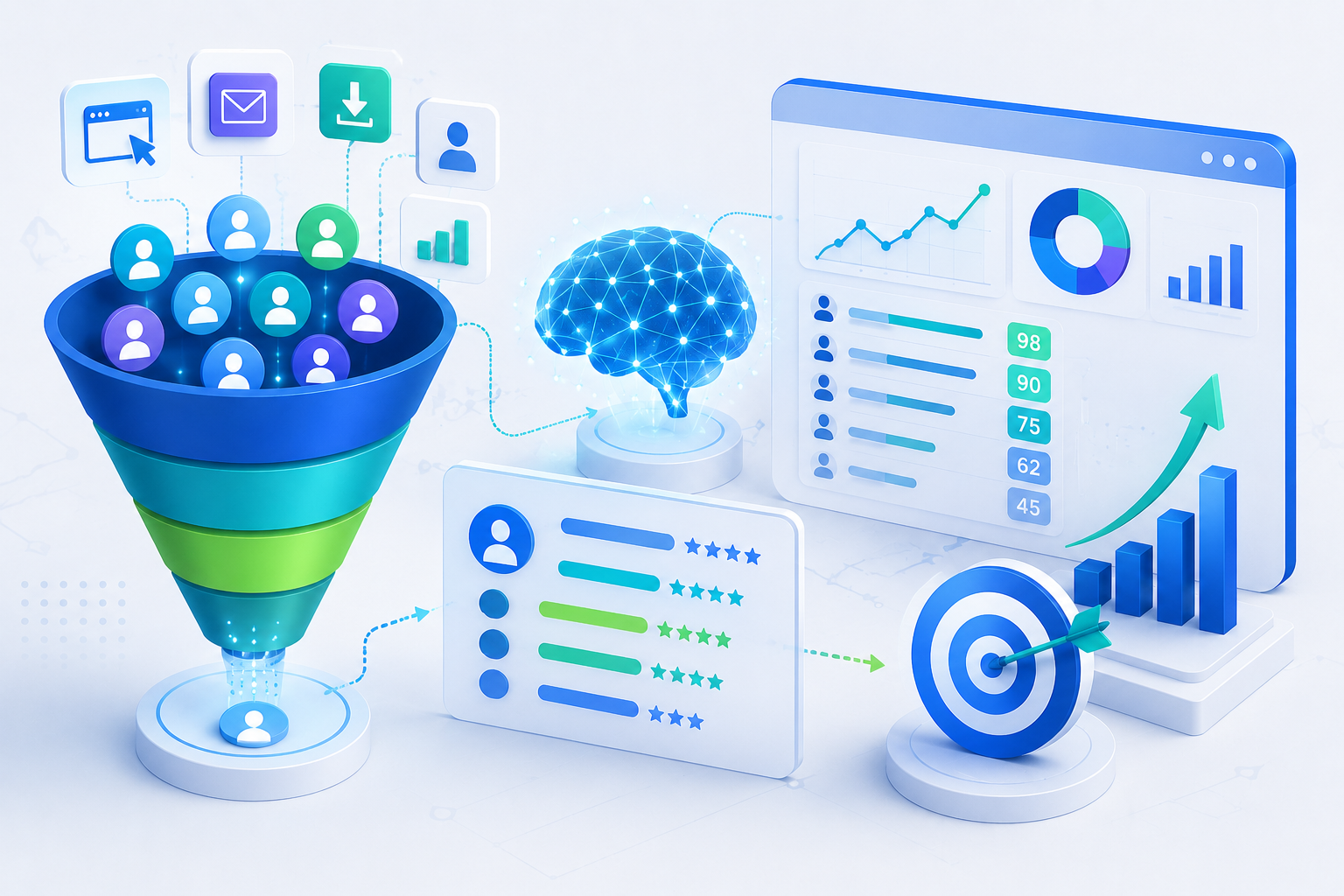
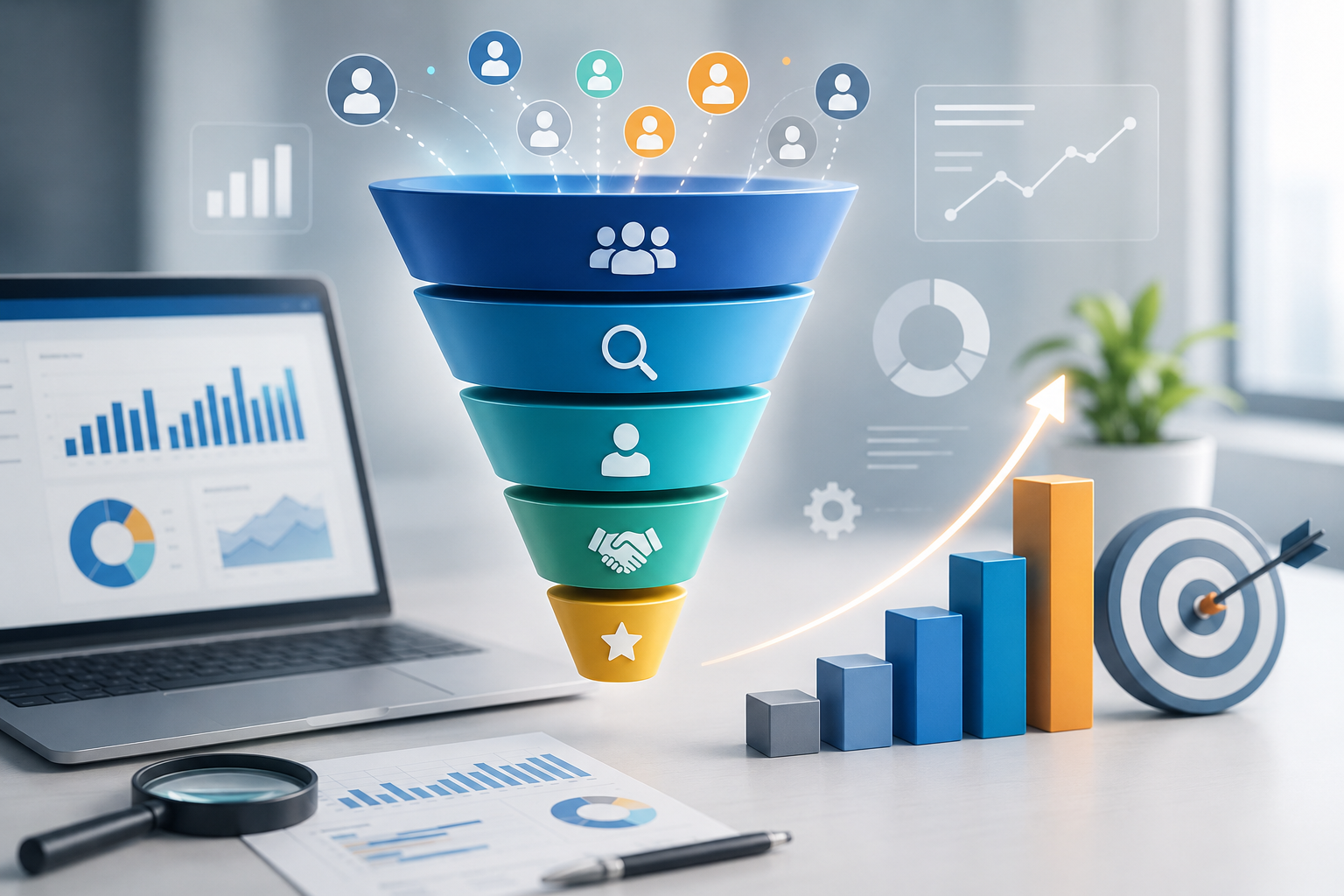
Account-Based Marketing is a strategic approach that focuses marketing and sales efforts on a clearly defined set of target accounts, often key decision-makers within specific companies. Unlike traditional inbound marketing that casts a wide net to attract leads, ABM is highly focused, personalized, and collaborative between marketing and sales teams.
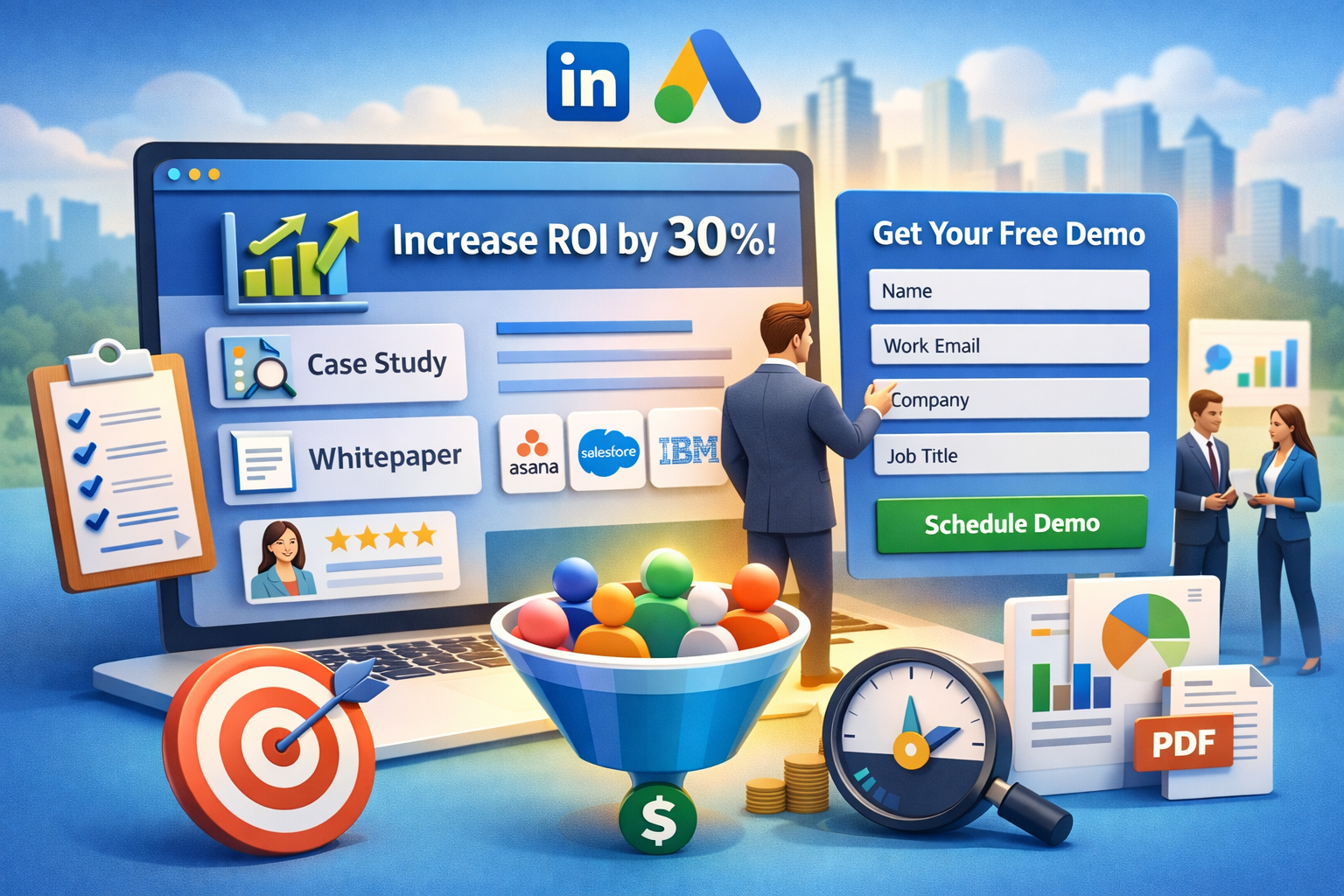
ABM involves tailoring campaigns to individual accounts based on their needs, pain points, and organizational structure. This often includes customized content, direct outreach, and multichannel strategies designed to build trust and accelerate deal velocity.
Why the Shift to ABM?
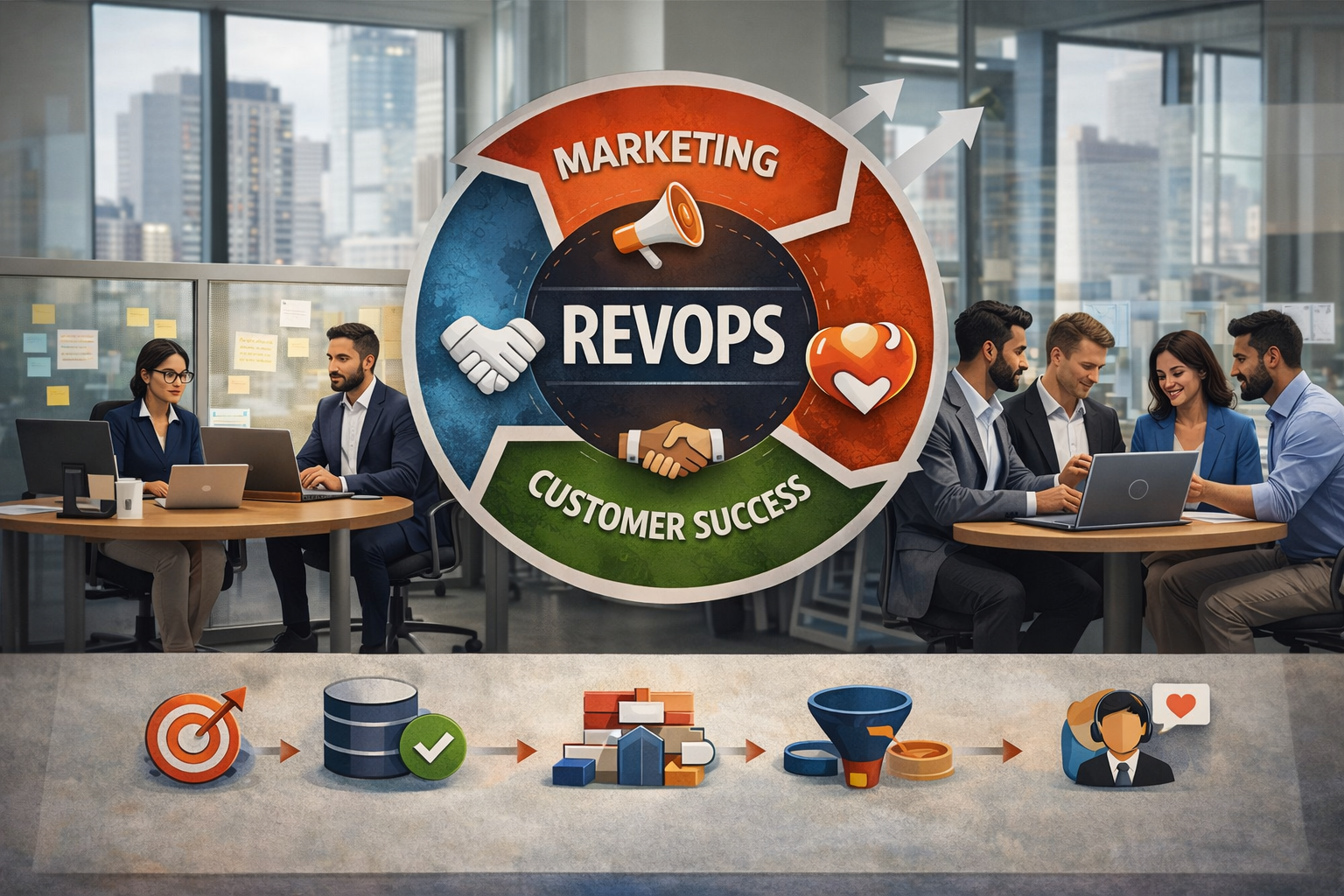
1. Better Alignment Between Sales and Marketing
ABM fosters close collaboration between marketing and sales teams. With shared goals, target account lists, and aligned messaging, teams are better equipped to move prospects through the pipeline with precision and purpose.
2. Higher ROI
According to ITSMA, 87% of marketers who measure ROI say ABM outperforms other marketing investments. By concentrating resources on high-value accounts, businesses can generate more substantial returns compared to broad-based campaigns.
3. Increased Personalization
Today’s B2B buyers expect tailored experiences. ABM allows marketers to create hyper-personalized content that speaks directly to the needs of each account, improving engagement and trust.
4. Efficiency in Targeting
ABM reduces wasted marketing spend by focusing only on accounts that matter most. This precision leads to shorter sales cycles, higher conversion rates, and stronger customer relationships.
5. Better Metrics and Attribution
With ABM, marketers can track engagement at the account level rather than individual leads. This enables more accurate measurement of campaign effectiveness and clearer attribution of marketing efforts to revenue.
Types of ABM Strategies
There are generally three tiers of ABM strategies:
- One-to-One (Strategic ABM): Highly personalized campaigns for individual high-value accounts.
- One-to-Few (ABM Lite): Customized campaigns targeting small clusters of similar accounts.
- One-to-Many (Programmatic ABM): Broader campaigns personalized through automation and technology for hundreds or thousands of accounts.
Read Also: How B2B Brands Use CRM to Boost Loyalty
Tools and Technologies Enabling ABM
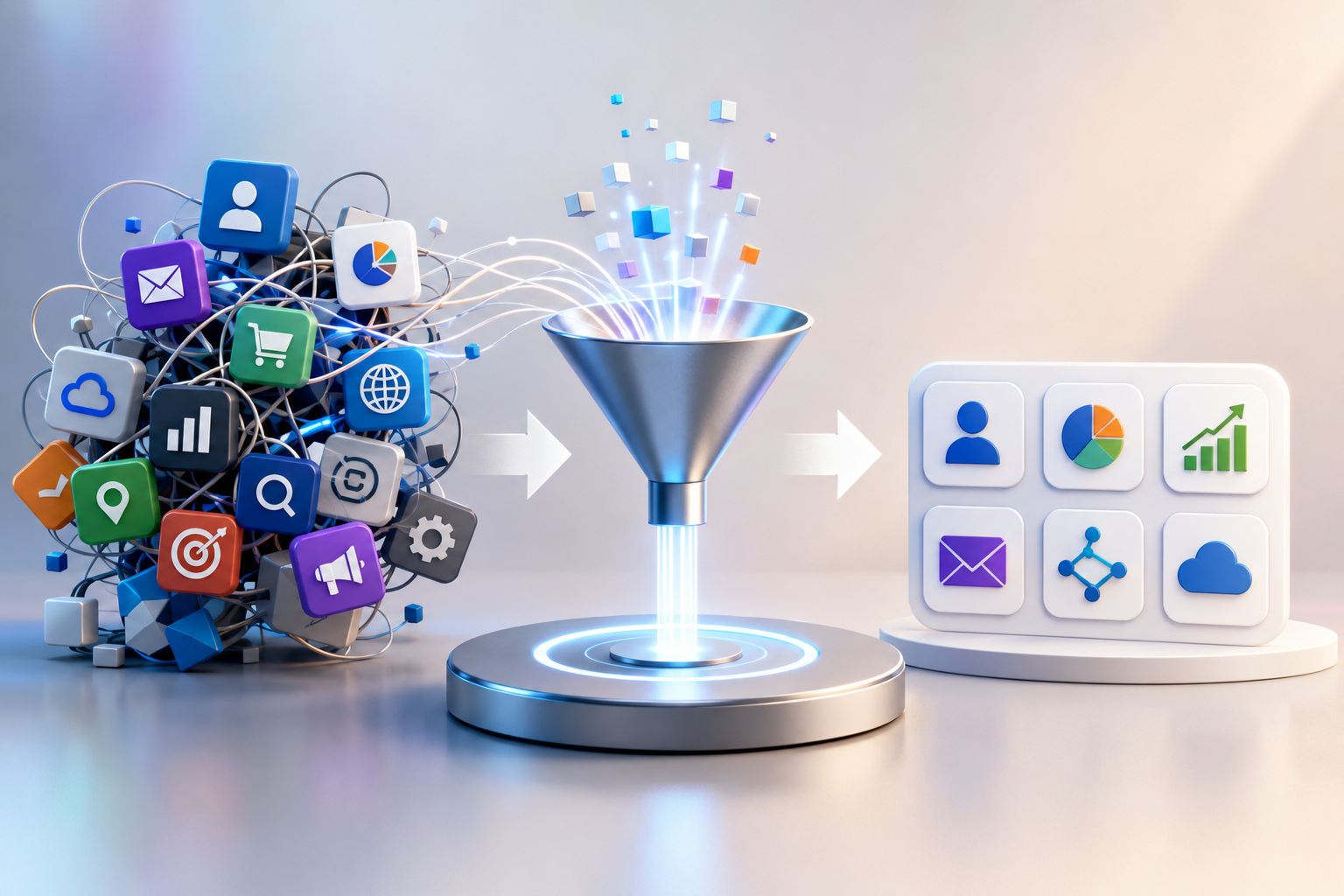
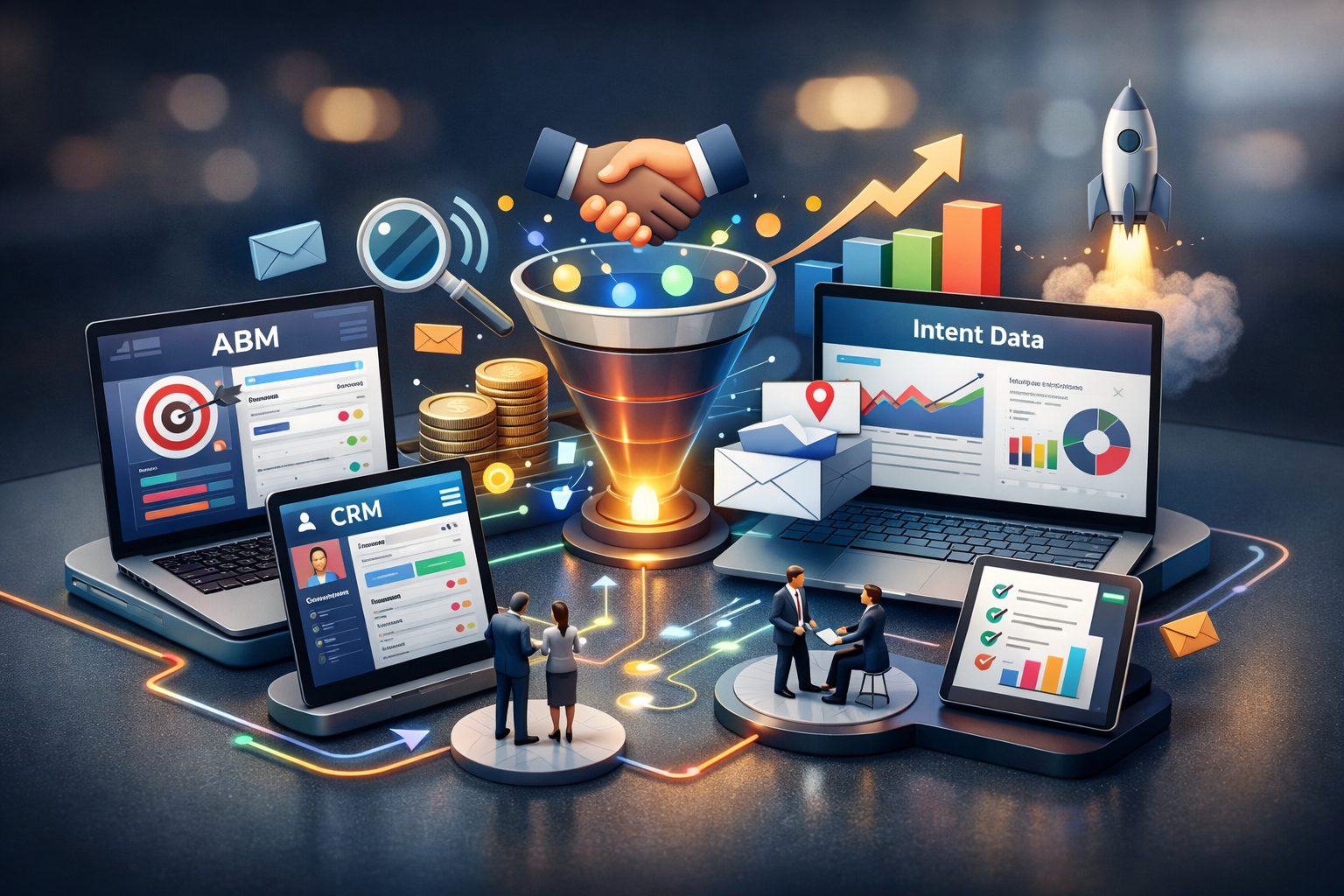
Modern ABM would not be possible without a suite of digital tools, including:
- CRM systems (e.g., Salesforce)
- Marketing automation platforms (e.g., HubSpot, Marketo)
- ABM platforms (e.g., Demandbase, Terminus, 6sense)
- Data and intent platforms (e.g., ZoomInfo, Bombora)
- Personalization and content tools (e.g., Uberflip, PathFactory)
These technologies enable real-time insights, scalable personalization, and effective coordination between sales and marketing.
Challenges in Adopting ABM
While ABM offers significant benefits, implementation comes with challenges:
- Organizational alignment: It requires a cultural shift and close coordination between marketing and sales.
- Resource intensity: Personalization at scale requires time, effort, and investment in the right tools and content.
- Measurement complexity: Tracking ABM success requires new KPIs and sophisticated analytics.
Looking Ahead
As B2B buyers become more informed and selective, generic marketing approaches are losing their effectiveness. ABM, with its targeted, data-driven approach, offers a compelling path forward for B2B organizations seeking to drive growth with greater precision and impact.
The shift to ABM is not just a trend—it’s a strategic evolution. Companies that embrace it fully and thoughtfully are likely to gain a competitive edge in the modern B2B landscape.
Read Also: Optimized SaaS, Better Results