
In today’s competitive B2B landscape, customer loyalty is not just a benefit—it’s a necessity. With long sales cycles, complex buyer journeys, and higher customer acquisition costs, retaining existing clients is more profitable than constantly pursuing new ones. One of the most effective tools B2B companies use to build and maintain customer loyalty is Customer Relationship Management (CRM) software.
Why Customer Loyalty Matters in B2B
Unlike B2C, where impulse buys and brand switching are common, B2B relationships are typically long-term and based on trust, reliability, and consistent performance. Loyal customers:
- Provide steady revenue streams
- Are more open to upselling and cross-selling
- Offer valuable referrals
- Deliver long-term ROI
Investing in CRM tools enables B2B companies to deepen these relationships and enhance the customer experience.
Read Also: Converting Leads to Sales: Best Practices for B2B Businesses
How B2B Companies Use CRM to Drive Loyalty
1. Centralizing Customer Data for Personalization
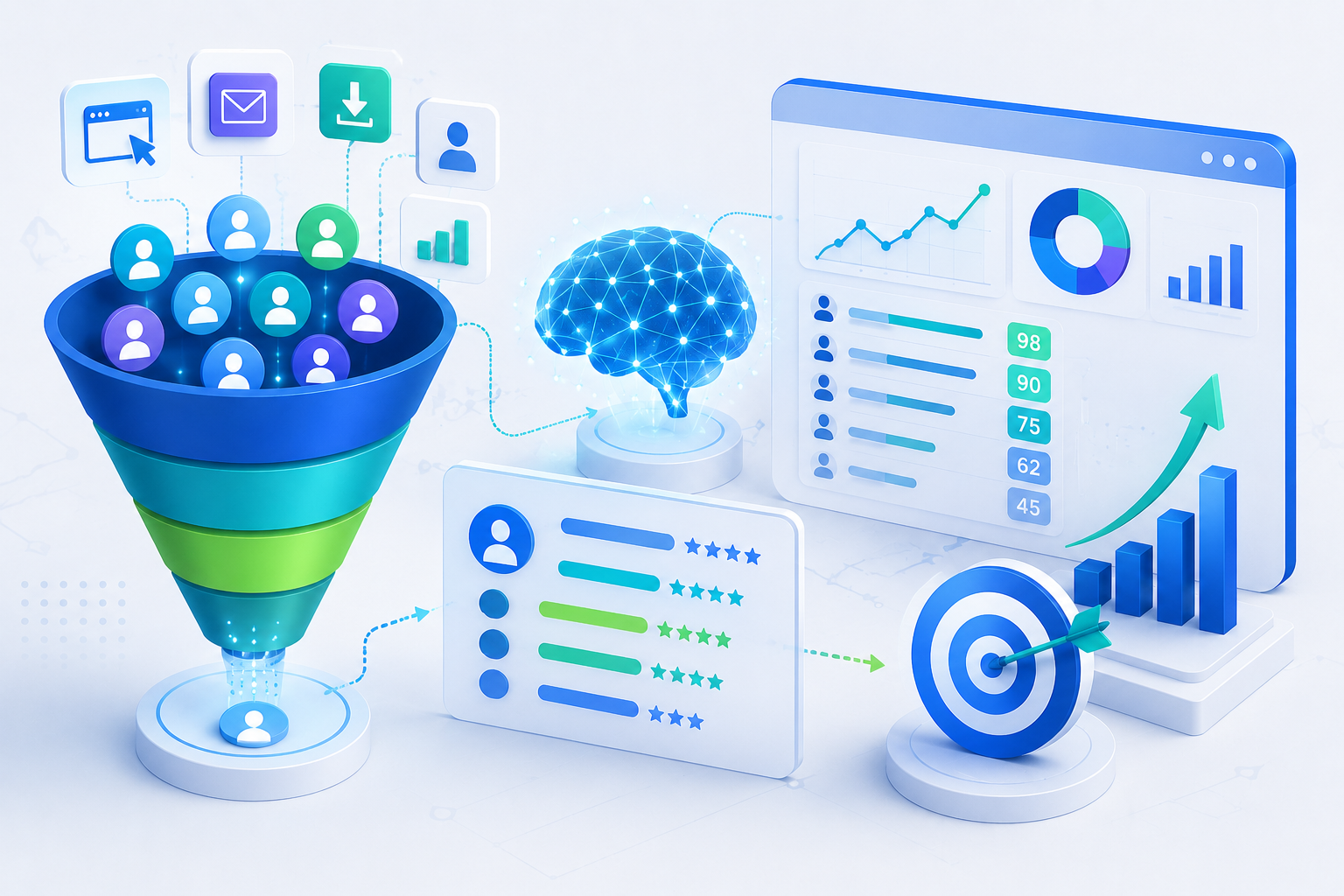
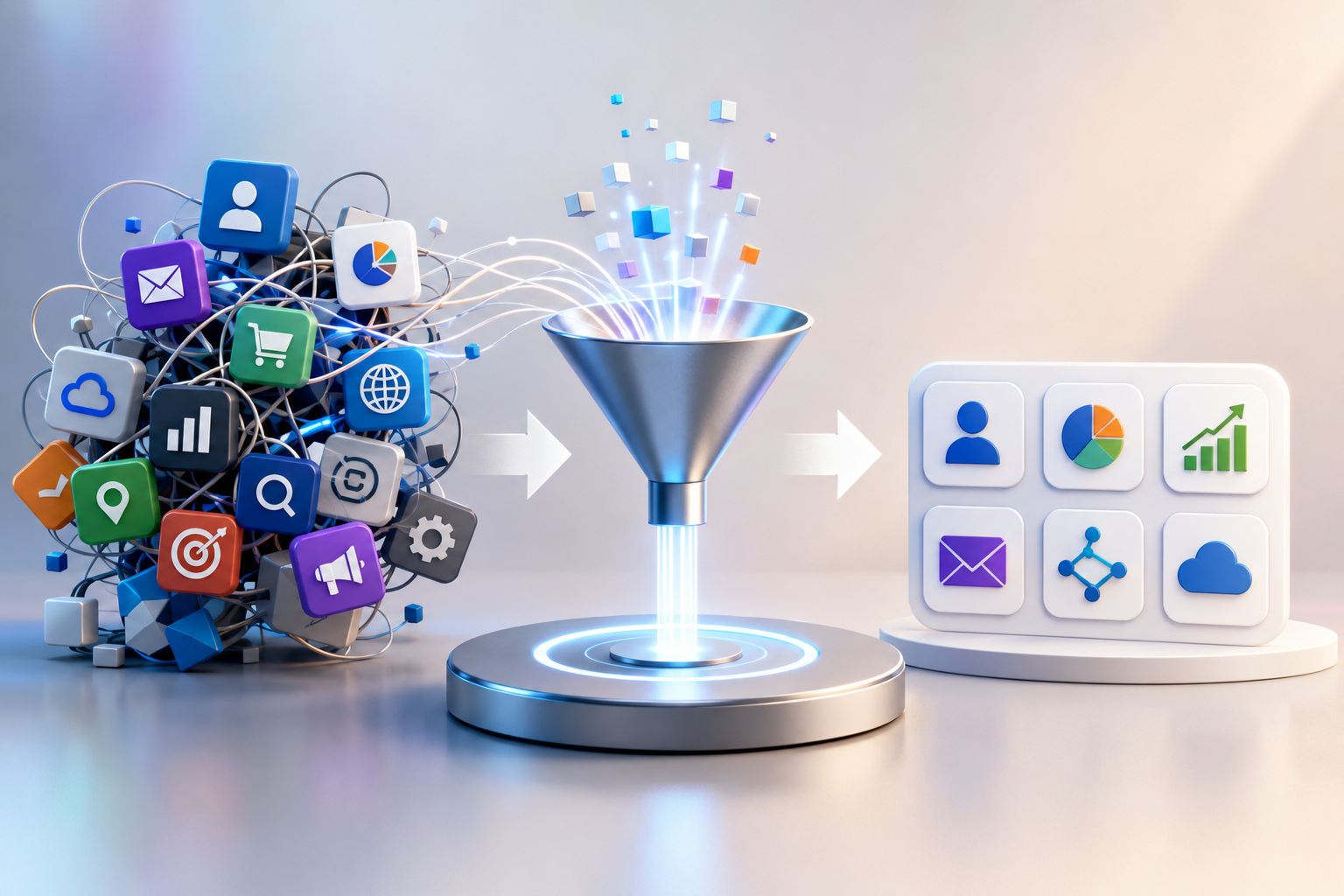
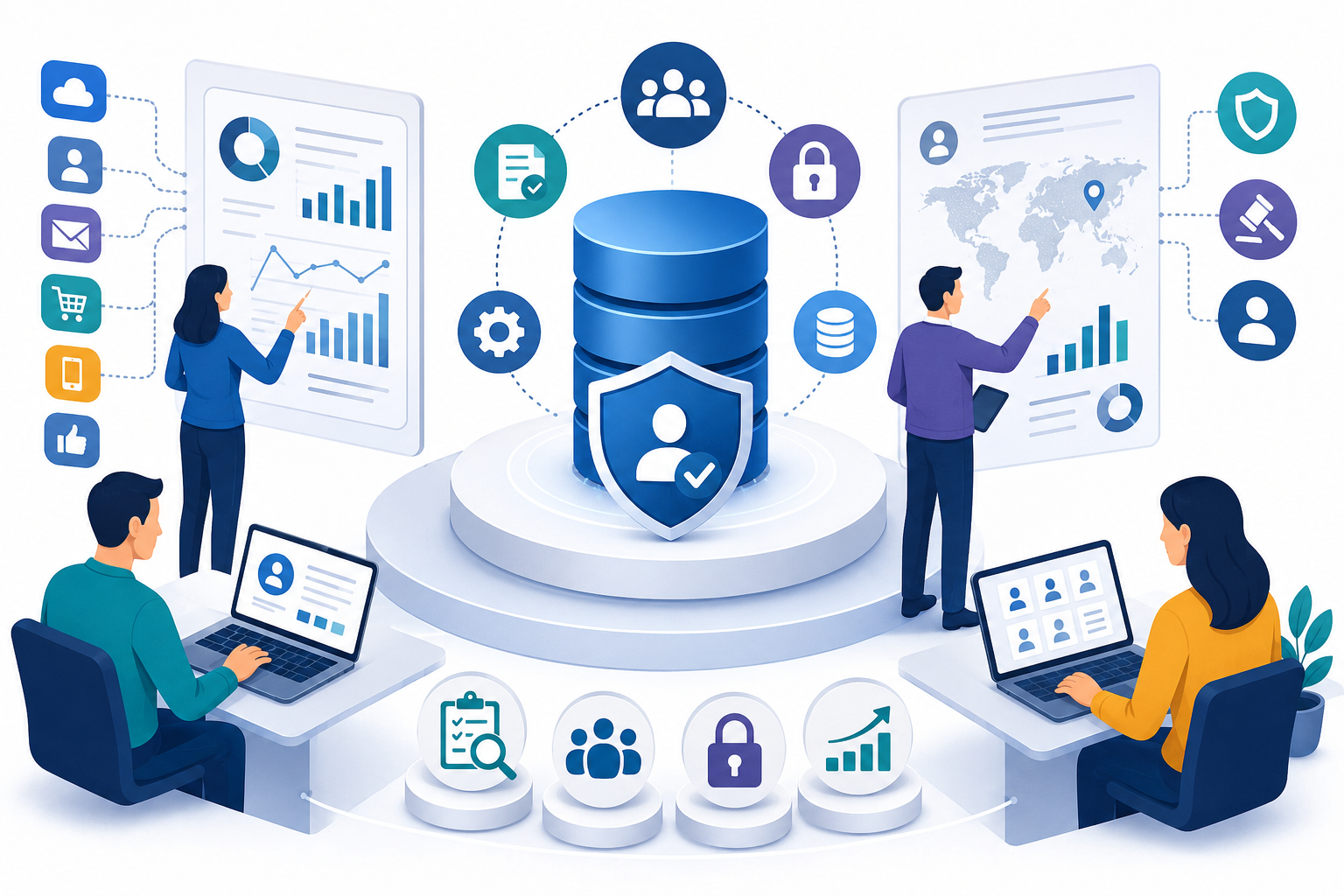
CRM systems consolidate customer data—purchase history, communication records, preferences, and support tickets—into a single platform. This enables companies to:
- Understand the unique needs of each client
- Personalize communications and product recommendations
- Identify patterns in behavior to anticipate future needs
Personalized engagement fosters a sense of value and relevance, which significantly boosts loyalty.
2. Improving Customer Service and Responsiveness
B2B clients often require high-touch support. A CRM platform allows service teams to:
- Quickly access client histories
- Track and resolve support issues efficiently
- Automate ticket assignments and follow-ups
Faster, more informed service enhances the customer experience and builds trust over time.
3. Enabling Proactive Relationship Management
Top-performing B2B firms don’t wait for clients to reach out—they anticipate needs. CRM systems help:
- Set reminders for follow-ups and check-ins
- Automate updates about new features or service changes
- Identify at-risk accounts based on engagement trends
Proactive outreach reassures clients that their business is valued and continuously supported.
4. Strengthening Sales and Account Management
Sales teams benefit from CRM insights by:
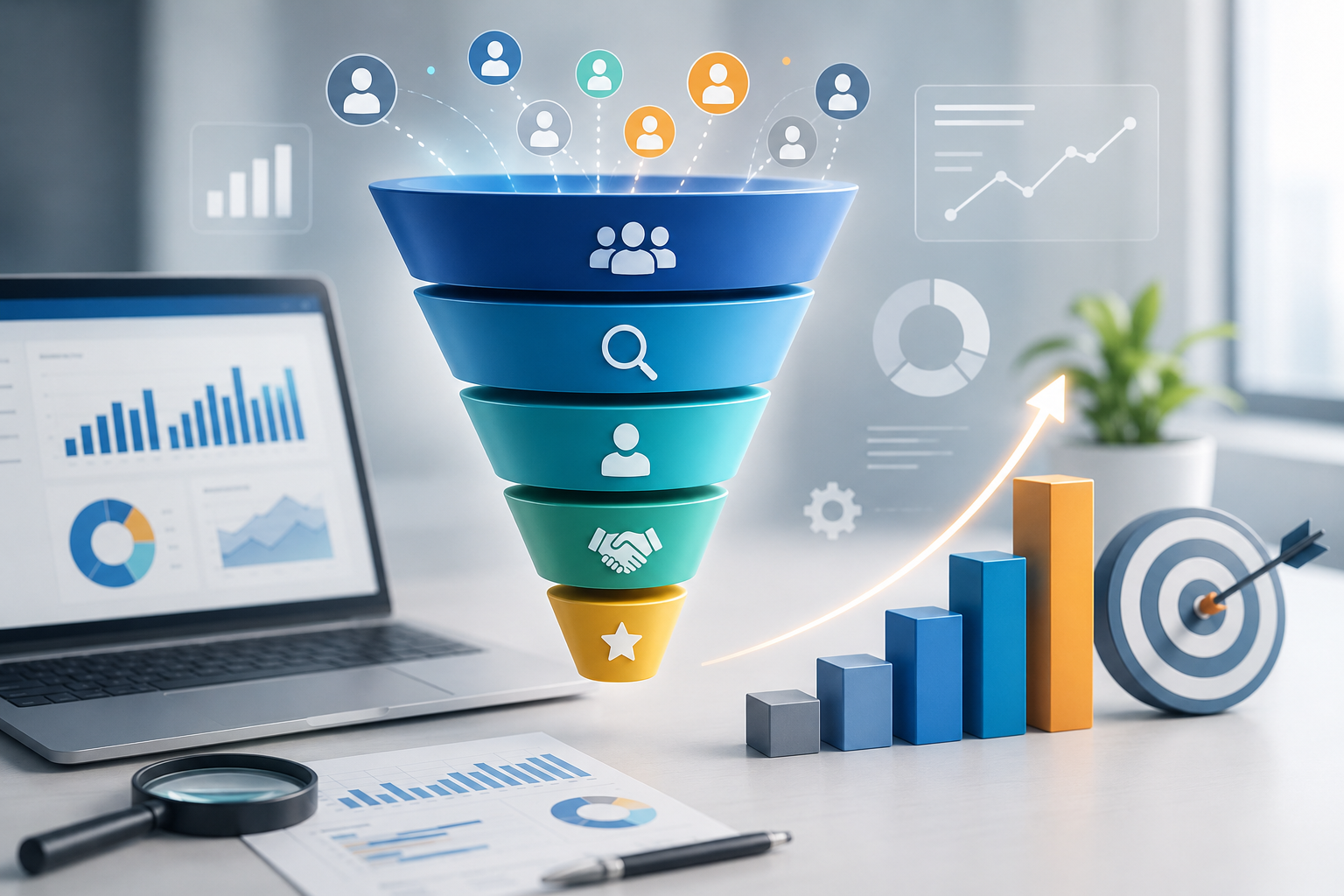
- Tracking the entire customer journey from lead to renewal
- Identifying cross-sell and upsell opportunities
- Collaborating more effectively across teams
Account managers equipped with CRM data can develop stronger, insight-driven strategies for each client.
5. Providing Data-Driven Insights and Reporting
CRM platforms offer robust analytics that help B2B companies:
- Measure customer satisfaction and Net Promoter Scores (NPS)
- Analyze churn risks and loyalty drivers
- Segment clients for targeted marketing efforts
Using data to refine engagement strategies ensures long-term relationship building.
Real-World Example: Salesforce in B2B
Salesforce, one of the most popular CRM platforms, is used by B2B giants like IBM and Cisco to manage global accounts. With Salesforce, these companies:
- Streamline communication between sales, service, and marketing
- Use AI-powered insights to predict customer behavior
- Deliver consistent, personalized experiences at scale
Final Thoughts
In the B2B world, where relationships are complex and stakes are high, CRM systems are essential tools for cultivating customer loyalty. By offering personalized experiences, proactive support, and actionable insights, CRM platforms empower companies to not just meet—but exceed—customer expectations.
As technology evolves, B2B firms that prioritize CRM adoption will have a distinct advantage in retaining their most valuable clients and growing long-term business.