
Introduction
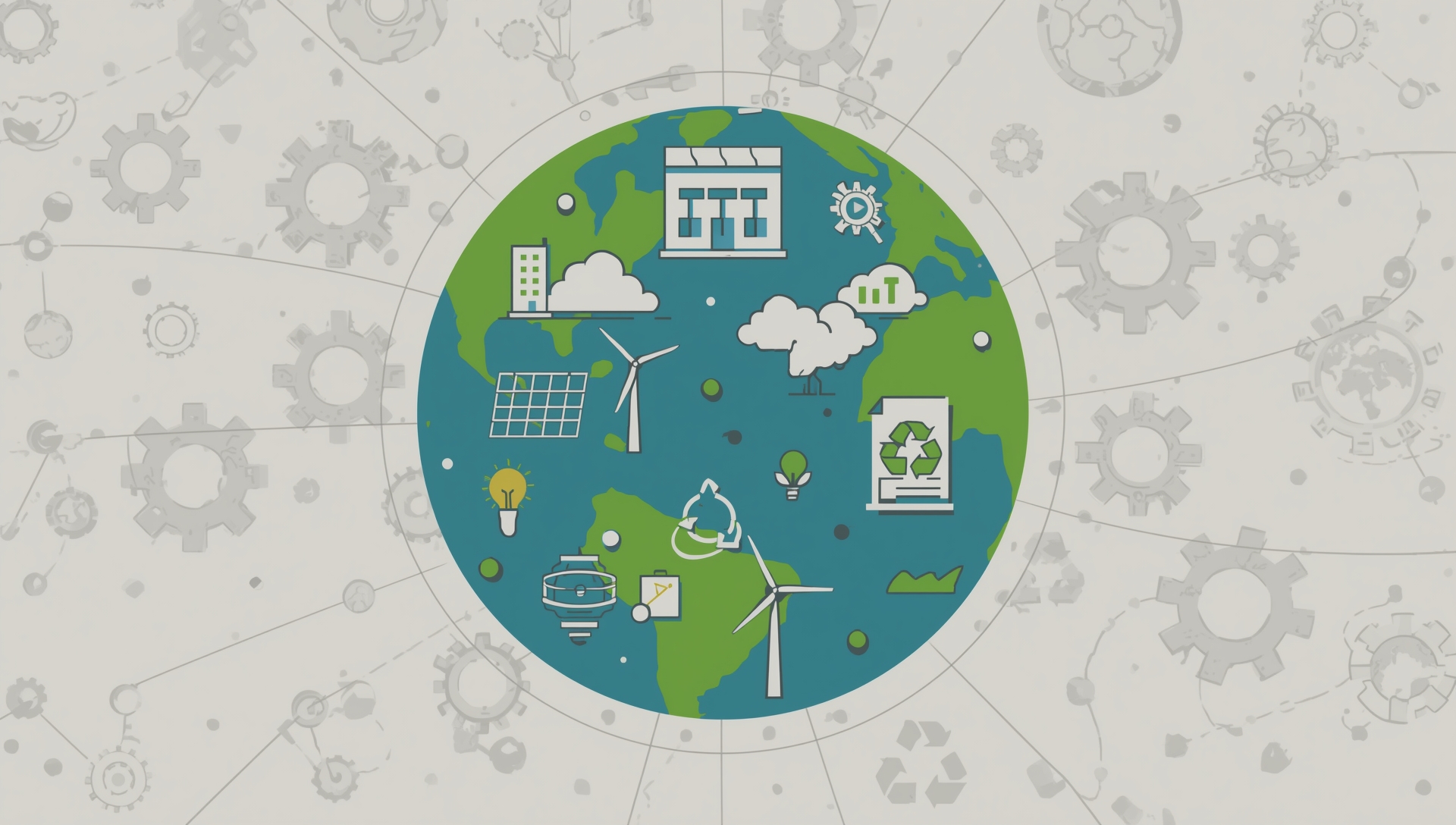
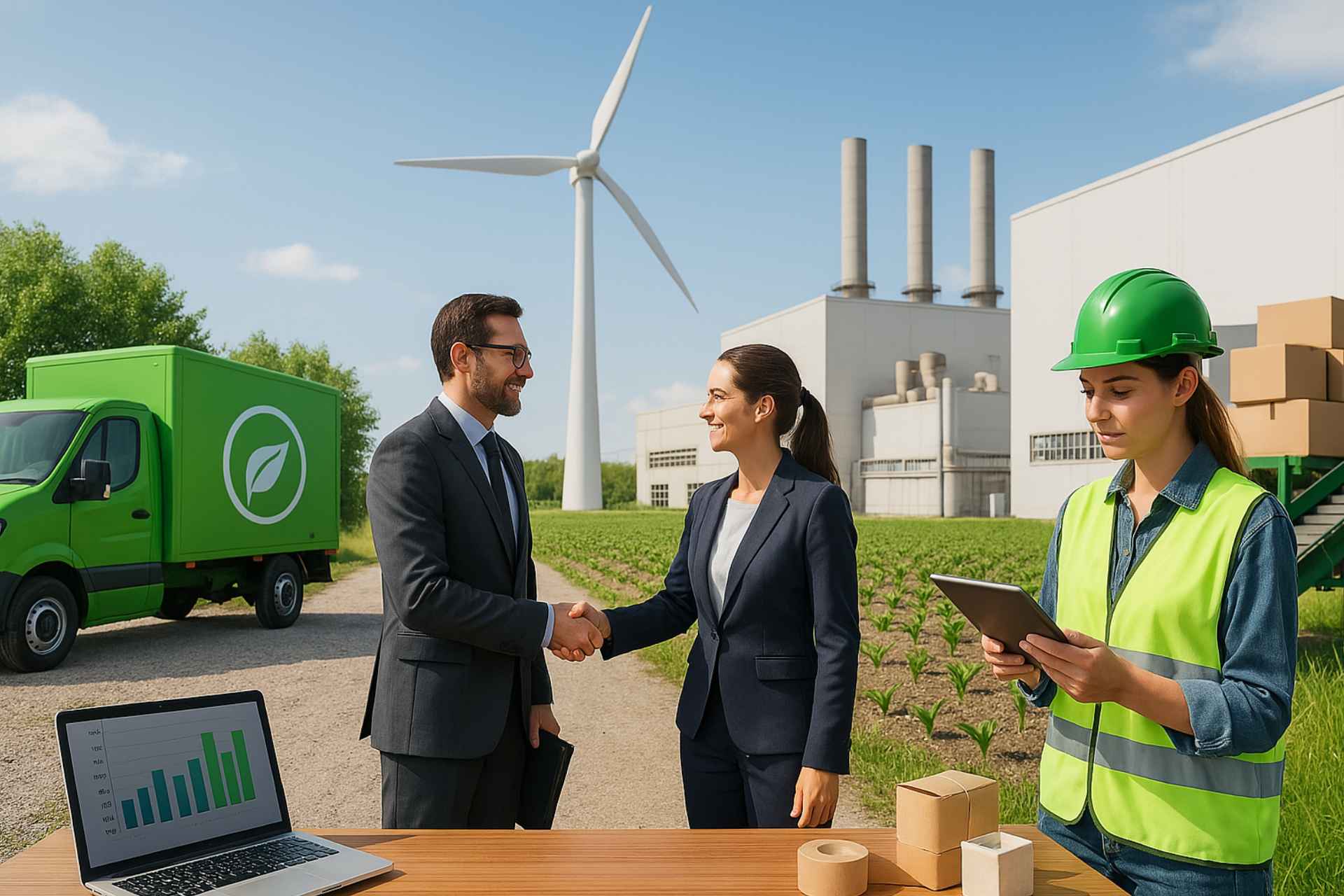
As sustainability becomes a central concern for businesses, the traditional linear model of “take, make, dispose” is giving way to more sustainable alternatives. Among these, the circular economy (CE) stands out as a transformative approach, particularly in business-to-business (B2B) sectors. In B2B industries—ranging from manufacturing and construction to IT and logistics—the adoption of circular economy principles is not only reducing environmental impact but also unlocking economic and strategic value.
What is the Circular Economy?
The circular economy is a regenerative system aimed at minimizing waste and making the most of resources. It involves:
- Designing out waste and pollution
- Keeping products and materials in use
- Regenerating natural systems
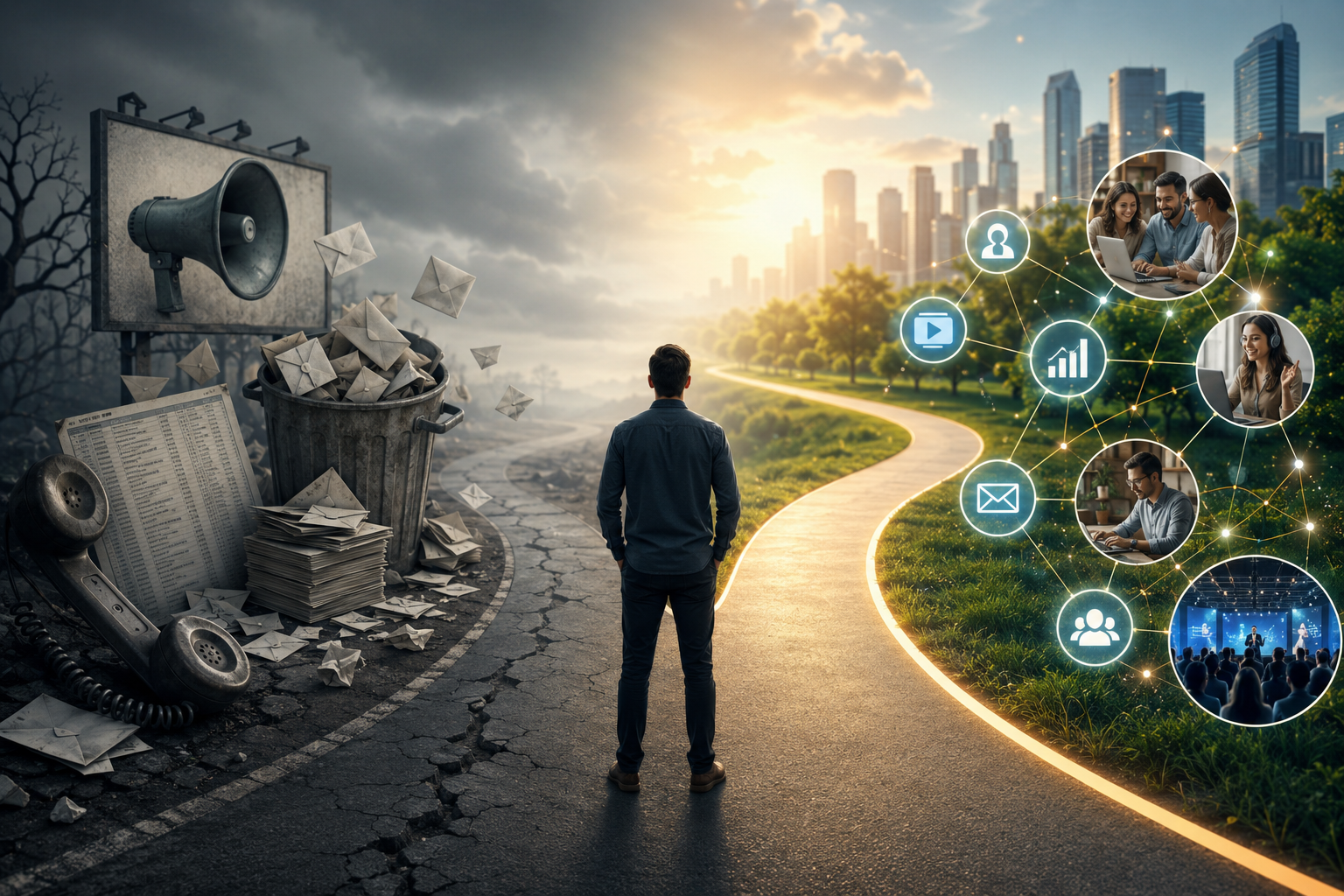
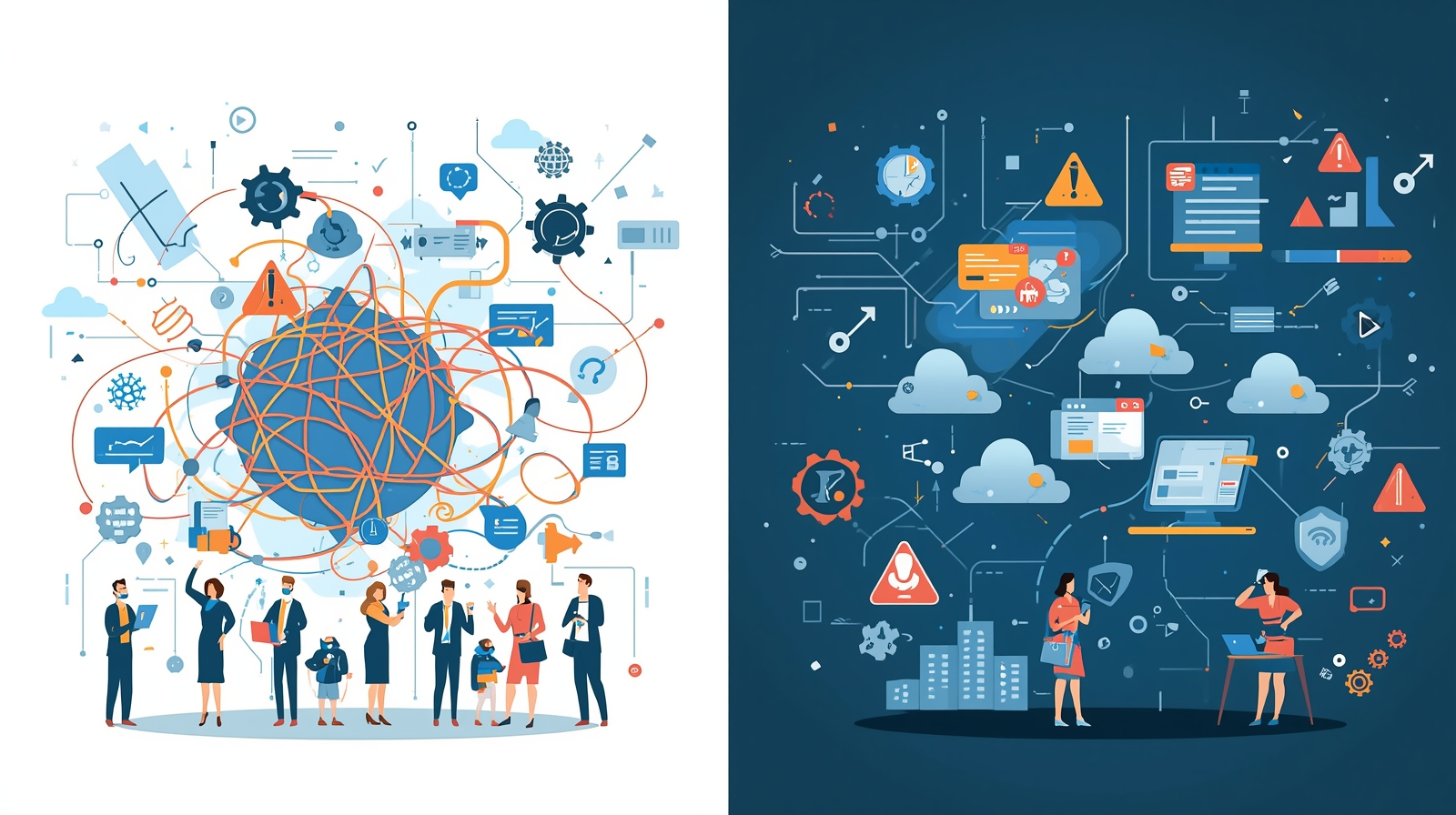
This is in contrast to the linear economy, where products are created, used, and discarded.
Circular Economy in B2B: Core Models
In B2B industries, CE manifests through several core business models:
1. Product-as-a-Service (PaaS)
Instead of selling physical products, companies offer access or performance. For example, a company might lease machinery instead of selling it. This model incentivizes the producer to build longer-lasting, more efficient products.
2. Resource Recovery
Firms implement closed-loop systems to recover materials and reuse them in the production process. This is common in industries like electronics, where components can be refurbished or recycled.
3. Product Life Extension
Businesses repair, upgrade, or remanufacture products to extend their life. This model supports cost savings and reduces the need for raw materials.
4. Sharing Platforms
Though more common in B2C, sharing platforms in B2B enable companies to share underutilized assets such as equipment, warehousing, or logistics networks.
5. Circular Supply Chains
B2B companies collaborate to redesign supply chains that prioritize renewable, recyclable, or biodegradable inputs, reducing dependency on virgin materials.
Benefits for B2B Industries
1. Cost Reduction
Reusing materials and optimizing resource flows can significantly lower production and operational costs.
2. Revenue Diversification
Models like PaaS and remanufacturing introduce new revenue streams through service and maintenance contracts.
3. Risk Mitigation
Circular practices help companies reduce exposure to raw material price volatility and supply chain disruptions.
4. Regulatory Compliance
As governments push for greener practices, circular models help companies stay ahead of environmental regulations.
5. Sustainability Branding
Embracing circularity can enhance a company’s reputation, especially in industries where environmental performance is a key differentiator.
Challenges to Adoption
Despite the benefits, B2B industries face hurdles in adopting circular economy models:
- Initial investment costs
- Complex logistics of take-back systems
- Need for cultural and organizational change
- Data and technology infrastructure
- Lack of standardization and metrics
Case Studies
Philips Lighting
Philips offers “lighting-as-a-service” to commercial clients, retaining ownership of the equipment and ensuring maintenance and recycling—reducing material waste and providing continuous revenue.
Caterpillar
Through its remanufacturing program (Cat Reman), Caterpillar reclaims used components, restoring them to like-new condition, saving raw materials and reducing emissions.
Future Outlook
As technologies like IoT, AI, and blockchain become more embedded in B2B operations, they will enhance transparency and efficiency in circular models. Meanwhile, increasing pressure from stakeholders and customers for sustainable practices will further accelerate adoption.
Conclusion
The circular economy offers a powerful framework for B2B industries to drive sustainability, innovation, and profitability. While implementation poses challenges, the long-term strategic and environmental advantages make circular models not just a responsible choice, but a smart one. As global supply chains evolve, the businesses that adapt to circular principles will be best positioned to lead in a resource-constrained future.
Read Also: Why B2B Businesses Need to Focus on Customer Experience