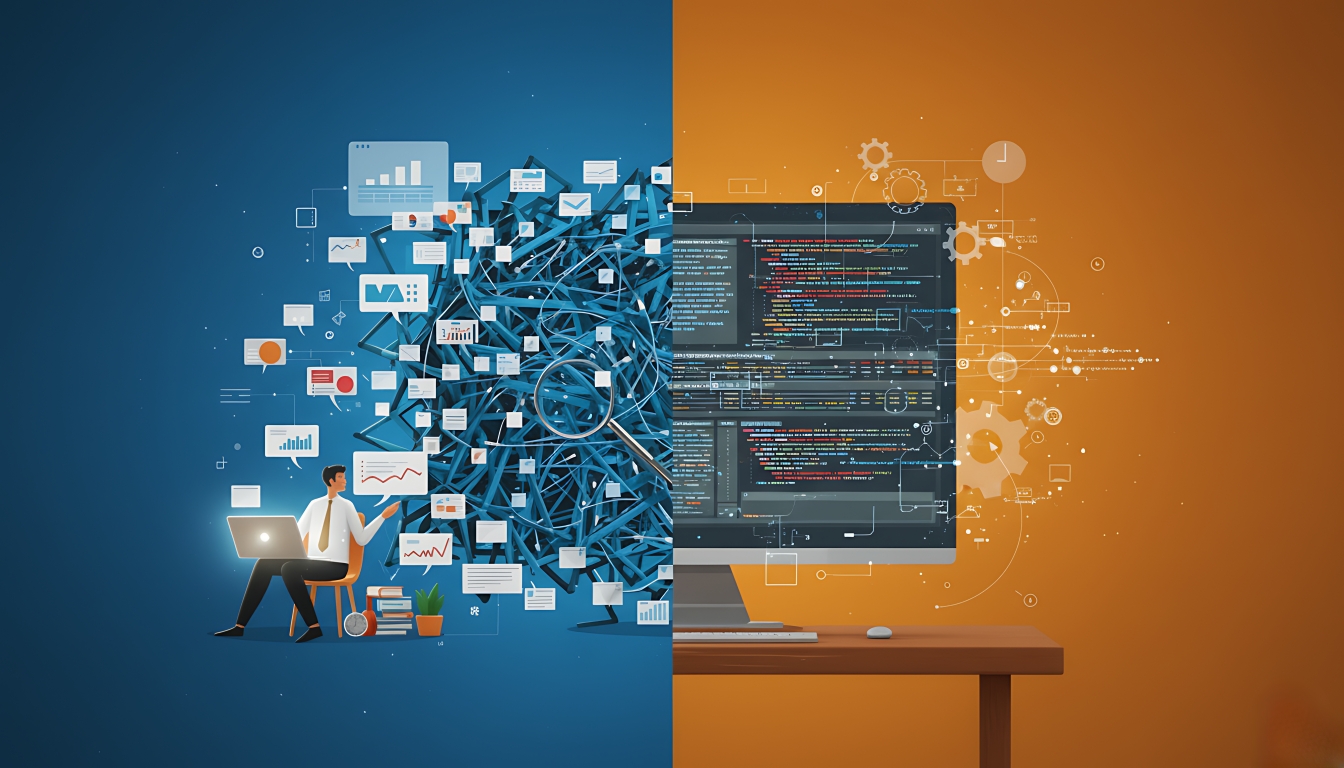

Business-to-business (B2B) commerce has entered a new era. Once dominated by offline relationships, manual processes, and traditional sales teams, B2B is now rapidly transforming through digital channels. As buyers increasingly expect online convenience and self-service capabilities, B2B e-commerce has shifted from a “nice-to-have” to a business-critical requirement.
Whether you’re just beginning your digital transformation or looking to refine an existing online sales channel, this guide walks you through everything you need to know about B2B e-commerce—what it is, why it matters, how it works, and how to build a scalable, future-proof strategy.
What Is B2B E-Commerce?
B2B e-commerce refers to the online sale of products or services between businesses. Unlike B2C (business-to-consumer), B2B transactions often involve:
- Higher order volumes
- Contract-based pricing
- Complex approval workflows
- Long-term buyer–vendor relationships
- Multiple stakeholders
B2B e-commerce platforms digitize these interactions by offering features such as bulk ordering, negotiated pricing, digital catalogs, account-based dashboards, and automated invoicing.
Why B2B E-Commerce Matters Today
- Buyer expectations have changed
Modern B2B buyers behave like consumers. They expect:
- 24/7 access
- Transparent pricing
- Fast purchasing
- Self-service tools
65% of B2B buyers say they prefer digital self-serve channels over traditional sales interactions.
- It reduces operational costs
Automated order processing, digital catalogs, and integrated systems eliminate manual work and reduce errors.
- It scales revenue faster
With an online storefront, businesses can reach new markets, serve more customers simultaneously, and introduce personalized upsell/cross-sell flows.
- It strengthens customer relationships
Account-level customization, loyalty programs, and automated reordering make the buying experience smoother and more predictable.
Types of B2B E-Commerce Models
- B2B2C (Business to Business to Consumer)
Manufacturers or wholesalers sell to retailers, who sell to consumers.
- Wholesale
Bulk selling at discounted prices to distributors, retailers, or institutional buyers.
- Manufacturers
Producers selling directly to other businesses online, often integrating ERP systems for real-time inventory and pricing.
- Distributors
Middlemen providing specialized products, fast shipping, and robust logistics support.
- Procurement platforms
Enterprises using platforms to automate purchasing and approvals (e.g., procurement marketplaces).
Essential Features of a B2B E-Commerce Platform
- Personalized Pricing
Contract-based pricing for each client or customer segment.
- Bulk Ordering & Quick Reorder
Tools like:
- CSV bulk upload
- Requisition lists
- One-click reorder
- Role-Based Access & Approvals
Multiple buyers, managers, and approvers within a single account.
- Advanced Catalog Management
Custom catalogs tailored to account types, regions, or product lines.
- Flexible Payment Options
- Invoicing terms (Net 30/60/90)
- ACH transfers
- Purchase orders
- Credit limits
- ERP, CRM, and OMS integrations
Real-time synchronization for pricing, stock levels, customer data, and logistics.
- Self-Service Account Management
Buyers can track orders, invoices, payments, and quotes without needing sales support.
Steps to Build a Successful B2B E-Commerce Strategy
- Understand Your Buyers
Create detailed buyer personas and map their procurement journey.
- Choose the Right Platform
Consider platforms like Shopify Plus, Magento (Adobe Commerce), BigCommerce B2B, or Salesforce Commerce Cloud.
Evaluate:
- Customization needs
- Integration capabilities
- Scalability
- Total cost of ownership
- Digitize Your Product Catalog
Ensure product data is:
- Accurate
- Searchable
- High-quality
- Consistent across channels
- Set Up Pricing & Contract Rules
Digitally replicate your existing pricing structures, discounts, and customer contracts.
- Integrate Your Systems
Connect e-commerce with:
- ERP (SAP, Oracle, NetSuite)
- CRM (Salesforce, HubSpot)
- PIM (Akeneo, Salsify)
- WMS/OMS
- Train Your Sales Team for Digital Selling
They’re not replaced—just empowered with data and digital tools.
- Offer Multiple Ordering Channels
Buyers should be able to purchase via:
- Website
- Mobile app
- EDI
- Punchout catalogs
- Sales rep portals
- Optimize for Search & User Experience
SEO and frictionless UI are just as important for B2B as for B2C.
Top Trends Shaping B2B E-Commerce in 2025 and Beyond
- AI and Personalization
AI-driven product recommendations, predictive ordering, and smart search are becoming standard.
- Marketplaces
B2B marketplaces like Amazon Business are gaining huge traction.
- Self-service automation
RFQs, quotes, and reorders are increasingly automated.
- Headless Commerce
Allows businesses to build customized frontends while keeping backend logic intact.
- Omnichannel Selling
Seamless buying experiences across digital and offline channels.
Common Challenges (and How to Solve Them)
- Complex Pricing Rules
Solution: Choose a platform with built-in B2B pricing engines and ERP integrations.
- Old Legacy Systems
Solution: Use middleware or APIs to modernize without fully replacing systems.
- Poor Product Data
Solution: Invest in a PIM and establish a clear data governance strategy.
- Buyer Resistance
Solution: Provide training, demos, and incentives for digital adoption.
Read Also: How to Use LinkedIn for B2B Lead Generation: A Complete Guide