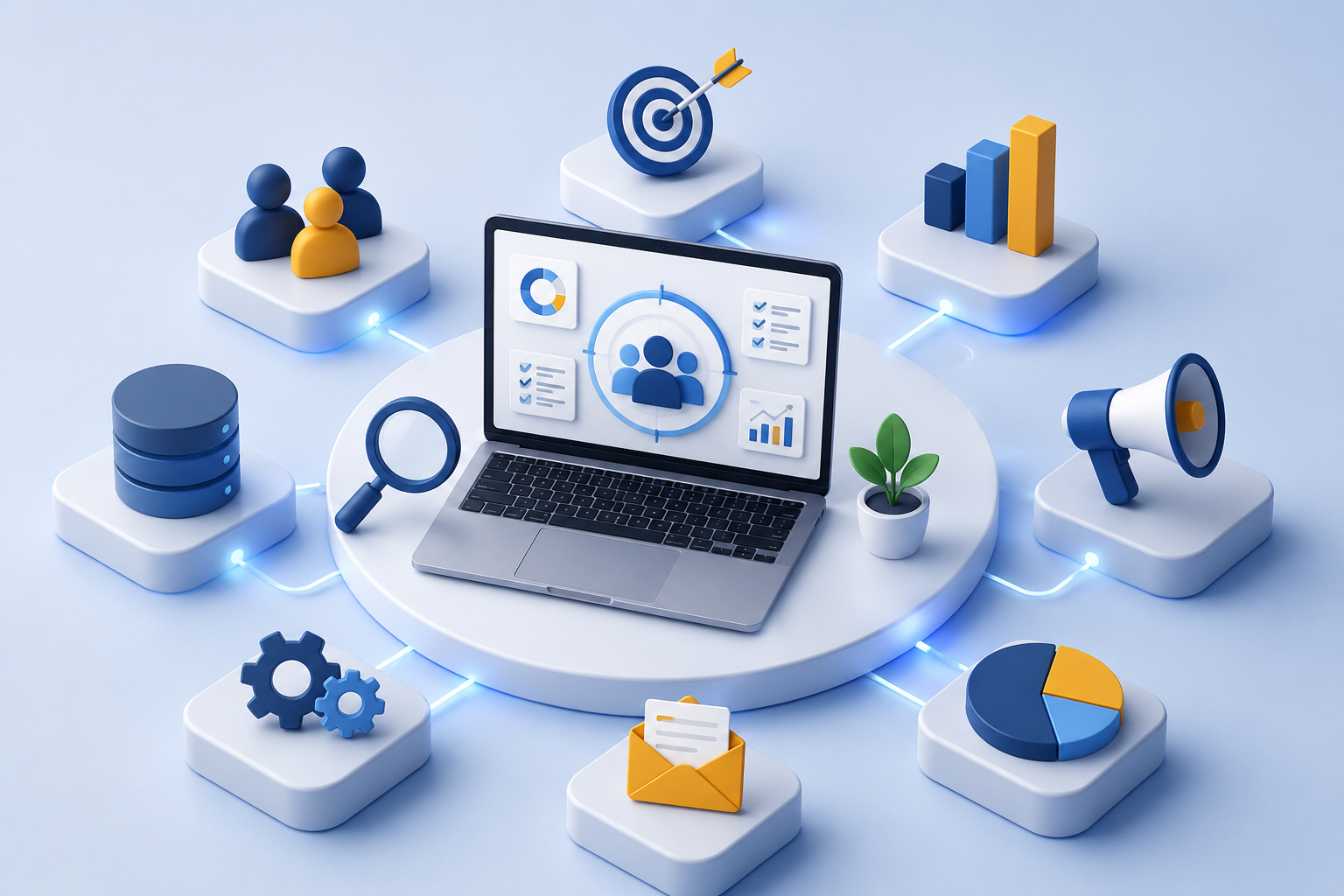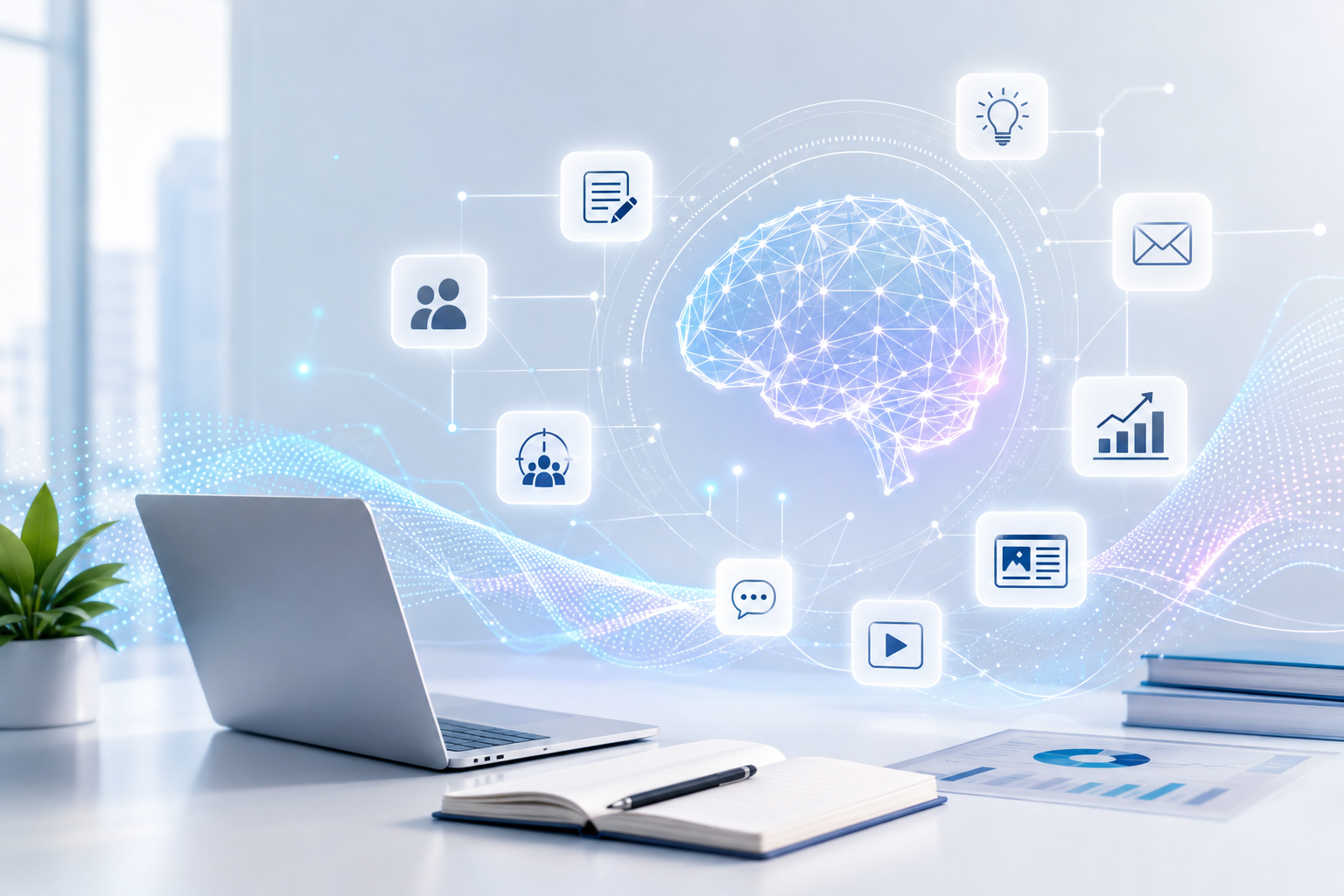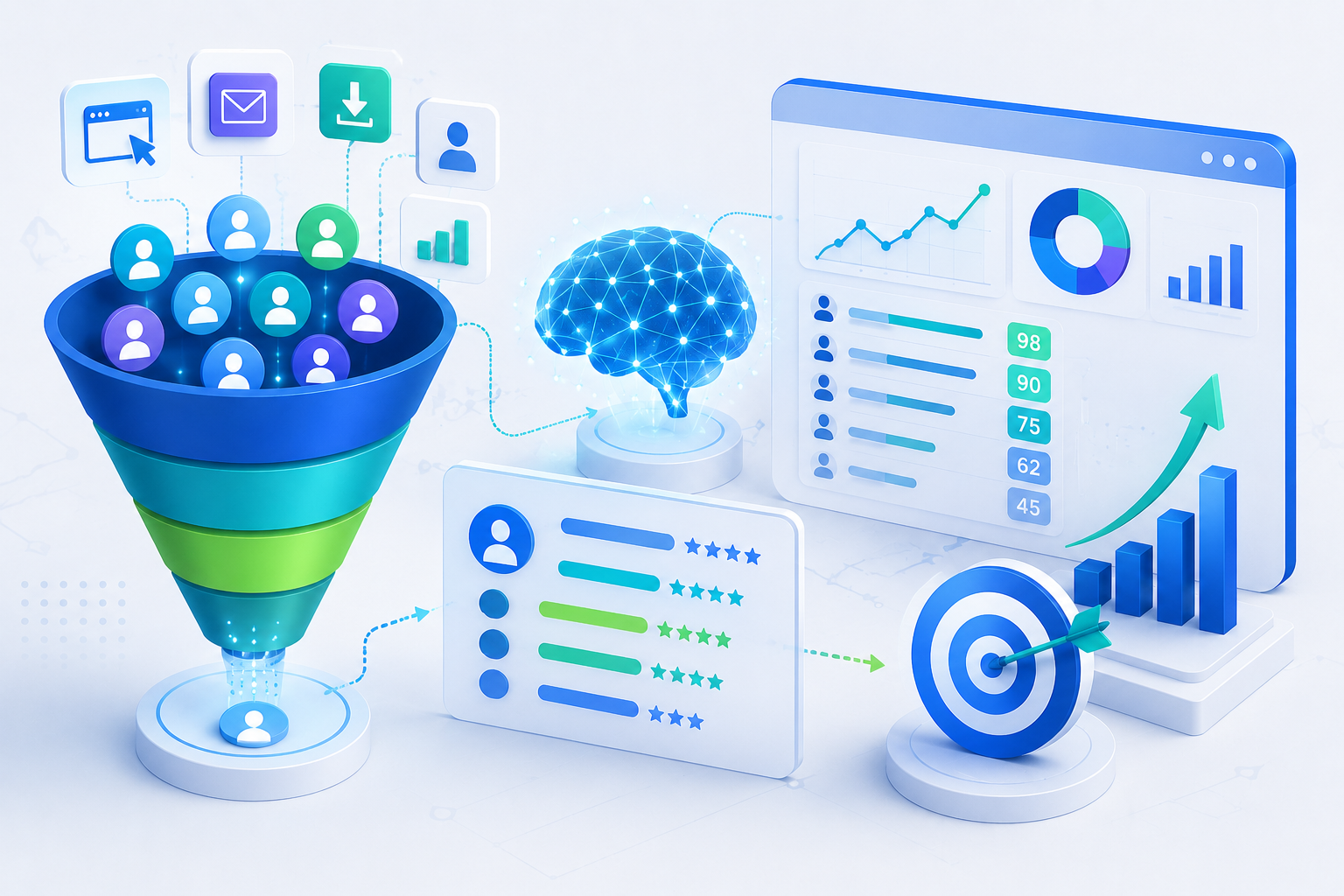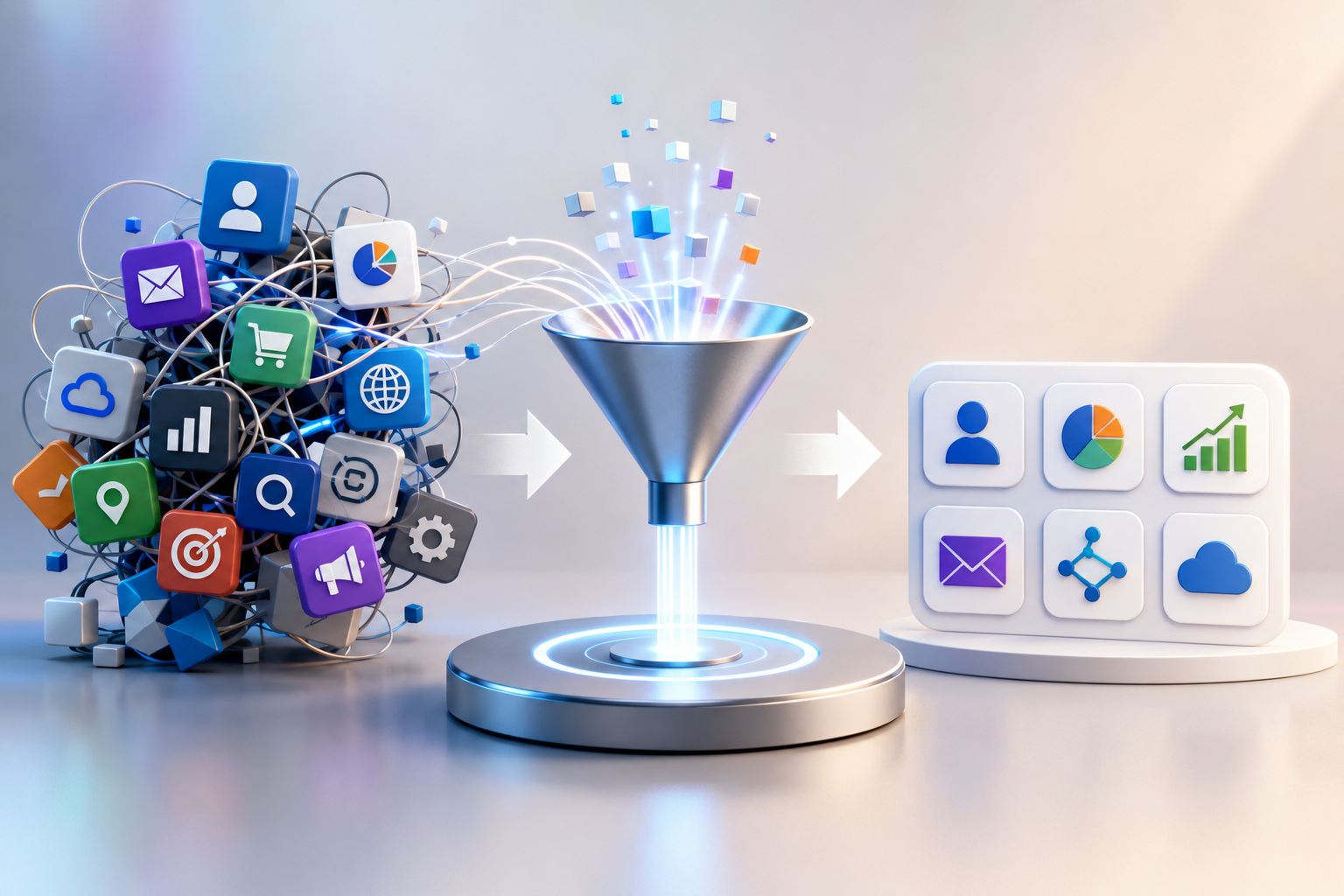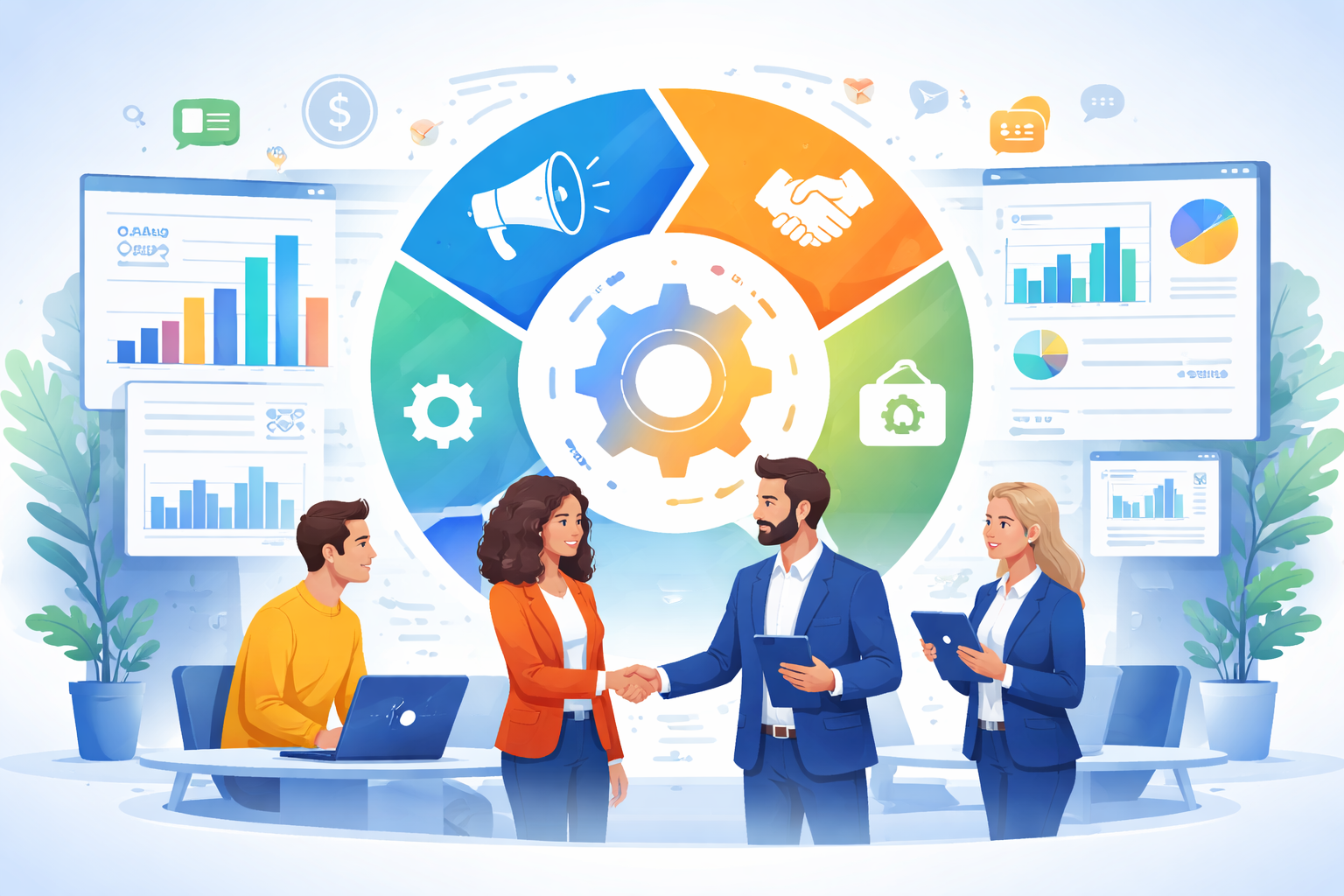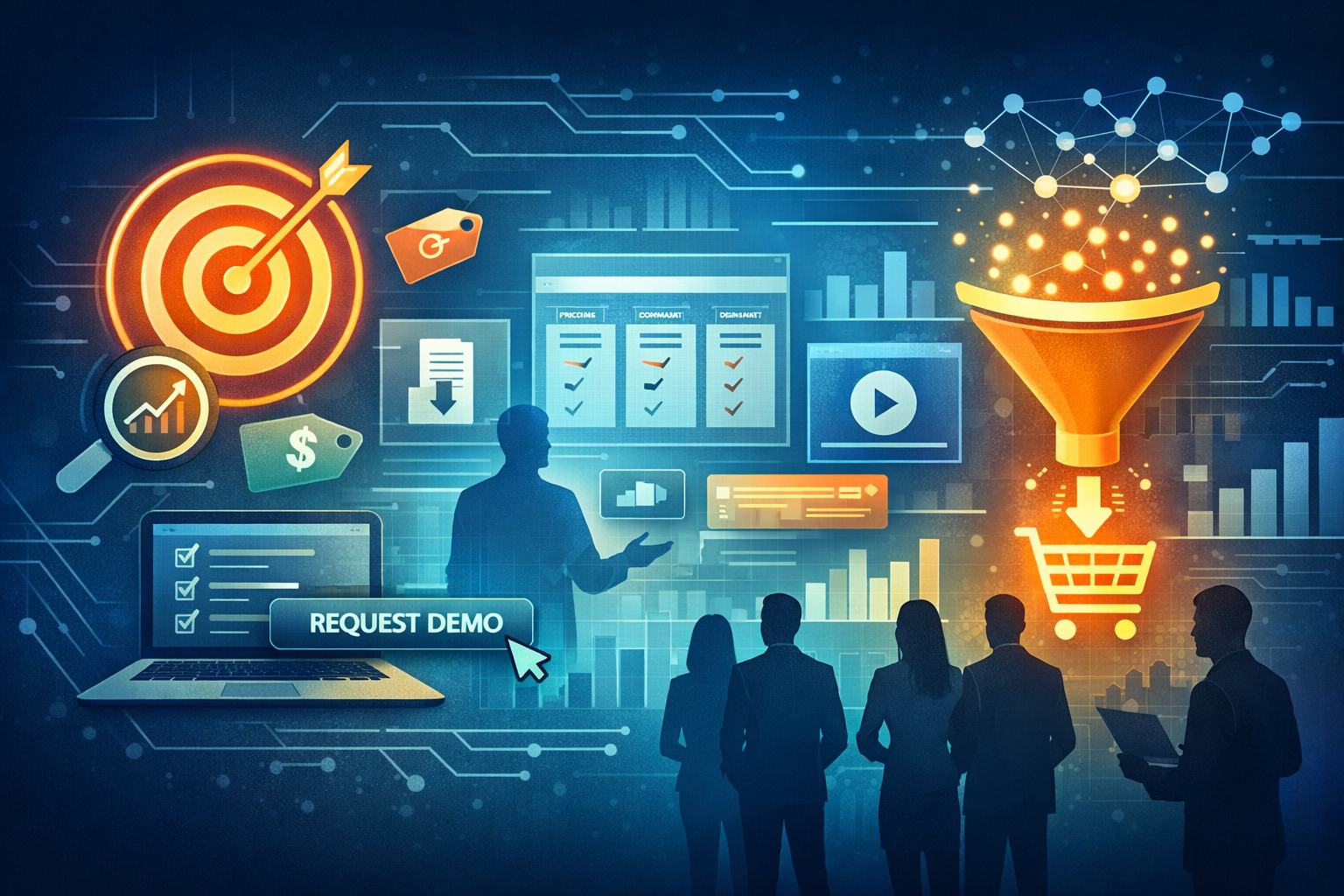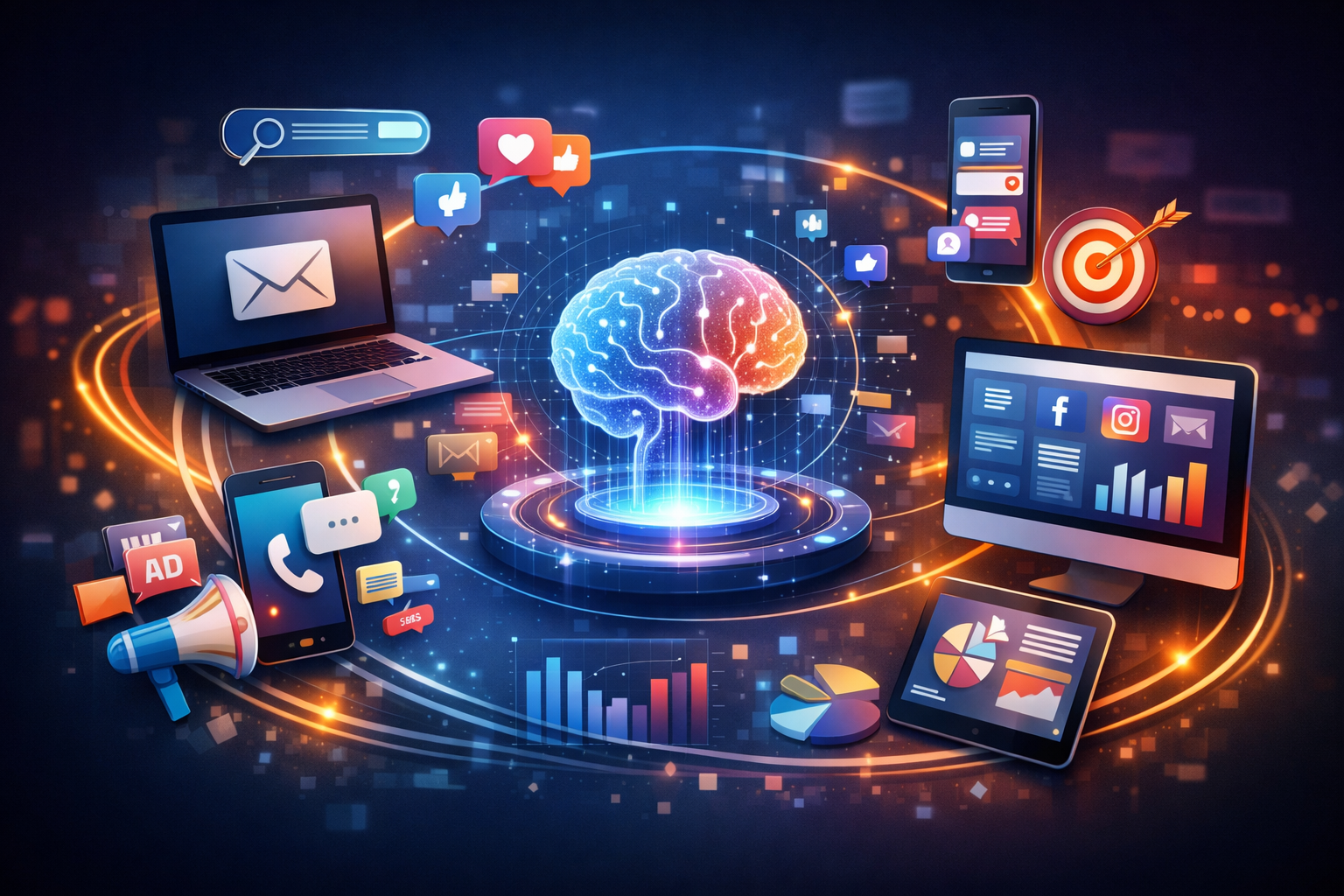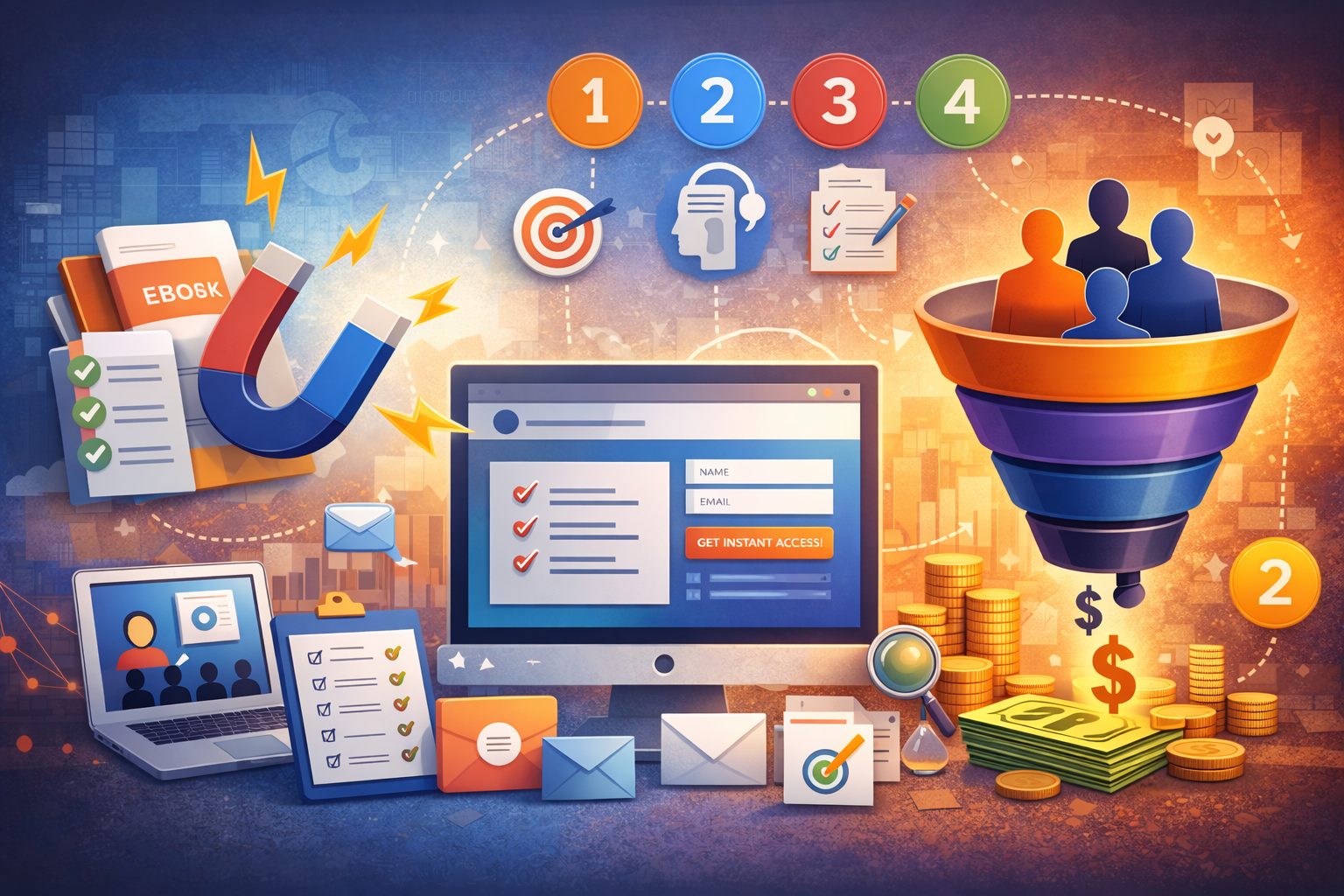

Introduction: From Linear Funnels to Living Journeys
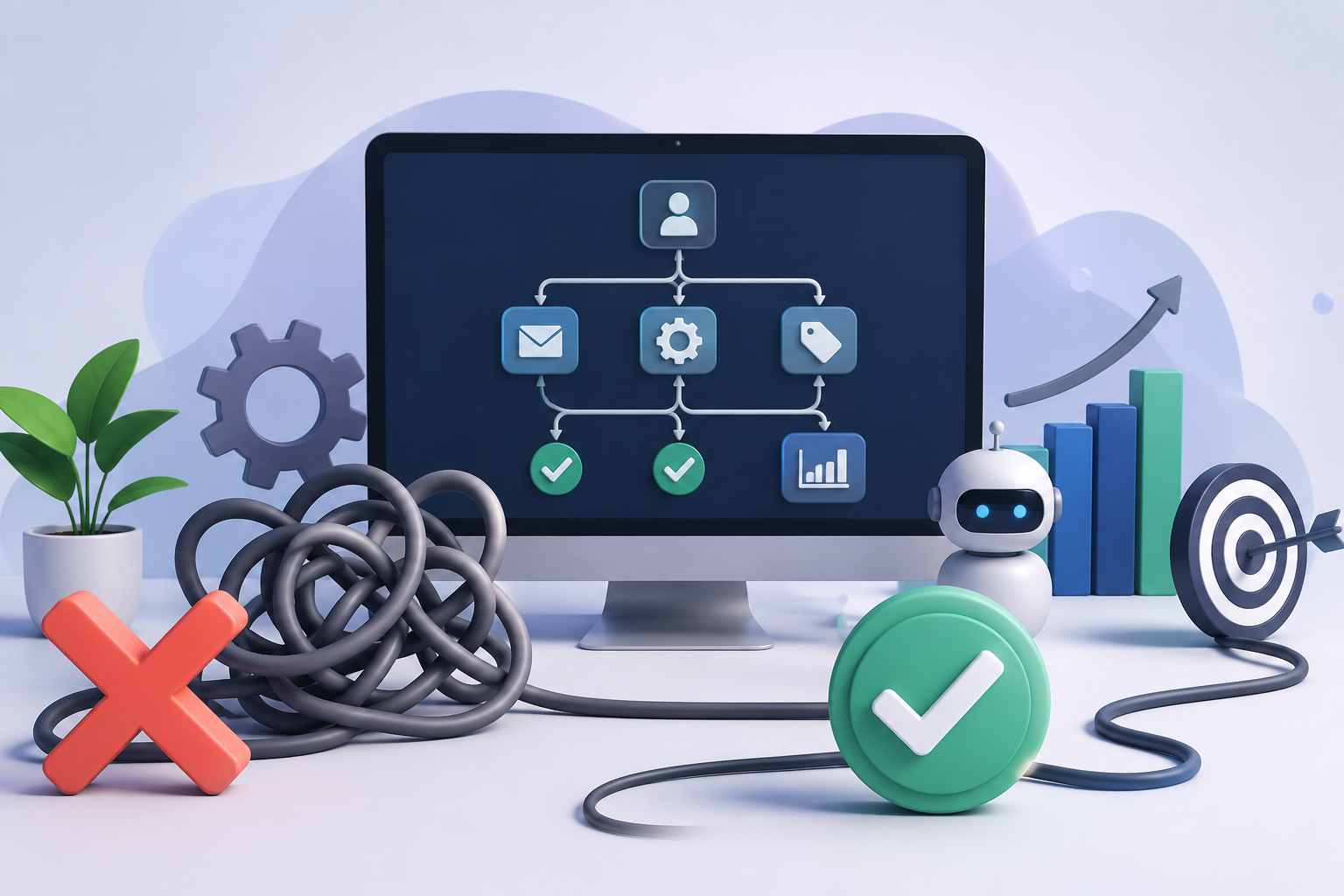
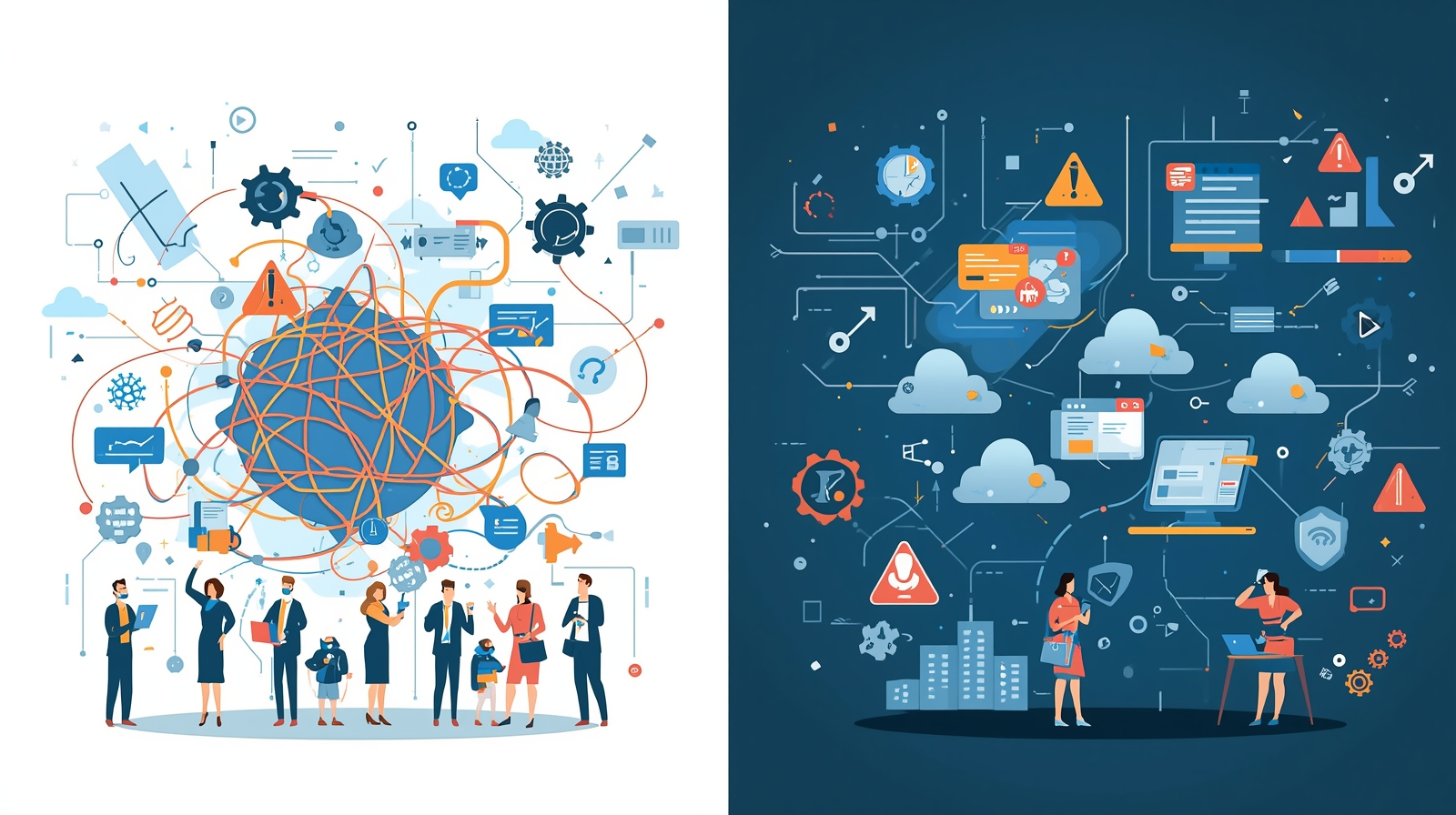
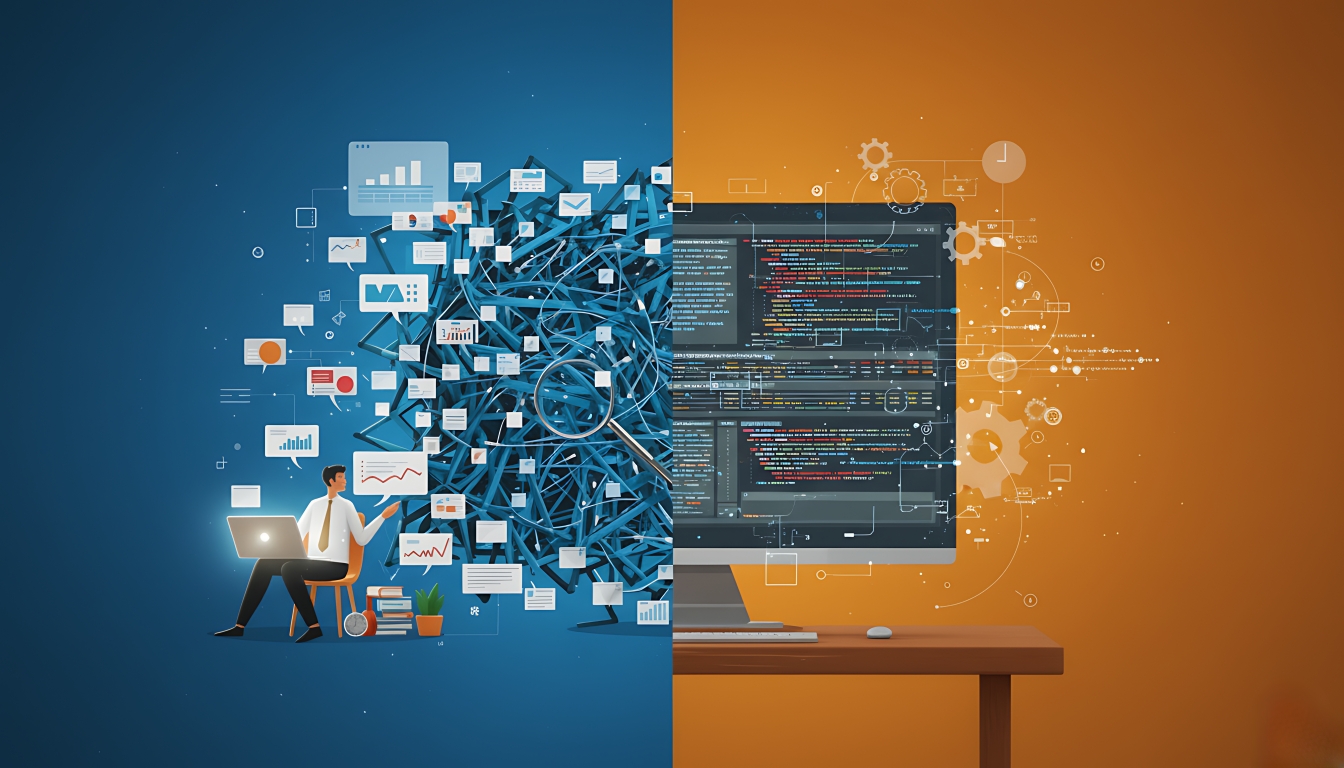
For years, customer journeys were designed like assembly lines—linear, predictable, and largely static. Marketers mapped stages, automated handoffs, and optimized conversion points. It worked well enough in a simpler digital world.
That world no longer exists.
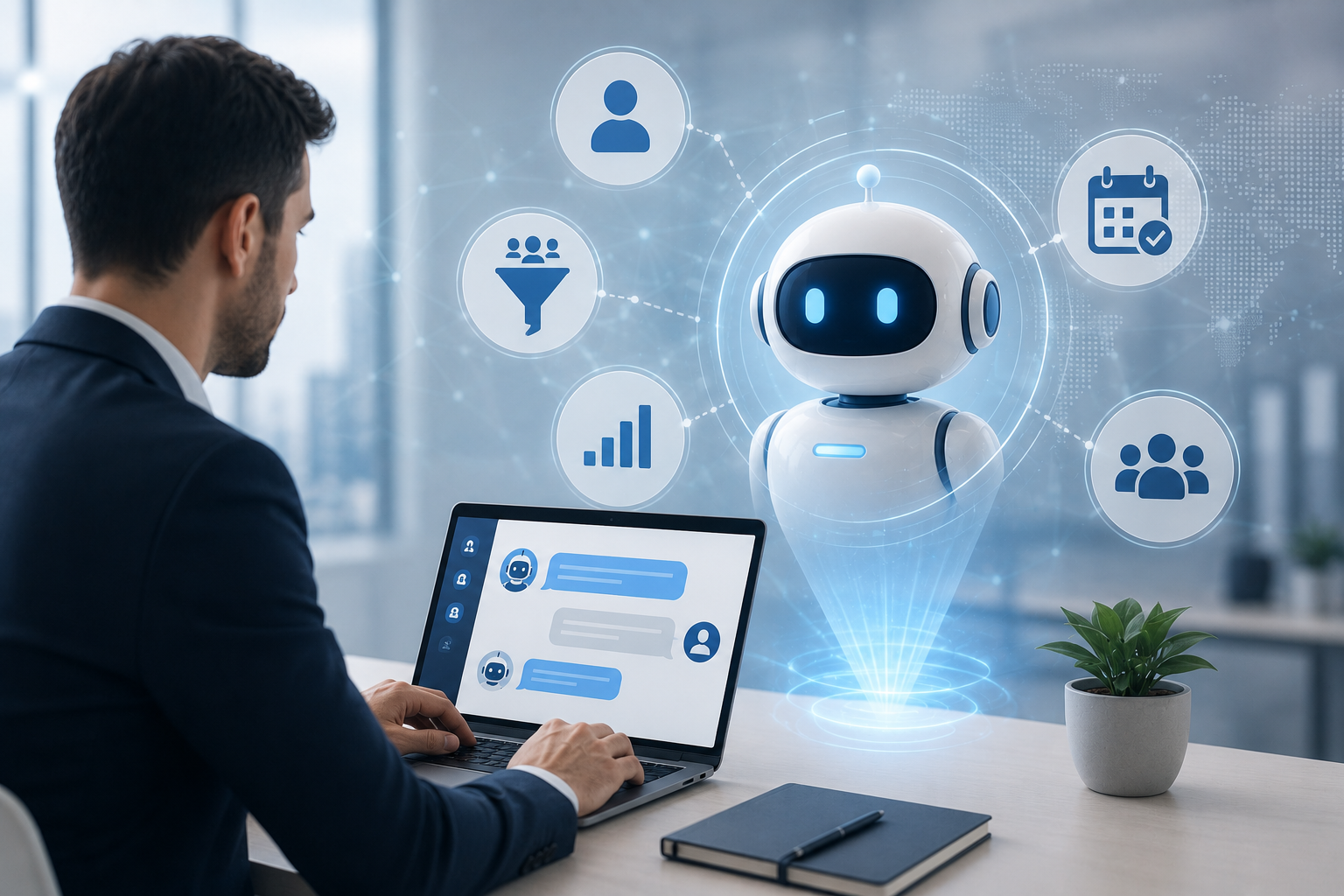
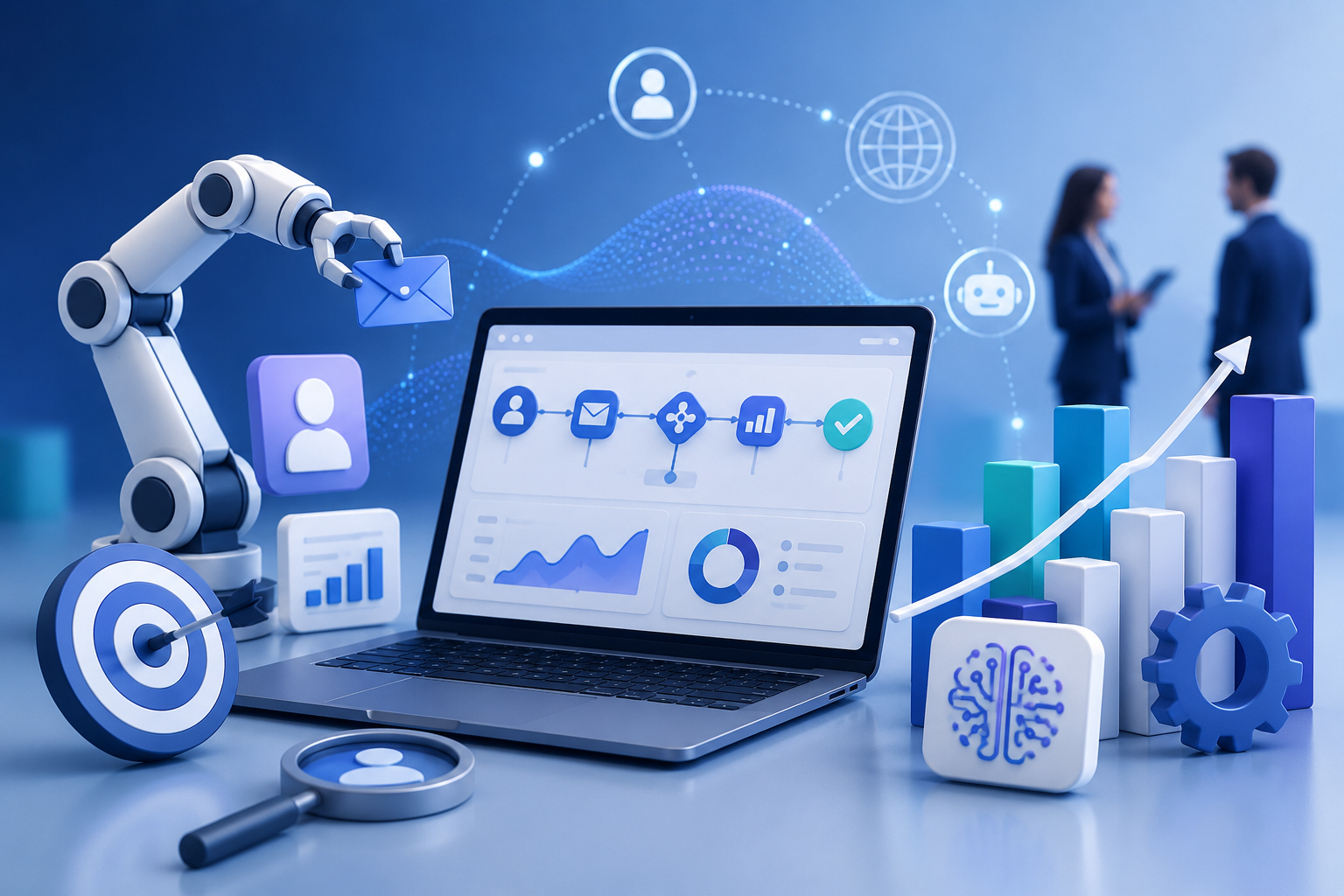
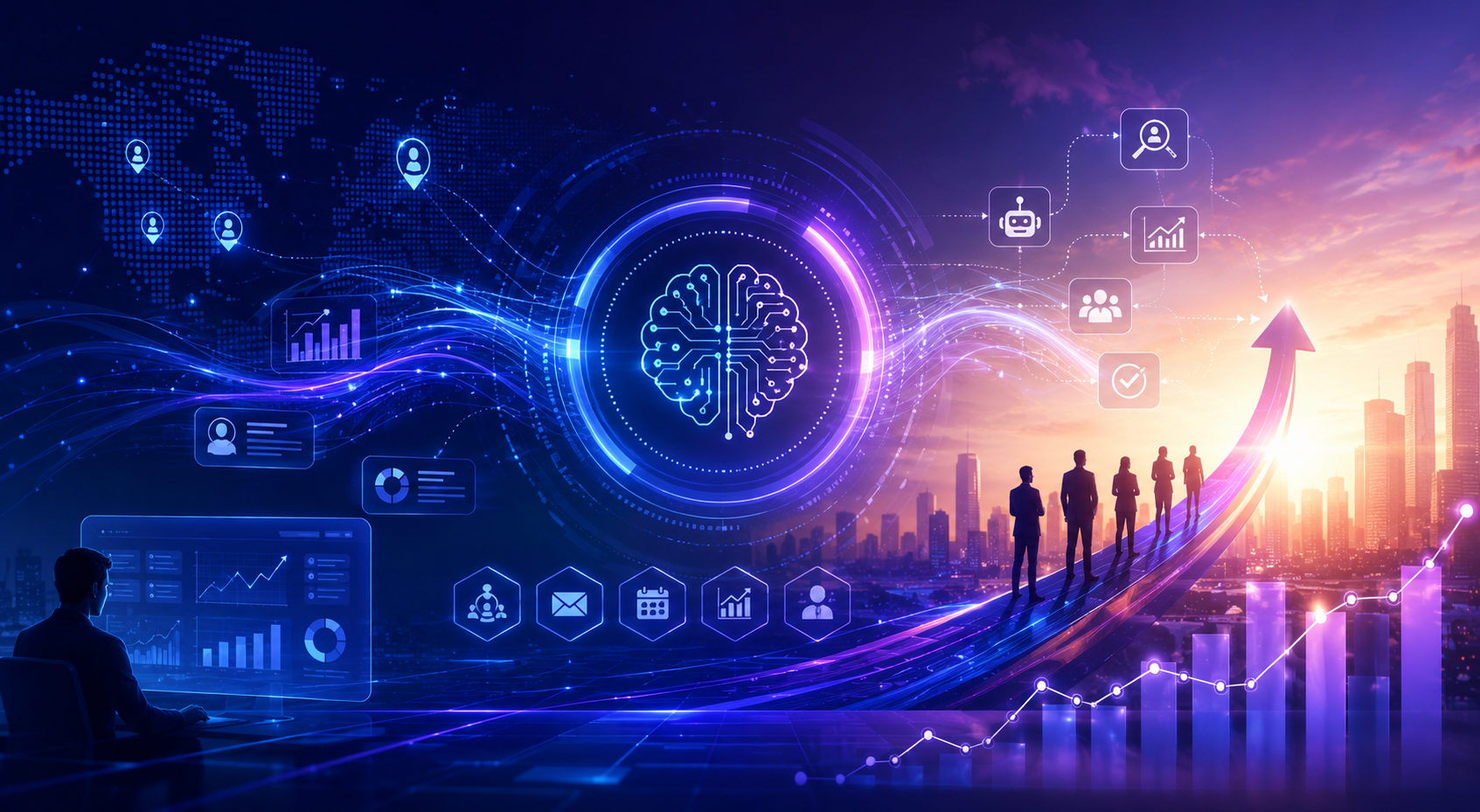
Today’s customers move unpredictably across channels, expect relevance in real time, and abandon brands that fail to adapt. In response, organizations are shifting from static journey maps to intelligent automation and adaptive customer journeys—systems that learn, respond, and evolve based on customer behavior and context.
This is not just a marketing evolution. It is a fundamental change in how growth is engineered.
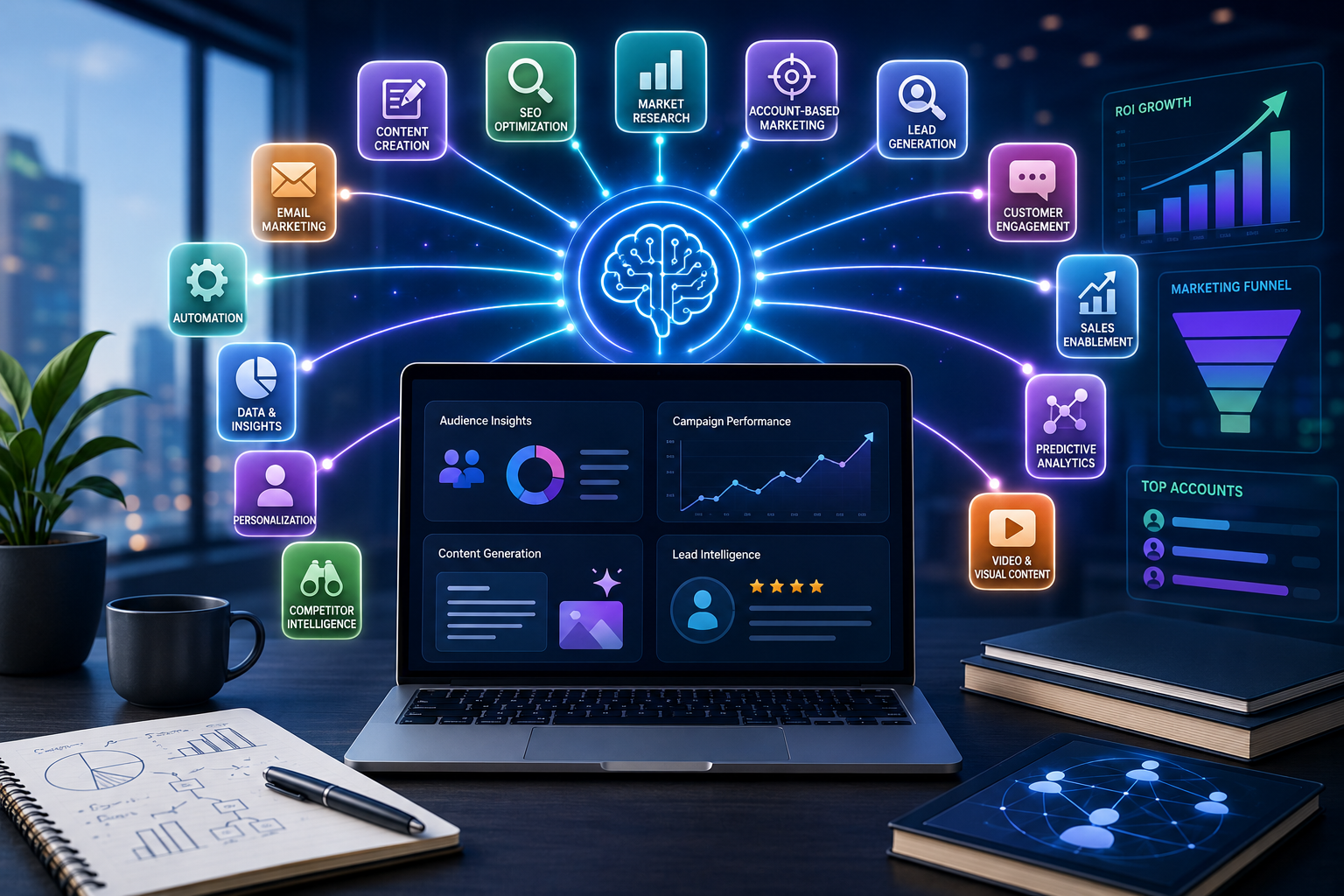
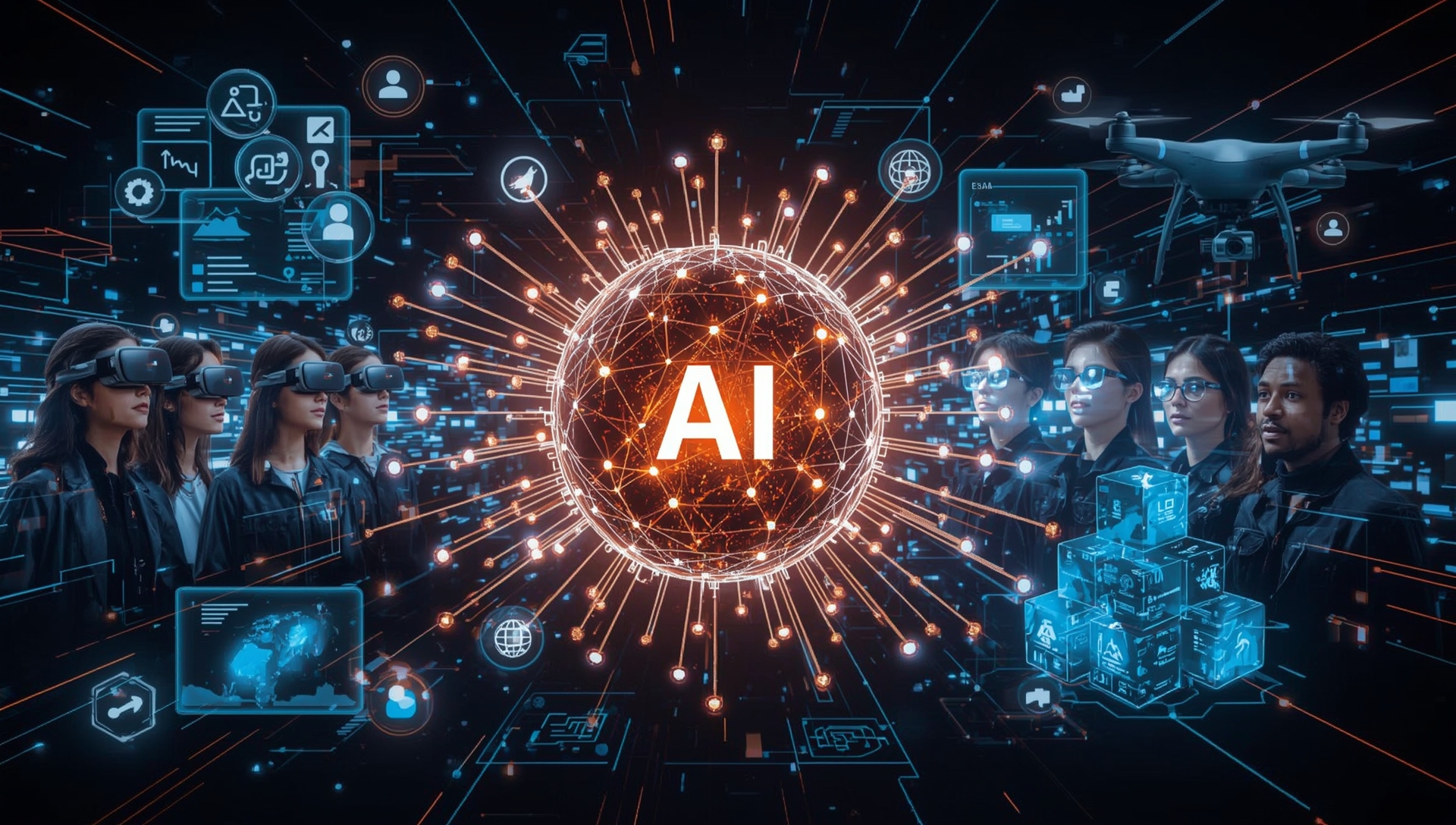
What Is Intelligent Automation?
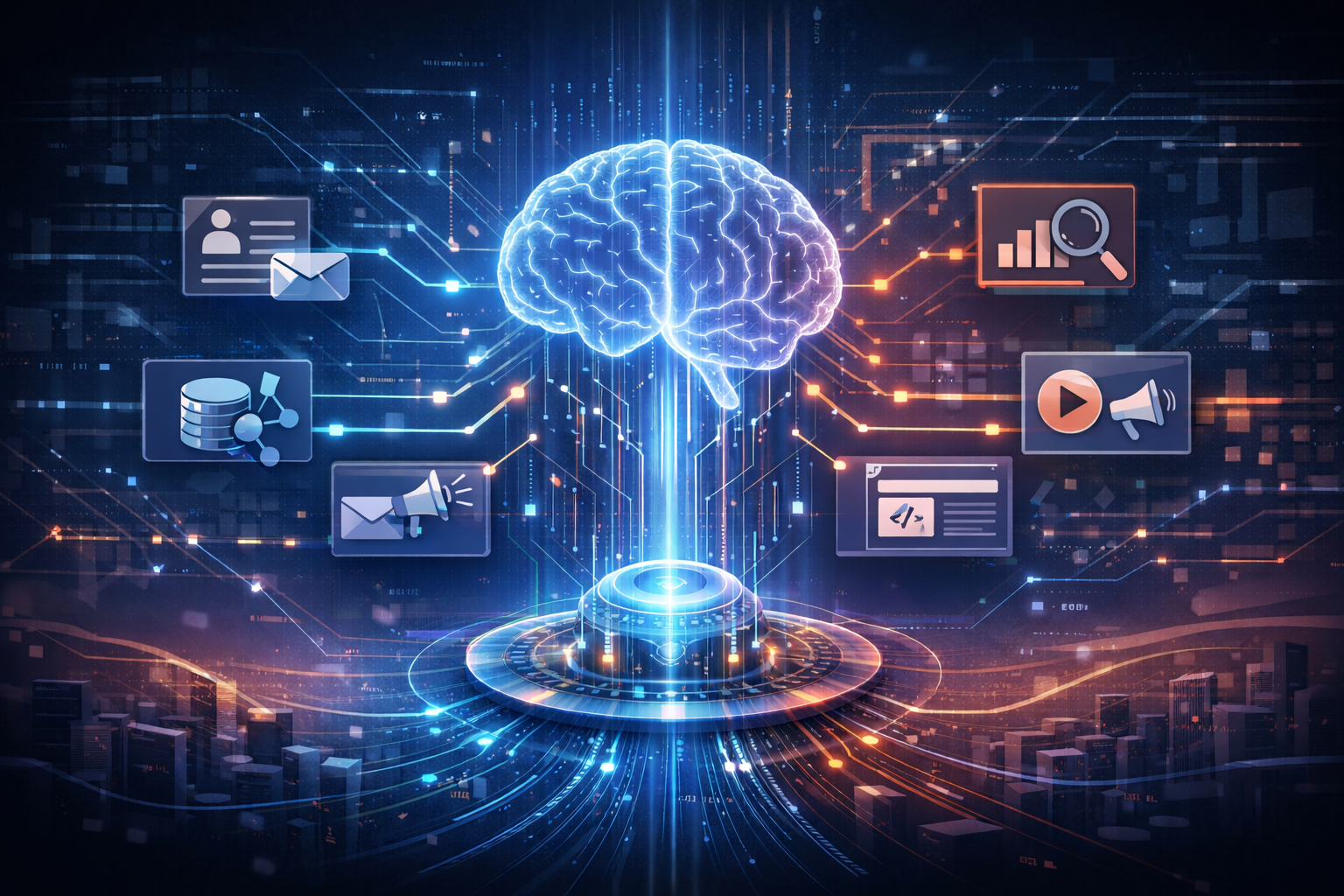
Intelligent automation goes beyond rule-based workflows and basic triggers.
It combines:
- Automation (orchestration of actions across systems)
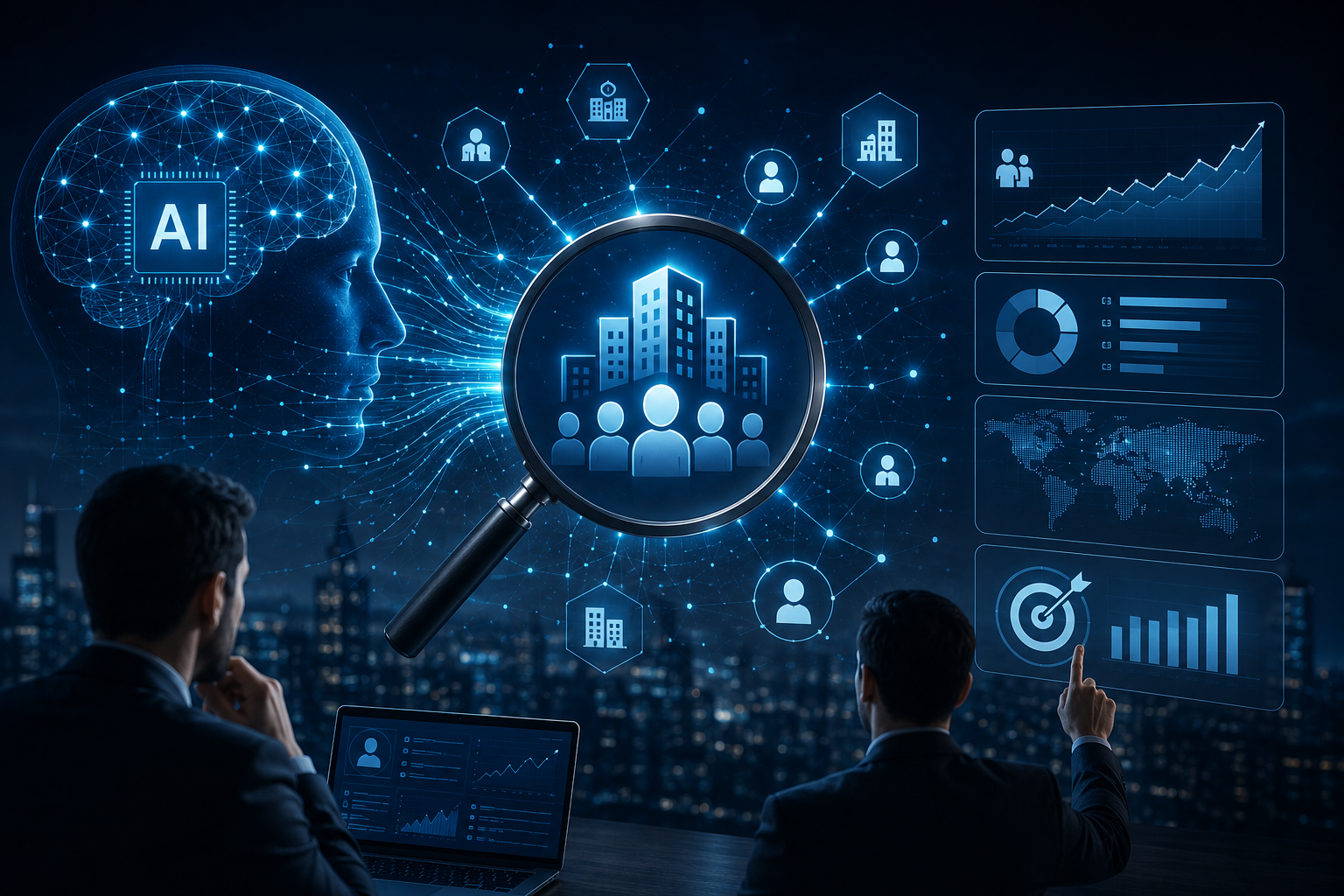
- Data intelligence (real-time signals, behavioral data, intent)
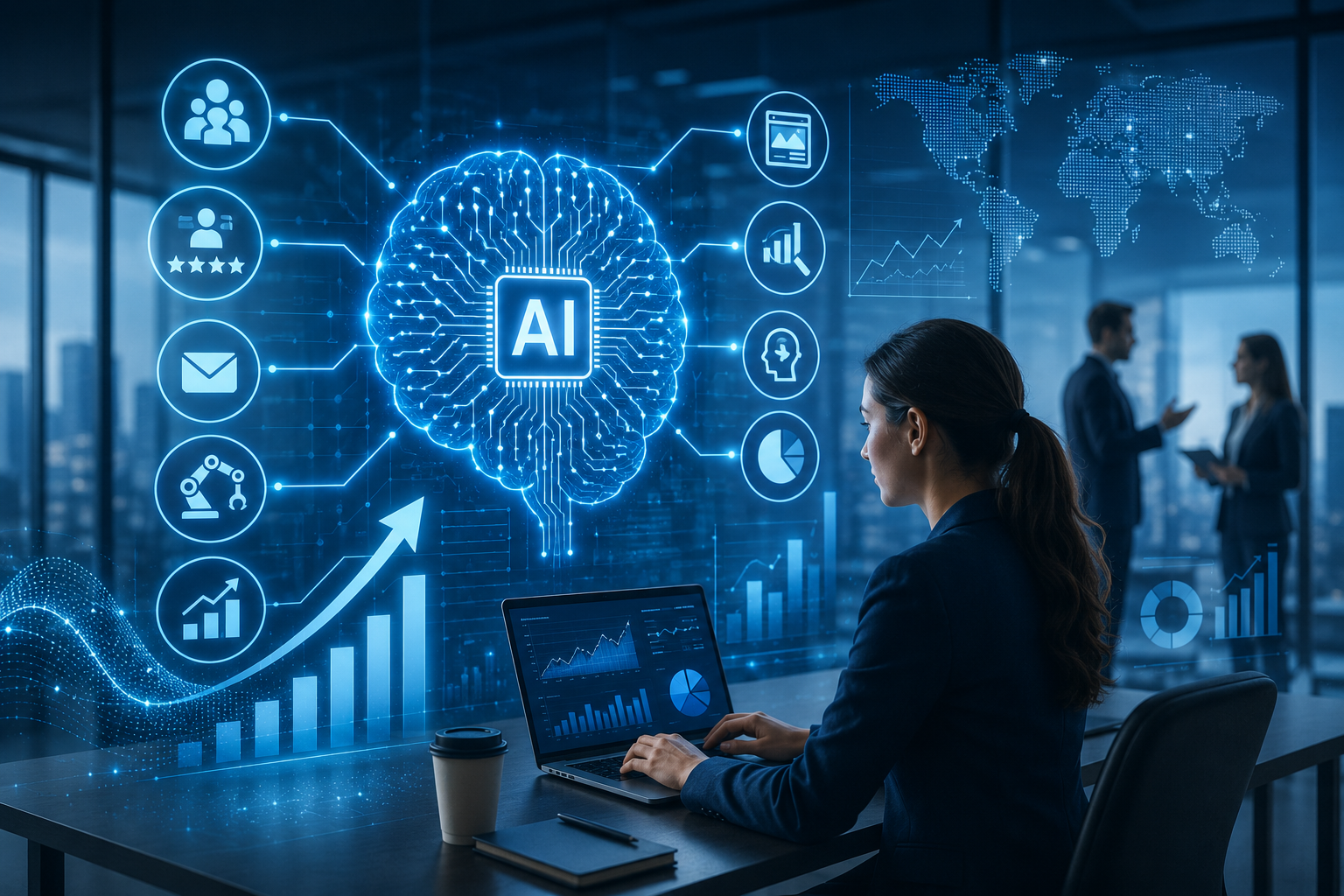
- Decisioning logic (rules, scoring, AI/ML models)
- Continuous learning (feedback loops that improve outcomes)
Instead of asking “What step comes next?”, intelligent automation asks:
“What should happen next for this customer, right now?”
Defining Adaptive Customer Journeys
Adaptive customer journeys are experiences that dynamically adjust based on:
- Customer behavior and engagement
- Channel preferences
- Lifecycle stage and velocity
- Contextual signals (time, device, industry, intent)
- Outcomes of prior interactions
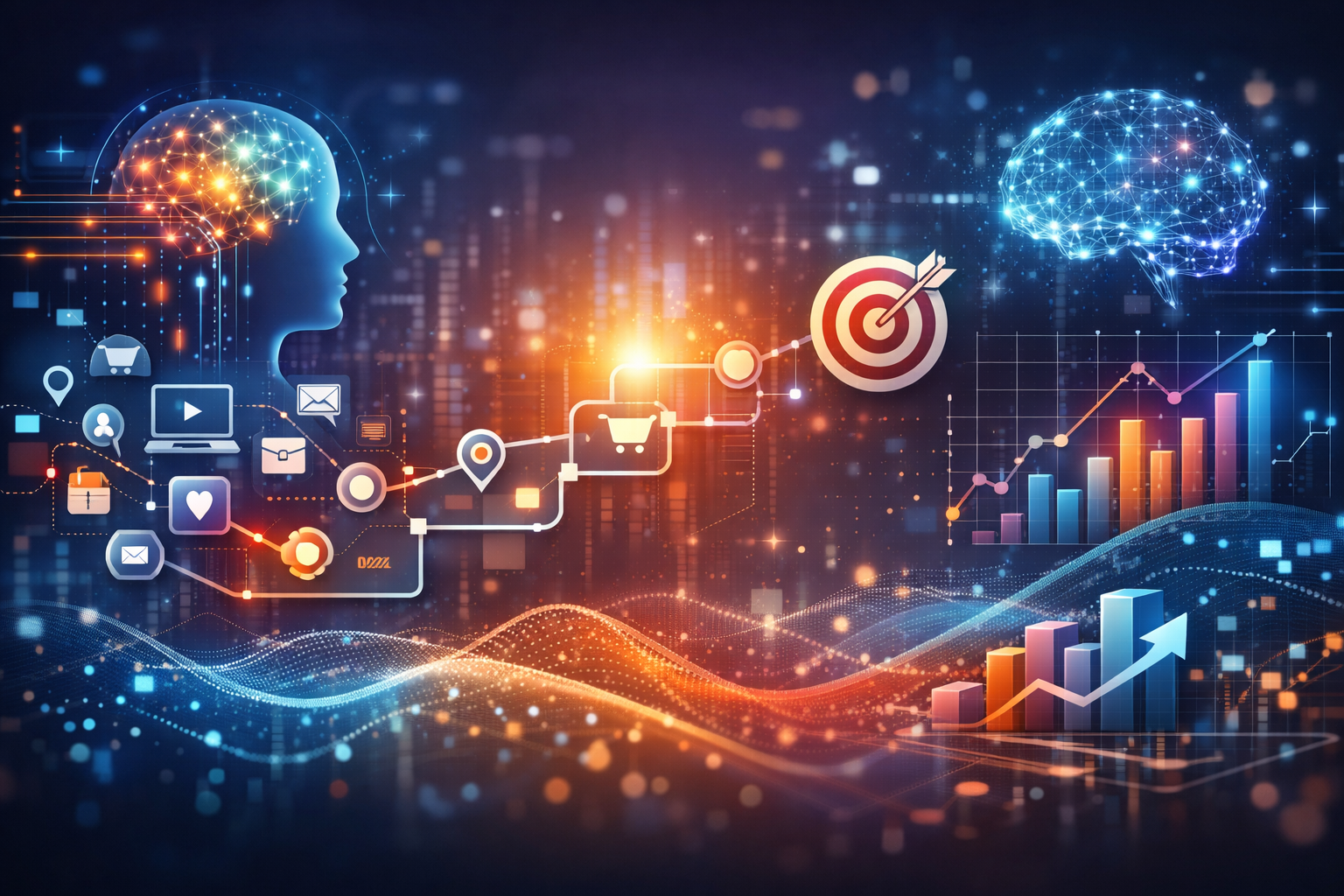
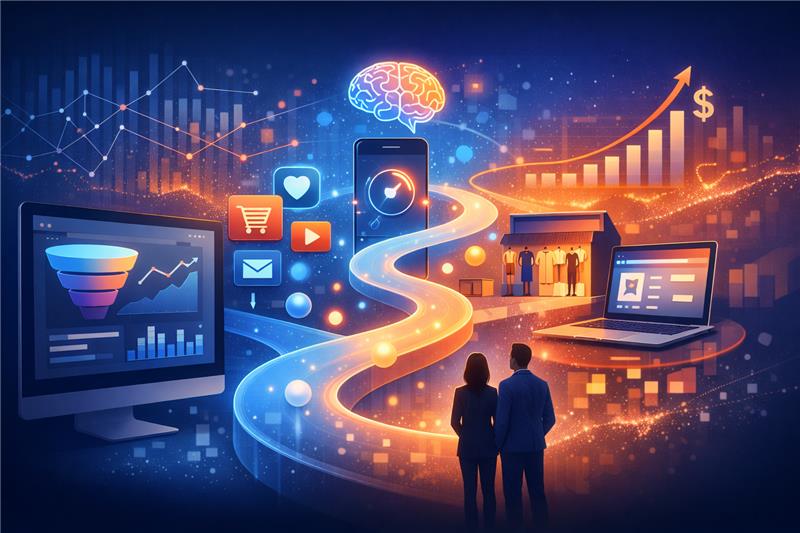
Unlike traditional journeys that push customers down a predefined path, adaptive journeys respond—changing messaging, timing, channels, and even goals in real time.
The journey becomes a living system, not a flowchart.
Why Static Journeys Are Failing
1. Customers Don’t Follow the Map
Customers jump stages, repeat actions, go silent, reappear, and switch channels constantly. Static journeys assume order where none exists.
Adaptive journeys accept chaos—and thrive in it.
2. One-Size-Fits-All Personalization Falls Flat
Basic personalization (name, company, industry) is no longer enough. Customers expect relevance based on what they are doing now, not who they were last quarter.
Intelligent automation enables:
- Behavioral-based personalization
- Context-aware messaging
- Real-time journey re-routing
3. Speed Matters More Than Perfection
The ability to respond quickly often outweighs perfectly crafted campaigns. Static journeys require manual updates; adaptive journeys self-adjust.
In fast-moving markets, responsiveness becomes a competitive advantage.
How Intelligent Automation Powers Adaptive Journeys
1. Event-Driven Orchestration
Adaptive journeys are triggered by events, not schedules:
- Product usage
- Content engagement
- Sales activity
- Support interactions
- Intent signals
Every meaningful event becomes an opportunity to respond—or to pause.
2. Decisioning at Every Step
Rather than a single branching decision, intelligent journeys evaluate:
- Is the customer engaged?
- Has intent increased or decreased?
- Is Sales already involved?
- What channel is working best?
Each interaction recalculates the optimal next action.
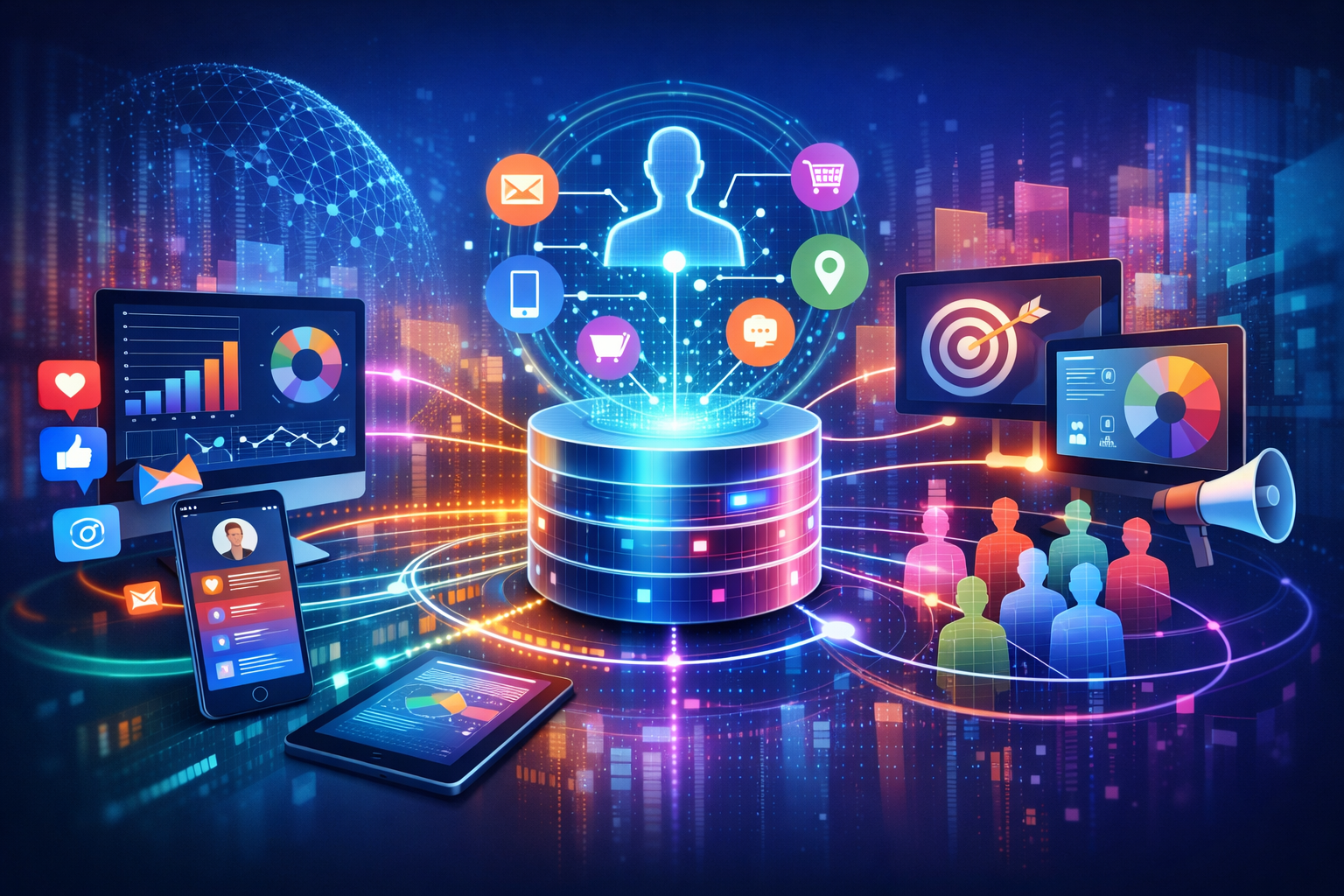
3. Cross-System Intelligence
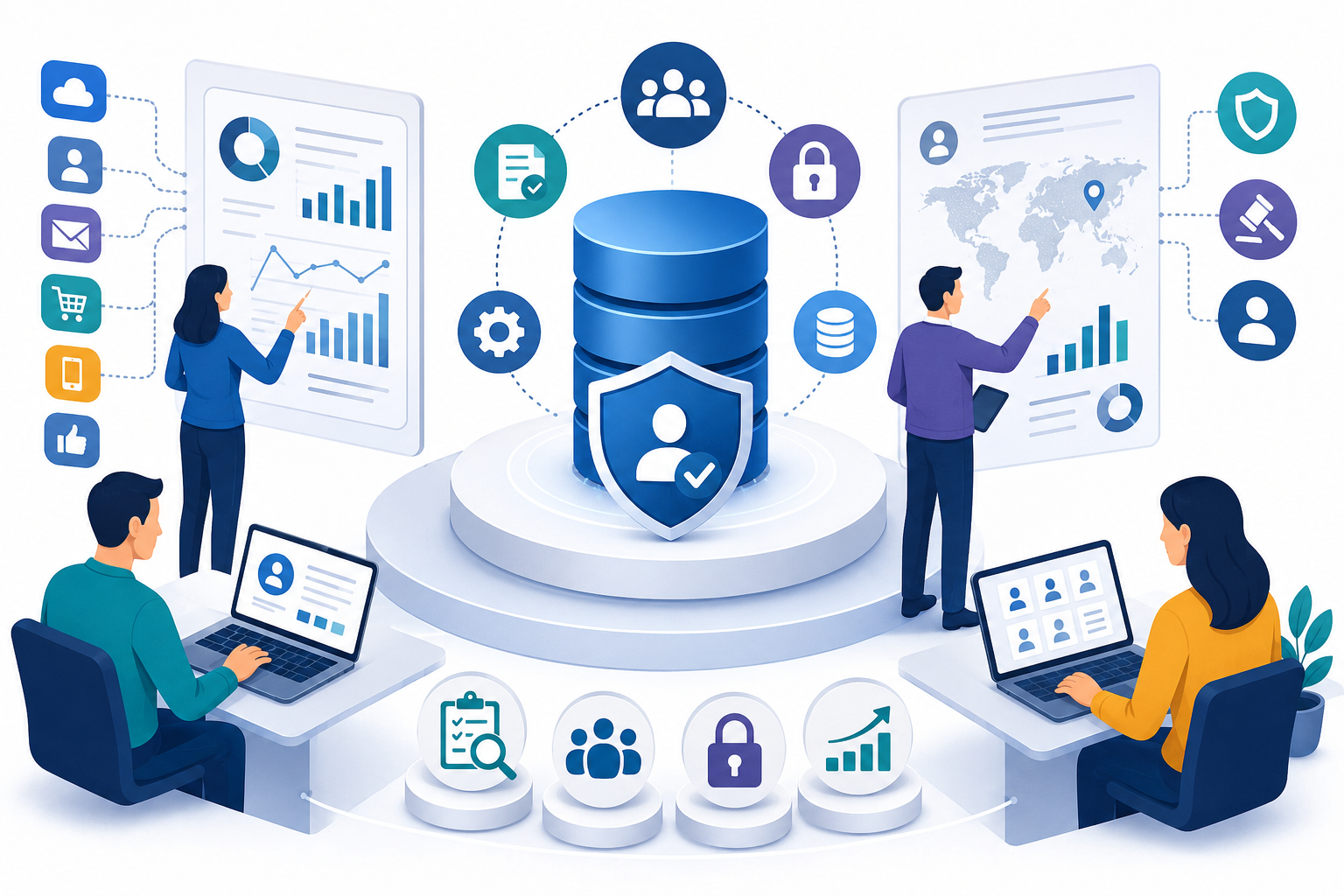
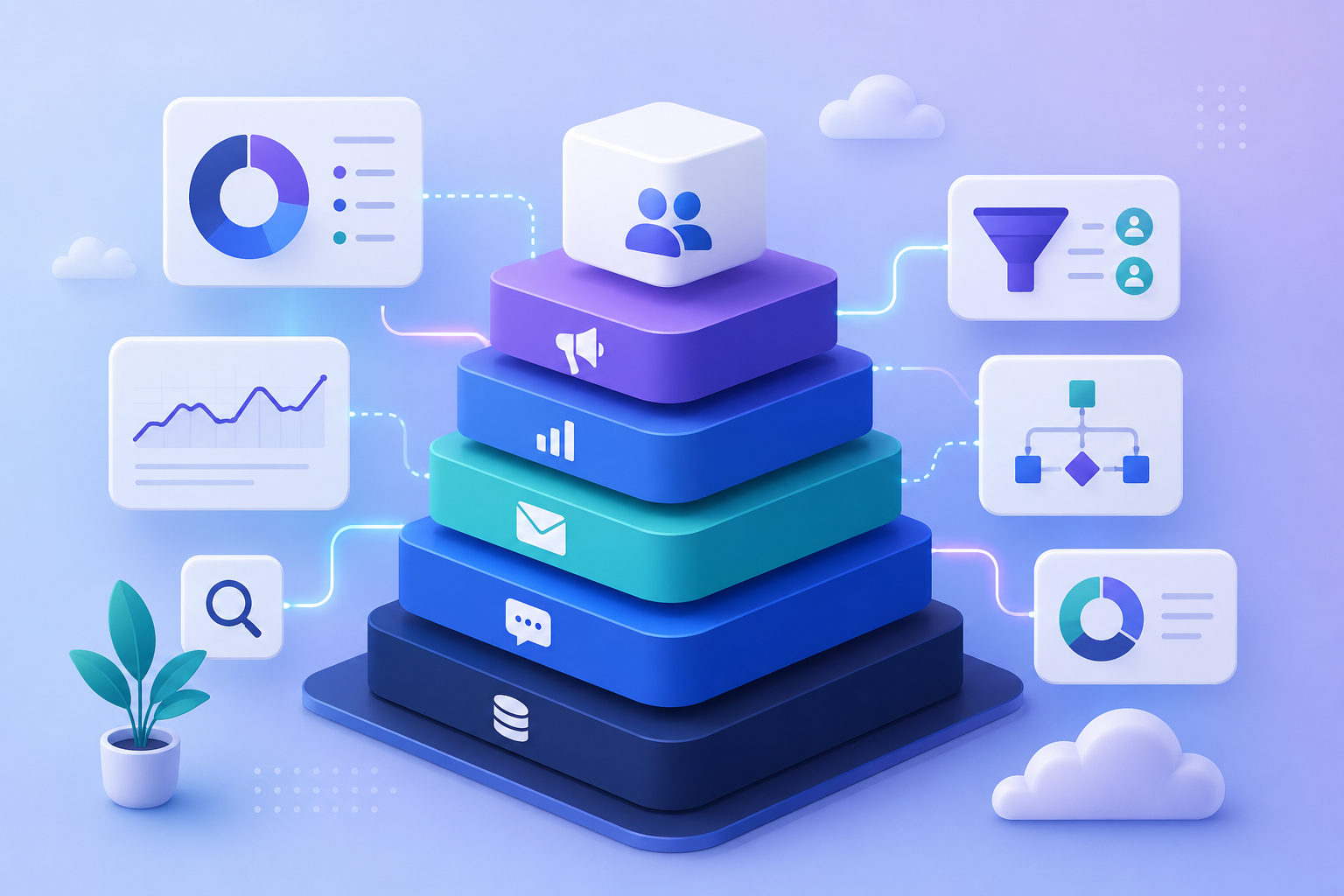
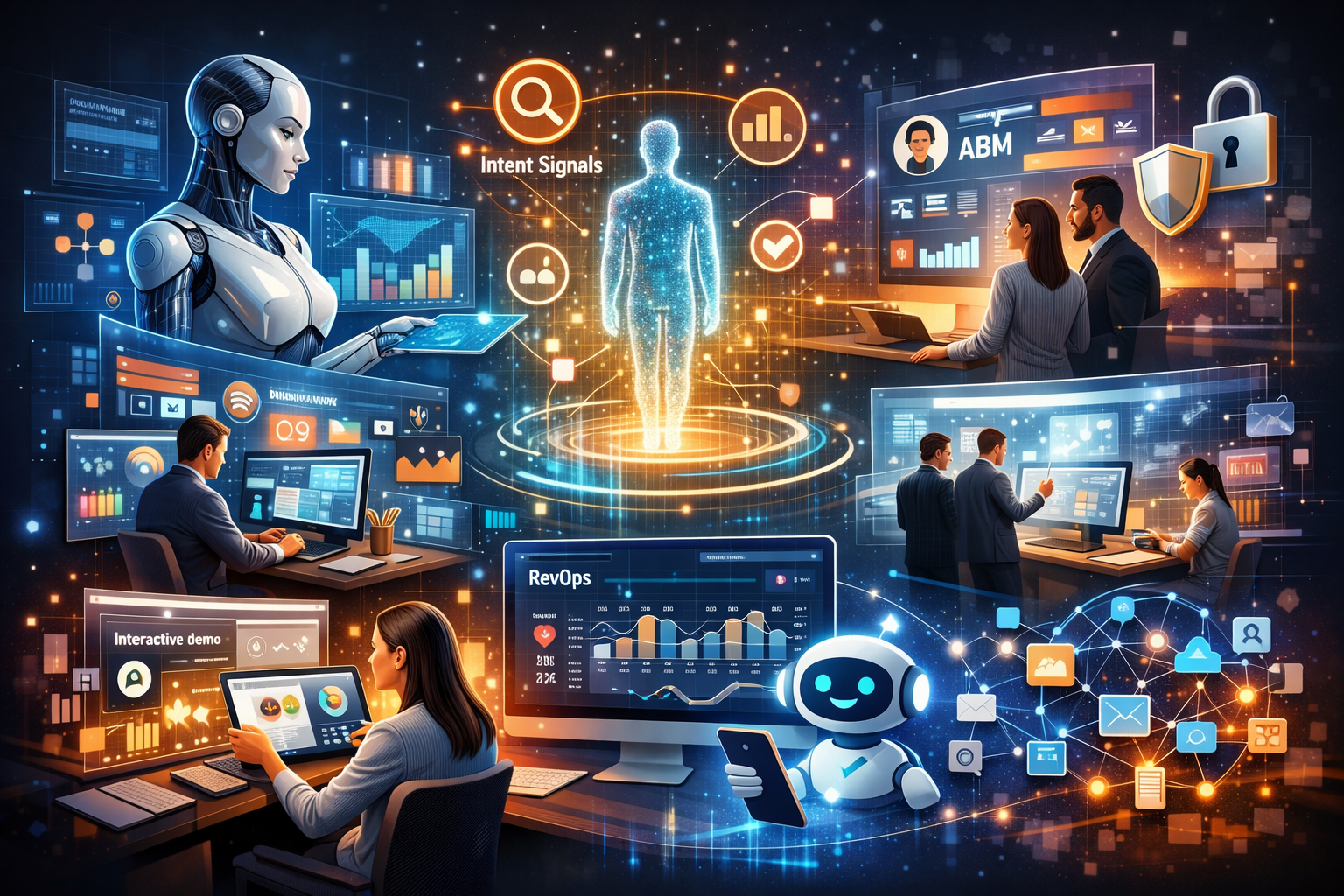
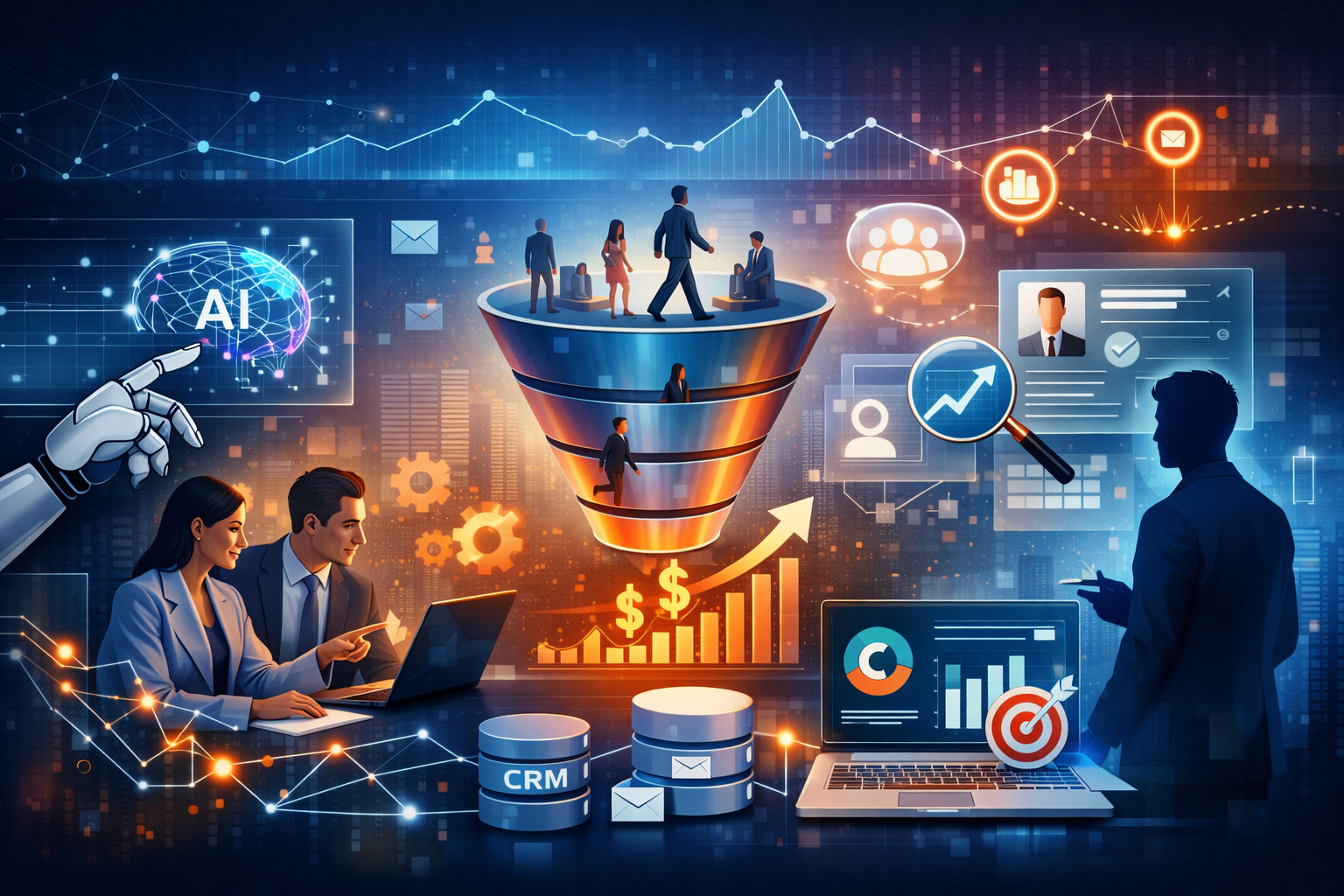
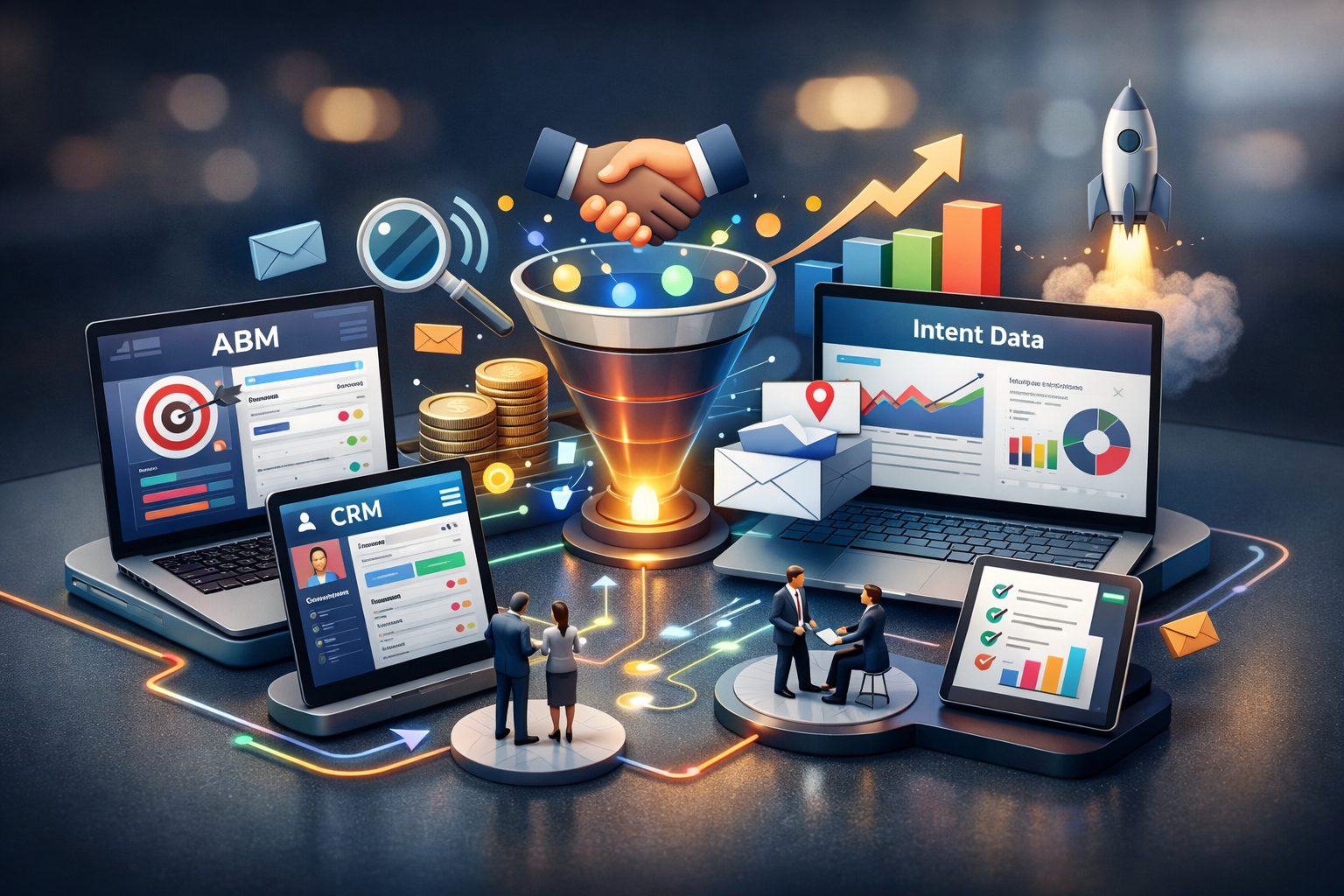
Adaptive journeys require data from across the ecosystem:
- CRM
- Marketing automation
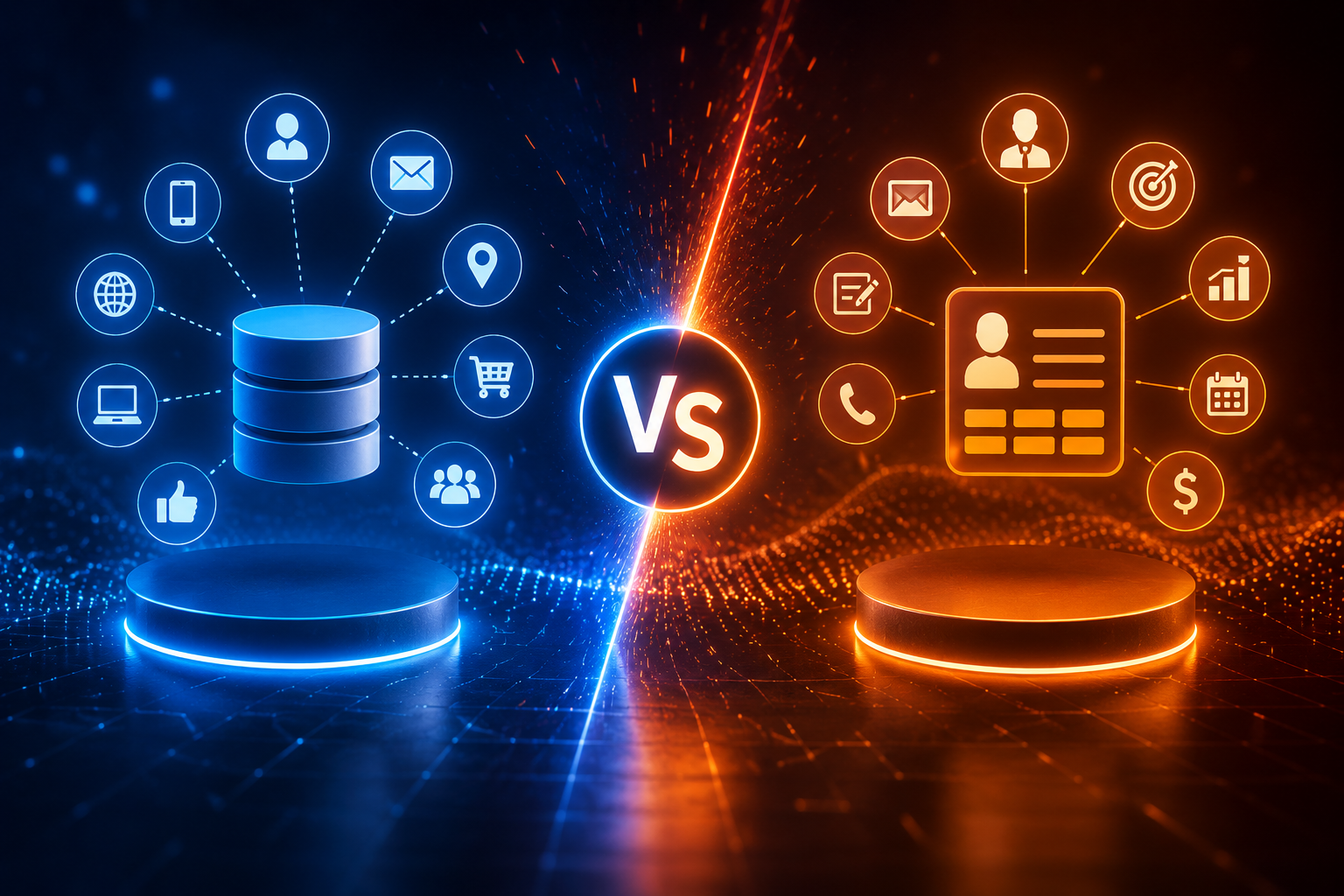
- CDP or data warehouse
- Product analytics
- Customer support platforms
This is where strong MarTech Ops and RevOps foundations become critical—without clean data and integrations, intelligence breaks down.
4. Built-In Feedback Loops
Outcomes matter. Intelligent automation measures:
- Engagement lift
- Conversion velocity
- Pipeline impact
- Retention and expansion
These signals feed back into journey logic, continuously improving performance over time.
The Business Impact of Adaptive Journeys
Organizations that adopt intelligent automation see measurable gains:
- Higher conversion rates through better timing and relevance
- Shorter sales cycles by aligning outreach with intent
- Improved customer experience through reduced noise and friction
- Greater efficiency by eliminating manual intervention
- Stronger retention and expansion via lifecycle-aware engagement
Adaptive journeys do not just optimize marketing—they optimize revenue.
The Role of Ops: Designing for Intelligence, Not Just Automation
MarTech Ops and Revenue Ops play a pivotal role in making adaptive journeys work.
They:
- Design event taxonomies and data standards
- Ensure real-time data availability
- Define decisioning frameworks and guardrails
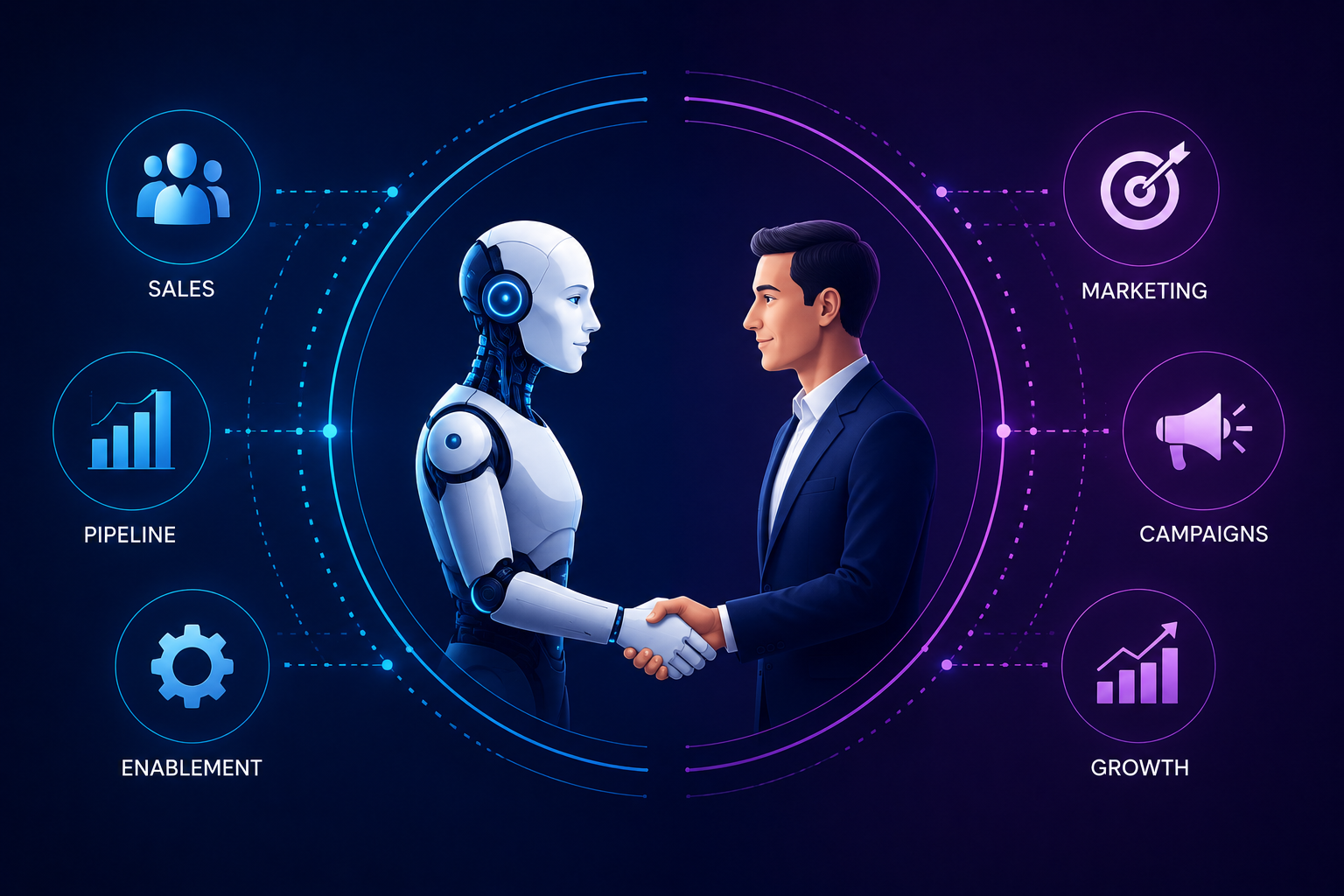
- Balance automation with human intervention
- Govern experimentation and optimization
Read Also: MarTech Ops & Revenue Ops: From System Stewards to Strategic Owners of Technology Decisions