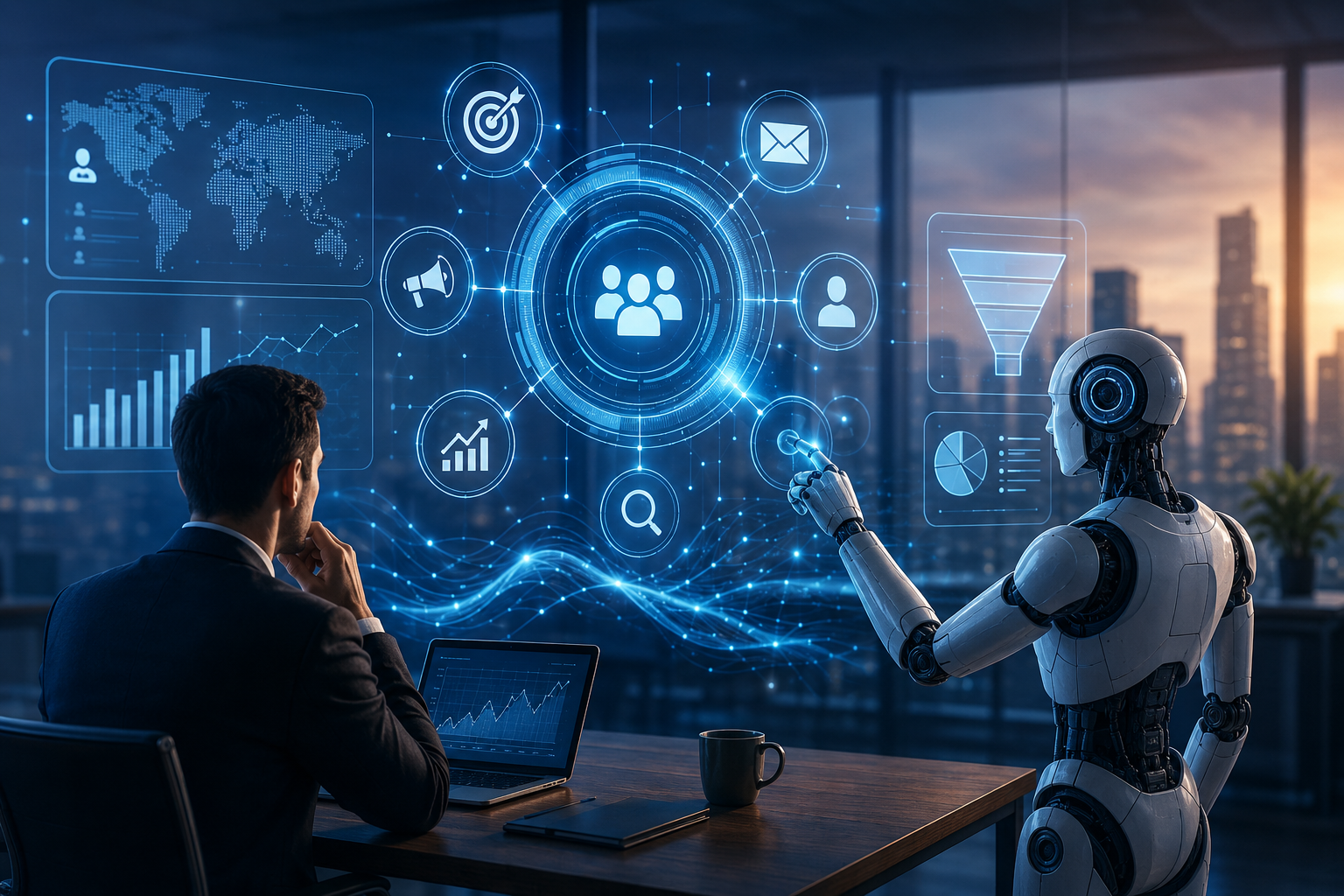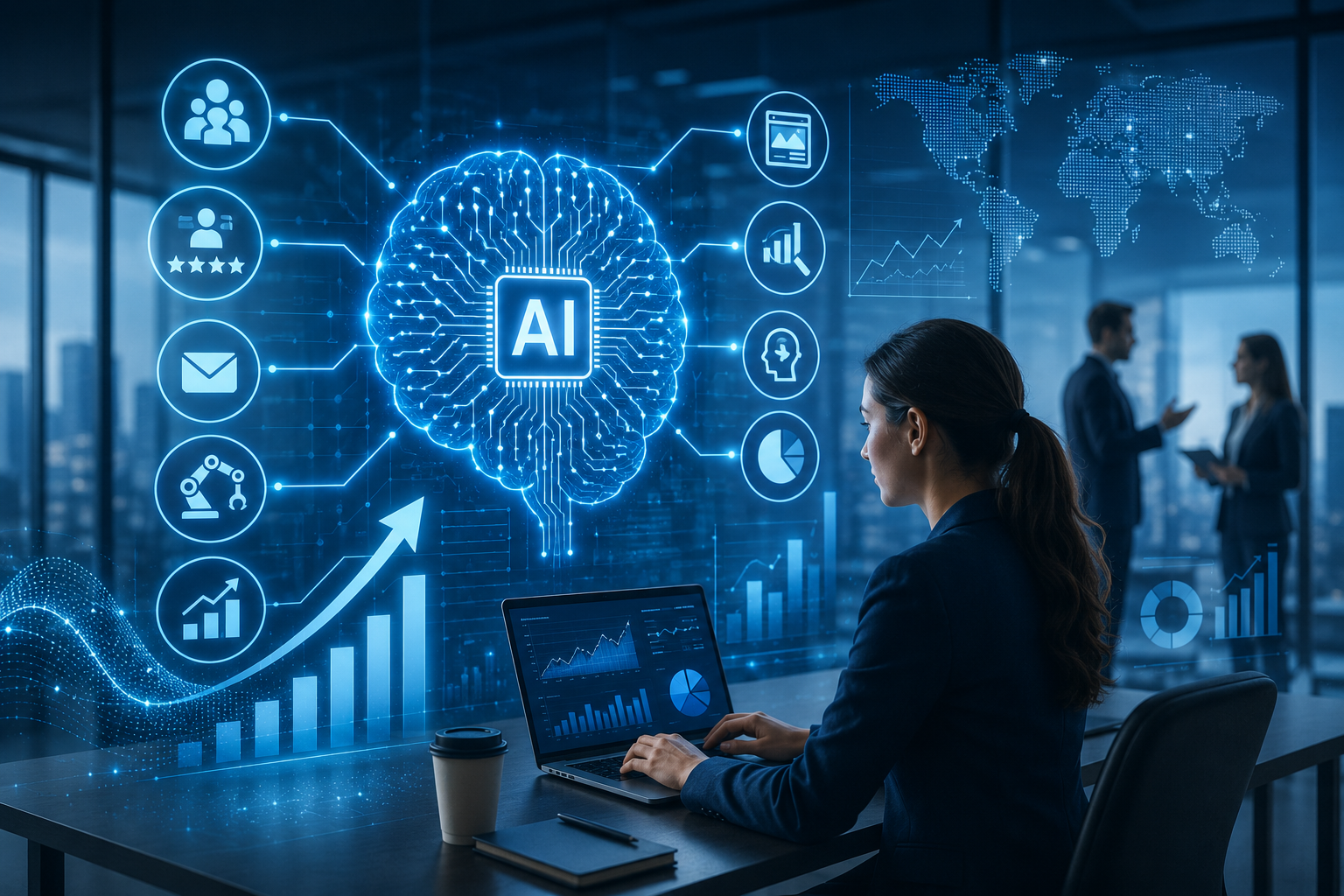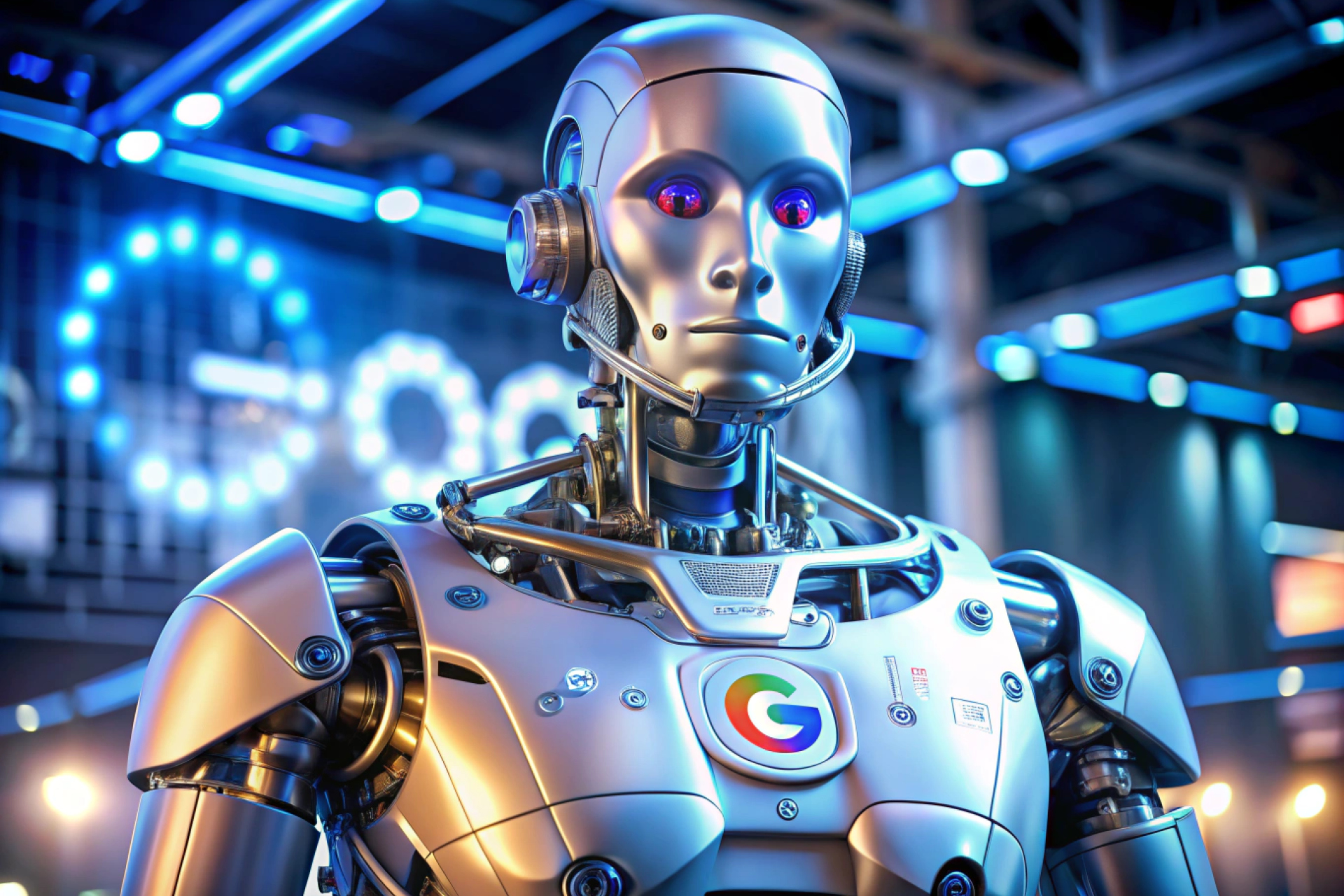

In today’s rapidly evolving business landscape, procurement—once a back-office, manual function—is being completely reimagined. The advent of AI-first procurement and autonomous purchasing systems marks a pivotal shift in how organizations source goods and services, manage suppliers, and control costs. What was previously a reactive, labor-intensive process is now transforming into a proactive, intelligent, and strategic capability powered by artificial intelligence.
What Is AI-First Procurement?
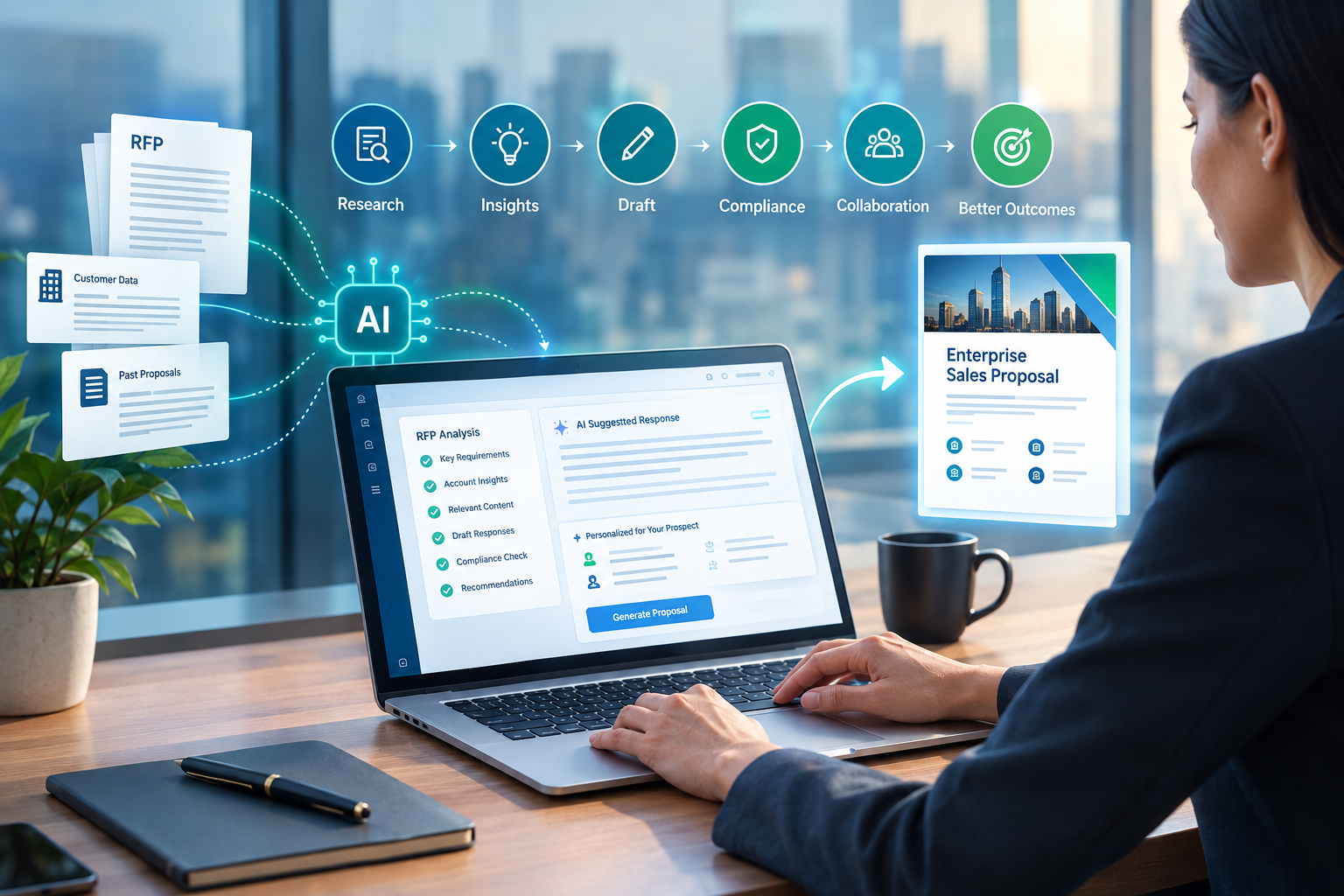
AI-first procurement refers to the integration of artificial intelligence at the core of procurement workflows. Instead of using AI as a supporting tool, organizations design systems where AI drives decision-making, automates complex tasks, predicts demand, and learns from patterns to optimize procurement over time.
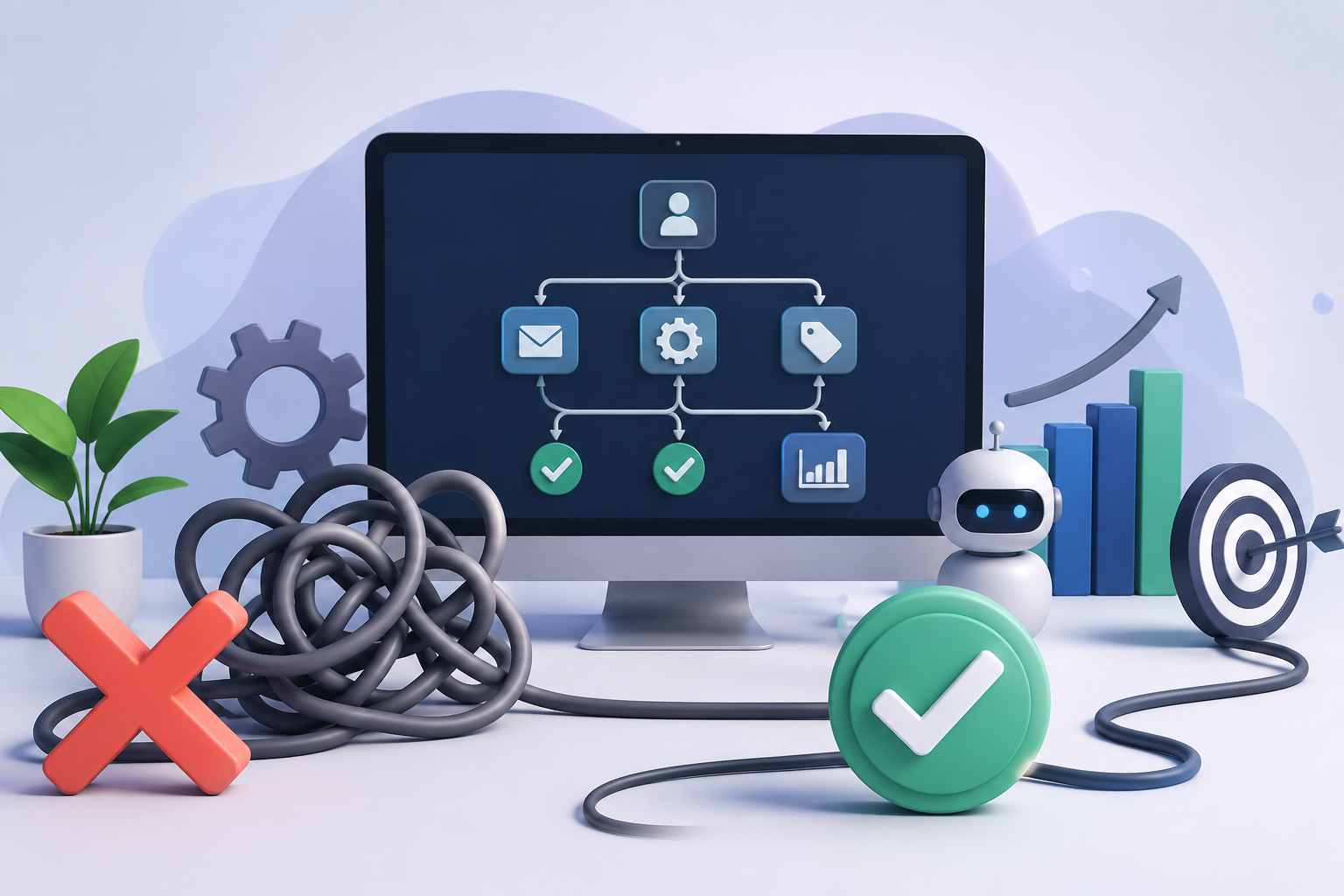
Traditional procurement relies heavily on human judgment and manual processing. In contrast, AI-first procurement systems continuously analyze data, understand context, and make real-time decisions. This not only enhances efficiency but also strengthens strategic outcomes like cost savings, risk mitigation, and supplier relationships.
Autonomous Purchasing Systems: The Heart of AI-First Procurement
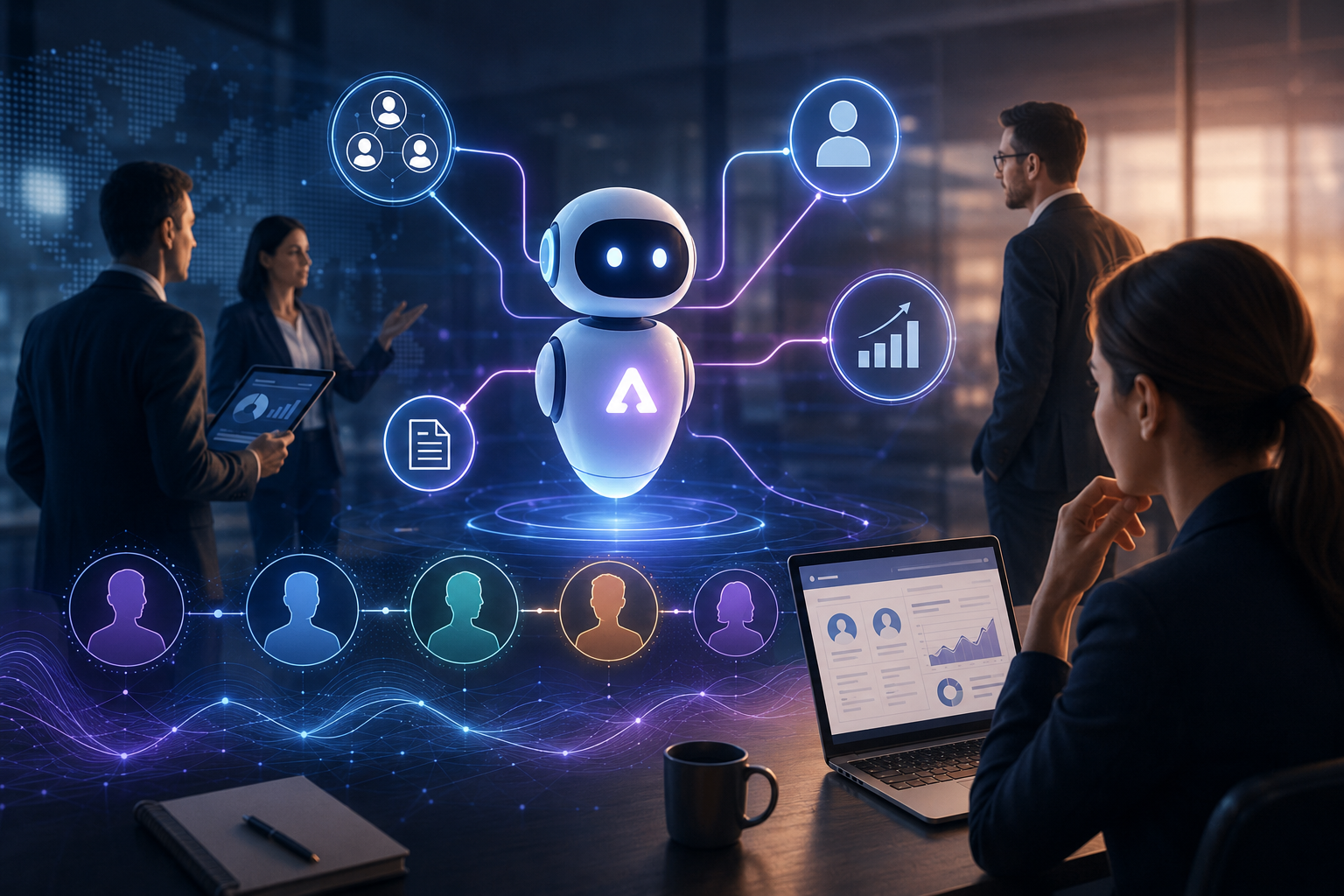
At the center of this transformation are autonomous purchasing systems — AI-driven platforms that can carry out procurement tasks with minimal human intervention. These systems are designed to:
- Automatically identify purchasing needs based on usage data, inventory levels, and predictive forecasts.
- Select the best suppliers using AI-evaluated criteria such as price, quality, reliability, and sustainability.
- Negotiate terms and prices with suppliers via intelligent algorithms.
- Issue purchase orders and manage contracts, often in real time.
- Monitor supplier performance and adapt future procurement decisions accordingly.
In essence, these systems act like intelligent agents capable of handling routine as well as strategic purchasing functions.
Why Organizations Are Embracing AI-First Procurement
1. Precision and Predictive Insights
AI excels at processing vast amounts of data to detect patterns humans might miss. Predictive analytics enable companies to foresee demand changes, prevent stockouts, and avoid wasteful over-ordering.
2. Cost Reduction and Efficiency
Automation of manual tasks — such as data entry, vendor screening, and order processing — dramatically reduces operational costs and cycle times. AI systems also optimize supplier selection to negotiate better deals.
3. Risk Management
AI analyzes multiple risk factors including geopolitical events, weather disruptions, supplier financial health, and compliance issues. Early warnings allow procurement teams to proactively adjust strategies.
4. Enhanced Supplier Collaboration
With AI handling routine interactions, procurement professionals can focus on building stronger relationships with key suppliers — fostering innovation, shared value, and long-term partnerships.
How AI Powers Autonomous Procurement
Let’s break down the key AI technologies that fuel these systems:
🔹 Machine Learning (ML)
ML algorithms learn from historical procurement data to improve predictions about future needs, pricing trends, and supplier performance.
🔹 Natural Language Processing (NLP)
NLP enables AI systems to understand contracts, extract critical clauses, and even communicate with suppliers via conversational interfaces or email.
🔹 Robotic Process Automation (RPA)
RPA tools streamline repetitive tasks like invoice processing and order entry, freeing human teams for higher-value work.
🔹 Intelligent Agents
These AI agents can autonomously execute procurement actions — from issuing orders to renegotiating contracts — within predefined policies and parameters.
Real-World Impact: Examples in Action
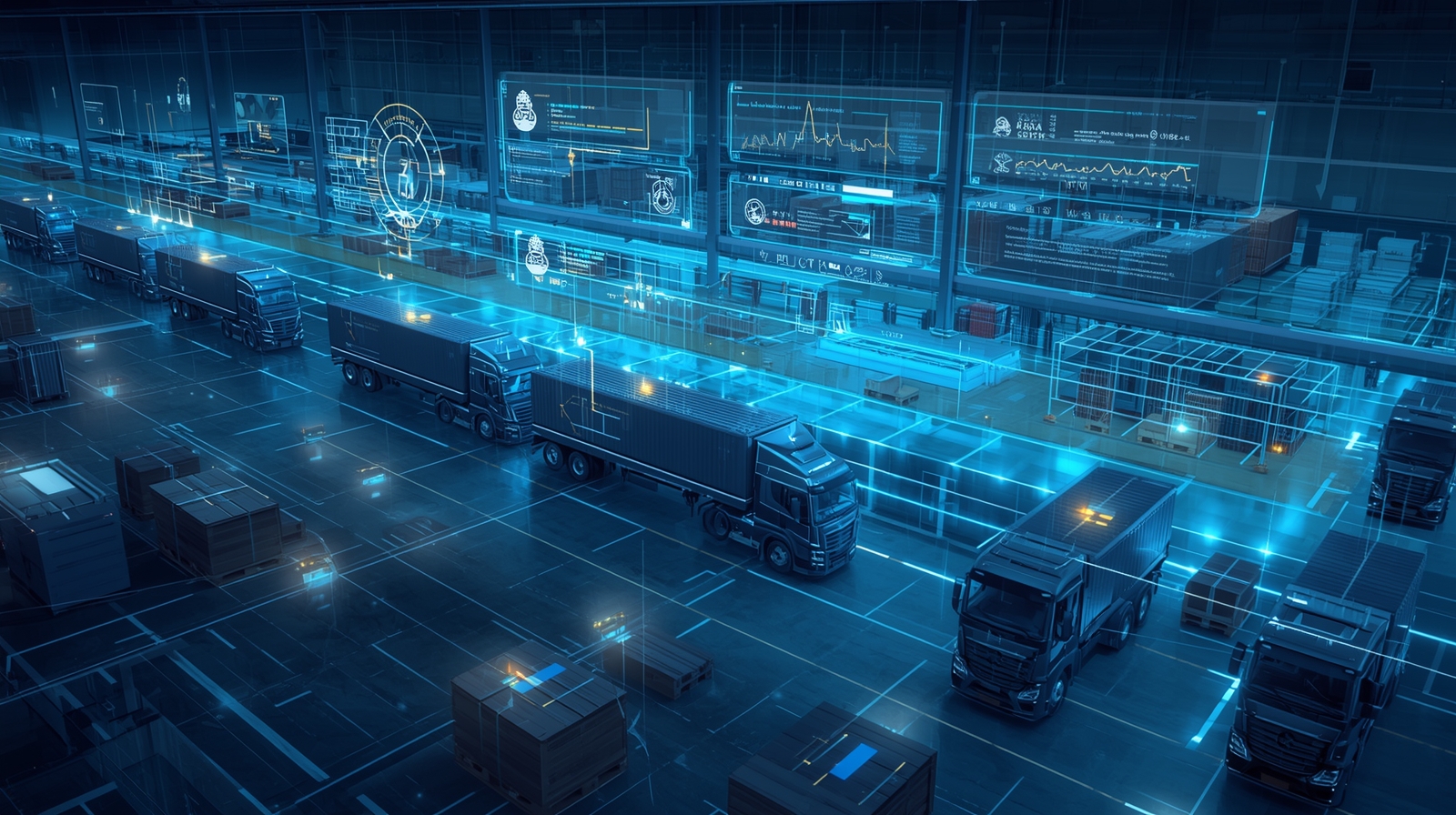
Consider a global manufacturing firm that integrates an autonomous system into its supply chain. Rather than work off static forecasts, the AI platform examines real-time production data, market trends, and supplier performance metrics — then autonomously triggers purchase orders as needed, ensuring consistent supply while minimizing excess inventory.
Or imagine a large retailer whose AI procurement tool constantly analyzes pricing across vendors, automatically switching orders to secure the best rates while maintaining quality standards. These are no longer futuristic scenarios — they’re already happening.
Challenges and Human-AI Balance
Despite its immense potential, AI-first procurement isn’t without challenges:
- Data Quality and Integration: AI systems require clean, well-structured data from multiple systems — a hurdle for many organizations.
- Change Management: Teams must adapt to new ways of working, including trusting AI recommendations.
- Ethical and Compliance Concerns: Autonomous decisions must align with ethical standards and regulatory requirements.
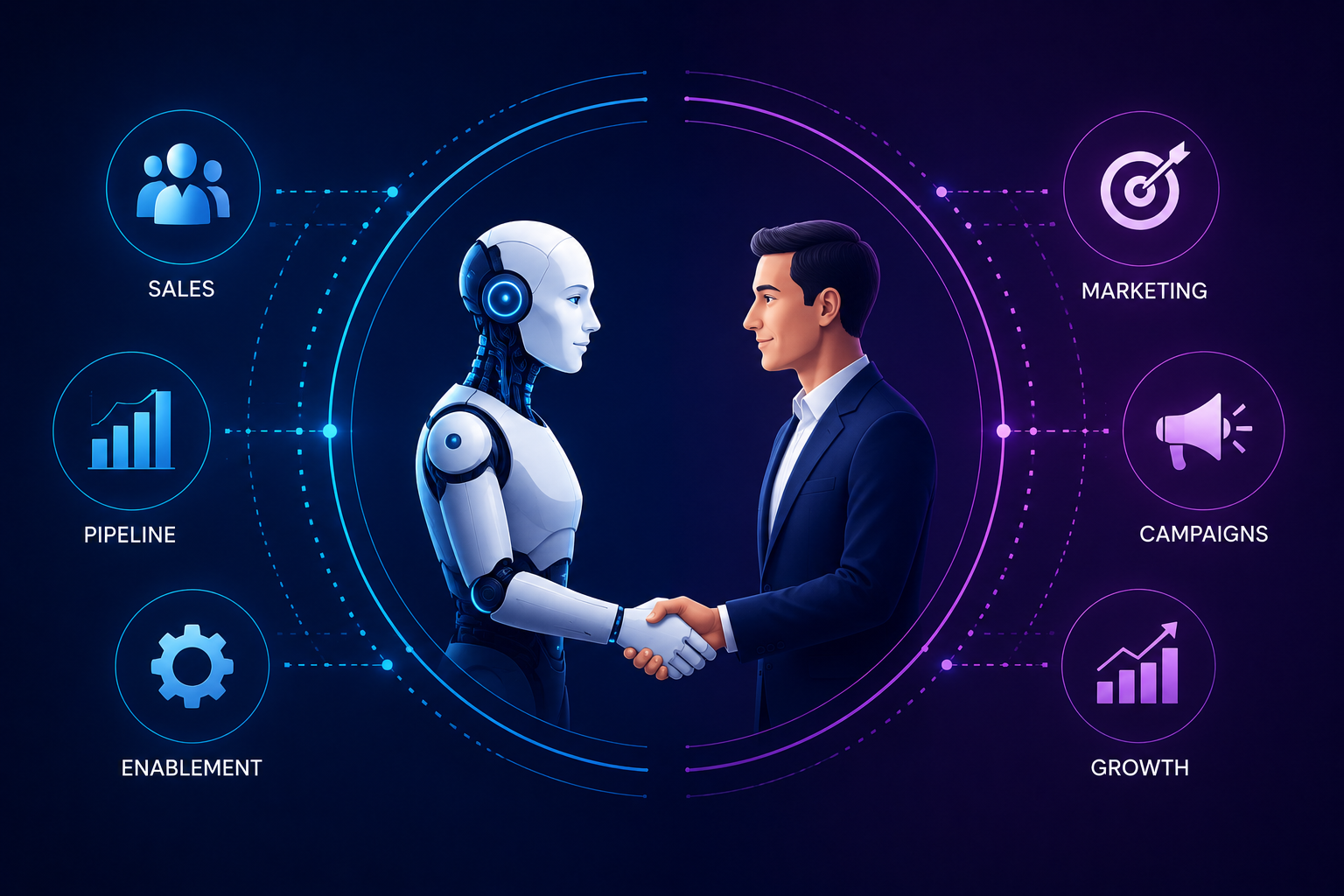
Importantly, AI doesn’t replace human judgment — it augments it. Procurement professionals will increasingly act as strategic overseers, guiding AI systems and focusing on negotiation, relationship building, and innovation.
Read Also: How B2B SaaS Companies Are Embedding AI to Drive Product Stickiness